
How to Handle Tiny Succulent Seeds: Expert Techniques

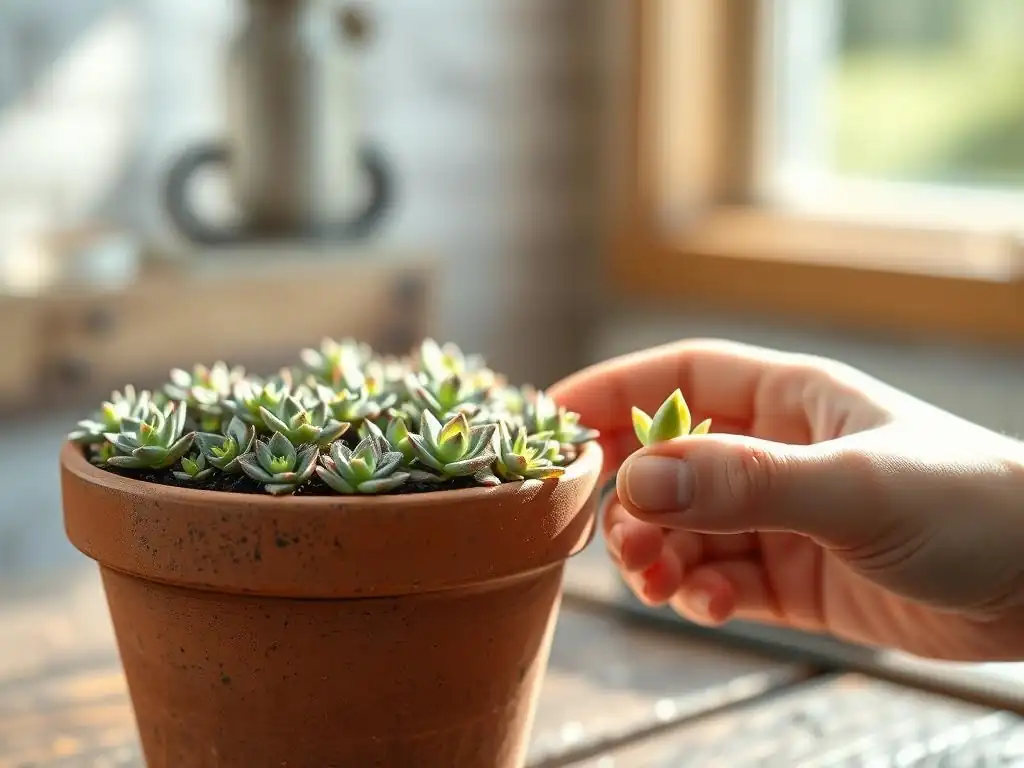
Welcome to SucculentEssentials.org, where the fascinating world of succulents unfolds before you! Are you ready to unlock the secrets of these miniature marvels? We delve into every aspect of succulent care, from mastering the art of planting tiny succulent seeds – a challenge many find daunting – to creating breathtaking arrangements. Prepare to be amazed as you discover the surprisingly simple techniques that will transform your succulent collection! Let's dive in and nurture your green thumb.
- Understanding the Challenges of Planting Tiny Succulent Seeds
- Preparing for Success: Essential Supplies and Techniques for Planting Tiny Succulent Seeds
-
Step-by-Step Guide: Sowing Tiny Succulent Seeds
- Step 1: Preparing the Seed Starting Mix
- Step 2: Filling and Leveling Seed Trays or Containers
- Step 3: Sowing the Tiny Succulent Seeds (Techniques for even distribution)
- Step 4: Covering the Seeds (Depth and Material)
- Step 5: Watering the Seeds (Methods for gentle watering)
- Step 6: Providing Optimal Light and Temperature
- Maintaining Ideal Conditions for Germination of Tiny Succulent Seeds
- Post-Germination Care for Tiny Succulent Seedlings
- Troubleshooting Common Problems When Planting Tiny Succulent Seeds
- Advanced Techniques for Growing Tiny Succulent Seeds
- Frequently Asked Questions
- Final Reflection: Cultivating Tiny Seeds, Growing Big Dreams
- Unleash Your Inner Green Thumb: Grow Your Succulent Paradise!
Understanding the Challenges of Planting Tiny Succulent Seeds
Planting tiny succulent seeds presents a unique set of challenges even for experienced gardeners. Unlike larger seeds with substantial food reserves, these miniature marvels require meticulous care and precision to successfully germinate and grow. Their diminutive size makes them incredibly vulnerable to environmental factors, pests, and even accidental damage during handling and sowing. This article delves into the specific techniques required for successfully propagating succulents from seed, focusing on the unique difficulties and rewarding results associated with these tiny wonders.
We’ll explore the delicate nature of the seeds themselves, examine realistic expectations regarding germination rates, and address common issues that can hinder successful germination and early seedling growth. Mastering these techniques opens a world of possibilities, allowing you to cultivate a diverse collection of rare and unusual succulents from seed, adding a rewarding layer of complexity to your succulent journey. 🌱
The Delicate Nature of Succulent Seeds
Succulent seeds are remarkably small, often barely visible to the naked eye. This tiny size directly impacts their vulnerability. Their limited food reserves mean they are highly susceptible to drying out, making consistent moisture crucial but also increasing the risk of fungal diseases. Furthermore, their delicate structure makes them easily damaged during handling and sowing. Even a slight touch can cause irreparable harm, hindering or preventing germination. Therefore, sterile techniques and gentle handling are paramount when working with these tiny seeds. Think of them as precious jewels requiring careful nurturing! 💎
Seed Size and Germination Rates: What to Expect
The size of succulent seeds varies greatly depending on the species. Some are dust-like, while others are slightly larger, but all are significantly smaller than typical flower or vegetable seeds. This directly affects germination rates. Expect germination rates to be lower than with larger seeds; a 50% germination rate can be considered quite successful for many tiny succulent species.
Factors such as seed freshness, storage conditions, and sowing techniques all play a significant role. Patience is key! Don't be discouraged if you don't see immediate results; germination can take several weeks, or even months, depending on the species and environmental conditions. Accurate record-keeping, noting the species and sowing date, is crucial for tracking progress and understanding germination patterns.
Common Issues Faced When Sowing Small Succulent Seeds
Several common issues can plague the propagation of tiny succulent seeds. These include:
- Damping-off: A fungal disease that attacks seedlings at the soil line, often leading to death. Maintaining proper ventilation and avoiding overwatering are crucial preventative measures.
- Insufficient Light: Seedlings require ample light for healthy growth. Insufficient light leads to weak, leggy seedlings prone to damping-off. Supplementation with grow lights is often necessary, especially during winter months.
- Pest Infestations: Tiny seedlings are particularly vulnerable to pests such as aphids, fungus gnats, and mealybugs. Regular monitoring and prompt treatment are essential to prevent infestations from wiping out your seedlings.
- Improper Soil Mix: The soil mix must be well-draining to prevent root rot while retaining enough moisture to support germination. A specialized seed-starting mix is recommended.
- Uneven Watering: Consistent moisture is critical but overwatering is equally detrimental. A fine mist sprayer is ideal for providing gentle and even watering.
Successfully navigating these challenges requires patience, attention to detail, and a deep understanding of the specific needs of the succulent species you are propagating. The rewards, however, are well worth the effort – a thriving collection of unique and beautiful succulents grown from seed. 🎉
Preparing for Success: Essential Supplies and Techniques for Planting Tiny Succulent Seeds
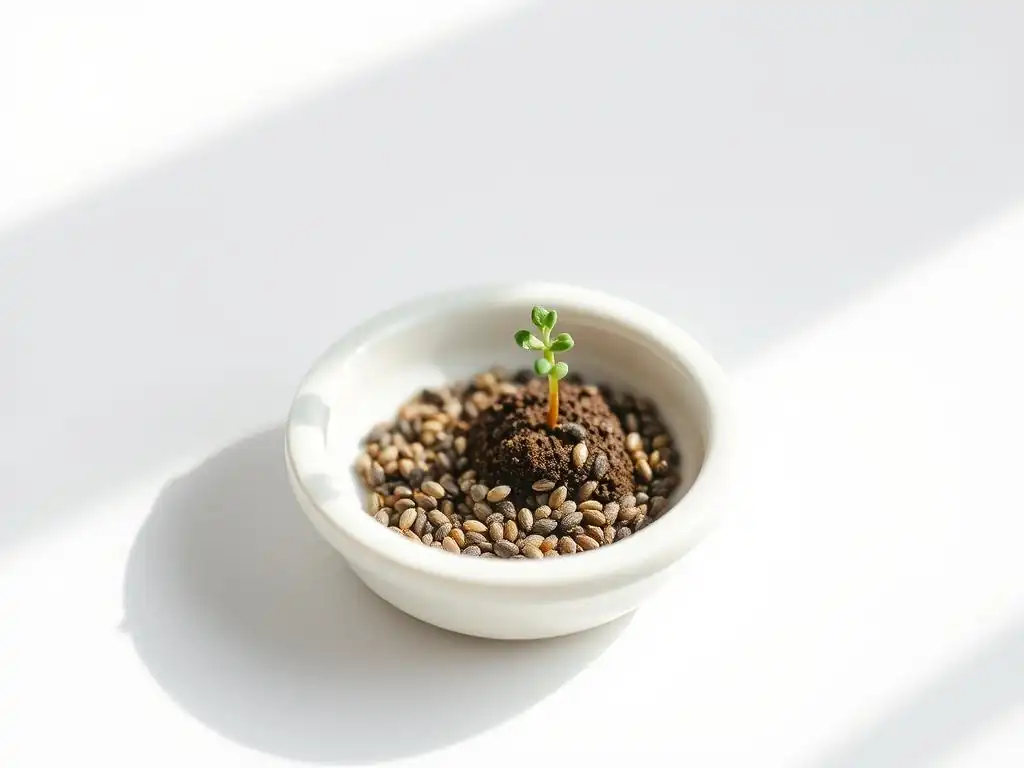
Successfully planting tiny succulent seeds requires meticulous preparation and attention to detail. While the rewards of propagating your favorite succulents from seed are immense – think unique varieties and the satisfaction of nurturing life from its earliest stages – the process demands precision. This section outlines the crucial first steps: acquiring the right materials and mastering sterilization techniques to maximize your chances of germination success. Ignoring these seemingly minor details can significantly impact your germination rates, leading to frustration and wasted effort. Let's delve into the specifics.
Choosing the Right Seed Starting Mix for Tiny Succulents
The seed starting mix is paramount. Standard potting soil is often too dense and retains too much moisture, leading to damping-off – a fungal disease that decimates seedlings. Tiny succulent seeds need a well-draining, airy medium that allows for good air circulation around the seeds. Avoid mixes containing fertilizers, as these can burn the delicate seedlings. Instead, opt for a specialized seed-starting mix or create your own blend.
A successful homemade blend might consist of:
- 50% Perlite: This volcanic glass provides excellent drainage and aeration.
- 25% Vermiculite: This mineral retains some moisture, but its airy structure prevents sogginess.
- 25% Fine Seed Starting Mix: This adds some organic matter to provide nutrients.
It’s crucial to ensure the mix is finely sifted to remove any large particles that could bury or damage the tiny seeds. The consistency should resemble very fine sand. Thoroughly moisten the mix before sowing, but avoid making it waterlogged. Proper moisture content is a delicate balance – you want it damp, not drenched.
Selecting Appropriate Containers for Seed Germination
The choice of container significantly influences the success of your planting tiny succulent seeds. Small, clear containers are ideal because they allow you to monitor moisture levels and root development. This transparency is particularly important for tiny succulent seeds, as you need to closely observe the germination process.
Consider these options:
- Seed Trays: These are readily available and offer individual cells, perfect for keeping seeds organized and preventing overcrowding.
- Small Pots: Use pots with drainage holes to prevent waterlogging. The size should be appropriate for the number of seeds you are planting.
- Clear Plastic Cups: These are a cost-effective alternative, but ensure they have adequate drainage.
Regardless of your chosen container, ensure it is clean and free from any residual soil or debris that could harbor pathogens. This is critical for preventing fungal growth and promoting healthy seedling development.
Sterilizing Equipment to Prevent Contamination
Sterilization is non-negotiable when planting tiny succulent seeds. Contamination from fungi, bacteria, or other pathogens can swiftly wipe out your seedlings before they have a chance to establish themselves. Prioritize sterilizing all equipment that will come into contact with the seeds or the growing medium.
Effective sterilization methods include:
- Boiling: Immerse your tools (tweezers, small spoons, etc.) in boiling water for at least 10 minutes.
- Bleach Solution: A 10% bleach solution (1 part bleach to 9 parts water) is also highly effective. Soak your tools for 10-15 minutes, then rinse thoroughly with sterile water.
- Microwaving: For plastic containers, microwave on high for 2-3 minutes to kill any potential contaminants. However, always check the manufacturer's instructions before microwaving any plastic container.
Remember to always wear gloves when handling the seeds and sterilizing the equipment to prevent the transfer of contaminants from your hands. This meticulous approach is key to establishing a healthy, disease-free environment for your tiny succulent seeds to thrive. Careful preparation is the foundation for successful succulent propagation from seed.
Creating the Ideal Environment for Germination: Light, Temperature, and Humidity
Successfully germinating tiny succulent seeds hinges on mimicking their natural environment. This means carefully controlling light, temperature, and humidity levels. These factors are interconnected, and achieving the right balance is crucial for optimal germination rates.
Let's start with light. While succulents are known for their sun-loving nature, their seeds are surprisingly sensitive to intense direct sunlight during the germination phase. Direct, harsh light can quickly dry out the delicate seedlings before they have a chance to establish themselves. Instead, opt for bright, indirect light.
A shaded area, such as a north-facing window (in the Northern Hemisphere) or a location shielded from the strongest midday sun, provides the perfect balance. Consider using a grow light with a low intensity setting for consistent illumination, particularly during winter months or in areas with limited natural light. Remember, the goal is to provide enough light for photosynthesis, but not so much that it scorches the seedlings.
Next, consider temperature. Most succulent seeds germinate best within a specific temperature range, usually between 65°F and 75°F (18°C and 24°C). Fluctuations outside this range can significantly impact germination rates. A consistently warm environment is key. Avoid placing your seed trays near drafts or heating vents, as temperature swings can be detrimental. A heat mat, used judiciously and monitored carefully, can be helpful in maintaining a consistent temperature, particularly during cooler months. However, always ensure the heat mat doesn't overheat the soil. Regularly monitoring the temperature with a thermometer is highly recommended.
Finally, humidity plays a significant role in seed germination. While succulents are drought-tolerant plants, their seeds require higher humidity levels initially to prevent desiccation. However, excessive moisture can lead to fungal growth and seed rot. The optimal approach is to maintain a consistently moist but not soggy environment. Covering the seed tray with a clear plastic dome or humidity dome creates a mini-greenhouse effect, trapping moisture and preventing rapid evaporation.
Regularly vent the dome to prevent condensation buildup, which can also lead to fungal problems. Careful observation of the soil moisture is essential—it should be damp but not waterlogged. You can achieve this by misting the soil lightly, as needed, ensuring the soil surface doesn't dry out completely. The balance between moisture and ventilation is crucial here – too much moisture can lead to damping-off, while too little will hinder germination. This delicate balance requires regular monitoring and adjustment.
Step-by-Step Guide: Sowing Tiny Succulent Seeds
This section details the meticulous process of planting tiny succulent seeds, a rewarding yet challenging aspect of succulent propagation. Success hinges on precision and patience, focusing on creating the optimal environment for germination. Mastering these techniques will significantly increase your chances of successfully cultivating these miniature marvels. We'll cover everything from preparing the seed-starting mix to the delicate art of seed distribution.
Step 1: Preparing the Seed Starting Mix
The foundation of successful succulent seed germination is a well-prepared seed-starting mix. Avoid using standard potting soil, as it's often too dense and retains too much moisture, leading to fungal growth and seed rot. Tiny succulent seeds need a highly porous, well-draining medium.
Several options exist, each with its own advantages:
- Option 1: Commercial Seed Starting Mix: Many garden centers offer sterile seed-starting mixes designed for fine seeds. Look for mixes labeled "seed starting mix" or "seedling mix." These are typically lightweight and composed of peat moss, vermiculite, and perlite.
- Option 2: DIY Seed Starting Mix: For a more customized approach, you can create your own mix. A common recipe is a 1:1 ratio of fine vermiculite and perlite. This provides excellent drainage and aeration. Ensure all components are sterile to prevent contamination.
- Option 3: Adding Grit: Regardless of the base mix you choose, consider incorporating additional grit, such as coarse sand or pumice, to further enhance drainage. This is particularly important for succulent seeds, which are highly susceptible to root rot in overly moist conditions.
Before using any mix, it's crucial to sterilize it to eliminate any potential pathogens. This can be achieved by microwaving the mix for a few minutes or by baking it in the oven at a low temperature (around 180°F/82°C) for about 30 minutes. Allow the mix to cool completely before use. This preventative measure significantly reduces the risk of damping-off, a common fungal disease affecting seedlings.
Step 2: Filling and Leveling Seed Trays or Containers
Choosing the right containers is paramount. Small seed trays or individual cells are ideal for tiny succulent seeds, offering individual spaces for each seedling to develop without competition for resources. Clear plastic containers allow for easy monitoring of moisture levels.
When filling your chosen containers, avoid compacting the seed starting mix. Gently fill the containers, leaving about ½ inch of space from the top to allow for watering. Use a small, flat tool, such as a butter knife or a small trowel, to level the surface of the mix. A perfectly level surface ensures even seed distribution and consistent germination. A slightly uneven surface can lead to inconsistent watering and uneven germination. Ensure the surface is firm but not compressed. This delicate balance is key to seedling success.
Step 3: Sowing the Tiny Succulent Seeds (Techniques for even distribution)
Sowing tiny succulent seeds requires a delicate touch. Direct sowing is generally preferred, avoiding the need for transplanting delicate seedlings. Here are several techniques to achieve even distribution:
- Method 1: Scattering: For this method, gently sprinkle the seeds evenly over the surface of the seed starting mix. Avoid clumping the seeds together. This method is suitable for larger quantities of seeds.
- Method 2: Tweezers: For smaller quantities or when precision is paramount, use fine-tipped tweezers to place each seed individually, maintaining a suitable distance between them. This method ensures optimal spacing and prevents overcrowding.
- Method 3: Mixing with Sand: A useful trick for very fine seeds is to mix them with a small amount of fine sand before scattering. This helps to distribute the seeds more evenly and prevents clumping.
After sowing the seeds, you should lightly cover them with a thin layer (approximately 1/16th of an inch) of the seed starting mix or vermiculite. Avoid covering them too deeply, as this can hinder germination. Gently press the mix down to ensure good seed-to-soil contact. Finally, mist the surface with a fine spray bottle to provide initial moisture, avoiding waterlogging. Remember, consistency is key – keep the soil consistently moist, but not waterlogged, throughout the germination period. Proper watering is crucial for healthy seedling development and successful propagation of your tiny succulent seeds. 🌱
Step 4: Covering the Seeds (Depth and Material)
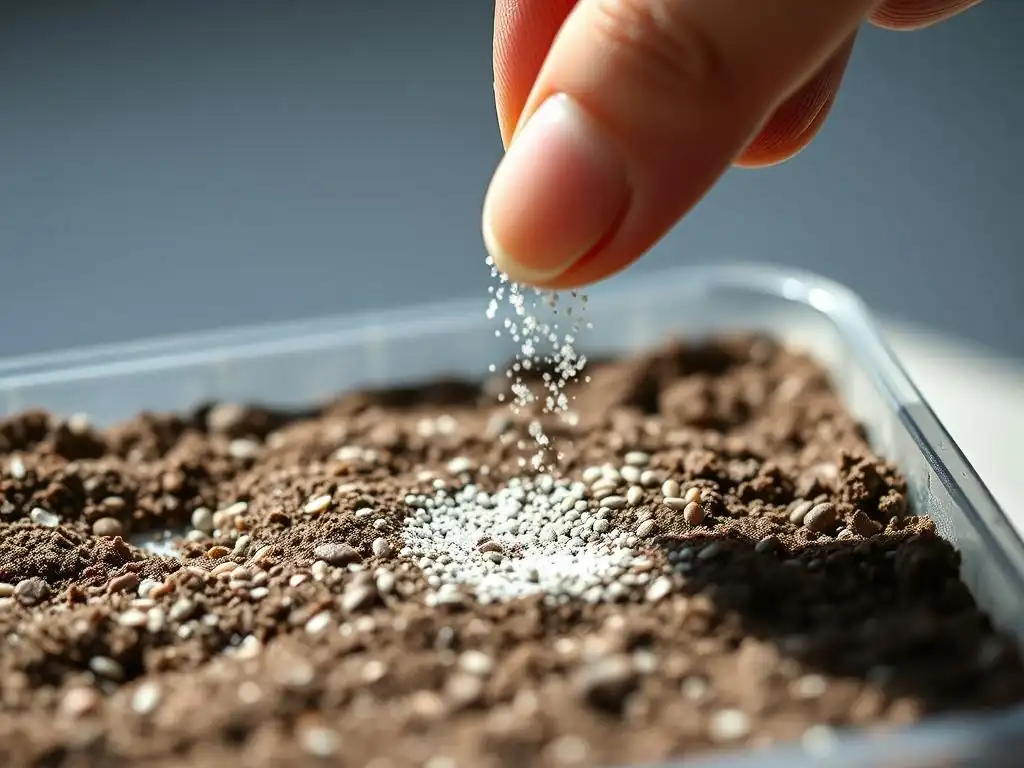
The depth at which you cover your tiny succulent seeds is crucial for successful germination. Too deep, and they won't receive enough light to sprout; too shallow, and they might dry out too quickly. For most tiny succulent seeds, a light dusting of the sowing mix is sufficient. Think of it as barely covering the seeds—you should still be able to see them faintly through the mix.
Avoid pressing the soil down firmly; gentle contact is key. The sowing mix itself should be fine-textured and well-draining, a crucial factor for preventing fungal growth, which can be particularly detrimental to delicate seedlings. A blend of fine perlite and seed-starting mix works exceptionally well. Some growers prefer using a fine layer of vermiculite, which provides excellent moisture retention while still allowing for good aeration.
Remember, the goal is to create a humid microclimate without suffocating the seeds. Using a sieve to gently sprinkle the mix ensures even coverage and avoids burying the seeds too deeply. Overly compacted soil will hinder the emergence of delicate roots and shoots. Observe the seed packet instructions for specific recommendations, as seed size and species can influence the optimal covering depth.
Step 5: Watering the Seeds (Methods for gentle watering)
Watering newly sown tiny succulent seeds requires a delicate touch. Avoid direct overhead watering, which can easily dislodge the seeds or create erosion in the sowing mix. Instead, opt for bottom watering. This method involves placing the seed tray in a shallow dish filled with water, allowing the water to be absorbed by the sowing mix from the bottom up. This ensures the seeds are gently moistened without disturbing them.
Another effective method is using a fine mist sprayer. However, even with a fine mist, it's important to water gently and avoid forceful spraying. Aim for a light, even misting that moistens the surface without saturating it. Overwatering is a common mistake that can lead to damping-off, a fungal disease that often kills young seedlings. The sowing mix should be consistently moist but not soggy.
Allow the top layer to dry slightly between waterings. The frequency of watering will depend on factors like ambient temperature, humidity, and the type of sowing mix used. Regularly check the moisture level by gently touching the surface of the mix. If it feels dry to the touch, it's time to water again. Always err on the side of caution and provide less water rather than more.
Step 6: Providing Optimal Light and Temperature
Light and temperature play significant roles in the germination of tiny succulent seeds. While the exact requirements vary depending on the specific succulent species, most thrive in bright, indirect light. Direct sunlight can be too intense for delicate seedlings, potentially scorching them. A location near a sunny window, but shielded from the direct rays, is ideal. You can achieve this using a sheer curtain or by placing the seed tray on a table a few feet away from the window.
Alternatively, grow lights can provide the necessary light, especially during the shorter days of winter. Maintaining a consistent temperature is also essential. Most succulents germinate best within a temperature range of 65-75°F (18-24°C). Fluctuations in temperature can stress the seedlings and hinder germination. Avoid placing the seed tray in drafty areas or near heating or cooling vents.
A consistently warm environment is conducive to successful germination. Consistent monitoring of both light and temperature conditions is crucial for optimizing the germination rate and ensuring healthy seedling development. Using a thermometer and observing the seedlings' growth will help you fine-tune the conditions to best suit your particular succulent species. Remember to document your approach for future reference!
Maintaining Ideal Conditions for Germination of Tiny Succulent Seeds
Successfully planting tiny succulent seeds hinges on meticulously controlling their environment. These miniature marvels require specific conditions to germinate and thrive, demanding more attention than propagating from cuttings. Neglecting even one crucial factor can significantly impact germination rates and the overall health of your seedlings. This section details the key environmental elements to manage for optimal results when planting tiny succulent seeds. Understanding these nuances is crucial for anyone hoping to cultivate a diverse and healthy succulent collection from seed.
Consistent Moisture Levels Without Overwatering
Maintaining consistent moisture is paramount, but overwatering is a common pitfall. Tiny succulent seeds are incredibly delicate; excessive moisture can lead to fungal growth and seed rot, completely wiping out your efforts. The ideal approach involves a delicate balance. Instead of directly watering the seeds, opt for bottom watering. Place the seed tray on a shallow dish filled with a small amount of water. Allow the water to be absorbed by the soil from below, ensuring even hydration without disturbing the seeds.
This method prevents the seeds from being dislodged or washed away, a frequent problem with overhead watering. Monitor the moisture level regularly. The soil should feel damp but not soggy. Allow the top layer of the soil to slightly dry out between waterings to prevent waterlogging. The frequency of bottom watering will depend on factors like the type of soil used, ambient humidity, and temperature. Observe your setup closely; experience will teach you the optimal watering schedule for your specific environment. Remember, prevention is key; addressing overwatering after the fact is significantly more challenging.
Monitoring Temperature and Adjusting as Needed
Temperature plays a critical role in the germination process of tiny succulent seeds. Most succulents prefer warmer temperatures, typically between 65-75°F (18-24°C). However, this can vary depending on the specific succulent species. Some species may require slightly higher or lower temperatures. Consult reliable sources for the specific temperature requirements of your chosen succulent seeds.
Maintaining a consistent temperature is essential. Fluctuations can stress the delicate seedlings, hindering germination and growth. Consider using a heat mat to maintain a consistent temperature, especially during colder months. Place the heat mat under the seed tray, ensuring the temperature doesn't become excessively high. Regularly monitor the temperature using a thermometer to ensure it remains within the optimal range. Overly warm temperatures can also be detrimental, leading to dehydration and seedling death. Remember, consistent warmth, not extreme heat, is the key to success.
Providing Adequate Light for Seedling Development
While direct sunlight is harmful to newly germinated succulent seedlings, adequate light is crucial for healthy development. Seedlings need light for photosynthesis, the process by which they convert light energy into chemical energy for growth. However, intense direct sunlight can scorch their tender leaves.
The best approach is to provide bright, indirect light. A north-facing window, or a location with filtered sunlight, is ideal. You can also utilize grow lights to supplement natural light, particularly during shorter days or in low-light environments. The duration of light exposure is also important.
Aim for at least 12-16 hours of bright, indirect light per day. Monitor the seedlings closely; if they appear leggy or etiolated (stretched out and weak due to insufficient light), increase the light exposure gradually. Conversely, if the leaves display signs of sunburn (discoloration or browning), reduce the light intensity or duration. The balance between sufficient light and protection from harsh sunlight is a key factor in achieving high germination rates and robust seedling growth when planting tiny succulent seeds.
Preventing Damping-Off Disease in Seedlings
Damping-off, a fungal disease, is a significant threat to tiny succulent seedlings. These young plants are particularly vulnerable due to their delicate nature and the moist environment required for germination. Preventing damping-off requires a multi-pronged approach focusing on hygiene, proper watering techniques, and potentially, preventative treatments.
One of the most crucial steps is maintaining a sterile sowing environment. Before planting your tiny succulent seeds, thoroughly sterilize your seed trays and any tools you'll be using. A solution of 10% bleach and water is effective, but ensure you rinse everything thoroughly afterward to remove all traces of bleach, which can harm the seedlings.
Using fresh, sterile seed-starting mix is also vital. Avoid reusing potting mixes, as they may harbor fungal spores. Look for mixes specifically formulated for seed starting, as these are often lighter and better aerated, reducing the risk of overly moist conditions that encourage fungal growth.
Proper watering is equally important in preventing damping-off. Overwatering is a common culprit, creating a waterlogged environment ideal for fungal growth. Instead of directly watering the seedlings, consider bottom watering. Place the seed tray in a shallow dish of water, allowing the mix to absorb moisture from the bottom up.
This method ensures even hydration without saturating the surface and potentially washing away the tiny seeds. Allow the top layer of the mix to dry slightly between waterings; the surface shouldn't be soggy. Good air circulation also helps prevent excess moisture. Ensure your seed tray isn't overcrowded and that there's adequate spacing between plants to allow for air movement.
In some cases, preventative fungicide treatments can be beneficial, especially if you're working with particularly susceptible succulent species or in humid environments. Always follow the instructions on the fungicide label carefully, as incorrect application can harm the seedlings. Consider using a fungicide specifically designed for damping-off control in seedlings, as these are formulated to be less harsh on young plants. Remember that prevention is always better than cure, so prioritizing sterile conditions and appropriate watering techniques is the most effective long-term strategy.
Regularly inspecting your seedlings for signs of damping-off (wilting, discoloration at the base of the stem) is also crucial for early intervention. Early detection can significantly improve the chances of saving your precious seedlings. Careful attention to detail and proactive measures significantly improve your chances of successfully nurturing your tiny succulent seeds to healthy maturity. 🌱
Post-Germination Care for Tiny Succulent Seedlings
Once your tiny succulent seeds have successfully germinated, the journey to healthy, thriving plants is far from over. This crucial post-germination phase demands meticulous care and attention to detail. Neglecting even minor aspects can lead to the loss of these delicate seedlings. The focus shifts from encouraging germination to nurturing the fragile sprouts into robust plants. This involves careful handling, proper watering, and gradual acclimatization to the environment. Mastering these techniques significantly increases your success rate in planting tiny succulent seeds.
Transplanting Seedlings into Individual Pots
Transplanting tiny succulent seedlings is a delicate operation requiring patience and steady hands. Once the seedlings have developed a few true leaves (usually 2-3), they're ready for individual pots. Avoid transplanting too early, as the delicate root systems are easily damaged. Using small, shallow pots with drainage holes is essential to prevent root rot, a common problem for young succulents. A well-draining potting mix, specifically formulated for succulents and cacti, is also crucial. The mix should be loose and airy, allowing for good air circulation around the roots.
Here’s a step-by-step guide:
- Gentle Removal: Carefully loosen the soil around the seedlings using a small spoon or a blunt-ended tool, ensuring minimal disruption to the roots.
- Individual Planting: Gently separate the seedlings and plant each one in its own small pot, burying the roots up to the cotyledons (seed leaves).
- Firming the Soil: Gently firm the soil around the base of each seedling to provide support and prevent it from toppling over.
- Watering: Water the newly transplanted seedlings sparingly, allowing the soil to dry slightly between waterings. Overwatering at this stage is detrimental.
Gradual Acclimatization to Outdoor Conditions
After transplanting, it's vital to gradually acclimatize your tiny succulent seedlings to outdoor conditions. Suddenly exposing them to direct sunlight or harsh weather can lead to sunburn or shock, causing irreparable damage. The process of hardening off should be done gradually over several weeks.
Start by placing the seedlings in a shaded area for a few hours each day, gradually increasing the exposure to sunlight as they become more robust. Begin with filtered light and slowly introduce them to morning sun, avoiding intense afternoon sun, which can be too harsh for young plants. Monitor them closely for signs of stress, such as wilting or discoloration. If you notice any signs of distress, reduce the sun exposure.
Remember, patience is key in this process. The goal is to build the seedlings' resilience to outdoor conditions without overwhelming them. This slow introduction to the elements greatly improves their chances of survival and promotes healthy growth.
Watering and Fertilizing Young Succulent Plants
Watering and fertilizing are crucial aspects of caring for young succulent plants. Overwatering is a common mistake that can lead to root rot and death. Underwatering, on the other hand, can cause the plants to become stunted and weak. Finding the right balance is essential.
- Watering: Water young succulents only when the soil is completely dry to the touch. Avoid getting water on the leaves, as this can lead to fungal diseases. Water thoroughly, allowing excess water to drain completely from the pot. The frequency of watering will depend on factors such as temperature, humidity, and the type of succulent. During winter months, watering should be significantly reduced.
- Fertilizing: Young succulent seedlings don't require much fertilizer. Use a diluted, balanced succulent fertilizer once or twice during the growing season (spring and summer). Avoid fertilizing during the dormant period (fall and winter). Over-fertilizing can lead to salt buildup in the soil, damaging the roots and harming the plants. Always follow the instructions on the fertilizer label carefully. A balanced approach, combining careful observation and measured actions, is crucial for nurturing the healthy development of your tiny succulent seedlings. This careful attention to detail will translate into vibrant, thriving plants, rewarding your efforts with a flourishing succulent collection. 🌱
Troubleshooting Common Problems When Planting Tiny Succulent Seeds
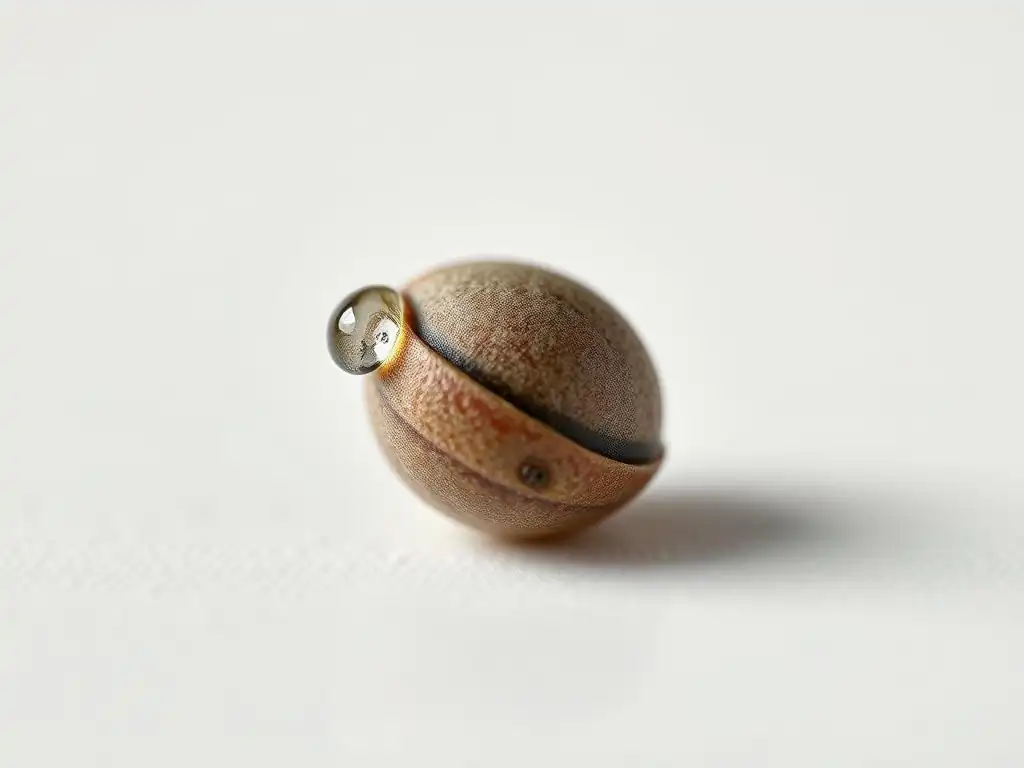
Planting tiny succulent seeds requires patience and precision. Even with the best preparation, challenges can arise. Understanding common issues and implementing effective solutions is crucial for successful propagation. This section focuses on identifying and resolving some of the most frequent problems encountered during the germination and early growth stages of tiny succulent seeds. We'll explore strategies to improve your success rate and nurture healthy, thriving seedlings. Mastering these techniques will significantly enhance your planting tiny succulent seeds experience.
Dealing with Seedling Damping-Off
Seedling damping-off, a devastating fungal disease, is a common nemesis for succulent growers, especially when working with tiny seeds. This disease attacks young seedlings at their base, causing them to wilt and collapse. The culprit is often Pythium or Rhizoctonia fungi, thriving in overly moist conditions.
Preventing damping-off is paramount. Sterilizing your sowing mix is a crucial first step. You can achieve this by baking the soil in the oven at a low temperature (around 200°F) for 30 minutes, or by microwaving it for several minutes. Ensure your sowing mix is well-draining, using a blend of perlite, vermiculite, and coarse sand alongside seed-starting mix. Avoid overwatering; consistently damp, not soggy, conditions are key.
If damping-off strikes, prompt action is necessary. Remove affected seedlings immediately to prevent the spread of the disease. Improve air circulation around the seedlings to reduce humidity. You can also consider applying a fungicide specifically formulated for damping-off, following the product instructions carefully. Remember, prevention is always better than cure when dealing with this destructive disease. Careful monitoring and prompt intervention are key to successfully navigating this common challenge in planting tiny succulent seeds.
Addressing Slow or Poor Germination Rates
Slow or poor germination rates can stem from several factors. Suboptimal temperatures, improper light exposure, or seed dormancy can all hinder the germination process.
Temperature plays a crucial role. Most succulent seeds germinate best within a specific temperature range, typically between 65-75°F (18-24°C). Using a heat mat can help maintain consistent warmth, particularly during colder months.
Light is also essential. While direct sunlight isn't always necessary, providing adequate, indirect light is crucial. Ensure your seed tray is placed in a location receiving bright, indirect light. Too little light will lead to weak, etiolated seedlings.
Seed dormancy is another potential hurdle. Some succulent seeds require stratification (a period of cold treatment) or scarification (damaging the seed coat) to break dormancy and initiate germination. Research the specific requirements for the succulent species you are propagating. For instance, some Sedum species might benefit from a brief period of cold stratification.
| Factor | Potential Cause | Solution |
|---|---|---|
| Slow Germination | Low temperature, insufficient light, seed dormancy | Use a heat mat, provide adequate indirect light, consider stratification or scarification |
| Poor Germination | Old or damaged seeds, improper sowing technique | Use fresh seeds, ensure proper sowing depth and spacing |
| No Germination | Seed dormancy, incorrect environmental conditions | Research species-specific requirements, adjust environmental factors |
Understanding these factors and implementing appropriate solutions will significantly improve your germination success rate, optimizing your planting tiny succulent seeds efforts.
Managing Pests and Diseases in Young Seedlings
Young succulent seedlings are particularly vulnerable to pests and diseases. Early detection and prompt treatment are essential to protect your precious plants.
Common pests include aphids, mealybugs, and spider mites. Regularly inspect your seedlings for any signs of infestation. Aphids and mealybugs are visible to the naked eye, while spider mites can be detected by their fine webbing. For small infestations, you can manually remove pests using a cotton swab dipped in rubbing alcohol. For more severe infestations, consider using insecticidal soap or neem oil, always following the product instructions carefully.
Fungal diseases, as discussed earlier, can also be problematic. Maintaining good air circulation and avoiding overwatering are crucial preventative measures. If a fungal disease appears, promptly remove affected seedlings and consider applying a suitable fungicide.
Preventing pest and disease problems begins with using sterile sowing mix and ensuring clean, sanitized equipment. Regular monitoring and prompt action are key to protecting your precious seedlings and achieving success in planting tiny succulent seeds. Remember, a healthy start ensures a healthy future for your succulent collection. Careful attention to detail and proactive measures will minimize risks and maximize your chances of success.
Advanced Techniques for Growing Tiny Succulent Seeds
This section delves into more advanced methods for successfully germinating and growing tiny succulent seeds, building upon the foundational knowledge of seed starting. These techniques enhance germination rates and seedling vigor, leading to healthier and more robust plants. Remember, patience and meticulous attention to detail are key when working with such delicate seeds. Mastering these techniques will significantly improve your success rate in planting tiny succulent seeds.
Using a Propagator or Humidity Dome
Maintaining optimal humidity is crucial for the successful germination of tiny succulent seeds. Their small size makes them particularly vulnerable to desiccation. A propagator or humidity dome creates a microclimate with higher humidity levels than the surrounding environment. This prevents the delicate seedlings from drying out before they've established a strong root system.
Several options exist for creating this humid environment. A commercially available propagator offers the most convenient solution, usually featuring a clear lid and ventilation options for controlled air circulation. Alternatively, you can create a makeshift humidity dome using a clear plastic container, such as a storage container with a lid, or even a large, clear plastic bag. Ensure adequate ventilation to prevent the build-up of fungal diseases. Regularly monitor the humidity levels; condensation should be present but not excessive. Overly high humidity can lead to damping-off, a fungal disease that can kill seedlings.
Consider these factors when choosing your method:
- Size: Select a propagator or container appropriate for the number of seed trays you'll be using.
- Ventilation: Adequate ventilation is vital to prevent fungal growth. Choose a propagator with adjustable vents or create ventilation holes in your makeshift dome.
- Transparency: Clear plastic allows for optimal light penetration, essential for seedling growth.
Bottom Watering for Better Moisture Control
Top watering tiny succulent seeds carries a significant risk: it can easily wash away the seeds or damage delicate seedlings. Bottom watering offers a gentler, more controlled approach to moisture management. This technique involves watering from the bottom of the container, allowing the soil to absorb water gradually from below.
To bottom water, place your seed tray in a larger container filled with a shallow layer of water. The water will wick upwards into the soil through capillary action, providing consistent moisture without disturbing the seeds or seedlings. Ensure the water level doesn't reach the bottom of the seed tray itself to prevent the soil from becoming waterlogged.
Allow the soil to dry slightly between waterings to prevent root rot. The key is consistency; aim for evenly moist, but not soggy, soil. This method is particularly beneficial for planting tiny succulent seeds as it minimizes the risk of seed displacement or damage.
Employing Seed Starting Mats for Consistent Temperature
Maintaining a consistent temperature is another critical factor for successful germination. Seed starting mats provide gentle bottom heat, mimicking the ideal conditions found in nature during germination. These mats regulate the temperature, ensuring it remains within the optimal range for your chosen succulent species. Many mats have adjustable temperature settings, allowing you to fine-tune the warmth to suit the specific needs of your seeds.
The use of seed starting mats is especially advantageous for succulents that require warmer temperatures for germination. They eliminate the fluctuations in temperature that can occur in colder environments, providing a more stable and predictable germination process. By using a seed starting mat in conjunction with a humidity dome or propagator, you create an environment that closely mimics the ideal conditions for germination, significantly increasing your chances of success in planting tiny succulent seeds.
Remember to always check the manufacturer's instructions for the specific mat you are using, as temperature settings may vary. Consistent monitoring of temperature and soil moisture is crucial to achieve optimal results. 🌱
Frequently Asked Questions
How do I sow tiny succulent seeds effectively?
Start by using a fine-grained seed-starting mix and sow the seeds thinly on the surface. Gently press them into the soil but don't bury them deeply. Maintain consistent moisture using a spray bottle.
What is the best way to germinate tiny succulent seeds?
High humidity and warmth are crucial for germination. Use a propagator or cover the container with plastic wrap to maintain moisture. A temperature between 70-75°F (21-24°C) is ideal.
How long does it take for tiny succulent seeds to germinate?
Germination times vary depending on the species, but it can take anywhere from a few weeks to several months. Patience is key; don't give up if you don't see results immediately.
What kind of light do tiny succulent seedlings need?
Seedlings need bright, indirect light. Avoid direct sunlight, which can scorch the delicate plants. A grow light can be beneficial, especially during winter months.
How do I prevent damping off in tiny succulent seedlings?
Good air circulation and avoiding overwatering are crucial to prevent damping off (a fungal disease). Ensure your seed starting mix is well-draining and avoid getting the leaves wet when watering.
Final Reflection: Cultivating Tiny Seeds, Growing Big Dreams
The meticulous art of planting tiny succulent seeds mirrors the delicate balance required to nurture any great endeavor. Success isn't guaranteed, but the patience, precision, and unwavering hope invested in each minuscule seed offer a powerful metaphor for life's challenges. The seemingly insignificant act of planting holds within it the potential for breathtaking beauty and enduring resilience.
The journey of cultivating these miniature marvels has profoundly impacted my own understanding of growth and perseverance. It's a constant reminder that even the smallest beginnings can blossom into something extraordinary. The greatest oak was once a little nut who held its ground.
This quote perfectly encapsulates the resilience and potential inherent in even the tiniest of seeds, and by extension, in each of our own aspirations. The process demands attention to detail, a willingness to learn from setbacks, and an unwavering belief in the potential for growth, mirroring the challenges and triumphs we face in our own lives.
Now, I invite you to consider your own "tiny seeds"—those dreams, goals, or projects that may seem insignificant at first glance. Embrace the meticulous care, the patience, and the unwavering belief in their potential. Just as a tiny succulent seed can transform into a vibrant plant, your own small beginnings hold the power to flourish and bring immeasurable joy and fulfillment. Let the journey of planting tiny succulent seeds inspire you to cultivate your own dreams with the same dedication and care.
Unleash Your Inner Green Thumb: Grow Your Succulent Paradise!
Thank you for exploring the world of succulent cultivation with us! We hope you feel confident and empowered to create your own miniature succulent masterpieces. Ready to put your knowledge into practice?
- Start growing succulents today! Gather your supplies (listed in this article) and sow the seeds. Watch with wonder as they sprout and grow.
- Share your progress! Show us your thriving succulents on social media using #SucculentEssentials. We'd love to see your mini gardens flourish.
- Explore more expert tips and tricks on succulent care, propagation, and design at SucculentEssentials.org. You might even want to try our advanced grafting techniques.
What challenges or successes have you encountered while growing succulents from seed? Let's discuss in the comments below!