
The Ideal Potting Mix for Newly Rooted Succulents

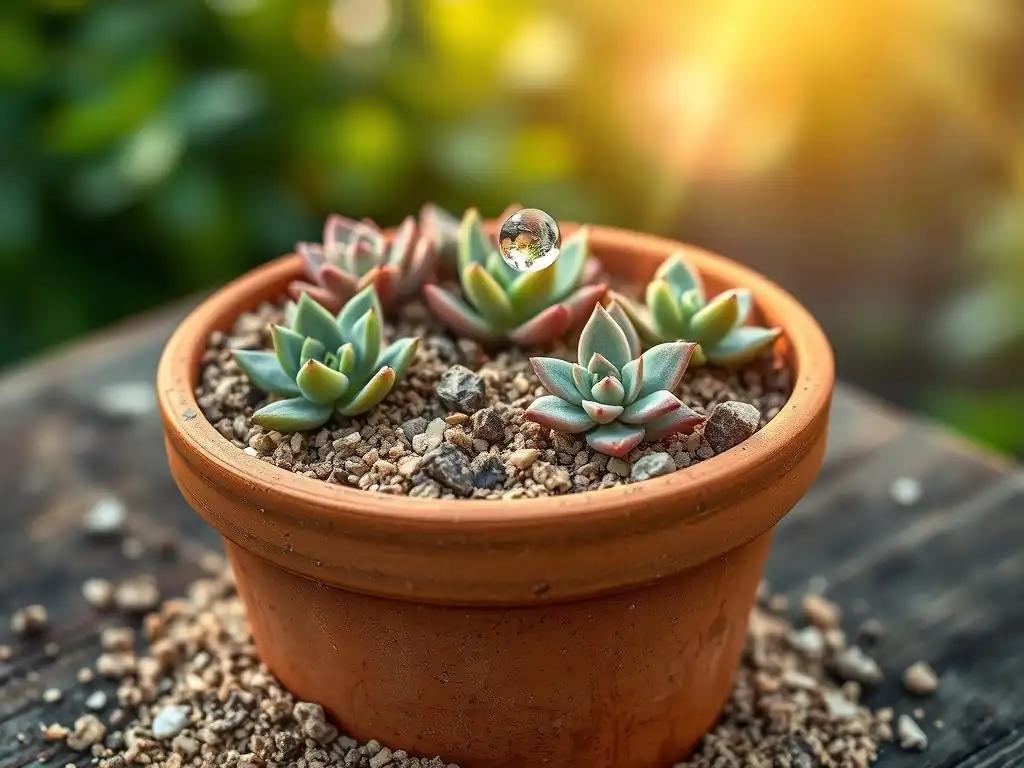
Welcome to SucculentEssentials.org, your gateway to the fascinating world of succulents! Are you ready to unlock the secrets to thriving succulents? Then you've come to the right place. We'll guide you through everything from basic care to advanced propagation techniques, and today we're diving deep into the crucial element that ensures your newly rooted succulents flourish: the best succulent potting mix. Discover the perfect blend to give your plants the best possible start and watch them thrive!
- Understanding the Needs of Newly Rooted Succulents
-
Crafting the Perfect Potting Mix for Newly Rooted Succulents
- Choosing the Right Base: Inorganic Materials for Drainage
- Incorporating Organic Matter for Nutrient Retention
- The Ideal Ratio: Balancing Inorganic and Organic Components in Your Mix
- Sourcing the Best Materials: Where to Find Quality Ingredients for Your Potting Mix
- Step-by-Step Guide: Creating Your Custom Succulent Potting Mix
- Troubleshooting Common Issues with Succulent Potting Mixes
- Maintaining Your Newly Rooted Succulents in their Ideal Potting Mix
- Choosing the Best Potting Mix for Specific Succulent Types
- Long-Term Care and Repotting
- Frequently Asked Questions
- Final Reflection: Cultivating Success: The Heart of a Healthy Succulent
- Unleash Your Succulent's Potential!
Understanding the Needs of Newly Rooted Succulents
Newly rooted succulents are particularly vulnerable, representing a critical stage in their lifecycle. Their delicate root systems, still developing and establishing themselves, require a specific environment to thrive and avoid common pitfalls like root rot. This article will guide you through creating the best succulent potting mix for these young plants, focusing on the essential elements that ensure their healthy growth and successful transition into mature specimens.
We'll explore the reasons behind the need for specialized mixes, highlighting the importance of drainage, aeration, and the overall composition for optimal root development. Mastering the art of succulent propagation hinges on providing the ideal growing medium; let's delve into the details.
Why Specialized Potting Mix is Crucial for Young Succulents
Standard potting soil, often used for other plants, is typically too dense and retains too much moisture for succulents. This can quickly lead to root rot, a fatal condition for these drought-tolerant plants. Newly rooted succulents have limited root systems, making them especially susceptible to overwatering and the resulting fungal diseases. A well-draining, airy potting mix is paramount to prevent this.
The specialized mix we'll discuss provides the perfect balance of moisture retention and drainage, allowing the roots to breathe and preventing waterlogging. This balance is key to fostering strong, healthy root growth, setting the foundation for a vibrant, mature succulent. Think of it as providing the perfect "nursery" for your newly rooted cuttings. The right mix will nurture their delicate roots, promoting quick establishment and vigorous growth.
Essential Drainage for Preventing Root Rot in Succulents
Root rot, caused by consistently wet soil, is the most significant threat to newly rooted succulents. Proper drainage is therefore non-negotiable. The best succulent potting mix incorporates materials that promote excellent drainage, such as perlite, pumice, and coarse sand. These inorganic components increase the porosity of the mix, allowing excess water to drain quickly and preventing the soil from becoming waterlogged.
Imagine the soil as a sponge; a poorly draining mix is a saturated sponge, while the ideal mix allows for quick drainage, leaving the soil slightly moist but not soggy. This crucial aspect of the mix significantly reduces the risk of root rot, ensuring the long-term health and survival of your young succulents. The addition of these inorganic components is not merely beneficial; it's essential for success.
The Importance of Aeration in Succulent Potting Mixes
Beyond drainage, aeration is equally vital for healthy root development. A well-aerated potting mix allows oxygen to reach the roots, promoting their respiration and overall health. Compacted soil restricts oxygen flow, leading to stunted growth and weakened plants. To ensure adequate aeration, incorporate materials like coco coir or peat moss in moderation, alongside the drainage components mentioned earlier.
These organic components, while contributing to moisture retention, must be balanced carefully to avoid creating a dense, poorly aerated mix. The ideal mix should feel light and airy, not heavy and compacted. This balance between drainage and aeration is what distinguishes a successful succulent potting mix from one that will lead to disappointment. The proper aeration will help your succulents thrive and flourish, providing the optimal environment for their delicate roots to develop and grow strong.
Crafting the Perfect Potting Mix for Newly Rooted Succulents
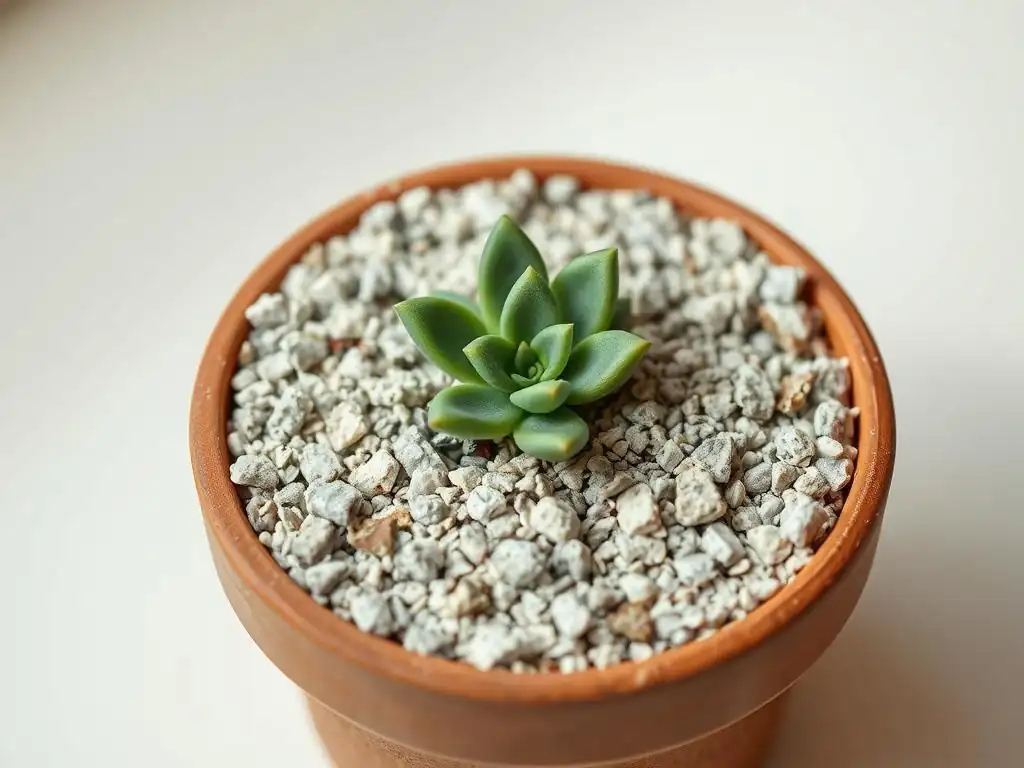
This section delves into the crucial aspects of creating the best succulent potting mix for your newly rooted succulents. Proper drainage and nutrient retention are paramount for the health and survival of these delicate plants. We'll explore the ideal balance of inorganic and organic components to ensure optimal growth. Remember, a well-draining mix is key to preventing root rot, a common problem for succulents.
Choosing the Right Base: Inorganic Materials for Drainage
The foundation of any excellent succulent potting mix lies in its drainage capabilities. Newly rooted succulents are particularly vulnerable to overwatering, so a highly porous base is essential. The best inorganic materials offer excellent aeration and prevent waterlogging.
Several options exist, each with slightly different properties:
- Pumice: Pumice is a lightweight, volcanic rock offering superb drainage and aeration. Its slightly rough texture also provides excellent support for delicate roots. It's a popular choice among succulent enthusiasts due to its consistent performance.
- Perlite: A volcanic glass that expands when heated, perlite is another excellent choice. It provides excellent drainage and aeration, and its lightweight nature makes it easy to handle. It's less expensive than pumice but may break down slightly over time.
- Turface: This is a calcined clay aggregate, ideal for providing exceptional drainage and aeration. While slightly more expensive than pumice or perlite, its durability and consistent performance make it a worthwhile investment, particularly for long-term succulent cultivation.
- Coarse Sand: While readily available, using coarse sand requires careful consideration. Ensure it's horticultural sand, free of salts and other impurities that can harm your succulents. Wash it thoroughly before use to remove any potential contaminants. Even then, it may not provide the same level of aeration as pumice or perlite.
The best choice often depends on your budget and accessibility. However, for newly rooted succulents, prioritizing drainage is key. A mix primarily composed of pumice or perlite provides a strong foundation for healthy root development.
Incorporating Organic Matter for Nutrient Retention
While drainage is crucial, newly rooted succulents also require essential nutrients for growth. Incorporating organic matter into your potting mix provides the necessary sustenance for healthy development. However, it's crucial to maintain the balance—too much organic material can retain too much moisture, increasing the risk of root rot.
Suitable organic components include:
- Coco Coir: Derived from coconut husks, coco coir is a sustainable and readily available option. It offers excellent water retention while still promoting good drainage when used in moderation. It also provides some nutrients.
- Vermiculite: A naturally occurring mineral, vermiculite is lightweight and holds moisture effectively. However, it should be used sparingly in a succulent mix to avoid overly wet conditions.
- Compost: Use only well-rotted compost in very small quantities. Fresh compost can harbor pathogens harmful to your succulents. Adding a tiny amount of well-aged compost can introduce beneficial microbes and enhance nutrient availability.
The quantity of organic matter should be significantly less than the inorganic components. Overusing organic material can negate the benefits of excellent drainage.
The Ideal Ratio: Balancing Inorganic and Organic Components in Your Mix
The optimal ratio for a best succulent potting mix for newly rooted succulents generally favors inorganic materials to ensure proper drainage. A good starting point is a 70/30 or even an 80/20 ratio of inorganic to organic components.
For example:
| Component | Percentage | Rationale |
|---|---|---|
| Pumice | 60% | Provides excellent drainage and aeration. |
| Perlite | 10% | Adds further aeration and improves water retention slightly. |
| Coco Coir | 20% | Offers some water retention and minimal nutrients. |
| Well-rotted Compost | 10% | Adds minimal nutrients and beneficial microbes (use sparingly! ). |
This is merely a suggestion; the precise ratio may need adjustment based on your specific climate and the type of succulent. Observe your succulents closely after potting. If you notice signs of overwatering (e.g., mushy leaves, stem rot), increase the percentage of inorganic components. If growth seems slow, you might slightly increase the organic component, but do so cautiously. Remember, prevention of root rot is paramount for successfully propagating succulents. Experimentation and observation are key to finding the perfect mix for your needs. 🌱
Sourcing the Best Materials: Where to Find Quality Ingredients for Your Potting Mix
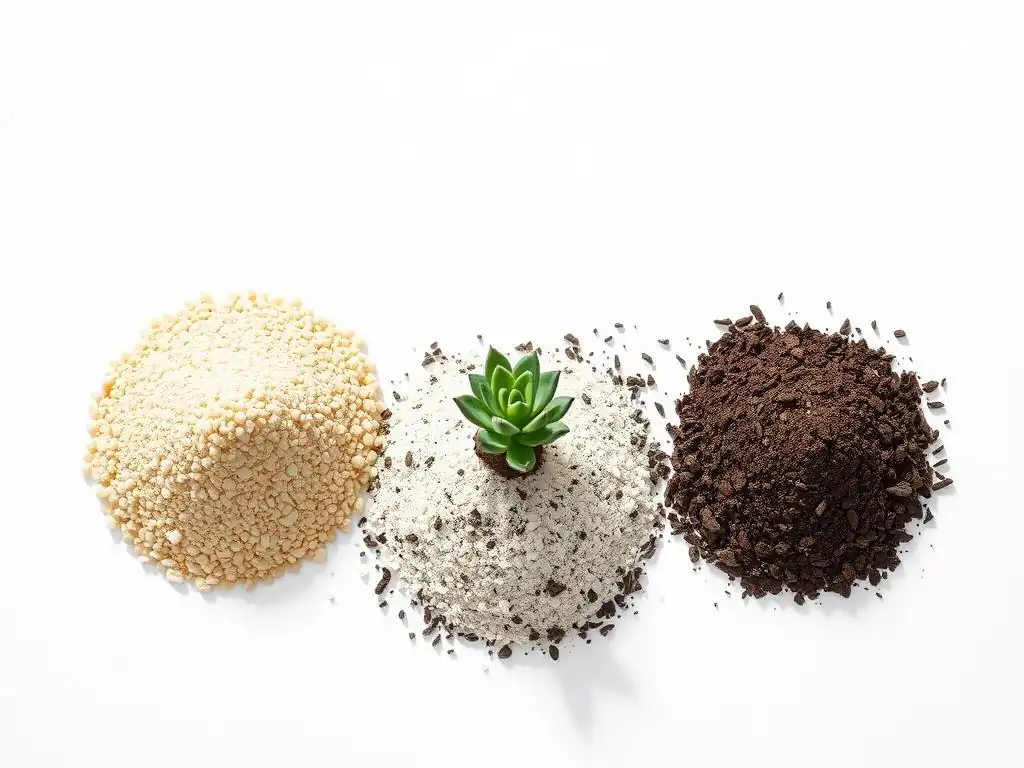
Finding the right ingredients for your succulent potting mix is crucial for the health and thriving of your newly rooted succulents. Avoid using garden soil, as its high water retention can lead to root rot, a common problem for these drought-tolerant plants. Instead, focus on materials that provide excellent drainage and aeration.
You can source these materials from various locations:
- Garden Centers: Many garden centers carry specifically formulated cactus and succulent potting mixes. These pre-made mixes often contain a good balance of ingredients, but always check the composition to ensure it's suitable for your needs. Some may contain too much peat moss, leading to overly moist conditions. Look for mixes that emphasize perlite, pumice, or coarse sand.
- Hardware Stores: These stores often stock perlite, vermiculite, and coarse sand—essential components of a well-draining succulent potting mix. Be sure to choose coarse sand, as finer sand can compact and impede drainage. Vermiculite can aid in water retention, but use it sparingly in a succulent mix.
- Online Retailers: Online retailers offer a wide variety of materials, often at competitive prices. This can be a convenient option, particularly if you live in an area with limited access to garden centers or specialized nurseries. However, carefully check reviews before purchasing to ensure the quality of the products.
Remember to prioritize quality over quantity. Using high-quality, well-draining ingredients will significantly improve your chances of success in propagating and growing healthy succulents. Investing in a few good bags of perlite or pumice will serve you well over many propagation cycles.
Step-by-Step Guide: Creating Your Custom Succulent Potting Mix
Creating your own succulent potting mix allows for precise control over the ingredients, ensuring the perfect balance for your newly rooted succulents. Here’s a step-by-step guide to creating a superior mix:
- Gather your materials: You'll need perlite, coarse sand, and a well-draining potting soil (look for one labeled "cactus and succulent mix" or one with low peat moss content). The ideal ratio is often debated, but a good starting point is a 1:1:1 ratio of perlite, coarse sand, and potting soil. You can adjust this ratio based on your climate and the specific needs of your succulents. For example, in drier climates you might opt for slightly less perlite.
- Measure your ingredients: Using accurate measurements is key to ensuring consistency in your mix. Start with smaller batches until you find a ratio you like. A typical batch might use one cup of each ingredient.
- Combine the ingredients: Thoroughly mix the perlite, coarse sand, and potting soil in a large container. Use your hands or a garden trowel to ensure even distribution. The mix should be light and airy, not compacted.
- Test the drainage: Take a small handful of the mix and squeeze it gently. If water drips readily when you release your grip, the drainage is good. If it retains too much water, add more perlite or coarse sand.
- Prepare your pots: Ensure your pots have adequate drainage holes to prevent waterlogging. A layer of gravel or broken pottery shards at the bottom of the pot will further improve drainage.
- Pot your succulents: Gently place your newly rooted succulents into their new pots, ensuring the roots are well-distributed in the mix. Avoid burying the stems too deeply.
- Water sparingly: After potting, water your succulents lightly, only when the soil is completely dry. Overwatering is a common mistake that can lead to root rot and plant death.
By following these steps and sourcing high-quality materials, you'll create a “best succulent potting mix” that will provide the perfect environment for your newly rooted succulents to flourish. Remember that observation and adjustment are key—monitor your succulents and fine-tune your potting mix as needed.
Troubleshooting Common Issues with Succulent Potting Mixes
Even with the best intentions and the most meticulously prepared best succulent potting mix, problems can arise when potting newly rooted succulents. Understanding how to identify and correct these issues is crucial for their successful establishment and long-term health. This section will guide you through common problems and their solutions, ensuring your propagated succulents thrive. Remember, patience and observation are key to nurturing these resilient plants.
Identifying Signs of Improper Drainage and Aeration
Poor drainage and inadequate aeration are among the most frequent culprits behind succulent propagation woes. These conditions create a breeding ground for root rot, a devastating fungal disease that can quickly kill young succulents. Several tell-tale signs can indicate these issues:
- Soggy soil: Even days after watering, the soil remains excessively moist and heavy. This is a clear indication of poor drainage.
- Yellowing or browning leaves: These color changes, particularly at the base of the plant, often signal root rot due to consistently wet conditions. The leaves may become mushy or soft to the touch.
- Stunted growth: If your newly rooted succulents aren't growing as expected, despite adequate light and watering, poor aeration could be restricting root development. The roots need oxygen to thrive.
- Mold or fungus: Visible mold or fungus on the soil surface is a strong indicator of excessive moisture and poor aeration. This is a serious problem and needs immediate attention.
To prevent these issues, always choose a well-draining container with drainage holes. A terracotta pot is ideal as it allows for better air circulation. Furthermore, ensure your best succulent potting mix consists of the correct proportions of inorganic materials like perlite and pumice to improve drainage and aeration.
Correcting a Too-Wet or Too-Dry Potting Mix
Once you've identified a problem with your potting mix’s moisture level, swift action is required.
- Too-Wet Potting Mix: If your succulent's soil is consistently soggy, you need to act quickly to prevent root rot. Carefully remove the plant from its pot and gently examine the roots. Trim away any mushy or dark-colored roots using sterilized scissors. Repot the succulent in a fresh, well-draining best succulent potting mix, ensuring the pot has adequate drainage holes. Reduce watering frequency and allow the soil to dry completely between waterings. You may also consider using a fungicide to combat any existing fungal infection.
- Too-Dry Potting Mix: While succulents tolerate dry conditions, extremely dry soil can also stress the plant and hinder growth. If the soil is bone dry and crumbles easily, gently water the plant thoroughly until water drains from the drainage holes. Avoid overwatering, however, as this can negate the improvements you've made. Monitor the soil moisture regularly and adjust your watering schedule accordingly. Consider mulching the soil surface with a thin layer of small pebbles to help retain moisture without making the soil too wet.
Addressing Nutrient Deficiencies in Young Succulents
Newly rooted succulents have limited reserves and may exhibit nutrient deficiencies if the best succulent potting mix lacks essential nutrients. Symptoms can include:
- Pale or yellowish leaves: This often indicates a deficiency in nitrogen, an essential nutrient for leaf growth.
- Stunted growth: Slow or stunted growth can be a sign of multiple nutrient deficiencies.
- Wilting: While wilting can be caused by many factors, nutrient deficiencies can contribute to the plant's inability to uptake water efficiently.
To address nutrient deficiencies, you can incorporate a slow-release succulent fertilizer into your best succulent potting mix at planting time. Avoid using fertilizers high in nitrogen, as this can lead to leggy growth in succulents. Alternatively, you can use a balanced liquid fertilizer diluted to half strength every few months during the growing season. Remember to always follow the manufacturer's instructions carefully. Regular monitoring and timely intervention are crucial for preventing nutrient deficiencies and ensuring the healthy development of your young succulents.
Preventing Pests and Diseases Through Proper Potting Mix Selection
A well-draining succulent potting mix is crucial not only for preventing root rot, but also for minimizing the risk of pest and disease infestations. Many succulent pests and diseases thrive in damp, poorly aerated conditions. A mix that retains excessive moisture creates the perfect breeding ground for fungal pathogens like Phytophthora and Rhizoctonia, which can cause root rot and stem blight, ultimately killing your succulents. Similarly, overly wet soil can attract various insects, such as fungus gnats, mealybugs, and aphids, which can weaken plants and spread diseases.
By using a well-designed succulent potting mix, you significantly reduce these risks. The ideal mix, typically composed of inorganic materials like perlite, pumice, and coarse sand, provides excellent drainage and aeration. This free-flowing environment prevents water from stagnating around the roots, discouraging the growth of harmful fungi and reducing the attractiveness of the soil to insects. The rapid drying of the soil also helps to inhibit the development of many fungal diseases.
Furthermore, selecting a sterile potting mix is a proactive step towards pest and disease prevention. Many commercially available mixes are pre-sterilized to eliminate potential pathogens already present in the ingredients. This is particularly important when dealing with newly rooted succulents, which are more vulnerable to infection. You can further enhance sterility by lightly baking your own mix at a low temperature before use, though this isn't always necessary with commercially prepared options.
Remember that prevention is always better than cure. Choosing the best succulent potting mix—one that drains exceptionally well and is free of pathogens—is a fundamental step in ensuring the long-term health and vitality of your newly rooted succulents and preventing costly problems down the line. Regular inspection of your plants for signs of pests or diseases remains vital, regardless of the potting mix used. Early detection and treatment can still be necessary, even with the best preventative measures.
Maintaining Your Newly Rooted Succulents in their Ideal Potting Mix
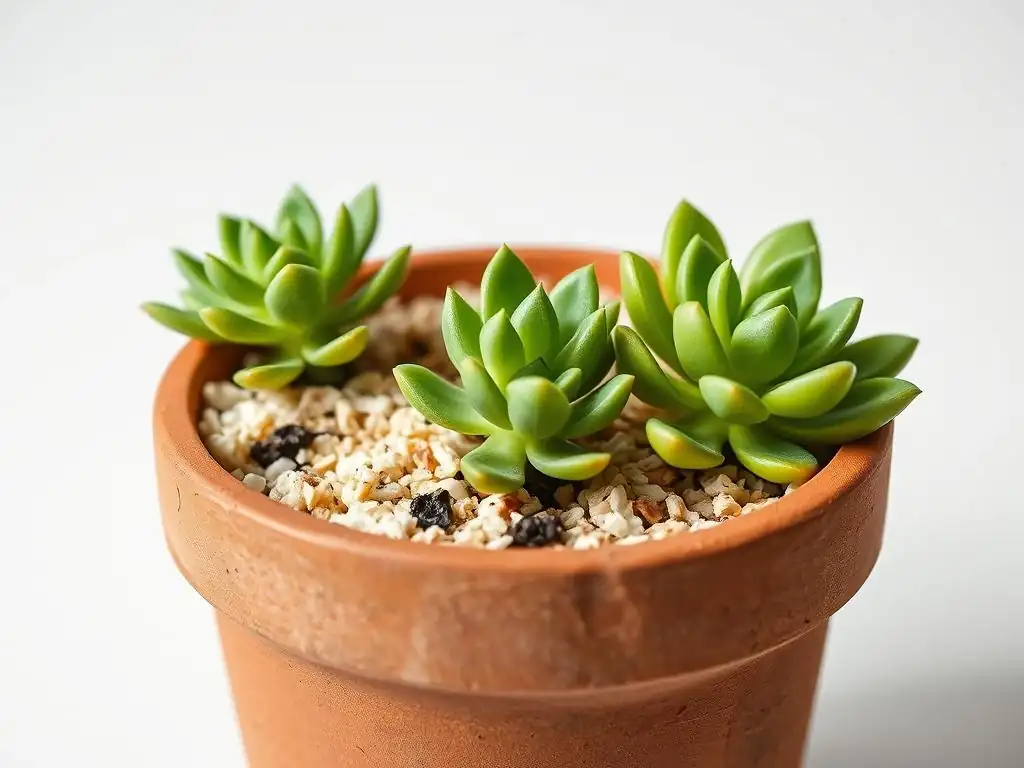
This section focuses on the crucial post-propagation care of your newly rooted succulents, ensuring their continued health and thriving growth in their optimal potting mix. We'll explore the nuances of watering, soil moisture monitoring, and recognizing the signs of both overwatering and underwatering – critical aspects of successful succulent cultivation. Choosing the best succulent potting mix is only half the battle; proper aftercare is equally important for long-term success.
Watering Techniques for Newly Potted Succulents
Watering newly potted succulents requires a delicate balance. The goal is to provide sufficient moisture to encourage growth without creating conditions that lead to root rot, a common problem for succulents. Avoid overwatering, a frequent mistake among beginners. Instead, adopt a "less is more" approach. Remember, succulents are adapted to arid conditions and store water in their leaves.
The best approach is to allow the soil to dry out completely between waterings. This means checking the soil moisture (discussed in the next section). Once dry, water thoroughly until water drains from the drainage holes. This ensures the roots are fully hydrated. Do not let the succulent sit in standing water, which can lead to root rot.
Here's a suggested watering schedule for newly potted succulents:
- First week: Lightly mist the soil to settle it and avoid disturbing the delicate roots.
- Second week: Water thoroughly only if the soil is completely dry.
- Subsequent weeks: Continue to water deeply only when the soil is completely dry, typically every 7-14 days depending on environmental conditions (temperature, humidity, sunlight).
Monitoring Soil Moisture Levels
Accurately assessing soil moisture is paramount to preventing both overwatering and underwatering. Several techniques can help you determine when your succulents need water:
- Finger Test: The simplest method. Insert your finger about an inch into the soil. If the soil feels dry, it's time to water. If it still feels moist, wait a few more days.
- Moisture Meter: A soil moisture meter provides a more precise measurement, indicating the moisture level numerically. This is particularly useful for beginners.
- Weight Test: Lift the pot. A lighter pot indicates dry soil, while a heavier pot suggests moist soil. This method requires familiarity with the weight of the pot when dry and wet.
Remember that the best succulent potting mix will drain well, preventing the soil from becoming waterlogged. Proper drainage is key to preventing root rot. The frequency of watering will also depend on the type of succulent, the size of the pot, and the environmental conditions.
Recognizing Signs of Overwatering and Underwater
Recognizing the signs of both overwatering and underwatering is crucial for timely intervention and preventing the loss of your precious succulents. Knowing what to look for can significantly improve your success rate.
Signs of Overwatering:
- Mushy or soft leaves: This indicates root rot, a serious condition often caused by excessive moisture.
- Yellowing or browning leaves: Overwatering can lead to discoloration, starting from the lower leaves.
- Stem rot: The stem may become soft and discolored, indicating severe root problems.
- Fungal growth: Mold or fungus may appear on the soil surface.
Signs of Underwater:
- Shriveled or wrinkled leaves: This is a clear indication of dehydration.
- Leaf drop: Succulents may drop leaves as a survival mechanism to conserve water.
- Dry, brittle soil: The soil will be significantly dry to the touch.
- Stunted growth: Underwatering can severely restrict growth.
By carefully monitoring your succulents and implementing appropriate watering techniques, you'll significantly increase your chances of successfully nurturing your newly rooted succulents to maturity. Remember, consistency and observation are key to providing the ideal care for your plants and ensuring they thrive in their best succulent potting mix.
Choosing the Best Potting Mix for Specific Succulent Types
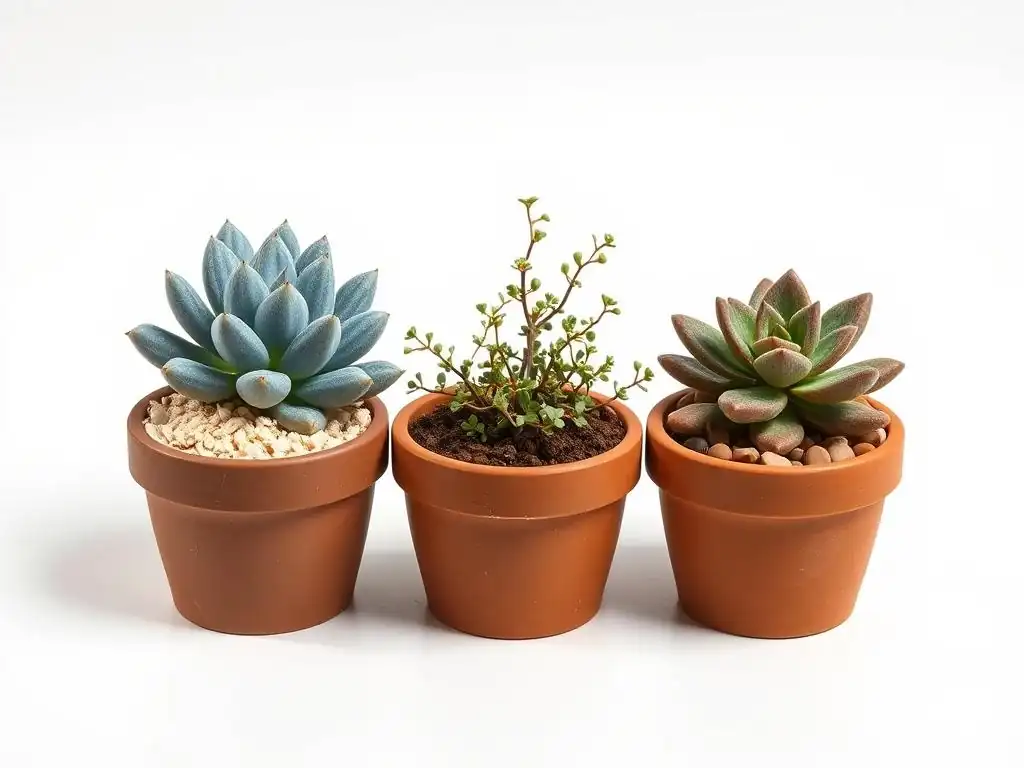
Selecting the best succulent potting mix isn't a one-size-fits-all endeavor. While a general well-draining mix works for many succulents, tailoring the mix to the specific needs of different varieties can significantly impact their health and growth. Understanding the nuances of various succulent types and their water requirements is crucial for creating the perfect potting environment. Overwatering is a common killer of succulents, and the right mix is your first line of defense. We'll explore this further, analyzing the ideal components for optimal drainage and aeration.
Potting Mixes for Different Succulent Varieties
Different succulents have varying needs based on their origins and growth habits. For example, Echeveria species, known for their rosette shapes, generally prefer a slightly more retentive mix than Sedum, which are often more drought-tolerant. A good starting point for a general succulent mix is a blend of:
- 60% inorganic material (pumice, perlite, coarse sand) for excellent drainage.
- 40% organic material (peat moss, coco coir) for moisture retention and nutrient supply. However, keep the organic component on the lower side to prevent waterlogging.
Let's examine specific examples:
| Succulent Type | Ideal Potting Mix Adjustments | Rationale |
|---|---|---|
| Echeveria | Slightly higher percentage of coco coir (up to 50% organic) | Retains a bit more moisture, beneficial for their rosette structure. |
| Sedum | Higher percentage of inorganic material (up to 70%) | Requires exceptionally well-draining conditions. |
| Haworthia | Similar to Echeveria, slightly more moisture retention. | Tolerates slightly higher moisture levels compared to Sedum. |
| Crassula ovata (Jade Plant) | Balanced mix, slightly favoring inorganic components. | Relatively adaptable, but good drainage is essential to prevent root rot. |
Remember, always prioritize excellent drainage. A well-draining mix prevents the roots from sitting in soggy soil, a major cause of root rot and eventual plant death. The addition of horticultural charcoal can also improve drainage and aeration. The key is to find a balance between providing sufficient moisture for growth and preventing harmful water retention.
Adapting Your Potting Mix Recipe for Specific Needs
Even within a single succulent species, individual plants may have unique needs depending on their size, age, and growing conditions. For instance, newly rooted succulents may benefit from a slightly more organic mix initially to aid in establishing their root systems. However, as they mature, you can gradually increase the proportion of inorganic components to encourage stronger root growth and prevent overwatering.
Here's a checklist for adjusting your best succulent potting mix:
- Young plants: A slightly higher percentage of organic matter can help retain moisture, supporting root development.
- Mature plants: Gradually increase the inorganic component as they mature to ensure optimal drainage.
- Hot, dry climates: Consider increasing the inorganic component to enhance drainage and prevent overwatering.
- Humid climates: Slightly increase the organic component (with caution! ), but ensure excellent drainage remains a priority.
- Plants showing signs of overwatering: Immediately repot with a mix that has a significantly higher percentage of inorganic material.
By carefully considering these factors and adapting your potting mix accordingly, you can significantly improve the chances of success in propagating and nurturing your succulents. Remember, observation is key – pay close attention to your plants' responses to the chosen mix and adjust as needed. The process of finding the best succulent potting mix is an ongoing journey of learning and refinement. 🌱
Long-Term Care and Repotting
The journey of a newly rooted succulent doesn't end with successful propagation. Providing the best succulent potting mix is crucial, but ongoing care and eventual repotting are equally vital for long-term health and thriving growth. Understanding the signs that your succulent needs a larger pot and fresh soil is key to preventing root-bound issues and maintaining optimal drainage. Neglecting this aspect can lead to stunted growth, susceptibility to diseases, and even death. This section focuses on the long-term care aspects, specifically when to repot your growing succulents and how to transition them to a mature potting mix.
When to Repot Your Growing Succulents
Knowing when to repot your succulents is as important as choosing the initial best succulent potting mix. Overcrowding in a pot leads to rootbound conditions, hindering water and nutrient uptake. Several signs indicate it's time for a larger home:
- Roots emerging from drainage holes: This is the most obvious sign. Roots actively searching for space beyond the confines of the pot indicate a need for a larger container.
- Slow or stunted growth: Despite proper care and watering, your succulent's growth has significantly slowed or stopped. Rootbound plants struggle to access essential nutrients.
- Soil drying too quickly: If the soil dries out unusually fast, even with consistent watering, it suggests the roots have completely filled the pot, leaving little room for water retention.
- Cracking or bulging pot: In some cases, the roots exert enough pressure to crack or visibly bulge the pot. This is a clear indication of severe rootbound conditions.
Repotting should be done during the active growing season (spring or early summer) to minimize stress on the plant. Choose a pot only slightly larger than the previous one to avoid overwhelming the roots. Remember, good drainage is paramount – always ensure your new pot has drainage holes.
Transitioning to a Different Potting Mix as Your Succulents Mature
While a well-draining best succulent potting mix is essential for newly rooted succulents, their needs may change as they mature. Young succulents thrive in a mix that prioritizes drainage to prevent root rot. However, mature succulents may benefit from a slightly richer mix that provides more nutrients for sustained growth.
This transition shouldn't be drastic. Instead of completely changing the potting mix, consider gradually incorporating more organic matter, such as well-rotted compost, into the existing mix. This provides a slow and gentle introduction of additional nutrients without shocking the roots. Avoid using overly rich soil, as this can still lead to problems with drainage and increase the risk of root rot.
The goal is to find a balance between excellent drainage and adequate nutrient supply tailored to the mature succulent's specific needs. This process might require some experimentation to find the optimal balance for your specific succulent variety and growing conditions. Observe your plants closely; if you notice signs of overwatering or nutrient deficiency, adjust the mix accordingly.
The key is gradual adjustment and attentive monitoring, ensuring your mature succulent continues to thrive. Remember, even with mature plants, proper drainage remains a critical factor in preventing root rot. Always err on the side of caution when it comes to moisture retention.
Frequently Asked Questions
What is the best potting mix for newly rooted succulents?
A well-draining mix is crucial. A good option is a commercial cactus and succulent mix, amended with perlite or pumice to increase drainage and aeration. Avoid using garden soil, as it retains too much moisture.
Why is drainage so important for newly rooted succulents?
Overwatering is a common killer of succulents. Excellent drainage prevents the roots from sitting in soggy soil, which leads to root rot and fungal diseases. Proper drainage ensures the soil dries out between waterings.
Can I use regular potting soil for my newly rooted succulents?
No, regular potting soil is generally too dense and retains too much water. This can lead to root rot and kill your succulents. Choose a specialized mix designed for cacti and succulents.
What are the benefits of adding perlite or pumice to the potting mix?
Perlite and pumice improve aeration and drainage. They create air pockets in the soil, allowing excess water to drain quickly and preventing the roots from becoming waterlogged.
How often should I water newly rooted succulents?
Water only when the soil is completely dry. Overwatering is far more harmful than underwatering for newly rooted succulents. Check the soil moisture with your finger before watering.
Final Reflection: Cultivating Success: The Heart of a Healthy Succulent
The perfect potting mix isn't just about achieving optimal drainage; it's about nurturing life itself. Finding the ideal blend for your newly rooted succulents is a foundational step in their journey from fragile cuttings to thriving plants, a journey that mirrors our own growth and resilience. This seemingly small detail holds the key to unlocking their full potential, a potential that reflects the care and attention we give them.
The quest for the "best" succulent potting mix is a microcosm of our broader human desire to create the ideal environment for growth, whether that's in our gardens, our communities, or within ourselves. The glory of gardening: hands in the dirt, head in the sun, heart with nature. To nurture a garden is to feed not just the body, but the soul.
This quote resonates deeply, as the act of carefully crafting the perfect soil for these resilient plants becomes a meditative practice, a connection to something larger than ourselves. The ongoing influence of this simple act extends beyond the individual plant, reminding us of the interconnectedness of all living things and the importance of providing the right conditions for flourishing.
Now, consider your own "potting mix." What elements are essential for your personal growth and well-being? What conditions do you need to thrive? Take a moment to reflect on the parallels between nurturing a succulent and nurturing yourself. Identify the "ingredients" – the relationships, habits, and environments – that contribute to your own flourishing. Just as the right potting mix allows a succulent to reach its full potential, cultivating the right conditions in your life will allow you to blossom in unexpected and beautiful ways.
Unleash Your Succulent's Potential!
Thank you for learning about the ideal potting mix for your newly rooted succulents! You now have the knowledge to give your plants the best possible start. Ready to put it into action?
- Craft your perfect succulent soil: Gather the ingredients listed in the article and create a custom blend—your succulents will thrive!
- Repot your succulents: Give them a fresh start with well-draining soil. Enjoy their improved growth!
- Share your potting mix successes (or questions!) with our community on the SucculentEssentials.org forum! Let's help each other create thriving succulent collections.
What unique ingredient will you add to your custom succulent potting mix to give your plants an extra boost?