Mastering Stem Cuttings and Division for Thriving Succulents
Welcome to the definitive guide on stem cuttings and division at SucculentEssentials.org. This propagation technique is the fastest, most reliable way to multiply your favorite Echeveria, Sedum, or Sansevieria while preserving the exact genetic traits of the parent plant. Whether you are a beginner looking to expand your windowsill garden or a seasoned collector aiming to rejuvenate leggy specimens, understanding these two methods will transform your succulent care routine. By mastering this subcategory, you’ll learn to clone plants with precision, avoid common rot issues, and create fuller arrangements without spending a dime on new purchases.
🌱 Understanding Stem Cuttings: The Basics for Success
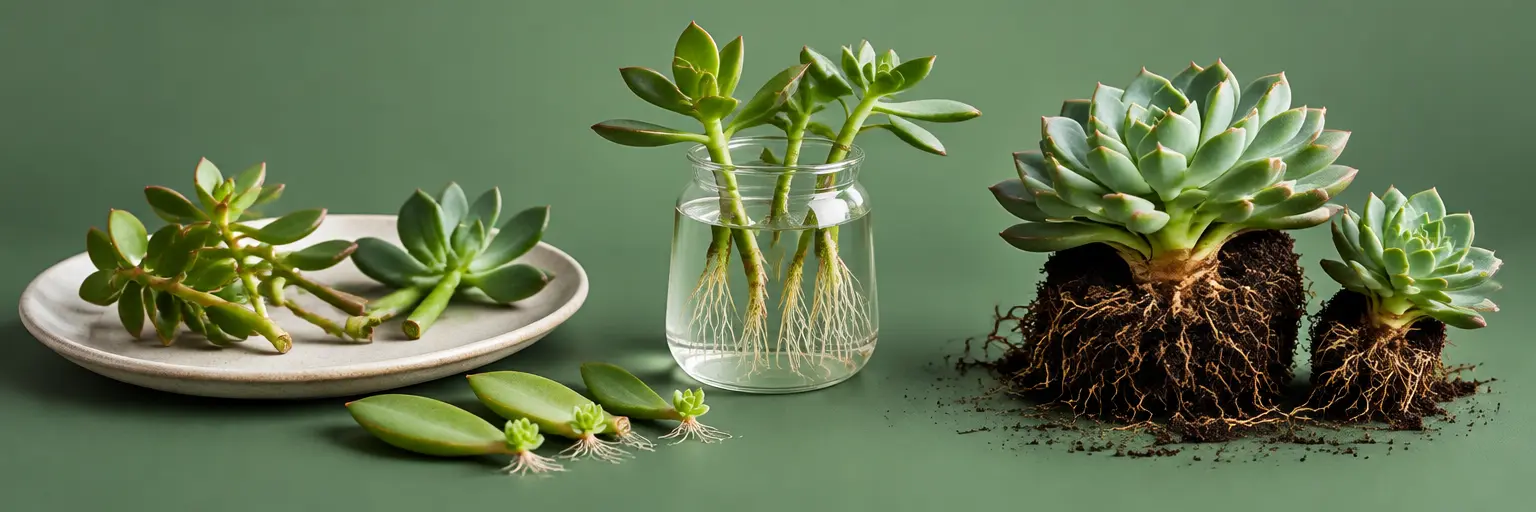
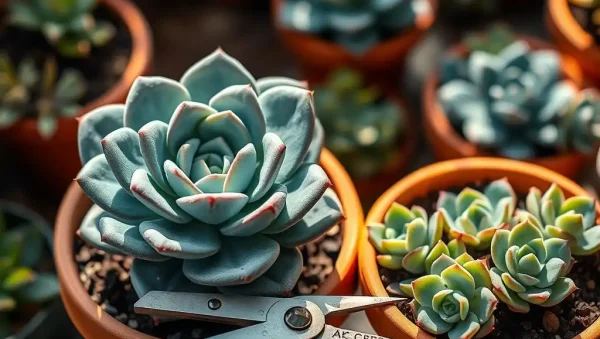
Stem cuttings involve snipping a healthy, non-flowering stem from a succulent, allowing it to callus over, and then rooting it in well-draining soil. This method works best for succulents with elongated stems like Crassula ovata (jade plant), Kalanchoe, and Aporocactus. Unlike leaf cuttings, stem cuttings give you a head start because the cutting already has vascular tissue ready to produce roots and new growth. Proper timing matters: take cuttings during the active growing season (spring or early summer) when the plant is most vigorous, and always use sterilized, sharp scissors to prevent bacterial infection.
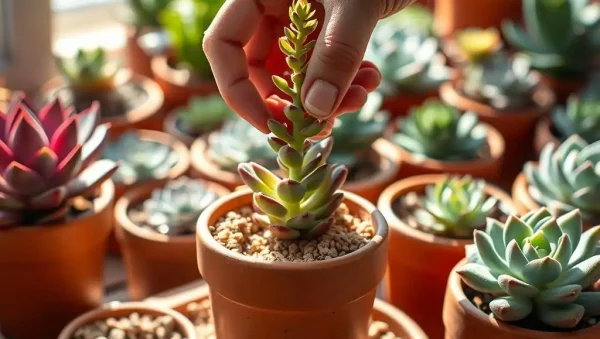
After cutting, the single most critical step is callusing—letting the cut end dry for 3–7 days in indirect light. Skipping this leads to moisture absorption and stem rot, the number one killer of cuttings. Once callused, plant the stem 1–2 inches deep into a gritty mix (50% perlite, 50% cactus soil). Water sparingly, only when the soil is completely dry, and place in bright, filtered light. Within 2–4 weeks, you’ll see tiny pink roots or new leaf buds, signaling successful establishment. This method is ideal for creating instant bushy pots from a single leggy plant.
✂️ Division: Separating Pups and Clumps Effortlessly
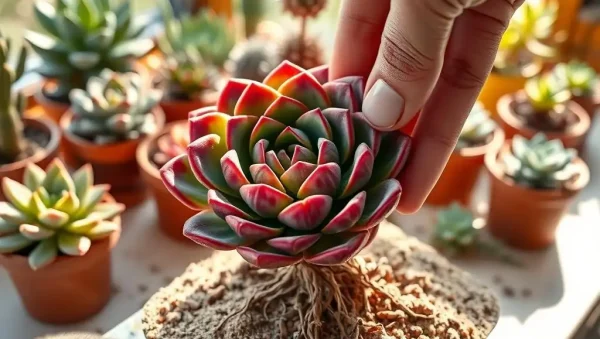
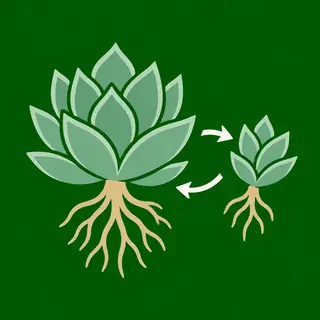
Division is the go-to technique for succulents that naturally produce offsets, pups, or grow in tight clumps—think Aloe vera, Haworthia, Agave, and Sempervivum (hens and chicks). Unlike stem cuttings, division involves unearthing the parent plant and gently separating the rooted offshoots from the main root ball. This method is less stressful for the plant, as each pup retains its own root system, leading to faster establishment and virtually zero transplant shock. The best time to divide is during repotting, typically every 2–3 years when the container becomes crowded.
To divide, water the plant a day prior to loosen the soil. Remove the entire root ball and carefully tease apart the pups, ensuring each has at least 3–4 roots attached. For stubborn clumps, use a clean knife to slice through connecting rhizomes. Allow the separated pups to dry for 24–48 hours in a shaded area—this heals any torn tissue and prevents rot. Pot each pup in its own container with fresh, dry succulent mix, and wait 5–7 days before watering. Division not only multiplies your collection but also refreshes the mother plant, encouraging more vigorous growth and minimizing overcrowding.
🔪 Choosing the Right Method for Your Succulent Type
Not every succulent responds equally to both methods, so knowing your plant’s morphology is essential. Stem cuttings are perfect for crassulas, sedums, senecios, and any succulent with a distinct aerial stem. If your plant has a rosette shape (like Echeveria) but a long bare stem, take a stem cutting that includes the rosette—this immediately produces a new head. Conversely, division is reserved for rhizomatous, bulbous, or offset-producing species such as Gasteria, Gasteraloe, and Sansevieria. Attempting to divide a single-stemmed Euphorbia will fail, just as trying to take a stem cutting from a low-growing Lithops (living stones) is impossible.
A quick rule of thumb: if the succulent has visible leaf nodes or internodes, use stem cuttings; if it forms clusters or underground stems, use division. For hybrids like Graptoveria, both methods work, but stem cuttings often produce more uniform progeny. Always research your specific species first—some rare varieties are patented or trademarked, so dividing may violate propagation laws for commercial sale. At SucculentEssentials.org, we recommend starting with robust, fast-growing species like Sedum morganianum for cuttings and Haworthia fasciata for division to build your confidence before tackling finicky specimens.
💧 Watering and Aftercare for Newly Propagated Plants
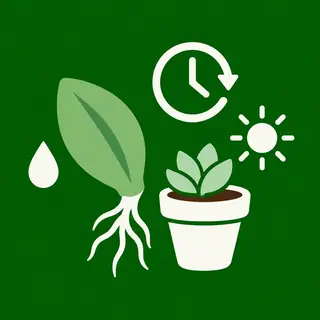
After either propagation method, the aftercare phase determines long-term survival. For stem cuttings, do not water for the first 7–10 days after potting—the cutting has no roots to absorb moisture, and watering invites fungal rot. Begin with a light misting every 5 days, gradually increasing to a deep soak once roots appear. For divided pups, water immediately after potting (unlike cuttings) because they have roots that need hydration; then let the soil dry completely before the next watering. In both cases, maintain temperatures between 65–75°F (18–24°C) and provide bright, indirect light—direct sun will scorch tender new growth.
Humidity is a double-edged sword: too low prevents rooting, too high causes mold. Covering pots with a clear plastic dome for 2 weeks can boost humidity for cuttings, but remove it daily for air circulation. Fertilize only after new growth is visible—approximately 6–8 weeks post-propagation—using a diluted balanced fertilizer (10-10-10) at half strength. Watch for pests like mealybugs that love fresh callus tissue; inspect weekly and treat with neem oil if needed. Once your new succulents show 3–4 new leaves or roots, transition them to your regular care routine, gradually increasing sun exposure to prevent leaf burn.
🛠️ Tools, Soil Mixes, and Troubleshooting Common Failures
Investing in proper tools ensures sterilization and precision: use pruning shears, a sterilizing solution (70% isopropyl alcohol), clean pots with drainage holes, and a gritty soil mix. A standard mix of 2 parts coarse sand, 1 part perlite, and 1 part organic cactus soil provides aeration while retaining minimal moisture—succulents hate soggy roots. Add a thin layer of fine gravel on top to support stems and prevent soil splash. Avoid using garden soil, which compacts and holds too much water, leading to rotting within days after propagation.
Common failures include blackening stems (overwatering or no callus), shriveled leaves (underwatering or root damage), and no root growth (temperature too low or cutting taken from a dormant plant). To revive a rotting stem, re-cut above the affected area, re-callus for a week, and repot. For persistent non-rooting, dip the cut end in rooting hormone powder (available at garden centers) or use a heat mat set to 70°F. Always keep records: note your cutting date, variety, and root time—this data improves your success rate over seasons. If you see white fuzzy roots, that’s a victory sign, not a disease.
🌿 Creative Ways to Use Stem Cuttings and Division in Arrangements
Beyond simple multiplication, these techniques enable artistic expression. Use stem cuttings to create layered vertical gardens—insert cuttings into a wall-mounted planter’s slits, allowing trailing sedums to cascade. For division, cluster multiple Haworthia pups in a shallow bowl with varying heights to mimic a miniature landscape. Stem cuttings also rejuvenate old, woody jade plants: take the top rosette, root it, and discard the aged stem—suddenly you have a compact, youthful specimen. Mix both methods in a single pot: divide a clumping Aloe for a base, add stem cuttings of a Crassula for height, and finish with leaf-propagation offsets for texture.
Another pro tip: use the “pup separation” method not just for planting, but for creating living wreaths. Divide Sempervivum pups and insert them into a moss-lined wire frame—they’ll root and fill the wreath over a season. For stem cuttings, consider “leggy salvage”: if your Echeveria has stretched, cut the stem into 2-inch segments, each with a few leaves, and root them horizontally—you’ll get multiple new rosettes from one plant. These creative applications turn propagation from a chore into a rewarding design practice, perfect for gifting friends or upgrading your own succulent displays at home.
Frequently Asked Questions
How long does it take for a stem cutting to root?
Typically, stem cuttings root within 2–4 weeks when conditions are optimal—bright, indirect light, temperatures around 70°F, and soil kept barely moist. Some fast growers like Sedum root in just 10 days, while slower species like Adenium may take 6 weeks. Check by gently tugging the cutting after 3 weeks; resistance indicates root formation.
Can I divide a succulent that has only one stem?
No, division requires multiple stems or offsets. For single-stemmed succulents like jade plants, take a stem cutting instead. For rosette succulents that haven’t produced pups, you can force division by cutting off the top rosette (as a stem cutting) and leaving the base to sprout new offsets over several months.
What is the best season for stem cuttings and division?
Spring and early summer are ideal, as succulents enter active growth with higher metabolic rates. Avoid winter dormancy when rooting is slow and cuttings may rot due to reduced water uptake. In USDA zones 9–11, you can propagate year-round if temperatures stay above 60°F and light is consistent.
Why are my stem cuttings turning black at the base?
This is almost always rot caused by insufficient callusing or overwatering. You must let the cut end dry for 3–7 days until a hard scab forms. Additionally, ensure your soil mix drains swiftly and never water until roots appear. If rot occurs, cut above the black area, re-callus, and try again with drier soil.
Can I divide a succulent that has a taproot?
Taprooted species like Adenium or Pachypodium do not divide well; they resist root disturbance. Instead, use seed propagation or take stem cuttings. For clumping succulents with fibrous roots (e.g., Aloe, Haworthia), division is safe and highly effective, as they naturally produce separate offsets.