The Secret to Using Offsets for Succulent Gifting
🤔 Discover the secret to unforgettable succulent gifting! SucculentEssentials.org reveals ingenious ways to propagate and present succulent offsets, transforming simple cuttings into…
Read article
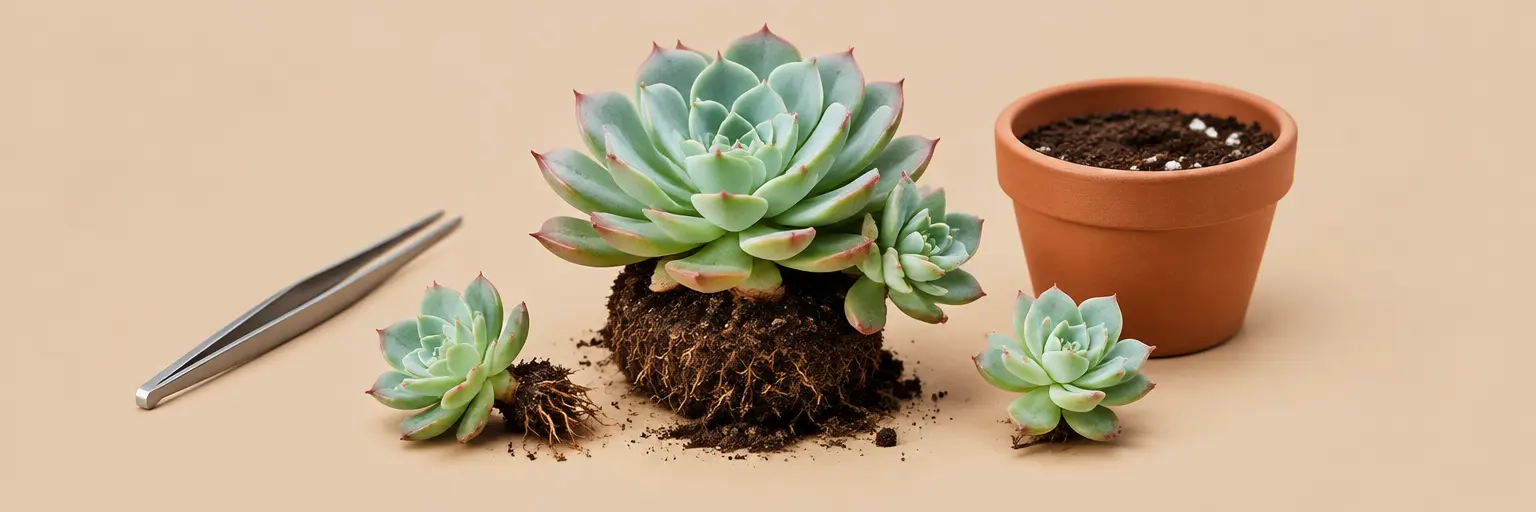
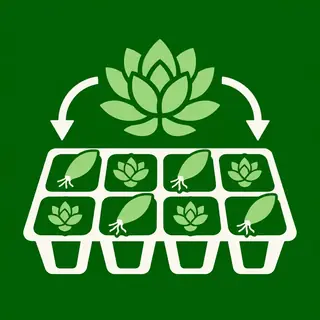
Offsets and pup separation is one of the most rewarding ways to expand your succulent collection, offering a simple yet effective propagation technique for both beginners and seasoned gardeners alike. By gently removing the tiny rosettes, or “pups,” that form at the base of mature plants like Echeveria, Haworthia, and Aloe, you can create healthy, independent plants with minimal effort. This method not only boosts your garden’s abundance for free but also helps maintain the parent plant’s vigor by reducing overcrowding. Whether you’re looking to share your favorite succulents with friends or simply multiply your indoor oasis, mastering pup separation ensures a higher success rate compared to leaf cuttings, as each offset already has its own root system. With a clean knife or gentle twist, a few days of drying, and well-draining soil, you’ll watch your new plants thrive, making this the perfect starting point for sustainable succulent growth.
🤔 Discover the secret to unforgettable succulent gifting! SucculentEssentials.org reveals ingenious ways to propagate and present succulent offsets, transforming simple cuttings into…
Read article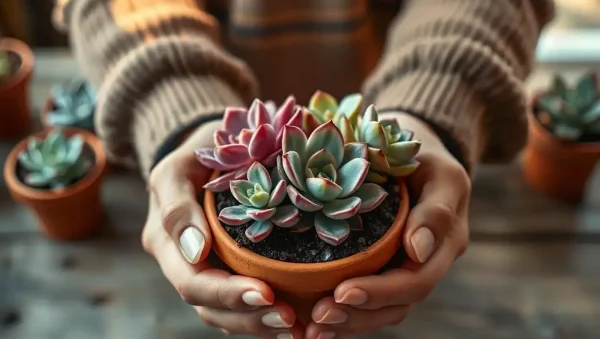
😊 Master the art of transplanting rooted succulent offsets! SucculentEssentials.org's expert guide provides step-by-step instructions for successfully moving your precious plant babies,…
Read article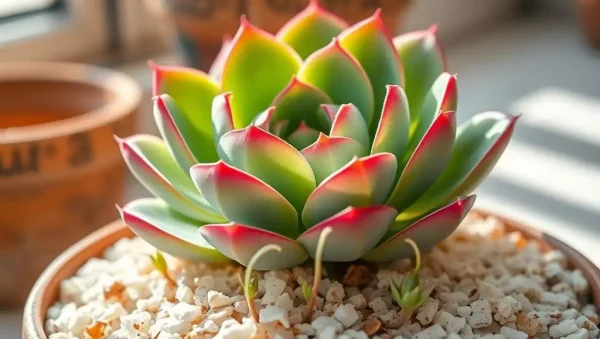
😊 Learn the secrets to successful succulent propagation at SucculentEssentials.org! Our guide, "From Pup to Plant," covers everything from separating offsets to…
Read article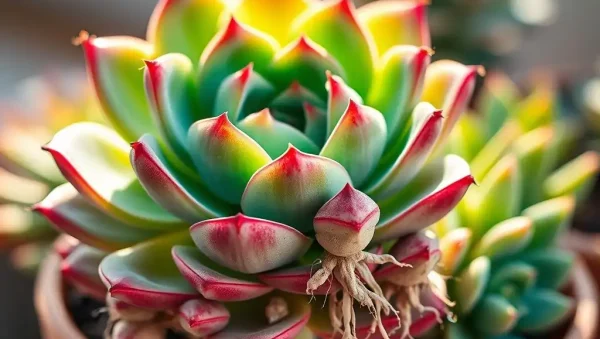
🤔 Learn the crucial pros and cons of separating succulent offsets at SucculentEssentials.org. Discover how this propagation method boosts plant health, increases…
Read articleWelcome to the definitive guide on offsets and pup separation, a cornerstone technique within succulent propagation. At SucculentEssentials.org, we understand that successful plant parenting hinges on knowing exactly when and how to divide those adorable baby rosettes. This subcategory equips you with the precise knowledge to turn a single mother plant into a thriving collection. From identifying ready-to-separate pups to post-separation aftercare, you’ll learn the low-stress methods that ensure every pup survives and flourishes. Dive in to master this rewarding, cost-effective propagation method and elevate your succulent game to professional levels.
Before you grab your tools, you must learn to read your succulent’s signals. A pup is ready for separation when it has developed its own robust root system and is at least one-quarter to one-third the size of the mother plant. Typically, this occurs after 4-6 weeks of active growth, usually in spring or early summer. Gently brush away the topsoil to check for pinkish or white roots emerging from the pup’s base—these are your green light. If the pup still looks attached with tight connections and no visible roots, it’s better to wait another week; premature separation can shock the plant and stall growth permanently.
Another key indicator is the ease of twisting. When you gently wiggle the offset, a ready pup will move slightly without resistance. Avoid pulling hard or cutting into the stem if it feels firmly fused. Also, examine the mother plant’s health—only divide when she is plump and hydrated, as stressed mothers produce weaker offspring. By mastering this visual and tactile inspection, you’ll avoid the most common propagation mistake: rushing the process. Patience here ensures each pup has the internal energy to survive independently, leading to faster rooting and stronger juvenile growth.
Successful pup separation requires the right gear and a gentle hand. You’ll need a sterile, sharp knife or scissors, rubbing alcohol to disinfect blades between cuts, and a clean workspace. Begin by removing the entire plant from its pot, gently shaking off excess soil to expose the pup’s base. Using your thumb and forefinger, hold the pup low near the junction and twist with a clean, snapping motion—this is the most natural separation method. For stubborn pups that resist twisting, use the sterilized blade to make a clean, straight cut at the narrowest point connecting pup to mother, ensuring you don’t damage either’s stem tissue.
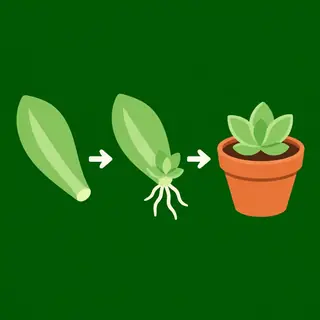
After separation, do not skip the callusing step. Lay each pup on a paper towel in a shaded, dry location for 24-48 hours until the cut surface forms a tough, whitish callus. This crucial step prevents rot and fungal infections when planted. While the pups callus, lightly dust the cut end with rooting hormone powder (optional but effective) to encourage faster root development. Once callused, plant each pup in a well-draining succulent mix, burying the base just enough to keep it upright. Wait 3-5 days before watering to allow any micro-cracks to heal, then water sparingly—your new succulent is now on its own journey.
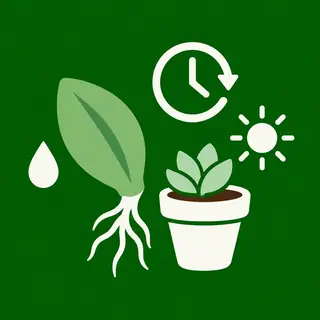
After planting your separated offsets, their care mimics adult succulents but with extra vigilance. Place the pots in bright, indirect light—a south or east-facing windowsill works best—but protect them from harsh afternoon sun for the first week to prevent sunburn. Water only when the top inch of soil is completely dry, typically every 7-10 days. Overwatering is the number one killer of new pups, as their small root systems cannot absorb excess moisture. Use a spray bottle or a small watering can with a narrow spout to target the soil gently, avoiding the leaves to reduce rot risk.
Monitor your pups for signs of stress, such as wrinkled, dull leaves (underwatered) or mushy, translucent stems (overwatered). Adjust your routine accordingly. Begin a weekly diluted liquid fertilizer (quarter-strength) after the first month, but only during the active growing season. As the pup establishes, you'll see new leaf growth at the center—a clear sign of successful rooting. If the pup looks pale or elongates (etiolation), move it closer to light. With consistent, gentle care, your pups will double in size within 60-90 days, ready to become independent plants or gifts for fellow succulent lovers.
Even experienced growers face setbacks. The most common issue is rotting at the base, often caused by planting too deep or watering before the callus forms. If you see a dark, soft base, remove the pup, slice off the decay, and restart the callusing process. Another frequent error is separating pups that are too small—these lack the stored energy to survive, so only divide pups that are at least the size of a nickel. Also, avoid separating in winter dormancy, as low light and cool temperatures slow healing and rooting significantly. Instead, aim for early spring or late summer when succulents naturally experience growth spurts.
Pup separation can also stress the mother plant. If she loses too many offsets at once, she may stop producing new pups temporarily. Limit separation to 2-3 pups per session per mother. Additionally, watch for pest infestations like mealybugs that hide in the crevices between pups and stem. After separation, inspect all cut surfaces for pests and wipe with neem oil if needed. If your pups simply refuse to root after three weeks, they may be getting too much or too little humidity—try covering the pot with a clear plastic bag (creating a mini greenhouse) for a week, but ensure air circulation to prevent mold. Troubleshooting is part of the journey; each failure teaches you to be a better gardener.
Choosing the right pot and substrate is critical for pup survival. Opt for small, shallow terracotta pots (2-3 inches in diameter) with drainage holes, as terracotta wicks away excess moisture and provides excellent airflow to roots. Avoid plastic pots—they trap humidity and increase rot risk. For soil, use a commercial succulent mix amended with 30-50% coarse perlite or pumice to ensure sharp drainage. This gritty blend allows roots to breathe and prevents waterlogging. Fill the pot, create a shallow hole with your finger, and gently place the callused pup, backfilling around the base without compacting the soil.
Never use regular garden soil or potting mix—it holds too much moisture and leads to root rot. For extra drainage, you can add a thin layer of fine gravel at the bottom of the pot, although with proper succulent mix, this is optional. Position the soil level just below the pup’s lowest leaves to prevent moisture pooling against the foliage. After planting, wait 3 days to water, then use a bottom-watering method: place the pot in a tray of water for 15 minutes, allowing the soil to absorb moisture from below without wetting the stem. This encourages deep root growth and keeps the pup’s base dry. With the right pot and soil, your pups will thrive and grow quickly.
During the active growing season (spring to fall), inspect your succulents every two weeks, gently brushing away soil from the base. Pups typically appear 2-3 months after the mother plant has been healthy and actively growing. Weekly checks are fine if you’re eager, but avoid disturbing the plant too frequently, as handling can stress it.
Yes, you can, but it requires extra care. A pup without roots can still survive if it has a healthy stem base. After separation, let it callus for 48 hours, then plant in damp (not wet) soil and place in a bright spot. Mist the soil lightly every few days, and roots will usually emerge within 2-3 weeks.
The ideal windows are early spring (March-April) and late summer (August-September), when growth hormones are most active. Avoid winter and extreme heat, as dormancy or stress slows rooting and increases rot risk. If indoors with controlled light, any time works, but spring is safest.
Absolutely, if the pup is tightly fused. Always sterilize the blade with rubbing alcohol first. Make a clean, swift cut at the narrowest junction, then treat the cut as you would a twist-off—callus and plant. Cutting is less stressful on the mother than tearing.
With proper care, most pups establish roots within 2-3 weeks and show new leaf growth within a month. They become fully independent—meaning they can survive a missed watering and grow at a normal rate—after about 3-4 months, when they’ve developed a robust root ball.