Leaf Propagation Methods: Grow Your Succulent Collection from a Single Leaf
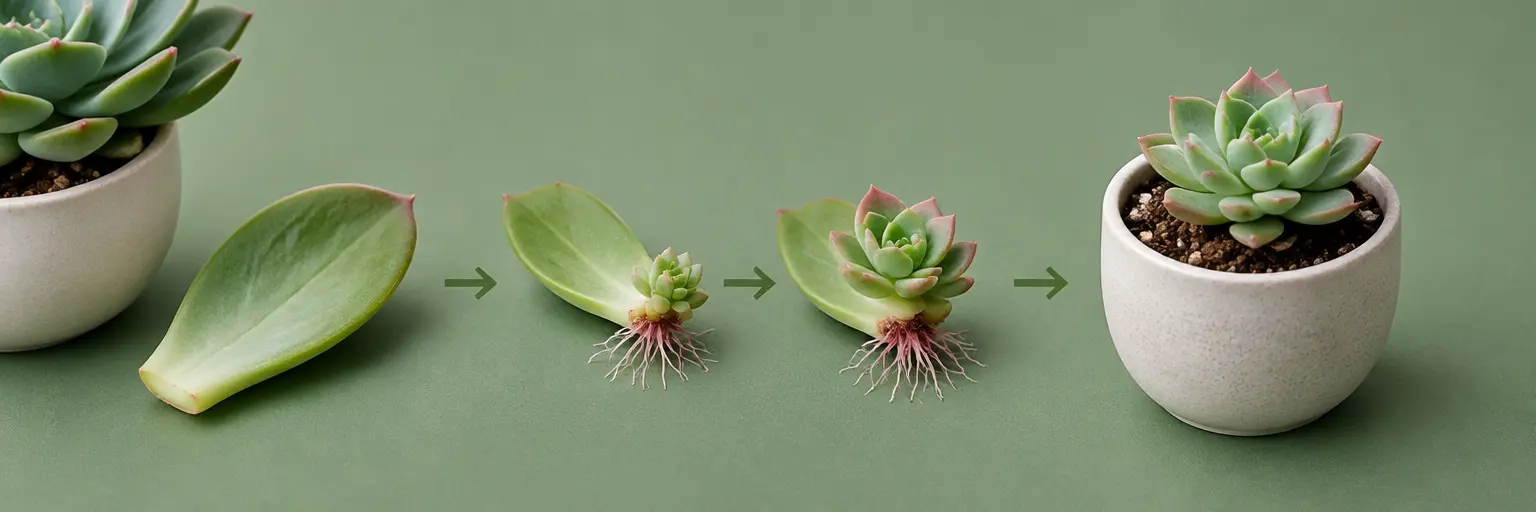
Leaf propagation is one of the most rewarding and cost-effective ways to expand your succulent garden. At SucculentEssentials.org, we dive deep into this fascinating technique, showing you how a single fallen leaf can transform into a thriving new plant. Whether you’re a beginner or a seasoned collector, mastering leaf propagation methods unlocks unlimited possibilities for growing rare varieties, sharing plants with friends, and creating stunning arrangements—all from leaves you might otherwise discard.
🌱 Choosing the Right Leaves for Success
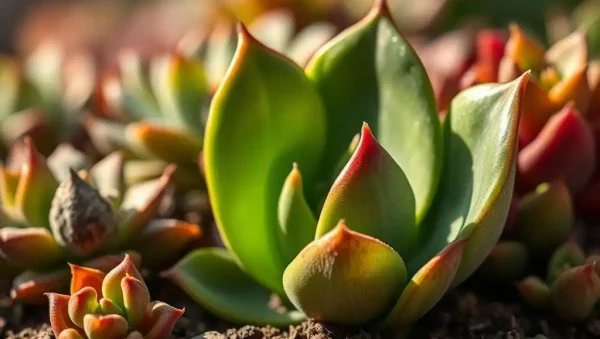
The foundation of successful leaf propagation starts with selecting healthy, mature leaves. Look for plump, firm leaves that snap off cleanly with a gentle twist—avoid damaged, shriveled, or overly young leaves, as they lack the energy reserves needed for root and sprout development. For best results, choose leaves from the lower rosette of your succulent, where they’re fully grown but still vigorous.
Variegated succulents, Echeverias, Graptopetalums, and Pachyverias are excellent candidates for leaf propagation, while some species like Haworthias and certain Lithops are better propagated via division or seeds. Always ensure your donor plant is pest-free and well-hydrated a few days before taking leaves, as turgid leaves root faster. This careful selection is the cornerstone of all leaf propagation methods and dramatically boosts your success rate.
💧 Step-by-Step Drying and Callusing Process
After removing your leaves, resist the urge to plant them immediately. Instead, place them on a dry paper towel or tray in a warm, shaded area with good airflow. Allow the cut end to form a callus—this typically takes 3 to 7 days depending on humidity and temperature. This critical step prevents rotting and fungal infections when the leaf contacts moist soil, making it non-negotiable in any reliable leaf propagation method.
Once callused, you’ll notice the cut end appears dry and slightly concave. This signals readiness for the next phase. Some enthusiasts prefer applying a thin layer of rooting hormone to the callused end, though this is optional. Proper callusing not only protects your cutting but also encourages the leaf to redirect energy into producing roots rather than healing open wounds. Patience here pays off with healthier, sturdier baby succulents.
🏺 Soil, Light, and Watering Tactics for Leaf Cuttings
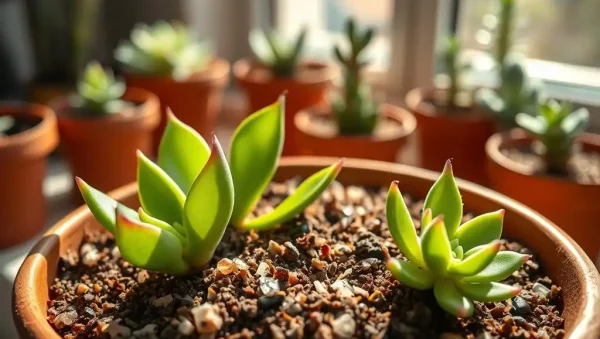
When your callused leaves are ready, lay them flat on a well-draining succulent mix—never bury them. Use a shallow tray or pot filled with coarse sand, perlite, and potting soil in equal parts. Place the tray in bright, indirect sunlight; direct sun can scorch the delicate leaf tissue before roots form. Ideal temperatures range between 65°F and 75°F to accelerate rooting.
Watering is the trickiest aspect of leaf propagation methods. Wait until roots emerge (usually 2–4 weeks) before lightly misting the soil surface. Avoid overhead watering, as droplets on the leaf can cause rot. Once tiny rosettes appear, increase watering frequency gradually but always let the soil dry completely between soakings. This balanced approach mimics natural arid conditions, encouraging robust root growth and preventing damping-off disease.
🔄 Troubleshooting Common Leaf Propagation Issues
Even experienced growers encounter hiccups. If your leaves become translucent or mushy, overwatering or insufficient callusing is likely the culprit. Remove affected leaves immediately to protect healthy ones. Conversely, if leaves shrivel and never produce roots, they may lack vitality or the air is too dry—increase humidity with a clear plastic lid and check for pests like mealybugs.
Another frequent issue is leaves producing roots but no rosette, or vice versa. This often results from inconsistent light or nutrient imbalances. Gently rotate your tray weekly and ensure a stable environment. Some leaves naturally take months to sprout—don’t give up too soon. By understanding these typical challenges, you’ll refine your leaf propagation methods and enjoy higher success with every batch, turning setbacks into learning opportunities.
🌿 Creative Display and Aftercare for New Succulent Babies
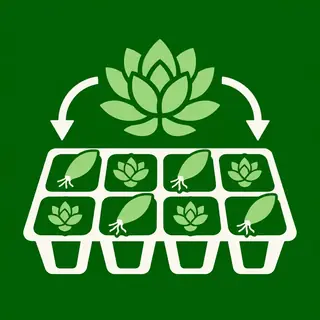
Once your propagated leaves develop small rosettes and roots about half an inch long, it’s time to transplant them into individual pots. Use tiny containers with drainage holes and the same gritty mix. Water sparingly for the first week to encourage settlement, then gradually introduce normal succulent care. These miniature plants grow quickly and make adorable gifts or additions to fairy gardens and terrariums.
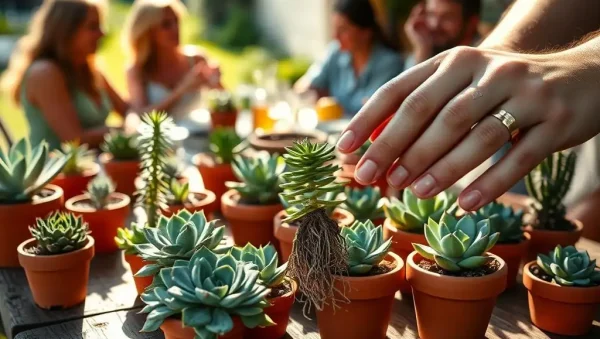
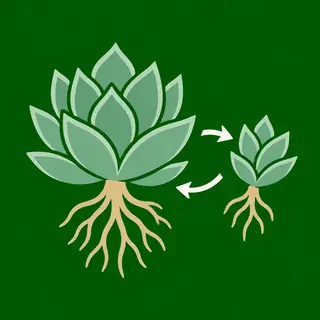
For a striking visual, arrange several rooted leaves in a single shallow dish—this creates a “leaf carpet” effect that showcases the various stages of growth. Rotate the container weekly for even sunlight and pinch off any etiolated stems to promote compact growth. As your babies mature, you can start the entire leaf propagation cycle again, building a sustainable, self-replenishing succulent collection that costs pennies but delivers priceless joy.
Frequently Asked Questions
How long does it take for succulent leaves to root?
Typically, succulent leaves begin forming roots within 2 to 4 weeks under optimal conditions of warmth (65–75°F) and bright, indirect light. However, some species may take up to 8 weeks. Patience is key—avoid disturbing leaves during this period, and only water once roots are visible to prevent rot.
Can I propagate any succulent leaf?
No, not all succulents propagate from leaves. While Echeveria, Sedum, Graptopetalum, and Pachyphytum are highly successful, others like Haworthia, Aloe, and Lithops rarely root from leaves. For those, use division, offsets, or seeds instead. Research your specific succulent type before attempting leaf propagation.
Should I mist my propagating leaves daily?
No, daily misting is counterproductive. Overwatering causes leaves to rot before roots form. Instead, wait until you see roots (usually 2–4 weeks), then mist only when the topsoil feels completely dry—roughly every 3–5 days. Reducing humidity gradually after transplanting helps your new plants adapt to normal conditions.
Why are my leaves turning yellow or transparent?
Translucent, yellowing leaves almost always indicate overwatering or insufficient callusing. The leaf is absorbing excess moisture, breaking down its cell walls. Remove affected leaves, improve airflow, and ensure your planting mix is bone-dry when you set leaves down. Always callus for at least 48 hours longer in humid climates.
What’s the best season to propagate succulent leaves?
Spring and early summer are ideal because active growth accelerates rooting and sprouting. Avoid winter dormancy and extreme summer heat, which slow metabolism. If you propagate in fall, provide extra warmth and light with grow lights to maintain steady progress. Consistency is more important than the calendar date.