Commercial Propagation Insights: Scaling Your Succulent Success
Welcome to Commercial Propagation Insights, a dedicated corner of SucculentEssentials.org tailored for growers, nursery owners, and ambitious hobbyists ready to transition from a few pots to a thriving business. Here, we dive deep into the scalable techniques, bulk production strategies, and cost-effective methods for propagating succulents on a larger scale. Whether you’re supplying local markets, online stores, or landscaping projects, this subcategory offers actionable guidance on everything from selecting mother plants to streamlining your workflow. Expect practical, data-driven advice that blends horticultural science with real-world commercial experience, all while keeping your succulents healthy and your profits robust.
🌱 Scaling Leaf & Stem Cuttings for Mass Production
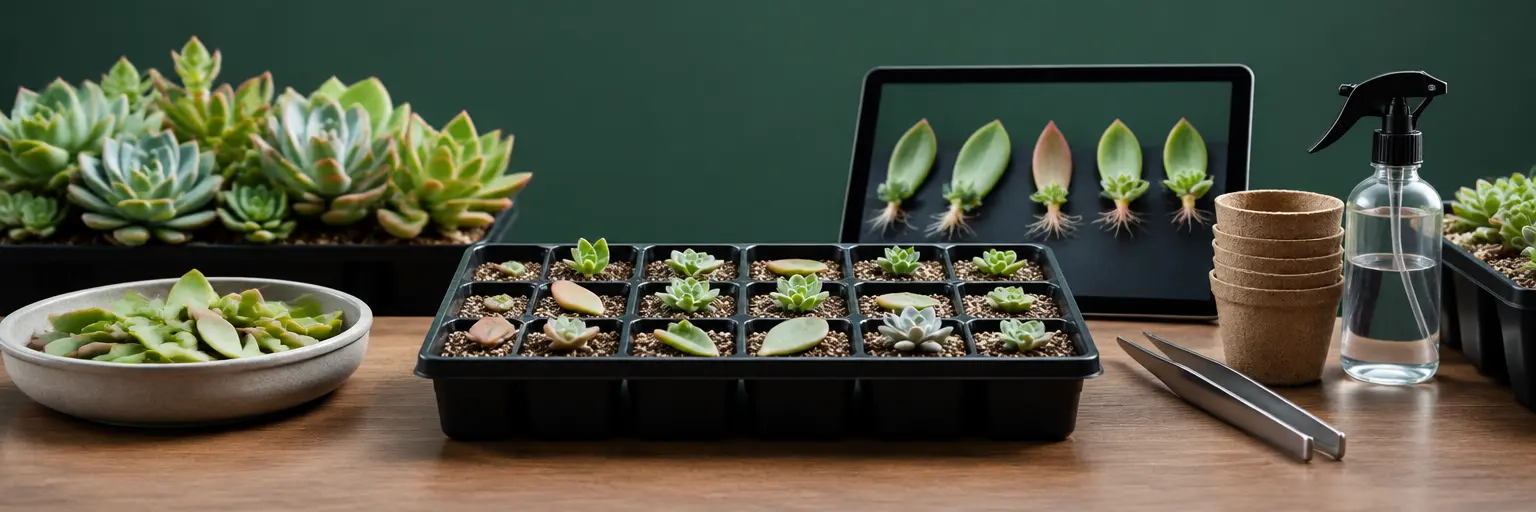
When moving from a home propagation tray to a commercial setup, efficiency is everything. This section focuses on optimizing leaf and stem cutting procedures to produce hundreds or thousands of viable plants with minimal waste. You’ll learn about the ideal timing for harvesting cuttings, proper callusing techniques to prevent rot, and the best substrates for bulk rooting that ensure uniform growth. We also cover spacing strategies that maximize tray usage without overcrowding, a common bottleneck in large-scale operations. Additionally, we discuss automation tools like misting systems and climate-controlled shelves that reduce manual labor while maintaining consistent humidity and temperature. By mastering these methods, you can turn a single mature succulent into a reliable revenue stream, ensuring a steady supply of starter plants for your market.
Beyond basic techniques, we delve into cultivar-specific considerations—some succulents, like Echeveria, root faster from leaves, while others, such as Haworthia, respond better to offsets. We’ll help you create a species-by-species propagation calendar, balancing your production to meet seasonal demand. You’ll also find tips on pest prevention during the vulnerable rooting phase, including organic fungicides and beneficial nematodes. With this knowledge, you’ll reduce losses and improve the quality of your cuttings, directly impacting your bottom line. Whether you’re propagating for wholesale or retail, these insights ensure your operation runs smoothly from the first cut to the final potted plant.
🏭 Tissue Culture & Lab-Scale Reproduction
For growers aiming for genetically identical plants at a rapid pace, tissue culture is a game-changer. This advanced technique allows you to produce thousands of plantlets from a single tissue sample in a sterile lab environment. We cover the basics of setting up a low-cost home lab, including sterilization protocols, nutrient media recipes, and growth hormones like cytokinins and auxins. You’ll understand how to initiate cultures, multiply shoots, and transfer plantlets to soil with a high survival rate. While initial investment may seem steep, the long-term payoff is significant—especially for rare or patented succulent varieties that command premium prices. We also address common challenges like contamination, vitrification, and hyperhydricity, offering troubleshooting steps to keep your cultures thriving.
Commercial tissue culture isn’t just for big corporations; even small nurseries can benefit from in-house propagation of select species. We’ll guide you through the cost-benefit analysis, showing how to prioritize which plants justify lab work versus traditional cutting methods. Additionally, we explain the legal aspects of cloning patented varieties, including licensing requirements and ethical considerations. By integrating tissue culture into your propagation mix, you can ensure consistent quality, rapid upscaling, and disease-free stock—all critical factors for a competitive edge in the succulent market. Our step-by-step guides and supplier recommendations make this high-tech approach accessible to dedicated enthusiasts ready to take the commercial leap.
📦 Batch Processing & Nursery Logistics
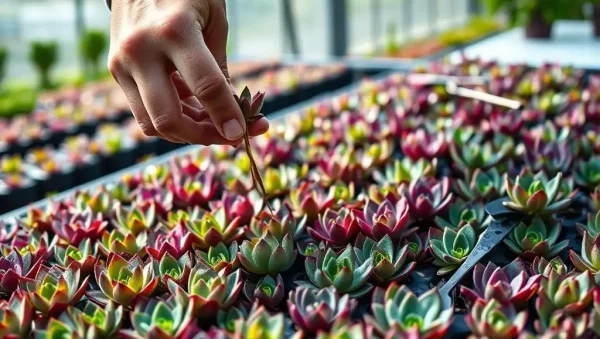
Efficient nursery management revolves around batch processing, inventory rotation, and space utilization. This section provides a blueprint for organizing your propagation area to handle large volumes without chaos. You’ll learn about vertical shelving systems, flood-and-drain tables, and modular tray designs that enhance airflow and light penetration. We also discuss barcode or QR tracking to monitor batch progress from cutting to sale, helping you predict harvest times and manage orders accurately. Additionally, we cover water and nutrient delivery systems—like drip irrigation and sub-irrigation—that cut labor costs and reduce water waste, a crucial aspect of sustainable commercial growing. By implementing these logistics, you’ll minimize handling time, reduce plant stress, and keep your operation agile during peak seasons.
Batch planning is more than just sticking cuttings in soil; it’s about synchronizing propagation cycles with market demand. We provide templates for forecasting sales based on historical data, allowing you to schedule propagation runs 6–8 weeks ahead. You’ll also find advice on staggered planting to ensure a continuous supply rather than a feast-or-famine harvest. We tackle workforce management too—whether you’re a solo grower or hiring seasonal help, we suggest task checklists and workflow diagrams that streamline daily routines. Finally, we explore post-propagation handling, including hardening-off techniques and packaging standardization, so your plants arrive at customers in pristine condition. With these operational insights, you’ll transform your nursery into a well-oiled machine that can scale up as your business grows.
📊 Market Trends & Niche Opportunities
Commercial propagation isn’t just about growing; it’s about growing what sells. This segment analyzes current succulent market trends, from the rising popularity of rare hybrids to the DIY wedding favor and corporate gifting niches. We identify high-demand categories—such as variegated species, miniature succulents, and drought-tolerant landscaping plants—and guide you on which ones align with your propagation strengths. You’ll learn how to leverage social media and plant swaps to build a customer base before your first large batch is ready. We also discuss pricing strategies, considering factors like rarity, mother plant cost, and production time, ensuring you price competitively while maintaining healthy margins. By keeping your finger on the pulse of consumer preferences, you can adapt your propagation focus to maximize profitability.
Beyond general trends, we highlight under-served sub-niches, such as succulents for terrariums, living walls, or pet-safe varieties. These specialized markets often have less competition and higher perceived value, making them ideal for small-scale commercial growers. We provide case studies of successful succulent businesses, breaking down their product mixes and marketing tactics. Additionally, we examine wholesale versus retail channels, helping you decide whether to sell to garden centers, online marketplaces, or directly via your own site. With insights on packaging, branding, and seasonal promotions, you’ll be equipped to position your propagation operation for long-term success. This forward-looking approach ensures you’re not just propagating plants, but building a resilient and lucrative business.
⚠️ Risk Management & Quality Control
Scaling up propagation introduces new risks—from disease outbreaks to supply chain disruptions. This section provides a comprehensive risk assessment framework tailored to succulent propagation. We cover quarantine protocols for incoming mother plants, regular monitoring for mealybugs, spider mites, and fungal infections, and the importance of sterilizing tools and trays to prevent cross-contamination. You’ll also learn about environmental risk factors like excessive heat, cold snaps, and overwatering, and how to install backup systems like fans, heaters, and moisture meters for real-time alerts. We emphasize preventive care—healthy plants are inherently more resilient—so we share nutrition schedules and biostimulant applications that boost immunity during critical growth phases. By anticipating issues before they spiral, you’ll safeguard your entire inventory.
Quality control is the final gate before your succulents reach customers. We outline standard grading criteria—root density, leaf firmness, color vibrancy, and pest-free status—that you can use to sort plants for different market tiers. We also discuss after-sale support, like offering care cards or embedding QR codes linking to the site’s guides, which reduces returns and builds customer loyalty. Additionally, we cover insurance options for crop loss and business interruption, ensuring you’re financially protected. We delve into traceability—documenting propagation dates and parent plants—which is vital for warranty claims or if a disease issue arises. With these robust management practices, you’ll maintain a reputation for excellence, encouraging repeat business and positive reviews that fuel organic growth.
Frequently Asked Questions
What is the most cost-effective commercial propagation method for succulents?
Leaf and stem cuttings are generally the most cost-effective method for most succulent species, requiring minimal equipment and leveraging existing mother plants. For rare varieties, tissue culture becomes cost-effective due to high multiplication rates. Start with cuttings, then invest in lab propagation only for high-value plants where profit margins justify the setup costs.
How do I prevent disease when scaling up my nursery?
Disease prevention starts with clean mother stock and sterilized equipment. Implement a strict quarantine for new plants, use well-draining soil mix, and avoid overhead watering. Regularly inspect for pests, and apply organic fungicides as a preventive measure. Also, maintain airflow with fans and avoid overcrowding—proper spacing reduces humidity spikes that foster fungal growth.
Can I automate propagation without breaking the bank?
Yes, you can start with low-cost automation like timers for lights, simple misting systems, and soil moisture sensors. For under $500, you can set up a semi-automated rack with drip irrigation. As you grow, invest in computerized climate controllers and propagation benches. Focus on automating tasks that save the most labor, like watering and temperature regulation.
What succulents are fastest to propagate commercially?
Succulents like Sedum, Graptopetalum, and some Echeveria root from leaves within 2–3 weeks, making them ideal for rapid turnover. Sempervivum offsets can be separated and potted immediately. Avoid slow-growing species like certain Haworthia or rare cacti for bulk production unless they command high prices, as they require longer periods to reach sellable size.
How do I price my propagated succulents competitively?
Calculate your cost per plant—including labor, materials, overhead, and mortality—then add a 50–100% markup as starting point. Compare with local and online market rates for similar sizes and rarity. For rare hybrids, research auction sites to gauge demand. Adjust pricing seasonally; spring and fall often allow higher prices due to optimal growing conditions.