Grafting and Hybridization Projects: Create One-of-a-Kind Succulent Masterpieces
Unlock the advanced art of succulent propagation with our dedicated guide to grafting and hybridization projects. Whether you aim to fuse two striking species onto one rootstock or breed entirely new cultivars, this subcategory delivers step-by-step techniques, tool recommendations, and troubleshooting advice. From salvage grafting a rotting rare cactus to hand-pollinating Echeveria blooms, you’ll discover how to push genetic boundaries while keeping your plants thriving. Perfect for collectors seeking rare aesthetic traits—like variegation, cresting, or vibrant flower colors—these projects transform your SucculentEssentials.org experience into a living laboratory.
🌱 Essential Tools & Sterilization for Grafting
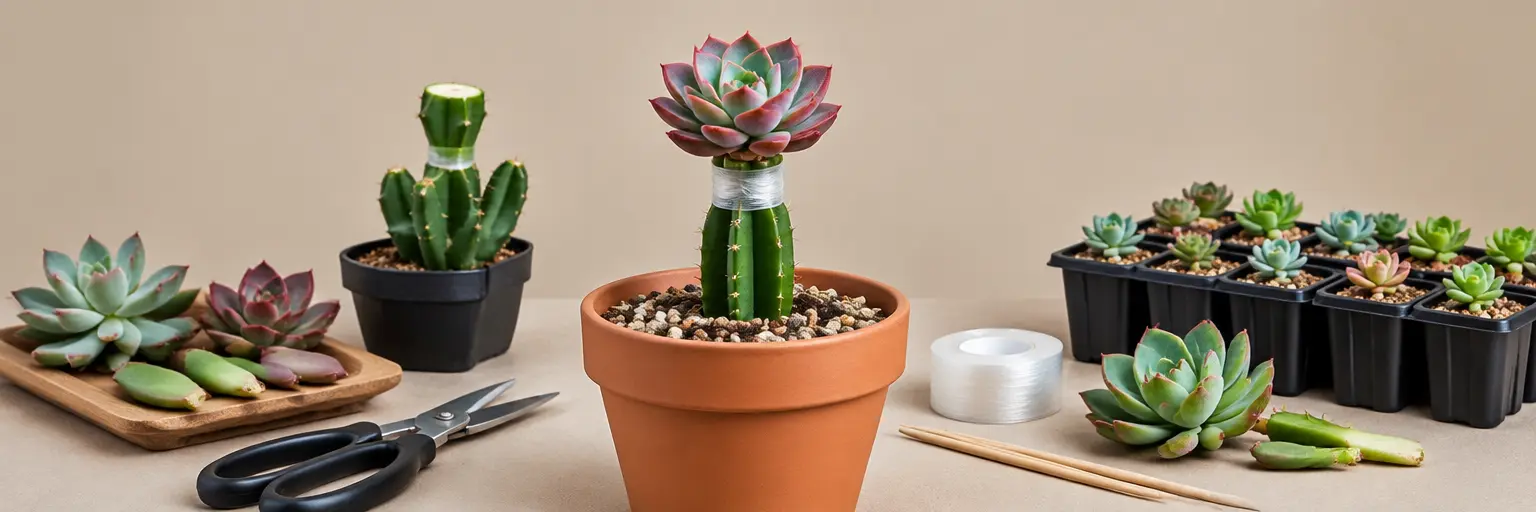
Before making your first incision, gather sharp grafting knives, rubbing alcohol, sulfur powder, and grafting clips or rubber bands. Sterilization is non-negotiable—a single contaminated blade can introduce fungal rot that kills both scion and rootstock. Always wipe tools with 70% isopropyl alcohol between cuts, and dust fresh wounds with sulfur to seal them against pathogens. Work in a dry, low-humidity area, as excess moisture invites infection. For beginners, start with forgiving rootstocks like Hylocereus or hardy Opuntia; these tolerate imperfect cuts and speedy recovery better than delicate species.
Invest in a clean, well-lit workspace and pre-sterilize everything—pots, tweezers, even your workbench. After grafting, keep plants out of direct sunlight for 7–10 days to reduce stress, then gradually reintroduce light. Always label your grafts with the date, parent species, and any unusual traits observed. This documentation proves invaluable when tracking your success rates or planning future hybrids. Remember, patience is your ally—some grafts may take two weeks to visibly unite, so resist the urge to peek daily.
🔬 Step-by-Step Grafting Techniques for Succulents
The most reliable method for succulents is flat grafting, where you slice both the scion (top piece) and rootstock horizontally, then press them together so their vascular rings align. For crescent-shaped cacti, use a V-cut to increase contact area. Another popular approach is side grafting, ideal for rescuing a rotting base—simply attach a healthy pup to the side of a vigorous rootstock. Regardless of technique, ensure your knife is razor-sharp to create smooth, clean cuts; jagged edges inhibit callus formation and healing. After joining, hold the union firm with grafting clips or a light wrap of parafilm.
Monitor your graft closely during the first month. Successful unions show slight swelling at the junction, while failed ones turn mushy or dry out. Water sparingly until the scion begins new growth, then treat the plant normally. Pro tip: grafting onto Myrtillocactus geometrizans or Pereskiopsis accelerates growth dramatically—ideal for slow-growing rare species. Always graft during active growing season (spring or early summer) when sap flow is strong, boosting your odds of a seamless fusion.
🌸 Hybridization Fundamentals: Pollination & Seed Collection
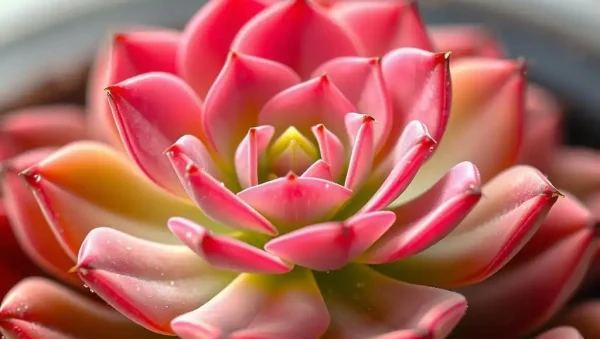
Hybridization begins with selecting two compatible parent plants—often within the same genus, like Echeveria × Pachyveria. Use a fine brush or tweezers to transfer pollen from the stamen of one flower to the stigma of another, ideally in the morning when pollen is fresh. After successful pollination, a seed pod forms over 4–8 weeks; harvest it just before it splits open to avoid losing tiny seeds. Dry the seeds thoroughly and store them in labeled envelopes in a cool, dark place—they remain viable for up to a year when kept properly.
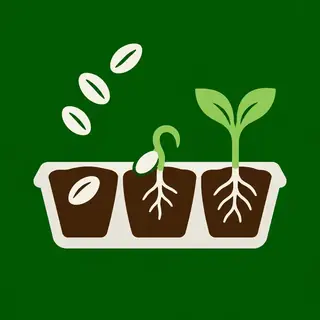
Sow hybrid seeds on a well-draining mix, barely covering them, and mist gently. Keep the tray warm (70–80°F) with bright, indirect light. Expect germination in 2–4 weeks, but many rare hybrids take longer. The real joy begins as seedlings develop: you may see unexpected leaf shapes, variegation, or flower colors. Document every seedling’s traits, then select the most striking ones for further propagation. Remember, hybrids often show “hybrid vigor”—stronger growth and better resilience—making them excellent additions to your collection.
💡 Troubleshooting Common Grafting & Hybridization Failures
One of the most frequent issues is scion rot, caused by excessive moisture or unclean cuts. If you notice black, soft tissue, immediately re-cut above the rot and repeat the grafting process. Another common problem is misaligned vascular rings, which prevents nutrient flow; you’ll see the scion wither while the rootstock stays healthy. To fix this, carefully separate and re-cut both pieces, then realign them precisely. For hybridization, failed seed pods typically result from early pollination or low humidity—simply try again when new flowers open, ensuring your brush collects fresh pollen.
Cultural stress also triggers failures. Even a perfectly grafted plant can die if exposed to sudden temperature drops or overwatering. Keep grafts in a stable environment with temperatures above 50°F and water only when the soil is bone dry. If your hybrid seedlings become leggy, increase light intensity or move them closer to a grow light. Consistency is key—create a care log to track environmental changes and identify patterns that lead to success.
🌿 Creative Project Ideas & Rare Cultivar Development
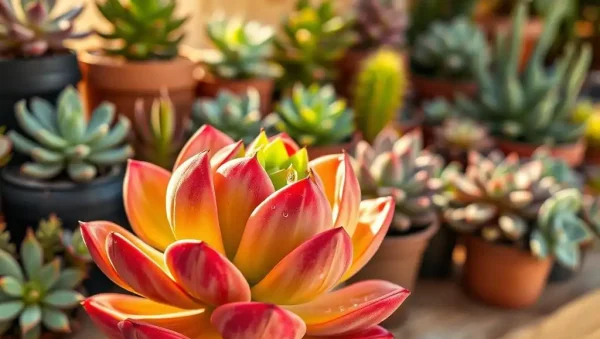
Take your projects to the next level with moon cacti—graft a colorful, chlorophyll-lacking Gymnocalycium onto a green Hylocereus rootstock—or create a “crested” hybrid by grafting a cristate mutant onto a robust base. For hybridization enthusiasts, breeding for pastel flower colors or ruby-red leaf margins has become a beloved challenge. Try crossing Graptopetalum with Echeveria to produce the popular “Graptoveria” hybrids, which offer unique rosette forms and cold hardiness. Document your breeding lines meticulously, naming any exceptional seedlings to establish your own signature cultivars.
These projects not only expand your collection but also increase its value—rare hybrids can fetch premium prices among collectors. Use your new specimens to create stunning vertical gardens or terrarium centerpieces, showcasing your expertise. Share your progress on forums or social media to connect with fellow enthusiasts and gain feedback on your techniques. Each successful graft or hybrid birth teaches you more, making every project a rewarding step in your succulent mastery.
Frequently Asked Questions
What is the best season for grafting succulents?
Spring to early summer is optimal, as plants are actively growing and sap flow is strong. This boosts callus formation and Union success. Avoid winter dormancy and peak summer heat, which can stress plants and reduce graft viability.
Can I graft any succulent species together?
Not always—only closely related species, usually within the same genus or family, have compatible vascular systems. For example, Echeveria and Pachyphytum graft well, but a cactus and a succulent are incompatible. Research your rootstock’s tolerance first.
How long does it take for a graft to fully heal?
Initial union forms within 1–2 weeks, but complete vascular integration takes 4–6 weeks. You’ll see new growth from the scion as a sign of success. Keep the graft stable and undisturbed during this period to avoid shifting.
Do hybrid succulents require different care than parent species?
Hybrids often have similar needs but may vary in light or water tolerance. Start with generic succulent care—bright light, infrequent watering—then adjust based on leaf appearance. Some hybrids are more sun-sensitive, so provide partial shade initially.
Why did my hybrid seeds not germinate?
Possible reasons include old seeds, improper moisture, or incomplete pollination. Always use fresh seeds, sow them on sterile mix, and keep humidity high with a clear lid. Ensure you pollinated during the flower’s peak receptivity, usually 2–3 days after bloom.