The Ideal Potting Mix for Newly Rooted Succulents
😊 Unlock your succulents' full potential! SucculentEssentials.org reveals the secrets to the best succulent potting mix for newly rooted plants, ensuring optimal…
Read article
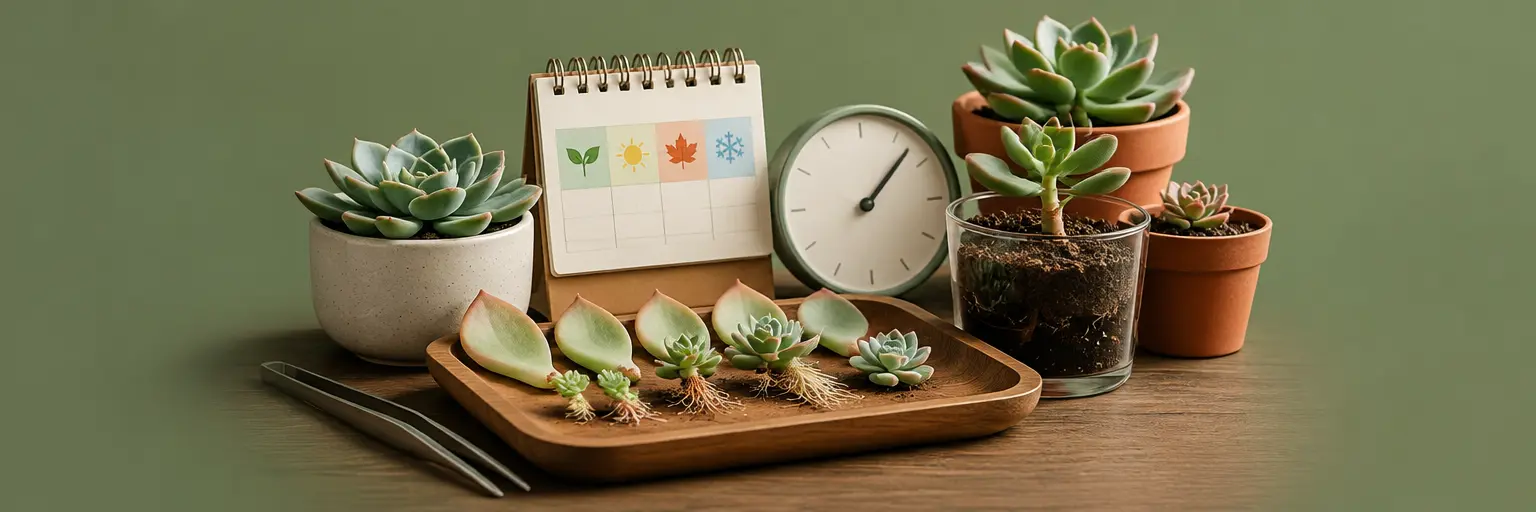
Mastering the art of succulent propagation is all about perfect timing and attentive care, and this is your go-to resource for getting it right every time. In this section, we dive deep into the crucial windows of the year—like the active growing seasons of spring and fall—when your cuttings and leaves are most likely to root successfully. We’ll share expert tips on watering schedules, the ideal soil moisture levels, and how to adjust your care routine for different light and temperature conditions to prevent rot or dehydration. Whether you’re a beginner or a seasoned collector, you’ll discover proven techniques for encouraging healthy root development and avoiding common pitfalls like overwatering or sunburn. With our straightforward, practical advice, you’ll be able to turn a single leaf into a thriving new succulent in no time, ensuring your collection grows stronger and more beautiful with every season.
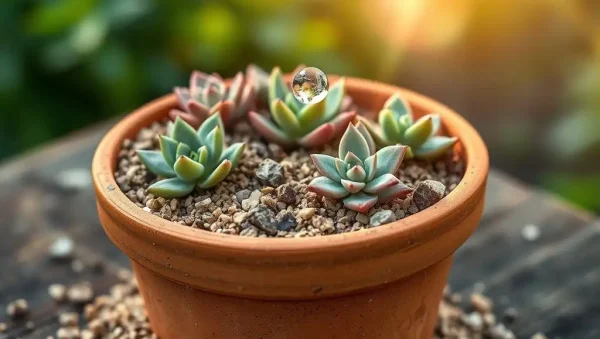
😊 Unlock your succulents' full potential! SucculentEssentials.org reveals the secrets to the best succulent potting mix for newly rooted plants, ensuring optimal…
Read article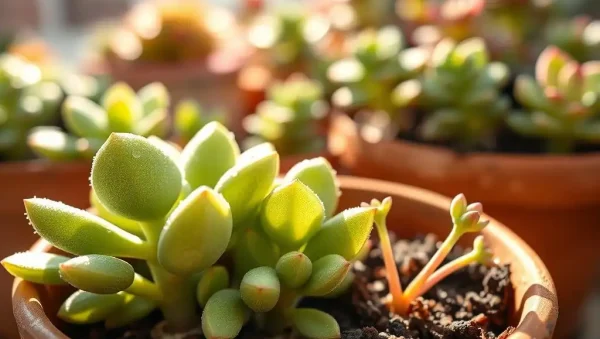
😊 Learn to propagate sedum succulents easily! SucculentEssentials.org reveals the optimal timing and techniques for successful sedum propagation, ensuring thriving new plants…
Read article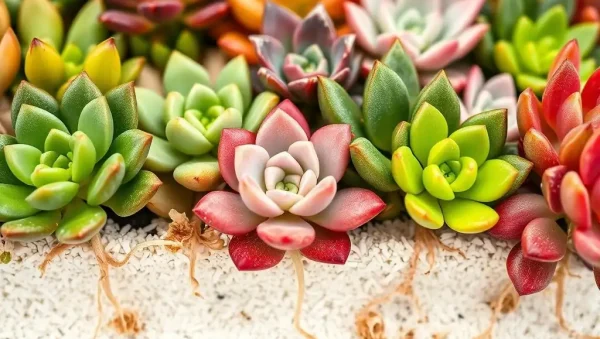
😊Unlock the secrets to achieving fast succulent propagation! SucculentEssentials.org reveals expert propagation hacks for rapid growth, covering everything from leaf cuttings to…
Read articleTiming is everything when it comes to succulent propagation. Whether you are a beginner or a seasoned collector, understanding the optimal seasons, environmental conditions, and post-propagation care routines can dramatically increase your success rate. On SucculentEssentials.org, we dive deep into the "Propagation Timing and Care" subcategory to help you avoid common pitfalls, reduce rot, and speed up root development. From leaf cuttings to offset division, this guide covers the precise windows of activity and dormancy, ensuring your new plants establish strong, healthy root systems in any climate.
Most succulents follow a growth cycle that peaks in spring and autumn, making these the ideal seasons for taking leaf or stem cuttings. During these mild-temperature periods, plants are actively metabolizing, which accelerates callusing and root emergence. Avoid propagating in deep summer heat or winter dormancy, as metabolic slowdown increases the risk of rot and fungal infections. By aligning your propagation efforts with these natural rhythms, you reduce stress on the mother plant and give new offshoots the best chance to thrive.
For hardy varieties like Echeveria and Sedum, early spring is your golden window. For winter growers such as Lithops and some Haworthia, shift your schedule to late summer or early fall. Always monitor local humidity and temperature; a consistent 15–24°C (60–75°F) range is optimal. Use a well-draining soil mix and water sparingly until roots appear. Remember: patience is key—rushing the process with excessive moisture is the number one killer of new propagations.
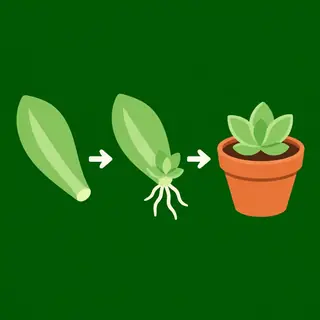
After you plant a leaf or cutting, the watering rules change dramatically. Initially, you must withhold water for 3–7 days to allow the cut surface to callus over completely. This dry period prevents bacterial invasion and rot. Once callusing is complete, mist the soil lightly every 2–3 days, keeping only the top layer slightly damp. Avoid wetting the leaf itself, as trapped moisture can encourage mold. As roots become visible, transition to a deeper watering routine but always let the soil dry out completely between sessions.
Overwatering is the most frequent error even among experienced succulent lovers. A good rule of thumb is to wait until the top 2.5 cm of soil feels bone-dry before watering again. Reduce frequency by half during cooler months and increase slightly during active growth. Observe your plants daily—shriveled leaves indicate thirst, while yellowing or translucent spots signal overhydration. Adjust your schedule based on these visual cues rather than a fixed calendar.
Newly propagated succulents need bright, indirect sunlight—direct midday rays can scorch tender leaves before roots establish. Place them near an east-facing window or under a sheer curtain. In low-light environments, supplement with a grow light for 12–14 hours daily. Ideal daytime temperatures hover around 21–27°C, with a slight drop at night. Sudden temperature swings or drafts can shock tiny plants, so keep them in a stable spot away from air vents or cold windows.
As your plants mature over 4–6 weeks, gradually acclimate them to more direct sun, increasing exposure by 30 minutes each week. This hardening process prevents sunburn and strengthens their cuticles. For outdoor propagations, choose a spot with morning sun and afternoon shade—especially in hot climates. Watch for leggy growth, which signals inadequate light, and stretch marks, which indicate excessive water retention. Balanced light and warmth will produce compact, colorful rosettes.
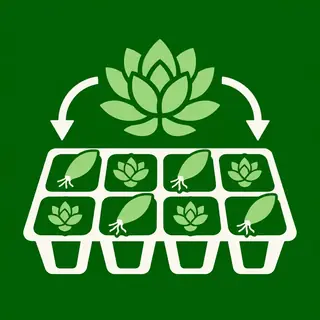
Use a gritty, fast-draining mix—ideally a blend of 50% coarse sand, 30% perlite, and 20% organic compost. Avoid garden soil, which retains too much moisture. For individual cuttings, small terracotta pots (5–7 cm) or shared trays with drainage holes work best. The container depth should be shallow (5–8 cm) to prevent water pooling around the fragile root zone. Sterilize your tools and containers with rubbing alcohol before starting to eliminate harmful pathogens.
Fill your tray with the soil mix and moisten it lightly, but never make it soggy. Create small depressions with a pencil to place cuttings, ensuring the cut end is barely covered. For leaves, simply lay them flat on the surface—do not bury them. This shallow placement encourages roots to seek moisture without suffocating. Use a spray bottle for initial watering, as direct pouring can dislodge tiny roots. After 3–4 weeks, transplant successful rooted plants into slightly larger individual pots.
Many succulents, especially cacti and winter growers, enter a dormancy phase where growth halts to conserve energy. During this time, propagation attempts often fail because the plant is not producing new cells. Recognize dormancy by slower growth, wrinkled or slightly dull leaves, and a preference for cooler temperatures (10–15°C). For summer-dormant species like Aeonium and some Crassula, reduce watering and stop propagation until autumn. Conversely, winter-dormant types like Echeveria should be left undisturbed during cold months.
If you must propagate during dormancy, provide extra care: place cuttings in a brighter, warmer microclimate and reduce watering to a monthly misting. However, your success rate will be much lower. Timing your propagation with the plant's natural rhythm is not just helpful—it is essential for robust root development. Track each species' dormancy schedule in a journal or use our printable calendar. With this knowledge, you can avoid wasted effort and ensure every leaf and cutting has the highest chance of becoming a healthy, independent succulent.
Rooting time varies by species and season, but most leaf and stem cuttings begin showing roots within 2–4 weeks in active growth periods. In spring, Echeveria leaves may root in 10 days, while winter growers like Lithops can take 6–8 weeks. Patience is crucial—do not pull cuttings to check for roots, as this disrupts fragile growth.
No, always wait 3–7 days after cutting to allow the wound to callus over. Immediate watering introduces bacteria and causes rot. After callusing, mist lightly every 2–3 days. Once roots are visible, switch to deep watering but only when the soil is completely dry.
Yellowing is usually a sign of overwatering or too much direct sunlight. Reduce moisture frequency and move the tray to filtered light. Check if the soil stays wet for more than 48 hours—if so, repot into a grittier mix. Yellow leaves may also be the mother leaf dying naturally, which is normal.
Use a shallow seed tray with drainage holes, filled with a sterile, sandy mix. Avoid deep pots. Cover the tray with a clear plastic dome to maintain humidity, but ventilate daily to prevent mold. Place in bright indirect light at 20–25°C. Seeds typically germinate in 2–3 weeks.
Hold off on fertilizing for at least 6–8 weeks. New roots are sensitive to chemical burn. After this period, apply a diluted liquid succulent fertilizer at half strength during the growing season. Never fertilize dormant plants, as it can cause root damage.