
The EcoFriendly Guide to Succulent Pest Control

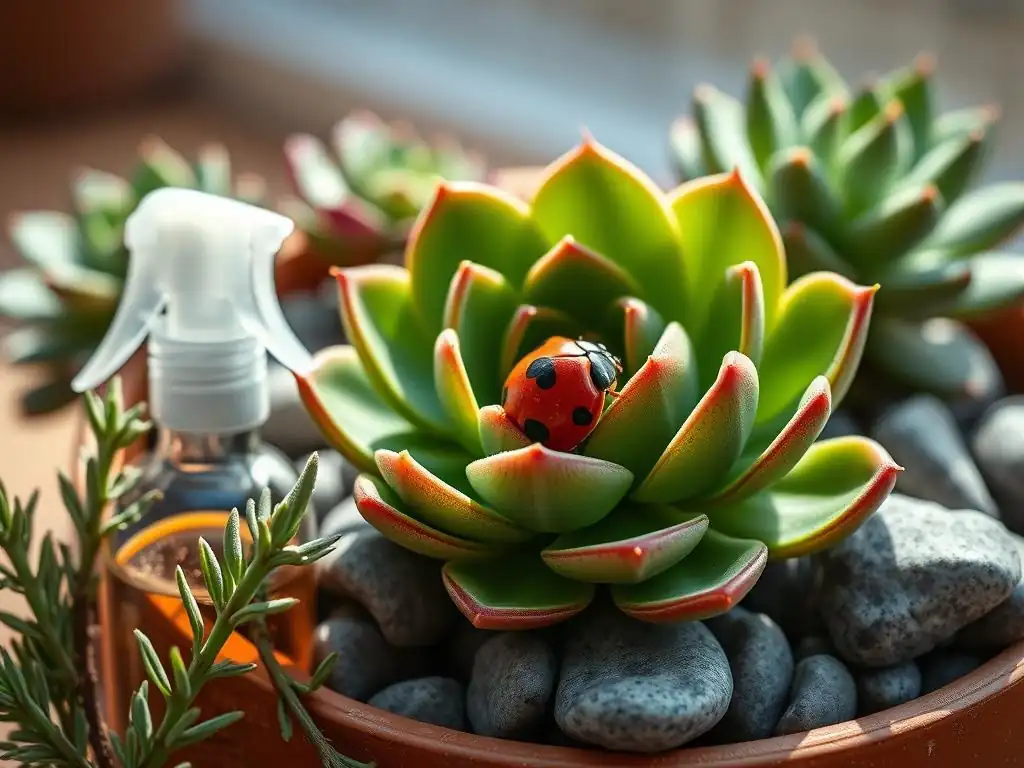
Welcome to SucculentEssentials.org, where the thriving world of succulents awaits! Are you ready to unlock the secrets to keeping your precious plants healthy and vibrant, naturally? Discover the power of organic succulent pest control—a crucial element in nurturing your collection—and learn how to protect your succulents without harmful chemicals. Dive into our comprehensive guide and embark on a journey to a healthier, more sustainable succulent sanctuary.
Identifying Common Succulent Pests and Diseases
Succulents, with their striking beauty and resilience, are increasingly popular additions to homes and gardens. However, even these drought-tolerant plants are susceptible to pests and diseases. This eco-friendly guide provides a comprehensive approach to organic succulent pest control, focusing on preventative measures and natural remedies to keep your plants thriving without resorting to harmful chemicals.
We'll explore common pests and diseases, identify their symptoms, and offer effective, sustainable solutions to protect your cherished succulent collection. This guide is crucial for maintaining the health and vibrancy of your succulents while adhering to sustainable gardening practices, making it a valuable resource for both beginner and experienced succulent enthusiasts. Learning to identify and address problems early is key to successful organic succulent pest control, ensuring your plants remain healthy and beautiful for years to come.
Identifying Common Succulent Pests
Several pests can infest succulents, often leading to significant damage if left untreated. Early detection is crucial for successful organic pest control. Here are some of the most common culprits and how to identify them:
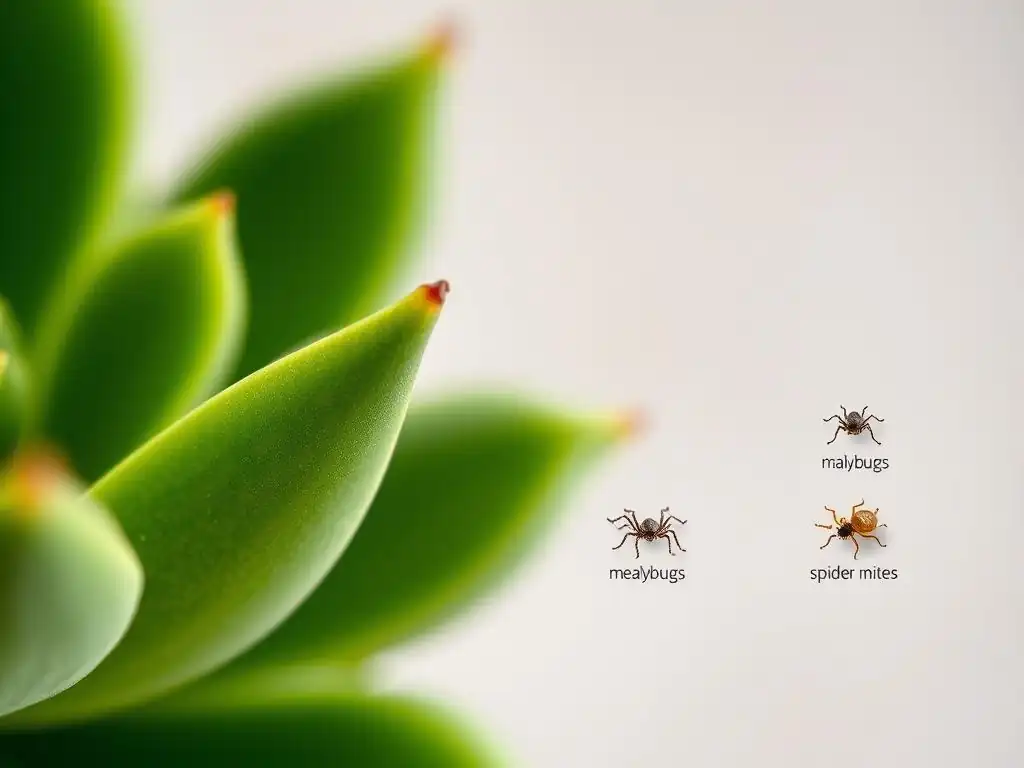
- Mealybugs: These tiny, cottony insects cluster in leaf axils and crevices, sucking plant sap. They leave behind a white, fluffy residue. Infestations can weaken the plant, leading to stunted growth and yellowing leaves. Look closely – they're often found hidden! 🔍
- Aphids: Small, pear-shaped insects, aphids also suck plant sap, causing leaf curling, yellowing, and stunted growth. They often congregate on new growth. You might notice a sticky honeydew substance left behind. 🍯
- Scale Insects: These armored pests attach themselves to the plant's stems and leaves, appearing as small, hard bumps. They're harder to spot than mealybugs or aphids. Their presence can lead to leaf discoloration and plant weakening. 🛡️
- Spider Mites: These microscopic arachnids create fine webbing on the leaves and stems, causing stippling (tiny yellow or brown spots) and leaf discoloration. They thrive in dry conditions. A magnifying glass can be helpful for detection. 🔎
Recognizing Common Succulent Diseases
While pests are a common concern, diseases can also affect the health of your succulents. These are often caused by fungi, bacteria, or viruses. Proper identification is essential for effective treatment.
- Root Rot: This common fungal disease is often caused by overwatering. Symptoms include soft, mushy stems and roots, and leaf discoloration. Prevention through proper watering techniques is key. 💧
- Edema: This physiological disorder, not a disease, is characterized by corky bumps or blisters on the leaves, usually caused by overwatering or poor drainage. Adjusting watering habits is essential. 💦
- Leaf Spot Diseases: Various fungal and bacterial pathogens can cause leaf spots, manifesting as brown or black spots on the leaves. Good air circulation and avoiding overhead watering can help prevent these diseases. 💨
Organic Pest Control Strategies
Once pests or diseases are identified, implementing organic control measures is vital. Here are some effective strategies:
- Isopropyl Alcohol: A solution of 70% isopropyl alcohol can effectively eliminate mealybugs, aphids, and scale insects. Apply directly to affected areas with a cotton swab or spray bottle. Always test on a small area first. 🧪
- Neem Oil: This natural insecticide is effective against many common succulent pests. Dilute according to package instructions and apply as a foliar spray. Neem oil can also act as a preventative measure. 🌿
- Insecticidal Soap: This is another effective natural pesticide that targets soft-bodied insects like aphids and mealybugs. Apply according to package directions. 🧼
- Improving Growing Conditions: Proper watering, well-draining soil, adequate sunlight, and good air circulation are crucial for preventing pest and disease problems. A healthy plant is less susceptible to infestation. ☀️
Preventative Measures for Healthy Succulents
Prevention is always better than cure. These preventative measures can greatly reduce the risk of pest and disease infestations:
- Quarantine New Plants: Isolate new succulents for a few weeks before introducing them to your existing collection to prevent the spread of pests or diseases. 隔离
- Regular Inspection: Regularly inspect your succulents for signs of pests or diseases, catching problems early before they become widespread. 👀
- Proper Watering: Avoid overwatering, which can lead to root rot and other problems. Allow the soil to dry out completely between waterings. 💧
- Cleanliness: Keep your growing area clean and free of debris to minimize pest attractants. 🧹
By combining careful identification with these organic pest control methods and preventative measures, you can ensure your succulent collection remains healthy and vibrant, promoting sustainable and eco-friendly gardening practices. Remember, a proactive approach is crucial for successful organic succulent pest control.
Frequently Asked Questions
What are some common succulent pests?
Several pests can infest succulents, including mealybugs, aphids, spider mites, and scale insects. These pests feed on plant sap, weakening your succulents.
How can I identify a pest infestation on my succulents?
Look for unusual spots, sticky residue (honeydew), fine webbing, or small insects crawling on your plants. Carefully inspect all parts of the plant, including the undersides of leaves.
What are some organic methods for controlling succulent pests?
Isopropyl alcohol (70% solution) is effective against many pests. You can also use neem oil, insecticidal soap, or diatomaceous earth. Always follow product instructions.
How can I prevent future succulent pest infestations?
Regularly inspect your succulents for pests. Ensure proper air circulation around plants to prevent fungal growth. Maintain clean growing conditions and avoid overwatering.
Are there any natural predators that can help control pests on my succulents?
Yes, introducing beneficial insects like ladybugs or lacewings can help control pest populations naturally. These predators feed on many common succulent pests.
Final Reflection: Cultivating a Thriving Ecosystem, Naturally
The fight for healthy succulents isn't just about beautiful plants; it's about protecting the delicate balance of our ecosystems. Ignoring pest infestations, even on a small scale, contributes to a larger problem of environmental imbalance and the overuse of harmful chemicals. We must actively choose sustainable solutions.
The shift towards organic pest control for succulents reflects a broader societal awakening to the interconnectedness of our actions and the environment. We're moving away from quick fixes and embracing holistic approaches that prioritize the health of the plant, the soil, and ultimately, ourselves. The earth provides enough to satisfy every man's needs but not every man's greed.
– Mahatma Gandhi. This quote perfectly encapsulates the need for mindful and sustainable practices, even in something as seemingly small as succulent care. Our choices, however small, ripple outwards, influencing not only our gardens but also the larger conversation around environmental responsibility.
Consider the impact of your choices. Will you continue to reach for harsh chemicals, potentially harming beneficial insects and contaminating the soil? Or will you embrace the gentle, effective methods outlined in this guide, creating a thriving ecosystem in your own little corner of the world? You have the power to cultivate a healthier, more sustainable future, one succulent at a time. Start small, experiment with the techniques discussed, and watch your plants – and your understanding of ecological balance – flourish.
Unleash Your Succulent's Inner Strength: Natural Pest Control
Thank you for joining us on this journey into the world of natural succulent pest control! You've learned practical, eco-friendly ways to keep your plants thriving. Ready to put your knowledge into action?
- Craft a homemade pest-deterrent spray: This is the first step to a healthier succulent collection. Experiment with different natural ingredients to find what works best for your plants.
- Share your results: Connect with our community on social media and let's learn from each other's experiences. Tell us what worked best for you!
- Explore advanced natural pest control: Research beneficial insects or create a mini-ecosystem in your garden to further protect your succulents.
What natural remedy will you try first to protect your precious succulents?