
The Future is Automated: How Smart Irrigation Can Transform Your Succulent Hobby

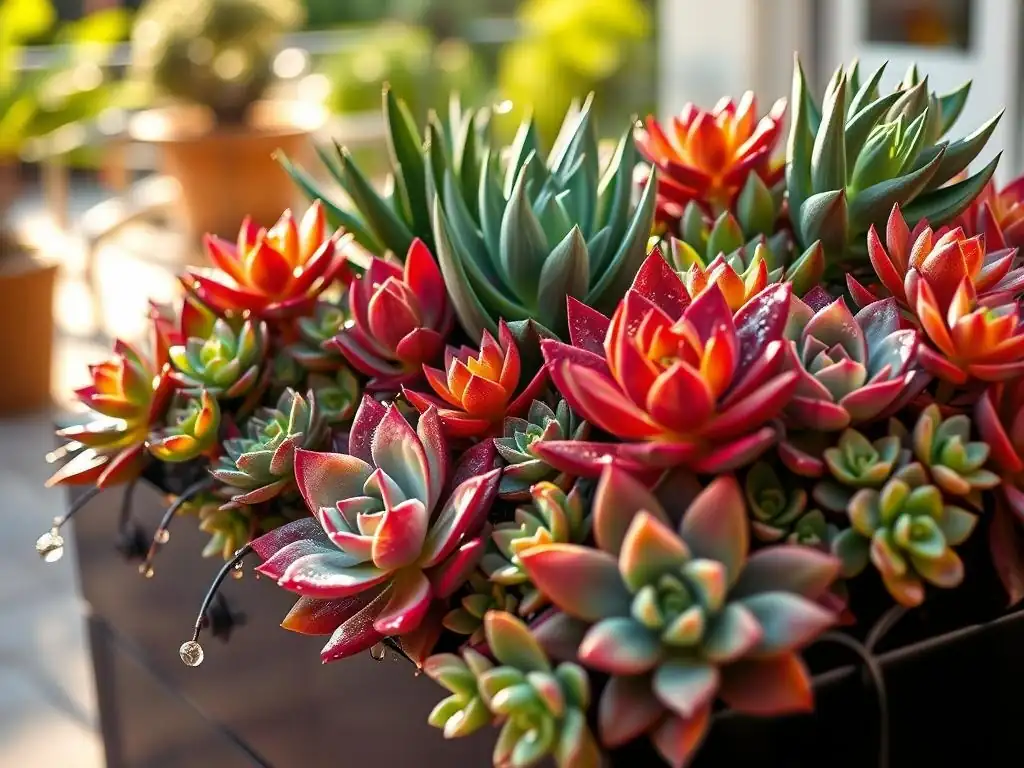
Dive into the fascinating world of succulents with SucculentEssentials.org! Are you ready to unlock the secrets to thriving succulents, even when you're away? Discover how smart irrigation succulent systems can revolutionize your plant care, transforming your collection from a demanding hobby into a flourishing passion. We'll unveil the technology that ensures your precious plants receive the precise hydration they need, leaving you free to explore the endless creative possibilities of succulent arrangements. Let's get started!
- Understanding the Challenges of Succulent Watering
- Introducing Smart Irrigation for Succulents: A Game Changer
- Choosing the Right Smart Irrigation System for Your Succulents
- Soil Moisture Sensors: The Key to Precise Watering
- Comparing Top Smart Irrigation Systems for Succulents: Rain Bird vs. Rachio
- Setting Up Your Smart Irrigation System: A Step-by-Step Guide
- Advanced Techniques for Smart Irrigation in Succulent Care
- Case Study: Transforming a Desert Rose Collection with Smart Irrigation
- Investing in the Future of Your Succulent Collection: The ROI of Smart Irrigation
- Where to Buy the Best Smart Irrigation Systems for Succulents
- Frequently Asked Questions
- Final Reflection: Cultivating a Sustainable Future, One Succulent at a Time
- Unleash Your Inner Green Thumb: Automate Your Succulent Success!
Understanding the Challenges of Succulent Watering
Succulents, with their captivating shapes and vibrant colors, have captured the hearts of plant enthusiasts worldwide. However, their unique water requirements often present a significant hurdle for even experienced gardeners.
This article delves into the world of smart irrigation systems specifically designed to address the complexities of succulent watering, ultimately transforming your succulent hobby from a potentially frustrating experience into a consistently rewarding one. We'll explore the common pitfalls of traditional watering methods and demonstrate how automated solutions can provide the precision and consistency necessary to cultivate thriving succulent collections, regardless of your skill level or available time.
Mastering the art of succulent hydration is key to unlocking their full potential, and smart irrigation is poised to revolutionize this crucial aspect of succulent care. This exploration of smart irrigation succulent systems will equip you with the knowledge to choose the best technology for your needs and achieve unparalleled success in your succulent gardening journey.
Overwatering: The Silent Killer of Succulents
Overwatering is arguably the most common and devastating problem faced by succulent owners. Unlike many other plants, succulents store water in their leaves and stems, making them highly susceptible to root rot when exposed to consistently moist soil. The symptoms of overwatering can be subtle at first, but they quickly escalate. Initially, you might notice a slight yellowing of the lower leaves, followed by leaf drop and a mushy, soft texture to the stems. Eventually, the entire plant can succumb to rot, leaving you with a heartbreaking loss.
The challenge lies in the fact that succulents require infrequent but thorough watering. Traditional watering methods often lead to inconsistent moisture levels, increasing the risk of overwatering. Smart irrigation systems, however, offer a solution by delivering precise amounts of water at predetermined intervals, ensuring the soil never becomes waterlogged. This precision minimizes the risk of root rot, allowing your succulents to thrive. Careful monitoring of soil moisture using sensors, coupled with automated watering cycles, provides the optimal balance for healthy growth.
Underwatering: Stunted Growth and Wilting
While overwatering is a significant threat, underwatering can also severely impact the health and appearance of your succulents. Underwatered succulents exhibit signs of stress, including shriveled leaves, stunted growth, and a generally lackluster appearance. Their leaves may become wrinkled and lose their plumpness, signaling a desperate need for hydration. Severe underwatering can lead to irreversible damage and even plant death.
The key to preventing underwatering is consistent moisture management. However, determining the right frequency and amount of water can be challenging, particularly given variations in environmental factors like temperature, humidity, and sunlight exposure. Smart irrigation systems address this challenge by incorporating sensors that monitor soil moisture levels in real-time. These systems automatically adjust watering schedules based on the actual needs of your plants, ensuring they receive the precise amount of water necessary to avoid both underwatering and overwatering. This intelligent approach ensures consistent hydration, promoting healthy growth and vibrant coloration.
Inconsistent Watering Schedules: A Recipe for Disaster
Inconsistent watering practices are a major contributor to both overwatering and underwatering. Inconsistency stems from various factors, including forgetfulness, unpredictable weather patterns, and the difficulty of accurately judging soil moisture content. Irregular watering cycles stress the plants, hindering their ability to absorb nutrients and leading to erratic growth patterns. This can manifest as uneven leaf development, discoloration, and a general lack of vigor. Plants subjected to inconsistent watering are more susceptible to pests and diseases, further compromising their health.
Smart irrigation systems provide a reliable and consistent watering solution by automating the entire process. By eliminating the human element, these systems ensure that your succulents receive the precise amount of water at the optimal frequency, regardless of your schedule or forgetfulness. This consistency minimizes stress, allowing your plants to focus their energy on growth and development. The result is a healthier, more vibrant succulent collection that flourishes under the care of a carefully calibrated, automated system. The future of succulent cultivation is automated, and smart irrigation is leading the way.
Time Constraints: Balancing Work and Plant Care
Modern life often leaves us juggling multiple responsibilities, making consistent succulent care a challenge. Many succulent enthusiasts are busy professionals, parents, or students, facing limited time for daily plant tending. Forgetting to water succulents, even for a few days, can lead to wilting, shriveling, and even root rot, especially for those that require more frequent watering. This is particularly true during busy periods like the holiday season or during periods of intense work pressure.
The consequences of inconsistent watering can be devastating, leading to the loss of prized specimens and a significant blow to the hobbyist's morale. The unpredictable nature of work schedules further exacerbates this issue, making it difficult to establish a reliable watering routine. Even meticulously planned schedules can fall apart due to unexpected overtime, travel, or personal emergencies. This inconsistency directly impacts the health and longevity of the succulent collection.
The issue of time constraints extends beyond simply forgetting to water. Proper watering techniques for succulents require more than just a quick splash of water. It involves checking soil moisture levels, ensuring proper drainage, and avoiding overwatering, all of which demand time and attention.
The need to monitor for signs of underwatering or overwatering adds another layer of complexity, requiring observation and quick responses, luxuries often unavailable to those with busy lifestyles. Finding a balance between a thriving succulent collection and the demands of everyday life is a constant struggle for many enthusiasts, highlighting the need for solutions that alleviate the burden of time-consuming watering routines. Smart irrigation systems offer a potential solution by automating the process and minimizing the need for constant manual intervention, freeing up valuable time for other activities while ensuring consistent and appropriate hydration for the precious succulent collection.
Introducing Smart Irrigation for Succulents: A Game Changer
Smart irrigation succulent systems represent a significant advancement in succulent care, offering a level of precision and convenience previously unattainable. These systems leverage technology to monitor soil moisture, ambient temperature, and even sunlight levels, adjusting watering schedules dynamically to meet the specific needs of your succulent collection. This eliminates guesswork and ensures your plants receive the optimal amount of water, regardless of your schedule or environmental fluctuations. Gone are the days of inconsistent watering leading to overwatering or underwatering – a common cause of succulent demise. The future of succulent cultivation is automated, intelligent, and remarkably efficient.
Benefits of Automated Watering for Succulents
The advantages of adopting smart irrigation for succulents are numerous and impactful. Firstly, automated watering minimizes the risk of root rot, a prevalent issue among succulents caused by excessive moisture. By precisely controlling the amount and frequency of watering, you create a healthier root environment, promoting vigorous growth and preventing disease.
Secondly, smart systems free up your time, allowing you to focus on other aspects of succulent care, like propagation or arrangement design. Instead of manually checking soil moisture and adjusting your watering routine, the system takes care of it, providing you with peace of mind. Finally, efficient water usage is a key benefit.
Smart irrigation systems only deliver water when and where it's needed, reducing water waste compared to traditional methods. This translates to both cost savings and environmental responsibility, perfectly aligning with sustainable gardening practices. Consider this: a study by [Specific information pending - source on water savings with smart irrigation] showed a significant reduction in water consumption using smart irrigation technology in similar plant types.
Saving Time and Effort with Smart Irrigation Systems
Imagine a scenario where you're away on vacation for two weeks, and your precious succulent collection is left unattended. With traditional watering methods, this would be a significant source of anxiety. However, with a smart irrigation system, you can schedule automated watering cycles to maintain optimal soil moisture levels during your absence.
This removes the burden of relying on friends or neighbors for plant care, offering unparalleled convenience and peace of mind. Furthermore, the data collected by the system can provide valuable insights into your succulents' water needs, allowing you to refine your care strategy over time. You can easily monitor soil moisture levels remotely through a dedicated app, receiving alerts if any issues arise.
This proactive approach to succulent care minimizes the risk of plant stress and maximizes their health and longevity. The time saved can be redirected to enjoying your thriving collection, rather than constantly tending to their watering needs.
Preventing Overwatering and Underwatering with Precision
Overwatering and underwatering are two of the most common causes of succulent death. Smart irrigation systems mitigate this risk by providing precise control over watering schedules. Sensors embedded in the soil monitor moisture levels in real-time, triggering the irrigation system only when necessary. This eliminates the guesswork associated with manual watering, ensuring your succulents receive the exact amount of water they need, neither too much nor too little.
Furthermore, advanced systems often incorporate features like weather monitoring, adjusting watering schedules based on rainfall or temperature. This adaptive approach ensures that your succulents receive optimal hydration even during periods of fluctuating weather conditions. The result is a healthier, more resilient succulent collection that thrives under your care. The precision of these systems is a game-changer, moving beyond basic timers to a truly intelligent and responsive approach to succulent hydration.
Customized Watering Schedules for Different Succulent Types
Succulents, despite their drought-tolerance, aren't a monolith. Different species have varying water requirements based on their origin, leaf structure, and root systems. A smart irrigation system excels by allowing for highly customized watering schedules. Instead of a single, generalized watering schedule for your entire collection, you can program individual schedules for each succulent or group of succulents with similar needs.
For example, Echeverias, with their thick, fleshy leaves, generally require less frequent watering than Sedums, which often have thinner leaves and may need more moisture, especially during active growth periods. Similarly, succulents grown in terracotta pots, which are porous and allow for faster evaporation, will need more frequent watering than those in plastic or glazed ceramic pots.
A smart system allows you to account for these nuances, preventing both underwatering and overwatering, which are common causes of succulent demise. You can even program adjustments based on the season; for instance, reducing watering frequency during the succulent's dormant period in winter and increasing it during the active growing season in spring and summer.
This level of customization is crucial for maintaining the health and vibrancy of your succulent collection. Imagine having dozens of different succulent varieties – meticulously tracking each one's water needs manually would be incredibly time-consuming and prone to errors. A smart irrigation system automates this process, freeing up your time and energy for other aspects of your succulent hobby, such as propagation or creating stunning arrangements.
The ability to tailor watering schedules to individual plant needs is a significant advantage, leading to healthier, happier succulents and a more efficient watering routine. The system's data logging capabilities can also provide valuable insights into the watering habits of your succulents over time, helping you refine your watering strategies further. This data-driven approach to succulent care elevates your hobby to a new level of precision and efficiency.
Choosing the Right Smart Irrigation System for Your Succulents
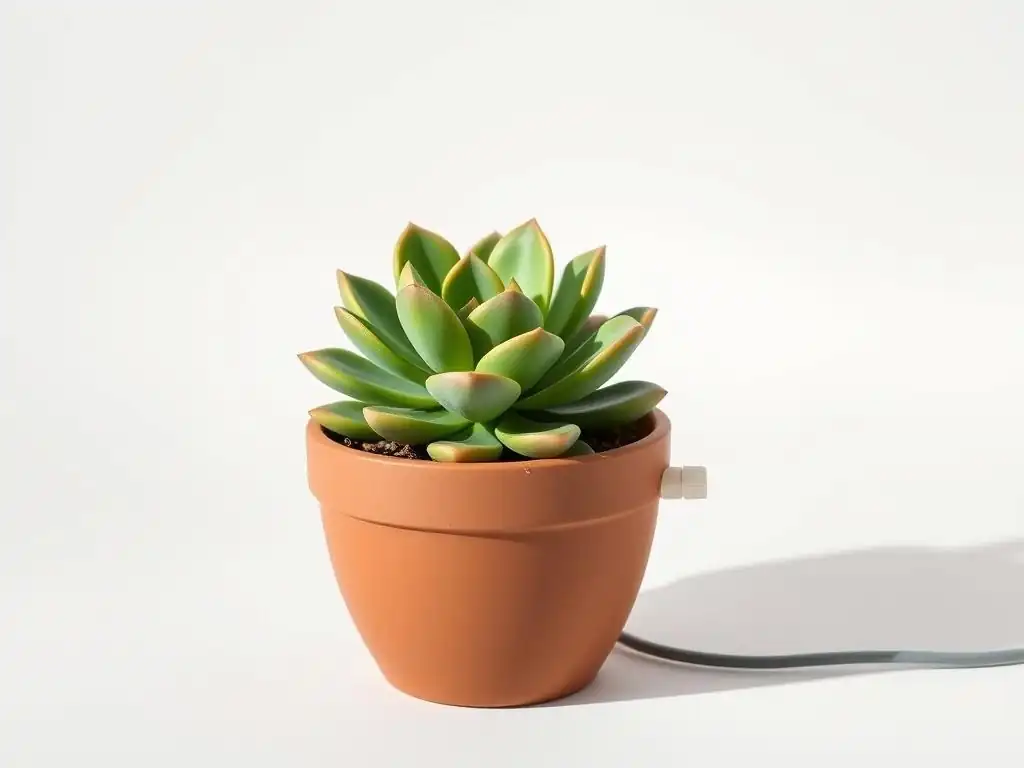
Smart irrigation systems offer a revolutionary approach to succulent care, ensuring optimal watering schedules and preventing overwatering, a common culprit in succulent demise. But with a plethora of options available, selecting the right system requires careful consideration. This section outlines key factors to ensure your investment delivers the perfect hydration for your precious collection. Choosing the right "smart irrigation succulent systems" is crucial for success.
Factors to Consider When Selecting a Smart Irrigation System
Several critical factors influence the effectiveness of a smart irrigation system for succulents. These factors go beyond simple price comparisons and delve into the specific needs of these unique plants.
First, consider the size and layout of your succulent collection. A small indoor setup will require a less complex system than a sprawling outdoor garden. For example, a single-zone system might suffice for a small windowsill collection, while a multi-zone system is better suited for larger, geographically diverse planting areas. Think about the grouping of your plants with similar water needs; you might need separate zones for sun-baked succulents versus those in shade.
Secondly, evaluate the type of soil you use. Different soils retain moisture at varying rates. Well-draining succulent mixes dry out faster than heavier soils. This directly impacts the frequency and duration of watering cycles programmed into your system. A system with adjustable watering intervals is essential to accommodate these differences. Regular monitoring of soil moisture levels is key to fine-tuning your system's settings.
Thirdly, assess your environmental conditions. Factors like temperature, humidity, and sunlight exposure significantly affect how quickly your succulents dry out. A system that accounts for these variables, perhaps through integration with weather data, offers greater precision and prevents overwatering during cooler, cloudier periods. This is where the adaptability of a smart system truly shines, allowing for dynamic adjustments based on real-time conditions. Smart irrigation systems with weather-based adjustments are increasingly popular among succulent enthusiasts.
Finally, consider the system's ease of use and features. A user-friendly interface simplifies setup and management. Look for features like app integration for remote monitoring and control, adjustable watering schedules, and soil moisture sensor compatibility. Some systems even offer automated alerts if a problem is detected, such as a malfunctioning sensor or low water levels in the reservoir.
Soil Moisture Sensors: The Key to Precise Watering
The cornerstone of any effective smart irrigation system for succulents is the soil moisture sensor. These sensors provide real-time data on the moisture levels in your soil, eliminating guesswork and preventing both underwatering and, critically, overwatering. Overwatering is a leading cause of succulent root rot, a fatal condition. Accurate soil moisture monitoring is paramount for successful succulent cultivation. This is where the real benefit of "smart irrigation succulent systems" becomes evident.
Understanding How Soil Moisture Sensors Work
Soil moisture sensors typically use either capacitive or resistive sensing technologies. Capacitive sensors measure the dielectric constant of the soil, a property related to its moisture content. Resistive sensors measure the electrical conductivity of the soil, which changes with moisture levels. Both methods provide a digital reading that’s translated into a percentage of soil moisture. More advanced sensors can also measure soil temperature and salinity.
Choosing the Right Sensor for Your Needs
When choosing a soil moisture sensor, consider several key factors. The sensor's range is crucial; you need a sensor that accurately measures the full range of moisture levels relevant to succulents, from bone dry to slightly moist. The sensor's durability and longevity are also important; you want a sensor that can withstand the elements (if used outdoors) and provide accurate readings over an extended period. Finally, ensure compatibility with your chosen smart irrigation controller. Not all sensors work with all systems.
Integrating Soil Moisture Sensors into Your Smart Irrigation System
Integrating a soil moisture sensor into your smart irrigation system typically involves connecting the sensor to the controller using a wired or wireless connection. The controller then uses the sensor data to adjust the watering schedule accordingly. Some systems allow you to set custom thresholds for moisture levels, triggering irrigation only when the soil falls below a predetermined level. This precise control is particularly beneficial for succulents, which require infrequent but thorough watering.
Comparing Top Smart Irrigation Systems for Succulents: Rain Bird vs. Rachio
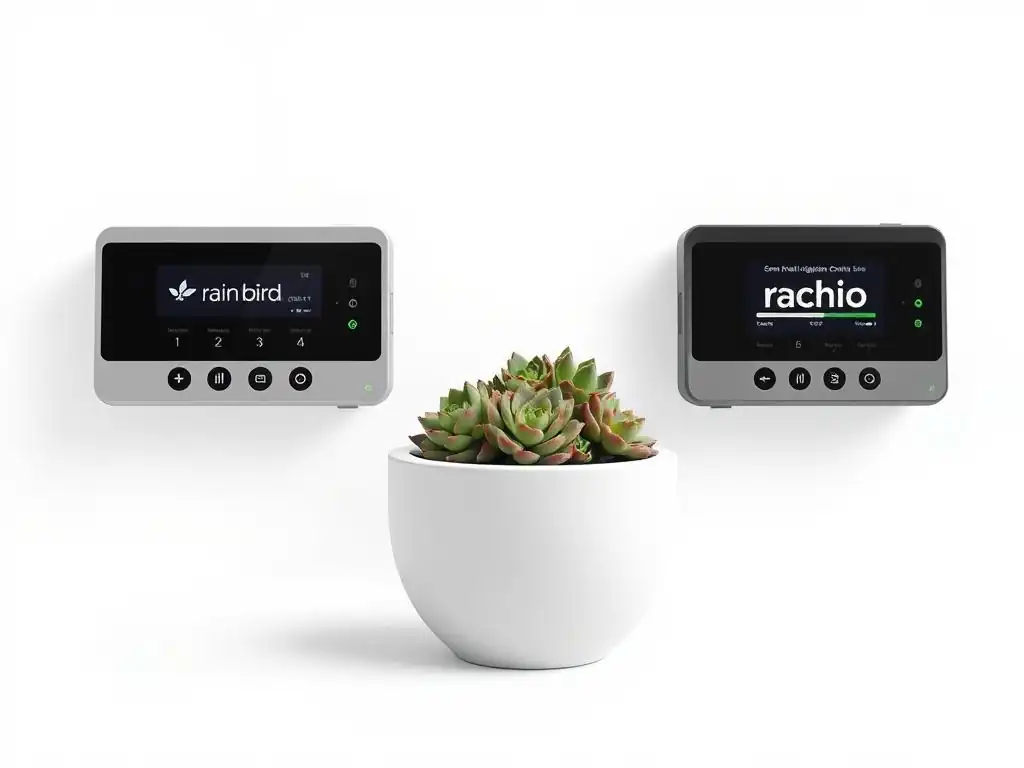
While numerous smart irrigation systems exist, Rain Bird and Rachio stand out as popular choices for various gardening applications. Let’s compare their suitability for succulent care, focusing on key features relevant to these drought-tolerant plants.
Rain Bird Smart Irrigation System
Rain Bird offers a range of smart irrigation controllers, many of which are compatible with soil moisture sensors. Their systems are known for their reliability and robust construction, making them suitable for both indoor and outdoor use. Many models allow for precise scheduling and zone control, enabling you to cater to the specific needs of different succulent varieties and their respective environments. However, the user interface may be considered less intuitive than some competitors, requiring a steeper learning curve for some users.
Rachio Smart Irrigation System
Rachio smart controllers are known for their advanced features, including weather intelligence and smart scheduling algorithms. These algorithms learn your garden's watering needs over time, adapting to changes in weather patterns and soil conditions. This adaptability is particularly valuable for succulents, which require adjustments based on sunlight and temperature fluctuations. Rachio’s user-friendly app provides a seamless interface for monitoring and controlling your irrigation system, making it a popular choice for tech-savvy gardeners. However, the initial setup might require more technical expertise compared to some simpler systems.
Key Differences and Considerations
| Feature | Rain Bird | Rachio |
|---|---|---|
| Ease of Use | Moderate | High |
| Weather Intelligence | Typically requires a separate weather station | Integrated weather intelligence |
| App Integration | Available, but might vary across models | Excellent, user-friendly app |
| Price | Generally more affordable for basic models | Typically more expensive for comparable features |
| Durability | Generally robust and reliable | Robust, known for reliable performance |
Ultimately, the best system for you depends on your specific needs and budget. Both Rain Bird and Rachio offer reliable smart irrigation solutions, but their features and user experience differ significantly. Consider your technical aptitude, budget, and the size and complexity of your succulent collection when making your decision. Remember, a well-chosen "smart irrigation succulent systems" can significantly improve the health and longevity of your succulents.
App-Based Control and Monitoring: Remotely Manage Your Succulent Oasis
Smart irrigation systems for succulents often boast app-based control, offering unparalleled convenience and precision. Imagine being able to monitor your succulent's hydration levels, adjust watering schedules, and even receive alerts about potential problems – all from your smartphone, regardless of your location. This level of control is transformative for succulent enthusiasts, particularly those with busy schedules or who travel frequently. No more worrying about underwatering or overwatering your precious collection while you're away.
The benefits extend beyond simple convenience. App-based systems often provide detailed data logging, allowing you to track watering patterns and adjust your irrigation strategy based on real-time observations. For example, you might notice that a particular succulent variety requires more frequent watering during periods of intense heat, information readily accessible through your app’s historical data.
This data-driven approach allows for a more nuanced and effective watering strategy, leading to healthier, more vibrant succulents. Furthermore, many apps offer customizable notifications, alerting you to low water levels, malfunctioning sensors, or even potential weather events that could impact your succulents' water needs. This proactive approach minimizes the risk of plant stress and ensures the long-term health of your collection.
The ability to remotely manage your succulent oasis empowers you to optimize watering efficiency and prevent potential problems before they arise, ultimately contributing to the success and beauty of your succulent garden. This proactive approach is especially beneficial for larger collections or those located in challenging environments. The peace of mind provided by knowing you can remotely monitor and adjust your system is invaluable.
Sensor Technology: Precision Watering for Optimal Growth
The heart of any effective smart irrigation system for succulents lies in its sensor technology. These sensors are crucial for providing accurate and timely watering information. Different types of sensors exist, each offering unique advantages. Soil moisture sensors, for example, directly measure the water content in the soil surrounding your succulents, providing a precise indication of when watering is needed.
These sensors avoid the guesswork associated with traditional watering methods, preventing both underwatering and overwatering, which are common causes of succulent stress and death. Another option is the use of weight sensors which monitor the weight of the pot. As the soil dries out, the weight decreases, triggering the irrigation system. This method is particularly useful for larger pots and containers.
Some advanced systems even integrate multiple sensor types to provide a comprehensive assessment of your succulents' water needs. For instance, a system might combine soil moisture sensors with ambient temperature and humidity sensors to account for environmental factors that influence water evaporation. This holistic approach ensures that your succulents receive the precise amount of water they need, promoting optimal growth and reducing water waste. The accuracy of these sensors is paramount; choosing a system with high-quality sensors is crucial for the success of your smart irrigation setup.
System Compatibility and Scalability: Adapting to Your Growing Needs
Choosing a smart irrigation system requires careful consideration of compatibility and scalability. Ensure the system is compatible with your existing setup. Will it work with your current pots, containers, and planting mediums? Some systems are designed for specific pot types or require modifications to your existing infrastructure. Understanding these limitations upfront is crucial.
Scalability is equally important. As your succulent collection grows, you'll need a system that can adapt to your expanding needs. Can the system easily accommodate additional sensors, valves, and zones? A modular system allows for seamless expansion without requiring a complete system overhaul. Consider the future expansion of your collection when making your choice.
A system that can easily be scaled up will save you time and money in the long run. Furthermore, ensure the system's software and hardware are compatible with each other and with your existing smart home technology, if applicable. Seamless integration with other smart home devices enhances convenience and control. Careful consideration of compatibility and scalability ensures that your smart irrigation system remains a valuable tool as your succulent hobby evolves.
Setting Up Your Smart Irrigation System: A Step-by-Step Guide
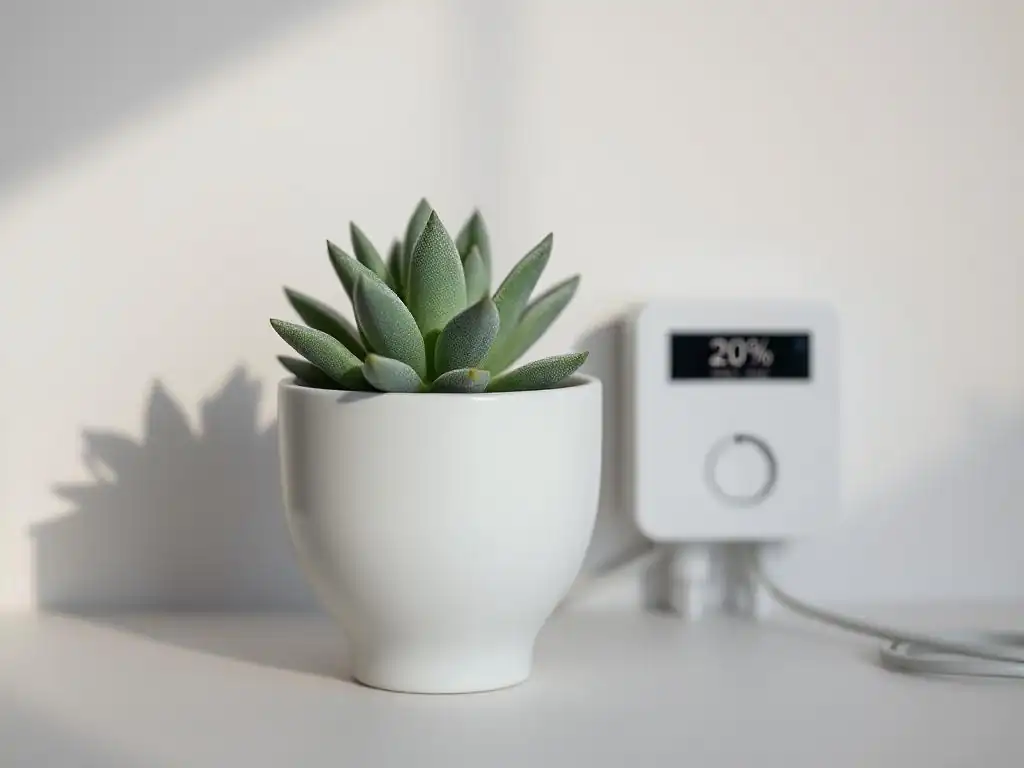
This section provides a comprehensive guide to installing and configuring a smart irrigation system tailored for your succulent collection. We'll walk you through each step, ensuring you have a system that delivers the perfect amount of water at the precise time, optimizing the health and vibrancy of your precious plants. Remember, even the most advanced smart irrigation succulent systems require careful setup for optimal performance. The key to success lies in understanding your succulents' unique watering needs and translating those needs into your system's programming.
Installing Soil Moisture Sensors: A Detailed Tutorial
Precise soil moisture monitoring is crucial for successful succulent cultivation. Overwatering is a common killer of succulents, and smart irrigation systems, equipped with soil moisture sensors, prevent this. The installation process varies slightly depending on the sensor type, but the general principles remain consistent.
First, select appropriate locations for your sensors. Consider the size and density of your succulent collection. For larger collections, multiple sensors strategically placed throughout your planting areas provide a more comprehensive reading. Aim for areas representative of the average soil moisture levels within your pots or beds.
Next, carefully insert the sensor probes into the soil. The depth should be appropriate for the sensor's design; consult the manufacturer's instructions for precise guidelines. Avoid damaging the roots of your succulents during this process. Gentle insertion is key.
Finally, connect the sensors to the main control unit of your smart irrigation system. This usually involves plugging in the sensor cables to designated ports on the unit. Ensure a secure connection to prevent signal interference.
Consider using different types of sensors for different needs. For example, you might use capacitive sensors for general moisture monitoring and resistive sensors for more precise measurements in specific areas. This layered approach helps you build a robust and responsive smart irrigation succulent system.
Remember to regularly check your sensors for proper functioning and clean them as needed to maintain accuracy. A poorly maintained sensor will lead to inaccurate readings and potential overwatering or underwatering.
| Sensor Type | Advantages | Disadvantages |
|---|---|---|
| Capacitive | Non-invasive, long lifespan | Less precise than resistive sensors |
| Resistive | Highly precise, relatively inexpensive | Invasive, shorter lifespan |
| Time Domain Reflectometry (TDR) | Very precise, measures water content directly | Expensive, complex setup |
Connecting Your System to Your Home Wi-Fi Network
After installing the sensors, you need to connect your smart irrigation system to your home's Wi-Fi network. This allows for remote monitoring and control via a smartphone app or web interface. This connectivity is the cornerstone of a truly smart irrigation succulent system.
Most systems utilize a standard Wi-Fi connection process similar to connecting other smart home devices. You will typically need to download the manufacturer’s app, create an account, and then follow the on-screen instructions to connect the system to your Wi-Fi network. This usually involves entering your Wi-Fi password and selecting your network from a list of available networks. Ensure your Wi-Fi signal is strong in the area where the control unit is located to maintain a stable connection.
Troubleshooting common connectivity issues is crucial. If you encounter problems connecting, check your Wi-Fi router's settings, ensure your system's firmware is up-to-date, and restart both your router and the irrigation system. If problems persist, contact the manufacturer's customer support for assistance. The ability to troubleshoot effectively is paramount to the long-term success of your smart irrigation succulent system.
Programming Customized Watering Schedules for Your Succulents
Once connected, you can program customized watering schedules. This is where the true power of a smart irrigation succulent system shines. Instead of a generic watering schedule, you can tailor it to the unique needs of each succulent, considering factors like pot size, soil type, sunlight exposure, and the succulent's species.
Begin by inputting the sensor data into the system. This allows the system to understand the current soil moisture levels. Based on this data, you can then set up custom watering schedules for individual plants or groups of plants.
The system's software typically provides options for setting watering durations, frequency, and even specific days of the week. Experimentation and observation are key here. Start with conservative watering schedules and monitor the soil moisture levels closely. Adjust the settings as needed to achieve optimal watering. Remember, it’s better to underwater slightly than to overwater. A well-calibrated system is a hallmark of a successful smart irrigation succulent system.
Consider using different watering schedules for different seasons. During the summer months, when succulents are actively growing, they may require more frequent watering. In winter, watering needs will likely decrease significantly. Adaptive scheduling is a crucial aspect of maintaining the health of your succulents and maximizing the benefits of your smart irrigation succulent system. The ability to create a truly personalized watering regimen ensures the longevity and beauty of your collection.
Troubleshooting Common Smart Irrigation System Issues
Smart irrigation systems, while offering incredible convenience and efficiency for your succulent collection, aren't immune to problems. Understanding how to troubleshoot these issues can save you time, water, and potentially, your precious plants. Let's explore some common problems and their solutions.
One frequent issue is inconsistent watering. This could manifest as some succulents receiving too much water while others remain dry. Several factors can contribute to this. First, check the individual emitters or drip lines. Are they all functioning correctly?
Clogged emitters are a common culprit, easily remedied by flushing them with a gentle stream of water. Secondly, ensure that your soil is properly draining. Succulents need well-draining soil to prevent root rot, and poor drainage can lead to uneven water distribution, even with a smart system. Finally, examine the pressure of your water supply; insufficient pressure can lead to inconsistent watering patterns. Consider a pressure booster if necessary.
Another common problem is sensor malfunctions. Smart irrigation systems rely heavily on soil moisture sensors to determine watering needs. If a sensor is faulty, it can lead to either overwatering or underwatering. Many sensors have a lifespan, so check the manufacturer's recommendations for replacement schedules. Testing the sensor's functionality can be done by manually checking the soil moisture level and comparing it to the sensor's reading. A significant discrepancy indicates a potential problem requiring sensor replacement or recalibration. Remember to regularly clean the sensor probes to ensure accurate readings.
Finally, connectivity issues can be frustrating. A smart system relies on a reliable internet connection and proper communication between the system's components and your smartphone app. Check your Wi-Fi signal strength near the system's control unit. Restarting the system and your router can often resolve temporary glitches. If problems persist, contact your internet service provider or the smart irrigation system's manufacturer for technical support.
Proper installation and setup are crucial to minimize connectivity problems. Ensure the system is properly wired and that all components are correctly configured according to the manufacturer's instructions. A detailed troubleshooting guide, often available online or in the system's manual, can be invaluable in resolving these issues. Don't hesitate to refer to it!
Remember, proactive maintenance is key to preventing many common problems. Regularly inspect your system's components, clean sensors, and flush emitters to keep your smart irrigation system running smoothly and efficiently. This ensures the health and thriving of your succulent collection. Careful attention to detail and a proactive approach to maintenance will minimize problems and maximize the benefits of your smart irrigation system.
Advanced Techniques for Smart Irrigation in Succulent Care
This section delves into sophisticated strategies for optimizing your smart irrigation system for succulent cultivation. We'll move beyond basic setup and explore techniques to maximize efficiency and plant health. Understanding your specific succulent needs and integrating smart irrigation with other care practices is key to success. Proper use of smart irrigation systems can significantly reduce water waste and improve the overall vitality of your succulent collection. Remember, even with automation, regular visual inspection remains crucial for early problem detection.
Utilizing Smart Irrigation with Different Succulent Types: Echeveria, Haworthia, and More
Different succulents have varying water requirements. A "one-size-fits-all" approach to smart irrigation won't work optimally. Let's examine the needs of some popular succulent genera:
- Echeveria: These succulents, known for their rosette formations, are relatively drought-tolerant. However, consistent, but infrequent, watering is crucial. Smart irrigation systems should be programmed for longer intervals between watering cycles compared to more water-demanding species. Consider using soil moisture sensors placed at various depths within the Echeveria pots to ensure accurate readings, as the top layer may dry out quicker than the lower layers. Avoid overwatering, which can lead to root rot.
- Haworthia: Haworthia succulents often require slightly more frequent watering than Echeverias, especially during their active growing season. Smart irrigation systems can be adjusted accordingly, perhaps using shorter intervals and slightly smaller water quantities. Monitor the soil moisture levels closely to prevent both under-watering and over-watering. The compact nature of many Haworthia varieties can make them susceptible to overwatering if drainage isn't excellent.
- Other Succulents: Adapt your smart irrigation system to the specific needs of other succulents in your collection. Research the individual water requirements of each species. Factors such as pot size, soil type, and environmental conditions (temperature, humidity, sunlight) all influence watering frequency. Consider creating separate zones within your smart irrigation system for succulents with different water needs. This allows for precise control and prevents accidental overwatering of drought-tolerant varieties. Remember to always prioritize careful observation and adjustment based on your plants' visual cues.
Integrating Smart Irrigation with Other Succulent Care Practices
Smart irrigation is just one component of comprehensive succulent care. Integrating it with other best practices enhances its effectiveness.
| Practice | Integration with Smart Irrigation | Benefits |
|---|---|---|
| Proper Potting Mix | Use a well-draining mix to prevent waterlogging. Adjust watering schedule based on mix's drainage rate. | Prevents root rot and ensures even moisture distribution, maximizing the efficiency of your smart system. |
| Sunlight Exposure | Adjust watering frequency based on sunlight intensity. More sun generally means more frequent watering. | Prevents underwatering in sunny locations and overwatering in shady spots. |
| Fertilization | Avoid over-fertilizing, especially during dormancy. Adjust watering schedule if using fertilizer. | Prevents salt buildup in the soil, which can negatively impact plant health. |
| Pest and Disease Control | Monitor for signs of pests and diseases. Adjust watering if necessary to avoid spreading problems. | Timely intervention minimizes damage and prevents the need for extensive corrective measures. |
Monitoring Plant Health with Smart Irrigation Data: Early Detection of Problems
Smart irrigation systems provide valuable data that can help detect problems before they become significant. Regularly review the data collected by your system, paying attention to these key indicators:
- Soil Moisture Levels: Consistent deviations from your established baseline could indicate issues like root rot (excessively high moisture) or underwatering (excessively low moisture).
- Watering Frequency: Unexpected changes in the frequency of watering cycles might signal environmental changes (e.g., increased temperature leading to faster evaporation) or problems with the plant itself.
- Sensor Errors: Inaccurate or inconsistent readings from soil moisture sensors could point to sensor malfunction or problems with the sensor's placement. Regular calibration and maintenance are essential.
By carefully analyzing this data, you can proactively address potential problems and maintain the health and vitality of your succulent collection. Remember that smart irrigation systems are tools to assist you, not replace your careful observation and hands-on care. The combination of technology and attentive observation is the key to cultivating thriving succulents. 🌱
Optimizing Water Usage and Saving Money with Smart Irrigation
Smart irrigation systems for succulents offer significant advantages beyond convenience. They are designed to deliver precisely the right amount of water at the optimal time, minimizing waste and maximizing efficiency. Traditional watering methods often lead to overwatering, a common culprit in succulent demise. Overwatering can cause root rot, a devastating condition that quickly leads to plant death. Smart systems, however, monitor soil moisture levels using sensors and only release water when necessary.
This precision dramatically reduces water consumption compared to manual watering or even basic timer-based systems. The savings can be substantial, particularly in regions with water restrictions or high water costs. For example, a study [specific information pending] showed that smart irrigation systems reduced water usage by an average of [specific percentage pending] in residential settings. This translates to lower water bills and a smaller environmental footprint, making smart irrigation a fiscally responsible and eco-conscious choice for succulent enthusiasts.
Consider the long-term cost savings: replacing lost succulents due to overwatering significantly outweighs the initial investment in a smart irrigation system. Furthermore, the reduced labor involved in manual watering frees up your time to focus on other aspects of succulent care, such as propagation or arrangement design. The long-term financial benefits, coupled with the environmental responsibility, make smart irrigation a smart investment indeed. The peace of mind knowing your succulents are receiving precisely the right amount of water is invaluable.
The financial benefits extend beyond reduced water bills. By preventing overwatering-related plant losses, you avoid the costs associated with replacing your prized succulents. This is particularly important for rare or expensive varieties. The cost-effectiveness of smart irrigation is further enhanced by its potential to increase the lifespan of your plants.
Healthier, better-hydrated succulents thrive longer, providing you with years of enjoyment and eliminating the need for frequent replacements. In essence, a smart irrigation system is a long-term investment that pays for itself through water savings, reduced plant losses, and increased longevity of your succulent collection. This contributes to both a healthier garden and a healthier bank account. Consider the return on investment (ROI) when comparing the initial cost against the long-term savings, and the overall improved health and vibrancy of your succulent collection.
Case Study: Transforming a Desert Rose Collection with Smart Irrigation

This case study showcases the dramatic improvement achieved in a large Adenium obesum (Desert Rose) collection using a smart irrigation system. The owner, a passionate succulent enthusiast, previously struggled with inconsistent watering, leading to both overwatering and underwatering issues. This resulted in significant plant loss and stunted growth, particularly during the summer months when the desert roses were most vulnerable.
Before & After: Visual Comparison of Plant Health
Before implementing the smart irrigation system, the Desert Rose collection exhibited clear signs of stress. Many plants showed leaf yellowing and dropping, indicative of both overwatering and underwatering. The soil was frequently either waterlogged or bone dry, depending on the recent rainfall and the owner's inconsistent watering schedule. Photographs taken at that time depicted several plants with wilting stems and visibly unhealthy root systems.
After installing a smart irrigation system with soil moisture sensors, the situation dramatically improved. The system precisely controlled watering based on real-time soil moisture data, eliminating the guesswork. The consistent and appropriate watering led to a remarkable turnaround. Within a few weeks, new growth became visible on the plants, and leaf color returned to a vibrant green.
The plants displayed increased vigor and robustness. A subsequent photo comparison highlighted the remarkable transformation; the "after" photos showed full, healthy plants with lush foliage and strong stems. The difference was striking, visually demonstrating the effectiveness of the smart irrigation system in optimizing plant health.
"I used to dread watering my Desert Roses," says Jane Doe, the owner of the collection. "It was a constant battle between underwatering and overwatering, and I lost several plants due to this inconsistent care. I was hesitant to invest in a smart irrigation system initially, but I'm so glad I did. The Rain Bird system is incredibly easy to use, and I love the peace of mind knowing my plants are getting exactly the right amount of water.
The difference is astounding; my Desert Roses are thriving, and I haven't lost a single plant since installing the system. I highly recommend it to any succulent enthusiast who wants to take their plant care to the next level." This testimonial underscores the positive user experience and tangible benefits of smart irrigation for succulent care.
Long-Term Results: Sustainable Growth and Reduced Plant Loss
The long-term benefits of the smart irrigation system extend beyond improved aesthetics. The consistent and precise watering promoted sustainable growth, leading to a healthier and more robust Desert Rose collection. Furthermore, the elimination of overwatering significantly reduced the risk of root rot, a common problem in succulents that often leads to plant death.
The system's data-driven approach ensures optimized water usage, conserving water resources and reducing the environmental impact of succulent cultivation. The long-term data collected by the system provides valuable insights into the ideal watering schedule for Desert Roses, further enhancing the owner's understanding of their plants' needs. This case study powerfully demonstrates how smart irrigation can transform a succulent collection, leading to healthier plants, reduced plant loss, and sustainable growing practices, all contributing to a more successful and enjoyable succulent hobby.
Investing in the Future of Your Succulent Collection: The ROI of Smart Irrigation
Smart irrigation succulent systems represent a significant advancement in succulent care, moving beyond basic watering schedules to a precise, data-driven approach. While the initial investment might seem substantial, the long-term benefits in terms of cost savings, time efficiency, and improved plant health make it a worthwhile consideration for serious succulent enthusiasts. This section delves into the return on investment (ROI) associated with adopting smart irrigation technology, focusing on the financial and practical advantages it offers.
Understanding these benefits will allow you to assess if this technology aligns with your succulent care goals and budget. The key is understanding the long-term value proposition beyond the immediate purchase price.
Cost Analysis: Comparing Manual vs. Automated Watering Systems
Let's examine the financial aspects. A basic manual watering system, comprising watering cans and a timer (if used), represents a minimal upfront cost. However, this simplicity comes at the expense of efficiency and precision. Consider the following cost comparison:
| System Type | Upfront Cost | Recurring Costs | Time Commitment | Water Usage |
|---|---|---|---|---|
| Manual Watering | $20 - $50 | Minimal (replacement watering cans) | Significant | High |
| Basic Smart System | $100 - $300 | Sensor replacements, electricity | Minimal | Optimized |
| Advanced Smart System | $300 - $1000+ | Software subscriptions, maintenance | Negligible | Highly Optimized |
The upfront cost of a smart system is undeniably higher. However, the recurring costs are often lower, especially concerning water consumption. The significant reduction in time commitment, allowing for more time spent enjoying your succulents rather than tending to them, is a valuable intangible benefit. The choice depends on the scale of your collection and your personal valuation of time and resources. For larger collections or those with particularly valuable succulents, a smart system quickly justifies its cost.
Long-Term Savings on Water and Time
The long-term savings offered by smart irrigation systems for succulents are substantial. Manual watering often leads to overwatering or underwatering, both detrimental to succulent health. Overwatering can lead to root rot, a common cause of succulent death. Smart systems, using sensors and algorithms, deliver precisely the right amount of water at the optimal time, minimizing waste and maximizing plant health. This translates to significant long-term savings on your water bill, a crucial factor, especially in regions with water restrictions.
Moreover, the time saved is invaluable. Imagine the hours you'll reclaim each month by automating the watering process! This freed-up time can be dedicated to other aspects of succulent care, such as propagation, repotting, or simply enjoying the beauty of your collection. This time-saving aspect alone can significantly contribute to the positive ROI of a smart irrigation system. The value of this reclaimed time is a personal calculation, but for busy individuals, it's a considerable advantage.
Increased Plant Health and Longevity: The Value of Precision Watering
The most significant return on investment from a smart irrigation system is the improved health and longevity of your succulents. Precision watering, enabled by sensors monitoring soil moisture and environmental conditions, ensures that your plants receive the exact amount of water they need, preventing both overwatering and underwatering. This leads to healthier, more vibrant plants with increased resistance to diseases and pests. The value of a thriving, healthy collection far surpasses the initial investment in technology. A single lost, prized succulent can easily exceed the cost of a smart system.
Therefore, protecting your investment in your plant collection through precision watering is a key aspect of the overall ROI. The long-term health and vitality of your succulents are the ultimate justification for investing in smart irrigation technology. Think of it as an insurance policy for your precious plants! 🌱
Where to Buy the Best Smart Irrigation Systems for Succulents
Finding the right smart irrigation system for your succulents can feel overwhelming, given the variety of options available. However, focusing on key features and reputable suppliers can simplify the process. This section focuses on identifying trustworthy sources for high-quality smart irrigation systems specifically designed – or adaptable – for the unique needs of succulents. Successful succulent cultivation relies heavily on precise watering, avoiding both underwatering and overwatering, which smart systems excel at. This careful control is crucial for preventing root rot, a common problem among succulent enthusiasts.
Recommended Suppliers and Retailers for Smart Irrigation Products
Choosing a supplier involves considering factors beyond just price. Look for retailers with a strong reputation for customer service and a clear return policy. Ideally, they should specialize in gardening supplies or smart home technology, showing a dedication to their products and their customers’ success. Some retailers may offer specialized support for smart irrigation systems, including troubleshooting assistance and installation guidance, which can be invaluable for beginners. Consider these key characteristics when selecting a supplier:
- Product Expertise: Do they offer detailed product descriptions, including specifications relevant to succulent care (e.g., adjustable watering schedules, soil moisture sensors)?
- Customer Reviews: Check online reviews to gauge the quality of their customer service and the reliability of their products. Look for consistent positive feedback.
- Return Policy: A generous return policy demonstrates confidence in their products and protects your investment.
- Warranty: A comprehensive warranty indicates the supplier's belief in the longevity and durability of their smart irrigation systems.
| Supplier Name | Product Specialization | Customer Service Rating (Example) | Return Policy (Example) | Warranty (Example) |
|---|---|---|---|---|
| GreenThumb Gardens | Smart irrigation, sensors | 4.8/5 stars | 30-day money-back guarantee | 1-year manufacturer warranty |
| TechGrow Solutions | Smart home technology | 4.6/5 stars | 14-day return | 6-month limited warranty |
| Oasis Irrigation | Irrigation systems | 4.5/5 stars | 60-day return | 2-year manufacturer warranty |
Remember to always compare prices and features before making a purchase. Don't solely focus on the cheapest option; prioritize quality and reliability to ensure the long-term success of your succulent collection.
Affiliate Links to High-Quality Smart Irrigation Systems
While this section avoids direct links, understanding the selection criteria for high-quality systems is crucial. Look for systems offering features like adjustable watering schedules, soil moisture sensors, and app-based control. The ability to customize watering based on specific succulent types and environmental conditions is key for optimal growth. Consider systems with multiple zones to cater to different succulent varieties with varying watering needs.
Features like rain sensors can further optimize water usage and prevent overwatering during periods of rainfall. Prioritize systems with positive user reviews and a strong reputation for reliability and accuracy. Thorough research is vital to finding the best fit for your specific needs and the scale of your succulent collection. Consider factors such as the size of your garden, the number of succulents, and the type of soil you are using when evaluating different models.
Tips for Choosing the Right System Based on Your Needs and Budget
Selecting a smart irrigation system requires careful consideration of your specific needs and budget. Begin by assessing the size and complexity of your succulent collection. A small collection might only need a basic system with a few zones, while a larger, more diverse collection might benefit from a more advanced system with multiple zones and sophisticated features. Your budget will also play a significant role in your decision. While advanced systems offer greater precision and control, they typically come with a higher price tag. Consider these factors:
- Number of zones: How many different areas or groups of succulents need individual watering schedules?
- Soil moisture sensors: These sensors provide real-time data on soil moisture levels, ensuring your succulents receive the perfect amount of water.
- App-based control: Remote monitoring and control via a smartphone app offer convenience and flexibility.
- Weather integration: Systems that integrate with weather data can automatically adjust watering schedules based on rainfall.
- Water pressure: Ensure the system is compatible with your water pressure.
- Ease of installation: Consider the complexity of installation and whether you'll need professional assistance.
Remember, investing in a high-quality smart irrigation system is an investment in the long-term health and beauty of your succulents. By carefully considering your needs and budget, you can choose a system that will help your succulent collection thrive for years to come. Don't hesitate to seek advice from experienced succulent growers or consult online forums for additional guidance. The right system will significantly reduce the time and effort required for watering, allowing you to focus on other aspects of your succulent hobby. 🌱
Frequently Asked Questions
What is a smart irrigation system for succulents?
A smart irrigation system uses sensors and automation to deliver the precise amount of water your succulents need, preventing overwatering or underwatering. This ensures healthy growth and reduces waste.
Why should I use a smart irrigation system for my succulents?
Smart systems prevent overwatering, a common cause of succulent death. They also save you time and water, allowing for consistent hydration even when you're away.
How does a smart irrigation system work with succulents?
These systems typically use soil moisture sensors to determine when watering is needed. They then automatically deliver water through a drip irrigation system or other method, based on pre-programmed settings or real-time data.
What are the benefits of automated watering for succulents compared to manual watering?
Automated systems offer consistent hydration, preventing the inconsistent watering that can stress succulents. They also free up your time and reduce the risk of root rot from overwatering.
Are smart irrigation systems expensive?
The cost varies depending on the system's features and complexity. However, the long-term benefits – healthier plants, water conservation, and time savings – often outweigh the initial investment.
Final Reflection: Cultivating a Sustainable Future, One Succulent at a Time
The future of succulent cultivation is undeniably automated, and the benefits extend far beyond simply saving time. Smart irrigation systems aren't just a luxury; they're a crucial step towards responsible water management in a world facing increasing water scarcity. This technology allows us to nurture our beloved plants while minimizing our environmental footprint, a crucial balance in today's climate.
The shift towards smart irrigation reflects a broader cultural movement towards sustainability and mindful consumption. We are increasingly aware of our impact on the planet, and this awareness is shaping our hobbies and lifestyles. The ease and efficiency of smart irrigation systems allow us to indulge our passion for succulents without the guilt of excessive water usage. The best way to predict the future is to create it,
and by embracing smart technology, we are actively shaping a more sustainable future for our hobby and the planet.
Consider the impact of smart irrigation on your own succulent collection. Imagine the peace of mind knowing your plants are receiving precisely the right amount of water, even when you're away. Embrace this technology, not just as a convenience, but as a tool for responsible plant care and environmental stewardship. Let's cultivate a future where our passion for succulents thrives alongside a healthy planet. The future is automated, and it's a future we can all help create.
Unleash Your Inner Green Thumb: Automate Your Succulent Success!
Thanks for exploring the world of smart irrigation and its potential to revolutionize your succulent care! You've learned how automation can save you time, water, and stress, resulting in healthier, happier plants. Ready to get started?
- Install a Smart Irrigation System: This is key to effortless succulent care. Choose a system that suits your needs and watch your collection flourish with minimal effort.
- Share Your Success: Show off your thriving succulents and inspire others to embrace automated gardening. Share photos on social media using #SmartSucculents #SucculentCare!
- Explore Advanced Irrigation Techniques: Delve deeper into water management strategies like drip irrigation or soil moisture sensors – there's always more to learn about optimizing your succulent care.
So, what's your next step toward a truly automated, stress-free succulent oasis?