
Succulents and the Power of Observation: Learning from Nature's Patterns

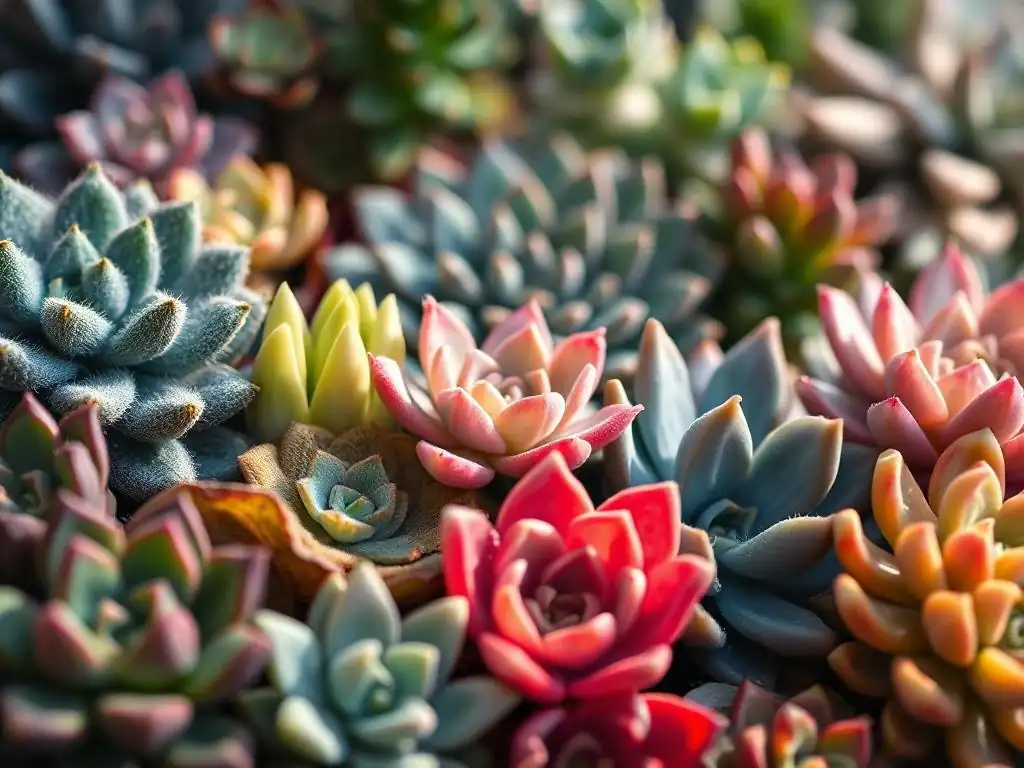
Welcome to SucculentEssentials.org, where the fascinating world of succulents unfolds before you! Are you ready to unlock the secrets of these resilient plants? We'll guide you through everything from basic care to advanced propagation techniques, but first, let's delve into the captivating art of observing succulent growth patterns. Discover how understanding nature's design can transform your succulent journey – prepare to be amazed by what you learn!
- Understanding Succulent Growth Habits: A Foundation for Success
- Deciphering Succulent Leaf Arrangements: A Window into Plant Health
- Observing Succulent Rooting Systems: Unveiling Hidden Growth Secrets
- The Role of Observation in Succulent Propagation
- Learning from Nature: Observing Succulents in Their Natural Habitat
- Integrating Observation into Your Succulent Care Routine
- Frequently Asked Questions
- Final Reflection: The Enduring Wisdom of Succulents
- Unveil Your Inner Botanist: Grow Your Succulent Knowledge
Understanding Succulent Growth Habits: A Foundation for Success
Succulents, with their remarkable adaptability and diverse forms, offer a captivating study in botanical resilience. Understanding their growth habits isn't merely about nurturing healthy plants; it's about appreciating the intricate dance between these fascinating plants and their environment. This article delves into the art of observing succulent growth patterns, a crucial skill for any enthusiast seeking to cultivate thriving collections.
By learning to interpret the subtle cues succulents provide, you'll gain a deeper understanding of their needs and unlock the secrets to their successful cultivation. We'll explore the various stages of succulent growth, identify indicators of health, and examine the fascinating variations that exist between different species, all contributing to your ability to effectively "Observe succulent growth patterns."
This knowledge empowers you to provide optimal care, troubleshoot potential problems, and ultimately, foster a deeper connection with these remarkable plants. Let's embark on a journey of discovery, guided by the wisdom of nature itself.
Observing Succulent Growth Stages: From Seedling to Maturity
The life cycle of a succulent, from tiny seedling to mature plant, is a testament to nature's ingenuity. Observing these stages is key to understanding their needs at each phase. Seedlings, often delicate and slow-growing, require careful attention to moisture and light. Their initial growth is focused on establishing a strong root system.
As they mature, you'll notice a shift in growth patterns. Some succulents exhibit rapid growth spurts, particularly during favorable seasons, while others maintain a slower, steadier pace. The development of leaves, stems, and ultimately flowers, varies greatly depending on the species. For example, Echeveria species often display a rosette pattern, growing outwards in a tightly packed arrangement, while Sedum species can develop sprawling, trailing stems.
Careful observation during each stage allows for timely adjustments in watering, fertilization, and overall care, ensuring optimal plant health. Monitoring these changes allows you to anticipate future needs and adjust your care strategy proactively. This proactive approach is crucial for preventing problems and maximizing the lifespan and beauty of your succulents.
Identifying Key Indicators of Healthy Succulent Growth
Healthy succulent growth is characterized by several key indicators. Plump, firm leaves are a hallmark of a well-hydrated plant. Their color should be vibrant and consistent with the species, exhibiting the characteristic hues and markings. New growth should be appearing regularly, indicating healthy development. The absence of pests, diseases, or signs of stress (such as shriveled leaves, discoloration, or unusual spots) are further indicators of a thriving plant.
Careful observation of the overall plant structure is also important; a well-balanced, symmetrical growth pattern suggests a happy succulent. Conversely, leggy growth (long, weak stems) often indicates insufficient light. By paying close attention to these details, you can quickly identify potential problems and take corrective action before they escalate. Regular observation is your first line of defense against potential issues. Think of it as a preventative health check for your succulent collection.
Recognizing Variations in Growth Patterns Across Different Species
The diversity within the succulent world is breathtaking. Growth patterns vary dramatically depending on the species, genus, and even individual plants. Some succulents are rosette-forming, others are columnar, while still others are trailing or creeping. Leaf shape, size, and texture also differ widely.
For example, the tightly packed rosettes of Echeveria contrast sharply with the sprawling, cascading habit of Sedum morganianum ("Burro's Tail"). Some species are fast-growing, while others are exceptionally slow. Understanding these variations is crucial for providing appropriate care. A fast-growing succulent will require more frequent watering and fertilization than a slow-growing one.
Similarly, the light requirements will vary depending on the species and its natural habitat. By studying the specific growth characteristics of each succulent in your collection, you can tailor your care to meet their individual needs. This detailed approach is the key to cultivating a truly thriving and diverse succulent collection. Remember, "Observe succulent growth patterns" is not just a phrase, it's a philosophy of care.
The Importance of Monitoring Succulent Development for Early Problem Detection
Regular observation of your succulents is paramount for early problem detection. Many issues, if caught early, are easily rectified, preventing significant damage or even loss of your prized plants. By carefully monitoring your succulents' growth patterns, you can identify potential problems before they escalate. This proactive approach is crucial for maintaining healthy and thriving plants. For instance, subtle changes in leaf color, such as yellowing or browning, might signal issues like overwatering, underwatering, or nutrient deficiencies. Similarly, a sudden change in growth rate—either stunted growth or excessively rapid growth—can indicate environmental stress or pest infestations.
Early detection is key because many problems, such as root rot, can progress rapidly and become irreversible if left untreated. Root rot, a common succulent ailment, often manifests initially with subtle changes in leaf turgidity or coloration. A vigilant grower who routinely observes their plants will notice these early warning signs and can take prompt action, such as adjusting watering practices or improving drainage.
This might involve repotting the succulent into fresh, well-draining soil, thereby preventing the further spread of the rot and saving the plant. Ignoring these subtle changes can lead to a cascade of negative consequences, ultimately resulting in the demise of the succulent.
Furthermore, monitoring growth patterns helps you understand the individual needs of each plant. Succulents, despite their reputation for drought tolerance, have diverse needs depending on species, age, and environmental conditions. A succulent that thrives in full sun might show signs of stress if suddenly placed in shade, while one accustomed to partial shade might become etiolated (leggy) in full sun.
By observing each plant's response to its environment, you can fine-tune your care regimen to ensure optimal health and growth. This personalized approach considers the plant's unique requirements, going beyond generic care instructions and fostering a deeper understanding of the plant's individual needs. This detailed observation builds a strong foundation for successful succulent cultivation.
Ultimately, consistent monitoring allows you to prevent problems before they become serious, leading to healthier, more vibrant succulents and a more rewarding gardening experience. Regularly observing your succulents is not just a chore; it's an essential part of the process of understanding and nurturing these fascinating plants.
Deciphering Succulent Leaf Arrangements: A Window into Plant Health
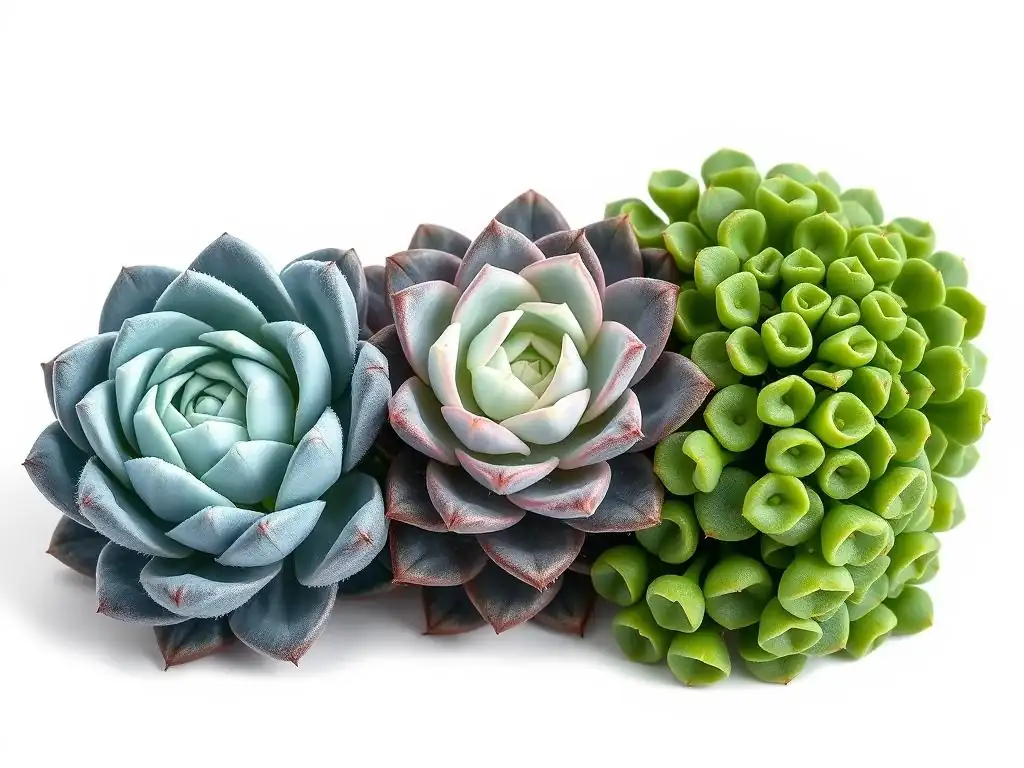
Observing succulent growth patterns, particularly leaf arrangements, is crucial for understanding their overall health and well-being. A keen eye for detail can reveal subtle signs of stress, disease, or even nutritional deficiencies before they become serious problems. This section delves into the intricacies of succulent leaf structures and how careful observation can contribute to successful succulent cultivation. Mastering the art of observing succulent growth patterns will significantly improve your plant care practices.
Understanding Phyllotaxis: The Science Behind Leaf Arrangement
Phyllotaxis, the scientific term for leaf arrangement, refers to the specific pattern in which leaves are arranged on a stem. Succulents exhibit a variety of phyllotactic patterns, including opposite, alternate, whorled, and spiral arrangements. Understanding these patterns is essential because they often reflect the plant's genetic makeup and its adaptation to environmental conditions. For example, a rosette pattern, common in many succulents like Echeveria, is an adaptation to minimize water loss and maximize sunlight exposure.
Analyzing the precise arrangement of leaves – the angle at which they emerge from the stem, their spacing, and overall symmetry – can provide insights into the plant's health and growth potential. Deviations from the typical pattern for a particular species can signal underlying issues. For instance, unusually crowded leaves might indicate overcrowding in the pot or insufficient light.
Analyzing Leaf Color, Shape, and Texture for Clues
Beyond the arrangement, the individual characteristics of succulent leaves offer a wealth of information. Changes in leaf color can be indicative of several factors. For example, a sudden reddening or bronzing might be a response to increased sun exposure, while pale, yellowish leaves could signify underwatering or a nutrient deficiency. Similarly, observing changes in leaf shape and texture can provide valuable insights.
Leaves that become thinner, shriveled, or unusually soft might indicate stress related to watering, temperature, or humidity. Conversely, unusually thick or fleshy leaves might suggest overwatering. Keeping a detailed record of these observations, including photographs, can be beneficial for tracking changes over time and identifying patterns. This meticulous approach to observing succulent growth patterns forms the cornerstone of effective plant care.
Observing Leaf Spacing and Density for Signs of Stress or Disease
The spacing and density of succulent leaves are further indicators of their health. Closely packed leaves might point towards overcrowding, which can lead to poor air circulation and increased susceptibility to fungal diseases. Conversely, unusually spaced leaves, with significant gaps between them, could indicate a problem with root health, nutrient uptake, or even pest infestation. Careful examination of the leaf bases, where they attach to the stem, can also reveal problems.
Discoloration, lesions, or unusual growths in these areas can be early warning signs of disease or pest infestation. Regularly inspecting your succulents for these subtle changes, coupled with a thorough understanding of their normal growth patterns, will enable you to address potential issues promptly and maintain the vibrancy and health of your collection. This meticulous observation of succulent growth patterns is a crucial aspect of responsible succulent care.
Using Leaf Arrangement to Identify Specific Succulent Varieties
Leaf arrangement, or phyllotaxis, is a crucial characteristic used in succulent identification. Understanding this aspect allows for accurate species determination, even amongst visually similar plants. Different succulent genera exhibit distinct patterns. For instance, Echeveria species often display a rosette arrangement, with leaves spiraling outwards from a central point.
This rosette is typically compact and tightly packed, creating a visually appealing, almost geometric pattern. Observing the precise spacing and overlap of these leaves can help distinguish between closely related Echeveria varieties. Some show a more open rosette, while others have leaves that are tightly imbricated, almost overlapping completely. This subtle variation in leaf arrangement is a key identifier.
The Sedum genus presents a different picture. Many Sedum species exhibit alternate leaf arrangements, with leaves appearing singly at nodes along the stem. However, the arrangement of these leaves can vary; some are more tightly spaced, others more widely distributed.
Leaf shape and size also play a role alongside the arrangement in proper identification. For example, Sedum morganianum (Burro's Tail) has noticeably pendulous stems with densely packed, overlapping, cylindrical leaves, drastically different from the upright, more sparsely leaved Sedum album. Careful observation of both the arrangement and the overall form of the leaves is crucial for differentiating between these varieties.
Furthermore, the arrangement can inform us about the plant's growth habit and its overall health. A tightly packed rosette in an Echeveria suggests a robust plant, while a loose or irregular arrangement might indicate stress or insufficient sunlight. Similarly, in Sedum, uneven spacing or missing leaves might signal pest infestations or improper watering techniques. This highlights the importance of not only identifying the arrangement but also understanding what variations might signify in terms of plant health.
Observing succulent growth patterns, in this specific case leaf arrangement, is a powerful tool for both identification and assessing plant health. This detailed observation allows cultivators to provide appropriate care and ensure the thriving of their succulent collections. The subtle nuances in leaf placement—whether alternate, opposite, whorled, or in a rosette—are essential details that contribute to a comprehensive understanding of succulent diversity and health.
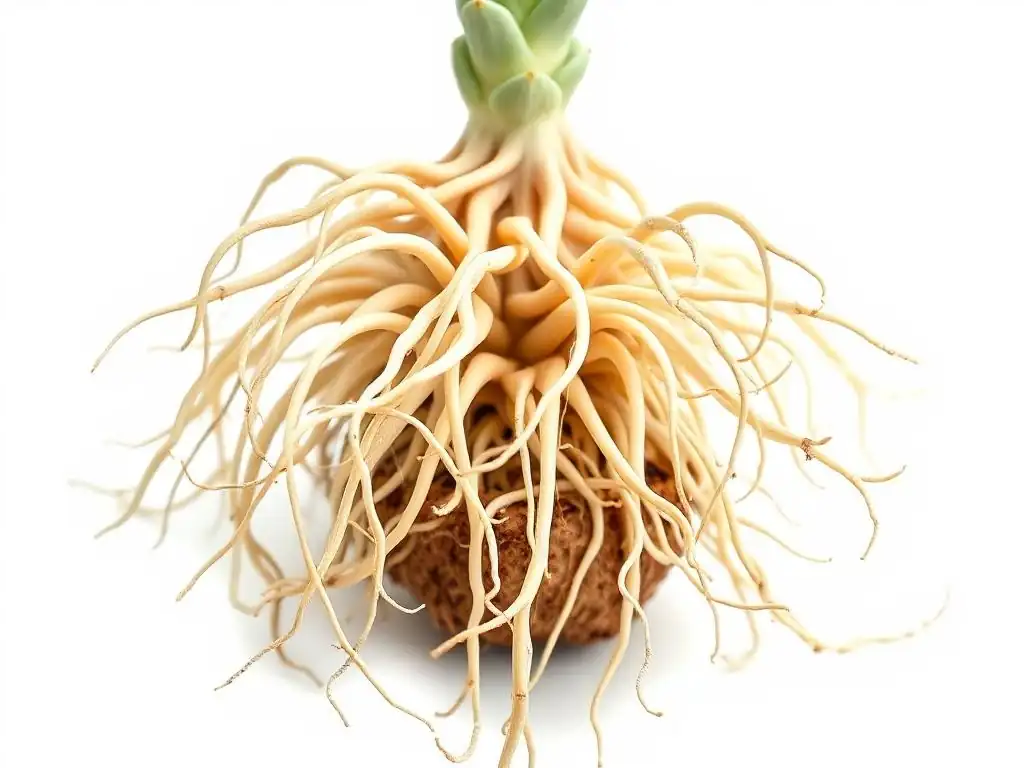
Understanding the below-ground aspects of succulent growth is crucial for successful cultivation. While we often focus on the visually stunning leaves and flowers, the root system plays a vital role in the overall health and vigor of the plant. Observing succulent growth patterns, particularly those concerning the roots, provides invaluable insights into a plant's needs and potential problems. Careful observation allows for early detection of issues and informed decisions regarding watering, repotting, and propagation.
Examining Root Systems During Repotting and Propagation
Repotting and propagation offer excellent opportunities to directly observe succulent root systems. When repotting, gently remove the plant from its container, taking care not to damage the roots. This provides a clear view of the root structure: are the roots healthy, white, and firm, or are they brown, mushy, and possibly rotting? Pay close attention to the root density; a healthy root system will be well-branched and proportionate to the size of the plant. A sparse root system, conversely, could indicate underwatering or nutrient deficiency.
During propagation, whether through leaf cuttings, stem cuttings, or offsets, monitoring root development is key. Observe the emergence of roots – their timing, color, and growth rate. This provides feedback on the propagation method's effectiveness and the plant's overall health. For instance, if roots are slow to develop or appear unhealthy, it might indicate a problem with the propagation medium, humidity levels, or the health of the initial cutting.
Keep a detailed log of your observations, noting the date, method, and any notable changes in root development. This meticulous record-keeping will help you refine your propagation techniques over time. Remember, even the smallest details, like the angle of root growth or the presence of root hairs, can provide valuable insights into the plant's well-being.
Assessing Root Health: Identifying Signs of Rot or Damage
Root rot is a common problem amongst succulents, often caused by overwatering. Recognizing the signs of root rot early is critical for saving the plant. Healthy succulent roots are typically firm, light-colored (often white or light beige), and have a fibrous appearance. In contrast, roots affected by rot are dark brown or black, mushy, and often smell foul. These roots will be easily pulled apart or crushed.
If you observe these symptoms during repotting or propagation, immediate action is required. This might involve removing the affected roots, treating the plant with a fungicide, and repotting it in fresh, well-draining soil. Regular inspection of the root system, especially during periods of high humidity or frequent watering, is essential for preventative care. Preventative measures include ensuring excellent drainage and using well-draining potting mixes specifically formulated for succulents.
Beyond rot, physical damage to the roots can also impact plant health. This damage could be caused by improper handling during repotting, pest infestations, or even compact soil restricting root growth. Damaged roots might appear bruised, broken, or stunted. Careful observation during handling and repotting will help you minimize this type of damage. Proper watering techniques and using appropriate soil will also contribute to reducing the risk of physical root damage. Observing the overall root architecture – noting any unusual bends, kinks, or areas of concentrated growth – will provide a holistic view of the plant's root health.
Understanding the Relationship Between Root Growth and Above-Ground Development
The health and vigor of a succulent's root system are directly correlated with its above-ground growth. A robust root system provides the necessary water and nutrient uptake for healthy leaf growth, flowering, and overall plant development. Conversely, a compromised root system, due to rot, damage, or inadequate growing conditions, will directly impact the plant's ability to thrive.
Observe the correlation: a succulent with lush, vibrant leaves usually possesses a healthy root system, while a plant with stunted growth or yellowing leaves often exhibits signs of root problems. By understanding this interconnectedness, you can use above-ground observations as indicators of potential root issues, prompting a more thorough examination of the root system. For example, if you notice sudden wilting despite adequate watering, it could indicate root rot preventing proper water absorption.
Consistent observation of both above-ground and below-ground aspects is crucial for holistic plant care and successful cultivation. This integrated approach allows for proactive intervention and contributes to healthier, more vibrant succulents.
Observing Root Growth Patterns to Optimize Potting and Watering Techniques
Understanding the root systems of succulents is crucial for successful cultivation. Different species exhibit varying root structures, impacting their water and nutrient uptake. Observing these patterns directly influences potting and watering strategies. For example, shallow-rooted succulents, like Echeveria, thrive in wider, shallower pots, preventing rootbound conditions that lead to rot.
Conversely, succulents with deeper taproots, such as Dudleya, benefit from deeper containers that accommodate their extensive root systems. Careful observation during repotting allows for the assessment of root health, identifying any signs of rot or disease. Healthy roots are firm, light-colored, and relatively unbranched, while unhealthy roots will be mushy, dark, or show signs of decay.
Furthermore, observing the root growth helps optimize watering techniques. Succulents with dense, fibrous root systems tend to dry out more quickly than those with sparser root systems. This means that frequently watering shallow-rooted succulents is necessary, but it's vital to avoid overwatering, which can quickly lead to root rot. Regularly checking the soil moisture before watering, rather than adhering to a strict schedule, is key.
A finger test, inserting your finger about an inch into the soil, can help determine if the soil is sufficiently dry before another watering. This method is particularly useful for succulents with shallower root systems. For deeper-rooted succulents, the soil may remain moist for a longer period, necessitating less frequent watering. Careful observation of root growth and soil moisture is essential for preventing overwatering, a common cause of succulent mortality.
By paying close attention to the specifics of each succulent's root structure, you can tailor your watering practices for optimal growth and health. The power of observation in this context can mean the difference between a thriving plant and a dying one. Remember to always feel the soil before watering, and never base your watering schedule solely on a calendar. The plant itself is the best indicator of its needs.
The Role of Observation in Succulent Propagation
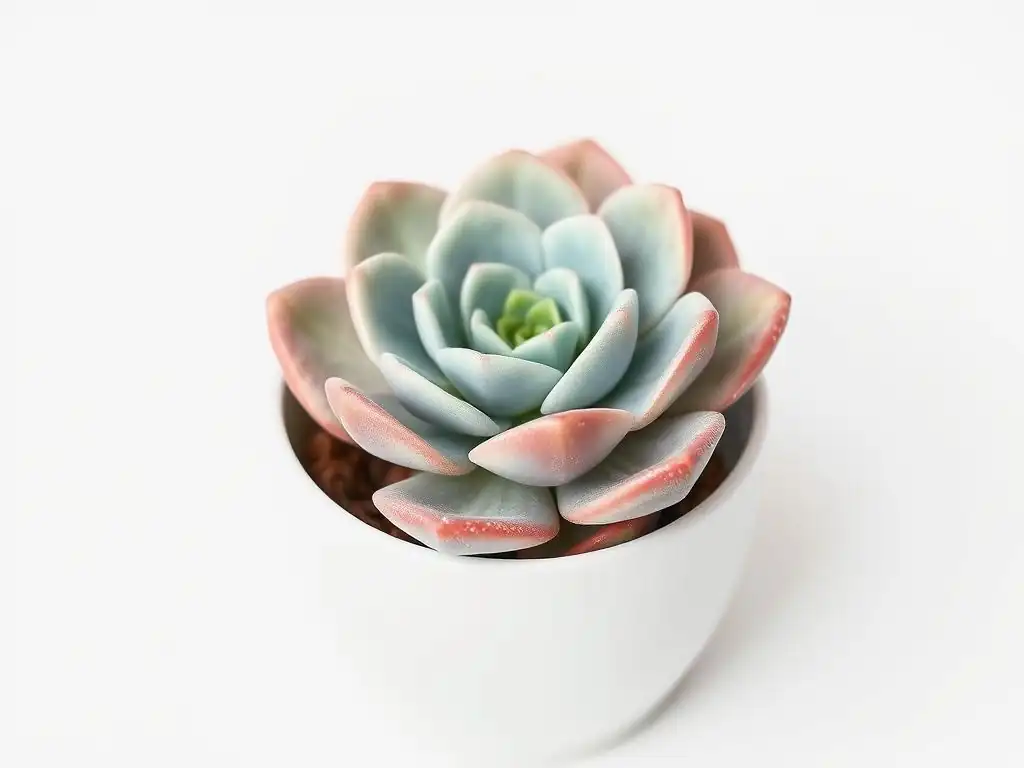
Observing succulent growth patterns is paramount to successful propagation. It's not simply about sticking a cutting in soil and hoping for the best; it's about understanding the plant's natural rhythms and responding accordingly. This meticulous observation allows for early detection of problems, optimization of techniques, and ultimately, a higher propagation success rate.
This active engagement with your succulents transforms propagation from a passive activity into a dynamic, rewarding process. The more attentively you observe succulent growth patterns, the more adept you become at anticipating and addressing potential challenges. This holistic approach, rooted in careful observation, is the cornerstone of successful succulent propagation.
Monitoring Growth After Propagation: A Key to Success
After propagating succulents, consistent monitoring is crucial. This isn't a one-time check; it's an ongoing process. Initially, look for signs of wilting, which could indicate underwatering or transplant shock. Conversely, overwatering manifests as mushy, rotting leaves or stems. Regularly inspect for pests like mealybugs or aphids, which can quickly decimate a young succulent. Note the rate of root development; healthy roots will appear firm and white, while rotting roots will be dark and mushy.
Successful propagation isn't just about survival; it's about thriving. Monitor the growth rate of your propagated succulents. Are they developing new leaves at a healthy pace? Is the overall plant structure robust and upright? Slow or stunted growth might signal nutrient deficiencies, inadequate lighting, or other environmental stressors. Keep a detailed log of your observations, noting the date, propagation method, and any noteworthy changes. This record becomes an invaluable tool, helping you refine your techniques over time. Consider using a simple table to organize your data:
| Date | Succulent Type | Propagation Method | Observation | Notes |
|---|---|---|---|---|
| 2024-10-26 | Echeveria | Leaf Cutting | Healthy root development, new leaf growth | Increase watering slightly next week. |
| 2024-10-27 | Sedum | Stem Cutting | Slight wilting, possible underwatering | Adjust watering schedule, increase humidity. |
| 2024-10-28 | Kalanchoe | Offsets | Robust growth, healthy root system | Continue current care regimen. |
Remember, consistent and detailed observation is the key to understanding and addressing any issues that may arise during the propagation process. This proactive approach significantly improves your chances of success.
Identifying Optimal Conditions for Different Propagation Methods
Different propagation methods – leaf cuttings, stem cuttings, offsets, and even seeds – require slightly different optimal conditions. Observation plays a critical role in determining these ideal conditions for each method. For instance, leaf cuttings of Echeveria often require high humidity to prevent desiccation, while stem cuttings of Sedum might tolerate drier conditions. Observing the response of your succulents to various humidity levels will help you pinpoint the sweet spot for each species and propagation method.
Similarly, lighting is a crucial factor. Some succulents thrive in bright, direct sunlight, while others prefer partial shade. By closely observing how different succulents respond to different light intensities, you can tailor your propagation setup for optimal growth. Note the color and firmness of the leaves; pale, etiolated leaves indicate insufficient light, while sunburned leaves suggest too much light.
Careful observation helps you fine-tune the light levels for each species and propagation method. This process is iterative; the more you propagate, the more refined your understanding of optimal conditions becomes. Consider experimenting with different light sources and positions to understand the specific needs of each succulent.
Using Observation to Fine-Tune Propagation Techniques
Observation isn't just about identifying problems; it's also about refining your techniques. For example, if you notice that a particular propagation method consistently yields poor results, you can analyze your observations to identify potential areas for improvement. Perhaps your soil mix is too dense, leading to root rot. Maybe you're not providing adequate drainage, resulting in overwatering. Or perhaps the timing of your propagation is off-season, leading to slower growth.
By meticulously recording your observations and analyzing the data, you can identify patterns and trends that inform your future propagation efforts. This iterative process of observation, analysis, and adjustment is essential for continuous improvement. Consider using different soil mixes, adjusting watering schedules, experimenting with rooting hormones, or altering lighting conditions.
Each adjustment should be based on your previous observations, creating a feedback loop that leads to increasingly refined propagation techniques. The power of observation lies not only in identifying problems but also in using those observations to continuously improve your skills and maximize your propagation success. The more you observe succulent growth patterns, the more successful your propagation will become.
Documenting Observations for Future Reference and Improvement
Careful observation isn't just about appreciating the beauty of succulents; it's a crucial tool for successful propagation. Keeping detailed records of your observations allows you to refine your techniques and improve your success rate over time. Think of it as a personal succulent propagation journal – a living document that evolves with your experience. This isn't about creating a rigid, scientific study; it's about creating a personalized system for tracking what works and what doesn't.
One effective method is using a simple notebook or spreadsheet. Include details such as the date, the type of succulent, the propagation method used (leaf cuttings, stem cuttings, offsets, etc. ), the growing medium, the lighting conditions, and any other relevant environmental factors.
Record the initial state of the cutting or offset – its size, health, and any existing blemishes. Then, regularly note changes in its appearance, such as root development, new growth, signs of stress (wilting, discoloration), or pest infestations. Photographs are invaluable additions; a picture taken at regular intervals provides a visual record of the plant's progress, making it easy to identify trends and potential problems.
For example, you might note: "October 26th: Propagated Echeveria laui leaf cutting using a perlite and vermiculite mix. Placed under grow lights with 12 hours of light per day. Leaf appears plump and healthy." Then, a week later: "November 2nd: Small calluses visible on the base of the leaf.
No significant changes." And so on. Over time, this detailed record will help you identify optimal conditions for different succulent species and propagation methods. You'll begin to recognize patterns – certain succulents thrive under specific light conditions, certain rooting mediums work better for particular varieties, and so on.
This information is invaluable for future propagation attempts, allowing you to adjust your approach based on past successes and failures. This systematic approach to observing and documenting succulent growth patterns directly translates to improved propagation success rates. The more data you collect, the more refined your understanding of your succulents' needs becomes. This, in turn, directly contributes to your overall success as a succulent enthusiast.
Learning from Nature: Observing Succulents in Their Natural Habitat
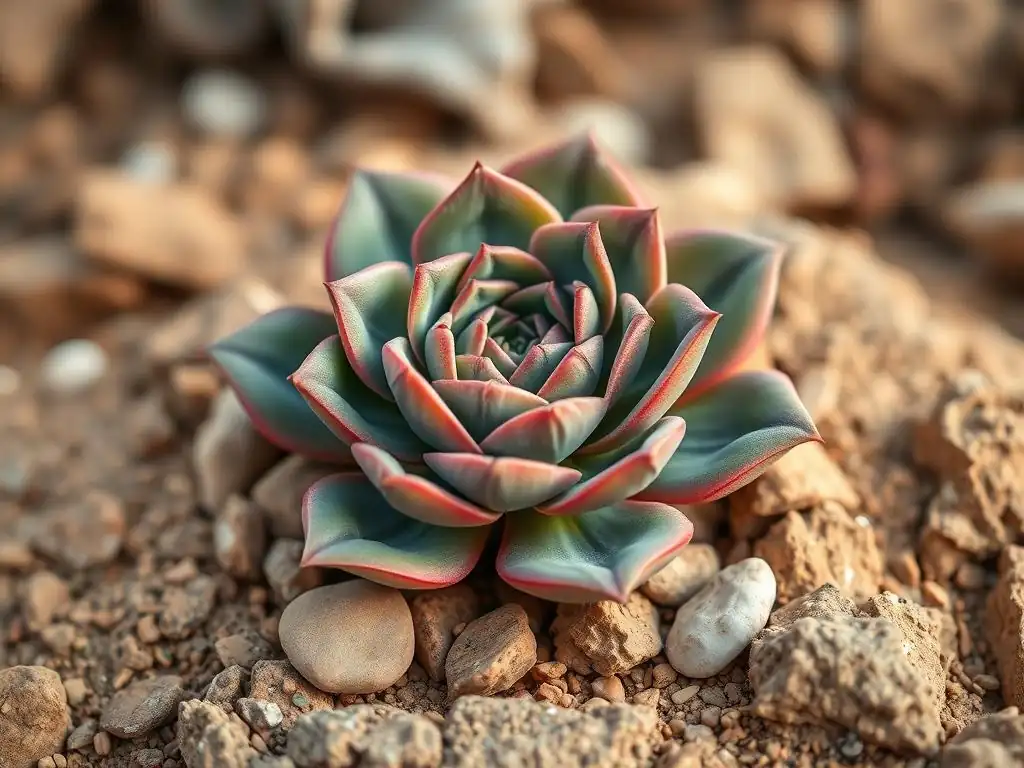
Observing succulent growth patterns in their natural habitats provides invaluable insights for successful cultivation. By understanding how these plants thrive in diverse environments, we can better replicate those conditions at home, leading to healthier and more vibrant succulents. This involves more than just admiring their beauty; it's about actively studying their growth habits, adapting to environmental stressors, and understanding their symbiotic relationships within their ecosystems. This section will delve into the key aspects of observing succulents in their natural environments.
Studying Succulent Growth in Native Environments
To truly observe succulent growth patterns, one must venture beyond the confines of a garden center or greenhouse. Visiting natural succulent habitats, whether in arid deserts, rocky mountain slopes, or coastal regions, offers a unique learning experience. Consider the following:
- Growth Rate: Note the rate at which different succulent species grow in their native environments. Some species exhibit rapid growth during favorable seasons, while others exhibit slow, steady growth throughout the year. This variation is often linked to rainfall patterns and temperature fluctuations. For instance, Echeveria species in arid regions might experience periods of rapid growth after infrequent but intense rainfall, followed by dormancy during dry spells. Conversely, Sedum species in temperate climates may show more consistent growth throughout the year.
- Branching and Rosette Formation: Observe how branching patterns and rosette formations differ depending on species and environmental conditions. Sunlight exposure significantly influences this aspect. Succulents in full sun often develop compact rosettes to minimize water loss, while those in partial shade might exhibit looser, more sprawling growth. Detailed field notes, including measurements and photographic documentation, are crucial for accurate observation.
- Root Systems: Understanding the root systems of succulents is key to successful cultivation. In their natural habitats, root systems adapt to specific soil conditions and water availability. Some species have extensive, shallow root systems to quickly absorb rainwater, while others have deeper taproots to access groundwater. This knowledge informs the choice of potting mix and watering techniques for home cultivation.
Observing the Impact of Climate and Terrain on Growth Patterns
Climate and terrain are paramount factors influencing succulent growth. Observe succulent growth patterns by focusing on these elements:
- Rainfall and Temperature: The amount, frequency, and timing of rainfall directly impact succulent growth cycles. Temperature variations also play a crucial role, with many species exhibiting dormancy during extreme heat or cold. For example, Aloe vera thrives in warm, arid climates with infrequent rainfall, while Sempervivum species are adapted to cooler, more humid conditions. Careful observation of these climatic factors in native environments is essential.
- Soil Composition and Drainage: Soil type significantly affects root development and nutrient uptake. Well-draining soil is crucial for preventing root rot, a common problem for succulents. In natural habitats, succulents often grow in rocky, sandy, or gravelly soils with excellent drainage. This observation highlights the importance of selecting appropriate potting mixes for home cultivation.
- Sunlight Exposure: Sunlight intensity influences the color, shape, and size of succulents. Full sun exposure often leads to compact growth and vibrant coloration, while partial shade may result in looser growth and less intense colors. Observing the sunlight exposure of succulents in their natural habitats helps determine the optimal light conditions for home cultivation.
Applying Natural Growth Patterns to Home Cultivation
By carefully observing succulent growth patterns in their native environments, we can refine our home cultivation techniques to more accurately mimic their natural conditions. Understanding these patterns allows us to make informed decisions about:
- Potting Mix Selection: Choosing a well-draining potting mix that mimics the natural soil conditions is crucial. This often involves using a blend of inorganic materials like perlite, pumice, and coarse sand.
- Watering Practices: Replicating the natural rainfall patterns, including periods of dormancy and active growth, is key to preventing overwatering or underwatering.
- Sunlight Exposure: Providing the appropriate amount of sunlight, taking into consideration the species and its native habitat, will promote healthy growth and vibrant coloration.
- Temperature Control: Providing a temperature range that reflects the native environment will help succulents thrive. This might include providing shade during the hottest parts of the day or protection from frost in colder climates.
By carefully observing and understanding the natural world, we can significantly improve our ability to successfully cultivate these fascinating plants. The power of observation is paramount in the art and science of succulent cultivation.
The Value of Observing Succulent Communities in Nature
Observing succulents in their natural habitats offers invaluable insights into their growth patterns and survival strategies. This direct observation allows us to understand the complex interplay between the plant, its environment, and other organisms within the ecosystem. By studying these natural communities, we can glean crucial information that directly translates into better care practices for our own succulent collections. For example, observing the spacing of plants within a natural cluster can inform our own planting decisions, ensuring adequate airflow and preventing overcrowding, a common issue leading to rot in home-grown succulents. Furthermore, observing the type of soil, the amount of sunlight, and the presence of other plants in the vicinity helps us recreate ideal growing conditions.
This careful observation allows us to mimic nature's success, leading to healthier and more vibrant succulents. The natural variability in growth habits, even within the same species, is also readily apparent. This underscores the importance of adaptable care rather than rigid adherence to a single set of instructions, allowing for adjustments based on the specific needs of each individual plant. We can learn to recognize subtle signs of stress or disease that might otherwise go unnoticed in a cultivated environment, enhancing our ability to provide preventative care. In essence, observing succulent communities in nature provides a foundational understanding that is essential for long-term success in succulent cultivation.
It is a crucial step in moving beyond simply following instructions and towards truly understanding the needs of these fascinating plants. This hands-on, observational approach fosters a deeper appreciation for the resilience and adaptability of succulents, enriching the hobby and enhancing our connection with the natural world. By observing the natural growth patterns of succulents, you will not only improve your gardening practice, but also develop a deeper appreciation for the intricate balance of nature. 🪴
Integrating Observation into Your Succulent Care Routine
Observing succulent growth patterns is paramount to successful cultivation. It's not just about admiring their beauty; it's about understanding their silent communication, their subtle cues that reveal their health and needs. By carefully observing your succulents, you move from passive care to active participation in their life cycle, fostering healthier, more vibrant plants.
This mindful approach transforms succulent care from a chore into an engaging and rewarding experience. This section will explore how incorporating observation into your routine can significantly improve the health and longevity of your succulent collection. We will examine specific techniques and examples to illustrate the power of careful, consistent observation.
Establishing a Regular Observation Schedule
A consistent observation schedule is the cornerstone of successful succulent care. Instead of infrequent, rushed checks, aim for regular, brief inspections. A daily or weekly routine, depending on your collection size, allows you to catch problems early. Don't just glance; take a few minutes to truly observe each plant. Look closely at leaf color, texture, and turgidity (firmness). Note any changes in growth rate, the appearance of new leaves or flowers, or any signs of stress.
Consider creating a simple log or using a digital tool to track your observations. Record the date, the plant's name (or location if unnamed), and any noteworthy details. For example:
| Date | Plant Name | Observation | Action Taken |
|---|---|---|---|
| 2024-10-26 | Echeveria 'Perle' | Leaves slightly shriveled; soil feels dry. | Watered lightly. |
| 2024-10-27 | Sedum morganianum | New growth appears slightly pale; soil moist. | Reduced watering frequency; increased sunlight. |
| 2024-10-28 | Graptoveria 'Debbie' | No significant changes observed. | Continued routine care. |
Adding photos to your log can be incredibly helpful, particularly when tracking changes over time. This visual record allows you to easily compare the plant's appearance across weeks or months, making it easier to identify subtle signs of stress or disease. Regular observation, coupled with diligent record-keeping, empowers you to respond proactively to your succulents' needs. This proactive approach is key to preventing larger issues down the line.
Using Observation to Adjust Watering and Feeding Strategies
Careful observation provides invaluable insights into your succulents' hydration and nutritional needs. Overwatering is a common problem, often leading to root rot. By observing your succulents, you can avoid this pitfall. Feel the soil before watering; if it's still moist, wait. Observe the leaves; if they’re plump and firm, the plant is likely well-hydrated. Conversely, shriveled or wrinkled leaves indicate a need for water. However, be cautious; shriveled leaves can also be a sign of root rot, so always examine the soil moisture.
Similarly, observation helps you determine the appropriate feeding schedule. Sluggish growth or pale leaves might suggest a nutrient deficiency. However, over-fertilizing can harm succulents. The key is to observe the plant's response to feeding. If growth remains slow despite adequate watering and sunlight, a balanced succulent fertilizer might be beneficial. But always follow the instructions carefully, and remember that less is often more when it comes to fertilizing succulents.
Employing Observation to Detect and Treat Pests and Diseases
Regular observation is your first line of defense against pests and diseases. Early detection significantly improves the chances of successful treatment. Examine your succulents for any signs of pests such as mealybugs, aphids, or spider mites. Look for unusual spots, discoloration, or webbing. Also, watch for signs of fungal or bacterial diseases, such as leaf rot or stem rot. Early identification allows you to take action before the problem becomes widespread, protecting the health of your entire collection.
Remember, prevention is key. Maintaining good air circulation around your succulents helps prevent fungal issues. Regularly inspecting your plants allows you to identify and address problems promptly, preventing them from spreading and potentially harming other plants in your collection. By actively observing your succulents, you are not only enhancing their health but also deepening your connection with these fascinating plants, truly understanding their unique needs and appreciating their resilience. 🌱
Recording Observations in a Journal for Long-Term Tracking
Maintaining a detailed journal is crucial for observing succulent growth patterns over time. This isn't just about noting "grew a little" or "looks healthy." Effective observation requires specificity. Think of your journal as a scientific logbook, meticulously documenting every detail. This allows you to identify trends, predict future growth, and adapt your care based on real-time data from your own plants.
For example, instead of writing "plant A is doing well," note the exact measurements of growth (height, width, number of new leaves), the date of any significant changes (flowering, leaf drop, new offsets), and the specific environmental conditions at the time (sunlight exposure, watering schedule, temperature). Include photos! A picture is worth a thousand words, especially when tracking subtle color changes or the emergence of pests. A dated photograph provides irrefutable evidence of the plant's progress.
Consider using a structured format for your entries. A simple table, for instance, can be invaluable. You could include columns for date, plant name (or ID number), measurements, observations (detailed notes on appearance, health, etc. ), and actions taken (watering, fertilizing, repotting). Such a system ensures consistency and allows for easy comparison between entries.
Furthermore, a dedicated journal allows you to track the effects of different care techniques. Did you try a new fertilizer? Note the plant's response. Did you change the watering schedule? Record any changes in growth rate or leaf appearance.
This systematic approach transforms your succulent care from a hobby into a fascinating experiment, providing invaluable insights into the individual needs of your plants. The more data you collect, the better you understand your succulents' unique growth patterns and the more effectively you can cater to their needs. This long-term perspective is invaluable for understanding the intricacies of succulent growth and achieving optimal results. 🪴
Frequently Asked Questions
How can I best observe my succulents' growth patterns?
Regularly check your succulents for new growth, changes in leaf color, and overall size and shape. Note the timing of these changes in relation to watering and sunlight. Keep a journal to track your observations.
What are some key growth indicators to look for in succulents?
Look for leaf production, stem elongation, and root development. Changes in these areas can indicate health, stress, or the need for adjustments in care. Pay close attention to any unusual growths.
Why is observing succulent growth patterns important?
Observing growth patterns helps you understand your succulents' needs. This allows you to adjust watering, lighting, and fertilization as needed to promote healthy growth and prevent issues. Early detection of problems is key.
What if I notice my succulent isn't growing as expected?
If growth seems stunted, check for signs of pests, diseases, or improper care. Adjust your watering schedule, lighting conditions, or potting mix accordingly. Consider repotting if necessary.
How can I use growth patterns to propagate my succulents?
Observe when your succulents produce offsets or leaf cuttings. These are ideal for propagation. Knowing when these appear gives you the best chance of successful propagation. Learn to identify mature leaves suitable for cuttings.
Final Reflection: The Enduring Wisdom of Succulents
The meticulous observation of succulent growth patterns isn't just a botanical pursuit; it's a powerful lens through which we can understand resilience, adaptation, and the beauty of slow, deliberate growth in a fast-paced world. The seemingly simple act of watching a succulent unfurl its leaves, store water, and thrive in harsh conditions offers profound lessons applicable far beyond the confines of a greenhouse or garden.
The enduring appeal of succulents lies not only in their aesthetic charm but in their inherent ability to teach us about perseverance and resourcefulness. Their quiet strength in the face of adversity resonates deeply, mirroring our own capacity to overcome challenges. The best and most beautiful things in the world cannot be seen or even touched - they must be felt with the heart.
This quote, often attributed to Helen Keller, perfectly encapsulates the deeper understanding we gain from truly observing nature, an understanding that transcends the purely visual. The lessons learned from succulents extend beyond the plant itself, touching upon our own personal growth and our relationship with the natural world.
Consider the quiet strength of these plants, their ability to thrive with minimal resources. Let this inspire you to cultivate your own resilience, to find beauty in the slow unfolding of your own life's journey. Take a moment to observe the world around you, not just passively, but actively, with intention and curiosity. Notice the small details, the subtle changes, the quiet strength in the seemingly insignificant. You might be surprised by the profound wisdom you discover, and the lasting impact it has on your life.
Unveil Your Inner Botanist: Grow Your Succulent Knowledge
Thank you for exploring the fascinating world of succulents and their remarkable diversity! We hope you've gained a new appreciation for the beauty and resilience of these amazing plants. Now it's time to put your knowledge into practice!
- Start a succulent journal: Document your observations, track your plants' growth, and even sketch their unique forms. This will become a valuable record of your succulent journey.
- Share your experiences: Connect with fellow plant enthusiasts on our social media channels and inspire others with your successes and challenges.
- Propagate your succulents: Try propagating a cutting – it's a rewarding way to expand your collection and deepen your understanding of these plants.
What interesting features have you observed in your own succulents, and what will you do next to further your knowledge?