
DIY Succulent Planter Kits: All You Need to Create Beautiful Container Gardens

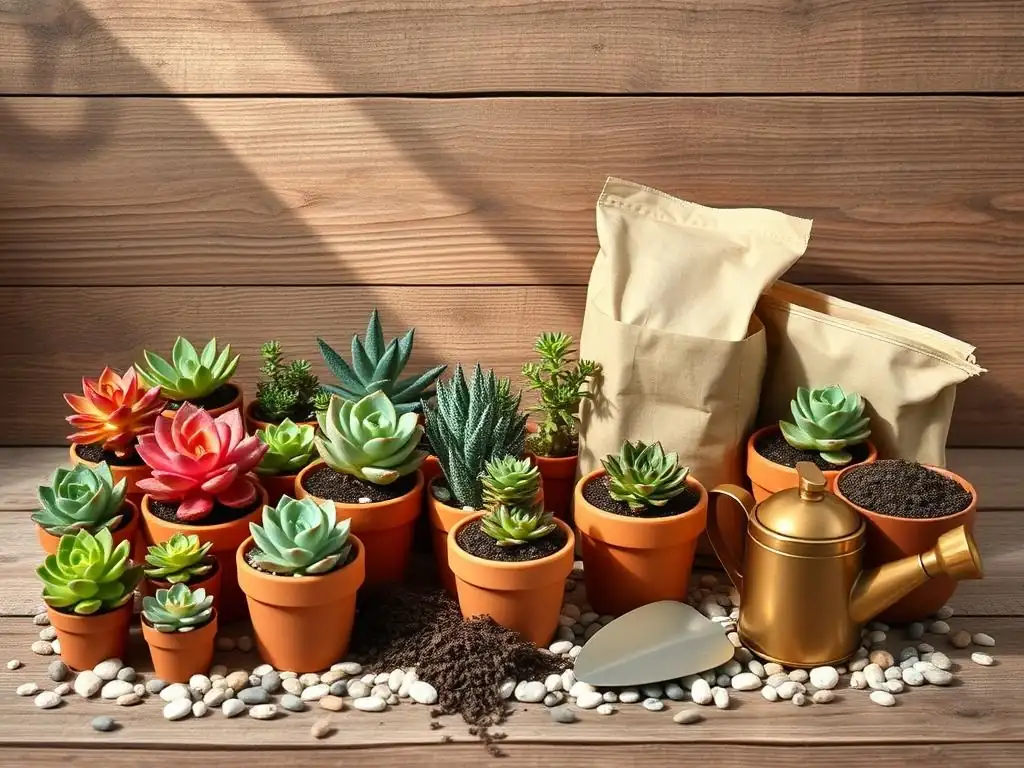
Welcome to SucculentEssentials.org, where the fascinating world of succulents unfolds! Are you ready to unlock the secrets to cultivating thriving succulent gardens? We'll guide you through everything from basic care to stunning DIY projects, and today, we're diving into the exciting realm of DIY succulent planter kit supplies. Discover how easily you can transform ordinary containers into breathtaking displays—let's get started!
- Essential DIY Succulent Planter Kit Supplies: A Comprehensive Guide
- Step-by-Step Guide: Assembling Your DIY Succulent Planter Kit
- Creative DIY Succulent Planter Kit Ideas & Inspiration
- Where to Find DIY Succulent Planter Kit Supplies
- Tips for Success with Your DIY Succulent Planter Kit
- Troubleshooting Common DIY Succulent Planter Kit Issues
- Beyond the Basics: Expanding Your DIY Succulent Planter Kit Skills
- Frequently Asked Questions
- Final Reflection: Cultivating Creativity, One Succulent at a Time
- Unleash Your Inner Gardener: Craft Your Dream Succulent Oasis!
Essential DIY Succulent Planter Kit Supplies: A Comprehensive Guide
Creating stunning succulent arrangements doesn't require a trip to an expensive garden center. With a little planning and the right supplies, you can easily assemble your own DIY succulent planter kit, transforming ordinary containers into breathtaking miniature landscapes. This comprehensive guide will walk you through selecting the perfect pots, choosing the ideal succulents, and gathering the essential tools for a successful and enjoyable DIY project.
We'll cover everything you need to know to create unique and thriving succulent container gardens, perfect for beginners and experienced succulent enthusiasts alike. This guide focuses specifically on sourcing the materials for your DIY succulent planter kit, ensuring you have all the necessary supplies at your fingertips before you begin. Get ready to unleash your creativity and cultivate your own miniature succulent paradise!
Choosing the Right Pots for Your DIY Succulent Planter Kit
The pot you choose is more than just a container; it's a crucial element in the overall aesthetic and health of your succulent arrangement. The right pot will ensure proper drainage, prevent root rot, and complement your chosen succulents. Consider these factors when selecting your pots:
- Material: Terracotta pots are excellent for succulents because they are porous, allowing for good air circulation and preventing waterlogging. Plastic pots are also a viable option, especially for beginners, as they're lighter and less prone to breakage. However, ensure they have adequate drainage holes. Ceramic and glazed pots can be beautiful, but they may retain more moisture, so extra care is needed to prevent overwatering.
- Size and Shape: The size of the pot should be proportional to the size and number of succulents you plan to plant. Choose a pot that's large enough to accommodate the mature size of your succulents, but not so large that it overwhelms the plants. Experiment with various shapes – round, square, rectangular, or even unusual shapes – to create unique arrangements.
- Drainage: This is paramount! Succulents are susceptible to root rot if they sit in standing water. Ensure your chosen pot has drainage holes at the bottom to allow excess water to escape. If your pot doesn't have drainage, you can add a layer of gravel or pebbles at the bottom to improve drainage.
Selecting the Perfect Succulents for Your DIY Planter Kit
Choosing the right succulents is key to a successful and visually appealing arrangement. Consider these factors when making your selections:
- Variety: Opt for a mix of succulents with varying textures, colors, and growth habits. This will create a more dynamic and interesting display. Consider incorporating succulents with different leaf shapes, sizes, and colors to add visual interest and depth to your arrangement. Research different succulent varieties to find those that complement each other in terms of size, color, and texture.
- Size and Maturity: Choose succulents that are relatively small to medium-sized, as these will be easier to arrange in your planter. Avoid overly large or mature succulents, which might overwhelm the space or be difficult to handle. Consider the mature size of each succulent to ensure it will fit comfortably within your chosen pot.
- Light Requirements: Ensure that the succulents you choose have similar light requirements. Most succulents thrive in bright, indirect sunlight. If you're placing your planter indoors, choose succulents that can tolerate lower light conditions. However, remember to provide sufficient light to keep them healthy.
Gathering Essential Tools for Your DIY Succulent Planter Kit
Having the right tools on hand will make the planting process much smoother and more efficient. Here's a list of essential tools you'll need:
- Potting Mix: A well-draining succulent and cactus potting mix is crucial. Avoid using regular garden soil, as it retains too much moisture and can lead to root rot. A specialized mix will provide the optimal environment for your succulents to thrive.
- Gardening Trowel: A small gardening trowel is ideal for gently handling and planting your succulents. A trowel will help you dig small holes for your plants without damaging their roots.
- Gloves: Protecting your hands is important, especially when handling succulents with spines or thorns. Gardening gloves will provide a comfortable and safe planting experience.
- Watering Can with a Rose Head: A watering can with a rose head will allow you to gently water your succulents without disturbing the soil or damaging the plants. A gentle, controlled watering is essential to prevent overwatering.
With these essential supplies gathered, you're ready to embark on your DIY succulent planter kit journey! Remember to prioritize proper drainage and choose succulents with similar light needs for a thriving and beautiful arrangement.
Sourcing Decorative Elements for Your DIY Succulent Planter Kit
Choosing the right decorative elements can elevate your DIY succulent planter kit from simple to stunning. The key is to complement the succulents themselves, not overpower them. Think about the overall aesthetic you're aiming for – rustic charm, modern minimalism, vibrant bohemian – and select decorative items accordingly.
One excellent option is to incorporate natural elements. Small stones, pebbles, and river rocks in varying sizes and colors can provide a beautiful base layer for your succulents, improving drainage and adding visual interest. Consider the color palette of your succulents; earthy tones might pair well with brown and grey stones, while brighter succulents might benefit from the contrast of white or light-colored pebbles. You can even find decorative gravels specifically designed for landscaping, offering a wide range of colors and textures to choose from.
Beyond stones, consider adding small pieces of driftwood, carefully cleaned and prepared. These add a touch of rustic elegance and provide interesting textural contrasts. Remember to sanitize any natural elements before incorporating them into your planter to avoid introducing pests or diseases. Small branches, carefully pruned and arranged, can also create a visually appealing focal point. Just ensure they are dry and won't rot and affect the soil's drainage.
For a more polished look, small decorative figurines or miniature garden ornaments can add a unique touch. However, exercise restraint here; too many ornaments can overwhelm the succulents. Choose pieces that complement the overall style and color scheme, maintaining a balanced composition. Think miniature animals, houses, or even tiny fairy garden accessories. Remember to check the materials; ensure they are non-toxic and won’t leach harmful chemicals into the soil.
Finally, don't forget the power of simple elegance. Sometimes, less is more. A carefully chosen single decorative element, such as a beautifully shaped piece of driftwood or a single, striking stone, can be far more effective than a cluttered arrangement. Consider the overall balance and allow the succulents to remain the stars of the show. The decorative elements should enhance, not distract from, the natural beauty of the plants.
Step-by-Step Guide: Assembling Your DIY Succulent Planter Kit
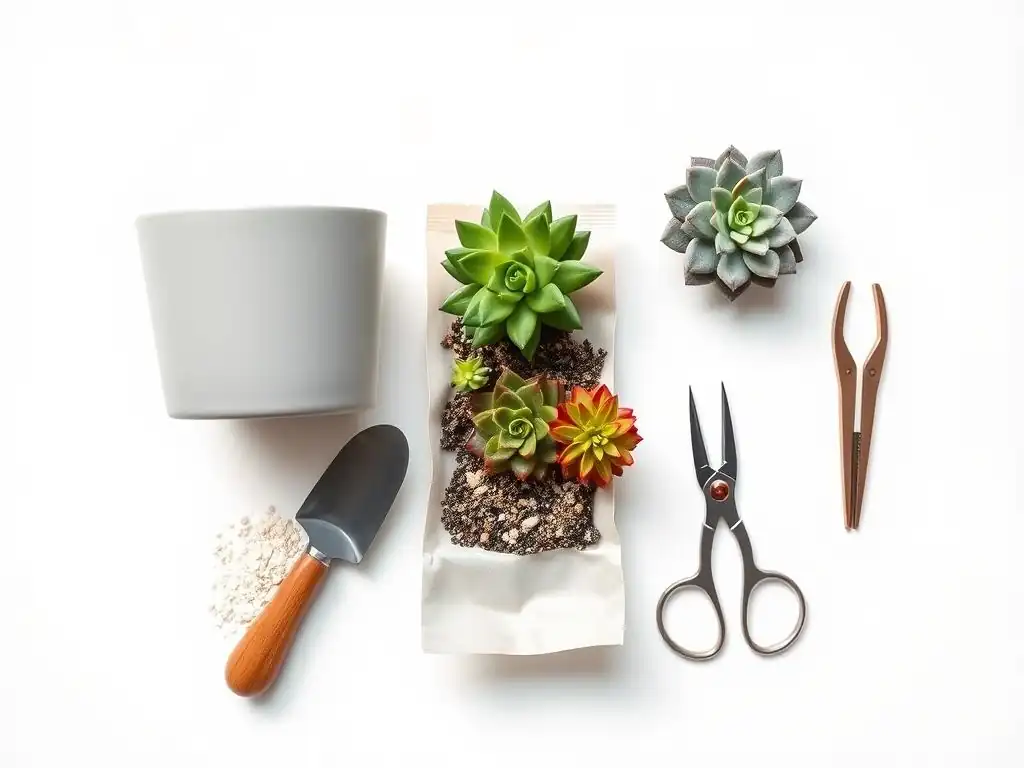
This section provides a comprehensive, step-by-step guide to assembling your own DIY succulent planter kit. We'll cover everything from preparing your containers and drainage materials to planting your succulents and adding those finishing touches that elevate your creation from simple to stunning. Remember, the beauty of a DIY succulent planter kit lies in your ability to customize it to your personal style and preferences. Let's get started!
Preparing Your Pots and Drainage Materials
Before you even think about planting, proper pot preparation is crucial for the long-term health of your succulents. Succulents, while drought-tolerant, are susceptible to root rot if their environment is overly wet. Therefore, ensuring adequate drainage is paramount.
This involves selecting the right pots – those with drainage holes are essential – and incorporating a suitable drainage layer. Terracotta pots are excellent choices because they are porous, allowing excess water to evaporate. However, plastic or ceramic pots work just as well, provided they have drainage holes.
For drainage materials, you can use several options:
- Pea gravel: A readily available and inexpensive option that provides excellent drainage.
- Lava rocks: Another popular choice known for its porosity and ability to retain some moisture, preventing the soil from drying out too quickly.
- Broken pottery shards: A sustainable and eco-friendly alternative, using leftover pieces from old pots or containers.
The amount of drainage material you need depends on the size of your pot. As a general rule, aim for a layer approximately 1-2 inches deep at the bottom of the pot. This layer creates a space for excess water to collect and drain, preventing waterlogging of the succulent's roots. Remember to distribute the drainage material evenly across the bottom of the pot for optimal drainage. Improper drainage can lead to root rot, a common problem among improperly cared-for succulents.
Planting Your Succulents: A Detailed Tutorial
With your pots prepared, it's time to plant your succulents! Choosing the right succulents for your planter is key to its overall success. Consider the size and growth habit of each succulent to ensure they complement each other and have enough space to thrive without overcrowding.
Here's a step-by-step guide to planting:
- Add potting mix: After placing the drainage layer, fill the pot about halfway with a well-draining succulent and cactus potting mix. Avoid using regular garden soil, as it retains too much moisture. A specialized succulent potting mix is formulated for optimal drainage and aeration.
- Plant your succulents: Carefully remove your succulents from their individual containers. Gently loosen the roots if they are root-bound. Place the succulents in the pot, arranging them according to your desired design. Make sure there's sufficient space between each plant to allow for growth.
- Fill with more potting mix: Once you are satisfied with the arrangement, carefully fill the pot with more potting mix, ensuring that the base of each succulent is covered and that the soil is level. Don't pack the soil down too tightly; leave some air pockets for good aeration.
- Water gently: After planting, give your succulent planter a gentle watering. Allow excess water to drain completely from the drainage holes. Avoid overwatering, as this can lead to root rot.
Adding Decorative Touches to Your DIY Succulent Planter
The final step is to add those finishing touches that truly personalize your DIY succulent planter kit. This is where your creativity can shine! Consider adding decorative elements such as:
- Small stones or pebbles: These can be placed around the base of the succulents to enhance the visual appeal and help retain some moisture.
- Driftwood or small branches: These add a rustic and natural touch, complementing the succulents perfectly.
- Ornamental figurines: Small, themed figurines can add a fun and whimsical element to your planter, depending on your personal style.
- Colorful glass beads: Scattered amongst the soil, these add a touch of sparkle and visual interest.
Remember, the possibilities are endless! Experiment with different combinations of decorative elements to create a unique and beautiful DIY succulent planter that reflects your personal style. By following these steps and incorporating your own creative flair, you can easily create stunning succulent arrangements using your DIY succulent planter kit supplies. Enjoy the process and the beauty of your handcrafted creation!
Watering and Aftercare for Your DIY Succulent Planter
Proper watering is crucial for the long-term health and beauty of your succulent planter. Overwatering is a common mistake that can lead to root rot and the demise of your carefully chosen succulents. Remember, succulents are adapted to arid conditions and store water in their leaves. Therefore, less is more when it comes to watering.
Instead of following a strict watering schedule, monitor the soil moisture. Use your finger to check the top inch or two of soil; if it's completely dry, it's time to water. Water thoroughly until water drains from the drainage holes at the bottom of your planter. Avoid letting the planter sit in standing water, as this can lead to root rot.
Allow the soil to dry out completely between waterings. The frequency of watering will depend on several factors, including the type of succulents used, the size of the planter, the type of soil used, and the ambient temperature and humidity. During hotter, drier months, you may need to water more frequently, whereas during cooler, more humid periods, you'll likely water less.
Aftercare also involves monitoring your succulents for signs of stress. Look for signs of wilting, discoloration, or pest infestations. Wilting can indicate underwatering or root rot, while discoloration might suggest sunburn or nutrient deficiencies. Regularly inspect your succulents for pests such as mealybugs or aphids, and take appropriate action if necessary. You might need to use insecticidal soap or neem oil to treat infestations. Remember, prevention is key; choosing healthy succulents to begin with significantly reduces the risk of issues.
Consider the placement of your planter. Direct sunlight can scorch delicate succulents, while excessively shady conditions can lead to etiolation (leggy growth). Find a spot that provides bright, indirect light for optimal growth. Regularly inspect your succulents for signs of pests such as mealybugs or aphids, and take appropriate action if necessary. You might need to use insecticidal soap or neem oil to treat infestations. Remember, prevention is key; choosing healthy succulents to begin with significantly reduces the risk of issues. Finally, enjoy your beautiful creation! The vibrant colors and unique textures of your succulents will bring joy and a touch of nature to your space for months to come. Remember to adjust your watering and care routine based on the specific needs of your chosen succulents and the environmental conditions. A little patience and attention to detail will reward you with a thriving and visually stunning DIY succulent planter.
Creative DIY Succulent Planter Kit Ideas & Inspiration
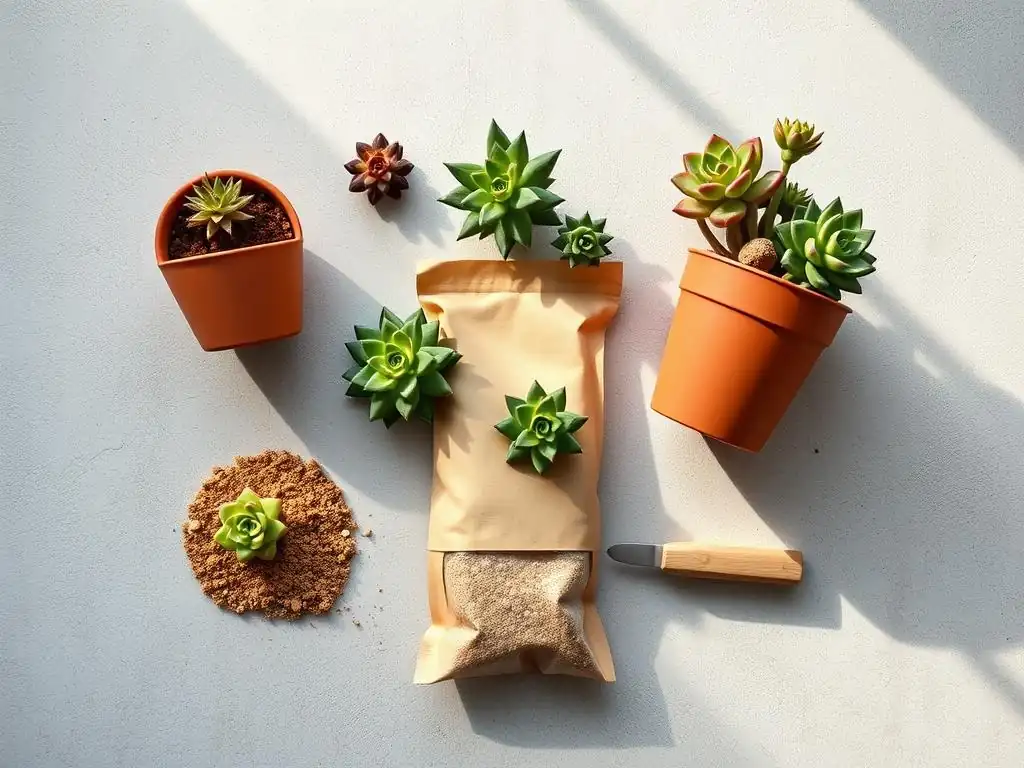
This section explores the boundless creative possibilities when assembling your own DIY succulent planter kit. Forget generic, mass-produced arrangements; let's delve into crafting truly unique and personalized succulent gardens. The key to a successful DIY succulent planter kit lies not just in the supplies, but in the vision. We'll explore diverse container options, thematic approaches, and advanced arrangement techniques to inspire your next succulent project. Successfully creating a beautiful and thriving succulent arrangement hinges on careful planning and selection of the right "DIY succulent planter kit supplies".
Unique Container Choices for DIY Succulent Planters
Choosing the right container is paramount. The container's size, material, and drainage capabilities significantly impact the succulents' health and longevity. Don't limit yourself to traditional terracotta pots! Think outside the box (or, rather, inside a repurposed box! ).
Here are some unique container ideas to elevate your DIY succulent planter kit:
- Repurposed Teacups and Mugs: Add a touch of vintage charm with mismatched teacups or mugs. Ensure adequate drainage holes are drilled before planting. This adds a whimsical touch, perfect for smaller succulent varieties.
- Upcycled Tin Cans: Clean and paint tin cans to create rustic or modern planters. Remember to line the inside with plastic sheeting to prevent rust and ensure proper drainage. This is a budget-friendly and eco-conscious option.
- Glass Jars and Bottles: Clear glass vessels showcase the succulents' roots and textures beautifully. Again, ensure proper drainage! Consider using decorative pebbles or sand at the bottom for added visual appeal.
- Wooden Crates and Boxes: These offer a rustic, farmhouse aesthetic. Line the interior with plastic sheeting to protect the wood and retain moisture. Suitable for larger succulent arrangements.
- Seashells and Driftwood: For a truly unique approach, consider using natural materials like large seashells (ensure they’re cleaned thoroughly) or pieces of driftwood as containers. This requires more advanced techniques for planting and drainage.
Remember, even the most mundane items can be transformed into stunning succulent planters with a little creativity and the right "DIY succulent planter kit supplies".
DIY Succulent Planter Kits: Theme Ideas and Design Inspiration
Thematic design can transform your DIY succulent planter kit from a simple arrangement into a captivating work of art. The possibilities are endless!
Here are a few theme ideas to get your creative juices flowing:
- Desert Oasis: Use sandy-colored containers, cacti, and succulents with spiky textures. Incorporate small decorative rocks and pebbles for authenticity.
- Zen Garden: Opt for minimalist containers, carefully selected succulents with smooth textures and calming colors, and add elements like sand, small rocks, and perhaps a miniature Buddha statue.
- Mediterranean Escape: Use terracotta pots, succulents with bluish-green hues, and incorporate small decorative elements like miniature olive branches or seashells.
- Rainbow Garden: Select succulents in a variety of vibrant colors to create a rainbow effect. This requires careful planning and selection of appropriately colored succulents.
- Fairy Garden: Use miniature containers, mossy accents, and whimsical figurines to create a magical miniature world.
Consider the overall aesthetic you're aiming for, choosing containers and succulents that complement each other and effectively communicate your theme.
Advanced Techniques: Creating Layered and Textured Succulent Arrangements
Moving beyond simple planting, let's explore advanced techniques for creating visually stunning and thriving succulent arrangements. Layering and textural contrast are key to achieving depth and interest.
- Layering: Start with larger succulents at the base of the container, gradually transitioning to smaller varieties towards the top. This creates visual interest and ensures that all plants receive adequate sunlight.
- Textural Contrast: Combine succulents with different leaf shapes, sizes, and textures. Mix smooth, fleshy leaves with spiky, pointed ones for a dynamic effect.
- Color Coordination: Choose succulents with complementary colors to enhance the visual appeal of your arrangement. Consider a color wheel to guide your selections.
- Using Filler Plants: Incorporate small filler plants like sedum or sempervivum to fill gaps and create a more cohesive look.
- Adding Decorative Elements: Enhance your arrangement with decorative elements like stones, pebbles, or small figurines to add visual interest and complement your theme. These small additions can significantly impact the overall aesthetic.
Mastering these advanced techniques elevates your DIY succulent planter kit from a simple project to a sophisticated and eye-catching display. Remember, practice makes perfect! Experiment with different combinations and techniques to discover your unique style. The more you experiment with "DIY succulent planter kit supplies", the better you will become at creating stunning arrangements.
Where to Find DIY Succulent Planter Kit Supplies
Creating your own DIY succulent planter kit offers a rewarding experience, allowing you to personalize your succulent arrangements completely. But before you get started, you need to know where to source the essential supplies. This section will guide you through the best places to find everything you need, from pots and soil to the succulents themselves, ensuring your DIY project is a success. Finding the right "DIY succulent planter kit supplies" is key to a beautiful and thriving succulent garden.
Online Retailers for DIY Succulent Planter Supplies
The internet offers a vast and convenient marketplace for all your succulent gardening needs. Many online retailers specialize in succulents and related supplies, providing a wide selection at competitive prices. You can often find complete kits containing pots, soil, succulents, and even decorative elements, making it easy to get started. However, carefully compare prices and shipping costs before making a purchase. Look for retailers with positive customer reviews and a clear return policy. Consider the following factors when choosing an online retailer:
- Variety of Succulents: Do they offer a diverse range of succulents to choose from, catering to different tastes and preferences? A good retailer will offer a wide selection of sizes, colors, and varieties.
- Quality of Supplies: Are the pots durable and well-made? Is the soil specifically formulated for succulents? Read product descriptions and reviews carefully to assess the quality of the materials.
- Shipping and Handling: Check the shipping costs and delivery times. Some retailers offer free shipping over a certain amount, while others may charge extra for expedited delivery.
- Customer Service: Look for retailers with responsive and helpful customer service. Read reviews to see how well they handle issues like damaged goods or late deliveries.
Remember to factor in potential shipping costs and delivery times when budgeting for your DIY succulent planter kit. Unexpected delays can impact your project timeline.
Local Nurseries and Garden Centers: Sourcing Supplies
While online shopping offers convenience, visiting local nurseries and garden centers provides a unique opportunity to personally inspect the quality of your supplies and get expert advice. You can examine the succulents firsthand, ensuring their health and vigor before purchasing. Nurseries often carry a wider variety of local succulents adapted to your specific climate, increasing the chances of success. Furthermore, staff at these centers can offer valuable insights into succulent care and selection, providing personalized recommendations based on your experience level and local conditions.
This hands-on approach allows you to build relationships with local businesses and contribute to your community. You might discover unique pots or decorative elements not available online. Don't hesitate to ask questions; knowledgeable staff can guide you toward the best supplies for your project and offer tips for successful succulent cultivation. The personal touch offered by local nurseries and garden centers can significantly enhance your DIY experience.
Finding Unique and Affordable DIY Succulent Planter Kit Supplies
Creating a beautiful and thriving succulent garden doesn't require breaking the bank. With a little creativity, you can find unique and affordable supplies for your DIY succulent planter kit. Consider repurposing items you already have around the house. Old teacups, vintage tins, and even discarded terracotta pots can be transformed into charming succulent planters.
Thrift stores and flea markets are treasure troves of inexpensive and unique containers. You can often find interesting vessels at bargain prices, adding a touch of character to your arrangements. Remember to check for drainage holes before using any repurposed containers. For soil, consider using a well-draining potting mix specifically formulated for succulents.
You can often find affordable options at local garden centers or even create your own blend. Don't be afraid to experiment and get creative! Finding unique and affordable "DIY succulent planter kit supplies" is all about resourcefulness and a willingness to explore different avenues. The result will be a one-of-a-kind succulent garden that reflects your personal style and creativity.
Tips for Success with Your DIY Succulent Planter Kit
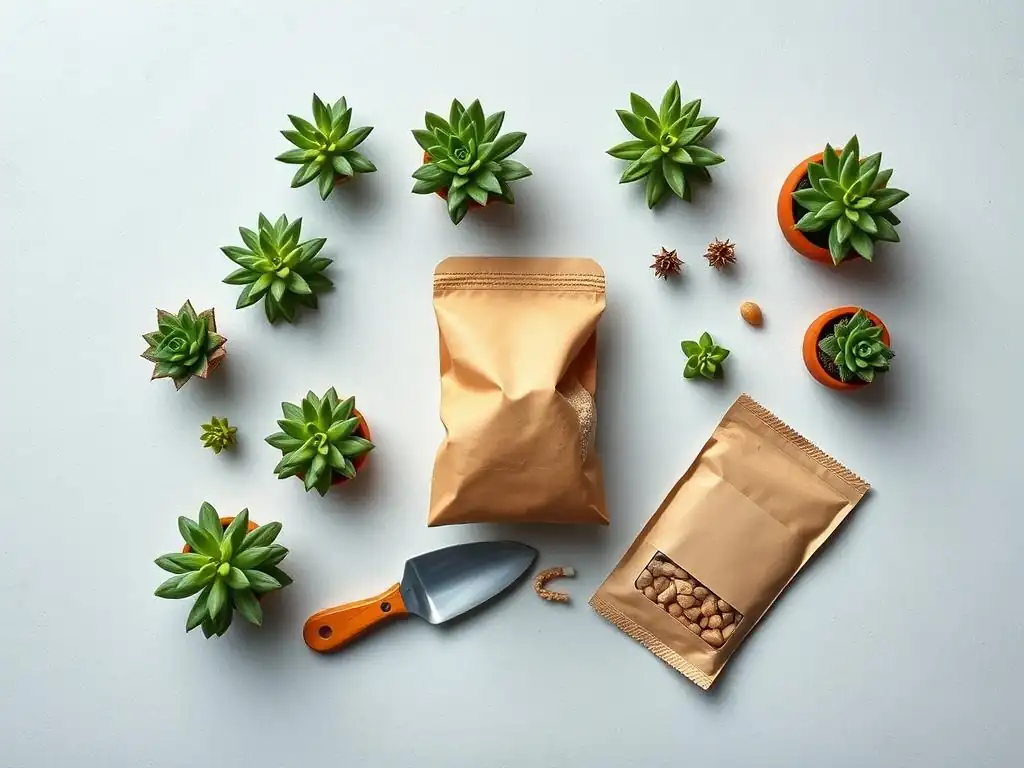
Creating a thriving succulent garden using a DIY succulent planter kit is rewarding, but success hinges on understanding the unique needs of these plants. This section provides crucial tips to ensure your succulents flourish. Proper planning and execution are key to achieving a beautiful and long-lasting display showcasing your creativity and love for these fascinating plants. Remember, even with a pre-packaged kit, a little know-how goes a long way! The right techniques will transform your DIY succulent planter kit supplies into a stunning masterpiece.
Choosing the Right Soil Mix for Succulents
Succulents, unlike many other plants, require exceptionally well-draining soil. Using standard potting soil will likely lead to root rot, a common killer of succulents. A well-draining soil mix is crucial for preventing this. Your DIY succulent planter kit may or may not include the ideal soil. If it doesn't, or if you want to improve upon what's provided, consider these options:
- Commercial Cactus and Succulent Mix: This is readily available at most garden centers and is a convenient and effective solution. Look for mixes that contain perlite, pumice, or coarse sand to ensure excellent drainage.
- DIY Soil Mix: For a more customized approach, you can create your own mix. A good ratio is often 1 part potting soil, 1 part coarse sand, and 1 part perlite. This blend balances nutrient retention with crucial drainage. You can also experiment with other inorganic materials like vermiculite or crushed granite.
- Testing Drainage: Regardless of the soil you choose, always test its drainage. Fill a small pot with the soil and water it thoroughly. If the water drains quickly and completely, your soil is suitable. If it sits on top, add more perlite or coarse sand to improve drainage. This simple test can save your succulents from a watery grave! 🌵
Preventing Overwatering: Essential Tips for Succulent Care
Overwatering is the most common mistake made when caring for succulents. These drought-tolerant plants store water in their leaves and stems, making them highly susceptible to root rot from excessive moisture. Even with your beautiful DIY succulent planter kit, overwatering can ruin your efforts.
- Watering Frequency: Water your succulents thoroughly, but infrequently. Allow the soil to dry out completely between waterings. This usually means waiting until the top inch or two of soil is dry to the touch. The frequency will depend on factors like pot size, soil type, and the ambient temperature and humidity. During winter months, watering may only be needed every few weeks, or even less frequently.
- Watering Techniques: Water deeply until water drains from the drainage holes. Avoid letting water sit in the saucer beneath the pot, as this can lead to root rot. Ensure that the water reaches the roots.
- Signs of Overwatering: Soft, mushy leaves, yellowing leaves, and a foul odor are all signs of overwatering. If you notice any of these symptoms, reduce watering immediately. If the damage is severe, you may need to repot your succulents in dry soil. Prevention is always better than cure! 💧
Maintaining Your DIY Succulent Planter for Long-lasting Beauty
With proper care, your DIY succulent planter kit can provide years of enjoyment. Regular maintenance will ensure your succulents continue to thrive and your planter remains aesthetically pleasing.
- Regular Inspection: Inspect your succulents regularly for any signs of pests, diseases, or overwatering. Early detection can help prevent serious problems.
- Pruning and Trimming: As your succulents grow, you may need to prune or trim them to maintain their shape and size. Remove any dead or damaged leaves or stems. This also encourages bushier growth.
- Repotting: Eventually, your succulents may outgrow their pots. Repotting them in larger containers will provide them with more space to grow and thrive. Use fresh, well-draining soil when repotting. This can also be a chance to refresh your planter's aesthetic appeal. 🔄
- Seasonal Adjustments: Succulents require less water during the winter months. Adjust your watering schedule accordingly to prevent overwatering during periods of dormancy. Similarly, during hotter months, they may need more frequent watering, but always make sure the soil dries out between waterings. Adapting to the changing seasons is key to maintaining their health and beauty throughout the year.
Troubleshooting Common DIY Succulent Planter Kit Issues
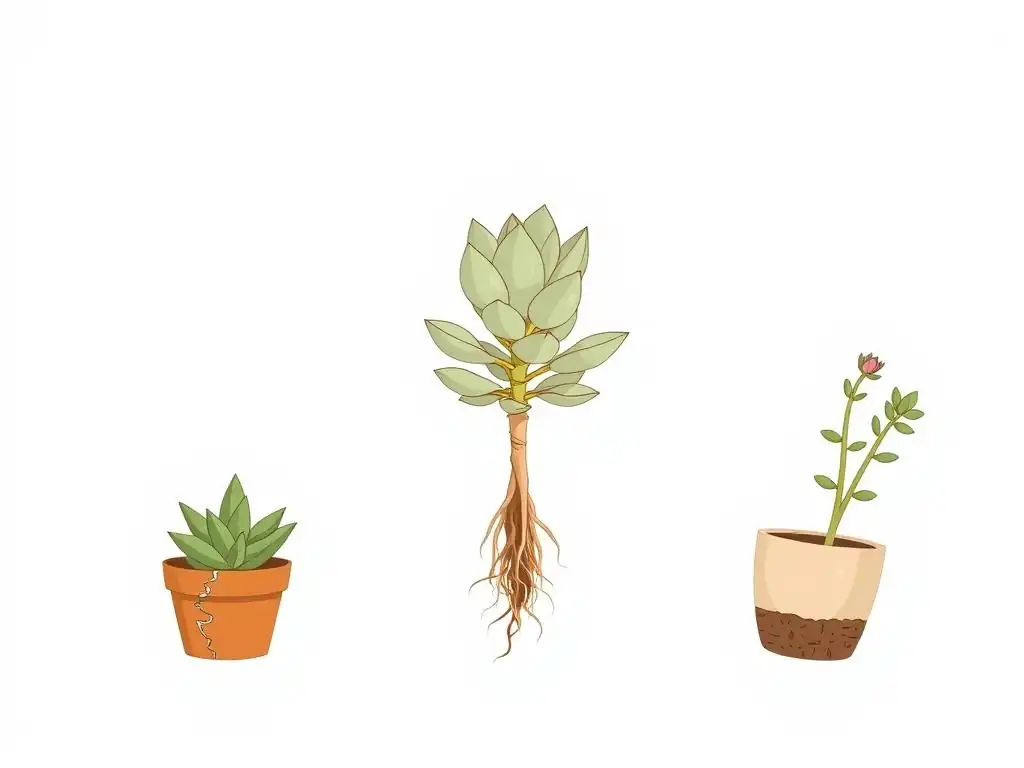
Creating a thriving DIY succulent planter is incredibly rewarding, but sometimes challenges arise. This section addresses common problems encountered when using DIY succulent planter kits and offers practical solutions to help you nurse your plants back to health. Understanding these issues and how to prevent them is key to enjoying the beauty and longevity of your succulent arrangements. We'll cover everything from dealing with root rot to revitalizing wilting plants, ensuring your DIY succulent planter kit supplies are used effectively.
Dealing with Root Rot in Your DIY Succulent Planter
Root rot, a common succulent ailment, is often caused by overwatering, poor drainage, or using a soil mix that retains too much moisture. Symptoms include mushy, dark-colored roots, and a generally unhealthy appearance of the plant itself – leaves may become yellow or brown and fall off. Preventing root rot begins with selecting the right DIY succulent planter kit supplies. Ensure your container has adequate drainage holes and use a well-draining potting mix specifically formulated for succulents. This mix typically includes elements like perlite, pumice, or coarse sand to improve aeration.
Here's a step-by-step guide to addressing root rot:
- Remove the affected plant: Carefully remove the succulent from its container.
- Inspect the roots: Gently wash away the soil to assess the extent of the damage. Cut away any mushy or dark brown roots using clean, sharp scissors or a knife. Sterilize your tools between uses with rubbing alcohol to prevent the spread of disease.
- Treat the remaining roots: Allow the roots to air dry for a few hours. You can also dip the healthy roots in a fungicide solution (following product instructions carefully) to help prevent further rot.
- Repot in fresh soil: Use a fresh, well-draining succulent potting mix. Ensure the pot has adequate drainage. Don't overwater initially; allow the soil to dry out completely between waterings.
Addressing Pests and Diseases in Your DIY Succulent Planter
While succulents are generally hardy, they can be susceptible to pests and diseases. Common culprits include mealybugs, aphids, and fungal infections. Early detection and prompt action are crucial in preventing widespread damage. Regularly inspect your plants for signs of infestation or disease.
- Mealybugs: These tiny insects appear as white, cottony masses on the stems and leaves. They can be controlled with insecticidal soap or rubbing alcohol.
- Aphids: These small, soft-bodied insects cluster on stems and leaves, sucking plant sap. A strong stream of water can dislodge them, and insecticidal soap is also effective.
- Fungal infections: These can manifest as spots or discoloration on the leaves. Good air circulation and avoiding overwatering are preventative measures. Fungal infections may require the use of a fungicide, always following the product's instructions. Proper sanitation of your DIY succulent planter kit supplies before use will also help mitigate this risk.
Remember to always identify the specific pest or disease before applying any treatment. Using the wrong treatment can sometimes worsen the problem. Early intervention is key to saving your plants. Using high-quality DIY succulent planter kit supplies that are clean and pest-free is an important first step in preventing problems.
Revitalizing a Wilting DIY Succulent Planter
A wilting succulent can indicate several issues, including underwatering, overwatering, root rot (as discussed above), or insufficient sunlight. Before taking action, carefully assess the situation.
- Underwatering: The soil will be completely dry, and the leaves will be shriveled and soft. Water thoroughly, allowing excess water to drain completely.
- Overwatering: The soil will be soggy, and the leaves may be mushy or yellow. Allow the soil to dry completely before watering again. Consider repotting if root rot is suspected.
- Insufficient Sunlight: Succulents need at least 6 hours of sunlight daily. Move your planter to a sunnier location if necessary.
If your succulent is still wilting after addressing these potential causes, carefully examine the roots for signs of root rot. If root rot is present, follow the steps outlined in the previous section. Remember that even with proper care, some succulents may naturally wilt or drop leaves during certain times of the year.
Observe your plants closely and adjust your care accordingly. Consistent monitoring and timely intervention are crucial for maintaining healthy and vibrant succulents in your DIY planter. Choosing the right DIY succulent planter kit supplies and understanding the needs of your specific succulent varieties will greatly increase your chances of success.
Beyond the Basics: Expanding Your DIY Succulent Planter Kit Skills
This section delves into advanced techniques and creative expansions for your DIY succulent planter kit projects, moving beyond basic kits and exploring personalized designs and propagation methods. We'll cover crafting bespoke gifts, designing planters from scratch, and mastering advanced propagation to maximize your succulent collection and the beauty of your creations. Remember, the key to successful DIY succulent planter kits is understanding both the plant's needs and your creative vision. Let's elevate your succulent gardening game!
Creating Custom Succulent Planter Kits as Gifts
Giving the gift of succulents is increasingly popular. Instead of simply purchasing a pre-made kit, consider assembling personalized DIY succulent planter kits tailored to the recipient's tastes and skill level. This shows thoughtfulness and allows for unique customization. Consider these aspects:
- Recipient's Skill Level: A beginner might appreciate a kit with pre-selected, easy-to-care-for succulents and clear, step-by-step instructions. An experienced succulent enthusiast might enjoy a kit with a wider variety of succulents, including rarer varieties, and more challenging planter designs.
- Personalization Touches: Add a handwritten card with care instructions, a small decorative element matching the recipient's style (e.g., a rustic charm for a farmhouse-style planter, a modern geometric tag for a minimalist design), or even a small gardening tool.
- Kit Components: Tailor the container size and type to the recipient's space and preferences. Include a variety of soil types (e.g., cactus and succulent potting mix, perlite) and decorative elements like pebbles, moss, or small figurines. Remember to clearly label each component for easy assembly.
Consider offering different kit tiers: a "Beginner's Delight" kit with common succulents and simple instructions; an "Intermediate Adventure" kit with a more diverse selection and a slightly more complex planter; and an "Expert Explorer" kit featuring rare succulents and a unique, challenging planter design. This tiered approach caters to a wide range of recipients.
Designing and Building Your Own Unique Planters from Scratch
Moving beyond pre-made containers opens up a world of creative possibilities. Designing and building your own planters allows for complete control over size, shape, style, and material. This is where your artistic vision truly shines.
Here are some ideas to get you started:
- Upcycled Materials: Repurpose old teacups, tin cans (ensure proper drainage! ), or even broken pottery into unique planters. Cleaning and preparing these materials is crucial to prevent mold and rot.
- Natural Materials: Use natural elements like wood, stone, or coconut shells to create rustic and charming planters. Ensure these materials are treated appropriately to withstand moisture.
- Concrete and Cement: These materials offer durability and a modern aesthetic. You can create simple molds using readily available materials, or purchase pre-made molds for more complex designs.
Remember to always prioritize proper drainage to prevent root rot. Drill drainage holes in any non-porous material before planting. Consider adding a layer of gravel or pebbles at the bottom of your planter to further improve drainage.
Advanced Succulent Propagation Techniques for DIY Planter Kits
Mastering succulent propagation significantly expands the possibilities for your DIY succulent planter kits. Instead of buying numerous succulents, you can propagate your existing collection, creating a sustainable and cost-effective approach.
- Leaf Propagation: This simple method involves removing healthy leaves and placing them on a well-draining medium until roots and new plantlets form. Patience is key, as this process can take several weeks or even months. Different succulent species have varying propagation success rates.
- Stem Cuttings: For succulents that grow on stems, stem cuttings are an effective propagation technique. Cuttings should be allowed to callous over before planting to prevent rot.
- Offset Propagation: Many succulents produce "offsets," or baby plants, around the base of the mother plant. These can be carefully separated and potted individually.
By mastering these propagation techniques, you can create a virtually endless supply of succulents for your DIY planter kits, allowing for greater variety and creativity in your designs. Detailed records of propagation success rates for various succulent species can significantly improve your success rate. Consider maintaining a log to track which methods work best for each type of succulent. This data will become invaluable as you expand your propagating skills.
Frequently Asked Questions
What supplies do I need for a DIY succulent planter kit?
A basic kit includes succulent plants, a suitable container (pot, bowl, etc.), well-draining potting mix, small garden tools (e.g., trowel, spoon), and optional decorative elements like pebbles or moss. Consider the size and type of succulents you're using when selecting your container and soil.
Where can I find DIY succulent planter kit supplies?
Many online retailers and local garden centers sell succulent plants, pots, and soil. You can also find decorative elements at craft stores. Consider searching online for "DIY succulent planter kit supplies" for a wider selection.
What type of potting mix is best for succulents?
Succulents thrive in well-draining soil that prevents waterlogging. A cactus and succulent potting mix is ideal, or you can amend regular potting soil with perlite or coarse sand to improve drainage. Avoid using heavy clay soils.
How do I choose the right container for my succulent arrangement?
The container should have adequate drainage holes to prevent root rot. Consider the size and growth habit of your succulents; choose a pot that's proportionally sized to avoid overcrowding. Material is less crucial, but terracotta is a popular choice.
What are some creative ideas for my DIY succulent planter kit?
Get creative! Use unique containers like teacups, old boots, or even repurposed tin cans. Incorporate decorative elements such as stones, shells, or small figurines. Explore different planting techniques like layering or creating miniature gardens within your container.
Final Reflection: Cultivating Creativity, One Succulent at a Time
The joy of crafting your own succulent planter kit extends far beyond the beautiful end result; it's a tangible expression of creativity and a connection to the natural world that resonates deeply in our increasingly digital lives. In a world saturated with mass-produced items, the act of carefully selecting each element, from the pot to the soil, fosters a sense of mindful creation and personal accomplishment. This simple act of gardening becomes a powerful antidote to the frenetic pace of modern life.
The enduring appeal of succulents, with their resilience and unique beauty, perfectly mirrors the human spirit's capacity for adaptation and growth. Their low-maintenance nature allows even the busiest individuals to experience the therapeutic benefits of nurturing life. The glory of gardening: hands in the dirt, head in the sun, heart with nature. To nurture a garden is to feed not just the body, but the soul.
This quote encapsulates the profound connection we can forge with nature through simple acts like creating our own succulent gardens, reminding us of the restorative power of the natural world.
Consider the seeds of creativity you've planted today. Will you nurture them by gathering your supplies and crafting your own unique succulent planter kit? The process itself is a journey of self-discovery, a testament to your ability to create beauty and tranquility from simple materials. Embrace the opportunity to connect with nature, to express your individuality, and to cultivate a little piece of paradise, one succulent at a time.
Unleash Your Inner Gardener: Craft Your Dream Succulent Oasis!
Thank you for exploring the world of DIY succulent planters with us! We hope you're feeling inspired and confident to create stunning container gardens. Now it's time to put your knowledge into practice.
- Craft your first succulent masterpiece: Gather your supplies and create the unique planter you envisioned. Remember those design tips – let your creativity flourish!
- Share your creation: Post a picture of your finished planter on social media and tag us – we'd love to see it! Use #SucculentEssentialsDIY.
- Explore more resources: Learn more about succulent care and design with our comprehensive guide to succulent varieties at SucculentEssentials.org.
Ready to transform your space with the vibrant beauty of succulents? What will you create next?