
The Definitive Guide to Caring for the Sensitive Pelecyphora Pseudopectinata

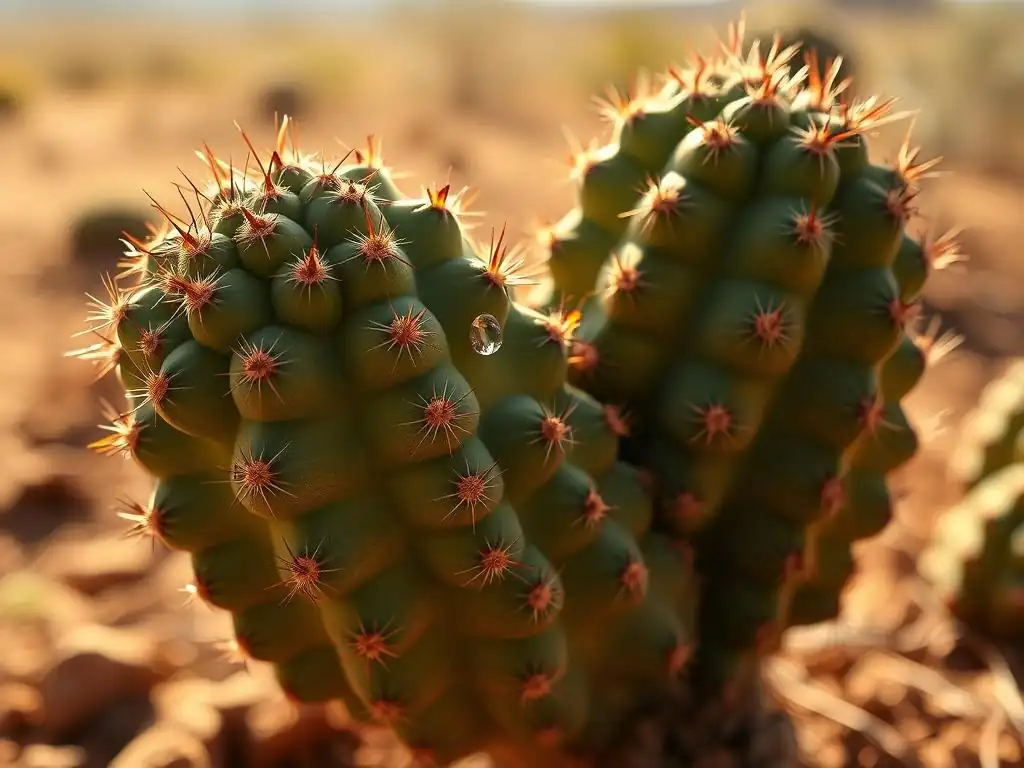
Welcome to SucculentEssentials.org, where the fascinating world of succulents unfolds! Are you ready to unlock the secrets to cultivating these resilient beauties? We'll guide you through every step, from basic care to mastering advanced techniques. But first, prepare to be captivated by our definitive guide to the notoriously sensitive Pelecyphora pseudopectinata, a rare and exquisite succulent that will challenge and reward your green thumb. Dive in and discover the secrets to its successful cultivation – your journey to succulent mastery begins now!
- Understanding Pelecyphora pseudopectinata: A Care Guide for Beginners
- Optimal Growing Conditions for Pelecyphora pseudopectinata
- Pelecyphora pseudopectinata Watering and Soil Requirements
- Nutrition and Fertilization for Pelecyphora pseudopectinata
- Propagation Methods for Pelecyphora pseudopectinata
- Pest and Disease Management for Pelecyphora pseudopectinata
- Troubleshooting Common Pelecyphora pseudopectinata Problems
- Advanced Care Tips for Pelecyphora pseudopectinata
- Pelecyphora pseudopectinata: A Collector's Perspective
-
Frequently Asked Questions
- What are the key requirements for Pelecyphora pseudopectinata's soil?
- How much sunlight does a Pelecyphora pseudopectinata need?
- How often should I water my Pelecyphora pseudopectinata?
- What is the ideal temperature range for Pelecyphora pseudopectinata?
- How do I propagate Pelecyphora pseudopectinata?
- Final Reflection: Cultivating Connection Through Conservation
- Unleash Your Inner Cactus Connoisseur!
Understanding Pelecyphora pseudopectinata: A Care Guide for Beginners
The captivating world of succulents holds many treasures, but some species present a unique challenge even for experienced cultivators. Among these prized gems is the Pelecyphora pseudopectinata, a truly remarkable succulent known for its distinctive appearance and somewhat demanding care requirements. This comprehensive guide delves into the intricacies of cultivating this sensitive yet rewarding plant, providing a detailed Pelecyphora pseudopectinata care guide for both beginners and seasoned succulent enthusiasts.
We'll explore everything from identifying its unique characteristics and differentiating it from similar species to assessing its health and ensuring its thriving growth. Mastering the art of Pelecyphora pseudopectinata care will not only enrich your succulent collection but also provide immense satisfaction in nurturing a truly special plant.
This guide aims to equip you with the knowledge and confidence to successfully cultivate this fascinating species, transforming your gardening journey into an exciting exploration of rare and beautiful succulents. Let's embark on this journey together!
Identifying Key Characteristics of Pelecyphora pseudopectinata
The Pelecyphora pseudopectinata, often called the "bishop's cap" cactus, possesses several defining features that set it apart. Its most striking characteristic is its unique tubercled body. Unlike many other cacti, the Pelecyphora pseudopectinata doesn't have prominent ribs but instead boasts a multitude of small, rounded tubercles arranged in a somewhat spiral pattern.
These tubercles, usually grey-green to bluish-green in color, are densely packed, giving the plant its distinctive, almost bumpy texture. Furthermore, the areoles (the small, cushion-like structures from which spines emerge) are inconspicuous and often bear only a few tiny, bristle-like spines or none at all. The overall shape of the plant tends to be globular or slightly columnar, depending on its age and growing conditions.
Mature specimens may develop a slightly elongated form. Observing these key characteristics will help you confidently identify your Pelecyphora pseudopectinata and distinguish it from other succulents. Remember, careful observation is crucial for proper identification and care.
Distinguishing Pelecyphora pseudopectinata from Similar Species
While Pelecyphora pseudopectinata has a unique appearance, it can sometimes be confused with other similar-looking succulents. The most common confusion arises with other members of the Pelecyphora genus, specifically Pelecyphora aselliformis. However, there are subtle but important differences. Pelecyphora aselliformis generally has larger, more pronounced tubercles and a more robust overall structure compared to the more delicate Pelecyphora pseudopectinata. Additionally, the tubercles of Pelecyphora aselliformis tend to be more sharply defined and less rounded.
Another potential point of confusion lies with some species of Mammillaria, which share a tubercled appearance. However, Mammillaria species typically exhibit more prominent spines and a different overall structure. Careful examination of tubercle size, shape, spine presence, and overall plant form will help you accurately distinguish Pelecyphora pseudopectinata from these similar species. A magnifying glass can be helpful in observing subtle differences in tubercle and areole details.
Assessing the Health of Your Pelecyphora pseudopectinata
Maintaining the health of your Pelecyphora pseudopectinata requires diligent observation. A healthy plant will exhibit a firm, plump texture with a vibrant, consistent color. Signs of distress often manifest as shriveled or wrinkled tubercles, indicating dehydration. Discoloration, such as yellowing or browning, can signal overwatering, root rot, or sunburn.
Be vigilant for any pests or diseases. Regularly check for signs of mealybugs or other common succulent pests. Soft, mushy areas are a clear indication of rot, often a result of excessive moisture. Prompt action is crucial when addressing these issues.
If you notice any signs of distress, promptly adjust your watering schedule, ensure proper drainage, and treat any infestations or diseases as needed. Regular inspection, coupled with a keen eye for detail, is paramount in ensuring the long-term health and vitality of your precious Pelecyphora pseudopectinata. Remember, prevention is key! Providing optimal growing conditions will significantly reduce the risk of health problems.
Optimal Growing Conditions for Pelecyphora pseudopectinata
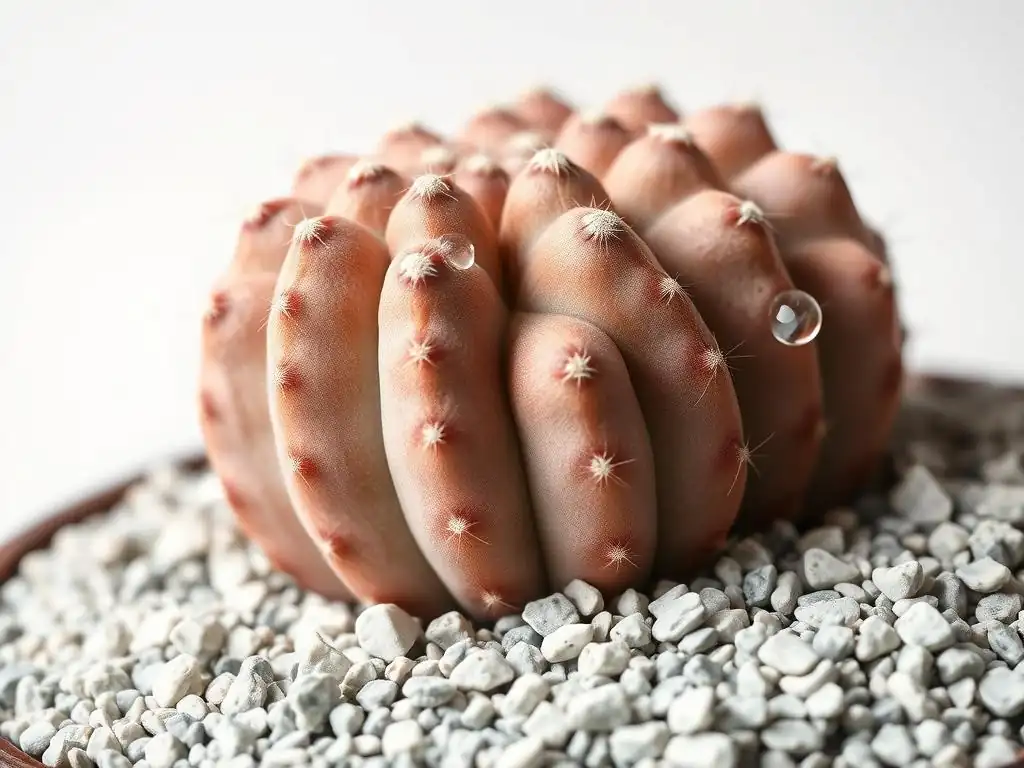
The Pelecyphora pseudopectinata, also known as the "button cactus," presents unique challenges to even experienced succulent enthusiasts. Mastering its cultivation requires a deep understanding of its specific environmental needs. This section details the optimal growing conditions to ensure your Pelecyphora pseudopectinata thrives and avoids common pitfalls. Providing the right environment is crucial for the healthy growth and longevity of this rare and fascinating succulent. Failure to meet these specific requirements often results in stunted growth or even plant death. Let's delve into the specifics.
Light Requirements for Thriving Pelecyphora pseudopectinata
Pelecyphora pseudopectinata requires bright, indirect sunlight. Direct, intense sunlight can easily scorch its delicate skin, leading to unsightly blemishes and potential damage. The ideal scenario involves providing ample light, but filtering it through a sheer curtain or placing the plant slightly away from a south-facing window (in the northern hemisphere). Observe your plant carefully; slight discoloration or signs of wilting indicate the need to adjust its position. During the winter months, when sunlight is less intense, you may need to supplement with grow lights to ensure sufficient illumination.
Remember, consistent, but not harsh, light is key to the Pelecyphora pseudopectinata's health. Think of it as a gentle sunbath, rather than a scorching midday exposure. The intensity of the light should be carefully monitored and adjusted based on seasonal changes and the plant's response. Too little light can lead to etiolation (leggy growth), while too much will result in sunburning.
Temperature Preferences and Tolerance for Pelecyphora pseudopectinata
Maintaining the correct temperature range is paramount for Pelecyphora pseudopectinata care. These succulents prefer warm temperatures during their active growing season (spring and summer), ideally between 70-85°F (21-29°C). However, they need a period of dormancy during the winter months, requiring cooler temperatures ranging from 45-55°F (7-13°C). This temperature fluctuation mimics their natural habitat and is essential for their overall health and flowering.
Sudden, drastic temperature changes should be avoided as they can stress the plant. Protecting your Pelecyphora pseudopectinata from frost is absolutely crucial; temperatures below freezing will likely kill the plant. Consider carefully where you place your plant to ensure it's shielded from extreme temperature fluctuations, both hot and cold. Proper temperature control significantly contributes to the success of cultivating this sensitive succulent.
Humidity Levels Ideal for Pelecyphora pseudopectinata Cultivation
Unlike many other succulents, Pelecyphora pseudopectinata does not tolerate high humidity. High humidity can lead to fungal diseases and rot, which can quickly decimate the plant. Aim for a low-humidity environment, ideally around 30-40%. Good air circulation is also vital to prevent moisture buildup around the plant.
Avoid placing your Pelecyphora pseudopectinata in areas with poor ventilation, such as bathrooms or kitchens where humidity tends to be higher. A well-ventilated space will help maintain optimal humidity levels and prevent the development of harmful fungal infections. Remember, proper air circulation is just as important as maintaining low humidity for the long-term health of your Pelecyphora pseudopectinata. Regular monitoring of humidity levels and air circulation is a crucial aspect of successful cultivation.
Pelecyphora pseudopectinata Watering and Soil Requirements
The Pelecyphora pseudopectinata, often called the "bishop's cap" cactus, presents unique challenges for even experienced succulent enthusiasts. Its slow growth and sensitive nature necessitate a precise approach to watering and soil selection. Mastering these aspects is crucial for successful cultivation and enjoying the beauty of this rare and fascinating plant. This section delves into the specifics of providing optimal conditions for your Pelecyphora pseudopectinata, ensuring its health and longevity. Understanding its specific needs will significantly improve your chances of success with this challenging but rewarding succulent.
Watering Techniques for Pelecyphora pseudopectinata: Avoiding Overwatering
Overwatering is the single biggest threat to the Pelecyphora pseudopectinata. Its shallow root system is easily prone to rot if exposed to excessive moisture. Therefore, a "less is more" approach is essential. Instead of adhering to a strict watering schedule, focus on the condition of the soil. Water thoroughly only when the soil is completely dry, allowing it to dry out completely between waterings. This might mean watering only once or twice a month, depending on the climate and season.
During the winter months (typically November to March), significantly reduce watering frequency, perhaps watering only once every 4-6 weeks, or even less if the environment is particularly cool and dry. Always check the soil moisture level before watering; stick your finger about an inch into the soil – if it feels dry, it's time to water. Remember, under-watering is far preferable to overwatering with this species. Signs of overwatering include soft, mushy stems and a foul odor.
Further Considerations:
The intensity of sunlight also impacts watering needs. Plants receiving more intense sunlight will dry out faster and require more frequent watering (though still infrequent compared to other succulents).
Avoid getting water on the plant itself, especially the crown, as this can lead to rot. Water directly onto the soil, ensuring even saturation.
Selecting the Perfect Soil Mix for Pelecyphora pseudopectinata
Proper drainage is paramount for Pelecyphora pseudopectinata health. The soil mix should be exceptionally well-draining to prevent waterlogging and root rot. A commercially available cactus and succulent potting mix can serve as a good base, but it's often beneficial to amend it further to enhance drainage.
Consider adding extra inorganic components such as:
- Pumice: Provides excellent drainage and aeration.
- Perlite: Another excellent drainage amendment that also helps retain some moisture.
- Coarse sand: Improves drainage and aeration but should be used sparingly to avoid compaction.
A good ratio might be 50% cactus and succulent mix, 25% pumice, and 25% perlite. Avoid using garden soil, as it retains too much moisture and lacks the necessary drainage for this sensitive species. The goal is a gritty, airy mix that allows water to drain quickly and prevents the roots from sitting in wet conditions. The soil should feel light and loose to the touch.
Potting and Repotting Your Pelecyphora pseudopectinata: A Step-by-Step Guide
Repotting your Pelecyphora pseudopectinata is typically necessary only every 2-3 years, or when the plant becomes root-bound. This delicate process requires careful handling to avoid damaging the plant's sensitive roots and stem.
Here's a step-by-step guide:
- Choose the right pot: Select a well-draining pot, slightly larger than the previous one. Terracotta pots are ideal due to their porosity, which aids in evaporation and prevents overwatering.
- Prepare the soil: Use the well-draining soil mix described above.
- Gently remove the plant: Carefully remove the plant from its old pot, trying to avoid disturbing the root ball as much as possible. If the roots are tightly bound, gently loosen them with your fingers.
- Inspect the roots: Check for any signs of rot or damage. Remove any decaying roots with clean, sharp scissors.
- Plant in the new pot: Place the plant in the new pot, ensuring the crown is slightly above the soil level. Fill the pot with the prepared soil mix, gently packing it around the base of the plant.
- Water sparingly: After repotting, wait a week or two before watering to allow any damaged roots to heal and prevent rot.
This detailed approach to watering, soil selection, and repotting will significantly increase your chances of successfully cultivating this unique and rewarding succulent. Remember, patience and careful observation are key to the successful cultivation of Pelecyphora pseudopectinata.
Nutrition and Fertilization for Pelecyphora pseudopectinata
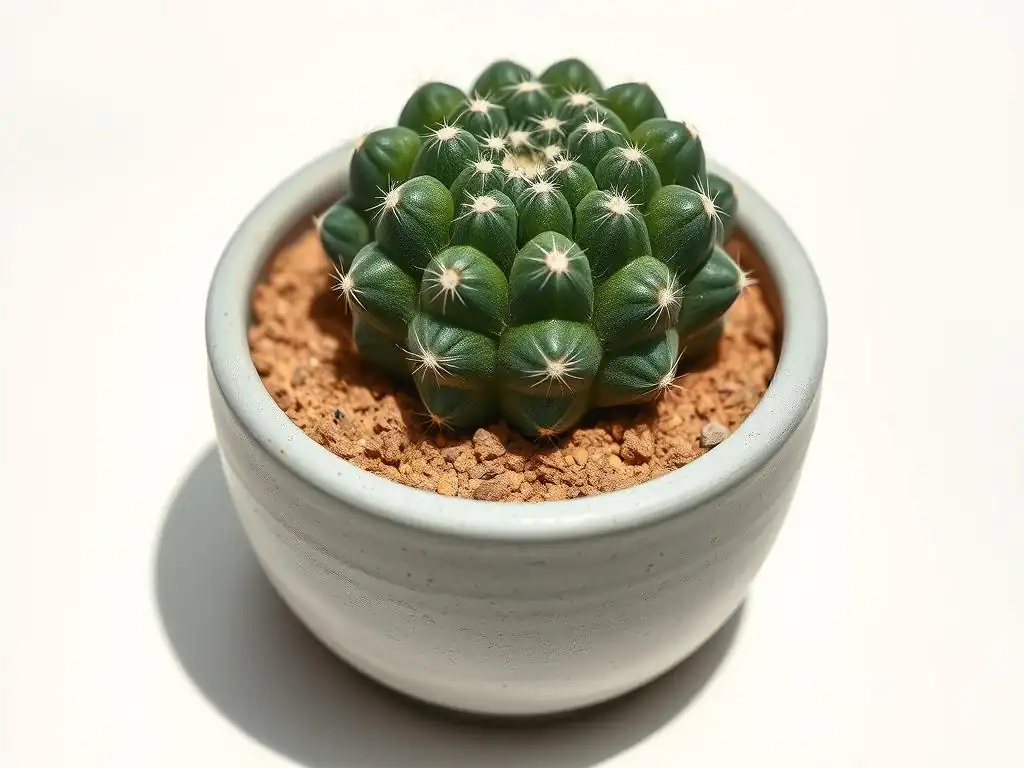
The Pelecyphora pseudopectinata, with its unique button-like appearance, presents specific challenges in cultivation. Understanding its nutritional needs is crucial for successful growth and preventing common issues. Unlike many succulents that tolerate infrequent feeding, the Pelecyphora pseudopectinata benefits from a carefully balanced fertilization program, particularly during its active growing season. Over-fertilizing, however, can be equally detrimental, leading to root burn and potentially fatal damage.
Choosing the Right Fertilizer for Pelecyphora pseudopectinata
Selecting the appropriate fertilizer is paramount. Avoid fertilizers high in nitrogen, as this can promote leggy growth and weaken the plant's structure. Instead, opt for a balanced, slow-release formula specifically designed for cacti and succulents. The ideal NPK ratio should be closer to a balanced 1-1-1 or a slightly higher phosphorus content (e.g., 1-2-1) to encourage robust root development and flowering.
Look for fertilizers with added micronutrients like magnesium and calcium, essential for healthy growth and overall plant vigor. Organic cactus fertilizers are also a viable option, offering a gentler approach to feeding and improving soil structure. Remember to always dilute the fertilizer to half the recommended strength on the packaging to prevent over-fertilization, especially for Pelecyphora pseudopectinata, which is sensitive to excess salts.
Fertilizing Schedule for Optimal Growth and Health
The Pelecyphora pseudopectinata's growth period typically coincides with warmer months. Therefore, fertilization should be focused on the spring and summer seasons. A good rule of thumb is to fertilize every 4-6 weeks during this period. Reduce the frequency to once every 8-10 weeks or even cease fertilization entirely during the dormant winter months when growth slows significantly.
Over-fertilizing during dormancy can stress the plant and make it more susceptible to diseases and pests. Always water the plant thoroughly before and after fertilizing to ensure the nutrients are properly absorbed and prevent salt buildup in the soil. Consistent monitoring of the plant's growth and overall health is crucial; adjust the fertilization schedule based on its response. Observe for signs of vigorous growth or any signs of nutrient deficiency (discussed below) to fine-tune your fertilization approach.
Recognizing Signs of Nutrient Deficiency in Pelecyphora pseudopectinata
Nutrient deficiencies can manifest in various ways in Pelecyphora pseudopectinata. While less common than over-fertilization issues, recognizing these signs early is vital for corrective action. Signs of phosphorus deficiency might include stunted growth and a lack of flowering. A potassium deficiency may lead to weak stems and reduced overall plant vigor. Magnesium deficiency can cause yellowing between the veins of the plant's body.
If you observe any of these symptoms, consider adjusting your fertilizer, potentially supplementing with a specific micronutrient solution following the manufacturer's instructions. Always err on the side of caution and avoid over-correcting. A gradual approach, combined with careful observation, is crucial for successful Pelecyphora pseudopectinata care. Remember that proper watering techniques are just as important as fertilization for optimal plant health and should not be overlooked.
Propagation Methods for Pelecyphora pseudopectinata
The propagation of Pelecyphora pseudopectinata, a highly sought-after succulent, presents unique challenges due to its slow growth and specific environmental needs. Successful propagation requires patience, precision, and a deep understanding of the plant's requirements. This section details the two primary methods: seed propagation and offset propagation. Mastering these techniques is crucial for any serious Pelecyphora pseudopectinata enthusiast aiming to expand their collection or share this rare beauty. The success rate can vary, but with careful attention to detail, you can significantly improve your chances.
Seed Propagation of Pelecyphora pseudopectinata: A Detailed Guide
Seed propagation of Pelecyphora pseudopectinata is a rewarding but demanding process. Obtaining viable seeds is the first hurdle. Seeds are often obtained from specialized nurseries or through exchanges within succulent communities. Once acquired, the following steps are crucial:
- Seed Starting Mix: Utilize a well-draining, sterile seed-starting mix. A blend of fine pumice, perlite, and a small amount of well-rotted compost works well. Avoid using garden soil, as it can harbor pathogens detrimental to the delicate seedlings.
- Sowing: Sow the seeds thinly and evenly onto the surface of the prepared mix. Do not bury them deeply; light is essential for germination. Gently mist the surface with water to prevent seed displacement.
- Humidity and Temperature: Maintain high humidity, ideally using a humidity dome or covering the container with clear plastic wrap. A warm environment (around 70-75°F or 21-24°C) is also crucial for successful germination. Consistent warmth is key; fluctuating temperatures can hinder germination.
- Light: Provide bright, indirect light. Avoid direct sunlight, which can scorch the delicate seedlings. A south-facing window with filtered light is ideal.
- Watering: Water sparingly, only when the surface of the mix feels completely dry. Overwatering is a common cause of damping-off, a fungal disease that can decimate seedlings.
- Patience: Germination can take several weeks, or even months, depending on seed viability and environmental conditions. Be patient and persistent; the slow growth of Pelecyphora pseudopectinata is reflected in its propagation as well.
Challenges and Solutions in Seed Propagation of Pelecyphora pseudopectinata
Several challenges can arise during seed propagation:
- Damping-off: This fungal disease is a significant threat to seedlings. Maintaining good air circulation and avoiding overwatering are crucial preventative measures. If damping-off occurs, remove affected seedlings immediately to prevent further spread. Using a fungicide may be necessary in severe cases.
- Slow Germination: The slow germination rate is inherent to the species. Patience is key. Ensure optimal conditions (temperature, humidity, and light) to encourage germination.
- Seed Viability: Not all seeds are viable. Purchasing seeds from reputable sources significantly increases the chances of success.
| Challenge | Solution |
|---|---|
| Damping-off | Good air circulation, avoid overwatering, remove affected seedlings, fungicide |
| Slow Germination | Optimize temperature, humidity, and light |
| Low Seed Viability | Purchase seeds from reputable sources |
Successful Offsets Propagation Techniques for Pelecyphora pseudopectinata
Pelecyphora pseudopectinata occasionally produces offsets, or "pups," which can be separated and grown into independent plants. This method is generally easier than seed propagation, but offsets are less frequent.
- Separation: Carefully separate offsets from the mother plant using a clean, sharp knife or scalpel. Ensure each offset has a portion of its own root system. Allow the cuttings to callus over for a few days in a dry, shaded location.
- Planting: Plant the offsets in a well-draining succulent potting mix. Water sparingly after planting, allowing the soil to dry completely between waterings.
- Care: Provide bright, indirect light and avoid overwatering. The offsets will require the same careful attention as mature plants, with a focus on consistent moisture and protection from extreme temperatures. The growth rate of the offsets, like the seeds, will be slow but steady. Patience remains a virtue!
The successful propagation of Pelecyphora pseudopectinata, whether through seed or offset, is a testament to the grower's dedication and skill. Remember that consistency in care and a keen understanding of the plant's needs are paramount. The rewards of successfully propagating this unique succulent are well worth the effort.
Pest and Disease Management for Pelecyphora pseudopectinata
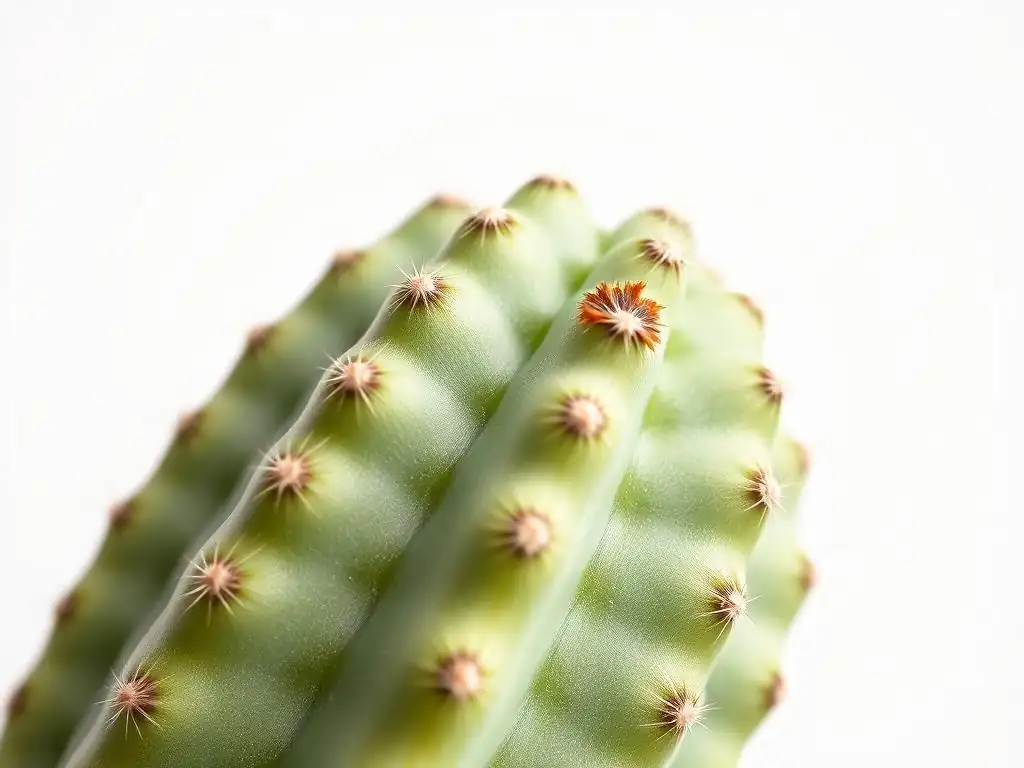
The Pelecyphora pseudopectinata, with its unique, button-like appearance, presents specific challenges in pest and disease management. Its slow growth and delicate structure make it particularly vulnerable to certain threats. Understanding these vulnerabilities and implementing proactive preventative measures is crucial for maintaining the health and longevity of your Pelecyphora pseudopectinata collection. This section details common pests, diseases, and preventative strategies for this fascinating succulent.
Common Pests Affecting Pelecyphora pseudopectinata and Control Methods
Several pests can target Pelecyphora pseudopectinata, often attracted by its succulent tissues. These include:
- Mealybugs: These small, cottony insects are a common problem. They suck sap from the plant, causing stunted growth and yellowing. Early detection is key. Manual removal with a cotton swab dipped in rubbing alcohol is effective for small infestations. For larger infestations, consider using insecticidal soap or neem oil, ensuring to thoroughly coat the plant but avoiding over-saturation which could lead to rot. Always test a small area first to check for any adverse reactions.
- Aphids: Similar to mealybugs, aphids feed on plant sap. They are often found clustered on new growth. Again, manual removal is possible for small infestations. Strong water sprays can dislodge them. Insecticidal soap is also an effective treatment.
- Spider mites: These tiny arachnids create fine webbing on the plant, sucking sap and causing discoloration. Regular inspection is crucial. Miticides, available at garden centers, can be used to control spider mite infestations. Increasing humidity around the plant can help deter their presence.
| Pest | Symptoms | Control Methods |
|---|---|---|
| Mealybugs | White, cottony masses; stunted growth | Manual removal, rubbing alcohol, insecticidal soap, neem oil |
| Aphids | Yellowing, distorted growth; sticky residue | Manual removal, strong water spray, insecticidal soap |
| Spider mites | Fine webbing; yellowing, stippling | Miticides, increased humidity |
Remember to always follow the manufacturer's instructions when using any pesticide or miticide. Overuse can harm the plant and potentially create resistance in the pests.
Recognizing and Treating Diseases in Pelecyphora pseudopectinata
Pelecyphora pseudopectinata is susceptible to several fungal and bacterial diseases, primarily stemming from improper watering and poor drainage.
- Root rot: This is a common problem caused by overwatering or poorly draining soil. The roots become mushy and brown, and the plant may wilt. Prevention is crucial; use a well-draining potting mix and water sparingly. If root rot occurs, carefully remove affected roots and repot the plant in fresh, dry soil. Consider using a fungicide as a preventative measure.
- Stem rot: Similar to root rot, stem rot is caused by excessive moisture. The stem becomes soft and discolored. Again, proper watering and well-draining soil are essential for prevention. If stem rot develops, it's often difficult to treat effectively.
- Fungal leaf spots: These appear as brown or black spots on the plant's surface. Good air circulation and avoiding overhead watering can help prevent this. A fungicide may be used in severe cases.
The early detection of any disease is paramount. Regular inspection will allow for prompt intervention, increasing the chances of successful treatment. Remember that a healthy plant is far more resistant to disease.
Preventing Pests and Diseases in Your Pelecyphora pseudopectinata Collection
Proactive measures are far more effective than reactive treatments. These preventative strategies are vital for maintaining a healthy Pelecyphora pseudopectinata collection:
- Proper watering: Water only when the soil is completely dry. Avoid overhead watering to minimize the risk of fungal diseases.
- Well-draining soil: Use a well-draining cactus and succulent potting mix to prevent root rot.
- Good air circulation: Ensure adequate air circulation around your plants to prevent fungal growth.
- Quarantine new plants: Isolate new plants for several weeks to observe for any signs of pests or diseases before introducing them to your main collection.
- Regular inspection: Regularly inspect your plants for any signs of pests or diseases. Early detection is key to successful treatment.
By following these guidelines, you can significantly reduce the risk of pest and disease problems, ensuring the health and vibrancy of your precious Pelecyphora pseudopectinata collection for years to come. Remember, patience and meticulous care are vital for successfully cultivating this challenging but rewarding succulent.
Troubleshooting Common Pelecyphora pseudopectinata Problems
The Pelecyphora pseudopectinata, with its unique tubercles and slow growth, presents specific challenges for even experienced succulent enthusiasts. While relatively hardy once established, this species is susceptible to certain problems if its specific needs aren't met. Understanding these issues and how to address them is crucial for successfully cultivating this fascinating succulent. This section focuses on identifying and resolving common Pelecyphora pseudopectinata issues, ensuring the longevity and beauty of your plant.
Addressing Yellowing or Browning of Pelecyphora pseudopectinata
Yellowing or browning of the Pelecyphora pseudopectinata's tubercles is often a sign of stress. This can stem from several factors, including:
- Overwatering: This is the most frequent culprit. Pelecyphora pseudopectinata requires infrequent watering, especially during dormancy. Overwatering leads to root rot, which subsequently manifests as discoloration above ground.
- Sunburn: While they appreciate bright light, intense, direct midday sun can scorch the delicate tubercles, causing browning.
- Nutrient deficiencies: While not as common, a lack of essential nutrients can contribute to yellowing. This is less likely if you're using a well-balanced succulent fertilizer.
- Pest infestation: Though less common, mealybugs or other pests can cause discoloration and damage. Closely inspect your plant for any signs of infestation.
To address yellowing or browning:
- Assess watering habits: Ensure you are only watering when the soil is completely dry. Feel the soil several centimeters down; if it's still moist, wait longer before watering again. Consider using a well-draining potting mix specifically formulated for cacti and succulents.
- Adjust sun exposure: If sunburn is suspected, gradually acclimate the plant to brighter light, avoiding direct midday sun, especially during the hottest months. Consider providing some shade during the peak sun hours.
- Fertilize (sparingly): Use a balanced, diluted succulent fertilizer during the growing season (spring and summer) following package instructions carefully. Avoid over-fertilizing, as this can also cause problems.
- Inspect for pests: Treat any pest infestations promptly with an appropriate insecticide.
Remember, patience is key. Even with proper care, Pelecyphora pseudopectinata is a slow grower, and recovery from stress can take time.
Dealing with Root Rot in Pelecyphora pseudopectinata
Root rot, caused by excessive moisture, is a significant threat to Pelecyphora pseudopectinata. Symptoms include mushy, dark-colored roots and a generally unhealthy appearance of the plant above ground, often accompanied by yellowing or browning.
If root rot is suspected:
- Remove the plant from its pot: Carefully inspect the roots. Any soft, dark, or mushy roots should be pruned away with clean, sterilized scissors or a knife.
- Treat with fungicide: Apply a fungicide to the pruned roots to prevent further infection.
- Repot in fresh, well-draining soil: Use a cactus and succulent potting mix, ensuring excellent drainage. The pot should have drainage holes.
- Adjust watering: Water sparingly after repotting, allowing the soil to dry completely between waterings.
Prevention is crucial. Using a well-draining potting mix and avoiding overwatering are the best ways to prevent root rot.
Reviving a Stressed or Dying Pelecyphora pseudopectinata
A severely stressed or dying Pelecyphora pseudopectinata requires immediate attention. If the plant shows significant signs of decline (e.g., extensive shrivelling, complete discoloration, or significant root rot), the following steps may be necessary:
- Assess the damage: Carefully examine the plant to determine the extent of the damage. If root rot is present, follow the steps outlined above.
- Improve growing conditions: Ensure the plant is receiving adequate, but not excessive, sunlight and is in a well-draining potting mix.
- Provide controlled humidity: While Pelecyphora pseudopectinata prefers dry conditions, a slightly humid environment can aid recovery. Consider a humidity tray or humidifier, but ensure good air circulation to avoid fungal issues.
- Patience and Observation: Recovery may take considerable time. Monitor the plant closely, adjusting care as needed. If there's no improvement after several weeks, it might unfortunately be beyond saving.
Remember, consistent observation and proactive care are crucial for the successful cultivation of Pelecyphora pseudopectinata. By understanding its specific needs and addressing problems promptly, you can enjoy the unique beauty of this challenging yet rewarding succulent for years to come. Careful monitoring and prompt action are key to preventing serious issues and ensuring the health of your Pelecyphora pseudopectinata.
Advanced Care Tips for Pelecyphora pseudopectinata
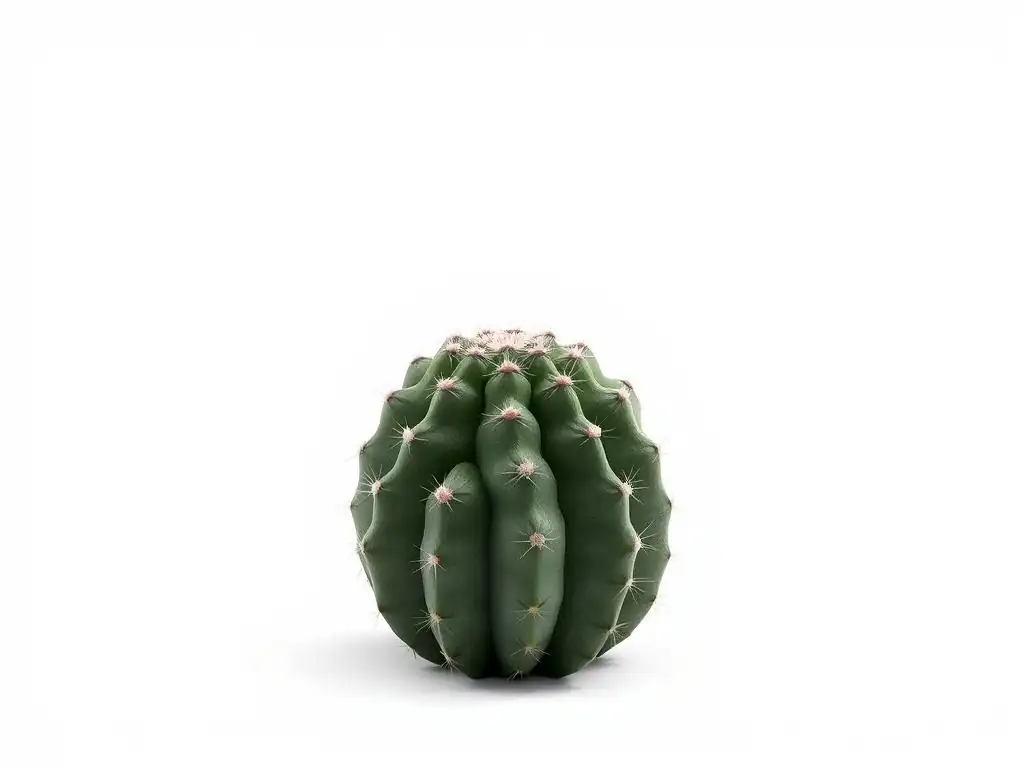
This section delves into nuanced aspects of Pelecyphora pseudopectinata care, moving beyond the basics to ensure optimal health and longevity for this challenging yet rewarding succulent. We'll explore creating the perfect microclimate, navigating the crucial winter dormancy period, and implementing long-term strategies for sustained growth and vibrancy. Mastering these techniques will significantly increase your chances of successfully cultivating this unique and highly prized species.
Creating the Ideal Microclimate for Pelecyphora pseudopectinata
Pelecyphora pseudopectinata, with its distinctive tubercles and slow growth, thrives in highly specific conditions. Mimicking its native habitat is key to its successful cultivation. This involves carefully managing temperature, humidity, and airflow.
Firstly, temperature is paramount. These succulents prefer warm temperatures during their active growing season (spring and summer), ideally between 70-85°F (21-29°C). However, sudden temperature fluctuations should be avoided. Consistent warmth is more important than extreme heat.
Secondly, humidity should be kept relatively low. High humidity can lead to fungal diseases, a significant threat to Pelecyphora pseudopectinata. Good air circulation is crucial in preventing this. Consider placing your plant in a well-ventilated area, or using a small fan on low speed to gently circulate the air around it.
Finally, light is another critical factor. While Pelecyphora pseudopectinata appreciates bright, indirect sunlight, avoid exposing it to harsh, direct sunlight, especially during the hottest part of the day. Too much sun can scorch its delicate skin, leading to unsightly blemishes and potentially hindering growth. A lightly shaded location, or filtered sunlight through a sheer curtain, is generally ideal. Observe your plant closely; if you notice any signs of sunburn (yellowing or browning), adjust its position accordingly.
Winter Care for Pelecyphora pseudopectinata: Dormancy and Protection
Winter care for Pelecyphora pseudopectinata centers around respecting its natural dormancy period. During the colder months (autumn and winter), the plant's growth slows dramatically, and it requires different care than during the active growing season.
Maintaining a cooler temperature, ideally between 50-60°F (10-15°C), is crucial during dormancy. Avoid exposing the plant to freezing temperatures, as this can cause irreversible damage. Water sparingly, or not at all, during this period. Overwatering during dormancy can lead to root rot, a common problem for this sensitive species.
Protecting your Pelecyphora pseudopectinata from excessive moisture is paramount during winter. Ensure good air circulation to prevent humidity buildup, which can encourage fungal growth. A dry, cool environment is the key to successfully navigating the winter dormancy period. Regularly inspect your plant for any signs of disease or pest infestation, addressing any issues promptly.
Long-Term Care Strategies for Healthy Pelecyphora pseudopectinata Growth
Long-term success with Pelecyphora pseudopectinata requires a consistent and attentive approach. Here are some key strategies for maintaining healthy growth over the years:
- Repotting: Repotting should only be done when necessary, typically every 2-3 years, or when the plant becomes root-bound. Use a well-draining cactus and succulent potting mix to prevent waterlogging. Choose a pot that is only slightly larger than the previous one.
- Fertilizing: Fertilize sparingly, using a balanced, diluted cactus fertilizer only during the active growing season (spring and summer). Avoid over-fertilizing, as this can damage the plant's delicate root system.
- Pest and Disease Control: Regularly inspect your Pelecyphora pseudopectinata for signs of pests such as mealybugs or spider mites. Address any infestations promptly using appropriate insecticides or natural remedies. Good air circulation and proper watering techniques can help prevent fungal diseases.
- Propagation: Propagation is challenging but possible through seed or offsets. Seeds require specific germination conditions, while offsets (pups) can be carefully separated and planted once they have developed a good root system. Patience and attention to detail are crucial for successful propagation.
By diligently following these advanced care tips, you can significantly increase your chances of successfully cultivating and enjoying the unique beauty of Pelecyphora pseudopectinata for years to come. Remember, consistent observation and a keen understanding of the plant's needs are essential for its long-term health and vibrancy. Patience is key; this slow-growing succulent rewards careful and dedicated care.
Pelecyphora pseudopectinata: A Collector's Perspective
This section delves into the unique appeal of Pelecyphora pseudopectinata, a succulent that captivates collectors with its unusual appearance and challenging cultivation. Understanding its nuances is key to successful Pelecyphora pseudopectinata care. This guide provides insights beyond basic needs, focusing on the aspects that truly set this species apart. We'll explore its rarity, ideal display methods, and where to find further information for enthusiasts.
Rarity and Value of Pelecyphora pseudopectinata
The Pelecyphora pseudopectinata, often called the "bishop's cap" cactus, is highly prized among succulent enthusiasts due to its rarity and unique aesthetic qualities. Its slow growth rate and specific environmental needs contribute to its limited availability. Finding healthy, established specimens can be challenging, driving up their value in specialized plant markets.
The price can vary significantly depending on the size, age, and overall health of the plant. Larger, older specimens with well-developed tubercles command higher prices, reflecting years of careful cultivation. Furthermore, the presence of flowers, a rare occurrence, significantly increases a plant's value.
Collectors often seek out plants with exceptional characteristics, such as unusually pronounced tubercles or vibrant coloration, further driving up the price. While precise pricing data is difficult to obtain due to the fluctuating nature of the collector's market, it's safe to say that a mature, healthy Pelecyphora pseudopectinata represents a significant investment for serious succulent collectors. The rarity of this species also makes it a coveted addition to any specialized succulent collection.
Displaying and Showcasing Your Pelecyphora pseudopectinata Collection
Showcasing your Pelecyphora pseudopectinata requires a thoughtful approach that balances aesthetic appeal with the plant's specific needs. Because of its slow growth and relatively small size, it's best displayed in a setting that allows for close observation of its intricate details. Here are some display ideas:
- Individual Pots: Small, shallow pots made of terracotta or unglazed ceramic are ideal. These materials allow for better drainage and airflow, crucial for preventing root rot.
- Miniature Succulent Gardens: Creating a miniature garden with other slow-growing, similarly sized succulents can highlight the Pelecyphora pseudopectinata's unique texture and form. Choose companion plants with contrasting textures or colors to enhance the overall visual impact.
- Elevated Displays: Using small stands or risers can bring the plant to eye level, allowing for a closer examination of its delicate tubercles. This is especially effective when showcasing multiple specimens.
- Terrariums (with caution): While terrariums might seem appealing, they are not ideal for Pelecyphora pseudopectinata due to its need for excellent ventilation and sunlight. Only consider a terrarium if you can guarantee sufficient air circulation and light penetration.
Remember, proper lighting is crucial. Avoid placing your Pelecyphora pseudopectinata in direct sunlight, especially during the hottest part of the day, as this can scorch its delicate surface.
Resources for Pelecyphora pseudopectinata Enthusiasts
Finding reliable information on Pelecyphora pseudopectinata can be challenging. However, several avenues exist for dedicated enthusiasts to expand their knowledge:
- Specialized Succulent Forums: Online forums dedicated to cacti and succulents often have threads discussing the cultivation of rare and challenging species, including Pelecyphora pseudopectinata. These forums provide a platform to connect with experienced growers, share tips, and troubleshoot issues.
- Botanical Gardens and Research Institutions: Many botanical gardens and research institutions specialize in cacti and succulents. Contacting their experts directly may yield valuable information on cultivation techniques and research findings.
- Rare Plant Nurseries: Nurseries specializing in rare and unusual plants are a good source of information and potentially, healthy specimens. However, be prepared for higher prices compared to more common succulents.
- Books on Cacti and Succulents: While specific books dedicated solely to Pelecyphora pseudopectinata are scarce, comprehensive guides on cacti and succulents often include information on this species, providing valuable context within a broader framework.
The journey of cultivating Pelecyphora pseudopectinata is a rewarding one for those willing to dedicate the time and attention this unique plant requires. By understanding its specific needs and utilizing the available resources, enthusiasts can successfully grow and appreciate this rare and fascinating succulent.
Frequently Asked Questions
What are the key requirements for Pelecyphora pseudopectinata's soil?
The soil must be well-draining and porous. A mix of cactus potting soil, pumice, and perlite is ideal to prevent root rot, a common problem for this species.
How much sunlight does a Pelecyphora pseudopectinata need?
This succulent thrives in bright, indirect sunlight. Avoid direct, intense sun, which can scorch its delicate skin. A few hours of morning sun is usually sufficient.
How often should I water my Pelecyphora pseudopectinata?
Water infrequently, only when the soil is completely dry. Overwatering is detrimental; allow the soil to dry out thoroughly between waterings to prevent root rot.
What is the ideal temperature range for Pelecyphora pseudopectinata?
Maintain temperatures between 65-80°F (18-27°C). Protect it from extreme temperatures, both hot and cold, which can damage or kill the plant.
How do I propagate Pelecyphora pseudopectinata?
Propagation is best achieved through seeds. Cuttings are difficult and less successful due to the plant's sensitive nature. Ensure seeds are sown in well-draining soil.
Final Reflection: Cultivating Connection Through Conservation
The meticulous care required for the Pelecyphora pseudopectinata mirrors the delicate balance needed to protect our planet's biodiversity. This seemingly small cactus, with its unique and captivating appearance, serves as a potent symbol of the responsibility we bear towards the natural world. Its survival, like that of countless other species, depends on our understanding and commitment to responsible stewardship.
The journey of learning to cultivate this rare and beautiful plant has been profoundly enriching, not just in terms of horticultural knowledge, but also in fostering a deeper appreciation for the interconnectedness of life. It's a humbling experience to realize the intricate web of factors that contribute to the health and well-being of even a single organism. The care of the earth is our most ancient and most worthy, and after all our other skills, our most beautiful and difficult art.
- Wendell Berry. This quote resonates deeply, highlighting the artistry and responsibility inherent in nurturing life, whether it's a tiny cactus or a vast ecosystem.
Now, consider your own role in conservation. What small steps can you take to contribute to the preservation of our planet's biodiversity? Perhaps it's learning more about native plants in your region, supporting sustainable practices, or simply cultivating a greater awareness of the delicate balance that sustains us all. Let the Pelecyphora pseudopectinata, in its quiet resilience, inspire you to become a more conscious and active participant in the ongoing effort to protect the natural world. The future of these remarkable plants, and countless others, depends on our collective action.
Unleash Your Inner Cactus Connoisseur!
Thank you for exploring the fascinating world of the Pelecyphora pseudopectinata! We hope you feel confident in your ability to nurture this unique succulent. Ready to put your knowledge into practice?
- Create the perfect environment: Carefully consider your plant's needs for light, soil, and water, making adjustments as necessary to create the ideal conditions. Document your progress with photos!
- Share your success: Show off your thriving Pelecyphora on social media using #SucculentEssentials and #PelecyphoraPower. Let's build a community of passionate cactus lovers!
- Discover more: Explore our extensive collection of succulent care guides at SucculentEssentials.org – you might find your next favorite plant!
What challenges and triumphs have you experienced while caring for your Pelecyphora, and how did you overcome them? Let's share our experiences!