
Preventing Pests on Succulents: Natural Care Tips

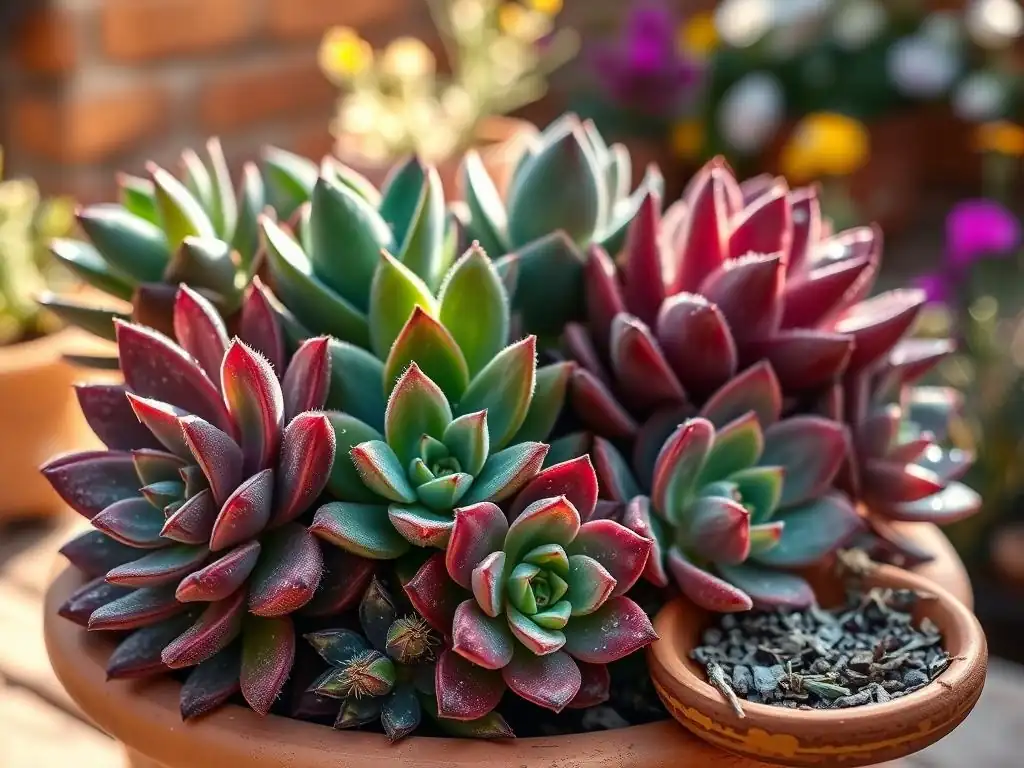
Welcome to SucculentEssentials.org, your gateway to the captivating world of succulents! Are you ready to unlock the secrets to thriving, pest-free succulent gardens? We delve into the fascinating realm of natural pest control for succulents, offering sustainable and effective solutions to keep your beloved plants healthy and vibrant. Discover ingenious methods to protect your collection and learn how to nurture these resilient beauties naturally. Dive in and uncover the surprising simplicity of organic succulent care – your journey to a flourishing succulent haven begins now!
- Understanding Common Succulent Pests & Diseases
- Natural Pest Control for Succulents: Effective Methods
- Preventing Pest Infestations: Proactive Measures
- Homemade Natural Pest Control Sprays for Succulents
- When to Seek Professional Help for Severe Infestations
- Frequently Asked Questions
- Final Reflection: Cultivating a Thriving, Pest-Free Oasis
- Unleash Your Inner Plant Parent: Thrive with Healthy Succulents!
Understanding Common Succulent Pests & Diseases
Succulents, with their striking beauty and resilience, are popular additions to homes and gardens. However, even these drought-tolerant plants are susceptible to pests and diseases. Maintaining the health of your succulent collection requires vigilance and proactive care, especially when it comes to pest control.
This article focuses on natural pest control methods for succulents, offering effective and environmentally friendly solutions to keep your plants thriving. We'll explore common succulent pests, teach you how to identify them, and provide practical, organic strategies to combat infestations before they become major problems. Choosing natural pest control not only protects your succulents but also safeguards the environment and your family's health from harmful chemicals.
Learning to identify and address these issues early will significantly improve the longevity and vibrancy of your succulent collection, ensuring they remain a beautiful and healthy part of your space. This guide emphasizes a proactive approach, focusing on preventative measures and early intervention to minimize the need for harsh treatments. Let's delve into the most prevalent threats and learn how to tackle them naturally.
Identifying Mealybugs on Your Succulents
Mealybugs are one of the most common pests affecting succulents. These tiny, soft-bodied insects are easily recognized by their cottony or fluffy white wax coverings. They typically cluster in crevices, along stems, and at the base of leaves, sucking sap from the plant. A heavy infestation can lead to stunted growth, yellowing leaves, and even plant death. Early detection is key! Regularly inspect your succulents, paying close attention to these vulnerable areas. You might even use a magnifying glass for a closer look.
What to look for:
- White, cottony masses: This is the most obvious sign of a mealybug infestation.
- Yellowing or distorted leaves: These are symptoms of sap-sucking activity.
- Sticky residue (honeydew): Mealybugs excrete a sticky substance that can attract sooty mold.
Natural Control Methods:
- Manual removal: For small infestations, you can carefully remove mealybugs with a cotton swab dipped in rubbing alcohol or isopropyl alcohol.
- Insecticidal soap: This is a safe and effective organic solution for controlling mealybugs. Always follow the product instructions carefully.
- Neem oil: Neem oil is a natural pesticide derived from the neem tree and is effective against various garden pests, including mealybugs. Again, follow instructions carefully for application.
Recognizing Aphids Infesting Your Plants
Aphids are small, pear-shaped insects that are usually green, black, or brown. They also feed on plant sap, causing similar damage to mealybugs: stunted growth, leaf yellowing, and curling leaves. Aphids often congregate on the undersides of leaves and young shoots. They reproduce rapidly, so quick action is crucial to prevent a large-scale infestation. A telltale sign of an aphid infestation is the presence of ants, as they are attracted to the honeydew excreted by aphids.
Identifying Aphids:
- Small, soft-bodied insects: They are often clustered together.
- Leaf curling and distortion: This is a common symptom of aphid feeding.
- Presence of ants: Ants are often associated with aphid infestations.
Natural Control Methods:
- Strong water spray: A forceful spray of water can dislodge aphids from your plants.
- Ladybugs: Introduce ladybugs to your garden, as they are natural predators of aphids.
- DIY insecticidal soap: Mix a solution of mild dish soap and water to create a homemade insecticidal soap.
Spotting Spider Mites: Tiny but Troublesome Pests
Spider mites are microscopic arachnids that are difficult to see with the naked eye. Their presence is often indicated by fine webbing on the leaves and stems of your succulents. These pests suck sap from the plant, causing stippling (tiny dots) on the leaves, yellowing, and browning. Severe infestations can lead to leaf drop and plant death. Because of their small size, early detection can be challenging, but regular monitoring is crucial.
Identifying Spider Mites:
- Fine webbing on leaves and stems: This is a key indicator of spider mite infestation.
- Stippling on leaves: Tiny dots or discoloration on leaves indicate feeding damage.
- Yellowing or browning leaves: These are symptoms of severe infestations.
Natural Control Methods:
- Increase humidity: Spider mites thrive in dry conditions. Increasing humidity around your succulents can help control their populations.
- Neem oil: Neem oil is also effective against spider mites.
- Diatomaceous earth: This is a natural powder that can dehydrate and kill spider mites. Apply carefully, avoiding inhalation.
Remember, prevention is key! Maintaining healthy succulents through proper watering, sunlight, and soil conditions will make them less susceptible to pests. Regular inspection and early intervention are crucial for successful natural pest control. 🌱
Dealing with Scale Insects on Succulents
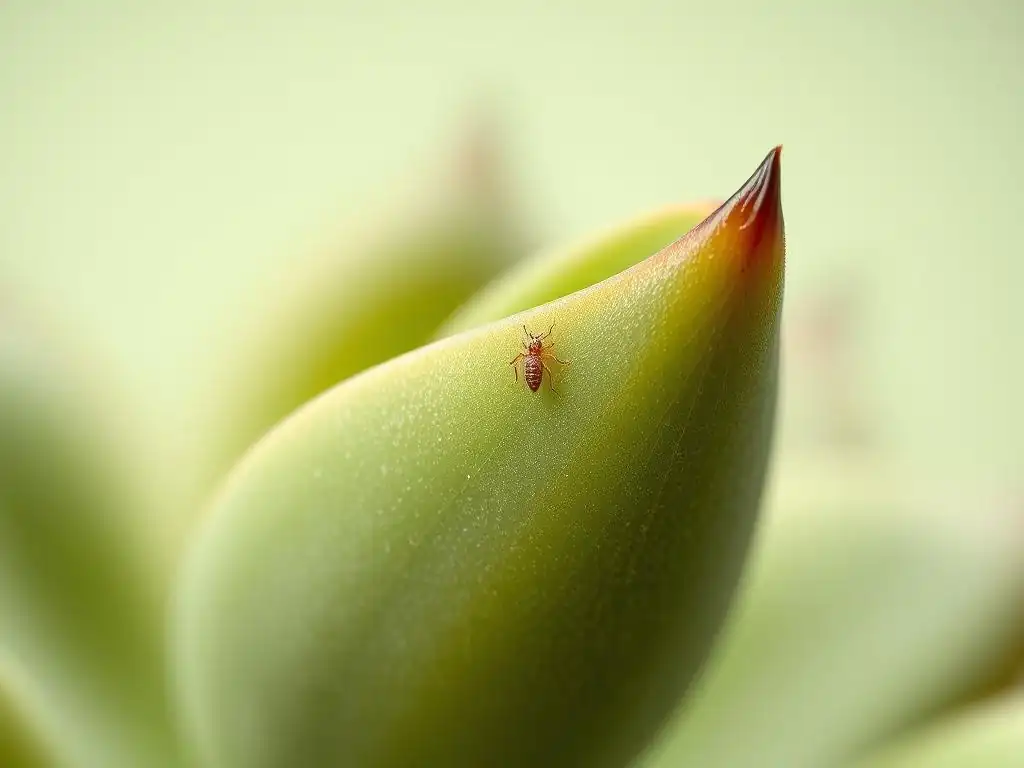
Scale insects are a common nuisance for succulent enthusiasts. These tiny, often immobile pests suck the sap from your plants, leading to stunted growth, yellowing leaves, and even plant death. Identifying scale infestations early is crucial for effective natural pest control. Look for small, raised bumps on stems and leaves – these are the scale insects themselves, often appearing as tiny, hard shells. Sometimes, a sticky substance called honeydew will also be present, attracting ants and potentially leading to sooty mold.
Effective treatment often begins with manual removal. For small infestations, you can carefully scrape the scale insects off with a blunt instrument like a toothpick or your fingernail. Be gentle to avoid damaging the succulent's leaves. Following the manual removal, a natural insecticidal soap spray can be highly effective.
Many commercially available options are readily available, but you can also make your own by mixing a mild dish soap (avoiding harsh detergents) with water. Apply the solution generously, ensuring to coat all affected areas, and repeat the application every few days for at least a week to disrupt the pest's life cycle. Neem oil is another powerful natural remedy, known for its effectiveness against various garden pests, including scale insects.
Dilute neem oil according to the product instructions and apply it as you would the insecticidal soap, ensuring thorough coverage. Remember to always test any new solution on a small, inconspicuous area of your plant first to check for adverse reactions. Consistent monitoring is key; even after successful treatment, regularly inspect your succulents for any signs of re-infestation.
Preventing and Treating Root Rot in Succulents
Root rot, a fungal disease often caused by overwatering, is a significant threat to succulents. The symptoms can be subtle initially, manifesting as soft, mushy stems or leaves, discoloration, and a foul odor emanating from the soil. As the disease progresses, the roots themselves will become brown and slimy. Preventing root rot is paramount, and it begins with proper watering techniques. Succulents are drought-tolerant, and overwatering is a far more common problem than underwatering. Allow the soil to dry completely between waterings; the best way to gauge this is by checking the moisture level with your finger – if the top inch or two of soil is dry, it's time to water. Ensure your succulents are planted in well-draining soil specifically formulated for cacti and succulents; this will help prevent waterlogging. Using terracotta pots can also help, as they are more porous than plastic pots, allowing excess moisture to evaporate.
If root rot does occur, immediate action is necessary. Gently remove the plant from its pot and carefully inspect the roots. Trim away any soft, mushy, or brown roots using clean, sterilized pruning shears. You can then repot the succulent in fresh, dry soil, ensuring the pot has adequate drainage holes. Before repotting, you can consider treating the remaining roots with a fungicide, but always opt for natural, organic options whenever possible.
Avoid overwatering during the recovery period, allowing the soil to dry completely before each watering. Proper airflow around the plant is also important to prevent fungal growth. In severe cases, propagation might be the only option to save the plant – taking cuttings from healthy parts to grow new, healthier plants. Preventing root rot is far easier than treating it, so focusing on proactive care is crucial for the long-term health of your succulents.
Natural Pest Control for Succulents: Effective Methods
This section delves into effective, natural methods for controlling common succulent pests. We'll explore several organic approaches, offering detailed instructions and highlighting their efficacy in maintaining the health and vibrancy of your succulent collection. Remember, early detection is key to successful natural pest control. Regularly inspect your succulents for any signs of infestation, acting swiftly to prevent widespread damage. The goal is to create a thriving environment for your plants while minimizing the use of harsh chemicals. This commitment to natural pest control succulents ensures the well-being of both your plants and the environment.
Using Neem Oil for Natural Pest Control
Neem oil, derived from the neem tree, is a powerful yet gentle insecticide and fungicide. Its effectiveness stems from its ability to disrupt the life cycle of various pests, including mealybugs, aphids, and spider mites—frequent culprits in succulent infestations. It works by interfering with insect feeding, reproduction, and development. Furthermore, neem oil acts as a preventative measure, deterring pests from establishing themselves on your succulents.
To use neem oil effectively, mix it with water according to the product instructions. A typical ratio is 1 tablespoon of neem oil per 1 quart of water. Thoroughly shake the mixture before application. Apply the solution directly to the affected areas of the succulent, ensuring complete coverage.
Avoid spraying during the hottest part of the day to prevent leaf burn. Repeat the application every 7-10 days, or as needed, for optimal pest control. Always conduct a small test application on a hidden area of the plant first to ensure it doesn't cause any adverse reactions. Remember to wear gloves and eye protection when handling neem oil.
Diatomaceous Earth: A Safe and Effective Solution
Diatomaceous earth (DE) is a naturally occurring sedimentary rock composed of fossilized diatoms. Its microscopic particles act as a physical barrier, cutting into the exoskeletons of soft-bodied insects like mealybugs and scale, causing dehydration and death. DE is a non-toxic and environmentally friendly option, safe for use around pets and children once dry. It's an excellent preventative measure, acting as a barrier against crawling insects.
For application, lightly dust the affected areas of your succulents with DE, focusing on the soil surface and the base of the plants. Ensure even coverage, but avoid over-application. You can also mix DE with water to create a paste for more targeted treatment of heavily infested areas. Allow the DE to dry completely before watering to avoid clumping. Regular application, especially after watering, helps maintain its effectiveness. Remember that DE is a fine powder, so wear a dust mask during application to prevent inhalation.
Isopropyl Alcohol: A Quick and Targeted Treatment
Isopropyl alcohol (70% concentration) offers a quick and effective solution for spot-treating small infestations of pests like mealybugs and aphids. Its high alcohol content disrupts the cell membranes of the insects, leading to their rapid demise. However, it’s crucial to use isopropyl alcohol sparingly and precisely, as it can damage the succulent leaves if overused. This method is best suited for small, localized infestations, not widespread problems.
To apply, dip a cotton swab or Q-tip into the isopropyl alcohol and carefully dab the infected areas. Avoid excessive wetting of the leaves. Focus on removing visible pests and their eggs. Allow the alcohol to dry completely before handling the plant. This method is not a preventative measure and should be used in conjunction with other natural pest control methods for long-term protection. Always test a small, inconspicuous area of the plant before applying to a larger area. Improper use may cause damage to the succulent.
The Power of Insecticidal Soap for Succulents
Insecticidal soap is a fantastically effective and environmentally friendly solution for many common succulent pests. Unlike harsh chemical pesticides, insecticidal soap works by disrupting the cell membranes of soft-bodied insects, leading to dehydration and death. This makes it particularly effective against mealybugs, aphids, and spider mites, which frequently plague succulents. The beauty of insecticidal soap lies in its targeted approach; it's generally safe for beneficial insects and pollinators, making it a much kinder option for your garden ecosystem than broad-spectrum pesticides.
When applying insecticidal soap, remember thoroughness is key. Ensure you cover all surfaces of the affected succulent, including the undersides of leaves where pests often hide. A fine mist spray is usually best, allowing for even coverage without damaging the delicate leaves. It's crucial to follow the instructions on the product label carefully, paying attention to the recommended dilution ratio and application frequency.
Reapplication might be necessary, especially for persistent infestations, but always allow sufficient drying time between treatments to avoid potential damage to your plants. Remember to test a small area of your succulent first to ensure the soap doesn't cause any adverse reactions before treating the entire plant. This proactive approach ensures the safety of your prized succulents while effectively managing pest populations. Using insecticidal soap as part of a holistic natural pest control strategy for succulents contributes to a healthier, more vibrant collection.
Beneficial Insects: Introducing Natural Predators
Introducing beneficial insects into your succulent environment is a proactive and sustainable approach to natural pest control. These tiny allies can significantly reduce the need for chemical interventions and promote a balanced ecosystem within your plant collection. Ladybugs, for example, are voracious aphid predators, consuming large numbers of these sap-sucking pests. Lacewings, both larvae and adults, are equally effective, feeding on aphids, mealybugs, and other soft-bodied insects. These beneficial insects are readily available from many garden centers and online retailers specializing in biological pest control.
The key to successfully integrating beneficial insects is creating a hospitable environment. Avoid using pesticides, which would harm your allies as well as the pests. Provide a source of water, such as a shallow dish with pebbles, to keep the beneficial insects hydrated. Consider planting nectar-rich flowers near your succulents to attract and sustain these helpful creatures.
Diverse planting choices are important, as different beneficial insects prefer different habitats and food sources. By fostering a thriving ecosystem, you create a natural defense against pests, ensuring the long-term health and vibrancy of your succulents. This approach not only protects your succulents but also contributes to a healthier and more sustainable gardening practice. Remember to research the specific beneficial insects most effective against the pests you commonly encounter in your region for optimal results.
Preventing Pest Infestations: Proactive Measures
Preventing pest infestations in your succulent collection is far more effective than dealing with them after they've established themselves. A proactive approach, focusing on healthy plant maintenance, significantly reduces the likelihood of encountering common succulent pests like mealybugs, aphids, and spider mites. This section details crucial preventative measures that utilize natural pest control methods for succulents, ensuring the long-term health and vibrancy of your plants. Remember, a healthy succulent is far less susceptible to pest problems. This holistic approach to natural pest control succulents is key to success.
Maintaining Proper Watering Techniques to Prevent Pests
Overwatering is a significant contributing factor to many succulent pest problems. Soggy soil creates a breeding ground for fungus gnats and other pests that can then attack your succulents. Conversely, underwatering weakens the plants, making them more vulnerable. The goal is to find the sweet spot – allowing the soil to dry out completely between waterings.
Here's a practical guide:
- Check the soil moisture: Before watering, stick your finger about an inch into the soil. If it feels dry, it's time to water. If it's still moist, wait a few more days.
- Water thoroughly: When you do water, ensure the water penetrates the entire root ball. Avoid letting water sit on the leaves, as this can encourage fungal growth.
- Adjust watering frequency based on season and environment: During warmer months, succulents may need more frequent watering, while in colder months, they require significantly less. Humidity and sunlight also play a role; adjust accordingly.
- Use well-draining potting mix: A well-draining potting mix is crucial for preventing overwatering issues. Consider adding perlite, pumice, or coarse sand to your soil to improve drainage.
Implementing these techniques helps create an environment less hospitable to pests, promoting strong, resilient plants naturally resistant to infestation. This is a cornerstone of effective natural pest control for succulents.
Ensuring Good Air Circulation Around Your Succulents
Good air circulation is another vital aspect of natural pest control for succulents. Stagnant air can trap moisture and create a humid microclimate, ideal for pest proliferation. Proper air circulation prevents fungal diseases and discourages pest infestations.
Consider these strategies:
- Spacing: Ensure adequate spacing between your succulents to allow for proper air flow. Overcrowding creates humid pockets where pests thrive.
- Ventilation: If growing succulents indoors, ensure good ventilation. Open windows regularly or use a fan to gently circulate the air, especially in humid environments.
- Avoid overhead watering: Overhead watering can lead to prolonged leaf wetness, encouraging fungal growth and pest infestations. Opt for bottom watering whenever possible.
- Regular pruning: Pruning helps improve air circulation within the plant itself, preventing the buildup of moisture and debris that can attract pests.
By prioritizing air circulation, you create a less inviting environment for pests, bolstering the overall health and resilience of your succulent collection. This contributes significantly to a successful natural pest control succulents strategy.
Importance of Sunlight and its Role in Pest Prevention
Sufficient sunlight is essential for the health and vigor of succulents. Plants deprived of adequate sunlight become weak and more susceptible to pest infestations. Strong, healthy succulents are naturally better equipped to resist pests.
Here's how sunlight impacts pest prevention:
- Sunlight's drying effect: Adequate sunlight helps dry the soil and leaves, reducing the humidity that encourages pest activity.
- Strengthening plant defenses: Sufficient sunlight promotes robust plant growth, leading to stronger cell walls and improved natural defenses against pests.
- Identifying infestations early: Proper sunlight allows for easier visual inspection of your succulents, enabling the early detection of any pest infestations. Early detection allows for swift and effective intervention, minimizing the damage.
Providing your succulents with the optimal amount of sunlight is a fundamental aspect of natural pest control for succulents. Remember to adjust the amount of sunlight based on the specific species and environmental conditions. A well-lit environment contributes greatly to a thriving and pest-free succulent collection.
Regular Inspection: Early Detection is Key
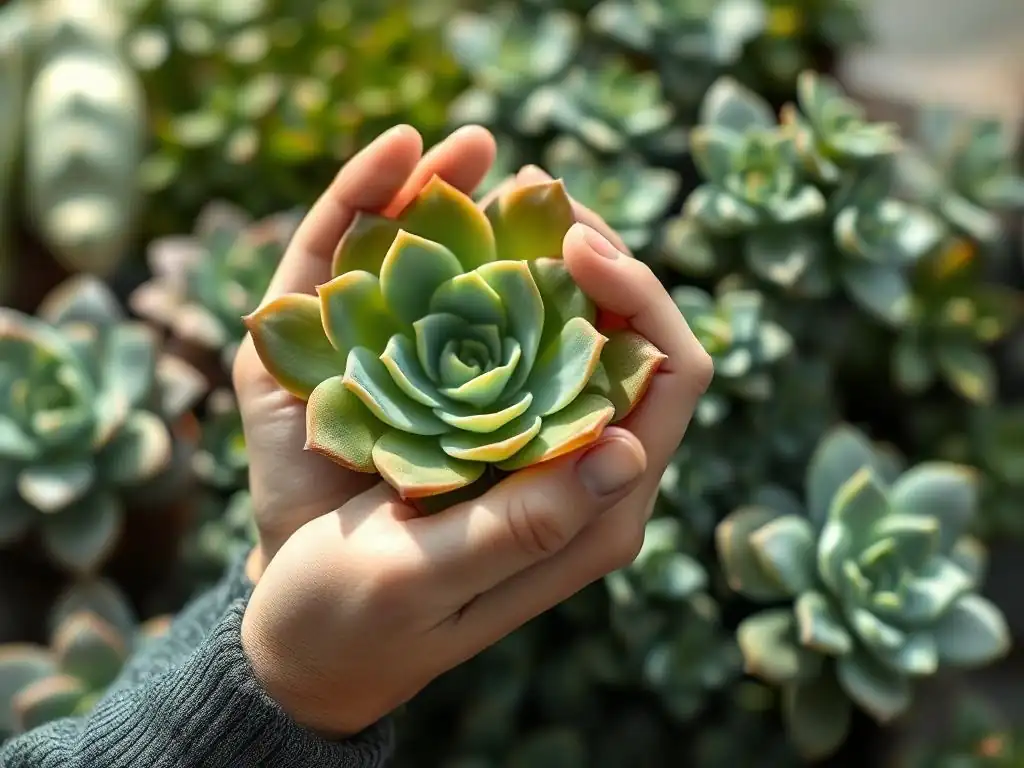
Regularly inspecting your succulents is the cornerstone of effective natural pest control. Early detection significantly increases your chances of successfully eliminating pests before a widespread infestation occurs. Aim to examine your plants at least once a week, paying close attention to both the leaves and the soil.
Look for any signs of unusual activity, such as discoloration, holes in leaves, webbing, sticky residue (honeydew), or the presence of insects themselves. A magnifying glass can be invaluable in spotting tiny pests like aphids or mealybugs. Don't forget to check the undersides of leaves, crevices between leaves, and the base of the plant where pests often hide.
A thorough inspection allows for swift intervention, preventing minor problems from escalating into major infestations that might require stronger, less natural, interventions. Remember that even seemingly healthy plants can harbor tiny pests in their early stages, highlighting the importance of consistent monitoring. This proactive approach is far more effective and less stressful than dealing with a full-blown infestation.
Quarantining New Succulents to Prevent Infestations
Introducing new succulents to your existing collection carries a significant risk of introducing pests. To mitigate this risk, always quarantine new plants for at least two to four weeks before integrating them into your main collection. This isolation period allows you to observe the new plants for any signs of pests or diseases.
Keep the quarantined succulents separate from your other plants, ideally in a different room or area, to prevent the spread of any potential infestation. During this quarantine period, continue your regular inspection routine, paying particularly close attention to the new arrivals. If you detect any pests during the quarantine, you can address the problem before it affects your established collection, minimizing the impact and preventing widespread damage.
This simple preventative measure is crucial for maintaining the health and vitality of your entire succulent collection and is a key component of sustainable, natural pest control for your succulents. Think of quarantine as a proactive investment in the long-term health of your beloved plants — a small effort with significant rewards.
Homemade Natural Pest Control Sprays for Succulents
This section details how to create effective, homemade sprays for natural pest control in your succulent collection. These recipes utilize readily available ingredients and offer a safe, environmentally friendly alternative to harsh chemical pesticides. Remember, always test any spray on a small, inconspicuous area of a plant first to check for adverse reactions before applying it widely. Consistent application and diligent monitoring are key to successful natural pest control for succulents. Early detection and intervention are crucial in preventing infestations from becoming overwhelming.
Recipe for a Simple Neem Oil Spray
Neem oil is a powerful, naturally-derived insecticide derived from the neem tree. It's effective against a wide range of common succulent pests, including mealybugs, aphids, and spider mites. This recipe provides a basic neem oil spray that is easy to prepare at home.
Ingredients:
- 1 tablespoon neem oil
- 1 teaspoon liquid dish soap (avoid detergents with harsh chemicals)
- 1 quart (1 liter) of warm water
Instructions:
- Mix the neem oil and dish soap thoroughly in a small container.
- Slowly add the warm water while stirring continuously to create an emulsion. Don't just dump it in! This ensures the oil disperses properly.
- Pour the mixture into a spray bottle.
- Shake well before each use.
- Apply the spray generously to all affected areas of the plant, ensuring coverage of both the upper and lower surfaces of leaves.
Remember to avoid spraying during the hottest part of the day, as this could scorch your plants. It's best to spray in the early morning or late evening when the sun's intensity is lower. Always follow the instructions on the neem oil bottle, as concentrations may vary. Proper application is key to achieving effective natural pest control for your succulents.
DIY Insecticidal Soap Solution
Insecticidal soap is another excellent, readily available option for natural pest control of succulents. It works by disrupting the cell membranes of soft-bodied insects, leading to their death. It's particularly effective against aphids and mealybugs.
Ingredients:
- 1 tablespoon liquid dish soap (again, avoid harsh chemicals)
- 1 quart (1 liter) of warm water
Instructions:
- Mix the dish soap and water thoroughly in a spray bottle. Simple as that!
- Shake well before each use.
- Spray generously onto affected plants, paying close attention to areas where pests are concentrated.
Unlike neem oil, insecticidal soap needs to make direct contact with the pests to be effective. Therefore, thorough application is crucial. This solution is generally safe for plants, but always test it on a small area first. Reapplication may be necessary, depending on the severity of the infestation. Regular monitoring will help you gauge the effectiveness of this natural pest control method for your succulents.
Creating an Effective Isopropyl Alcohol Spray
Isopropyl alcohol (rubbing alcohol) can be used as a spot treatment for small infestations of pests like mealybugs. Its high alcohol content dehydrates and kills the insects on contact. However, it's crucial to use this method sparingly, as it can potentially damage the leaves of some succulent varieties if overused.
Ingredients:
- Isopropyl alcohol (70% concentration)
- Spray bottle
Instructions:
- Fill the spray bottle with 70% isopropyl alcohol. Do not dilute.
- Apply directly to individual pests using a cotton swab or directly spraying small areas.
- Avoid over-spraying, as this can damage the succulent leaves.
This method is best suited for spot treatments rather than a whole-plant application. Its effectiveness lies in its direct contact with the pest. Always test on a small area first and monitor the plant closely for any adverse reactions. This precise application is a key element of successful natural pest control for succulents, preventing broad-spectrum damage while targeting the problem areas.
Using Garlic and Peppermint for Pest Repellent Sprays
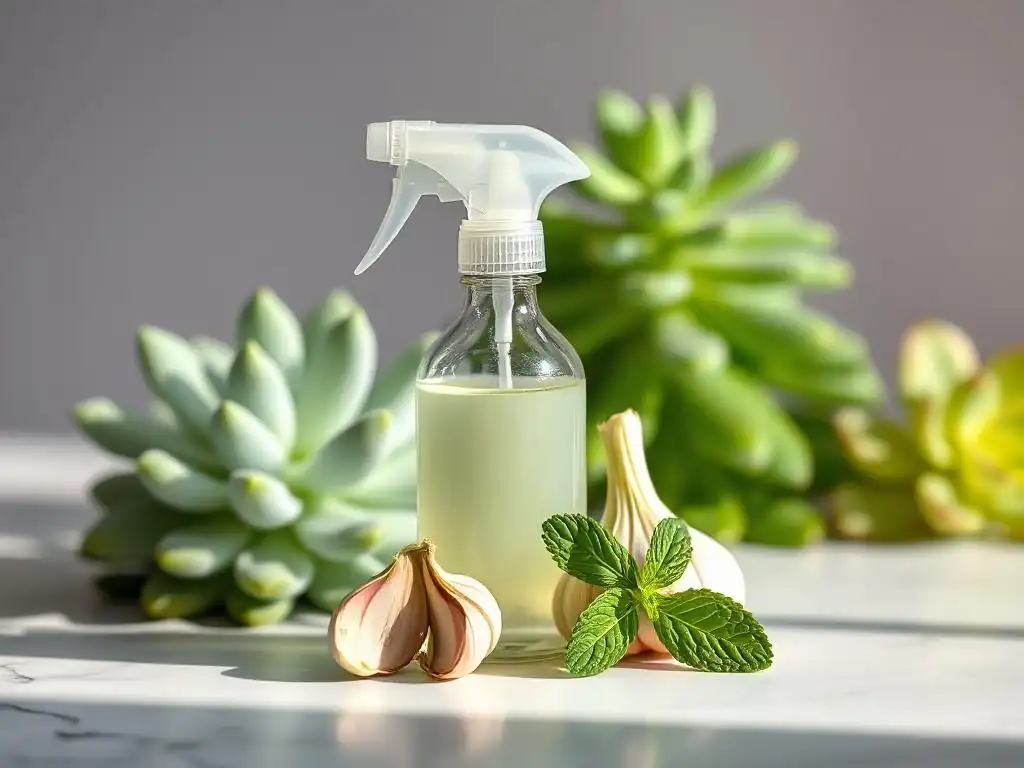
Garlic and peppermint are potent natural pest deterrents, readily available and effective against many common succulent pests. Their strong scents disrupt the olfactory senses of insects, making it difficult for them to locate your precious plants. Creating a spray is simple and requires minimal ingredients.
To make a garlic spray, begin by finely mincing several cloves of garlic. Steep the minced garlic in a liter of water for at least 24 hours. This allows the potent compounds in the garlic to infuse into the water.
After steeping, strain the mixture through a fine-mesh sieve or cheesecloth to remove the garlic solids. You can then transfer the liquid to a spray bottle and apply it directly to your succulents, ensuring to coat the leaves thoroughly but avoiding over-saturation which could lead to fungal growth. Remember to test a small area first to ensure there are no adverse reactions on your particular succulent varieties.
For a peppermint spray, the process is similar. Start with fresh peppermint leaves – approximately 1 cup should suffice for a liter of water. You can either finely chop the leaves or use whole leaves if your container allows it. Steep the leaves in the water for at least 24 hours, allowing the essential oils to infuse.
Then, strain the mixture, transferring the resulting liquid to a spray bottle. Apply the peppermint spray to your succulents, following the same precautions as with the garlic spray – thoroughly coat the leaves, but avoid overwatering. The strong scent of peppermint acts as a natural repellent, discouraging many insects from approaching your plants.
Combining garlic and peppermint in a single spray can provide enhanced pest protection, leveraging the synergistic effect of both plants. Simply combine equal parts of the garlic and peppermint infusions before transferring to your spray bottle. This combined spray offers broader protection against a wider range of pests. Remember to always label your homemade sprays clearly, indicating the ingredients and date of preparation.
Proper labeling helps in tracking effectiveness and ensures safe handling. Regular application, ideally every 7-10 days or after rain, will maintain effective pest control. Always prioritize observation and early detection of any pest infestations to ensure timely and effective treatment with your natural pest control concoctions.
Important Considerations When Making Homemade Sprays
While homemade sprays offer a safe and effective alternative to chemical pesticides for your succulents, several critical considerations ensure their efficacy and safety. Firstly, the concentration of the ingredients is crucial. Too weak a solution will be ineffective, while too strong a solution could potentially harm your plants. Experimentation and observation are key to finding the optimal concentration for your specific succulents and pest problems. Keep a detailed record of your mixtures and their effectiveness on each plant type for future reference.
Secondly, the application method is essential. Avoid spraying during the hottest part of the day to prevent leaf burn. Early morning or late evening are ideal times when the sun's intensity is lower. Always apply the spray evenly, ensuring thorough coverage of the leaves and stems, but avoid over-saturation, which can lead to fungal diseases. Gentle misting is generally preferred to avoid damaging delicate leaves. Remember to always test a small area of a plant first before applying the spray liberally. This precaution helps to identify any potential adverse reactions to specific plants before widespread application.
Finally, remember that homemade sprays are not a silver bullet. They are most effective as a preventative measure and for managing minor infestations. For severe infestations, professional assistance may be necessary. Regular monitoring of your succulents is crucial, allowing for early detection of any pest problems and prompt treatment.
This proactive approach, combined with the use of homemade sprays, provides the best defense against pests and ensures the health and vitality of your succulent collection. Consistent application and careful observation are key to successful natural pest control, protecting your prized succulents from unwanted visitors. Consider rotating your spray mixtures every few weeks to prevent pests from developing resistance to specific scents. This strategy enhances the long-term effectiveness of your natural pest control program.
When to Seek Professional Help for Severe Infestations
Knowing when to transition from DIY natural pest control to professional intervention is crucial for the health of your succulents. While natural methods are effective for many common succulent pests and diseases, some infestations require the expertise and stronger treatments only a professional can provide. Ignoring a severe infestation can lead to irreversible damage or even the complete loss of your prized plants. This section will help you determine when it's time to call in the experts.
Recognizing When Natural Methods are Insufficient
Natural pest control methods like insecticidal soap, neem oil, and diatomaceous earth are excellent first lines of defense against many common succulent pests. However, their effectiveness diminishes when dealing with large-scale infestations or particularly resilient pests. Consider professional help if:
- The infestation is widespread: If you notice pests on numerous plants, or a significant portion of a single plant is affected, natural remedies may not be sufficient to control the spread. A large infestation requires a more powerful and targeted approach.
- Natural remedies have failed: After consistent application of natural pest control methods over a reasonable period (e.g., two to three weeks), and you see no improvement or a continued increase in pest populations, professional intervention is warranted. This indicates the pests are resistant to your chosen natural methods.
- You identify unusual or aggressive pests: Certain pests, such as mealybugs with extensive webbing or scale insects that are heavily entrenched, are notoriously difficult to eradicate with natural methods alone. These require stronger treatments.
- You notice significant plant damage: Severe leaf drop, wilting, stunted growth, or extensive discoloration beyond what's normal for your succulent species are all signs of a serious infestation that demands professional attention. The damage might already be too extensive for natural remedies to reverse.
- You lack the time or resources: Effectively managing a severe infestation requires consistent monitoring and treatment. If you lack the time or resources to dedicate to this process, seeking professional help can save your plants from further damage. A professional will have the time and expertise to provide effective treatment and monitoring.
Finding a Reliable Pest Control Specialist for Succulents
Finding a reputable pest control specialist experienced with succulents is vital. Not all pest control companies are equipped to handle the delicate needs of these plants. Look for specialists who:
- Specialize in organic or eco-friendly pest control: This ensures the treatments used are compatible with sustainable gardening practices and won't harm beneficial insects or your environment.
- Have experience with succulents: Succulents have unique requirements, and a specialist familiar with their vulnerabilities and sensitivities will provide better care.
- Offer thorough inspections: A comprehensive inspection will help identify the specific pest, the extent of the infestation, and the best course of action.
- Provide detailed treatment plans: A professional should outline the treatment process, including the products used, the frequency of application, and expected outcomes.
- Offer follow-up care: Effective pest control often requires ongoing monitoring and potentially follow-up treatments to prevent re-infestation.
Choosing Organic and Eco-Friendly Professional Treatments
When selecting a professional pest control service, prioritize those offering organic and eco-friendly treatments. These methods minimize the impact on the environment and your health while effectively controlling pests. Inquire about the specific products they use and ensure they align with your sustainable gardening goals. Some examples of organic and eco-friendly professional treatments include:
| Treatment Method | Description | Advantages | Disadvantages |
|---|---|---|---|
| Horticultural Oils | Oils derived from plants, suffocating pests. | Safe for beneficial insects and the environment, readily biodegradable. | May need repeated applications, can damage some plant varieties. |
| Biological Control Agents | Introduction of natural predators (e.g., beneficial insects) to control pests. | Long-term solution, environmentally friendly, self-regulating. | Requires specialized knowledge and careful selection. |
| Botanical Insecticides | Derived from plants, like neem oil or pyrethrum, targeting specific pests. | Effective against many common pests, relatively safe. | Can be less effective than synthetic pesticides. |
Remember, proactive prevention through proper succulent care and hygiene is the best defense against pest infestations. However, knowing when to seek professional help is just as important in ensuring the long-term health and beauty of your succulent collection. By carefully considering the factors outlined above, you can make informed decisions to protect your plants and maintain a thriving, sustainable succulent garden.
Frequently Asked Questions
What are some common pests that affect succulents?
Succulents can be affected by several pests, including mealybugs, aphids, spider mites, and scale insects. These pests can weaken or even kill your plants if left untreated.
How can I prevent pests naturally?
Regular inspection is crucial. Good air circulation helps prevent pest infestations. Using neem oil or insecticidal soap are effective natural pest control methods.
Are there any natural ways to get rid of mealybugs on my succulents?
Yes, you can try isopropyl alcohol diluted with water (70/30 ratio) applied directly to the mealybugs. Diatomaceous earth can also be effective, but ensure it's food-grade.
What role does proper watering play in pest prevention?
Overwatering creates a humid environment, ideal for pest breeding. Ensure proper drainage and avoid getting water on the leaves. Consistent, but not excessive watering, is key.
Can I use household items for natural pest control on my succulents?
Yes, solutions like diluted dish soap and water can help control some pests. However, always test a small area first to ensure it doesn't harm your plants.
Final Reflection: Cultivating a Thriving, Pest-Free Oasis
The delicate balance of nature, so beautifully exemplified in the succulent world, is increasingly threatened by invasive pests. Ignoring this threat means risking the health and even the life of these resilient plants, a loss that impacts not only our personal collections but also the broader ecosystem. We must actively participate in their protection.
The journey towards natural pest control for succulents is not merely about eliminating unwanted insects; it's about fostering a deeper understanding of the interconnectedness of life. It's about learning to observe, to understand the subtle signs of distress in our plants, and to respond with gentle, effective solutions that don't harm beneficial insects or the environment. The earth provides enough to satisfy every man's needs but not every man's greed.
- Mahatma Gandhi. This quote reminds us that sustainable practices, like those discussed in this article, are crucial for the long-term health of our plants and the planet.
Now, consider your own succulent collection. What steps can you take today to create a more resilient, pest-resistant environment? Start by carefully inspecting your plants regularly, identifying potential problems early. Implement the natural pest control methods outlined in this article, and remember that prevention is always the best cure. By embracing a holistic approach to plant care, you'll not only protect your succulents but also cultivate a deeper connection with the natural world, fostering a thriving oasis that benefits both you and the environment.
Unleash Your Inner Plant Parent: Thrive with Healthy Succulents!
Thanks for joining us on this journey to healthier, happier succulents! You've now learned how to combat common pests naturally. Ready to put your new skills to the test?
- Prioritize preventative care: Start implementing these natural pest prevention strategies today. Regularly inspect your succulents for early signs of infestation.
- Share your succulent success (and challenges!): Tell us about your experience with natural pest control on our SucculentEssentials.org forum! Let's learn from each other's successes and challenges.
- Experiment with different natural remedies: Try one of the methods mentioned and document your results – you might discover a new favorite!
What natural pest control method are you most excited to try on your succulents?