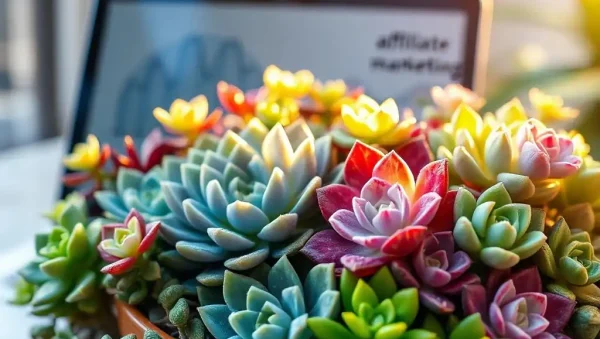
Affiliate Marketing and Monetization Strategies for Your Succulent Business
Turning your passion for succulents into a profitable venture is an exciting journey, and affiliate marketing offers one of the most accessible and scalable paths to income. This subcategory dives deep into practical, actionable strategies tailored specifically for succulent enthusiasts, bloggers, and shop owners. Whether you are just starting or looking to diversify your revenue streams, you will discover how to leverage product recommendations, content partnerships, and niche audiences to generate consistent passive income. Here, we focus on ethical, sustainable monetization that aligns with your brand and your readers' trust.
🌵 Choosing the Right Affiliate Programs for Succulent Niche
Selecting the right affiliate programs is the foundation of a successful monetization strategy. For a succulent-focused site, programs like Amazon Associates, Etsy affiliate programs, and specialized plant supply companies (e.g., The Sill or Leaf & Clay) offer high relevance. Look for products you genuinely use—pots, soil mixes, grow lights, moisture meters, and propagation tools. Prioritize programs with competitive commission rates (5-15%), reliable tracking, and long cookie durations (30+ days) to maximize earnings from repeat visits.
Diversification is key to resilience. Do not rely solely on one retailer; mix high-ticket items (like indoor greenhouse cabinets) with low-cost impulse buys (like decorative pebbles). Also, consider digital products—e-books on succulent care or printable planner templates—which often have the highest profit margins. Always read the program terms to avoid promoting competing brands that could confuse your audience. Testing different products will help you identify what converts best without compromising authenticity.
📈 Creating Content That Converts: Reviews, Tutorials, and Roundups
Content is your primary sales tool, but only when it integrates affiliate links naturally. Write detailed, honest reviews of succulent pots, watering systems, or fertilizer brands, and include high-quality photos or videos showing real usage. Tutorials like "How to Propagate Echeveria Leaves" can embed links to rooting hormone or propagation trays. Roundups—such as "10 Best Succulents for Beginners"—work exceptionally well because they offer multiple buying options, increasing click-through rates.
To boost conversion, use comparison tables, pros/cons lists, and personal anecdotes (e.g., "This moisture meter saved my overwatered Haworthia"). Add clear calls-to-action like "Check the current price" without being pushy. Also, optimize for SEO: target long-tail keywords like "best potting soil for succulents indoors" to attract high-intent searchers. Update older content regularly with fresh affiliate links and seasonal recommendations (e.g., winter grow lights) to keep it relevant and ranking well.
💳 Building Trust and Transparency with Your Succulent Audience
Trust is your most valuable asset; without it, affiliate links will feel spammy. Always disclose your affiliate partnerships prominently—a simple line under the post title or within the first paragraph fulfills legal requirements and builds credibility. Be selective: only recommend products you have tested or researched thoroughly. If a product fails, share that honest experience too; your readers will appreciate the integrity and return for future advice.
Engage with your community by answering comments and questions about your recommendations. Create a dedicated "Shop" page that lists your top picks, updated quarterly, making it easy for loyal readers to support you. Avoid overloading content with too many links—three to five per post is a sweet spot. You can also showcase real-life success stories, like how a specific grow light improved your winter survival rates, which makes your endorsements relatable and persuasive.
📊 Scaling Monetization Beyond Affiliate Links: Ads, Memberships, and Digital Products
While affiliate marketing is powerful, combining it with other revenue streams creates a robust income model. Display advertising (e.g., Google AdSense or Mediavine for organic traffic) can provide passive income, though it requires significant pageviews. Create a members-only area with exclusive content—extended propagation guides, printable plant trackers, or video workshops—for a monthly fee. Sell your own digital products like customizable succulent care checklists or a "Succulent Success" e-course for deeper monetization.
Another option is sponsored posts from plant brands, but keep sponsorships clearly labeled and relevant to your niche. You can also offer consulting services for local succulent nurseries or events, leveraging your affiliate credibility. Track all revenue sources in a simple spreadsheet to identify what performs best. Remember, diversification reduces risk, but your core focus remains delivering value first; income follows when you solve real problems for your audience.
🔍 SEO and Analytics: Measuring What Works for Affiliate Success
Without data, you are guessing. Use Google Analytics to monitor click-through rates (CTR) on your affiliate links, page views, and conversion rates. Set up UTM parameters for each link to see which posts drive sales. Analytics tools like Pretty Links or ThirstyAffiliates can cloak links, making them cleaner and trackable. Identify your top-performing content—often seasonal guides or beginner FAQs—and double down with more detailed versions or complementary articles.
Search engine optimization (SEO) is a long-term growth driver. Focus on building a content pillar around "succulent care" then interlink related posts with anchor text containing your keywords. Use free tools like Google Search Console to see which queries bring traffic and adjust your headings and meta descriptions accordingly. Regularly audit your affiliate links to ensure they are still active and products are in stock; broken links harm user trust and rankings. Aim for a 10% month-over-month improvement in CTR by testing different button placements and link phrasing.
Frequently Asked Questions
What is the best affiliate program for a succulent blog?
Amazon Associates is the most versatile because it carries a wide range of succulent products (pots, soil, tools) and is easy to join. However, specialized programs like Leaf & Clay or The Sill offer higher commissions (up to 20%) and better brand alignment. Start with Amazon for volume, then add niche-specific programs for better margins.
How much traffic do I need to make money from affiliate marketing?
There is no fixed threshold, but most successful affiliates see meaningful income around 10,000 monthly pageviews. Focus on high-intent keywords and engaged visitors. Even with lower traffic, if your niche is specific and your audience trusts you, conversion rates can be strong. Patience and consistent content creation matter more than raw numbers.
Can I use affiliate links on Instagram or Pinterest for succulent content?
Yes, but disclosure is mandatory. On Instagram, place links in your bio or use swipe-up (if eligible) with clear "Affiliate" tags. Pinterest allows affiliate links in pin descriptions, but ensure they comply with platform policies. Use high-quality visuals of succulents to drive clicks, and always include a hashtag like #ad to stay transparent.
How do I disclose affiliate links in my succulent posts?
Add a short, clear statement at the beginning of each post, such as "This post contains affiliate links, meaning I may earn a small commission at no extra cost to you." Also, place a disclosure in the footer of your site and within the post if you use visual banners. This meets FTC guidelines and preserves reader trust.
What are common mistakes in succulent affiliate marketing?
Promoting products you have not tested, ignoring disclosure rules, and stuffing posts with too many links are the biggest pitfalls. Also, neglecting SEO or failing to update old content can reduce rankings. Finally, copying other blogs' reviews without adding personal experience kills authenticity. Focus on genuine value over quick sales.