Launch Your Dream: Starting an Online Succulent Shop
Welcome to the dedicated guide for turning your succulent passion into a profitable online venture. Starting an online succulent shop is more than just selling plants; it's about building a brand that resonates with plant lovers seeking beauty, resilience, and low-maintenance greenery. This subcategory provides a step-by-step roadmap, from sourcing healthy specimens to mastering e-commerce logistics, marketing, and customer delight. Whether you are a hobbyist ready to scale or an entrepreneur entering the green market, you will find actionable strategies to grow a thriving digital nursery.
🌱 Sourcing and Inventory Management for Succulents
Your shop’s reputation hinges on plant quality. Begin by partnering with reputable wholesale growers or nurseries that specialize in rare and common succulent varieties. Consider factors like shipping stress, seasonal availability, and pest-free guarantees. For inventory, use a simple spreadsheet or specialized software to track stock levels, expected growth cycles, and pricing margins. Bulk purchasing of popular species like Echeveria, Haworthia, and Sedum can reduce costs, while offering limited-edition hybrids creates urgency and higher profit margins.
Healthy inventory also means proper pre-shipment care. Establish a quarantine zone for incoming plants to prevent pests, and acclimate them to your growing environment for at least a week before listing. Implement a barcode or QR system for each pot to streamline packing and reduce errors. Photo documentation of each plant’s condition before shipping protects you in disputes and helps you refine your sourcing criteria. Remember, a dead-on-arrival succulent can lead to a refund and a negative review, so invest in robust packaging materials like double-wall boxes and biodegradable cushioning.
📦 E-commerce Platform and Website Setup
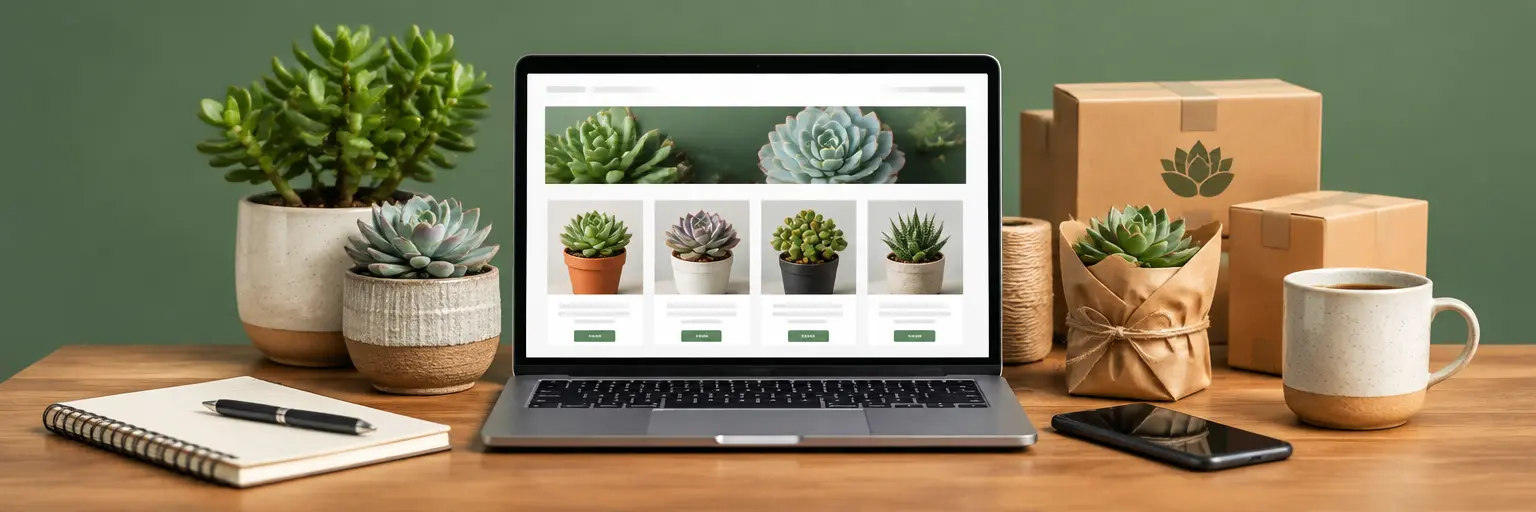
Choosing the right platform is critical for a smooth launch. Options like Shopify, WooCommerce (on WordPress), or BigCommerce offer tailored themes for plant shops. Your website must feature high-resolution images, clear size guides (e.g., 2-inch pot vs. 4-inch pot), and detailed care instructions to reduce buyer hesitation. Mobile responsiveness is non-negotiable since most shoppers browse on phones. Integrate secure payment gateways like PayPal and Stripe, and set up shipping calculators that reflect the weight and fragility of succulent boxes.
Beyond the storefront, focus on user experience. Create a simple navigation menu with categories like "Rare Finds," "Starter Kits," and "Arrangements." Add a FAQ page addressing shipping delays, soil types, and return policies. Use apps or plugins for abandoned cart emails and customer reviews. SEO optimization for your product pages—using terms like "live succulent plants for sale" or "indoor succulent delivery"—will drive organic traffic. Also, test your checkout process on multiple devices to ensure no friction points, as a slow or confusing checkout can kill conversions.
💡 Pricing Strategies and Profit Margins
Pricing succulents online requires balancing perceived value with actual costs. Calculate your base cost per plant (wholesale price + packaging + shipping materials + transaction fees), then apply a markup of 2.5x to 4x to cover overhead and profit. For rare varieties, use scarcity pricing—start high and offer flash sales. Bundling items like "Three-Pack of Mini Succulents" increases average order value while reducing per-item shipping costs. Also, consider tiered shipping rates: free shipping over $50 encourages larger purchases.
Monitor competitors’ prices on Etsy, Amazon, and dedicated plant stores, but don’t undercut yourself. Instead, differentiate with value-adds like a free care card, a small bag of premium cactus mix, or a discount code for future purchases. Dynamic pricing for seasonal trends—like increased demand for wedding favors in spring—can boost revenue. Track your profit per order weekly and adjust quickly if a product is consistently a loss-leader. Remember, success is not just about sales volume; it is about sustainable net profit.
🚚 Shipping and Packaging for Live Plants
Safe delivery is your biggest logistical challenge. Use insulated boxes during winter and breathable, heat-resistant materials in summer. Wrap each succulent in tissue paper or bubble wrap, secure it with plant-safe tape, and use biodegradable packing peanuts to prevent movement. Include a "do not water for 24 hours" note to help plants recover from transit stress. Offer expedited shipping options for fresh orders, as longer transit increases mortality risk. Partner with carriers like USPS Priority or FedEx Ground, but always purchase insurance for high-value orders.
Develop a clear shipping policy covering handling time (e.g., 2-3 business days) and replacement guarantees. Use email notifications with tracking numbers and send a post-delivery care reminder. Test your packaging by mailing sample boxes to yourself across the country to identify weak points. For international shipping, check import regulations and restrict varieties that are prohibited. By mastering packaging, you will reduce breakage rates below 2%, which builds trust and encourages repeat purchases.
📣 Marketing Your Succulent Shop Online
Effective marketing turns your shop into a destination. Start with a strong social media presence—Instagram and Pinterest are perfect for showcasing visuals. Post behind-the-scenes propagation videos, before-and-after repotting shots, and customer photos with a branded hashtag like #MySucculentEssentials. Collaborate with influencers in the plant community for unboxing reviews or giveaways. Use email marketing to build a list with a lead magnet, such as a free "Succulent Care eBook" in exchange for sign-ups.
Run targeted ads on Facebook and Instagram using geolocation to reach users near nurseries or botanical gardens. Write blog posts about topics like "Best Succulents for Offices" and link them to your product pages to improve SEO. Leverage user-generated content by featuring customer photos in your gallery, which acts as social proof. Additionally, participate in virtual plant fairs or online marketplaces like Etsy to gain initial traction. Track every marketing channel’s ROI, focusing more budget on those that generate sales, not just likes.
📋 Customer Service and Retention Tactics
Your relationship with customers does not end at checkout. Provide proactive communication—send a thank-you email immediately, an update when the order is shipped, and a follow-up after delivery asking for feedback. Handle complaints gracefully: if a plant arrives damaged, offer a replacement or refund without requiring a return. This policy costs less than a lost customer’s lifetime value. Offer a loyalty program, such as "Buy 10 plants, get one free," and reward referrals with a 10% discount code.
Create a resource hub on your website with troubleshooting guides, watering schedules, and repotting tutorials. Use a customer relationship management (CRM) tool to segment your audience—first-time buyers, frequent shoppers, and lookers—for tailored promotions. Send seasonal care tips (e.g., winter dormancy, summer heat) to keep your brand top-of-mind. Encourage reviews on Google and your site; respond to every review, positive or negative, to show you value input. Finally, ask for direct feedback after each order to continuously improve your service.
Frequently Asked Questions
Do I need a business license to sell succulents online?
Yes, in most regions, a business license (or a resale permit if you are buying wholesale) is required. Check your local municipality and state rules. Additionally, if you sell across state lines, you may need a sales tax permit. Consult a small business advisor or legal professional to ensure compliance with e-commerce regulations.
What is the best way to ship succulents in summer heat?
Use heat-resistant packaging like foam inserts and gel packs (placed carefully, not directly on plants). Ship via expedited 1-2 day services to minimize transit time. Choose early morning drop-offs at the carrier to avoid hottest hours. Always include a "heat stress" warning label so handlers are aware.
How many succulents should I start with in my online shop?
Begin with 20-30 unique varieties, focusing on hitting a mix of popular sellers, easy growers, and a few rare ones. This keeps inventory manageable while offering choice. As you learn demand patterns, scale to 50-100 varieties. Quality over quantity is key to maintaining customer satisfaction.
How can I set my succulent shop apart from competitors?
Differentiate through exceptional packaging (e.g., custom printed boxes), unique value-added items like handmade ceramic pots, or educational content. Offer a "Plant Parent Guarantee" with a 7-day health promise. Also, build a cohesive brand story—your love for succulents is your authenticity.
What are the most common mistakes in selling succulents online?
Underpacking plants, leading to breakage; overpricing rare varieties without testing; neglecting clear care instructions; having a complicated checkout; and ignoring shipping delays. Also, failing to verify plant health before shipment causes high refund rates. Learn from these pitfalls to build a reliable reputation.