
Beyond the Basics: Advanced Grow Light Reviews for Serious Succulent Growers

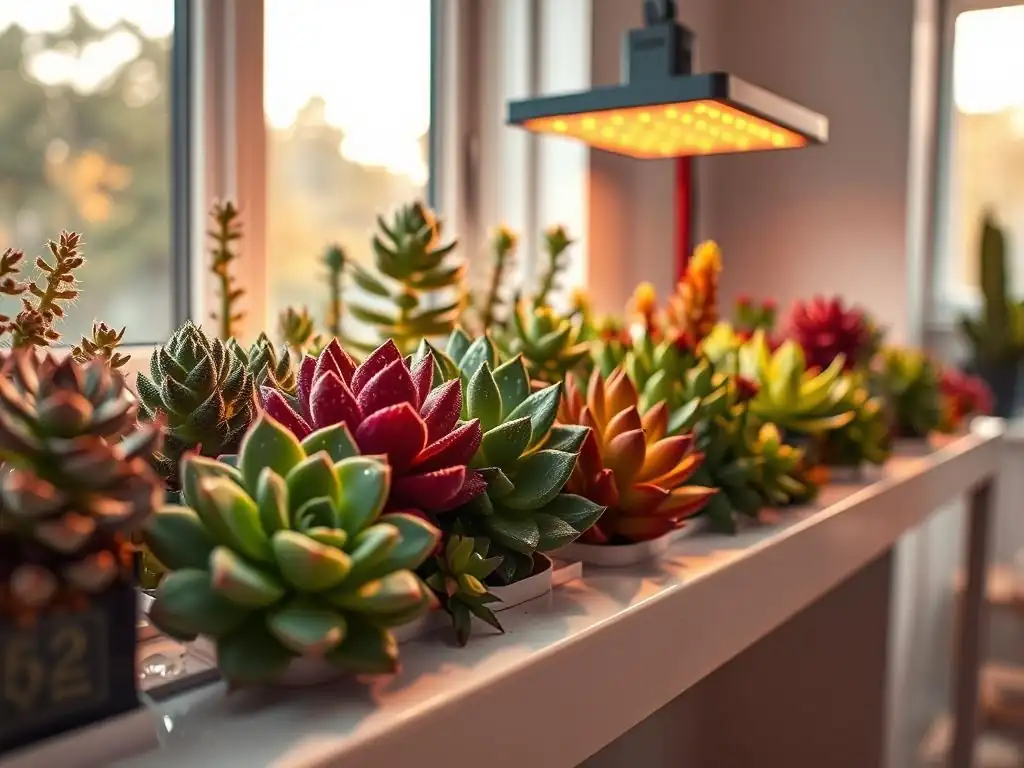
Dive into the captivating world of succulents with SucculentEssentials.org! Are you ready to unlock the secrets to thriving succulents, even in less-than-ideal conditions? Then you've come to the right place. Our expert guides and stunning visuals will help you master succulent care, from propagation to creating breathtaking displays. Discover our in-depth review of the Best Grow Lights for Succulent Growers – the key to year-round success, no matter the season – and embark on a journey to cultivate the succulent garden of your dreams. Let's get growing!
- Understanding Your Succulent's Lighting Needs: Choosing the Right Grow Light Spectrum
- Best Grow Lights for Succulents: A Comparative Review of Top Models
- Maximizing Your Grow Light Investment: Placement and Usage Tips for Succulents
- Beyond the Basics: Advanced Features to Consider in Grow Lights for Succulents
- Grow Light Accessories for Serious Succulent Cultivators
- Frequently Asked Questions
- Final Reflection: Illuminating the Path to Succulent Success
- Unleash Your Succulent's Full Potential: Grow Brighter!
Understanding Your Succulent's Lighting Needs: Choosing the Right Grow Light Spectrum
Succulents, with their striking diversity and adaptability, are beloved by plant enthusiasts worldwide. However, even the hardiest desert dwellers require the right amount of light to thrive. While many succulents tolerate low-light conditions for short periods, achieving optimal growth, vibrant coloration, and preventing etiolation (leggy growth) often necessitates supplemental lighting, especially during shorter winter days or in environments lacking sufficient natural sunlight.
This article delves into the world of advanced grow lights, specifically designed to meet the unique lighting requirements of serious succulent growers. We'll explore different types of grow lights, focusing on their spectral output and intensity, to help you make informed decisions and cultivate healthy, flourishing succulents. Choosing the best grow lights for your succulent collection is crucial for success, and understanding the nuances of light spectrum and intensity is key to unlocking their full potential.
This guide will empower you to select the perfect grow light, ensuring your succulents receive the precise illumination they need to flourish. We'll review some of the best grow lights on the market specifically for succulent growers, helping you find the perfect fit for your needs and budget. Let's dive in!
Full-Spectrum LED Grow Lights for Optimal Succulent Growth
Full-spectrum LED grow lights are increasingly popular among succulent enthusiasts due to their efficiency and ability to mimic natural sunlight. Unlike older technologies like fluorescent or high-pressure sodium (HPS) lamps, LEDs offer a precise control over the light spectrum, allowing for customization to suit specific succulent needs. The "full-spectrum" designation indicates that these lights emit a broad range of wavelengths, including red and blue light crucial for photosynthesis, as well as other colors within the visible and near-infrared spectrum. This broader spectrum promotes healthy growth, vibrant coloration (think intense pinks, reds, and purples!
), and robust overall plant health. High-quality full-spectrum LEDs often boast a high PAR (Photosynthetically Active Radiation) output, ensuring sufficient light intensity for optimal photosynthesis. When selecting full-spectrum LEDs, consider factors like wattage, coverage area, and the specific spectral distribution (often provided in a graph by the manufacturer) to ensure it matches the needs of your succulent species.
For example, some succulents prefer a slightly higher proportion of red light, while others benefit from a more balanced spectrum. Careful consideration of these factors will significantly impact the health and beauty of your succulent collection. Remember to always check reviews and compare specifications before making a purchase.
The Importance of PAR (Photosynthetically Active Radiation) in Succulent Cultivation
PAR, or Photosynthetically Active Radiation, is a crucial factor to consider when choosing a grow light for your succulents. PAR measures the amount of light within the 400-700nm wavelength range that plants can actually use for photosynthesis. A higher PAR value generally indicates a more intense light source, leading to faster growth and more robust plants.
However, it's important to note that too much light intensity can scorch or damage delicate succulent leaves. Therefore, finding the right balance is key. When researching grow lights, look for PAR values expressed in µmol/m²/s (micromoles per square meter per second).
The ideal PAR range for succulents varies depending on the species and the time of year, but generally falls within a range of [Specific PAR range for succulents pending]. Remember that the PAR value will decrease with distance from the light source, so consider the height of your grow setup when choosing a light with a suitable PAR output. Using a PAR meter can help you accurately measure the light intensity at your succulent's location, ensuring they receive the optimal amount of light for healthy growth.
Matching Grow Light Spectrum to Succulent Species: A Deep Dive
Not all succulents are created equal. Different species have adapted to thrive under varying light conditions, necessitating careful consideration of the grow light spectrum. While full-spectrum lights are a great starting point, understanding the specific light preferences of your succulents can further enhance their growth and appearance. For instance, Echeveria species often benefit from a slightly higher proportion of red light, which promotes compact growth and vibrant coloration.
Conversely, Haworthia and Gasteria species might prefer a more balanced spectrum or even a slightly higher blue light component, which can stimulate robust leaf development. [Specific examples of succulent species and their ideal light spectrum pending]. By researching the specific needs of each succulent in your collection, you can fine-tune your grow light setup for optimal results.
This might involve using different lights for different species or adjusting the distance between the lights and your plants to control the intensity and spectral distribution. This level of customization can significantly elevate your succulent cultivation skills and lead to exceptionally healthy and visually stunning plants. Remember to always prioritize observation of your plants—their appearance is the ultimate indicator of whether they are receiving the correct light.
Best Grow Lights for Succulents: A Comparative Review of Top Models
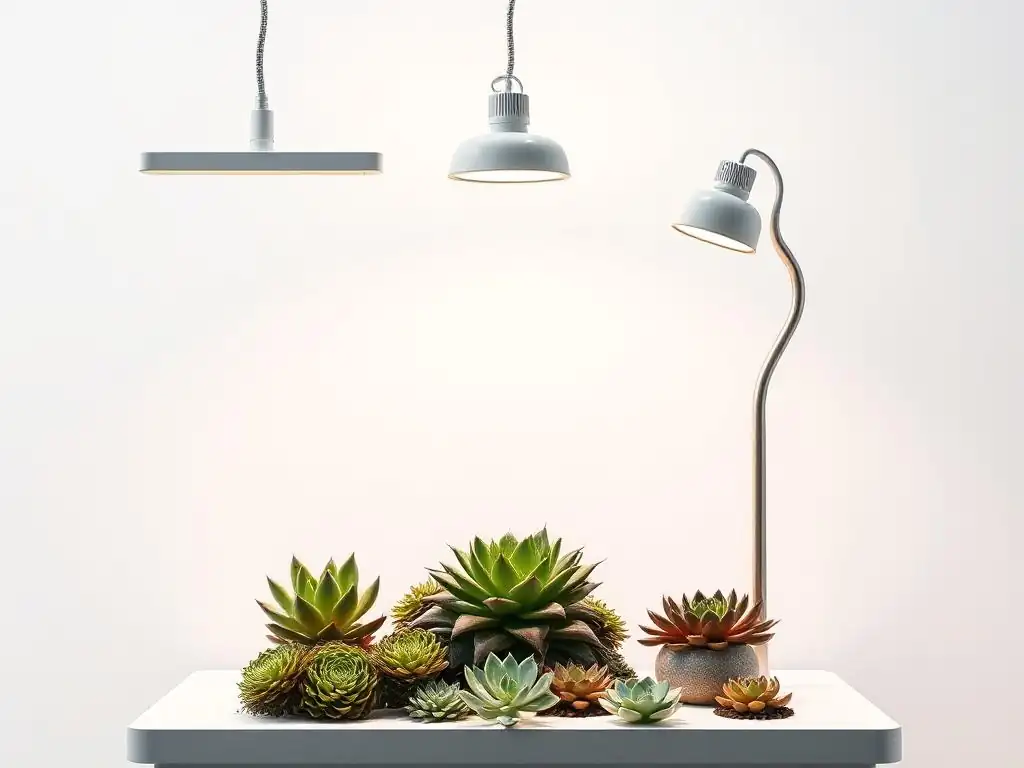
This section dives deep into a comparative analysis of leading grow lights specifically designed to cater to the unique needs of succulent cultivation. We'll examine several top-performing models, focusing on their features, benefits, pricing, and user feedback to help serious succulent growers make informed decisions. Choosing the best grow lights for succulent growers requires careful consideration of several factors, and this review aims to illuminate those crucial aspects. Finding the perfect grow light can significantly impact the health, growth, and overall vibrancy of your succulent collection.
Review: Barrina Full Spectrum LED Grow Light for Succulents – Features and Benefits
The Barrina Full Spectrum LED Grow Light is a popular choice among succulent enthusiasts, lauded for its balanced spectrum and energy efficiency. It boasts a full spectrum design, mimicking natural sunlight to promote healthy growth and vibrant coloration in succulents. The light's intensity is adjustable, allowing customization based on the succulents' needs and the growth stage.
Furthermore, its compact design makes it suitable for various setups, from small windowsills to larger shelving units. The Barrina also features a durable construction, ensuring longevity and reliable performance. This grow light is specifically engineered to provide optimal light penetration for even the thickest succulent leaves, minimizing light-starvation issues often found with other grow lights.
Pros and Cons of Barrina Grow Light
| Pros | Cons |
|---|---|
| Full spectrum LED for optimal growth | Can be slightly more expensive than some alternatives |
| Adjustable light intensity | Relatively small coverage area compared to larger models |
| Compact and versatile design | Requires some assembly |
| Durable construction for long-term use | [Specific information pending on reported issues] |
| Energy-efficient operation |
Price and Value Analysis of Barrina Grow Light
The Barrina grow light sits in the mid-range price bracket for high-quality succulent grow lights. While it's slightly more expensive than some basic models, the superior light quality, adjustable intensity, and durable build justify the cost for serious growers prioritizing the health and appearance of their plants. The long-term value is significant, considering the reduced risk of plant damage due to inadequate lighting and the energy savings compared to less efficient alternatives. Considering the return on investment in terms of healthier, more vibrant succulents, the Barrina represents excellent value.
User Reviews and Testimonials for Barrina Grow Light
User reviews consistently praise the Barrina grow light's effectiveness in promoting succulent growth and enhancing their color. Many users highlight the ease of use and adjustability of the light intensity. However, some users mention the relatively small coverage area as a potential drawback for those with extensive collections.
Overall, the positive feedback outweighs the negative, solidifying its position as a reliable and effective grow light for succulents. The overwhelmingly positive sentiment points to a high level of user satisfaction with the Barrina's performance and longevity. Many users have reported noticeable improvements in their succulents' health and growth since switching to this model.
Review: Spider Farmer Quantum Board LED Grow Light – High-Intensity Illumination for Succulents
The Spider Farmer Quantum Board LED Grow Light stands out for its high-intensity illumination, making it ideal for growers with larger collections or those seeking maximum growth potential. Its quantum board technology delivers powerful and uniform light distribution, ensuring that even the most densely packed succulents receive adequate light. The Spider Farmer is known for its impressive light penetration, reaching deep into the plant canopy to support robust growth from top to bottom. This makes it particularly suitable for larger, more mature succulents that require substantial light energy.
Pros and Cons of Spider Farmer Quantum Board Grow Light
| Pros | Cons |
|---|---|
| High-intensity illumination for rapid growth | Can be quite expensive |
| Uniform light distribution | Requires more space due to its larger size |
| Excellent light penetration | Higher energy consumption compared to smaller models |
| Durable and long-lasting construction | [Specific information pending regarding heat dissipation] |
| Suitable for large collections |
Price and Value Analysis of Spider Farmer Quantum Board Grow Light
The Spider Farmer Quantum Board is positioned at the higher end of the price spectrum for succulent grow lights. Its cost reflects its superior light output, larger coverage area, and advanced technology. While the initial investment is substantial, the potential for accelerated growth and the long-term durability justify the expense for serious growers who prioritize maximizing their succulent's growth potential and have the space to accommodate the larger size. The long-term cost savings due to its efficiency outweigh the initial investment for many users.
User Reviews and Testimonials for Spider Farmer Quantum Board Grow Light
User reviews for the Spider Farmer Quantum Board consistently praise its powerful light output and its ability to promote vigorous growth in succulents. Many users highlight the noticeable difference in their plants' health and size since using this grow light. However, some users mention the higher price point and larger size as potential drawbacks.
Despite the higher cost, most users agree that the Spider Farmer's performance justifies the investment, especially for growers with larger collections or those seeking optimal growth results. The overwhelmingly positive user feedback underscores its effectiveness as a high-performance grow light designed specifically for the demands of succulent cultivation.
Review: SANSI High-Output Fluorescent Grow Lights for Succulents – A Budget-Friendly Option
The SANSI High-Output Fluorescent Grow Lights present a compelling option for succulent enthusiasts seeking affordable yet effective supplemental lighting. These lights, typically available in various sizes and configurations, offer a balance between cost and performance, making them a popular choice among beginner and budget-conscious succulent growers. Their fluorescent bulbs emit a spectrum of light generally suitable for succulents, promoting healthy growth and vibrant coloration.
The design is usually straightforward, often featuring simple clips or hanging mechanisms for easy installation. While not as powerful as some high-end LED grow lights, SANSI fluorescents provide sufficient light intensity for many common succulent varieties, especially when placed at an appropriate distance from the plants. Remember to always research the specific light output (measured in PPFD or micromoles per square meter per second) of the model you are considering to ensure it meets your succulents' needs.
The ease of use and relatively low energy consumption also contribute to their appeal. However, it is crucial to consider the limitations inherent in fluorescent technology, discussed further below.
Pros and Cons of SANSI Fluorescent Grow Lights
| Pros | Cons |
|---|---|
| Affordable price point | Lower light intensity compared to high-end LEDs |
| Relatively low energy consumption | Bulbs have a shorter lifespan than LEDs, requiring more frequent replacements |
| Simple installation and use | Can generate more heat than LEDs, potentially requiring extra ventilation |
| Wide availability and easy to find | The light spectrum might not be as perfectly optimized for succulents as some LEDs |
| Sufficient for many succulent varieties | Bulky compared to some LED grow lights |
Price and Value Analysis of SANSI Fluorescent Grow Lights
SANSI fluorescent grow lights typically fall into the budget-friendly category. Their prices are significantly lower than many LED grow lights, making them an attractive option for those starting out or with limited budgets. However, the lower initial cost needs to be balanced against the ongoing expense of replacing bulbs.
Fluorescent bulbs have a shorter lifespan than LEDs, typically requiring replacement every 12-18 months depending on usage. Therefore, a long-term cost analysis should consider both the initial purchase price and the recurring bulb replacement costs. While the energy consumption is lower than many high-intensity LED lights, the need for more frequent bulb changes can offset some of those savings.
Ultimately, the value proposition depends on your individual circumstances and priorities. Consider carefully your expected lifespan of usage and compare the total cost over time to other options before making a purchase. The best "best grow lights succulent growers" choice depends on your budget and long-term goals.
User Reviews and Testimonials for SANSI Fluorescent Grow Lights
User reviews for SANSI fluorescent grow lights are generally positive, with many praising their affordability and ease of use. Many users report satisfactory growth and vibrant colors in their succulents under these lights. However, some reviewers note that the light intensity might not be sufficient for all succulent types or for those requiring higher light levels.
A common theme in negative reviews is the relatively short lifespan of the fluorescent bulbs, leading to increased maintenance and replacement costs. Some users also mention concerns about heat generation, particularly in smaller enclosed spaces. Overall, the majority of user testimonials suggest that SANSI fluorescent grow lights are a suitable option for beginners or for those who require supplemental lighting for less demanding succulent varieties.
However, those seeking high-intensity lighting or wanting to minimize maintenance should explore other options, such as high-quality LED grow lights. Remember to always check recent reviews before purchasing to get the most up-to-date feedback from other succulent enthusiasts.
Maximizing Your Grow Light Investment: Placement and Usage Tips for Succulents
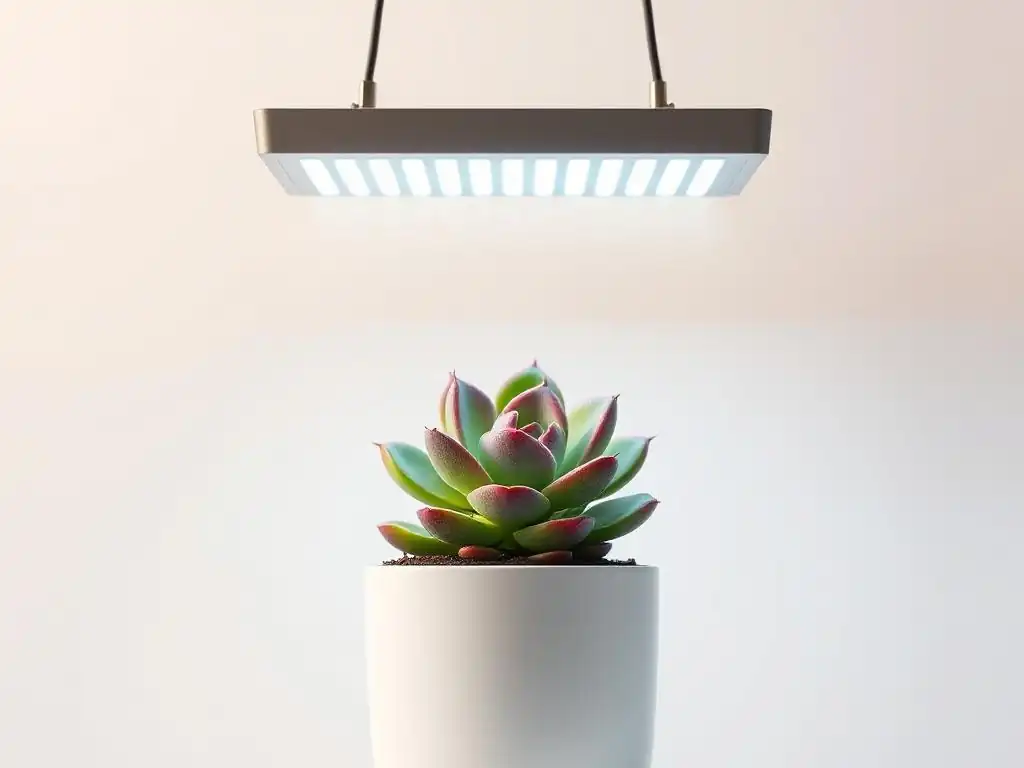
This section focuses on maximizing the effectiveness of your grow lights to ensure optimal succulent growth. Proper placement and usage are crucial for preventing common problems and achieving vibrant, healthy plants. Remember, even the best grow lights succulent growers use, won't perform optimally without proper attention to these details. We'll explore key aspects of maximizing your investment.
Optimal Hanging Height for Grow Lights to Prevent Etiolation
Etiolation, the lengthening of stems due to insufficient light, is a common problem for indoor succulents. To prevent this, maintaining the correct distance between your grow lights and your succulents is paramount. The ideal hanging height depends on the type of grow light and the specific succulent species, but a general guideline is to start with a distance of 6-12 inches.
Observe your plants closely. If you notice stretching or pale coloration, the light is too far away. Gradually lower the lights, monitoring for signs of leaf scorching (brown or crispy leaves). This indicates the light is too close. The goal is to find the "sweet spot" where your succulents receive ample light without experiencing stress.
Different grow lights have different intensities. LED grow lights, for example, often require a closer distance than fluorescent tubes. Always refer to your grow light's manufacturer's instructions for recommended distances. Regular monitoring and adjustment are key to maintaining optimal light levels throughout your succulents' growth cycle. Remember, consistent observation is crucial for successful succulent cultivation, even with the best grow lights for succulent growers.
Light Cycle Optimization for Healthy Succulent Growth
Providing the right light cycle is as important as the light intensity itself. Most succulents thrive on a 12-14 hour light cycle, mimicking their natural environment. However, some species might prefer slightly longer or shorter cycles. Experimentation is key.
You can use a timer to automate your grow lights, ensuring consistency. This is particularly beneficial if you have a busy schedule and may forget to turn the lights on or off manually. A consistent light cycle helps regulate the succulents' metabolic processes, leading to healthier growth and flowering. Inconsistency can lead to stunted growth and stress.
Consider the seasonal changes. During winter months, you might need to increase the light cycle slightly to compensate for reduced natural daylight. Conversely, during summer, you may need to slightly reduce the light cycle to prevent overheating. Always prioritize the overall health and well-being of your succulents when deciding on the light cycle. This attention to detail is what separates good succulent cultivation from truly exceptional results, even when using the best grow lights for succulent growers.
Troubleshooting Common Grow Light Issues for Succulents
Even with the best grow lights for succulent growers, problems can occur. Let's address some common issues and their solutions:
| Problem | Cause | Solution |
|---|---|---|
| Leaf scorching | Grow light too close, intense light | Increase the distance between the light and the plants; consider a dimmer. |
| Etiolation (leggy growth) | Insufficient light, light too far away | Lower the grow light; increase the duration of the light cycle. |
| Pale, weak growth | Insufficient light, incorrect light spectrum | Use a grow light with a full-spectrum light output; increase light intensity. |
| Unexpected leaf drop | Sudden changes in light intensity or cycle | Gradually adjust light levels and cycles; avoid sudden changes. |
Remember, patience and observation are key. Keep a detailed record of your grow light settings and your succulents' responses to fine-tune your approach. By addressing these potential issues proactively, you can ensure your succulents thrive under your grow lights, regardless of the specific brand or model you choose. The best grow lights for succulent growers are ultimately those that are used effectively and intelligently.
Beyond the Basics: Advanced Features to Consider in Grow Lights for Succulents
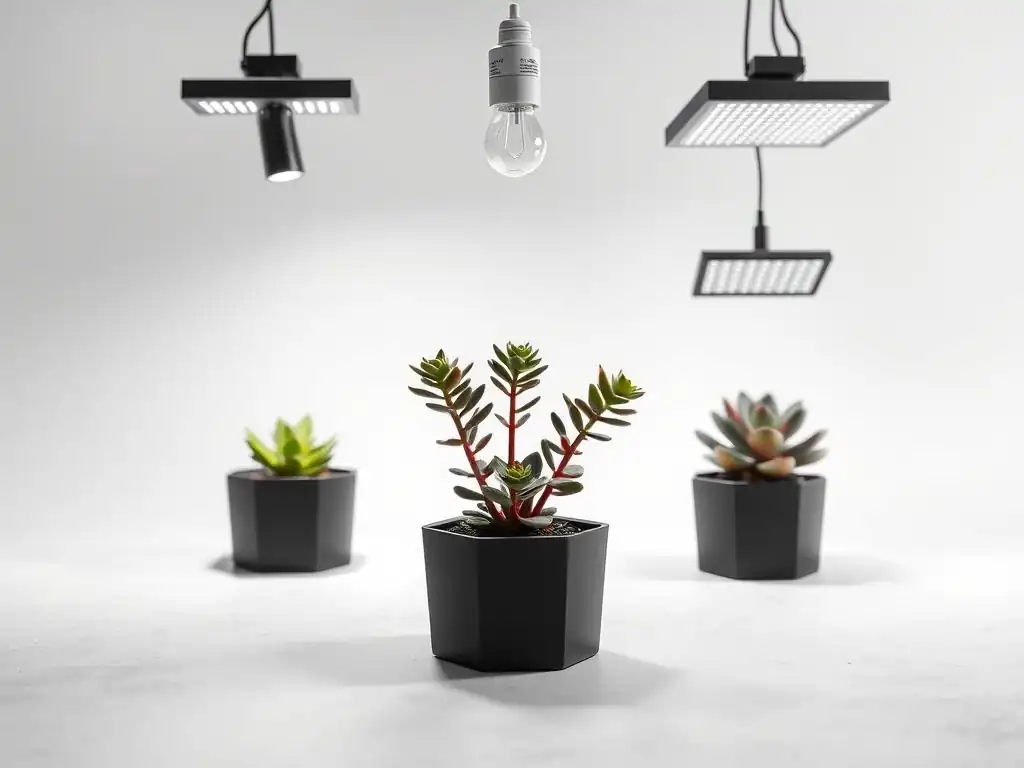
This section delves into advanced features that elevate grow lights from basic necessities to powerful tools for serious succulent cultivation. While basic light output is crucial, the features discussed below significantly impact the health, growth, and overall aesthetic appeal of your succulent collection. Choosing the best grow lights for succulent growers means understanding these nuances.
Dimmable Grow Lights for Fine-Tuning Light Intensity
Many succulent species thrive under specific light intensities. A dimmable grow light allows for precise control, crucial for adapting to seasonal changes, plant maturity, and even individual plant needs. Instead of a single, fixed light output, a dimmable light offers a spectrum of intensities. This is particularly beneficial for succulents that are sensitive to overly intense light, which can lead to scorching or discoloration.
For example, newly propagated succulents or those recovering from stress may require lower light intensities to promote healthy growth and prevent further damage. Conversely, mature succulents during their active growing season may benefit from higher light levels to encourage robust growth and flowering. A dimmable grow light empowers you to tailor light exposure to each plant's specific needs, optimizing growth and minimizing stress. The ability to fine-tune the light intensity is a key differentiator when comparing different grow lights and is a significant factor in selecting the best grow lights for succulent growers.
Consider the following when choosing a dimmable grow light: the range of dimming (percentage or specific lumens), the ease of adjusting the intensity (knobs, digital controls), and the overall build quality. A reliable dimming mechanism ensures consistent and precise light control throughout the plant's life cycle.
Timer Functionality for Automated Light Cycles
Automated light cycles are essential for maintaining consistency and mimicking natural sunlight patterns. A built-in timer on your grow light eliminates the need for manual on/off switching, saving time and ensuring your succulents receive the precise amount of light daily. This consistency is vital for healthy growth and flowering.
Succulents, like many other plants, respond positively to consistent light cycles. A timer allows you to program specific on and off times, creating a consistent daily light cycle that promotes healthy growth and reduces stress. This is particularly helpful when dealing with a large collection or when you have unpredictable schedules.
For instance, a timer can be set to provide 12 hours of light followed by 12 hours of darkness, a cycle frequently recommended for many succulent species. This eliminates guesswork and ensures optimal light exposure, even when you're away from home. Finding grow lights with programmable timers is crucial for maximizing growth and efficiency, making them among the best grow lights for succulent growers.
Waterproof and Durable Grow Lights for Outdoor and Greenhouse Applications
For succulent enthusiasts who cultivate plants outdoors or in greenhouses, waterproof and durable grow lights are essential. These lights can withstand harsh weather conditions, ensuring consistent light delivery regardless of rain, wind, or temperature fluctuations. Durability also protects the investment, ensuring a long lifespan even in demanding environments.
Choosing a grow light with an appropriate IP rating (Ingress Protection) is crucial for outdoor use. Higher IP ratings indicate greater protection against water and dust ingress. For example, an IP65 rating signifies protection against low-pressure water jets and dust, making it suitable for most outdoor applications. Furthermore, the materials used in the construction of the grow light should be robust enough to withstand the elements.
Look for durable housings made from weather-resistant materials like high-quality plastics or aluminum alloys. Investing in rugged and waterproof grow lights is an important step towards ensuring the long-term health and success of your outdoor succulent cultivation and a key consideration when searching for the best grow lights for succulent growers. The longevity and reliability of these lights far outweigh the initial cost.
Grow Light Accessories for Serious Succulent Cultivators
Serious succulent growers understand that selecting the best grow lights is only half the battle. Optimizing light distribution and placement significantly impacts plant health and growth. This section explores essential accessories that elevate your succulent cultivation game, ensuring your plants receive the precise light they need to thrive. We'll examine how these additions contribute to achieving optimal results, making the difference between healthy, vibrant succulents and those struggling to survive. The right accessories can transform your grow setup from adequate to exceptional, maximizing the potential of your "best grow lights for succulent growers."
Reflective Mylar for Enhanced Light Distribution
Reflective mylar sheeting is a game-changer for maximizing light intensity within your grow space. By strategically lining the walls and ceiling of your grow area, you're effectively creating a highly reflective environment. This prevents light loss, ensuring that more photons reach your precious succulents. This is particularly crucial for growers with limited space or those using less powerful grow lights.
Consider these points when choosing and using mylar:
- Type of Mylar: Look for high-purity mylar sheets with a reflectivity of at least 90%. Lower-quality mylar can degrade over time, reducing its effectiveness.
- Installation: Ensure the mylar is taut and wrinkle-free for optimal reflection. Wrinkles create shadows and reduce light efficiency.
- Placement: Strategically place the mylar to maximize reflection towards your succulents. Avoid placing it directly behind the plants, as this can create unwanted heat buildup.
Using mylar is a simple yet highly effective way to boost the performance of your grow lights, even if you already have the "best grow lights succulent growers" can find. The increased light intensity translates to faster growth, more vibrant colors, and healthier succulents overall. Think of it as giving your plants a supercharged light bath!
Grow Light Stands and Mounting Systems for Optimal Placement
The placement of your grow lights is paramount. Simply placing them on a shelf isn't always ideal. Grow light stands and mounting systems offer adjustable height and positioning, allowing you to fine-tune light exposure for different succulent species and growth stages. This control is crucial because different succulents have varying light requirements. Some thrive in bright, direct light, while others prefer softer, diffused light.
Here's a breakdown of different mounting options:
| Mounting System | Advantages | Disadvantages | Suitability |
|---|---|---|---|
| Adjustable Height Stands | Versatile, adaptable to different plant heights | Can be bulky, may require assembly | Ideal for various succulent arrangements and sizes |
| Hanging Systems | Space-saving, allows for overhead lighting | Requires ceiling mounting, potential for sway | Suitable for taller succulents and hanging planters |
| Clamp-on Systems | Easy to install, suitable for existing shelves | Limited adjustability, may not support heavy lights | Good for smaller setups and supplemental lighting |
Choosing the right system depends on your specific needs and the size of your grow operation. Investing in a quality stand or mounting system ensures optimal light penetration and prevents light from being wasted or unevenly distributed. This, in turn, directly impacts the health and growth of your succulents.
Supplemental Lighting for Low-Light Environments
Even with the "best grow lights succulent growers" can find, supplemental lighting can be vital in low-light environments or during winter months. Supplemental lighting can bridge the gap between natural daylight and the light provided by your main grow lights. This is particularly beneficial for succulents that require a higher daily light intensity than your primary light source can provide.
Consider these scenarios where supplemental lighting is particularly helpful:
- North-facing windows: These windows receive minimal direct sunlight, making supplemental lighting almost mandatory.
- Winter months: Reduced daylight hours during winter require additional light to maintain healthy succulent growth.
- Cloudy weather: Extended periods of cloud cover can significantly reduce the amount of light your succulents receive.
Supplemental lighting doesn't have to be overly complex. Small, energy-efficient LED grow lights can effectively boost light levels, providing that extra "oomph" your succulents might need to flourish even in challenging conditions. Remember, a well-lit succulent is a happy succulent!
Frequently Asked Questions
What types of grow lights are best for succulents?
Several types excel, including full-spectrum LED grow lights and fluorescent lights. Choose lights that mimic natural sunlight, offering a balance of red and blue light. Consider the wattage and light intensity needed for your specific succulents and setup.
How many hours of light do succulents need daily?
Most succulents thrive with 6-8 hours of light per day. However, this can vary depending on the species; some may tolerate slightly less, while others need more. Monitor your plants closely for signs of etiolation (legginess) or sunburn.
Can I use regular household lights for my succulents?
While household lights might offer some light, they typically lack the intensity and spectrum needed for healthy succulent growth. For optimal results, invest in dedicated grow lights designed for plants.
How close should grow lights be to my succulents?
The ideal distance varies based on the light intensity of your grow lights. Start with a distance of 6-12 inches and adjust as needed. Observe your plants for signs of burning (brown or bleached leaves) or stretching.
What are the signs of insufficient light in succulents?
Insufficient light leads to etiolation, where succulents become leggy and spindly. Leaves may also appear pale or spaced far apart. Supplementing with a grow light will help correct this issue.
Final Reflection: Illuminating the Path to Succulent Success
The quest for the perfect grow light isn't just about brighter leaves; it's about nurturing life itself. In a world increasingly disconnected from nature, providing optimal conditions for our beloved succulents becomes a powerful act of connection and mindful cultivation. This journey into advanced grow light technology underscores the importance of understanding the nuanced needs of these resilient plants, moving beyond basic care to unlock their full potential.
The impact of proper lighting on succulent health and vibrancy is undeniable, extending far beyond mere aesthetics. It's about fostering a thriving ecosystem within our homes, a miniature desert landscape that brings a touch of the wild indoors. This connection to nature, even in a controlled environment, offers a profound sense of peace and accomplishment. The glory of gardening: hands in the dirt, head in the sun, heart with nature. To nurture a garden is to feed not just the body, but the soul.
This quote resonates deeply as we consider the transformative power of tending to these unique plants, and the role of proper lighting in that process.
Now, consider your own succulent collection. What lighting solutions are you currently using? Are they truly meeting the needs of your plants, or are there areas for improvement? I urge you to take this knowledge and apply it to your own growing practices. Experiment with different spectrums, intensities, and timers to discover the perfect lighting recipe for your succulents. Embrace the journey of learning and observation, and watch as your plants flourish under your care, a testament to your dedication and understanding.
Unleash Your Succulent's Full Potential: Grow Brighter!
Thanks for exploring the world of advanced grow lights with us! You now have the knowledge to cultivate truly stunning succulents. Ready to put your expertise into practice?
- Choose the right grow light: Carefully consider the top models discussed and select the one that best suits your collection and growing space. This is the most important step you can take.
- Share your success: Tell us which light you chose and why! We love hearing from our community and seeing your thriving succulents. Share photos on your favorite social media using #SucculentEssentials.
- Refine your growing techniques: Continue learning about succulent care and discover more ways to improve their growth and health. Check out our other articles on soil, watering, and propagation.
What improvements will you make to your succulent growing setup today?