
The Power of Grit: How Horticultural Sand Transforms Succulent Soil

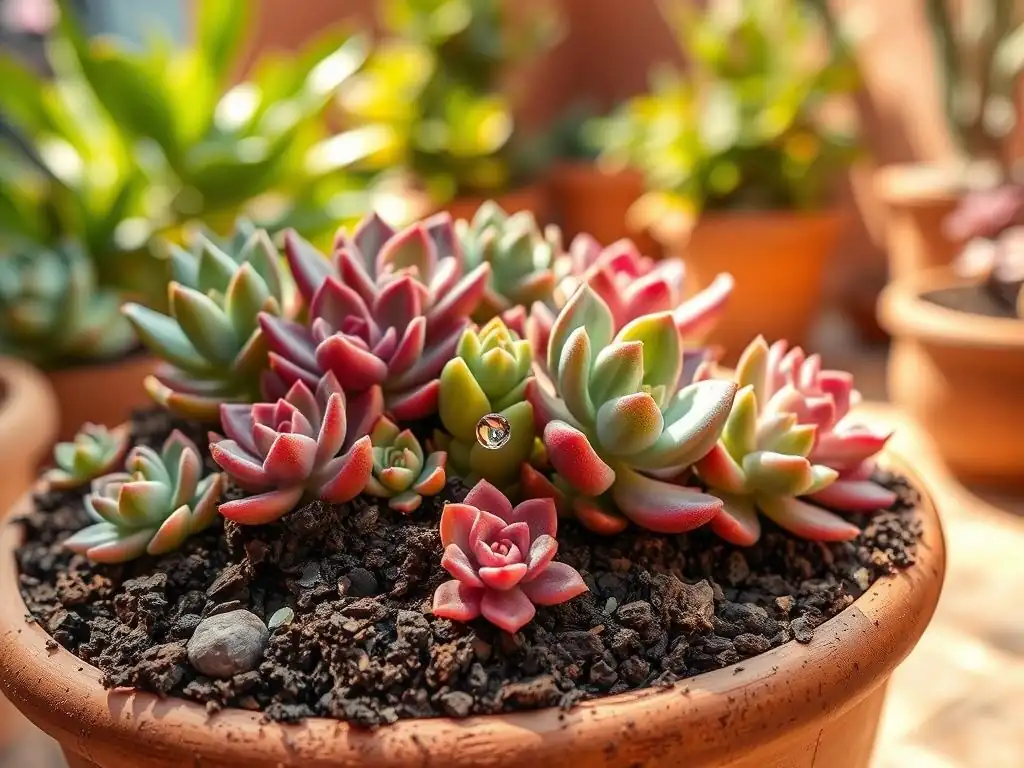
Welcome to SucculentEssentials.org, where the fascinating world of succulents unfolds! Are you ready to unlock the secrets to thriving succulents? We delve into every aspect of succulent care, from identifying rare varieties to mastering the art of propagation. But first, discover the groundbreaking impact of the best succulent soil mix sand on your plants' health and vitality. Learn how the right soil, like the one discussed in our Expert Buying Guides and Product Reviews section, can transform your succulents from struggling survivors to breathtakingly beautiful specimens. Dive in and uncover the power of the perfect potting mix!
- Understanding the Importance of Drainage in Succulent Soil
- Introducing Horticultural Sand: The Perfect Amendment for Succulent Soil
- Creating the Best Succulent Soil Mix with Sand: A Step-by-Step Guide
- Common Mistakes to Avoid When Using Sand in Succulent Soil
- Advanced Techniques for Using Horticultural Sand in Succulent Growing
- Maintaining Your Succulent Soil with Horticultural Sand
- Frequently Asked Questions about Using Horticultural Sand for Succulents
-
Frequently Asked Questions
- What is the best type of sand for succulent soil?
- Why is sand crucial for succulent soil mix?
- What is the ideal ratio of sand to other ingredients in a succulent soil mix?
- Can I use other materials instead of sand in my succulent soil mix?
- How do I know if my succulent soil mix has the right amount of sand?
- Final Reflection: Cultivating Resilience, One Grain of Sand at a Time
- Unleash Your Inner Green Thumb: Cultivate the Perfect Succulent Soil!
Understanding the Importance of Drainage in Succulent Soil
Succulents, with their fascinating diversity and striking beauty, have captivated plant enthusiasts worldwide. However, their unique water-retention capabilities, while contributing to their drought tolerance, also make them highly susceptible to overwatering. This is where the crucial role of properly draining soil comes into play.
This article delves into the transformative power of horticultural sand in creating the best succulent soil mix, focusing on its contribution to superior drainage and overall plant health. We'll explore the critical importance of well-draining soil, the devastating consequences of poor drainage, and how to identify signs of trouble in your succulent arrangements. Choosing the right soil is paramount for succulent cultivation, ensuring vibrant growth and longevity for these captivating plants.
Mastering the art of succulent soil preparation is key to unlocking their full potential and enjoying their beauty for years to come. This guide will equip you with the knowledge to create the ideal environment for your treasured succulents, dramatically improving their chances of thriving.
Why Well-Draining Soil is Crucial for Succulent Health
Succulents, unlike many other plants, store water in their leaves, stems, and roots. This adaptation allows them to survive extended periods of drought. However, this same adaptation makes them incredibly vulnerable to overwatering. Poorly draining soil leads to waterlogging, creating a perpetually damp environment that suffocates their roots.
Well-draining soil, on the other hand, ensures that excess water quickly escapes, preventing root rot, a common and often fatal condition for succulents. The inclusion of horticultural sand in your succulent soil mix is vital for achieving this optimal drainage. Horticultural sand, unlike beach sand, is carefully screened and free of salts and other impurities that can harm your plants. Its granular structure allows for exceptional aeration and water permeability, creating the perfect balance of moisture retention and drainage.
This prevents the roots from sitting in stagnant water, allowing them to breathe and efficiently absorb nutrients. The result? Healthier, happier, and more vibrant succulents!
The Dangers of Soggy Soil and Root Rot in Succulents
Soggy soil is a recipe for disaster when it comes to succulents. The constant presence of moisture creates the ideal breeding ground for harmful fungi and bacteria, leading to root rot. Root rot is a devastating condition that begins with the gradual decay of the roots, preventing the plant from absorbing essential nutrients and water. Initially, you might notice signs of wilting, even with regular watering.
As the rot progresses, the leaves become mushy, yellow, and eventually fall off. The stem may become soft and dark, and a foul odor may emanate from the soil. In advanced cases, root rot can lead to the complete death of the succulent. Preventing root rot is crucial, and the key lies in ensuring excellent drainage with a well-balanced soil mix that includes horticultural sand.
Using a mix that retains some moisture but also drains quickly is the best defense against this common succulent killer. Remember, prevention is always better than cure! 😠
Identifying Signs of Poor Drainage in Your Succulent Pots
Recognizing the signs of poor drainage early on is essential for preventing serious problems. Here's what to look for:
- Standing water: The most obvious sign is the presence of standing water in the saucer or at the bottom of the pot after watering.
- Mushy leaves: Leaves that feel soft, mushy, or unusually pliable are a clear indication of overwatering.
- Yellowing or browning leaves: While yellowing can have multiple causes, in conjunction with other symptoms, it can point to root rot.
- Wilting: Surprisingly, wilting can also be a symptom of overwatering, as the roots are unable to absorb water due to the lack of oxygen.
- Foul odor: A musty or unpleasant smell emanating from the soil indicates the presence of decaying organic matter and potentially root rot.
If you observe any of these signs, take immediate action! Repotting your succulent into a well-draining soil mix with horticultural sand is usually the best course of action. Remember, proactive monitoring and swift intervention are essential for keeping your succulents healthy and vibrant.
Introducing Horticultural Sand: The Perfect Amendment for Succulent Soil
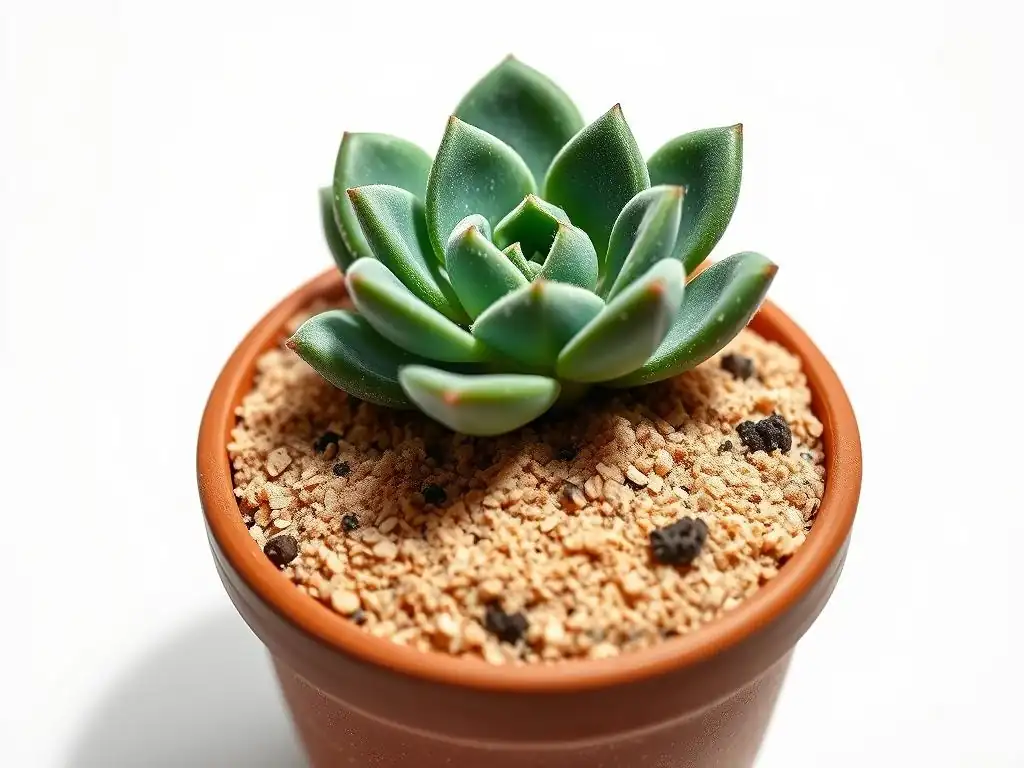
Horticultural sand isn't just any beach sand; it's a crucial component for creating the best succulent soil mix sand. Its unique properties make it an invaluable amendment for improving the drainage and aeration of succulent potting mixes, directly impacting plant health and longevity. Unlike playground sand or other types of sand, horticultural sand is carefully screened and cleaned, ensuring it's free from contaminants like salt, clay, and organic matter that could harm your precious succulents.
This meticulous preparation is key to its effectiveness in enhancing succulent growth. Understanding the specific characteristics of horticultural sand sets it apart and highlights its importance in achieving optimal succulent cultivation. We'll delve deeper into these distinguishing features in the following sections.
What is Horticultural Sand and How Does it Differ from Other Sands?
Horticultural sand, unlike play sand or beach sand, undergoes a rigorous cleaning and screening process. This removes impurities like salt, silt, and clay that can compact the soil, hindering drainage and potentially introducing diseases. The result is a clean, consistent grain size that's ideal for improving soil structure. Play sand, for example, often contains finer particles and may include contaminants that are detrimental to succulent health.
Beach sand, while seemingly similar, can contain high levels of salt, which is extremely damaging to succulents. The difference is significant: horticultural sand provides the perfect balance of drainage and aeration without introducing harmful elements. This makes it a superior choice for creating a thriving environment for your succulents, ensuring their roots receive adequate oxygen and water while preventing root rot.
Think of it this way: imagine trying to build a sandcastle with regular beach sand versus horticultural sand. Beach sand, with its varying particle sizes and impurities, might be difficult to work with and prone to collapsing. Horticultural sand, however, offers a uniform consistency, making for a stable and well-structured castle – much like it creates a stable and well-draining soil structure for your succulents.
Choosing the Right Grade of Horticultural Sand for Your Succulents
The grade of horticultural sand you choose can influence the overall drainage and texture of your succulent soil mix. While many sources offer a single "horticultural sand" option, there can be subtle differences in grain size. Ideally, you're aiming for a medium-grained sand. This provides a good balance – coarse sand might be too large, leading to overly rapid drainage and potential nutrient leaching, while very fine sand can still compact and reduce aeration. Always check the product description for grain size specifications.
Looking for a description emphasizing "uniform grain size" is a good indicator of high-quality horticultural sand. Avoid sands labeled as "sharp sand" as these can be too abrasive for delicate succulent roots. The right grade ensures optimal water retention while preventing waterlogging – a critical factor for preventing root rot, a common issue for succulents. The ideal texture should feel gritty but not overly coarse.
| Sand Type | Grain Size | Suitability for Succulents | Potential Issues |
|---|---|---|---|
| Play Sand | Fine to Medium | Poor | Contaminants, compaction, poor drainage |
| Beach Sand | Variable | Poor | Salt content, inconsistent grain size, contaminants |
| Horticultural Sand | Medium | Excellent | Less likely to compact, provides optimal drainage |
Benefits of Using Horticultural Sand: Improved Drainage and Air Circulation
The primary benefit of incorporating horticultural sand into your succulent soil mix is its ability to drastically improve drainage and air circulation. Succulents are adapted to arid environments and require well-draining soil to prevent root rot. The addition of horticultural sand creates air pockets within the soil matrix, allowing for better oxygen flow to the roots. This improved aeration is essential for healthy root development and nutrient uptake.
Poor drainage leads to waterlogged soil, creating an environment conducive to fungal growth and root rot. By adding horticultural sand, you significantly reduce the risk of these issues, ensuring your succulents thrive. The improved drainage also means that your succulents are less likely to suffer from overwatering, a common problem for succulent growers. Proper drainage is paramount for the long-term health and vitality of your plants.
The increased air circulation also helps to regulate soil temperature, preventing extreme fluctuations that can stress your succulents. This results in healthier, more vigorous growth and more vibrant coloration. The use of horticultural sand is a simple yet highly effective technique to optimize the growing conditions for your succulents, contributing to their overall success.
Creating the Best Succulent Soil Mix with Sand: A Step-by-Step Guide
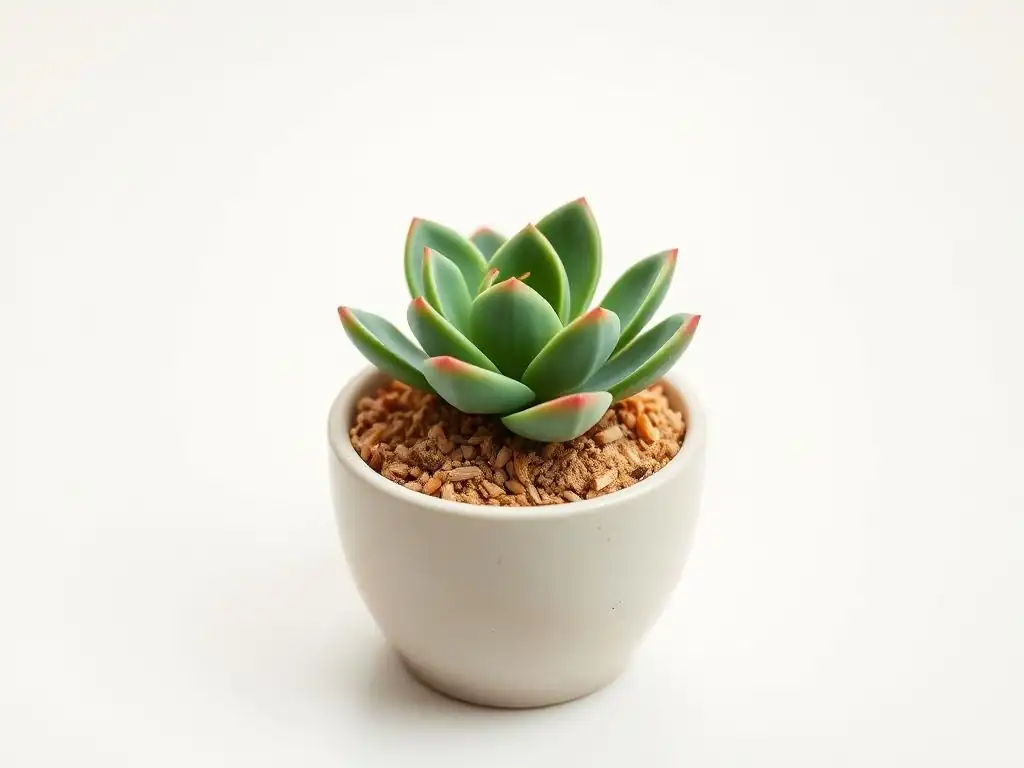
This section delves into the practical application of horticultural sand in crafting the best succulent soil mix. We'll explore three distinct recipes, each designed to cater to different needs and preferences, highlighting the crucial role of sand in achieving optimal drainage and aeration for your beloved succulents. Remember, well-draining soil is paramount to preventing root rot, a common nemesis of succulent cultivation. Choosing the right sand, specifically horticultural sand, is key to success. This fine-grained sand provides excellent drainage without being overly coarse, unlike construction sand, which can compact and hinder water flow.
Recipe 1: A Basic Succulent Soil Mix with Horticultural Sand and Potting Mix
This recipe provides a simple, effective foundation for growing most succulents. It's ideal for beginners and those seeking a readily available, cost-effective solution.
The key to this mix is the balance between the water-retentive potting mix and the highly-porous horticultural sand. The ratio ensures adequate moisture retention while preventing waterlogging.
- Ingredients:
- 1 part all-purpose potting mix (look for one that is peat-based or a similar well-draining type)
- 1 part horticultural sand (washed and free of any soil or contaminants)
- Instructions:
- Thoroughly mix the potting mix and horticultural sand in a large container. Ensure even distribution to prevent pockets of dense soil or pure sand.
- Test the drainage. Fill a small pot with the mix and pour water through it. The water should drain freely, without puddling on the surface. Adjust the ratio if necessary.
- This mix is suitable for a wide range of succulents, including echeveria, sedum, and sempervivum.
Recipe 2: Enriched Succulent Soil Mix with Perlite and Horticultural Sand
This recipe enhances the basic mix by incorporating perlite, a volcanic glass that further improves drainage and aeration. Perlite also helps to regulate soil temperature, preventing extreme fluctuations that can stress succulents. This is a superb choice for more delicate or sensitive succulents.
- Ingredients:
- 1 part all-purpose potting mix
- 1/2 part horticultural sand
- 1/2 part perlite
- Instructions:
- Combine all three ingredients in a large container. Mix thoroughly until evenly distributed.
- Perform a drainage test as described in Recipe 1. Adjust the ratio if needed to achieve optimal drainage.
- This enriched mix is especially beneficial for succulents prone to root rot or those requiring excellent aeration, such as string of pearls or haworthia. The added perlite also helps retain some moisture, but prevents the soil from becoming waterlogged.
Recipe 3: DIY Cactus and Succulent Soil Mix with Pumice and Horticultural Sand
This recipe offers superior drainage and aeration, making it perfect for cacti and succulents that thrive in extremely well-draining conditions. Pumice, a lightweight volcanic rock, adds exceptional porosity to the mix. This is a great option for experienced succulent enthusiasts looking for a long-lasting, high-performance soil.
- Ingredients:
- 1 part potting mix (choose a well-draining type; consider a cactus and succulent specific blend)
- 1 part horticultural sand
- 1 part pumice (ensure it's horticultural grade, not construction grade)
- Instructions:
- Combine all ingredients thoroughly in a large container. Ensure a consistent texture.
- Conduct a thorough drainage test. The water should drain almost immediately. Adjust the proportions if necessary to achieve the desired drainage.
- This mix is ideal for drought-tolerant succulents and cacti that need exceptional drainage. This reduces the risk of root rot significantly. It's also a good choice for succulents grown in containers with limited drainage holes.
Remember, always use clean, washed horticultural sand for your succulent soil mixes. Avoid using construction sand, as it may contain impurities that can harm your plants. By carefully following these recipes and adapting them to your specific needs, you'll create the best succulent soil mix for a thriving collection. 🌵
Common Mistakes to Avoid When Using Sand in Succulent Soil
Choosing the best succulent soil mix sand is crucial for healthy plant growth. While sand improves drainage and aeration, improper use can lead to serious problems. Let's examine common pitfalls to avoid when incorporating sand into your succulent potting mix.
Overusing Sand: The Risks of Creating Too-Dry a Mix
Many novice succulent enthusiasts believe that more sand equates to better drainage. This is a misconception. Overusing sand creates an excessively dry and infertile environment. Succulents, while drought-tolerant, still need access to water and essential nutrients.
A soil mix that's primarily sand will drain too quickly, leaving the roots perpetually dry and unable to absorb sufficient moisture, even with frequent watering. This can lead to root rot (ironically), as the roots struggle to find water and become stressed, making them more susceptible to fungal infections. The lack of moisture also hinders nutrient uptake, resulting in stunted growth and unhealthy plants.
A well-balanced mix typically uses sand as a component, not the dominant ingredient. Aim for a ratio that prioritizes good drainage without sacrificing the ability to retain some moisture and nutrients. For example, a suitable mix might include 50% well-draining potting mix, 30% horticultural sand, and 20% perlite or pumice. Always observe your specific succulent's needs; some varieties prefer slightly more moisture-retentive soil than others.
The key is balance. Too much sand, and your succulents will suffer from dehydration. Too little, and they’ll struggle with water retention and potentially root rot.
Using the Wrong Type of Sand: Why Play Sand is a Bad Choice for Succulents
Not all sand is created equal. Using the wrong type of sand can significantly impact your succulents' health. Play sand, for example, is often too fine and compact, defeating the purpose of using sand in the first place. It doesn't provide the necessary aeration and can even impede drainage. The fine particles can pack together, creating a dense layer that prevents water from percolating through the soil effectively. This can lead to waterlogging at the bottom of the pot, creating ideal conditions for root rot – the bane of many succulent owners.
Horticultural sand, on the other hand, is coarser and better suited for succulent mixes. Its larger particles provide excellent drainage and aeration without packing tightly. It also lacks the impurities and fine silt often found in play sand, which can negatively affect the soil's pH and nutrient availability. Always opt for horticultural sand, also known as builder's sand or sharp sand, specifically designed for gardening use. Checking the sand's particle size distribution before using it is a good practice to ensure it's suitable for your succulents.
Ignoring Other Essential Soil Components: The Importance of Organic Matter and Minerals
While sand improves drainage, it lacks essential nutrients and organic matter. A soil mix solely composed of sand will quickly become deficient, leaving your succulents malnourished and vulnerable to diseases. Therefore, incorporating organic matter and minerals is crucial for healthy growth.
Organic matter, such as coco coir or composted bark, helps retain moisture and provides nutrients as it decomposes. It improves the soil structure, making it more porous and aerated. Minerals, such as perlite or pumice, further enhance drainage and aeration. They also help regulate soil temperature and prevent compaction. A well-balanced succulent soil mix should be a blend of these components, working together to create an ideal environment for your plants to thrive.
| Component | Function | Percentage in Ideal Mix (Example) |
|---|---|---|
| Horticultural Sand | Improves drainage and aeration | 30% |
| Potting Mix | Provides basic nutrients and moisture retention | 50% |
| Perlite/Pumice | Enhances drainage, aeration, and temperature regulation | 20% |
Remember, finding the best succulent soil mix sand involves more than just selecting the right type of sand. It’s about creating a balanced mix that caters to the specific needs of your plants, ensuring they have access to the essential elements for healthy growth. 🌱
Advanced Techniques for Using Horticultural Sand in Succulent Growing
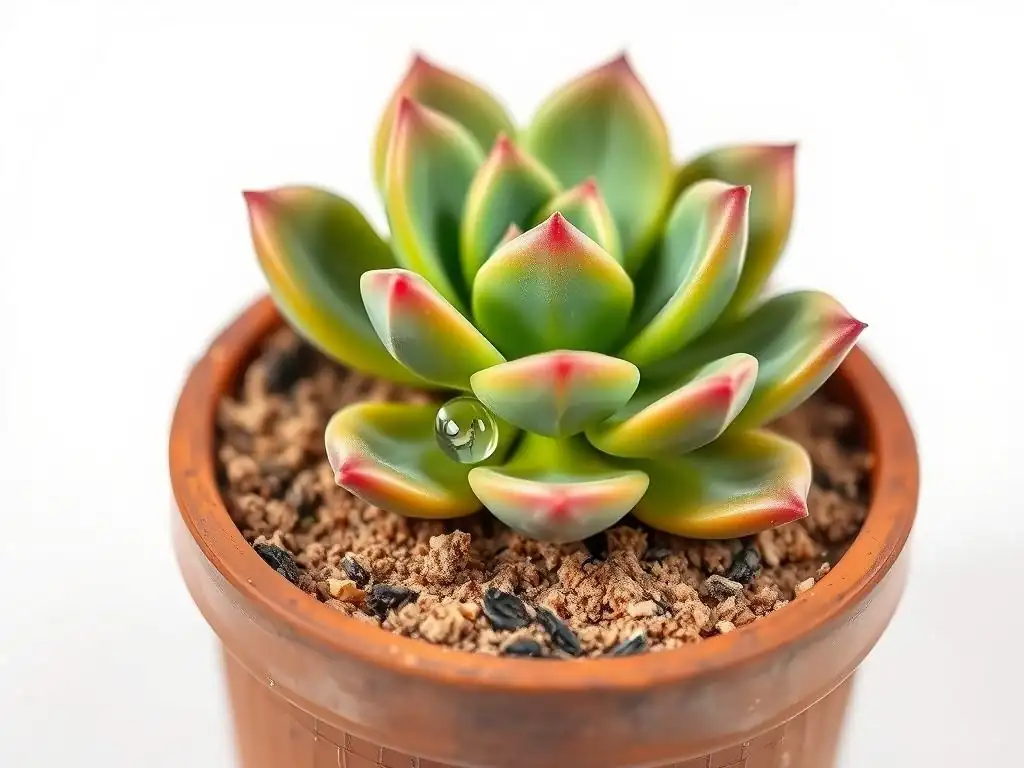
Horticultural sand, when used correctly, is a game-changer for succulent cultivation. It's not just about improving drainage; it's about mimicking the natural, well-draining environments where many succulents thrive. This section explores advanced techniques beyond simply adding sand to your standard succulent soil mix, focusing on maximizing its benefits for optimal plant health and growth. Remember, the "best succulent soil mix sand" isn't just any sand; it's specifically horticultural sand, free of salts and other contaminants that can harm your plants.
Top Dressing with Horticultural Sand to Improve Drainage
Top dressing your succulent pots with a layer of horticultural sand offers several key advantages. This technique isn't about drastically altering the soil mix itself but rather creating a surface layer that enhances drainage and prevents waterlogging. A layer of about ½ inch to 1 inch of sand provides excellent capillary action control. This means water will drain more effectively through the existing soil, preventing the build-up of moisture at the surface, a major cause of root rot in succulents. Furthermore, the sand acts as a barrier against soil compaction, keeping the surface loose and airy. This is especially beneficial in areas with high humidity or during periods of heavy rainfall. The top dressing also helps to suppress the growth of algae and weeds, keeping your pots looking neat and tidy. Finally, the visual appeal is undeniable; a clean layer of sand adds a polished look to your succulent arrangements.
Think of it this way: imagine a heavy rain on a bare hillside versus the same rain on a hillside covered in loose gravel. The gravel allows the water to permeate and drain more easily, preventing erosion and waterlogging. Horticultural sand plays a similar role for your succulents.
Using Sand in Succulent Propagation for Better Rooting
Propagation is a rewarding aspect of succulent gardening, and horticultural sand plays a crucial role in achieving high success rates. When propagating succulents from leaf cuttings or stem cuttings, using a well-draining mix of horticultural sand and perlite is key. The sand's coarse texture provides excellent aeration around the cutting, promoting faster callus formation and root development.
This is because the sand allows for optimal gas exchange, preventing the cutting from rotting due to excess moisture. A typical mix might be 50% horticultural sand and 50% perlite. However, for particularly delicate cuttings, you might increase the percentage of perlite to 70% to provide even better drainage and aeration.
Remember to keep the propagation mix consistently moist but not soggy. Using a spray bottle to mist the cuttings is recommended, as this avoids overwatering and ensures even moisture distribution. Regularly checking the moisture level and adjusting watering accordingly is crucial for successful propagation. The use of horticultural sand significantly reduces the risk of fungal diseases, which frequently attack propagations in excessively moist environments. This ultimately leads to healthier and more robust plants. The improved drainage provided by the sand allows for a more consistent moisture level, preventing both overwatering and underwatering, crucial for successful rooting.
Creating a Gritty Base Layer for Improved Drainage in Large Pots
For larger succulent pots or containers, creating a gritty base layer using horticultural sand is highly beneficial. This technique is especially valuable when using heavy, clay-based potting mixes that tend to retain moisture. By adding a layer of horticultural sand (approximately 2-3 inches) at the bottom of the pot, you create a highly porous drainage layer.
This layer prevents water from becoming stagnant at the bottom of the pot, reducing the risk of root rot, even if the upper soil mix retains more moisture. The sand acts as a reservoir for excess water, allowing it to drain freely out of the drainage holes.
The benefits extend beyond just drainage. The base layer also helps to improve aeration within the pot, ensuring that the roots receive sufficient oxygen. This is particularly important for larger plants with extensive root systems.
The addition of this base layer also aids in preventing soil compaction over time, maintaining optimal growing conditions for your succulents for longer. This technique is especially useful for larger, heavier succulent varieties which are more prone to root rot due to their larger root mass and potentially slower drainage compared to smaller succulents. Consider this a proactive measure towards maintaining healthy, thriving succulents, regardless of pot size.
Maintaining Your Succulent Soil with Horticultural Sand
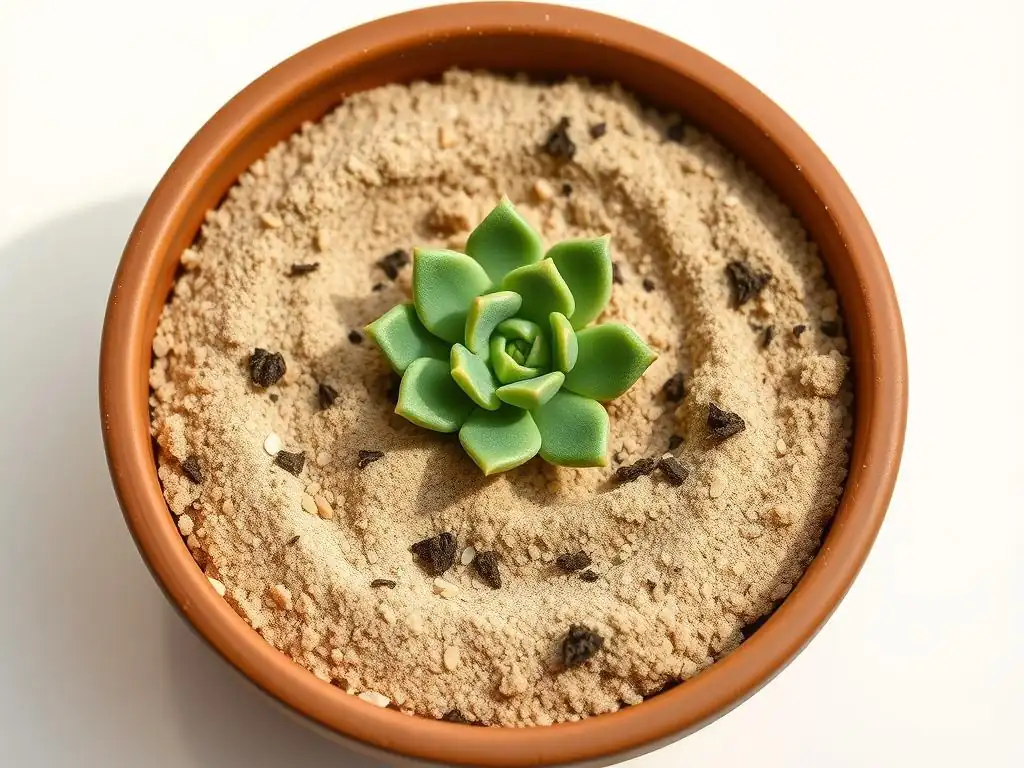
This section delves into the practical applications of horticultural sand in maintaining optimal succulent soil conditions. We'll explore how to identify when your succulents need repotting, the process of repotting using a sand-amended mix, and long-term strategies for keeping your succulents thriving. Using the right mix, including the best succulent soil mix sand, is crucial for their health and longevity.
Signs Your Succulent Soil Needs Repotting
Several key indicators signal the need to repot your succulents and refresh their soil mix. Ignoring these signs can lead to stunted growth, root rot, and ultimately, the demise of your beloved plants. Recognizing these symptoms early allows for timely intervention and prevents irreversible damage.
One of the most obvious signs is poor drainage. If water sits on the soil surface for an extended period after watering, it indicates compacted soil that's lost its porosity. This is a breeding ground for fungal diseases and root rot, particularly detrimental to succulents.
Another tell-tale sign is salt buildup which manifests as a white crust on the soil surface. This occurs when minerals in the water accumulate over time, hindering nutrient uptake. The appearance of this "salt scurf" is a clear indication that a soil refresh is necessary.
Furthermore, slow or stunted growth, despite adequate sunlight and watering, may suggest a lack of essential nutrients or poor drainage due to compacted soil. Finally, a sour or foul odor emanating from the soil is a strong indicator of root rot, a condition often exacerbated by poorly draining soil. Addressing these issues promptly by using a well-draining soil mix, including the best succulent soil mix sand, is key to maintaining healthy succulents.
Observing these signs carefully enables timely action. Remember, proactive soil management is far more effective than reactive treatments.
Repotting Your Succulents with a Fresh Sand-Amended Soil Mix
Repotting your succulents with a fresh, well-draining soil mix is a crucial step in maintaining their health. This process involves carefully removing the plant from its existing pot, gently cleaning the roots, and planting it in a new pot with a superior soil blend. The best succulent soil mix sand plays a vital role in this process.
Before repotting, select a pot with drainage holes to prevent waterlogging. Gently remove the succulent from its old pot, taking care not to damage the roots. If the roots are bound or compacted, gently loosen them with your fingers. Remove any dead or decaying roots.
Prepare your new soil mix, which should consist of a well-draining blend incorporating the best succulent soil mix sand, usually comprising about 20-40% of the total volume. This percentage may vary depending on the specific succulent species and the overall soil composition. A common mix might include potting soil, perlite, and horticultural sand. Plant the succulent in the new pot, ensuring the crown (where the leaves emerge from the stem) is slightly above the soil line.
Gently firm the soil around the base of the plant. Avoid overwatering immediately after repotting; allow the soil to dry slightly before the next watering. This careful process ensures the roots are well-established in the new, improved soil. Regular repotting, using a mix containing the best succulent soil mix sand, will prevent many common succulent problems.
Long-Term Care and Soil Maintenance for Healthy Succulents
Maintaining the health of your succulents extends beyond occasional repotting. Consistent monitoring and proactive care are essential for their long-term well-being. Regularly inspect the soil for signs of compaction, salt buildup, or other issues. Top-dressing with a thin layer of fresh, well-draining soil mix containing horticultural sand can help improve drainage and aeration over time. This process replenishes essential nutrients and prevents compaction.
Avoid overwatering, which can lead to root rot. Water thoroughly when the soil is completely dry, allowing excess water to drain completely. The use of the best succulent soil mix sand contributes greatly to the soil's ability to drain efficiently. Additionally, ensure adequate sunlight exposure for your succulents. Most succulents thrive in bright, indirect light.
Adjust watering frequency based on the season and environmental conditions. During the dormant period (typically winter), reduce watering frequency significantly. By consistently following these long-term care practices and using a high-quality soil amended with the best succulent soil mix sand, you can ensure your succulents remain healthy and vibrant for years to come. Remember, the quality of your soil directly impacts the health and longevity of your succulents!
Frequently Asked Questions about Using Horticultural Sand for Succulents
This section addresses common queries regarding the use of horticultural sand in succulent soil mixes, focusing on best practices for achieving optimal drainage and aeration. We'll explore the differences between various sand types and their suitability for your beloved succulents, as well as best practices for repotting and container selection. Remember, the right soil mix is crucial for the health and longevity of your succulents!
Can I Use Beach Sand for My Succulents?
No, you should absolutely not use beach sand for your succulents. While it might seem like a readily available alternative to horticultural sand, beach sand contains salts and other impurities that are detrimental to succulent health. These salts can build up in the soil over time, leading to root burn and ultimately killing your plants. Beach sand also tends to be finer and more compact than horticultural sand, hindering proper drainage and aeration – crucial aspects of a well-draining succulent soil mix considered the best succulent soil mix sand.
Horticultural sand, on the other hand, is specifically processed to remove these harmful impurities. It's also typically coarser and better suited for improving drainage in succulent potting mixes. Using beach sand is a recipe for disaster; stick to the recommended horticultural sand for optimal results and a thriving succulent collection. The difference in quality directly impacts the long-term health of your plants and makes a significant difference in achieving a truly best succulent soil mix sand.
How Often Should I Repot My Succulents?
Repotting frequency depends on several factors, including the succulent's growth rate, the size of its current pot, and the quality of the soil. Generally, you should repot succulents every 1-2 years, or when you notice roots circling the bottom of the pot (a sign of root-bound plants). This is especially important when using a sand-amended soil, as the sand gradually breaks down, potentially impacting drainage over time.
Repotting is a fantastic opportunity to refresh the soil and ensure your succulents continue to thrive. Use a slightly larger pot with fresh, well-draining soil containing horticultural sand for the best succulent soil mix sand. Always inspect the roots during repotting; gently remove any damaged or decaying roots to prevent disease. Remember that proper repotting contributes significantly to the overall success of your succulent care routine.
What are the Best Types of Pots for Succulents Using Sand-Amended Soil?
Choosing the right pot is as important as selecting the best succulent soil mix sand. Pots with drainage holes are essential for succulents, particularly those planted in sand-amended soil. Sand improves drainage, but the pot itself must facilitate the escape of excess water to prevent root rot.
Several pot types are excellent choices for succulents:
- Terracotta pots: These porous pots allow for excellent air circulation and evaporation, helping to regulate soil moisture. However, they also dry out more quickly than other materials.
- Plastic pots: These are more affordable and retain moisture longer than terracotta pots. Choose pots with drainage holes and consider using a saucer underneath to catch excess water.
- Ceramic pots: These offer a balance between aesthetics and functionality, providing good drainage if they have holes.
Regardless of the material, always ensure the pot has drainage holes to prevent waterlogging, a common cause of succulent death when using even the best succulent soil mix sand. Proper pot selection, combined with a well-draining soil mix, is crucial for the long-term health and beauty of your succulents.
Frequently Asked Questions
What is the best type of sand for succulent soil?
The best sand for succulents is horticultural sand, also known as playground sand. Avoid using construction sand, as it can contain harmful impurities. Sharp, coarse sand provides excellent drainage.
Why is sand crucial for succulent soil mix?
Sand is essential because it improves drainage and aeration in the soil. This prevents root rot, a common problem for succulents. Proper drainage is key to succulent health.
What is the ideal ratio of sand to other ingredients in a succulent soil mix?
A good starting point is a 1:1:1 ratio of potting mix, coarse sand, and perlite. However, the exact ratio can be adjusted based on your specific climate and the type of succulent. Experiment to find what works best.
Can I use other materials instead of sand in my succulent soil mix?
While sand is ideal, you can use perlite or pumice as alternatives to improve drainage. These materials provide similar benefits to sand, offering porosity and air circulation.
How do I know if my succulent soil mix has the right amount of sand?
A well-drained mix should allow water to drain freely through the pot within a few minutes of watering. If water sits on top, your mix needs more sand or other amending materials to improve drainage.
Final Reflection: Cultivating Resilience, One Grain of Sand at a Time
The perfect succulent soil mix isn't just about achieving optimal drainage; it's a metaphor for cultivating resilience in the face of adversity. Finding the right balance—the perfect blend of grit and nurturing—is crucial for both thriving plants and thriving lives. This seemingly simple act of gardening reveals profound truths about growth and perseverance.
The journey of crafting the ideal succulent soil, much like life itself, requires careful consideration and a willingness to adapt. The right amount of horticultural sand isn't a magic formula, but a testament to the power of understanding the needs of the individual plant, just as understanding our own needs is key to our growth. The oak sleeps in the acorn; the bird waits in the egg; and in the highest vision of the soul a waking angel stirs. Dreams are the seedlings of realities.
This quote speaks to the potential within each of us, waiting to be nurtured and brought to fruition, much like the potential within a tiny succulent cutting.
Now, consider your own "soil." What elements are you adding to foster your own growth? Are you embracing the "grit"—the challenges and setbacks—that strengthen your resilience? Take the time to analyze your own "mix," to identify areas where you need more support, more drainage, or perhaps a little more sunshine. The journey to flourishing is a continuous process of refinement, learning, and adaptation. Embrace the power of grit, and watch your own potential blossom.
Unleash Your Inner Green Thumb: Cultivate the Perfect Succulent Soil!
Thanks for exploring the world of succulent soil! You now understand how crucial proper soil composition is to your plants' health and vibrancy. Ready to put this knowledge into practice?
- Craft the perfect succulent soil blend: Use this guide to mix a batch of soil perfectly suited to your succulents' needs. Experiment with different ratios of sand, perlite, and potting mix to achieve optimal drainage and aeration.
- Share your results: Post a picture of your newly potted succulents on social media and tag us @SucculentEssentials! Let's inspire each other in this exciting journey.
- Enhance your soil: Consider adding coco coir or composted bark to further improve drainage and add nutrients to your soil.
What unique blend will you create to nurture your succulent collection? Let's discuss in the comments below!