
Succulent Mixed Beds: Designing with Height and Structure in Mind

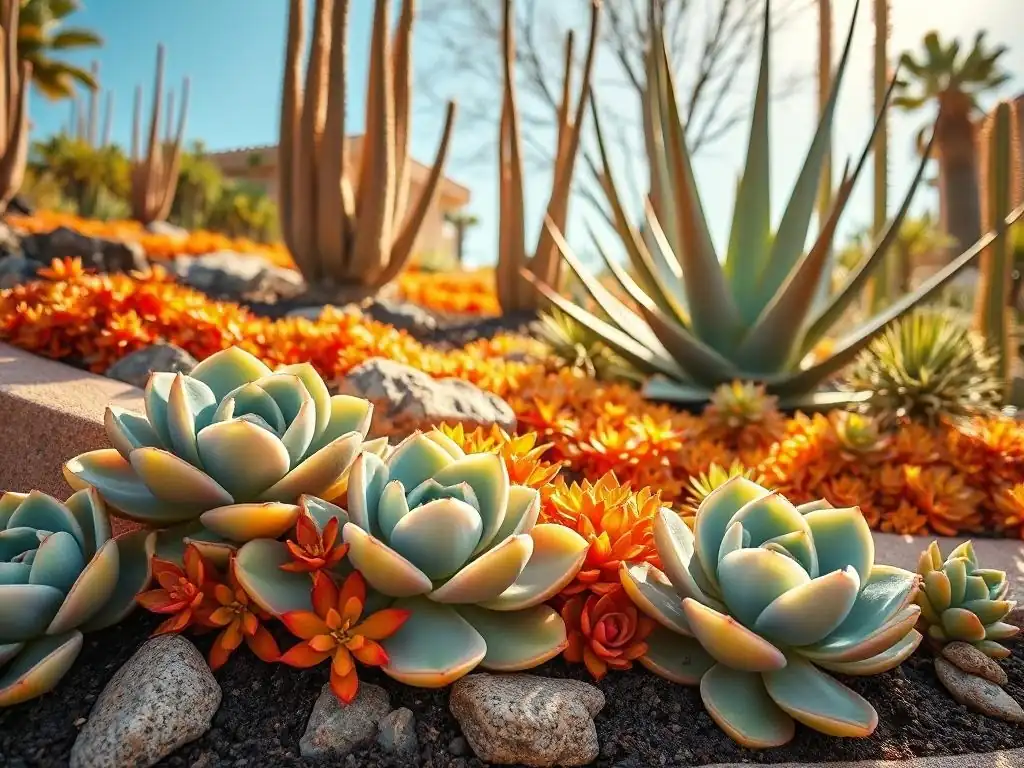
Welcome to SucculentEssentials.org, where the fascinating world of succulents unfolds before you! Are you ready to unlock the secrets to creating breathtaking succulent mixed beds? Forget bland arrangements – we'll guide you through the art of designing with height, texture, and vibrant color, transforming your outdoor space into a miniature desert paradise. Dive in and discover the endless possibilities awaiting you!
- Planning Your Succulent Mixed Bed Design
- Building Your Succulent Mixed Bed
-
Maintaining Your Succulent Mixed Bed
- Watering Your Succulent Mixed Bed: Avoiding Overwatering and Ensuring Proper Hydration
- Fertilizing Your Succulents: Essential Nutrients for Healthy Growth in Mixed Beds
- Pest and Disease Control: Protecting Your Succulents from Common Threats in Mixed Beds
- Pruning and Shaping: Maintaining the Form and Structure of Your Succulent Mixed Bed
- Designing Succulent Mixed Beds with Specific Heights and Structures
-
Advanced Techniques for Designing Stunning Succulent Mixed Beds
- Creating a Succulent Mixed Bed with a Focal Point: Using Larger Plants as Centerpieces
- Using Color and Texture to Enhance Your Succulent Mixed Bed Design
- Combining Succulents with Other Drought-Tolerant Plants: Expanding Your Design Options
- Designing Succulent Mixed Beds for Different Climates and Regions
- Inspiration and Examples of Beautiful Succulent Mixed Beds
- Frequently Asked Questions
- Final Reflection: Cultivating Harmony: The Enduring Beauty of Succulent Mixed Beds
- Unleash Your Inner Landscape Architect: Design Your Dream Succulent Bed
Planning Your Succulent Mixed Bed Design
Designing a thriving and visually stunning succulent mixed bed requires careful planning. This isn't just about throwing a bunch of succulents together; it's about creating a dynamic, layered landscape that showcases the unique beauty and textures of these fascinating plants. This guide will walk you through the essential steps of designing a succulent mixed bed, focusing on height, structure, and visual appeal to achieve a truly captivating outdoor display. We'll explore how to assess your space, select the right succulents, and create a design that's both functional and aesthetically pleasing, ensuring your succulent bed flourishes for years to come.
Successfully designing succulent mixed beds involves understanding the specific needs of these drought-tolerant plants and translating that knowledge into a beautiful and sustainable garden. This process is rewarding, allowing you to create a unique outdoor space that reflects your personal style and enhances your home's curb appeal. Let's get started!
Assessing Your Space: Sunlight, Soil, and Drainage for Succulent Beds
Before you even think about choosing succulents, you need to understand the conditions in your chosen planting area. Succulents, while remarkably adaptable, thrive in specific conditions. Careful assessment will ensure your plants flourish.
- Sunlight: Most succulents need at least 6 hours of direct sunlight daily. Observe your space throughout the day to determine how much sun it receives. Note the times of peak sun exposure and any periods of shade. A south-facing bed generally receives the most sun. Consider the intensity of the sun, too; harsh afternoon sun can scorch some delicate varieties.
- Soil: Well-draining soil is crucial for succulents. Poor drainage leads to root rot, a common problem that can quickly kill your plants. Amend heavy clay soils with plenty of organic matter like perlite, coarse sand, or pumice to improve drainage. Test your soil's drainage by digging a hole and filling it with water; if it drains slowly, you need to amend the soil.
- Drainage: Even with well-draining soil, proper drainage is essential. Ensure your bed is slightly sloped to allow excess water to run off. Consider adding a layer of gravel or broken pottery at the bottom of the planting area to further enhance drainage. Avoid planting in low-lying areas prone to waterlogging. Think about the rainfall in your region and plan accordingly. In areas with heavy rainfall, you might need to create raised beds or incorporate additional drainage solutions.
Choosing the Right Succulents for Height and Texture Variety in Mixed Beds
Selecting a variety of succulents is key to creating a visually interesting and dynamic mixed bed. Consider height, color, texture, and growth habit when making your selections. Think about creating layers—tall succulents in the back, medium-sized ones in the middle, and smaller ones in the front.
| Succulent Type | Height (approx.) | Texture | Color Variations |
|---|---|---|---|
| Agave | 2-6 ft | Rigid, spiky | Green, blue-green |
| Echeveria | 3-12 in | Smooth, fleshy | Green, pink, purple |
| Sedum | 2-18 in | Fleshy, trailing | Green, red, yellow |
| Sempervivum (Hens & Chicks) | 2-6 in | Rosette, compact | Green, red, bronze |
| Dudleya | 6-24 in | Thick, powdery | Green, blue-green, pink |
Remember to choose succulents with different textures to add visual interest. Combine smooth, fleshy leaves with spiky, rigid ones, and incorporate trailing varieties for a cascading effect. Also, consider the colors of the succulents; a mix of greens, reds, blues, and purples will create a more vibrant display. Don't be afraid to experiment and find combinations that appeal to you. Research succulents that thrive in your climate and soil conditions to ensure long-term success.
Designing for Visual Interest: Creating Layers and Focal Points in Succulent Gardens
The arrangement of your succulents is just as important as the selection of plants. To create a visually appealing bed, think in terms of layers and focal points. Place taller succulents at the back of the bed to create a backdrop. Then, arrange medium-sized succulents in the middle, and smaller succulents in the front.
Creating focal points is crucial for visual interest. You can achieve this by using larger, more striking succulents as focal points, or by incorporating other elements such as decorative rocks, pottery, or small sculptures. Consider using contrasting textures and colors to further enhance the visual appeal. Remember to leave enough space between plants for growth; overcrowding can lead to disease and poor air circulation.
A well-designed succulent mixed bed will not only be beautiful but also easy to maintain. Regular pruning and deadheading will keep your bed looking its best. Enjoy the process and the beauty of your creation! 🎉
Building Your Succulent Mixed Bed
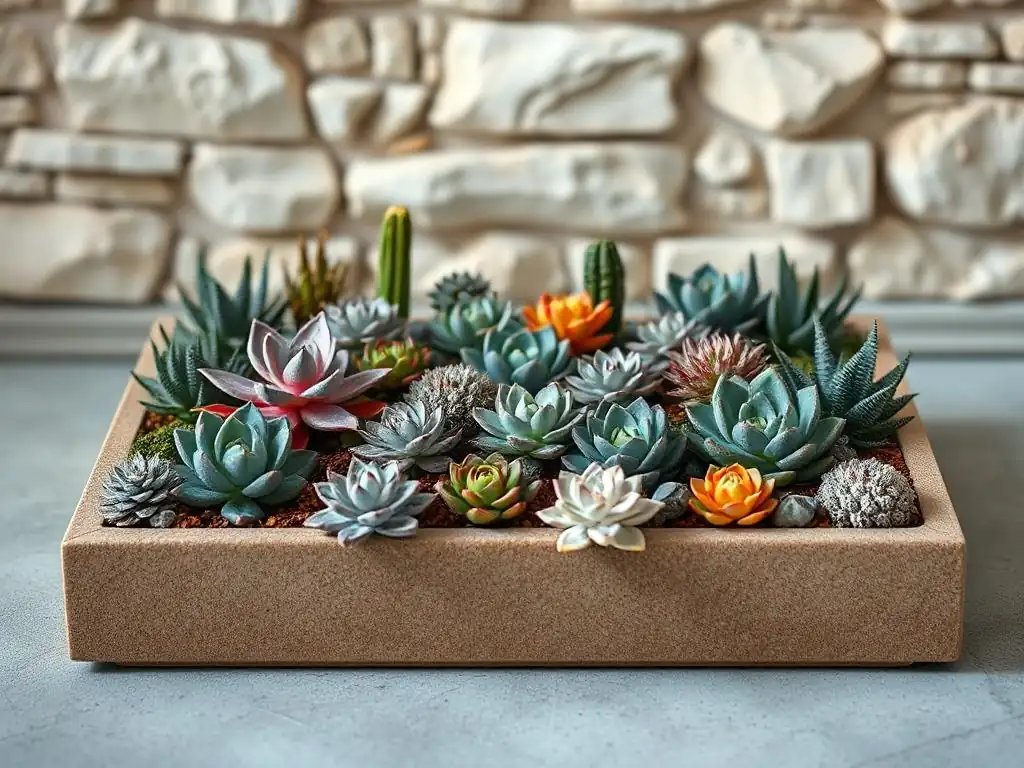
This section delves into the practical aspects of constructing a thriving and visually appealing succulent mixed bed. We'll explore the key elements that contribute to a successful design, focusing on techniques for achieving optimal height, texture, and visual interest. Designing succulent mixed beds requires careful consideration of several factors, from soil composition to plant selection and the incorporation of complementary elements. Mastering these techniques will allow you to create a stunning outdoor display that showcases the beauty and diversity of succulents.
Preparing the Soil: Essential Nutrients and Drainage for a Thriving Succulent Bed
Proper soil preparation is paramount for the health and longevity of your succulent mixed bed. Succulents, being drought-tolerant plants, require well-draining soil to prevent root rot, a common issue that can quickly decimate your plants. The ideal soil mix should be fast-draining, slightly alkaline, and rich in organic matter.
Here's a recommended soil mixture recipe:
- 1 part standard potting mix
- 1 part coarse sand (not beach sand, as it can contain salt)
- 1 part perlite or pumice
This blend ensures excellent drainage while retaining some moisture. Adding a small amount of composted manure or other organic matter will provide essential nutrients without compromising drainage. Avoid using soils that retain too much water, as this will lead to soggy roots and ultimately, plant death.
Remember to amend existing soil if planting directly in the ground. Heavy clay soils will need significant amendment with organic matter and inorganic materials like perlite to improve drainage. Testing your soil's pH is also recommended; succulents thrive in slightly alkaline conditions (pH 6.0-7.5). Adjusting the pH can be done by adding lime for increased alkalinity or sulfur for increased acidity. Always follow package instructions carefully when using soil amendments. Proper soil preparation is crucial when you design succulent mixed beds.
Planting Your Succulents: Techniques for Success in Mixed Bed Arrangements
Planting your succulents strategically is key to a successful mixed bed. Consider the mature size of each plant and space them accordingly to prevent overcrowding. Overcrowding can lead to competition for resources and an increased risk of disease. Remember to prioritize the overall design, creating layers of height and texture.
Here are some tips for successful planting:
- Vary heights and textures: Combine low-growing succulents with taller varieties to create visual interest and depth. Include succulents with different leaf shapes, colors, and textures to add variety.
- Consider sun exposure: Place sun-loving succulents in areas with ample sunlight and shade-tolerant varieties in shadier spots within the bed.
- Plant in groups: Planting succulents in small groupings, rather than individually, creates a more cohesive and visually appealing design.
- Water thoroughly after planting: Give your newly planted succulents a good watering to help them settle into their new home. However, avoid overwatering.
Example Planting Scheme for a 3ft x 3ft Bed
This is a sample scheme and can be adapted based on the specific succulents you choose. Always check the mature size of your plants before planting.
Center: 3 Echeveria 'Perle von Nürnberg' (tall, rosette-forming)
Surrounding the Center: 6 Sedum 'Autumn Joy' (medium height, mounding)
Outer Edge: 12 Sempervivum tectorum (low-growing, rosette-forming)
Fillers: Use smaller succulents like Sedum spurium or Delosperma cooperi to fill gaps and create a lush look.
Incorporating Other Elements: Rocks, Gravel, and Decorative Accents for Succulent Beds
Adding rocks, gravel, and decorative accents enhances the visual appeal of your succulent mixed bed and improves drainage. These elements not only create texture and contrast but also help retain moisture in the soil and suppress weeds.
- Rocks: Larger rocks can be used to create focal points, define pathways, or delineate different sections of the bed. Choose rocks that complement the color and texture of your succulents.
- Gravel: A layer of gravel on the surface of the soil helps improve drainage, suppress weeds, and regulates soil temperature. Choose a gravel size that is appropriate for the size of your succulents. Avoid very fine gravel, as it can compact and impede drainage.
- Decorative Accents: Consider incorporating other decorative elements such as small sculptures, driftwood, or terracotta pots to add personality and visual interest to your succulent mixed bed.
Remember to choose elements that complement the overall design and don't overwhelm the succulents. The goal is to create a harmonious and visually appealing display, showcasing the beauty of the succulents while enhancing their natural environment. When you design succulent mixed beds, incorporating these additional elements can significantly elevate the aesthetic appeal.
Maintaining Your Succulent Mixed Bed
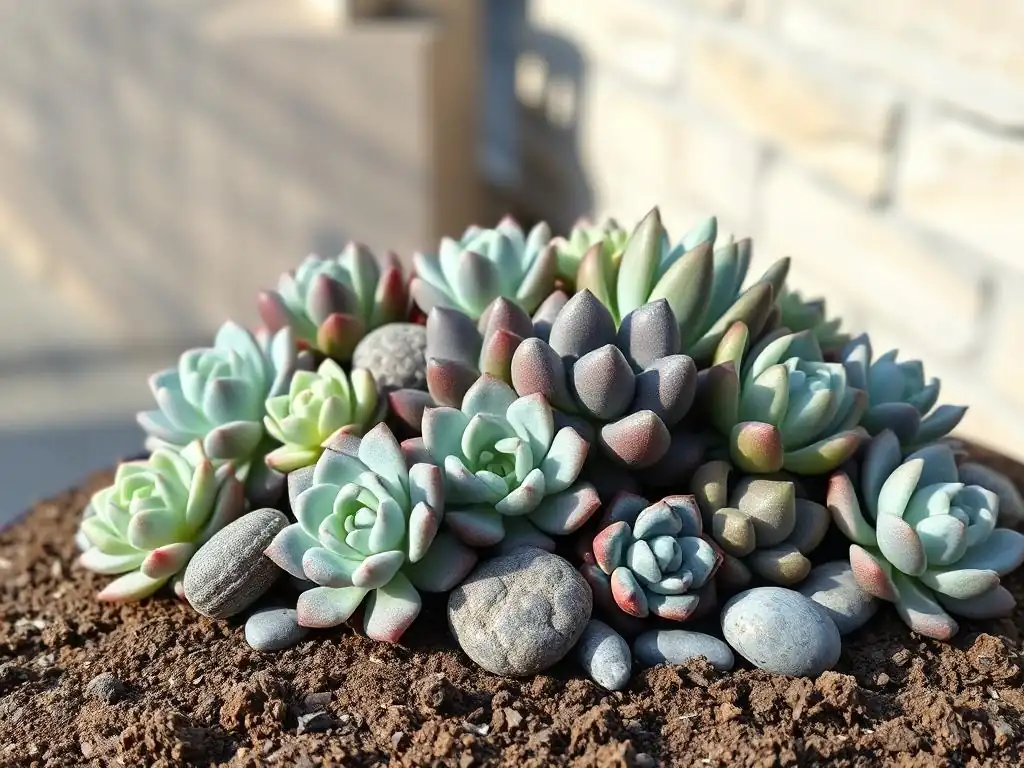
Creating a stunning succulent mixed bed is only half the battle; maintaining its vibrant health and beauty requires consistent care. This section details crucial maintenance practices to ensure your design succulent mixed beds thrive for years to come. Proper watering, fertilization, and pest control are key components of long-term success. Neglecting these aspects can lead to stunted growth, disease, and ultimately, the demise of your carefully crafted arrangement.
Watering Your Succulent Mixed Bed: Avoiding Overwatering and Ensuring Proper Hydration
Overwatering is the most common mistake made when caring for succulents, particularly in mixed beds. Succulents are adapted to arid conditions and store water in their leaves and stems. Excessive moisture leads to root rot, a fatal condition that quickly spreads throughout the plant. Instead of following a strict watering schedule, focus on the soil's moisture level.
- How to check: Insert your finger about an inch into the soil. If it feels dry, it's time to water. If it's still moist, wait a few more days.
- Watering techniques: Water deeply but infrequently, allowing the water to thoroughly soak the soil. Avoid overhead watering, which can lead to fungal diseases. A gentle, slow drip irrigation system or a soaker hose is ideal for minimizing water waste and preventing fungal issues.
- Seasonal adjustments: Water less frequently during the cooler months (fall and winter) when succulents are dormant. Increase watering during hot, dry summers, but always ensure the soil dries out somewhat between waterings.
- Drainage: Excellent drainage is paramount. Amend heavy clay soils with perlite or coarse sand to improve drainage. Ensure your planting containers have drainage holes to prevent waterlogging. The key is to mimic the succulents' natural, well-drained environment.
Fertilizing Your Succulents: Essential Nutrients for Healthy Growth in Mixed Beds
While succulents are relatively low-maintenance, they still benefit from occasional fertilization. However, over-fertilizing can be just as detrimental as underwatering. Succulents are susceptible to salt build-up from fertilizers, which can damage their roots and leaves.
- Fertilizer type: Use a balanced, water-soluble fertilizer specifically formulated for succulents or cacti. Look for a low-nitrogen formula, as high nitrogen can encourage leggy growth and make succulents more susceptible to pests and diseases. A balanced NPK ratio (e.g., 10-10-10) is generally suitable.
- Application: Dilute the fertilizer to half the recommended strength to prevent salt build-up. Apply fertilizer only during the active growing season (spring and summer). Avoid fertilizing during the dormant period (fall and winter).
- Frequency: Fertilize your succulents every 4-6 weeks during the growing season. Observe your plants carefully; if they appear healthy and vigorous, you may reduce the frequency. If you notice signs of salt build-up (white crust on the soil surface), flush the soil with plenty of water to leach out excess salts. Remember, less is often more when fertilizing succulents.
Pest and Disease Control: Protecting Your Succulents from Common Threats in Mixed Beds
Succulents are relatively resistant to pests and diseases, but they are not immune. Early detection and prompt treatment are crucial to prevent widespread damage. Regular inspection is key to identifying problems before they escalate.
| Pest/Disease | Symptoms | Control Methods |
|---|---|---|
| Mealybugs | White, cottony masses on stems and leaves | Isopropyl alcohol (70%) application, insecticidal soap, neem oil |
| Aphids | Small, soft-bodied insects, often clustered | Insecticidal soap, neem oil, strong water spray |
| Root Rot | Soft, mushy stems and leaves, foul odor | Improve drainage, remove affected parts, avoid overwatering |
| Fungal Diseases | Brown or black spots, leaf discoloration | Fungicide application, improve air circulation, avoid overhead watering |
| Snails and Slugs | Chewed leaves and stems | Beer traps, hand-picking, diatomaceous earth |
Regular inspection and preventative measures are far more effective than reactive treatment. By following these guidelines, you can create a thriving succulent mixed bed that will bring beauty and joy to your outdoor space for many years. 🌱
Pruning and Shaping: Maintaining the Form and Structure of Your Succulent Mixed Bed
Pruning and shaping your succulent mixed bed is crucial for maintaining its aesthetic appeal and the overall health of your plants. Regular trimming prevents leggy growth, encourages bushier plants, and allows for better air circulation, reducing the risk of fungal diseases. This process also helps to control the size and shape of your succulents, ensuring they don't overcrowd each other and compete for resources. Remember, different succulents have different growth habits, so understanding the specific needs of each variety is key to successful pruning.
For example, Sedum species often benefit from light pinching back of their growing tips to promote bushier growth and prevent them from becoming too tall and sprawling. This encourages more branching and a fuller appearance. On the other hand, Echeveria succulents might require more careful pruning, as removing too much can damage the plant. In these cases, it's best to focus on removing dead or damaged leaves and selectively trimming any overly long stems to maintain a balanced shape.
The best time to prune most succulents is during the growing season, usually spring and summer. Avoid pruning during the dormant period (typically fall and winter) as this can stress the plants and hinder their ability to recover. Always use clean, sharp tools to prevent the spread of diseases. A pair of sharp pruning shears or even clean, sharp scissors will suffice for most tasks. After pruning, allow the cut ends to callous over before watering to prevent rot. This is especially important for succulents prone to rot.
Remember to remove any dead or decaying leaves and stems throughout the year, regardless of the season. This prevents the spread of disease and maintains a clean and healthy appearance for your succulent mixed bed. Regular deadheading – removing spent flower stalks – also prevents the plants from putting energy into seed production and encourages more vigorous growth.
By paying attention to these details, you can ensure your succulent mixed bed remains a vibrant and healthy feature of your garden for years to come. Careful pruning and shaping is an essential part of designing and maintaining a thriving succulent mixed bed, enhancing its beauty and longevity. 🌱
Designing Succulent Mixed Beds with Specific Heights and Structures
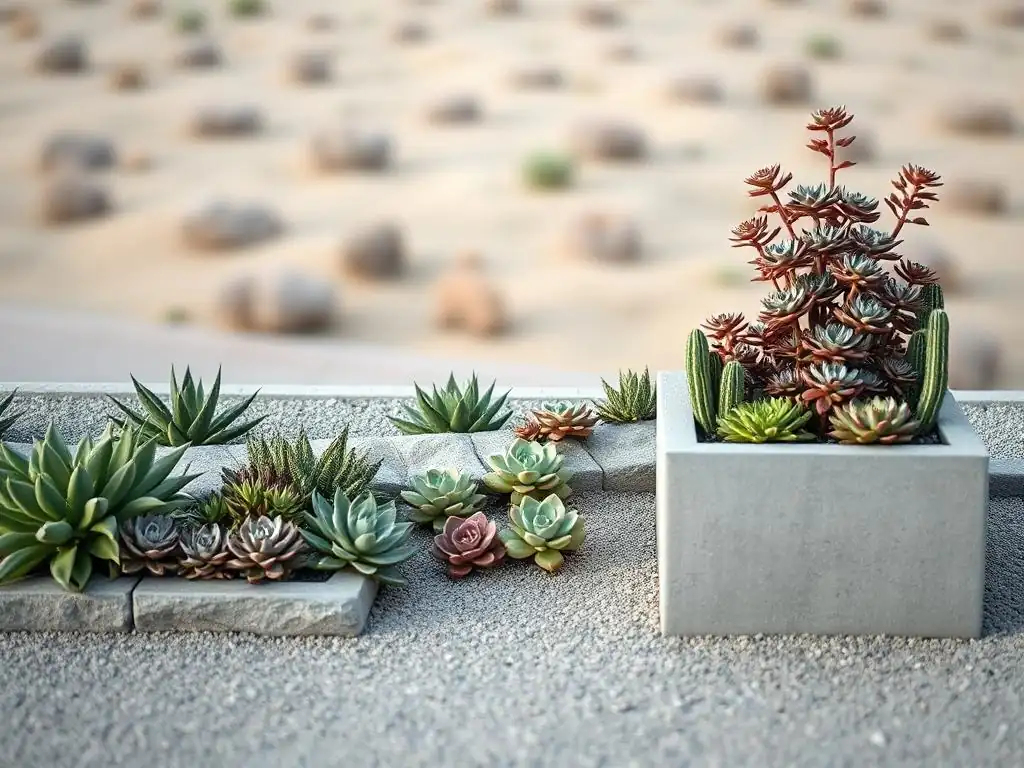
Designing visually stunning and thriving succulent mixed beds requires careful consideration of plant heights and overall structure. Ignoring this crucial aspect can lead to a haphazard arrangement that lacks visual appeal and potentially compromises the health of your succulents. Successfully designing succulent mixed beds hinges on understanding the different growth habits and mature sizes of your chosen species, allowing you to create a balanced and harmonious composition. This section will delve into creating mixed beds using varying heights, ensuring your design is both aesthetically pleasing and ecologically sound.
Low-Growing Succulent Mixed Beds: Creating Groundcovers and Carpet-like Effects
Low-growing succulents are ideal for creating a lush, carpet-like effect in your mixed bed. These plants excel at suppressing weeds and preventing soil erosion, providing a fantastic base layer for taller succulents. Think of them as the foundational elements of your design, setting the stage for the rest of your planting scheme.
Several species are perfectly suited for this purpose. Sedum spp., such as Sedum acre (Goldmoss Sedum) and Sedum spurium (Dragon's Blood Sedum), offer vibrant colors and spreading growth habits. These spread readily, forming dense mats that effectively cover the soil. Similarly, Delosperma species, known for their drought tolerance and vibrant blooms, are excellent choices for groundcover in sunny, well-drained locations. Their low profile and colorful flowers contribute significantly to the overall aesthetic appeal of the bed.
To achieve a truly captivating low-growing succulent bed, consider incorporating a variety of textures and colors. For example, combine the fine texture of Sedum with the slightly coarser texture of Lampranthus, creating visual interest and preventing monotony. Strategic placement of different colored succulents can also enhance the overall impact. Imagine a bed blending the golden hues of Sedum acre with the deep purple of Sedum purpurascens, creating a striking contrast that captivates the eye. Remember to allow adequate spacing between plants to prevent overcrowding and ensure proper air circulation, which is crucial for preventing fungal diseases.
Medium-Height Succulent Mixed Beds: Balancing Height and Texture for Visual Appeal
Medium-height succulents form the backbone of most mixed beds, providing a crucial transition between the low-growing groundcover and the taller architectural elements. They add significant visual interest and contribute to the overall depth and complexity of the design. Choosing the right medium-height succulents allows you to create a balanced and harmonious arrangement that is both pleasing to the eye and conducive to healthy plant growth.
The selection of medium-height succulents is vast and diverse. Consider Echeveria species, known for their rosette shapes and varied colors. These succulents offer a wide range of textures and colors, allowing for creative combinations. Similarly, Dudleya and Graptopetalum species offer unique shapes and textures that add visual interest to the mixed bed. These succulents generally grow to a height of 6-12 inches (15-30 cm), making them ideal for the mid-level of your design.
When designing a medium-height succulent mixed bed, consider the interplay of form and texture. Combine succulents with different rosette sizes and leaf shapes to create a dynamic and engaging visual experience. For instance, the rounded rosettes of Echeveria can be beautifully juxtaposed with the more elongated leaves of Sedum morganianum (Burro's Tail). Remember to consider the mature size of each succulent to avoid overcrowding. Proper spacing ensures that each plant receives adequate sunlight and air circulation, promoting healthy growth and preventing disease. This careful planning is essential for the long-term success of your succulent mixed bed.
Tall Succulent Mixed Beds: Incorporating Verticality and Architectural Elements
Tall succulents add verticality and architectural interest to your mixed bed, creating a sense of depth and drama. These plants act as focal points, drawing the eye and adding a striking dimension to the overall design. Careful selection and placement of tall succulents are key to creating a well-balanced and visually appealing mixed bed.
Some excellent choices for tall succulents include Agave species, known for their dramatic architectural forms and striking foliage. These succulents can add a bold statement to your design. Similarly, Yucca species, with their sword-like leaves and impressive height, can create a strong vertical element. Other options include certain Aloe species and larger Echeveria varieties, which can reach considerable heights with proper care.
When incorporating tall succulents, consider their mature size and growth habit. Ensure you have enough space to accommodate their eventual size, preventing overcrowding and potential competition for resources. Strategic placement of taller plants can also help to frame the lower-growing succulents, enhancing the overall visual impact of the bed. Think of the tall succulents as anchors, grounding the design and providing a framework for the other plants to flourish within. Careful planning and consideration of mature sizes are paramount to creating a successful and visually stunning succulent mixed bed that will thrive for years to come.
Advanced Techniques for Designing Stunning Succulent Mixed Beds
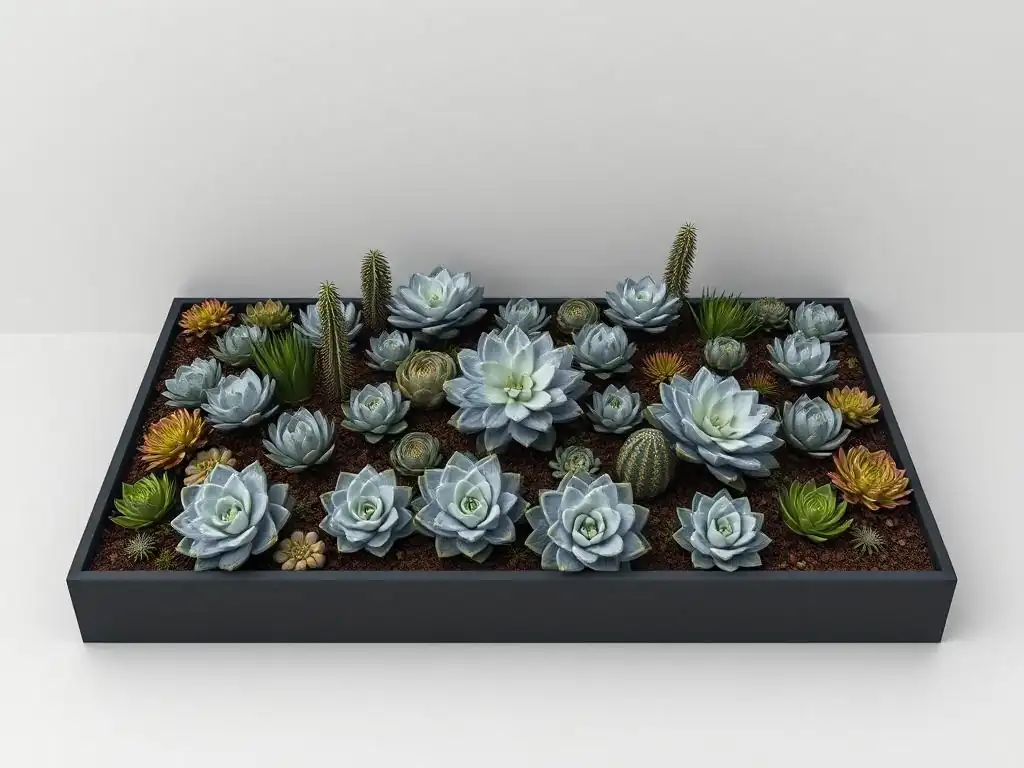
This section delves into sophisticated strategies for crafting breathtaking succulent mixed beds, moving beyond the basics to achieve truly exceptional results. We'll explore techniques to elevate your designs, focusing on creating visual interest and lasting impact. Mastering these techniques will allow you to design succulent mixed beds that are not only beautiful but also thrive. Remember, successful design succulent mixed beds requires careful planning and execution.
Creating a Succulent Mixed Bed with a Focal Point: Using Larger Plants as Centerpieces
A well-designed succulent bed needs a strong focal point to draw the eye and provide a sense of balance. Larger succulents serve this purpose perfectly. Think of Agave americana, Dudleya brittonii, or large specimens of Echeveria species. These act as anchors, grounding the composition and providing a structured base for smaller succulents to flourish around them.
Consider the mature size of your chosen centerpiece. A large agave, for instance, needs ample space to grow without overcrowding neighboring plants. Plan your bed's dimensions accordingly, ensuring sufficient spacing for each plant to reach its full potential. Avoid cramming too many plants into a small area; this leads to competition for resources and can compromise the health of your succulents.
Furthermore, the placement of the focal point is crucial. Often, centering it is effective, but consider the overall landscape and the view from different angles. A slightly off-center placement can sometimes create a more dynamic and interesting composition. The shape and color of the focal plant should also be considered in relation to the surrounding plants to achieve a harmonious and visually appealing arrangement.
Using Color and Texture to Enhance Your Succulent Mixed Bed Design
The beauty of a succulent mixed bed lies not only in the individual plants but also in the interplay of colors and textures. Strategic color placement can dramatically enhance the overall aesthetic appeal of your design.
Think beyond just green. Incorporate succulents with diverse colors – blues, purples, reds, and even yellows – to create a vibrant and captivating display. For example, the bluish-green foliage of Sedum morganianum contrasts beautifully with the reddish hues of Sedum rubrotinctum. The key is to create a balanced palette, avoiding an overwhelming or jarring effect.
Texture plays an equally important role. Combine succulents with smooth, waxy leaves like Echeveria with those boasting rough, textured surfaces like Sempervivum. This textural diversity adds depth and visual interest, preventing the bed from appearing monotonous. Consider also the shape of the succulents—rosettes, trailing plants, upright columns—to create a dynamic interplay of forms. A well-balanced combination of colors and textures is key to creating a truly stunning succulent mixed bed.
Combining Succulents with Other Drought-Tolerant Plants: Expanding Your Design Options
While succulents are the stars of the show, expanding your design palette by incorporating other drought-tolerant plants can add significant depth and complexity to your mixed bed. This approach opens up a world of creative possibilities, leading to unique and visually stunning results.
Consider plants like lavender, rosemary, or certain types of grasses. These complement succulents beautifully, offering contrasting textures and sometimes even blooms to add seasonal interest. Remember to choose plants with similar water requirements to avoid conflicts. Overwatering succulents is a common mistake, and combining them with plants that need more frequent watering could be detrimental.
Careful planning is essential. Research the mature sizes of all plants to ensure they won't outgrow their allocated space. Consider also the sun exposure and soil drainage requirements of all included plants to guarantee their health and longevity. For instance, pairing sun-loving succulents with shade-tolerant plants could lead to problems. Thorough planning and consideration of each plant’s needs are essential for successful design succulent mixed beds that thrive. This approach will lead to a more resilient and visually captivating garden.
Designing Succulent Mixed Beds for Different Climates and Regions
Designing a thriving succulent mixed bed requires careful consideration of your local climate and region. Succulents, while known for their drought tolerance, exhibit a wide range of hardiness and sun exposure preferences. Ignoring these crucial factors can lead to plant stress, disease, and ultimately, failure of your beautiful design. Success hinges on selecting the right succulents for your specific environment.
For example, coastal regions often experience high humidity and strong winds. In such environments, succulents that thrive in well-drained soil and tolerate some shade are ideal. Species like Dudleya and Sedum varieties known for their resilience to wind and moisture are excellent choices. Conversely, arid desert climates demand different considerations. Here, sun-loving succulents with exceptional drought tolerance, such as Agave and Echeveria, will flourish. The intense heat and lack of rainfall necessitate careful watering strategies—infrequent, deep watering is key to avoid root rot.
Furthermore, regional variations in temperature extremes also play a significant role. Regions with harsh winters require cold-hardy succulents, such as Sempervivum (hen and chicks) and certain Sedum species. These can withstand freezing temperatures and snow, ensuring your bed remains visually appealing year-round. In contrast, areas with consistently warm temperatures allow for a much broader range of succulent choices, including many tropical and subtropical species that wouldn't survive a frost.
Understanding your region's USDA Plant Hardiness Zone is crucial. This system provides a guideline for the average annual minimum temperatures, helping you select succulents that will survive the coldest periods in your area. Consult resources specific to your region for a comprehensive list of suitable succulents and their specific needs.
Remember to consider not just the minimum temperatures, but also the average rainfall and sunlight hours throughout the year to create a truly successful and visually stunning succulent mixed bed. Failing to do so may lead to plant loss and necessitate costly replacements. Careful planning and selection are paramount for long-term success in designing and maintaining a beautiful succulent mixed bed.
Inspiration and Examples of Beautiful Succulent Mixed Beds
Designing succulent mixed beds offers a unique opportunity to create stunning, low-maintenance landscapes. The key to success lies in understanding the principles of height, texture, and color variation. By carefully selecting succulents with varying growth habits and foliage, you can achieve breathtaking results that add visual interest and curb appeal to any outdoor space. Let's explore some design ideas to inspire your next succulent planting project.
Showcase of Diverse Succulent Mixed Bed Designs: Pictures and Ideas for Your Garden
Imagine a mixed bed brimming with the vibrant hues of Sedum, the architectural forms of Agave, and the delicate textures of Echeveria. This is the essence of a well-designed succulent mixed bed. The visual impact is significantly enhanced by considering the mature size of each succulent and its placement within the overall design.
For instance, taller succulents like Dasylirion wheeleri (Sotol) can serve as striking focal points, their spiky leaves providing a dramatic contrast to the softer forms of smaller succulents. These taller plants act as anchors, providing structural integrity to the bed. Surrounding them with a variety of smaller succulents with different leaf shapes, colors, and textures adds depth and complexity.
Consider the following design elements for a visually appealing succulent mixed bed:
- Color Palette: Use a harmonious color scheme. Think about combining cool blues and greens with warmer reds and oranges for a vibrant effect, or stick to a monochromatic scheme for a more subdued look.
- Texture Contrast: Mix succulents with smooth, waxy leaves with those that have rough, textured surfaces. This juxtaposition adds visual interest and prevents the bed from looking monotonous.
- Height Variation: Use a combination of low-growing groundcovers, medium-height succulents, and taller focal plants to create a layered effect.
- Shape and Form: Incorporate succulents with a variety of shapes and forms – rosettes, spires, trailing plants – to add dynamism and visual appeal. Think about the overall shape of the bed itself – a curved bed can soften a harsh corner, while a geometric bed can create a more formal feel.
Remember, the beauty of a succulent mixed bed lies in its diversity. Don't be afraid to experiment and combine different types of succulents to create a unique and personalized design. Careful planning and consideration of these elements will result in a thriving and visually stunning succulent mixed bed that will be the envy of your neighbors!
Case Study: A Step-by-Step Guide to Creating a Stunning Succulent Mixed Bed
Let's delve into a specific example. We'll create a sun-drenched mixed bed approximately 4ft x 6ft, focusing on drought-tolerant succulents ideal for Mediterranean climates.
Step 1: Site Preparation: Choose a sunny location with well-draining soil. Amend the soil with coarse sand or perlite to improve drainage – crucial for succulent health. Remove any existing weeds or grass.
Step 2: Succulent Selection:
| Succulent Type | Quantity | Height (Mature) | Notes |
|---|---|---|---|
| Agave americana | 1 | 4-6 ft | Focal point, needs ample space |
| Echeveria 'Perle von Nürnberg' | 6 | 6-8 in | Rosette form, beautiful powdery blue-green leaves |
| Sedum spurium 'Dragon's Blood' | 12 | 4-6 in | Reddish foliage, excellent groundcover |
| Sempervivum tectorum | 15 | 2-4 in | Various colors, excellent for mass planting |
| Dudleya brittonii | 3 | 1-2 ft | Unique rosette form, drought-tolerant |
Step 3: Planting: Begin by planting the larger succulents (Agave) first, then fill in with the medium-sized succulents, and finally, the groundcovers. Space plants according to their mature size to allow for growth.
Step 4: Mulching: Apply a layer of gravel or small stones around the plants to retain moisture and suppress weeds. This also enhances the aesthetic appeal of the bed, complementing the textures of the succulents.
Step 5: Maintenance: Succulents require minimal watering once established. Water deeply but infrequently, allowing the soil to dry out completely between waterings. Monitor for pests and diseases, addressing any issues promptly.
By following these steps, you can create a beautiful and thriving succulent mixed bed that will provide years of enjoyment. Remember to adapt this plan to your specific climate, soil conditions, and personal preferences. The key is careful planning, thoughtful selection of plants, and consistent, though minimal, maintenance. Enjoy the process of designing and creating your own unique succulent masterpiece!
Frequently Asked Questions
What is a succulent mixed bed?
A succulent mixed bed is a garden design featuring a variety of succulents planted together to create a visually appealing and low-maintenance landscape. It emphasizes height and textural contrast for a dynamic look.
How do I choose succulents for a mixed bed?
Select succulents with different shapes, sizes, and colors to create visual interest. Consider mature size and sunlight requirements to ensure all plants thrive. Varying textures (smooth, rough, spiky) adds depth.
What is the importance of height and structure in succulent mixed bed design?
Height and structure are crucial for creating a balanced and visually appealing mixed bed. Taller succulents act as focal points, while shorter ones fill in gaps and add texture. This creates depth and visual interest.
What are some tips for successful succulent mixed bed maintenance?
Proper drainage is vital; use well-draining soil. Water deeply but infrequently, allowing the soil to dry out completely between waterings. Regular weeding keeps the bed looking neat.
Where can I find more information on designing succulent mixed beds?
Visit SucculentEssentials.org for detailed guides, tips, and inspiration on creating stunning succulent mixed beds. We offer numerous articles and resources to help you design your perfect succulent garden.
Final Reflection: Cultivating Harmony: The Enduring Beauty of Succulent Mixed Beds
The art of designing succulent mixed beds is more than just aesthetics; it's a testament to the power of thoughtful planning and the enduring beauty of nature's resilience. Creating these vibrant displays requires careful consideration of height, texture, and the unique needs of each succulent, a process that yields breathtaking results capable of transforming any outdoor space. This careful attention to detail, however, is not merely decorative; it reflects a deeper understanding of ecological balance and sustainable gardening practices.
The influence of succulent gardening extends beyond the individual garden, impacting the broader landscape of horticultural design. It represents a shift towards drought-tolerant landscaping, a crucial consideration in an era of increasing water scarcity. The popularity of succulents reflects a growing awareness of environmental responsibility and a desire to create beautiful spaces that are also sustainable. The beauty of a garden lies not only in its flowers, but also in its ability to thrive in harmony with its environment.
This quote encapsulates the essence of successful succulent mixed bed design, emphasizing the symbiotic relationship between plants and their surroundings.
Consider the possibilities. Imagine the joy of creating your own thriving succulent haven, a testament to your creativity and commitment to sustainable practices. Take the principles outlined in this article—consideration of height, texture, and drainage—and apply them to your own garden. Experiment with different combinations, embrace the unique beauty of each succulent, and watch as your carefully crafted mixed bed transforms into a vibrant, living artwork that brings joy and tranquility to your life for years to come. Let your garden be a reflection of your own resilience and creativity, a testament to the enduring beauty of nature's ingenuity.
Unleash Your Inner Landscape Architect: Design Your Dream Succulent Bed
Thank you for exploring the art of succulent bed design! We hope you've gained valuable insights into creating stunning, structured arrangements. Now it's time to put your knowledge into practice.
Here are a few ways to get started:
- Sketch your dream succulent bed! Consider the heights, textures, and colors you envision. Don't worry about perfection – just let your creativity flow. This is your chance to personalize your outdoor space.
- Visit your local nursery for inspiration. Observe which succulents thrive in your region and how they are displayed. You might discover unexpected and beautiful combinations!
- Share your initial sketch (or a photo of your existing bed!) on our social media channels – we'd love to see your progress and offer support!
What succulent varieties are you most excited to use in your garden?