
Succulent Mixed Beds: The Secret to Preventing Root Rot in Outdoor Beds

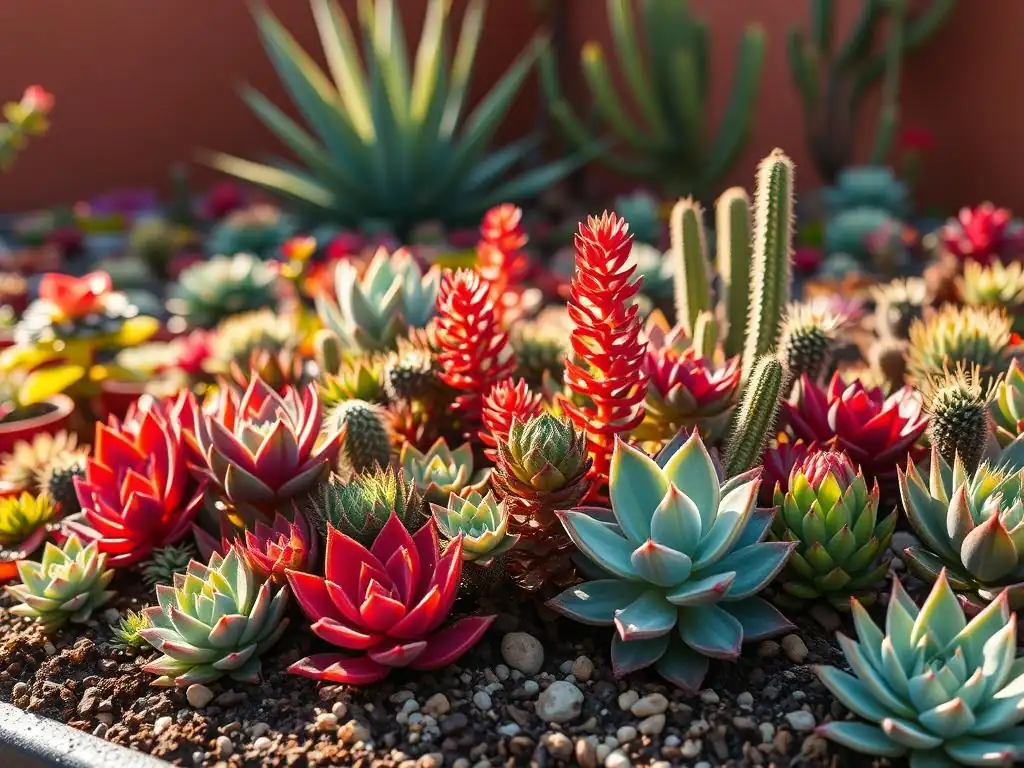
Welcome to SucculentEssentials.org, where the fascinating world of succulents unfolds! Are you ready to unlock the secrets to thriving succulents, even outdoors? Our expert guide on preventing succulent root rot reveals the surprising techniques behind creating stunning mixed beds that flourish, defying the common pitfalls. Discover how to cultivate a vibrant succulent paradise—explore the possibilities now and transform your outdoor space!
- Understanding Root Rot in Outdoor Succulents
- Creating the Perfect Drainage for Preventing Succulent Root Rot Outdoors
- Building a Well-Drained Outdoor Succulent Bed: A Step-by-Step Guide
- Optimizing Watering Techniques to Prevent Root Rot in Outdoor Succulents
- Selecting the Right Succulents for Outdoor Mixed Beds to Minimize Root Rot Risk
- The Importance of Air Circulation in Preventing Root Rot
- Maintaining Your Outdoor Succulent Bed to Prevent Root Rot
- Advanced Techniques for Preventing Root Rot in Outdoor Succulent Beds
-
Frequently Asked Questions
- How can I prevent root rot in my outdoor succulent beds?
- What type of soil is best for succulents outdoors to prevent root rot?
- My succulents are getting too much sun; could this lead to root rot?
- How often should I water my outdoor succulents to prevent root rot?
- What are the signs of root rot in outdoor succulents, and what should I do?
- Final Reflection: Cultivating Resilience: The Ongoing Journey of Succulent Care
- Unleash Your Succulent Oasis: Design a Thriving Outdoor Bed!
Understanding Root Rot in Outdoor Succulents
Root rot, a devastating condition affecting many succulent species, is a particularly insidious problem in outdoor mixed beds where moisture retention can be unpredictable. Unlike indoor succulents where control over watering is relatively straightforward, outdoor beds are subject to the vagaries of weather – unpredictable rainfall, poorly draining soil, and even seemingly minor overwatering can create the perfect breeding ground for root rot pathogens.
This article delves into the complexities of preventing succulent root rot outdoors, offering practical strategies and insightful tips to ensure the health and longevity of your succulent collection thriving in outdoor mixed beds. We'll cover everything from recognizing the early warning signs of root rot to implementing effective preventative measures and understanding how to differentiate root rot from other succulent ailments.
Successfully preventing succulent root rot outdoors requires a proactive approach and a deep understanding of the factors that contribute to this common problem. This guide will equip you with the knowledge to safeguard your precious succulent investments and enjoy their beauty for years to come.
Identifying Symptoms of Root Rot in Succulents
Recognizing the early symptoms of root rot is crucial for effective intervention. Unfortunately, the initial stages often go unnoticed, as the damage begins beneath the soil surface. However, several telltale signs can alert you to a potential problem. Look for these indicators:
- Soft, mushy leaves: Healthy succulent leaves are firm and plump. If you notice leaves becoming soft, mushy, and easily damaged, this could be a sign of root rot.
- Changes in leaf color: Discoloration, such as yellowing, browning, or blackening of leaves, especially at the base of the plant, may indicate root rot. The leaves may also appear translucent or waterlogged.
- Wilting despite adequate watering: Ironically, even seemingly well-watered plants can wilt if their roots are compromised by rot. This is because the damaged roots are unable to absorb water effectively.
- Unpleasant odor: In advanced stages of root rot, a foul odor may emanate from the soil around the affected succulent. This odor is caused by the decomposition of plant tissue.
- Falling off leaves: Healthy succulents hold their leaves firmly. If leaves are suddenly falling off, especially from the bottom of the plant, it is important to check the roots.
Early detection is critical. If you suspect root rot, carefully remove the succulent from the soil to inspect the roots. Healthy roots should be firm and white or light-colored. Rotten roots will be brown, black, or mushy, and may have a slimy texture.
Common Causes of Succulent Root Rot in Outdoor Settings
Several factors contribute to the development of root rot in outdoor succulents. Understanding these causes allows for the implementation of preventative measures:
- Overwatering: This is the most common culprit. Succulents are adapted to arid conditions and do not require frequent watering, especially in outdoor settings where rainfall contributes to soil moisture. Poor drainage exacerbates this issue.
- Poor drainage: Compacted soil or containers without adequate drainage holes prevent excess water from escaping, leading to waterlogged conditions that promote root rot.
- Improper soil mix: Using a soil mix that retains too much moisture creates a favorable environment for fungal pathogens. A well-draining succulent mix is essential.
- Excessive shade: While succulents tolerate some shade, prolonged periods of damp shade can create ideal conditions for root rot development by slowing water evaporation.
- Infrequent air circulation: Poor air circulation around the plant can slow down the drying process, increasing the risk of root rot. This is especially important in densely planted mixed beds.
Diagnosing the Problem: Is it Root Rot or Something Else?
While root rot is a common concern, other issues can mimic its symptoms. It's crucial to differentiate root rot from other potential problems:
| Symptom | Root Rot | Other Potential Causes |
|---|---|---|
| Mushy Leaves | Often present, accompanied by foul odor | Overwatering (without root rot), pest damage |
| Leaf discoloration | Browning, blackening, yellowing | Sunburn, nutrient deficiencies, pest damage |
| Wilting | Often occurs despite adequate watering | Underwatering, pests, disease |
| Dropping Leaves | Can occur, especially from the base | Natural shedding, stress, pests |
To accurately diagnose the problem, carefully examine the roots. If the roots are healthy, the issue likely stems from other factors, and appropriate steps should be taken to address them. If root rot is confirmed, prompt action is needed to save the affected succulent, often involving removal of diseased roots and repotting in well-draining soil. Prevention is always the best approach; by understanding these factors, you can create a thriving outdoor succulent haven.
Creating the Perfect Drainage for Preventing Succulent Root Rot Outdoors
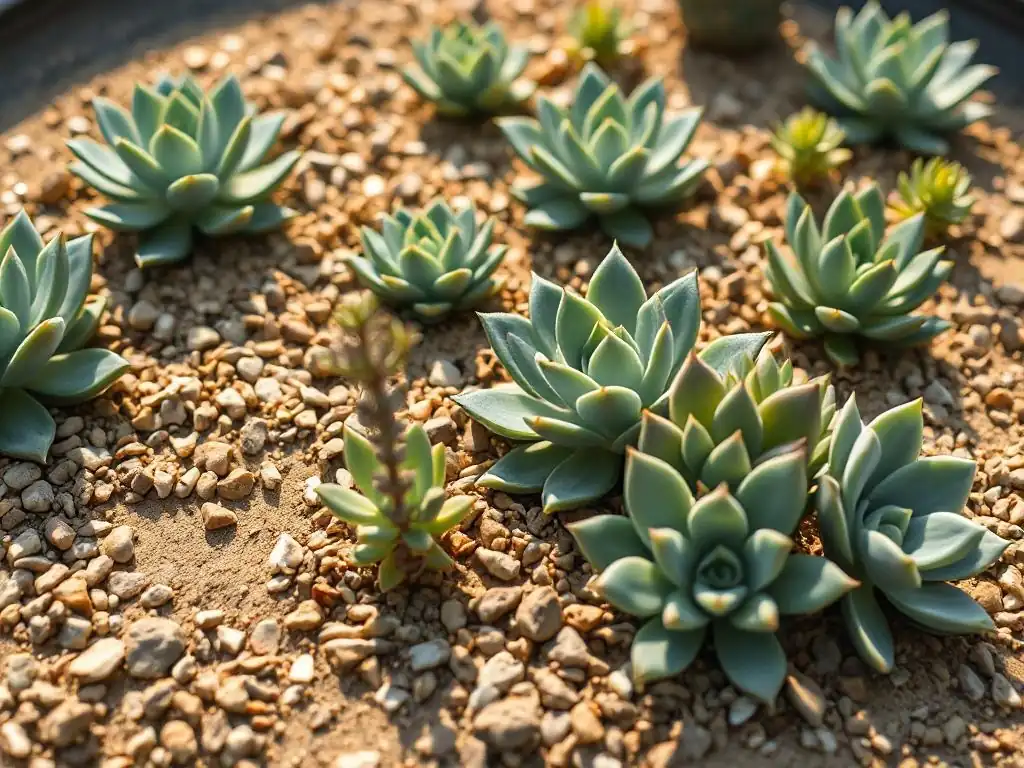
Preventing succulent root rot outdoors necessitates meticulous attention to drainage. Succulents, adapted to arid climates, are highly susceptible to root rot in consistently moist soil. The key to preventing this common problem lies in creating a planting environment that mimics their natural habitat – well-drained and airy. This section will explore effective strategies for achieving optimal drainage in your outdoor succulent beds, ensuring the long-term health and vibrancy of your plants. We will examine different techniques and materials to help you prevent succulent root rot outdoors effectively.
Choosing the Right Potting Mix for Outdoor Succulent Beds
The foundation of a healthy outdoor succulent bed is the potting mix. Avoid using garden soil alone, as it tends to retain too much water. Instead, opt for a well-draining succulent and cactus potting mix. These mixes typically contain a blend of inorganic materials like perlite, pumice, and coarse sand, which improve aeration and drainage. A good mix will feel gritty rather than fine and compact.
Consider the following characteristics when selecting a potting mix to prevent succulent root rot outdoors:
- High Porosity: The mix should have ample spaces between particles to allow for free water movement.
- Good Aeration: Air pockets are crucial for root health and oxygen uptake.
- Minimal Organic Matter: While some organic matter is beneficial, excessive organic matter can lead to water retention and compaction.
- pH Balance: A slightly acidic to neutral pH (6.0-7.0) is ideal for most succulents.
You can also create your own custom blend by combining:
- 1 part potting soil
- 1 part perlite
- 1 part coarse sand
Remember, the goal is to prevent waterlogging, a major contributor to root rot. Regularly checking the moisture level of your soil is crucial. If the soil remains consistently wet after watering, adjustments to the mix or drainage may be necessary. Always allow the soil to dry out completely between waterings.
Importance of Soil Drainage and Aeration for Preventing Root Rot
Soil drainage and aeration are paramount in preventing succulent root rot outdoors. Poor drainage leads to saturated soil, depriving roots of oxygen and creating an environment conducive to fungal growth, the primary cause of root rot. Aeration, on the other hand, facilitates oxygen exchange, crucial for healthy root development and overall plant vigor.
Here's a breakdown of why proper drainage and aeration are essential:
- Oxygen Deprivation: Waterlogged soil reduces oxygen availability to roots, leading to suffocation and decay.
- Fungal Growth: Excess moisture encourages the proliferation of harmful fungi that cause root rot.
- Nutrient Uptake: Well-aerated soil allows for better nutrient absorption by the roots.
- Root Health: Adequate drainage and aeration promote healthy root systems, leading to stronger and more resilient plants.
Monitoring your soil's drainage is simple. After watering, observe how quickly the water drains away. If it pools on the surface or remains stagnant for an extended period, your drainage system needs improvement. You can improve drainage by amending the soil with inorganic materials or by improving the bed's overall construction, as discussed in the next section. Prevention is always better than cure when it comes to succulent root rot.
Building a Well-Drained Outdoor Succulent Bed: A Step-by-Step Guide
Creating a well-drained outdoor succulent bed involves careful planning and execution. The following step-by-step guide will help you build a bed that minimizes the risk of root rot and ensures your succulents thrive. This process is crucial for preventing succulent root rot outdoors.
Building a Well-Drained Outdoor Succulent Bed: A Step-by-Step Guide
- Site Selection: Choose a location that receives at least 6 hours of sunlight daily and has excellent drainage. Avoid areas prone to waterlogging or standing water. A slight slope can also be beneficial for drainage.
- Bed Preparation: Dig a bed at least 12 inches deep. The depth allows for ample drainage material. Amend the soil with a generous amount of well-draining potting mix (as described above). Consider adding a layer of gravel or broken pottery at the bottom for further drainage enhancement.
- Drainage Layer: Create a drainage layer at the bottom of the bed using materials such as gravel, crushed stone, or broken pottery shards. This layer prevents water from accumulating at the bottom. This layer should be approximately 2-4 inches thick.
- Planting: Plant your succulents, ensuring adequate spacing between them to allow for air circulation. Gently firm the soil around the base of each plant.
- Mulching (Optional): Apply a thin layer of coarse gravel or pumice as mulch. This helps retain moisture while preventing the soil surface from becoming compacted. Avoid using organic mulches, which can retain too much moisture.
- Watering: Water deeply but infrequently, allowing the soil to dry out completely between waterings. Overwatering is a major cause of root rot. Always monitor the soil moisture levels to avoid overwatering.
- Monitoring: Regularly inspect your succulent bed for signs of waterlogging or standing water. Adjust your watering schedule and drainage as needed. Early detection and intervention are key to preventing root rot.
By following these steps, you'll significantly reduce the risk of succulent root rot outdoors, creating a thriving and beautiful succulent garden. Remember, prevention is key; proactive measures will ensure healthy and happy succulents for years to come. 🌱
Optimizing Watering Techniques to Prevent Root Rot in Outdoor Succulents
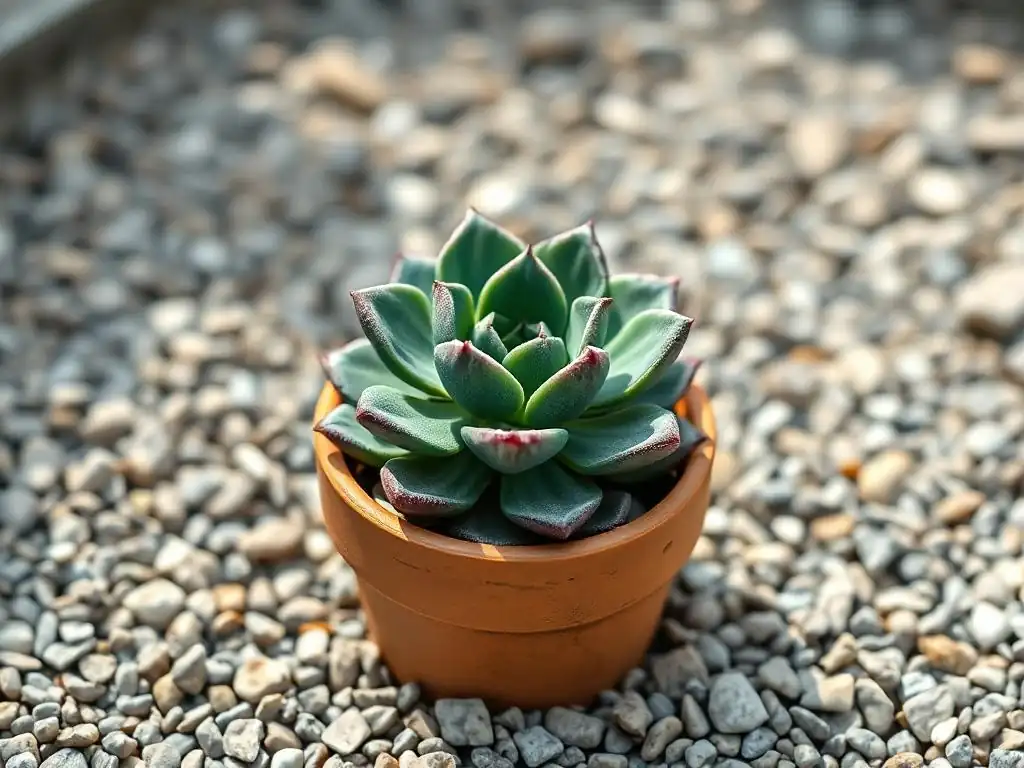
Preventing succulent root rot outdoors requires a nuanced understanding of watering practices. Unlike many other plants, succulents are highly susceptible to overwatering, which quickly leads to root rot and ultimately, plant death. This section focuses on optimizing your watering techniques to keep your outdoor succulent beds thriving and rot-free. The key is to strike a balance – providing enough moisture for healthy growth while avoiding the excessive moisture that fosters fungal diseases. Remember, prevention is always better than cure when it comes to succulent root rot.
Watering Frequency and Techniques for Outdoor Succulents
The frequency of watering your outdoor succulents depends heavily on several factors: climate, soil type, pot size (if applicable), and the specific succulent species. Generally, less is more. Aim for infrequent, deep watering rather than frequent shallow watering. Shallow watering only wets the top layer of soil, encouraging shallow root growth and making the plant more vulnerable to drought stress. Deep watering, on the other hand, encourages deeper root growth, providing the plant with a more stable water source and better drought tolerance.
Here's a practical approach:
- Check the soil moisture: Before watering, always check the soil moisture level. Stick your finger about an inch into the soil. If it feels dry, it's time to water. If it's still moist, wait.
- Water thoroughly: When you do water, water thoroughly until water drains from the bottom of the pot or the bed. This ensures the roots are properly hydrated.
- Allow the soil to dry completely: Between waterings, allow the soil to dry out completely. This prevents the build-up of excess moisture, a primary cause of root rot. The drying time will vary depending on the weather conditions and soil type. In hot, dry climates, you might water less frequently, whereas in cooler, more humid environments, you may need to water slightly more often.
Remember that different succulents have different water needs. Some, like Echeveria, prefer drier conditions, while others, like Sedum, can tolerate slightly more moisture. Research the specific water requirements of your succulent varieties for optimal care.
Recognizing Signs of Overwatering and Underwatering
Accurately identifying the signs of overwatering and underwatering is crucial for preventing succulent root rot and ensuring healthy growth. Early detection allows for timely intervention, preventing irreversible damage.
Signs of Overwatering:
- Mushy or soft leaves: This is a classic sign of overwatering. The leaves lose their firmness and become soft to the touch.
- Yellowing or browning leaves: While yellowing can also indicate underwatering, yellowing leaves combined with mushiness strongly suggests overwatering.
- Root rot: If you carefully remove the plant from the soil, you may observe dark, mushy roots, a clear indication of root rot.
- Unpleasant odor: Overwatered succulents sometimes emit a foul odor as the roots begin to decay.
Signs of Underwatering:
- Shriveled or wrinkled leaves: Underwatering causes the leaves to lose turgor pressure, resulting in shriveled or wrinkled appearance.
- Leaf drop: Succulents may shed leaves as a survival mechanism during drought stress.
- Dry soil: The soil will feel completely dry to the touch, even several inches down.
Understanding these subtle differences is key to preventing root rot. Regularly inspect your succulents for these signs, adjusting your watering schedule accordingly.
Adjusting Watering Based on Weather and Season
The ideal watering schedule for outdoor succulents needs to be adjusted based on seasonal changes and weather patterns. Succulents are naturally adapted to drought conditions, so their water needs significantly decrease during cooler months.
- Summer: During hot, dry summers, you may need to water more frequently, perhaps once a week or even more often, depending on the intensity of the heat and the type of soil. However, always ensure the soil is completely dry before watering again.
- Winter: In winter, succulents go into a period of dormancy. Their metabolic rate slows down, and their water requirements decrease significantly. You may only need to water them once a month or even less, depending on the climate.
- Rainy seasons: During periods of heavy rainfall, you may not need to water your succulents at all. Ensure that your succulent bed has good drainage to prevent waterlogging.
Monitoring weather patterns closely helps you adapt your watering strategies effectively. For example, a sudden heatwave in spring might require more frequent watering, even if it's early in the season. Conversely, an unusually warm winter might necessitate a slightly more frequent watering schedule than you'd typically use during that season. Adaptability is crucial for preventing succulent root rot outdoors.
Selecting the Right Succulents for Outdoor Mixed Beds to Minimize Root Rot Risk
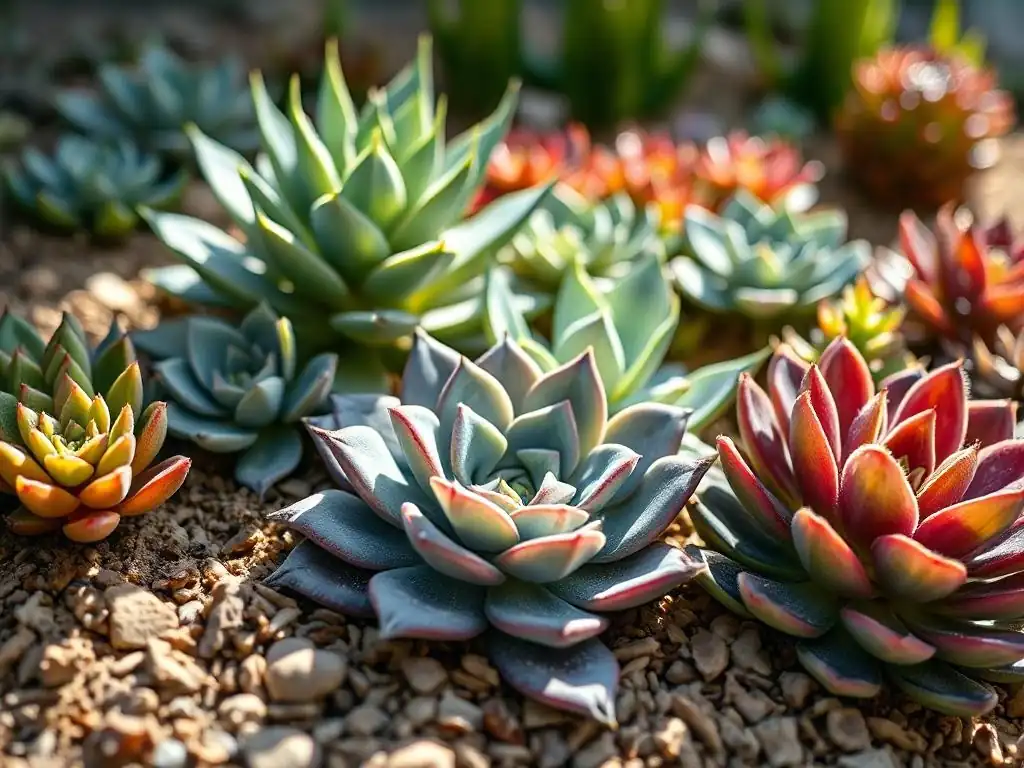
Preventing succulent root rot outdoors requires careful consideration of the plants themselves. Not all succulents are created equal when it comes to their susceptibility to root rot. Choosing the right varieties is the first and most crucial step in creating a thriving, rot-free mixed bed. Understanding each succulent's water requirements and drainage preferences is paramount.
Choosing Drought-Tolerant Succulent Varieties for Outdoor Beds
Prioritizing drought-tolerant succulents significantly reduces the risk of overwatering, a primary cause of root rot. Species like Sedum, Echeveria, and Sempervivum are known for their exceptional ability to withstand dry conditions. These succulents have evolved mechanisms to store water efficiently, making them less prone to rot even in slightly damp conditions. Conversely, succulents with fleshy leaves and stems, while visually appealing, often require more careful watering and better drainage to prevent waterlogging. Avoid overly thirsty varieties in poorly draining soil.
Researching the specific needs of each succulent before planting is essential. For instance, Dudleya species often prefer exceptionally well-drained soil and minimal watering, while Echeveria can tolerate slightly more moisture but still needs excellent drainage. A carefully curated selection of drought-tolerant varieties significantly increases your chances of success in preventing root rot. Consider creating a detailed planting plan, listing each succulent's water needs and preferred soil conditions.
Avoiding Overcrowding in Outdoor Succulent Arrangements
Overcrowding is a major contributor to root rot in outdoor succulent beds. When succulents are planted too close together, air circulation is restricted, creating a humid microclimate ideal for fungal growth and the development of root rot. Leaves touching each other prevent proper drying after watering, leading to prolonged moisture retention and fungal infections. Proper spacing allows for adequate airflow, enabling the soil to dry more quickly and reducing the risk of root rot. A good rule of thumb is to plant succulents with enough space between them to allow for their mature size. Consider the mature size of each succulent species and plan accordingly. For example, larger Agave species require significantly more space than smaller Sedum varieties. Planning for future growth ensures that your succulents will have ample room to thrive without overcrowding and consequent root rot. Regularly inspect your beds for overcrowding and thin out plants as needed.
The Importance of Air Circulation in Preventing Root Rot
Air circulation plays a critical role in preventing succulent root rot outdoors. Good airflow helps to dry the soil and foliage after watering, discouraging the growth of fungi and bacteria that cause root rot. Stagnant air, on the other hand, creates a humid environment that promotes fungal growth. This is especially crucial in areas with high humidity or infrequent sunlight.
Enhancing Air Circulation in Outdoor Succulent Beds
Several strategies can enhance air circulation in your outdoor succulent beds. Planting succulents in raised beds or containers improves drainage and airflow. Avoid planting in low-lying areas where water tends to collect. Ensure adequate spacing between plants, as previously discussed, to allow for air to move freely. Pruning overgrown or dead foliage further improves air circulation, preventing moisture retention.
In particularly humid climates, consider using fans to gently circulate air around your succulent beds, especially after watering. This simple measure can significantly reduce the risk of root rot, particularly during periods of high humidity or rainfall. Regularly inspecting your beds for signs of poor air circulation, such as damp soil or persistently wet leaves, is crucial for early intervention and preventing the onset of root rot. Remember, a well-ventilated environment is a crucial component of successful outdoor succulent cultivation.
Maintaining Your Outdoor Succulent Bed to Prevent Root Rot
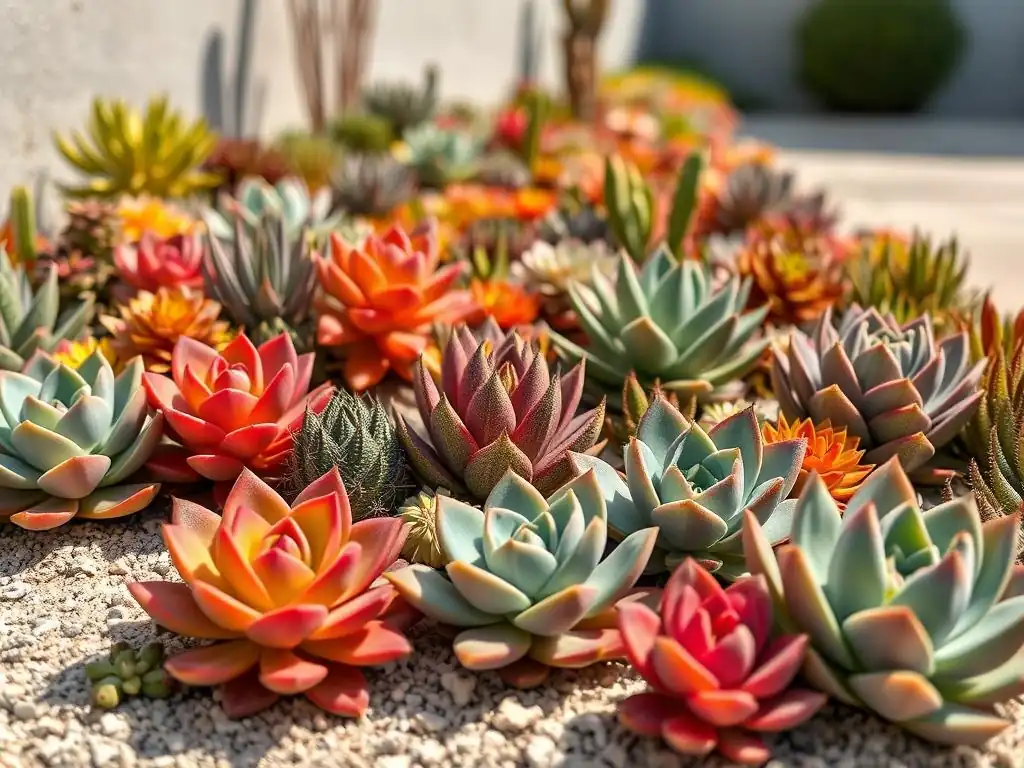
This section focuses on proactive strategies for preventing succulent root rot in your outdoor mixed beds. Root rot, a devastating fungal disease, thrives in consistently moist conditions, so maintaining proper drainage and airflow is paramount for the long-term health of your succulents. Preventing succulent root rot outdoors requires vigilance and a proactive approach.
Regular Inspection and Maintenance of Your Outdoor Succulent Bed
Regular inspection is the cornerstone of preventing succulent root rot outdoors. Aim for at least a weekly check, especially during periods of high humidity or rainfall. Look for signs of overwatering, such as soggy soil, wilting leaves despite recent watering, or a foul odor emanating from the soil. Pay close attention to the base of the succulents; any discoloration or mushiness indicates potential rot.
Here's a checklist for your weekly inspections:
- [ ] Check soil moisture: Use your finger to test the soil depth; if it's consistently wet more than an inch below the surface, drainage is likely insufficient.
- [ ] Inspect for discoloration: Look closely at the stems and leaves for signs of browning, yellowing, or mushiness, particularly near the soil line.
- [ ] Assess airflow: Ensure adequate spacing between succulents to allow for good air circulation. Crowded plants are more susceptible to rot.
- [ ] Remove any dead or decaying leaves: Promptly remove any affected plant material to prevent the spread of disease. Use clean, sterilized tools to avoid cross-contamination.
- [ ] Note weather patterns: Adjust your watering schedule based on rainfall. Less watering is needed after rain.
Remember, early detection is crucial. Addressing issues promptly significantly increases your chances of saving your succulents. A proactive approach to maintenance is key to preventing succulent root rot outdoors and enjoying thriving plants.
Addressing Potential Problems Promptly
Once you've identified a potential problem, swift action is essential. Delaying treatment can quickly lead to the demise of your succulents. Here's a breakdown of how to address common issues:
- Soggy Soil: If the soil is consistently soggy, improve drainage immediately. This might involve amending the soil with perlite or pumice to increase aeration and drainage. You might also need to repot affected succulents into a well-draining soil mix. Consider raising the bed slightly to improve drainage if it's consistently waterlogged.
- Discolored or Mushy Succulents: Carefully remove the affected succulents from the bed. Inspect the roots; if they are mushy or dark brown, the rot has likely progressed significantly. In these cases, you may need to propagate healthy cuttings from the unaffected parts of the plant. Discard the affected plant parts immediately to prevent the spread of the disease.
- Fungal Growth: Visible fungal growth (often white or gray fuzzy patches) is a clear sign of root rot. Remove the affected succulents and treat the remaining soil with a fungicide appropriate for succulents. Always follow the product instructions carefully.
Remember to use clean, sterilized tools during all of these processes to prevent the spread of disease to healthy plants. Proper sanitation is crucial in preventing succulent root rot outdoors.
Preventing Pests and Diseases That Contribute to Root Rot
While improper watering is the primary culprit behind root rot, pests and diseases can weaken succulents, making them more vulnerable. Certain pests can create entry points for fungi, exacerbating the problem. Preventing these issues involves:
- Pest Control: Regularly inspect your succulents for signs of pests like mealybugs, aphids, or scale. Use insecticidal soap or neem oil to control infestations promptly. Preventative measures, such as maintaining good hygiene and providing optimal growing conditions, are also effective.
- Disease Prevention: Good air circulation and proper spacing are key to preventing fungal diseases. Avoid overhead watering, which can promote fungal growth. Choose disease-resistant succulent varieties whenever possible. Rotating your succulent beds annually can also help prevent the buildup of soilborne pathogens.
By addressing both the environmental factors and potential biological threats, you significantly enhance your success in preventing succulent root rot outdoors. A holistic approach to plant care is essential for healthy and vibrant succulents in your outdoor beds.
Advanced Techniques for Preventing Root Rot in Outdoor Succulent Beds
This section delves into advanced strategies for preventing succulent root rot in outdoor mixed beds, building upon the foundational principles already discussed. These techniques focus on proactively improving drainage and aeration within the planting environment to minimize the risk of waterlogged soil, a primary cause of root rot. Successfully implementing these methods significantly enhances the chances of thriving, healthy succulents in your outdoor displays. Remember, preventing succulent root rot outdoors requires a multi-faceted approach.
Using Raised Beds for Improved Drainage
Raised beds offer a powerful solution for improving drainage, particularly in areas with heavy clay soil or poor natural drainage. By elevating the planting area, you create a more favorable environment for water runoff, reducing the likelihood of water accumulating around the succulent's roots. Consider these key aspects when constructing raised beds for succulents:
- Height: Aim for a minimum height of 12 inches (30 cm). This allows for sufficient depth of well-draining soil mix and prevents water from pooling at the base.
- Materials: Various materials work well, including untreated wood (cedar or redwood are excellent choices), concrete blocks, or even repurposed containers. Ensure the chosen material is durable and won't leach harmful chemicals into the soil.
- Drainage Holes: Even with raised beds, incorporating drainage holes in the bottom is crucial. This ensures that excess water can escape freely. Consider lining the base with landscaping fabric to prevent soil from washing out.
- Soil Mix: Fill the raised bed with a well-draining succulent and cactus potting mix. Avoid using heavy garden soil, which retains too much moisture. A blend of pumice, perlite, and coarse sand, mixed with a high-quality potting soil, is ideal.
Incorporating Gravel or Other Drainage Materials
Adding gravel, pumice, or other coarse inorganic materials to the bottom of your planting bed significantly improves drainage. This layer acts as a reservoir for excess water, preventing it from directly saturating the succulent's root system. Here's how to effectively use drainage materials:
- Layer Thickness: A layer of 2-4 inches (5-10 cm) is typically sufficient. Thicker layers may be needed for especially clay-rich soils.
- Material Selection: Gravel, pumice, and lava rock are all excellent choices due to their porosity and ability to drain water quickly. Avoid using fine materials like pea gravel, which can compact and impede drainage.
- Placement: Place the drainage layer at the bottom of the bed before adding the succulent potting mix. This creates a buffer between the soil and any underlying compacted soil or clay.
- Caveats: While beneficial, over-reliance on drainage layers alone is insufficient. Proper soil mix and watering techniques remain crucial.
Utilizing Organic Mulch to Enhance Drainage and Prevent Waterlogging
While it may seem counterintuitive, certain types of organic mulch can actually improve drainage and prevent waterlogging. The key is to choose mulches that are coarse, well-aerated, and don't decompose too quickly, clogging the soil.
- Suitable Mulches: Consider using coarse wood chips, pine bark fines, or even shredded coconut coir. These materials allow for air circulation while helping to retain some moisture, preventing the soil from drying out too quickly.
- Application: Apply a thin layer (1-2 inches or 2.5-5 cm) of mulch around the succulents, avoiding direct contact with the stems to prevent rot.
- Benefits: Beyond drainage, organic mulch helps regulate soil temperature, suppress weeds, and improve the overall soil structure over time. However, monitor moisture levels carefully to avoid overwatering.
By diligently implementing these advanced techniques, you can significantly enhance your chances of success in cultivating healthy, thriving succulents in outdoor mixed beds. Remember, consistent observation and adaptation are key to mastering the art of outdoor succulent cultivation and successfully preventing succulent root rot outdoors. 🌱
Frequently Asked Questions
How can I prevent root rot in my outdoor succulent beds?
The key is excellent drainage. Ensure your soil is a well-draining mix, amend heavy clay soils with perlite or pumice, and avoid overwatering. Raised beds also improve drainage significantly.
What type of soil is best for succulents outdoors to prevent root rot?
Use a fast-draining soil mix, such as a commercial cactus and succulent blend. You can also create your own by mixing regular potting soil with perlite, coarse sand, and pumice. Avoid heavy clay soils.
My succulents are getting too much sun; could this lead to root rot?
While not directly causing root rot, sunburn can stress succulents, making them more susceptible to diseases and rot if their roots are already sitting in soggy soil. Ensure proper sunlight and drainage.
How often should I water my outdoor succulents to prevent root rot?
Water deeply but infrequently, allowing the soil to dry out completely between waterings. The frequency depends on your climate and pot size; check the soil moisture before watering.
What are the signs of root rot in outdoor succulents, and what should I do?
Signs include mushy, discolored leaves and stems, and a foul odor. If you suspect rot, remove affected parts and repot in dry, well-draining soil. Improve drainage to prevent recurrence.
Final Reflection: Cultivating Resilience: The Ongoing Journey of Succulent Care
The fight against succulent root rot isn't just about soil drainage; it's about understanding the delicate balance between thriving growth and devastating decay. This knowledge, crucial for the health of our beloved succulents, translates directly to a broader understanding of environmental stewardship and the importance of careful observation in any endeavor. The seemingly simple act of creating a well-draining bed becomes a powerful metaphor for proactive care and mindful cultivation.
The impact of understanding succulent care extends beyond the individual plant; it fosters a deeper appreciation for the interconnectedness of life. We learn to observe subtle signs of distress, mirroring the need for attentive care in other aspects of our lives. As the renowned gardener, Gertrude Jekyll, once wisely stated: The most beautiful thing we can experience is the mysterious. It is the source of all true art and science.
Understanding the subtle nuances of succulent health, and the preventative measures against root rot, reveals a deeper mystery of nature's resilience and our role in nurturing it.
Now, consider your own "succulent beds"—those areas of your life where nurturing and attention are crucial. What seemingly small changes can you implement to prevent "root rot" in your own endeavors? Are you proactively addressing potential problems, or are you reacting to crises? Take the lessons learned from cultivating healthy succulents and apply them to your personal and professional life. Embrace the challenge of mindful cultivation, and watch your own resilience bloom.
Unleash Your Succulent Oasis: Design a Thriving Outdoor Bed!
Thanks for exploring the world of succulent mixed beds! You've gained the knowledge to prevent root rot and create a stunning, healthy display. Ready to put your expertise to the test?
- Design your dream succulent bed: Sketch out a plan, considering sun exposure, drainage, and the specific succulent varieties you'll use. Let your creativity flow and experiment with unusual combinations to create a unique design!
- Share your succulent journey: Post pictures of your design or progress on social media – we'd love to see it! Use #SucculentEssentials and tag us!
- Choose diverse succulent varieties: Research species that thrive in your local climate and complement each other.
Now, tell us: What's the most exciting succulent you plan to include in your new outdoor bed?