
How to Design a Succulent Course That Stands Out from the Crowd

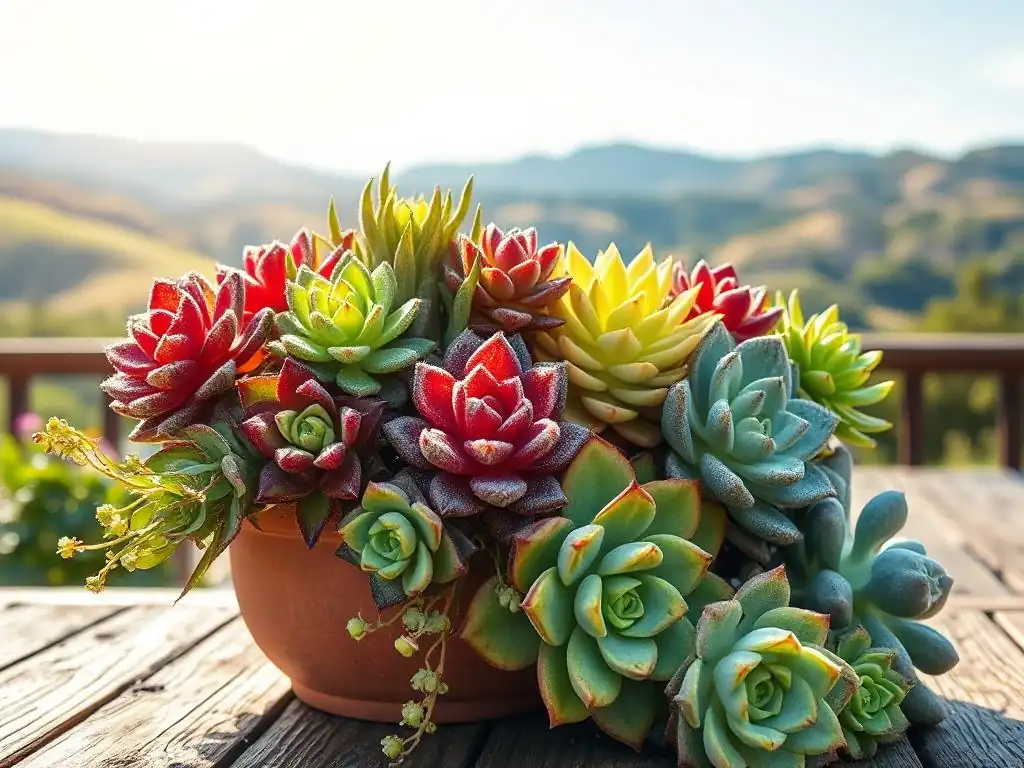
Welcome to SucculentEssentials.org, where the fascinating world of succulents unfolds! Are you ready to unlock the secrets to cultivating these resilient beauties? We delve into every aspect of succulent care, from basic propagation to breathtaking arrangements. But that's not all... Prepare to be inspired by our article on Unique Succulent Course Design, revealing innovative ways to stand out in the competitive world of succulent entrepreneurship. Discover how to create a course that truly flourishes, leaving your competitors trailing behind. Dive in and let's cultivate your succulent expertise!
- Defining Your Niche: Crafting a Unique Succulent Course Curriculum
-
Creating Compelling Course Content: Engaging Your Students
- High-Quality Photography and Videography: Showcasing Stunning Succulent Arrangements
- Step-by-Step Instructional Videos: Using Software like Adobe Premiere Pro
- Downloadable Worksheets and Resources: Providing Additional Value and Engagement
- Interactive Quizzes and Assessments: Testing Knowledge and Encouraging Active Learning.
- Expert Interviews and Guest Speakers: Adding Credibility and Diverse Perspectives.
-
Structuring Your Course for Maximum Impact: Learning Path Design
- Logical Progression of Topics: Beginner to Advanced Techniques in Succulent Care
- Modular Course Structure: Allowing for Flexibility and Personalized Learning Paths
- Bite-Sized Lessons: Keeping Students Engaged and Preventing Overwhelm
- Practical Application Exercises: Encouraging Hands-On Learning and Skill Development.
-
Marketing and Monetization Strategies for Your Succulent Course
- Pricing Your Course Competitively: Analyzing Market Rates and Value Proposition.
- Utilizing Email Marketing: Building an Email List and Promoting Your Course.
- Social Media Marketing: Showcasing Course Content and Engaging with Potential Students.
- Affiliate Marketing Opportunities: Partnering with Relevant Businesses in the Succulent Industry.
- Creating a Sales Funnel: Using Lead Magnets and Upsells to Maximize Revenue.
- Utilizing Paid Advertising (PPC): Targeted Ads on Platforms like Google Ads and Social Media.
- Leveraging Technology for Course Delivery and Management
- Case Studies: Successful Succulent Courses and Their Strategies
- Building a Thriving Succulent Course Business: Long-Term Growth
-
Frequently Asked Questions
- What makes a succulent course design unique?
- How can I incorporate creative elements into my succulent course?
- What are some essential topics to cover in a unique succulent course?
- How can I target a specific audience with my succulent course design?
- How can I ensure my succulent course stands out from competitors?
- Final Reflection: Cultivating Creativity in Succulent Design
- Unleash Your Inner Succulent Stylist!
Defining Your Niche: Crafting a Unique Succulent Course Curriculum
Creating a successful online succulent course requires more than just a passion for these fascinating plants; it demands a carefully crafted curriculum that stands out in a crowded marketplace. This article will guide you through the process of designing a Unique succulent course design, ensuring your course not only educates but also captivates your target audience. We'll explore key elements, from identifying your ideal student to defining what makes your course truly special and, ultimately, profitable. The goal is to build a course that not only teaches succulent care but also fosters a thriving community of passionate plant lovers.
We'll cover everything from beginner-friendly basics to advanced propagation techniques, ensuring your course caters to a wide range of skill levels while maintaining a distinct identity. Think of this as your blueprint for building a thriving online succulent empire! 🚀
Identifying Your Target Audience: Beginner, Intermediate, or Advanced Succulent Enthusiasts?
Before diving into curriculum development, you need a clear picture of your ideal student. Are you targeting absolute beginners who are just starting their succulent journey? Or are you focusing on intermediate enthusiasts looking to expand their knowledge and skills? Perhaps you're aiming for advanced succulent aficionados seeking expert-level propagation techniques and rare variety identification? 🤔
Understanding your target audience will significantly influence your course content and teaching style. For example, a beginner's course might focus on fundamental care principles, such as watering techniques and appropriate sunlight exposure, while an advanced course could delve into grafting, tissue culture, and the intricacies of hybrid creation. Consider creating a detailed buyer persona to understand their needs, motivations, and learning preferences. This will help you tailor your course to resonate deeply with your specific audience.
| Audience Level | Course Content Focus | Teaching Style | Examples of Modules |
|---|---|---|---|
| Beginner | Basic succulent care, common varieties, potting & watering | Simple, step-by-step instructions, visuals | "Succulent 101," "Potting Your First Succulent," "Watering Wisdom" |
| Intermediate | Propagation, repotting, troubleshooting common problems | More in-depth explanations, practical exercises | "Mastering Propagation," "Repotting Techniques," "Disease Diagnosis & Treatment" |
| Advanced | Advanced propagation, rare varieties, hybrid creation | Expert insights, advanced techniques, Q&A sessions | "Grafting Masterclass," "Tissue Culture Introduction," "Rare Succulents: Identification & Care" |
Choosing a Specific Succulent Focus: Desert Roses, Echeverias, or Sedum Propagation Techniques.
Instead of trying to cover every succulent under the sun, consider specializing in a specific niche. This allows you to create a more focused and in-depth course that truly stands out. Focusing on a particular genus, like Echeverias, or a specific propagation technique, like leaf cuttings, can attract a highly targeted audience of passionate collectors or hobbyists.
For example, a course focused solely on Desert Roses could delve into the unique care requirements of these captivating plants, covering topics such as proper watering, soil composition, and seasonal care. Similarly, a course dedicated to Sedum propagation could offer a comprehensive guide to various techniques, including leaf cuttings, stem cuttings, and offsets. This specialization allows you to become a recognized authority within your chosen niche, attracting students seeking expert knowledge.
Consider these options and their potential course modules:
- Desert Roses: Understanding their unique needs, dealing with pests and diseases specific to Adeniums, advanced propagation methods for Desert Roses.
- Echeverias: Detailed identification of various Echeveria species, advanced propagation techniques, creating stunning Echeveria arrangements.
- Sedum Propagation: Mastering different propagation methods (leaf cuttings, stem cuttings, offsets), troubleshooting common problems, creating stunning Sedum gardens.
Unique Selling Proposition (USP): What Makes YOUR Succulent Course Different?
Your USP is the crucial element that sets your course apart from the competition. What unique value do you offer that other succulent courses don't? This could be a unique teaching style, a specialized focus, exclusive access to resources, or a strong community aspect. Perhaps you offer personalized feedback, one-on-one coaching, or access to a private online forum.
Consider these possibilities:
- Interactive elements: Live Q&A sessions, student projects, or collaborative challenges.
- Exclusive resources: Access to a curated library of resources, templates, or checklists.
- Community building: A supportive online community forum for students to connect and share their experiences.
- Personalized feedback: Individualized feedback on student projects or assignments.
By carefully considering these aspects, you can create a succulent course that truly stands out and attracts a loyal following of enthusiastic plant lovers. Remember, a strong USP is crucial for success in the competitive online education market. Don't just teach; inspire! ✨
Creating Compelling Course Content: Engaging Your Students
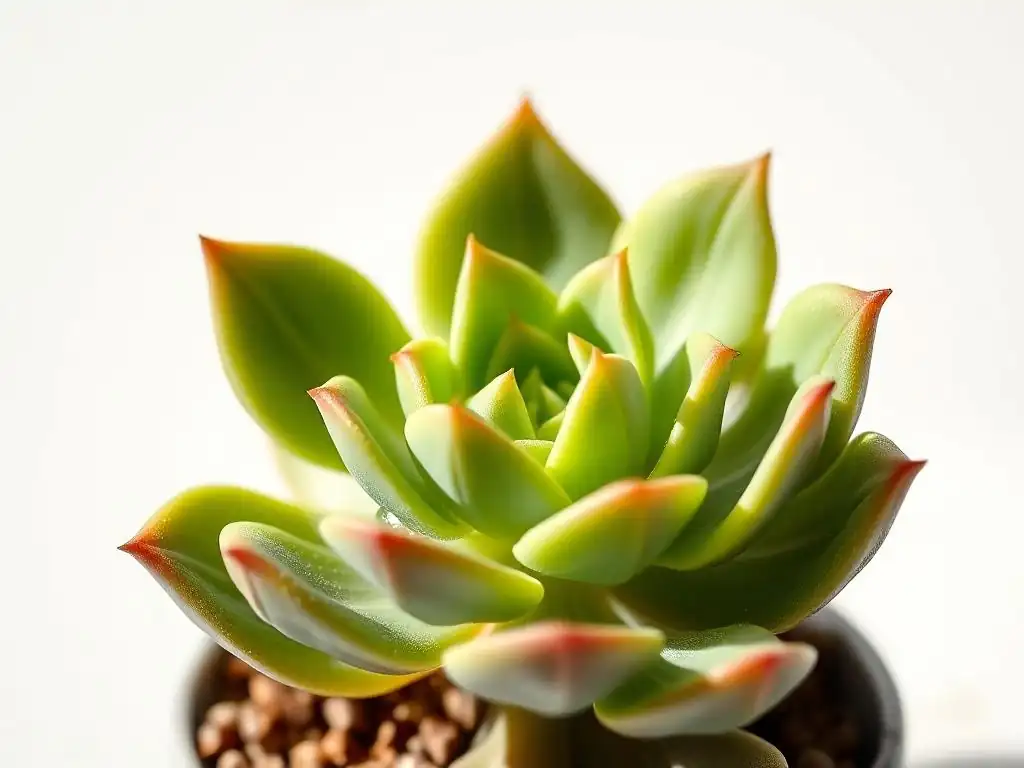
Creating a truly unique succulent course design requires more than just listing succulent types and care instructions. It demands a captivating learning experience that resonates with students and sets your course apart from the competition. This involves crafting high-quality, engaging content that goes beyond the basics, offering practical skills, creative inspiration, and a strong sense of community. Remember, your course isn't just about teaching; it's about fostering a passion for succulents.
High-Quality Photography and Videography: Showcasing Stunning Succulent Arrangements
Visual appeal is paramount in a succulent course. High-resolution photography and videography are crucial for showcasing the beauty and diversity of succulents. Imagine the difference between a blurry photo of an Echeveria and a crisp, professionally lit image highlighting its intricate details and vibrant colors. The latter immediately captivates the viewer and elevates the learning experience.
Consider investing in professional photography or learning basic photography techniques yourself. Focus on capturing the textures, colors, and unique characteristics of each succulent. Use natural light whenever possible, and experiment with different angles and compositions to create visually stunning images. Think about showcasing various arrangements, from minimalist single-plant displays to elaborate terrariums and vertical gardens. Showcasing diverse arrangements directly addresses the need for a unique succulent course design as it provides a wide range of inspiration.
Step-by-Step Instructional Videos: Using Software like Adobe Premiere Pro
High-quality videos are an incredibly effective way to teach practical skills. Instead of just providing written instructions on propagation techniques or terrarium creation, demonstrate the process visually. Step-by-step videos allow students to follow along at their own pace, pausing and rewinding as needed. This interactive learning approach significantly enhances comprehension and retention.
Software like Adobe Premiere Pro can be used to create professional-looking videos. While it has a steeper learning curve, the results are worth the effort. Alternatively, simpler video editing software offers a more accessible entry point for beginners. No matter the software choice, ensure your videos are well-lit, clearly focused, and edited smoothly. Use concise, easy-to-understand language, and consider adding text overlays or annotations to highlight important steps or details. Remember to showcase your own unique style and techniques to create a truly unique succulent course design.
Downloadable Worksheets and Resources: Providing Additional Value and Engagement
Supplementing your video and photographic content with downloadable resources significantly enhances the overall value of your course. These resources can include:
- Printable checklists: For routine succulent care tasks.
- Plant identification guides: Featuring common succulent varieties and their characteristics.
- Succulent arrangement design templates: To help students plan their own creations.
- Resource lists: Of suppliers for succulents, pots, and other materials.
- Bonus content: Exclusive interviews with succulent experts or access to a private online community.
These downloadable assets provide students with tangible tools and resources they can use long after completing the course. It also strengthens the sense of value and reinforces your brand as a trusted resource in the succulent community. This added value is crucial in differentiating your unique succulent course design and attracting students. Consider offering different worksheet tiers or advanced resources for premium course packages to further enhance your offering. The goal is to create a holistic learning experience that extends beyond the course itself.
Interactive Quizzes and Assessments: Testing Knowledge and Encouraging Active Learning.
Interactive quizzes and assessments are crucial for a truly engaging succulent course. Instead of relying on static multiple-choice questions, consider incorporating a variety of interactive elements. For example, you could create image-based quizzes where students identify different succulent varieties based on their visual characteristics. This taps into visual learning styles and reinforces identification skills, a key aspect of succulent care. Another effective approach is to integrate short, practical application quizzes.
For instance, a quiz could present a scenario—a succulent showing signs of overwatering—and ask students to select the appropriate course of action. This promotes problem-solving skills and encourages active recall of the information presented in the course. Furthermore, consider using branching scenarios within your quizzes. This dynamic approach allows the quiz to adapt based on the student's responses, creating a personalized learning experience and providing tailored feedback. Finally, don't forget the power of gamification!
Award points, badges, or even leaderboards to incentivize participation and boost student engagement. A well-designed quiz system can significantly enhance the learning process and make your course more memorable and effective. Think about incorporating elements like progress bars to visually track learning and provide a sense of accomplishment. Remember, the goal is to make learning fun and rewarding, not just a test of knowledge.
Expert Interviews and Guest Speakers: Adding Credibility and Diverse Perspectives.
Adding expert interviews and guest speakers to your succulent course injects a level of credibility and excitement that few other methods can match. This approach adds significant value by offering diverse perspectives and insights that you might not possess yourself. Consider interviewing renowned succulent growers, landscape designers specializing in succulents, or even botanists with expertise in desert flora. Each interview should be carefully structured around specific topics relevant to your course.
For example, one interview could focus on advanced propagation techniques, while another might delve into the art of creating stunning succulent arrangements. The interviews should be engaging and dynamic, perhaps incorporating visuals like photos or short video clips of the guest's work. This will keep students engaged and interested. By featuring diverse voices, you also broaden the appeal of your course, catering to a wider range of interests and skill levels.
The inclusion of guest speakers with established reputations within the succulent community significantly enhances the perceived value and authority of your course. It’s important to promote these interviews effectively, highlighting the expertise of each guest speaker to attract students and establish your course as a leading resource in the field of succulent cultivation. Think of it as offering a "masterclass" experience within your larger course. Remember to obtain permission and properly credit all guest speakers and experts involved.
Structuring Your Course for Maximum Impact: Learning Path Design
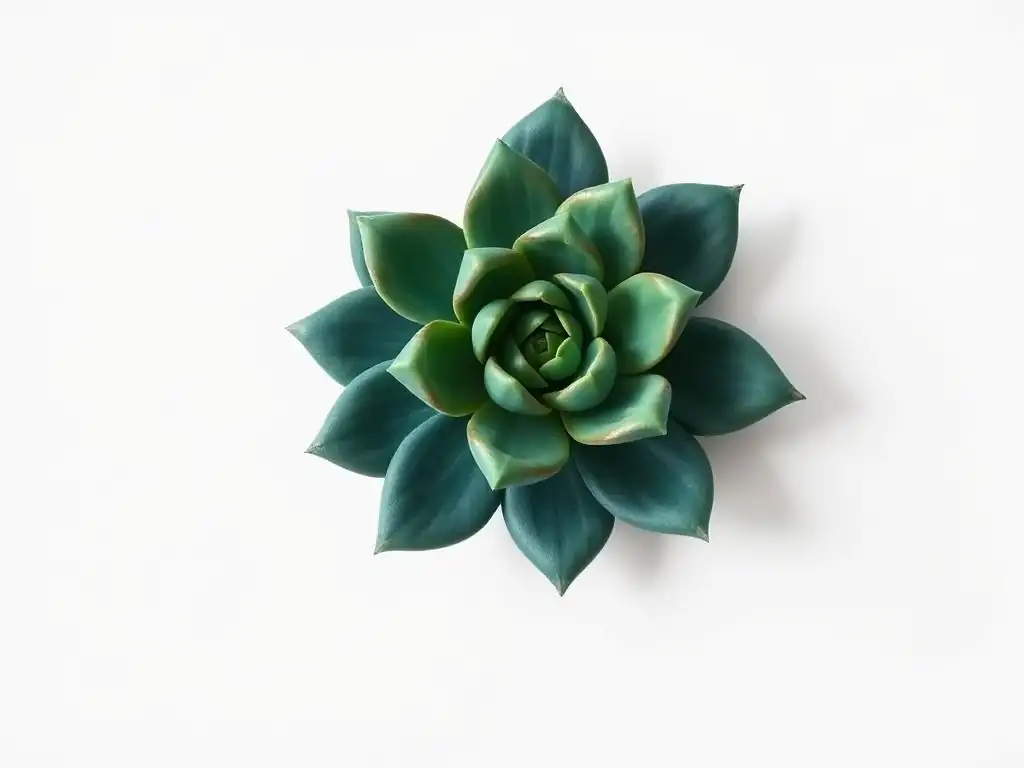
Creating a unique succulent course design requires careful consideration of the learning path. Students need a clear progression, building confidence and skills gradually. A poorly structured course can lead to frustration and dropout, undermining your efforts. Therefore, thoughtful design is crucial for a successful and engaging learning experience. This section focuses on three key aspects: logical topic progression, modularity, and lesson length.
Logical Progression of Topics: Beginner to Advanced Techniques in Succulent Care
The ideal succulent course should follow a logical progression, starting with fundamental concepts and gradually introducing more advanced techniques. This structured approach ensures students build a solid foundation before tackling complex topics. Consider this sample learning path:
- Introduction to Succulents: This module covers basic succulent identification, understanding their diverse origins and growth habits. Students learn to differentiate between different genera (e.g., Echeveria, Sedum, Haworthia) and understand basic botanical terminology.
- Essential Succulent Care: This module focuses on the core principles of succulent cultivation: light requirements (sunlight intensity and duration), watering techniques (frequency and methods), soil composition, and optimal temperature ranges. We'll also discuss common pests and diseases and how to prevent or treat them effectively. Practical examples and troubleshooting scenarios are vital here.
- Propagation Techniques: Here, students learn various propagation methods, such as leaf cuttings, stem cuttings, and offsets. Detailed instructions with step-by-step guides and high-quality visuals will be essential to ensure a high success rate for students. Specific examples focusing on different succulent types and their propagation suitability would enhance the course's practical value.
- Advanced Succulent Care: This module delves into more nuanced aspects of succulent care, including repotting techniques, fertilizer application, and managing environmental stress (e.g., temperature fluctuations, humidity levels). This section could also include information on specialized cultivation techniques, such as hydroponics or aeroponics, for those seeking more advanced knowledge.
- Creative Succulent Arrangements: This section focuses on the artistic aspects of succulent cultivation, exploring different arrangement styles, container selection, and design principles. This allows students to express their creativity and apply the knowledge gained in previous modules. Examples of different arrangement styles (e.g., terrariums, vertical gardens, dish gardens) should be showcased.
Modular Course Structure: Allowing for Flexibility and Personalized Learning Paths
A modular course structure offers significant advantages. Instead of a rigid linear progression, modules can be completed in any order, allowing students to personalize their learning journey. This flexibility caters to different learning styles and paces. Furthermore, a modular approach allows for easy updates and additions, ensuring the course remains current and relevant.
Consider offering different learning paths within the course. For example:
- Beginner Path: Focuses on modules 1 and 2, providing a solid foundation in basic succulent care.
- Intermediate Path: Includes modules 1-3, adding propagation techniques to the beginner's knowledge.
- Advanced Path: Encompasses all modules, providing a comprehensive understanding of succulent cultivation and creative design.
This approach allows students to choose a learning path tailored to their skill level and interests.
Bite-Sized Lessons: Keeping Students Engaged and Preventing Overwhelm
Long, dense lessons can lead to student fatigue and disengagement. Breaking down the course into bite-sized lessons, each focusing on a specific concept or technique, significantly improves engagement. These shorter lessons are easier to digest and allow students to absorb information more effectively. Aim for lessons that are concise and focused, typically lasting between 15-30 minutes.
Consider using a variety of learning formats within each lesson:
- Short video lectures: Demonstrations of techniques, such as propagation or repotting.
- Downloadable worksheets: Reinforce key concepts and provide practical exercises.
- Interactive quizzes: Assess understanding and identify areas needing further review.
- Community forums: Encourage interaction and peer learning.
This multi-faceted approach creates a dynamic learning experience, keeping students engaged and motivated throughout the course. The use of varied media also caters to different learning preferences, maximizing accessibility and impact.
Practical Application Exercises: Encouraging Hands-On Learning and Skill Development.
Designing a truly unique succulent course necessitates a strong emphasis on practical application. Theory alone won't cultivate confident succulent enthusiasts. Therefore, integrating hands-on exercises is crucial for a memorable and effective learning experience. These exercises shouldn't be mere busywork; they should directly relate to the concepts taught, building upon previous lessons and progressively challenging students.
Consider incorporating a variety of exercise types to cater to different learning styles. For example, early lessons might focus on simple tasks like identifying common succulent species from photographs or describing basic care requirements. As the course progresses, exercises could become more complex, involving:
- Guided Propagation: Students could be guided through the propagation process, from leaf cuttings to stem cuttings, with detailed instructions and video demonstrations. They could then document their progress, sharing photos and observations within a dedicated course forum. This fosters a sense of community and allows for peer-to-peer learning.
- Succulent Arrangement Projects: Designing and creating succulent arrangements provides a fantastic opportunity for practical application. Start with simpler arrangements, perhaps focusing on a single type of succulent and basic potting techniques. Later exercises could involve more complex designs, incorporating different textures, colors, and pot sizes. Students could even be challenged to create arrangements based on specific design briefs, promoting creativity and problem-solving skills.
- Troubleshooting Challenges: Present students with realistic scenarios of common succulent problems – pests, diseases, overwatering, underwatering. Ask them to diagnose the problem based on provided images or descriptions, and then suggest appropriate solutions. This practical exercise builds critical thinking skills and prepares students for real-world challenges.
- DIY Project Tutorials: Incorporate projects that encourage the creation of DIY succulent-related items, such as terrariums or vertical gardens. Provide detailed step-by-step instructions, including material lists, tools, and techniques. This allows students to apply their knowledge creatively and produce tangible results.
The key is to provide clear, concise instructions, accompanied by high-quality visual aids (though we are omitting those here for this example). Regular feedback and constructive criticism are essential to help students improve their skills and build confidence. Consider incorporating peer review or instructor feedback mechanisms to ensure a personalized learning experience. Remember, the goal is not just to impart knowledge, but to empower students to become successful and confident succulent cultivators. A well-structured, hands-on approach is the cornerstone of a truly unique succulent course design.
Marketing and Monetization Strategies for Your Succulent Course
This section focuses on effectively marketing and monetizing your unique succulent course, ensuring it stands out in a competitive market. We'll explore pricing strategies, email marketing techniques, and social media engagement to maximize your reach and revenue. Remember, a strong marketing plan is crucial for the success of any online course, especially one as niche as a specialized succulent course.
Pricing Your Course Competitively: Analyzing Market Rates and Value Proposition.
Determining the right price for your unique succulent course requires careful consideration of several factors. Simply copying competitor prices isn't sufficient; you need to understand the value you offer. Begin by researching similar courses. What are their prices? What is included in their curriculum? What is their perceived value based on student reviews?
Consider creating a table to compare different courses:
| Course Name | Price | Curriculum Highlights | Unique Selling Proposition (USP) | Student Reviews (Summary) |
|---|---|---|---|---|
| Succulent Secrets | $97 | Basic care, propagation techniques, 10 common types | Beginner-friendly, easy-to-follow | Generally positive |
| Advanced Succulents | $197 | Advanced propagation, rare varieties, terrarium design | Focus on rare and unusual succulents | Mostly positive, some advanced feedback |
| The Art of Succulents | $297 | Advanced design, professional photography, workshops | Emphasis on aesthetic arrangement | Very positive, high engagement |
Your pricing should reflect the quality of your content, the depth of your expertise, and the unique value proposition of your course. If you offer personalized feedback, downloadable resources, or live Q&A sessions, this should be reflected in a higher price point. Don't undervalue your expertise! A higher price can even signal higher quality and attract a more serious audience. For example, a course focusing on the propagation of rare and expensive succulent varieties could command a significantly higher price than a basic beginner's course.
Utilizing Email Marketing: Building an Email List and Promoting Your Course.
Email marketing remains a highly effective tool for reaching potential students and nurturing leads. Building a targeted email list is a crucial first step. Offer valuable free content, such as a free succulent care guide or a checklist of essential tools, in exchange for email sign-ups. This establishes you as an expert and builds trust with your audience.
Once you have an email list, segment your subscribers based on their interests (e.g., beginner vs. advanced succulent enthusiasts, specific succulent types). This allows for targeted email campaigns. Promote your course through a series of emails, highlighting different aspects of the curriculum and addressing potential student concerns. Consider using a compelling subject line and visually appealing email design. A series of emails might include:
- Email 1: Announcement of the course launch, highlighting the key benefits.
- Email 2: Deep dive into a specific module, showcasing the quality of the content.
- Email 3: Testimonials from beta testers or early adopters.
- Email 4: A limited-time discount or bonus offer.
- Email 5: A final reminder and last chance to enroll.
Remember to track your email marketing metrics (open rates, click-through rates, conversions) to optimize your campaigns over time. A/B testing different subject lines and email content can significantly improve your results. Always ensure your emails are compliant with relevant regulations (e.g., CAN-SPAM).
Social media platforms like Instagram, Pinterest, and Facebook offer excellent opportunities to showcase your unique succulent course and connect with potential students. Use high-quality images and videos to highlight the course content and create engaging posts that demonstrate your expertise. Consider running contests or giveaways to increase engagement and build your following.
On Instagram, visually stunning images and short videos of succulents are key. Utilize relevant hashtags such as #succulents, #succulentcourse, #unique succulent course design, #succulentpropagation, #succulentarrangement, to reach a wider audience. On Pinterest, create visually appealing pins that link back to your course landing page. Facebook allows for more in-depth content, including blog posts and live Q&A sessions. Remember to engage with your followers by responding to comments and messages promptly.
This builds a community around your course and fosters a sense of connection with potential students. Consistent posting and engagement are vital for success. Analyze your social media analytics to identify what resonates best with your audience and adjust your strategy accordingly. Consider using paid social media advertising to reach a larger audience, especially during course launches.
Affiliate Marketing Opportunities: Partnering with Relevant Businesses in the Succulent Industry.
Affiliate marketing presents a lucrative avenue for boosting your succulent course's reach and revenue without significant upfront investment. The key lies in identifying businesses that align seamlessly with your course's content and target audience. Consider partnering with online retailers specializing in succulents and related supplies. These could include nurseries offering rare varieties, suppliers of specialized potting mixes and tools, or even artisans creating succulent-themed crafts.
A strong affiliate program offers tiered commissions based on sales generated through your unique referral links. For example, you could earn 10% commission on each sale of a premium succulent potting mix from a partnered retailer for every student who uses your link. Furthermore, strategically placed affiliate links within your course materials (e.g., recommending specific tools in a lesson on propagation) can generate passive income over time.
Remember to always disclose your affiliate partnerships transparently to maintain trust and credibility with your students. The success of this strategy hinges on selecting high-quality partners whose products genuinely enhance the student's succulent journey, thereby avoiding the perception of merely pushing unrelated products. This approach fosters a win-win situation: your students benefit from access to valuable resources, and you earn a commission.
Creating a Sales Funnel: Using Lead Magnets and Upsells to Maximize Revenue.
A well-structured sales funnel is crucial for converting casual website visitors into paying students. This begins with offering a compelling lead magnet – a free resource of significant value that entices potential students to provide their email address. Examples include a free e-book on basic succulent care, a checklist for identifying common succulent pests, or a video tutorial on creating a simple succulent arrangement. Once a potential student provides their email, you can nurture them through a series of emails showcasing the benefits of your succulent course.
These emails could highlight student testimonials, offer sneak peeks of course content, and address common objections. The funnel culminates in a clear call to action, guiding them to enroll in your course. To maximize revenue, incorporate upsells and downsells within the funnel. Upsells offer premium add-ons, such as a one-on-one consultation with you or access to a private online community.
Downsells provide a more affordable alternative to the main course if a student declines the upsell, ensuring you capture as many sales as possible. A robust email marketing platform allows you to segment your audience and personalize these communications, increasing conversion rates. Tracking your funnel's performance with analytics is vital for identifying areas for improvement and optimizing your strategy for maximum impact. For example, A/B testing different lead magnets can reveal which one performs best in attracting subscribers.
Paid advertising, particularly Pay-Per-Click (PPC) campaigns on platforms like Google Ads and social media (Facebook, Instagram, etc. ), can significantly accelerate your course's visibility and enrollment numbers. The key to success lies in precise targeting. Use relevant keywords related to succulent care, propagation, or arrangement design (such as "unique succulent course design", "succulent gardening course", or "how to propagate succulents") to ensure your ads reach the right audience.
Craft compelling ad copy that highlights the unique selling points of your course, emphasizing the benefits students will gain (e.g., increased confidence in succulent care, mastery of propagation techniques, creation of stunning arrangements). For visual platforms like Instagram, use high-quality images or videos showcasing your course's content and the beautiful results students can achieve. Regularly monitor your ad campaigns' performance, tracking metrics like click-through rates (CTR) and conversion rates. A/B testing different ad creatives and targeting options helps optimize your campaigns for maximum return on investment (ROI).
Consider using retargeting ads to reach users who have previously interacted with your website or social media pages but haven't yet enrolled. PPC advertising, while costing money upfront, can offer a rapid return if implemented effectively, providing a powerful boost to your course's marketing efforts and accelerating student enrollment. Remember to consistently analyze and adjust your campaigns based on performance data to ensure you are maximizing your budget's effectiveness.
Leveraging Technology for Course Delivery and Management
Creating a truly unique succulent course design requires more than just compelling content; it demands a seamless and user-friendly learning experience. This hinges heavily on the technology you choose to deliver and manage your course. Selecting the right tools will not only streamline your workflow but also significantly impact student engagement and satisfaction. Let's explore some key technological aspects.
Choosing a Learning Management System (LMS): Teachable, Thinkific, Kajabi
The foundation of your online succulent course is the Learning Management System (LMS). This platform handles course delivery, student management, and often, payment processing. Three popular choices stand out: Teachable, Thinkific, and Kajabi. Each offers unique features and pricing structures. Consider these factors when making your decision:
- Teachable: Known for its ease of use and robust marketing tools, Teachable is a strong contender for beginners. Its intuitive interface allows for quick course setup, and its built-in marketing features can help you reach a wider audience. However, its pricing structure can become more expensive as your student base grows.
- Thinkific: Thinkific offers a good balance between features and affordability. It provides a flexible platform for creating and delivering courses, with options for various pricing models and marketing integrations. The platform is generally considered easier to navigate than Kajabi, making it a suitable option for those less technically inclined. Thinkific also emphasizes ownership of your data, a key consideration for many course creators.
- Kajabi: Kajabi is a more all-encompassing platform, offering not only course creation and delivery but also website building, email marketing, and membership site functionality. While this comprehensive suite is attractive, it comes with a higher price tag. If you envision building a larger online business around your succulent expertise, Kajabi might be a worthwhile investment. However, its complexity might be overwhelming for those just starting.
Choosing the right LMS depends on your specific needs and budget. Consider factors like: the size of your anticipated student base, your technical skills, your marketing budget, and the level of integration you require with other tools. A free trial period for each platform is highly recommended before committing. Consider conducting a thorough comparison based on your specific requirements for a unique succulent course design.
Integrating Payment Gateways: Stripe, PayPal, Gumroad
Once you've selected your LMS, you'll need a reliable payment gateway to process student payments. Popular options include Stripe, PayPal, and Gumroad. Each offers advantages and disadvantages:
- Stripe: Known for its developer-friendly API and robust security, Stripe is a popular choice for businesses of all sizes. It offers a wide range of features, including subscription management and fraud prevention tools. However, it may require more technical expertise to integrate properly.
- PayPal: A widely recognized and trusted payment processor, PayPal is a simpler option for beginners. Its ease of use and widespread adoption make it a convenient choice for many course creators. However, its fees can be higher than Stripe's, especially for international transactions.
- Gumroad: Gumroad is a simpler platform primarily focused on digital product sales. It's a good option for smaller courses or those who want a streamlined payment process. However, it might lack some of the advanced features offered by Stripe or PayPal, such as subscription management.
The best payment gateway for your unique succulent course design will depend on your technical skills, transaction volume, and international sales goals. Research each platform carefully to ensure compatibility with your chosen LMS and to understand their fee structures.
Creating a Professional Course Website: Using platforms like Wix, Squarespace, or WordPress
A professional website is crucial for showcasing your succulent course and attracting students. Several platforms offer user-friendly website builders:
- Wix: Wix is known for its drag-and-drop interface, making it easy to create a visually appealing website without coding skills. It offers various templates specifically designed for online courses, and integrating your LMS is relatively straightforward. However, customization options might be limited compared to other platforms.
- Squarespace: Similar to Wix, Squarespace offers a user-friendly interface and stylish templates. It's a good choice for creating a visually stunning website, but it might not offer the same level of customization or flexibility as WordPress.
- WordPress: WordPress provides unparalleled flexibility and customization options. While it requires some technical knowledge or willingness to learn, it allows for complete control over your website's design and functionality. Numerous plugins and themes are available to enhance its functionality for online course delivery. This provides the most control to create a truly unique succulent course design.
The ideal platform for your website depends on your technical skills and design preferences. If you prioritize ease of use and a quick setup, Wix or Squarespace might be suitable. If you desire maximum control and customization, WordPress is a powerful option, though it requires more technical expertise or investment in a developer. Remember, your website should reflect the quality and professionalism of your unique succulent course design.
Case Studies: Successful Succulent Courses and Their Strategies
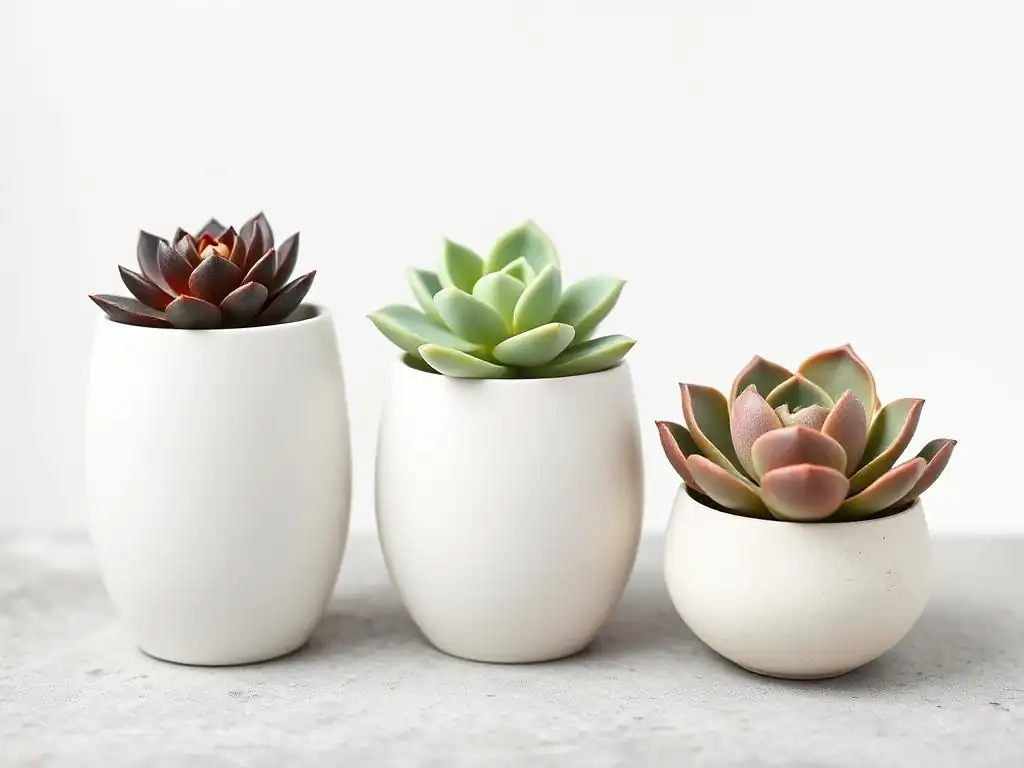
This section analyzes successful succulent courses, dissecting their unique approaches to instruction and marketing. We'll explore what made them stand out, offering actionable insights for designing your own unique succulent course design. The goal is to identify repeatable strategies that can be adapted to various succulent course niches. We'll examine specific examples, focusing on aspects that contributed to their popularity and profitability. Understanding these case studies is crucial for creating a course that not only teaches valuable skills but also attracts and retains students.
Analyzing Successful Course Models: Identifying Key Elements for Success.
Several online succulent courses have achieved significant success by focusing on specific niches and employing innovative teaching methods. One example is a course specializing in miniature succulent gardens, attracting students with its focus on a highly visual and aesthetically pleasing craft. The course's success stemmed from its high-quality video tutorials, detailed plant lists, and a vibrant online community forum fostering student interaction and knowledge sharing. This created a sense of belonging and encouraged continued engagement long after course completion.
Another successful course centered around propagation techniques, catering to a niche interested in expanding their succulent collections economically. This course utilized a combination of high-resolution images and time-lapse videos to visually demonstrate complex propagation methods. The instructor's approachable teaching style and willingness to answer detailed questions in a timely manner further enhanced the learning experience and fostered student loyalty.
A key element in both examples was the unique succulent course design itself. Rather than simply presenting information, these courses actively engaged students through interactive elements, such as quizzes, downloadable worksheets, and live Q&A sessions. This approach kept students motivated and ensured they retained the information effectively. The incorporation of downloadable resources also provided tangible value beyond the course's core content. Furthermore, both courses emphasized a strong focus on practical application, encouraging students to apply their newfound knowledge immediately.
Learning from Best Practices: Implementing Effective Marketing and Engagement Techniques.
Successful succulent courses don't just rely on high-quality content; they also employ strategic marketing and engagement techniques. This includes utilizing social media platforms like Instagram and Pinterest to showcase visually appealing course content and student success stories. This visual approach is crucial in the succulent world, where aesthetics play a vital role.
Effective marketing also involves targeting specific audiences through carefully crafted advertising campaigns. Understanding your ideal student – their experience level, interests, and learning preferences – is essential for creating targeted marketing materials that resonate with them. For example, one course successfully targeted beginner succulent enthusiasts with a beginner-friendly course structure and marketing campaign emphasizing ease of learning.
Beyond initial marketing, maintaining student engagement throughout and after the course is critical. This can be achieved through regular email newsletters providing additional tips and resources, creating a dedicated Facebook group for ongoing support and discussion, and offering bonus content or workshops to keep students connected and invested in the course community. This fosters a sense of community and encourages word-of-mouth marketing, crucial for long-term success. These strategies, when combined with a unique succulent course design, contribute significantly to a course's overall success and reputation.
The effective use of email marketing, specifically targeted to different stages of the student journey (pre-enrollment, during the course, and post-course), also played a significant role in student retention and satisfaction. This included personalized emails, providing updates, reminders, and encouraging interaction. Analyzing the success of these campaigns revealed a strong correlation between personalized communication and student engagement.
Finally, gathering student feedback through surveys and reviews is critical for continuous improvement. This allows course creators to identify areas for improvement and refine their unique succulent course design to better meet student needs and expectations. Using this feedback to adapt and evolve the course ensures its continued relevance and appeal.
Building a Thriving Succulent Course Business: Long-Term Growth
Creating a successful online succulent course requires more than just compiling great content; it demands a strategic approach to growth and sustainability. This section focuses on building a thriving business around your unique succulent course design, ensuring longevity and profitability. A key aspect is understanding that initial success is just the beginning; continuous improvement and expansion are critical for long-term viability.
We'll explore strategies to cultivate a loyal student base, generate recurring revenue, and establish your brand as a leader in the succulent education space. This involves not just teaching succulent care, but also teaching how to build a thriving business around this passion. Think of it as cultivating not just succulents, but also your entrepreneurial spirit.
Gathering Student Feedback: Improving Course Content and Delivery
Collecting and acting upon student feedback is paramount for refining your unique succulent course design and enhancing the overall learning experience. This isn't merely about addressing complaints; it's about proactively seeking insights to improve content, delivery methods, and overall student satisfaction. Consider implementing several feedback mechanisms:
- Post-Module Quizzes: Incorporate short quizzes at the end of each module. These aren't graded for performance, but rather to gauge comprehension and identify areas needing clarification. Include open-ended questions allowing students to express their thoughts and challenges.
- Mid-Course Survey: A mid-course survey provides valuable feedback on the overall structure, pacing, and clarity of the course. Ask questions like: "What aspects of the course have been most helpful? ", "What areas are you finding most challenging? ", and "What suggestions do you have for improvement? ".
- End-of-Course Evaluation: A comprehensive end-of-course evaluation should cover all aspects of the learning experience. Use a mix of quantitative (rating scales) and qualitative (open-ended questions) data to get a holistic view.
- Dedicated Feedback Forum: Create a dedicated forum or community space where students can share feedback, ask questions, and engage in discussions. This fosters a sense of community and provides a platform for continuous improvement.
Analyzing this feedback will reveal patterns and areas for improvement. Are students struggling with a particular propagation technique? Is the video quality subpar? Addressing these issues directly not only improves the course but also demonstrates your commitment to student success. This iterative process of improvement is crucial for building a reputation for excellence and attracting new students. Remember, a responsive and adaptable course is far more likely to thrive in the long run.
Expanding Your Course Offerings: Creating New Modules and Advanced Courses
Once your initial succulent course has gained traction, consider expanding your offerings to cater to a broader audience and increase revenue streams. This could involve creating new modules focusing on specialized areas within succulent cultivation, such as:
- Advanced Propagation Techniques: Delve into more complex methods like leaf cuttings, grafting, and tissue culture.
- Succulent Design for Specific Spaces: Offer modules on designing succulent arrangements for balconies, small gardens, or even indoor terrariums.
- Succulent Photography and Styling: Teach students how to capture stunning images of their succulents for social media or personal enjoyment.
- Creating and Selling Your Own Succulent Arrangements: Guide students through the process of designing and selling their own unique succulent creations.
Alternatively, you could develop entirely new courses targeting different skill levels:
- Beginner's Guide to Succulents: A comprehensive course for complete beginners, covering the basics of succulent care.
- Mastering Succulent Propagation: An in-depth course focusing solely on propagation techniques.
- Designing Stunning Succulent Gardens: A course dedicated to creating beautiful and thriving succulent gardens.
By diversifying your course offerings, you’ll attract a wider range of students, increase your revenue, and solidify your position as a leading expert in the succulent world. Remember to leverage the feedback from your existing courses to inform the development of new ones, ensuring they address student needs and reflect current trends in succulent cultivation. This continuous expansion will ensure your business remains dynamic and relevant.
Building a Community: Fostering Engagement and Interaction Among Students
A strong sense of community is vital for creating a unique succulent course design that fosters learning and engagement. Students are more likely to stick with your course if they feel connected to both you and their fellow learners. Here are some strategies to cultivate a thriving community:
- Private Facebook Group: Create a private Facebook group where students can connect, share their progress, ask questions, and support each other. This fosters a supportive environment and encourages collaboration.
- Live Q&A Sessions: Host regular live Q&A sessions to address student questions and provide personalized feedback. This direct interaction strengthens the learning experience and builds a sense of community.
- Student Showcase: Feature student projects and successes on your website or social media platforms. This celebrates their achievements and motivates others.
- Challenges and Contests: Organize challenges or contests to encourage interaction and friendly competition among students. This gamifies the learning experience and boosts engagement.
Remember, a strong community not only enhances the learning experience but also creates a loyal following who are more likely to recommend your courses to others, generating organic growth for your business. This organic marketing through word-of-mouth is invaluable for long-term success. Invest time and effort in building this community; it will pay dividends in student satisfaction and business growth.
Frequently Asked Questions
What makes a succulent course design unique?
A unique succulent course design incorporates innovative teaching methods, such as interactive workshops or virtual reality tours of succulent habitats. It also emphasizes hands-on experience and personalized learning, catering to diverse skill levels.
How can I incorporate creative elements into my succulent course?
Consider incorporating unusual succulent varieties and advanced propagation techniques. Offer projects like DIY succulent terrariums or vertical gardens, allowing students to express their creativity.
What are some essential topics to cover in a unique succulent course?
Essential topics should include succulent identification, basic care requirements, propagation methods, and design principles for arrangements. Also include pest and disease management and creative styling techniques.
How can I target a specific audience with my succulent course design?
Consider your target audience's skill level and interests. Offer beginner, intermediate, and advanced courses. Focus on specific design styles (e.g., minimalist, modern, rustic) or niche succulent types.
How can I ensure my succulent course stands out from competitors?
Focus on unique selling points, such as expert guest speakers, exclusive access to resources, or partnerships with local nurseries. Offer certificate programs or continuing education credits to increase value and appeal.
Final Reflection: Cultivating Creativity in Succulent Design
The art of succulent arrangement is more than just planting; it's a reflection of individual creativity and a growing appreciation for unique, sustainable aesthetics. In a world increasingly dominated by mass-produced items, the demand for handcrafted, personalized designs—like those featuring succulents—continues to flourish. This speaks to a deeper human need for connection with nature and the expression of personal style.
Designing truly unique succulent courses requires a constant evolution of skill and a deep understanding of both the plants themselves and the artistic vision of the student. The process of nurturing these delicate plants and transforming them into breathtaking arrangements is deeply rewarding. It's a testament to the power of patience, attention to detail, and the inherent beauty found in simplicity. The glory of gardening: hands in the dirt, head in the sun, heart with nature. To nurture a garden is to feed not just the body, but the soul.
This quote perfectly encapsulates the transformative experience of working with succulents, and the joy it brings to both the creator and the beholder.
Now, consider your own creative landscape. What unique elements can you incorporate into your succulent designs? What innovative techniques can you explore? Don't be afraid to experiment, to push boundaries, and to let your personal style shine through. The world is waiting to see the beauty you can cultivate. Embrace the challenge, nurture your creativity, and let your succulent designs bloom into something truly extraordinary.
Unleash Your Inner Succulent Stylist!
Thank you for exploring the art of designing stunning succulent arrangements! We hope you've found inspiration and valuable insights. Now, it's time to put your knowledge into practice.
- Design your dream succulent arrangement: Grab a pen and paper (or open a digital document) and sketch your ideal design, focusing on the unique elements you learned today. What makes your design truly special?
- Share your ideas! Tell us about your standout design concept in the comments below—we'd love to hear your creative visions. Let's inspire each other!
- Challenge yourself: Research a new succulent variety and brainstorm how you could incorporate it into your design.
Ready to transform your succulent passion into a thriving business? What's the most innovative element you'll include?