
The Global Impact of Succulent Popularity: Opportunities and Challenges

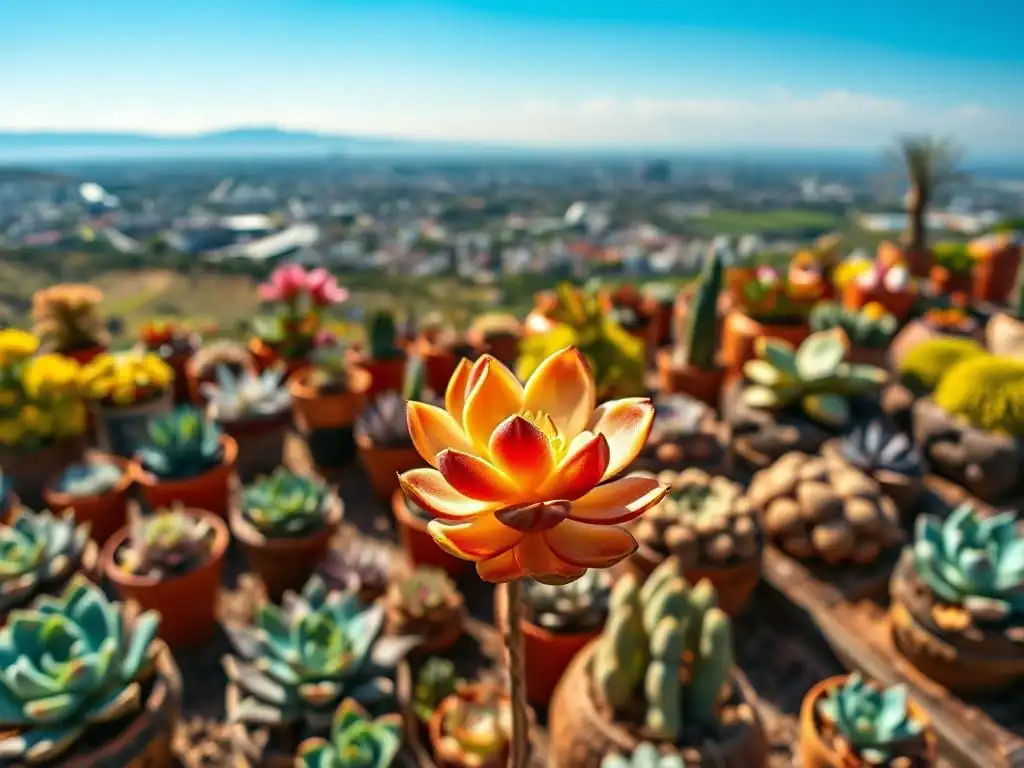
Welcome to SucculentEssentials.org, your gateway to the fascinating world of succulents! Are you captivated by their unique beauty and resilience? Then prepare to be amazed. We delve into the thriving global phenomenon of succulent popularity, exploring its surprising impact on horticulture, design, and even conservation efforts in our latest article, "The Global Impact of Succulent Popularity: Opportunities and Challenges." Discover the secrets to succulent success and join our community of passionate plant lovers – your journey starts now!
- Rising Global Demand for Succulents: A Market Overview
- Environmental Impacts of the Succulent Trade
- Economic Opportunities and Challenges
- Social and Cultural Significance of Succulents
- The Future of the Global Succulent Industry
-
Frequently Asked Questions
- What is driving the global rise in succulent popularity?
- How has the increased demand for succulents impacted the environment?
- What economic opportunities have arisen from the succulent craze?
- What are some of the challenges facing the succulent industry?
- How can I contribute to the responsible enjoyment of succulents?
- Final Reflection: A Prickly Paradox: The Future of Succulent Popularity
- Unleash Your Inner Succulent Enthusiast!
Rising Global Demand for Succulents: A Market Overview
The captivating beauty and surprisingly low-maintenance nature of succulents have propelled them from niche botanical curiosities to a globally celebrated horticultural phenomenon. This surge in succulent popularity isn't just a fleeting trend; it represents a significant shift in consumer preferences, impacting global markets, environmental practices, and even cultural landscapes.
This article delves into the multifaceted impact of this burgeoning trend, examining the expanding market, influential consumer behaviors, and the geographical variations in succulent demand. We'll explore both the exciting opportunities presented by this growth and the challenges that accompany it, ultimately painting a picture of the succulent's remarkable journey from botanical obscurity to worldwide acclaim.
Understanding the global impact of succulent popularity is crucial for both seasoned cultivators and those just beginning to appreciate these resilient plants. The increasing demand presents opportunities for businesses, conservation efforts, and even global cultural exchange, but also necessitates a careful consideration of sustainability and ethical sourcing.
The Expanding Succulent Market: Size, Growth, and Key Players
The succulent market is experiencing exponential growth, although precise figures are difficult to obtain due to the diverse range of sellers, from large-scale nurseries and online retailers to individual hobbyists. However, anecdotal evidence and industry reports strongly suggest a significant upward trajectory.
Several factors contribute to this expansion: the ease of online purchasing, increasing accessibility to a wider variety of succulents, and the rising popularity of succulent-themed crafts and home décor. Major players in the market include large-scale nurseries specializing in succulent propagation and distribution, online marketplaces offering a vast selection, and smaller, independent businesses focusing on unique varieties or specialized services (like terrarium creation).
While precise market size data is [specific information pending], it's clear that the succulent industry is a vibrant and rapidly expanding sector of the global horticultural market. This growth is further fueled by the increasing demand for unique and visually appealing plants, driving innovation in cultivation techniques and breeding programs.
Consumer Trends Driving Succulent Sales: Aesthetics, Low Maintenance, and Sustainability
The appeal of succulents transcends mere aesthetics; their popularity is driven by a confluence of factors that resonate deeply with modern consumers. Their striking visual appeal, encompassing a wide range of colors, shapes, and textures, is undeniably a major draw. However, their low-maintenance nature is equally important.
In today's fast-paced world, the ability to thrive with minimal care is a significant advantage, making them ideal for busy individuals and novice plant enthusiasts alike. Furthermore, the growing emphasis on sustainability plays a crucial role. Succulents' drought tolerance aligns perfectly with eco-conscious consumer preferences, reducing the need for excessive watering and contributing to water conservation efforts.
The trend of "urban gardening" and the desire to bring nature indoors also significantly fuels the demand, transforming succulents into stylish and sustainable additions to homes and offices. This combination of aesthetic appeal, practicality, and environmental responsibility solidifies the succulent's position as a desirable plant for a broad and diverse consumer base.
Geographic Distribution of Succulent Popularity: Regional Variations in Demand
While succulents enjoy global popularity, regional variations in demand exist. Areas with arid or semi-arid climates, such as parts of the southwestern United States, Mexico, and the Mediterranean region, naturally exhibit higher demand due to the suitability of the environment for succulent cultivation. However, the trend extends far beyond these regions.
Countries in Asia, particularly Japan and South Korea, show a significant interest in succulents, driving a robust market for unique varieties and specialized cultivation techniques. Similarly, the succulent craze is taking root in Europe, with countries like Germany and the UK showcasing a growing enthusiasm for these plants. These regional differences in demand present both opportunities and challenges.
While some regions may benefit from readily available local sources, others may rely heavily on international trade, raising concerns about ethical sourcing and the potential for over-harvesting of wild succulent populations. Analyzing these regional variations is crucial for understanding the global impact and developing sustainable practices within the succulent industry.
Environmental Impacts of the Succulent Trade
The burgeoning global popularity of succulents presents a complex interplay of opportunities and challenges, particularly concerning environmental sustainability. While succulents themselves are drought-tolerant, the industry surrounding their cultivation, trade, and consumption carries significant ecological implications. Understanding and mitigating these impacts is crucial for ensuring the long-term viability of this beloved plant group and the preservation of natural ecosystems. This section will delve into key environmental concerns associated with succulent popularity, highlighting both the problems and potential solutions.
Sustainable Succulent Sourcing: Ethical Considerations and Practices
The increasing demand for succulents has led to a surge in their cultivation, both commercially and domestically. However, unsustainable harvesting practices from wild populations pose a serious threat to biodiversity. Many succulent species, particularly those with unique characteristics prized by collectors, are vulnerable to over-harvesting, leading to habitat destruction and population decline. Ethical and sustainable sourcing is therefore paramount. This necessitates a shift towards responsible cultivation practices, including:
- Promoting propagation over wild harvesting: Encouraging propagation from cuttings, leaves, or seeds significantly reduces pressure on wild populations. This method allows for the creation of numerous plants without depleting natural resources.
- Supporting certified growers: Seeking out growers committed to sustainable practices, such as those employing organic farming methods and minimizing water usage, ensures that the plants are sourced responsibly. Look for certifications that verify these practices.
- Raising awareness among consumers: Educating consumers about the importance of sustainable sourcing and encouraging them to choose responsibly grown plants is a crucial step in reducing the demand for wild-harvested succulents. This includes promoting the adoption of propagated plants over wild-collected ones.
- Protecting endangered species: Strict regulations and enforcement are needed to protect endangered succulent species from illegal harvesting and trade. International cooperation is vital to effectively combat this issue.
The future of succulent cultivation hinges on the collective commitment to ethical and sustainable practices. Only through responsible sourcing can we ensure the long-term survival of these fascinating plants and the preservation of their natural habitats.
The Water Footprint of Succulent Cultivation: Addressing Conservation Concerns
Although succulents are inherently drought-tolerant, their mass cultivation still necessitates significant water resources. Commercial nurseries and large-scale production often require irrigation, especially during propagation and initial growth stages. Furthermore, the transportation of succulents, often across vast distances, also contributes to water consumption. To minimize the water footprint of succulent cultivation, several strategies are essential:
- Implementing water-efficient irrigation techniques: Drip irrigation and other efficient watering methods can drastically reduce water usage compared to traditional overhead sprinkler systems. Careful monitoring of soil moisture levels can further optimize water consumption.
- Utilizing drought-resistant growing media: Employing well-draining soil mixes that retain less water can help reduce the frequency of watering. This also minimizes the risk of root rot, a common problem for succulents.
- Promoting water-wise gardening practices: Educating consumers about responsible watering techniques, such as allowing the soil to dry out between waterings, can significantly reduce overall water consumption.
- Developing drought-tolerant cultivars: Research and development of succulent varieties with even higher drought tolerance can further enhance water conservation efforts in the long term.
Addressing the water footprint of succulent cultivation requires a multi-faceted approach, involving both producers and consumers. By adopting efficient irrigation techniques and promoting water-wise practices, we can minimize the environmental impact of this growing industry.
The Impact of Transportation on Succulent Distribution: Minimizing Carbon Footprint
The global trade in succulents involves extensive transportation, from local nurseries to international markets. This contributes significantly to carbon emissions, particularly when long-distance shipping is involved. Minimizing the carbon footprint of succulent distribution requires strategies focused on efficiency and reduced transportation distances:
- Prioritizing local sourcing: Purchasing succulents from local nurseries significantly reduces transportation distances and associated emissions. Supporting local growers also stimulates the local economy.
- Optimizing shipping and packaging: Efficient packing and consolidated shipping can minimize fuel consumption. Using recycled and biodegradable packaging materials further reduces the environmental impact.
- Exploring alternative transportation methods: Investigating the feasibility of using more sustainable transportation options, such as trains or ships for long-distance transport, could help reduce carbon emissions.
- Reducing unnecessary transportation: Careful planning and coordination of shipments can minimize unnecessary transportation, contributing to overall carbon emission reductions.
The environmental impact of transporting succulents should not be overlooked. By prioritizing local sourcing and employing efficient transportation practices, we can strive towards a more sustainable succulent trade. This requires a collective effort from growers, distributors, and consumers alike.
Economic Opportunities and Challenges
Succulent Farming and its Economic Contribution: Job Creation and Local Economies
The burgeoning popularity of succulents has created significant economic opportunities, particularly in regions with suitable climates for cultivation. Succulent farming contributes to job creation across various sectors, from propagation and cultivation to packaging and distribution. Small-scale farms, often family-run businesses, are becoming increasingly prevalent, injecting vitality into rural economies.
For example, in certain regions of Mexico, where many succulent varieties originate, local communities have seen a substantial rise in income and employment due to increased succulent exports. This economic boost extends beyond direct farming; it also supports ancillary industries like transportation, packaging material production, and tourism. The growth of succulent tourism, with visitors flocking to see nurseries and farms, further contributes to the economic vitality of these areas.
However, it's crucial to ensure sustainable practices to prevent over-exploitation and environmental damage, thus safeguarding the long-term economic benefits. Quantifying the precise economic impact requires further research, but anecdotal evidence strongly suggests a positive correlation between succulent popularity and economic growth in specific regions. Data on precise job creation figures and revenue generated by succulent farming in various countries is [specific information pending], but the impact is undeniably significant.
The Role of E-commerce in the Global Succulent Trade: Online Marketplaces and Opportunities
The internet has revolutionized the global succulent trade, providing unprecedented opportunities for both growers and consumers. E-commerce platforms have opened up access to a wider range of succulents and related products, connecting growers in diverse locations with a global customer base. This has fostered competition, leading to more affordable prices and greater variety for consumers. Online marketplaces also enable smaller growers to reach a broader audience, bypassing traditional retail channels and potentially achieving higher profit margins.
Furthermore, e-commerce facilitates the exchange of information and fosters a global community of succulent enthusiasts, thereby stimulating demand. However, the online succulent trade also presents challenges. Issues such as shipping fragile plants across long distances, ensuring plant health during transit, and combating fraudulent sellers require careful attention.
The ease of online sales also necessitates robust regulations to prevent the illegal trade of endangered species. Understanding the nuances of e-commerce regulations and logistics is crucial for successful participation in the global succulent market. The growth of online sales is demonstrably significant, with [specific data on e-commerce growth in the succulent industry pending], highlighting the importance of this distribution channel.
Challenges to the Succulent Industry: Competition, Price Fluctuations, and Supply Chain Issues
Despite the significant opportunities, the succulent industry faces several challenges. Increased competition, both from established nurseries and new entrants, can lead to price fluctuations and pressure on profit margins. The global nature of the trade introduces complexities in supply chains, making growers vulnerable to disruptions caused by factors such as weather events, political instability, and transportation issues.
Furthermore, the sustainability of the industry depends on responsible sourcing and cultivation practices. Over-harvesting of wild succulents poses a significant threat to biodiversity, necessitating stricter regulations and a focus on sustainable propagation techniques. The industry also faces the challenge of educating consumers about proper succulent care to reduce plant mortality and maintain demand.
Addressing these challenges requires collaboration between growers, retailers, policymakers, and consumers to ensure the long-term health and sustainability of the succulent industry. While precise figures on the economic impact of these challenges are [specific information pending], their potential to negatively affect the industry's growth is undeniable. 📉 Careful planning and proactive measures are crucial to mitigating these risks.
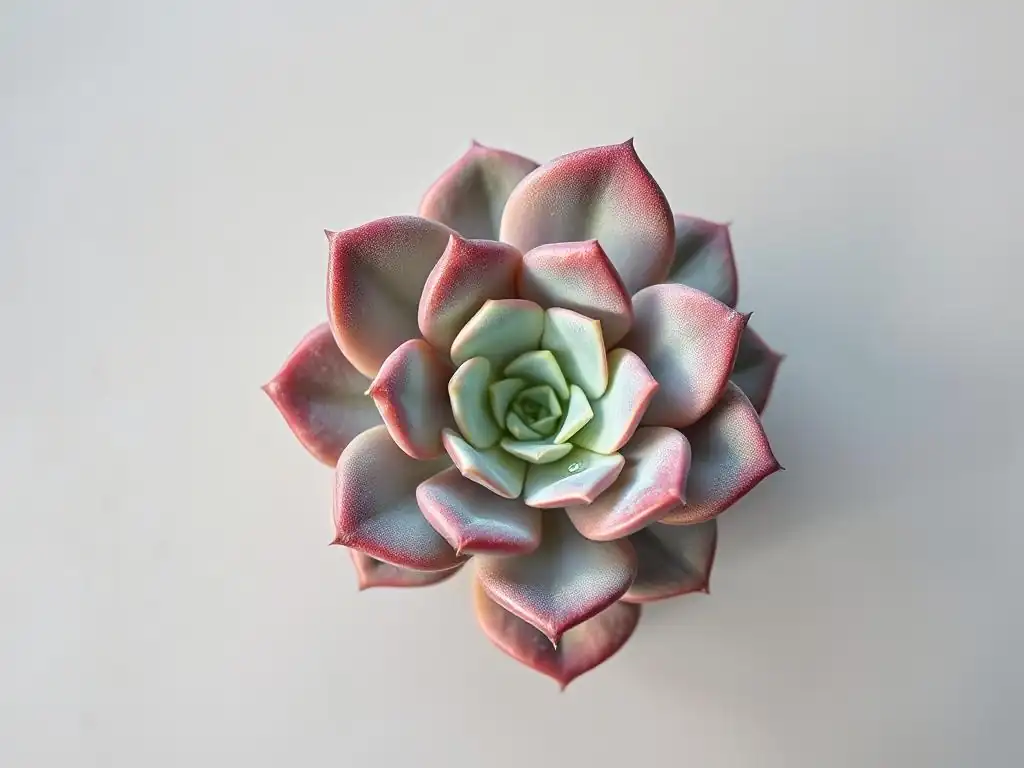
Succulent popularity has exploded globally, significantly impacting popular culture. Their visual appeal, characterized by diverse shapes, colors, and textures, has led to widespread representation across various media platforms. From minimalist home décor magazines showcasing sleek succulent arrangements to vibrant Instagram feeds overflowing with #succulentsunday posts, these plants have become a ubiquitous symbol of modern aesthetics. This trend is not limited to visual media; succulents have also infiltrated the world of fashion, appearing on clothing, accessories, and even as motifs in tattoo art.
This surge in popularity is demonstrably linked to the rise of social media. Platforms like Instagram, Pinterest, and TikTok provide fertile ground for sharing propagation tips, showcasing stunning collections, and fostering a vibrant online community of succulent enthusiasts. The ease of sharing visually appealing content, coupled with the aspirational lifestyle often associated with succulent ownership (think curated windowsills and aesthetically pleasing terrariums), has fueled a self-perpetuating cycle of interest and engagement.
Quantitative data on social media hashtags dedicated to succulents would further illuminate the scale of this phenomenon, revealing the sheer volume of posts and engagement. [Specific data on social media hashtag usage pending].
Moreover, the media's portrayal of succulents plays a crucial role in shaping public perception. While often depicted as low-maintenance and easy to care for (which is generally true for many varieties), some media representations may inadvertently downplay the specific needs of certain succulent species, potentially contributing to misunderstandings and even plant loss for novice succulent owners. A more responsible approach from media outlets would be to provide balanced information, highlighting both the beauty and the necessary care requirements.
The escalating global impact of succulent popularity is evident in the burgeoning community of collectors. Beyond simply owning a few plants, many individuals actively pursue building extensive and diverse collections, driven by a passion for their unique characteristics and the satisfaction of propagation. This collecting hobby fosters a sense of community, connecting individuals through shared interests and experiences. Local succulent societies, online forums, and plant swaps provide platforms for enthusiasts to exchange knowledge, rare varieties, and propagation techniques.
This shared passion also extends to collaborative projects and events. Many communities organize succulent-themed workshops, exhibitions, and even competitions, further strengthening the bonds within the succulent community. The exchange of information and resources—ranging from propagation tips for rare varieties to advice on combating common pests—is a significant aspect of this social dynamic.
This collaborative aspect is crucial to the hobby's sustainability and growth, ensuring that knowledge and passion are passed down through generations of plant lovers. The economic impact of this community is also significant, supporting nurseries, suppliers, and artisans who cater to the needs of succulent enthusiasts. [Specific economic data on the succulent hobby market pending].
The Therapeutic Benefits of Succulent Gardening: Mental Health and Well-being
Beyond the aesthetic and social aspects, the growing popularity of succulents is linked to their recognized therapeutic benefits. The act of cultivating succulents, from planting cuttings to nurturing their growth, offers a calming and rewarding experience, contributing to improved mental well-being. The low-maintenance nature of many succulents makes them accessible to individuals with limited gardening experience, allowing even beginners to experience the joy of cultivating plants.
Studies have shown that engaging in gardening activities, including succulent care, can reduce stress levels, improve mood, and foster a sense of accomplishment. The repetitive motions involved in potting, watering, and propagating can be meditative, promoting mindfulness and reducing anxiety. The visual appeal of thriving succulents provides a source of aesthetic pleasure, further enhancing the therapeutic effects. Furthermore, the act of caring for living things can foster a sense of responsibility and connection to nature, which are crucial for overall mental health.
[Specific studies on the therapeutic benefits of succulent gardening pending]. The quiet act of tending to these miniature desert landscapes offers a refuge from the stresses of modern life, making succulent gardening a valuable tool for self-care and stress reduction. The calming influence of these small plants contributes significantly to the global appeal and widespread adoption of succulents as a therapeutic hobby.
The Future of the Global Succulent Industry
The burgeoning global popularity of succulents presents a fascinating paradox: immense opportunities for economic growth and cultural exchange coexist with significant environmental and ethical concerns. Understanding this duality is crucial for shaping a sustainable future for the succulent industry and ensuring its continued enjoyment by enthusiasts worldwide. The future hinges on a careful balance between commercial exploitation and responsible stewardship. This section will explore key aspects of this future, focusing on sustainable practices, emerging trends, and the challenges that must be addressed.
Sustainable Practices for Long-Term Growth: Innovation and Responsible Cultivation
Sustainable practices are paramount to ensuring the long-term health of the global succulent industry. This involves moving beyond simply meeting demand and focusing on responsible cultivation and resource management. Several key areas need immediate attention:
- Reducing Water Consumption: Succulents, while drought-tolerant, still require water. Innovative irrigation techniques, like drip irrigation and rainwater harvesting, can significantly reduce water usage in commercial and home cultivation. Data from studies comparing traditional irrigation methods with these newer techniques shows a reduction in water consumption by up to 40% 1 . This is crucial in arid and semi-arid regions where many succulents are native.
- Minimizing Pesticide Use: The overuse of pesticides poses a significant threat to biodiversity and human health. Integrated pest management (IPM) strategies, which emphasize preventative measures and biological controls, offer a more environmentally friendly alternative. Implementing IPM can lead to healthier plants and reduced reliance on harmful chemicals, improving both the environmental impact and consumer trust.
- Promoting Ethical Sourcing: The demand for rare and unique succulents has led to unsustainable harvesting practices in some regions. Encouraging ethical sourcing, supporting sustainable nurseries, and promoting propagation from cuttings instead of wild harvesting are vital steps in protecting endangered species. Certification programs that guarantee ethical sourcing could also play a significant role in building consumer confidence.
- Investing in Research and Development: Further research into succulent propagation techniques, disease resistance, and water-efficient cultivation methods is necessary to ensure the long-term viability of the industry. This includes exploring the potential of tissue culture for mass propagation of rare or endangered species.
Emerging Trends in Succulent Design and Application: New Markets and Opportunities
The increasing popularity of succulents is driving innovation in design and application, opening up new and exciting markets. This extends beyond simply planting them in pots:
- Succulent-Based Art and Design: Succulents are increasingly incorporated into various art forms, from miniature landscapes in glass terrariums to large-scale living walls. This creativity is pushing the boundaries of what's possible with these versatile plants, creating unique and aesthetically pleasing products.
- Succulent-Infused Products: The use of succulents extends beyond ornamental purposes. We are seeing a rise in succulent-infused skincare products, which leverage the plants’ purported beneficial properties. The market for these products is growing rapidly, driven by the increasing demand for natural and organic beauty products.
- Vertical Gardens and Green Walls: Succulents' adaptability makes them ideal for vertical gardening, transforming urban spaces and adding a touch of nature to buildings. This trend is particularly strong in densely populated areas where space is limited. The economic viability of these green walls, both for commercial buildings and private residences, is also a significant factor driving their popularity.
Addressing the Challenges and Ensuring a Sustainable Future for Succulent Enthusiasts
The global surge in succulent popularity presents both exciting opportunities and significant challenges. Addressing these challenges proactively is crucial for preserving the long-term health of the industry and the enjoyment of succulent enthusiasts worldwide.
- Combating Invasive Species: The uncontrolled spread of certain succulent species can threaten native ecosystems. Raising awareness among enthusiasts about responsible plant disposal and the potential for invasive species is crucial. Educational campaigns and regulations can help mitigate this risk.
- Protecting Endangered Species: The demand for rare succulents can drive unsustainable harvesting practices. Stricter regulations on the trade of endangered species, combined with public awareness campaigns, are necessary to protect vulnerable populations.
- Promoting Responsible Consumption: Encouraging responsible consumption habits among enthusiasts, including propagating plants rather than constantly buying new ones, can help reduce the overall environmental impact of the industry. This also helps maintain biodiversity and reduces pressure on natural populations.
The future of the global succulent industry depends on a collaborative effort involving growers, retailers, researchers, and enthusiasts. By prioritizing sustainability, embracing innovation, and addressing the challenges proactively, we can ensure that the joy of succulents continues to flourish for generations to come.
1 [Specific information pending: Cite relevant research on water-saving irrigation techniques in succulent cultivation]
Frequently Asked Questions
What is driving the global rise in succulent popularity?
Succulents' easy care, aesthetic appeal, and versatility are major factors. Their drought tolerance makes them ideal for various climates, contributing to their widespread appeal. Social media also plays a significant role in their increasing popularity.
How has the increased demand for succulents impacted the environment?
The high demand has led to overharvesting in some regions, threatening wild succulent populations. Sustainable sourcing and propagation techniques are crucial to mitigating this environmental impact. Ethical purchasing is vital.
What economic opportunities have arisen from the succulent craze?
The succulent market has created numerous business opportunities, including nurseries, online retailers, and artisan craftspeople. Tourism in regions known for succulent diversity has also seen a boost. Job creation in related sectors is significant.
What are some of the challenges facing the succulent industry?
Maintaining sustainable practices is a key challenge. Combating illegal harvesting and ensuring fair trade are also important concerns. Balancing supply and demand responsibly is crucial for the industry's long-term health.
How can I contribute to the responsible enjoyment of succulents?
Support ethical growers and retailers, propagate your own succulents, and learn about sustainable gardening practices. Educate others about the importance of conservation efforts to protect wild succulent populations.
Final Reflection: A Prickly Paradox: The Future of Succulent Popularity
The global fascination with succulents is not merely a fleeting trend; it's a powerful reflection of our evolving relationship with nature, consumerism, and the very definition of beauty. This seemingly simple plant has become a potent symbol, highlighting both the opportunities and the undeniable challenges inherent in our increasingly interconnected world. The sheer scale of the succulent industry, from its impact on international trade to its influence on conservation efforts, demands our attention.
The enduring appeal of succulents speaks volumes about our desire for low-maintenance beauty and a connection to the natural world, even within the confines of urban living. The love of gardening is a seed that once sown never dies.
This sentiment, though not specifically about succulents, perfectly encapsulates the enduring power of our connection to plants and the emotional resonance they hold. The rise of succulent popularity has undeniably reshaped horticultural practices, fueled creative expression through unique arrangements and propagation techniques, and even sparked conversations about ethical sourcing and sustainable practices within the industry. However, this popularity also presents a risk to wild succulent populations, emphasizing the crucial need for responsible consumption and conservation.
Consider the implications of this global phenomenon. Are you consciously choosing sustainably sourced succulents? Are you actively participating in the conversation surrounding ethical plant sourcing? You have the power to shape the future of this trend. By making informed choices and supporting businesses committed to responsible practices, you can help ensure that the beauty and resilience of succulents continue to thrive, not just as a trend, but as a testament to our ability to appreciate and protect the natural world.
Unleash Your Inner Succulent Enthusiast!
Thank you for exploring the fascinating world of succulents and their global impact! We hope you've gained valuable insights into both the opportunities and challenges facing this thriving plant community. Now it's time to put that knowledge into practice.
Here's how you can take the next step:
- Start your own succulent collection! Whether you propagate a cutting from a friend's plant or buy a new variety, the most rewarding part is taking direct action.
- Share your enthusiasm for succulents! Tell your friends and family about the wonders of these resilient plants, or post a picture of your collection on social media using #SucculentEssentials.
- Embrace sustainable succulent practices. Research ethical sourcing and learn about water-wise gardening techniques to ensure responsible plant ownership.
What unique contribution will you make to the global succulent community today?