
The Use of Succulents in Landscaping: Global Trends and Designs

Welcome to SucculentEssentials.org, where the fascinating world of succulents unfolds before you! Are you ready to unlock the secrets to transforming your outdoor spaces with the unique beauty of drought-tolerant succulents? Dive into our latest article on "Succulent landscaping design ideas," exploring global trends and innovative designs that will inspire you to create breathtaking succulent landscapes. Prepare to be amazed by the possibilities – your dream garden awaits!
- Global Trends in Succulent Landscaping Design
- Succulent Landscaping Design Ideas: Creative Applications
- Choosing the Right Succulents for Your Landscape Design
- Practical Tips for Successful Succulent Landscaping
- Inspiring Examples of Succulent Landscaping Designs from Around the World
- The Future of Succulent Landscaping: Emerging Trends and Innovations
- Frequently Asked Questions
- Final Reflection: A Flourishing Future for Succulent Landscapes
- Unleash Your Inner Landscape Artist: Design with Succulents!
Global Trends in Succulent Landscaping Design
Succulent landscaping is experiencing a global surge in popularity, driven by a growing awareness of water conservation and the aesthetic appeal of these drought-tolerant plants. This trend transcends geographical boundaries, adapting to diverse climates and design styles while simultaneously offering environmentally conscious solutions for outdoor spaces. This article explores the burgeoning global trends in succulent landscaping, examining how these fascinating plants are being integrated into various design aesthetics and climates, providing you with inspiring succulent landscaping design ideas to enhance your own outdoor projects.
From the resurgence of xeriscaping to their incorporation into modern minimalist designs, succulents are proving to be a versatile and increasingly sought-after element in contemporary landscaping. We'll delve into specific examples and techniques to help you understand how you can successfully incorporate succulents into your own garden, no matter your location or design preferences. Let's explore the captivating world of succulent landscaping design!
The Rising Popularity of Xeriscaping and Water-Wise Gardens
Xeriscaping, the design of water-efficient landscapes, is experiencing a remarkable global upswing, particularly in regions facing water scarcity. Succulents, with their inherent drought tolerance, are becoming cornerstone plants in these designs. Their ability to thrive with minimal watering makes them ideal for creating sustainable and beautiful gardens that reduce water consumption.
This approach isn't just environmentally responsible; it also offers significant cost savings on water bills. Many regions are now actively promoting xeriscaping initiatives, offering incentives and resources to homeowners and landscapers embracing water-wise gardening practices. The aesthetic appeal of succulents complements the overall ethos of xeriscaping, creating landscapes that are both visually stunning and environmentally conscious.
Successful xeriscaping designs often incorporate a variety of succulents, chosen for their diverse textures, colors, and growth habits, creating a visually rich and dynamic landscape. Careful planning and plant selection are crucial for maximizing the success of a xeriscape garden. Consider factors such as sun exposure, soil type, and drainage to ensure the long-term health and vitality of your succulent collection.
Integrating Succulents into Modern and Minimalist Landscape Designs
The clean lines and minimalist aesthetic of modern landscape design find a perfect complement in the sculptural forms and textural diversity of succulents. Their ability to create visual interest with minimal fuss aligns perfectly with the principles of modern design, making them a popular choice for contemporary gardens and outdoor spaces. Succulents are being increasingly used in modern landscaping to create focal points, define boundaries, and add texture to otherwise minimalist designs.
Think carefully arranged succulent containers, strategically placed groupings in gravel gardens, or even integrated into vertical green walls. The versatility of succulents allows for a wide range of creative applications within this design style.
The use of contrasting colors and textures among different succulent species can add depth and visual interest to even the most pared-down landscapes. Furthermore, the low-maintenance nature of succulents aligns perfectly with the desire for simplicity and ease of care often associated with modern lifestyles.
Succulent Landscaping in Mediterranean and Arid Climates
Mediterranean and arid climates, characterized by hot, dry summers and mild winters, present ideal conditions for many succulent species. In these regions, succulent landscaping is not just a trend; it's a practical and aesthetically pleasing solution for creating thriving outdoor spaces. The natural hardiness of succulents allows them to withstand the intense heat and infrequent rainfall typical of these climates, requiring minimal irrigation and maintenance.
Many native succulent species are perfectly adapted to these conditions, creating a sense of place and ecological harmony in the landscape. Examples include the use of Agave, Aloe, and Sedum varieties, which thrive in these environments. Beyond their resilience, the visual appeal of these plants is undeniable, creating vibrant and unique landscapes that are perfectly suited to the local environment.
By selecting appropriate species and implementing proper soil preparation and drainage, successful succulent landscapes can flourish even in the harshest of conditions. Careful consideration of sun exposure and wind protection will also contribute to the longevity and beauty of these drought-tolerant gardens.
The Use of Succulents in Vertical Gardens and Green Walls
Vertical gardens and green walls are experiencing a surge in popularity, and succulents are playing a starring role in this trend. Their drought tolerance and diverse shapes and colors make them ideal for these space-saving and aesthetically pleasing designs. The ability to thrive in less-than-ideal soil conditions, often found in vertical installations, further enhances their suitability. Many succulent species, with their shallow root systems, readily adapt to the confined spaces of vertical planters, requiring less soil volume than traditional landscaping plants.
This trend isn't just limited to residential spaces; commercial buildings and public areas are increasingly incorporating succulent green walls to improve air quality, reduce urban heat island effects, and enhance the overall aesthetic appeal of the building. The low maintenance requirements of succulents are a significant advantage in these settings, where regular watering and upkeep can be challenging. We are seeing innovative designs using a variety of materials for vertical structures, from repurposed pallets and metal frameworks to specialized felt pockets and hydroponic systems, all tailored to support the unique needs of various succulents.
The design possibilities are endless. From geometric patterns using a single succulent variety to vibrant, multicolored arrangements incorporating a wide array of textures and forms, succulent vertical gardens offer a unique design canvas. Consider, for example, the striking visual impact of using contrasting colors and textures, such as the silvery-blue of Sedum hispanicum alongside the deep green of Echeveria species.
The incorporation of small, flowering succulents adds another layer of visual interest, creating a dynamic and ever-changing display throughout the year. Careful consideration of sun exposure and water drainage within the vertical structure is crucial for long-term success, ensuring the health and longevity of the succulents. Proper planning and selection of appropriate succulent species are key to creating a thriving and visually stunning vertical garden.
Succulent Landscaping Design Ideas: Creative Applications
This section explores innovative and visually appealing ways to incorporate succulents into your landscaping, focusing on practical design ideas that cater to diverse aesthetic preferences and environmental conditions. We’ll delve into specific design elements, highlighting the versatility and adaptability of succulents in various landscaping projects. The goal is to inspire you to create unique and thriving succulent gardens that enhance the beauty of your outdoor spaces. This section will help you master succulent landscaping design ideas, transforming your outdoor areas into breathtaking oases.
Creating Stunning Succulent Rock Gardens and Dry Gardens
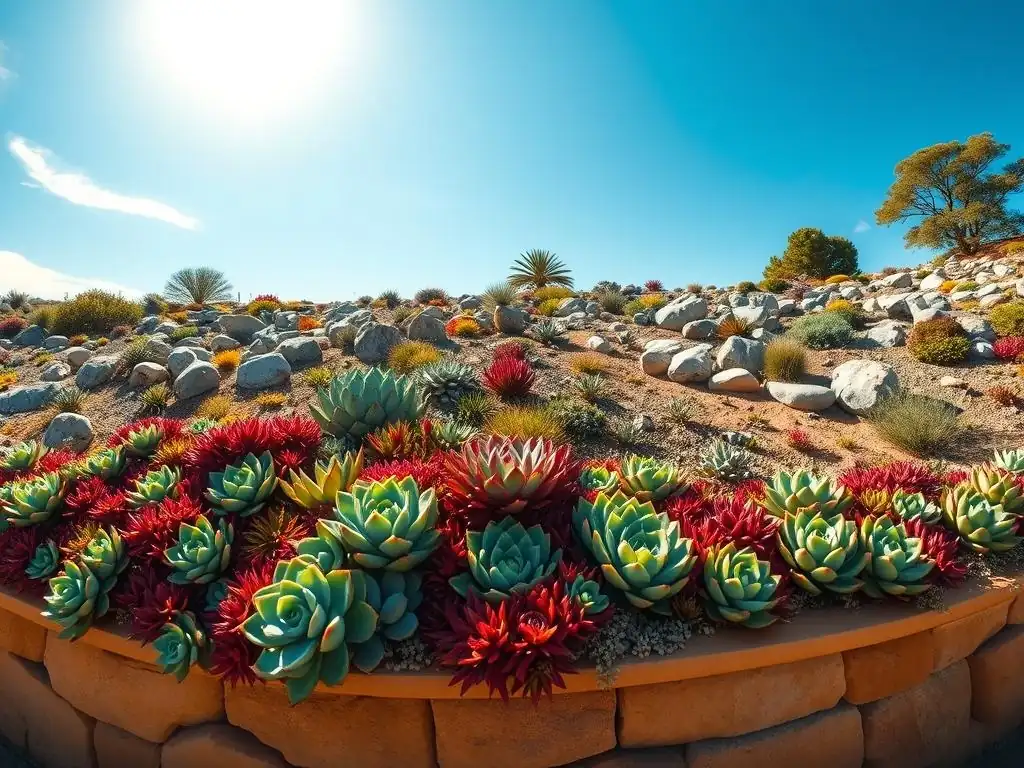
Rock gardens and dry gardens are ideal settings for showcasing succulents' drought-tolerance and striking textures. These low-maintenance landscapes require minimal watering and thrive in sunny, well-drained locations. The key to a successful succulent rock garden lies in careful plant selection and thoughtful arrangement.
Consider varying heights and textures to create visual interest. Combine low-growing succulents like Sedum species with taller varieties like Agave or Yucca for a layered effect. Use a variety of colors and forms to add depth and dynamism. For example, the silvery-blue foliage of Echeveria contrasts beautifully with the vibrant greens of Sempervivum.
Remember to choose rocks that complement the succulents' colors and textures. Natural, earth-toned stones are a classic choice, but you can also experiment with bolder hues for a more dramatic look. Proper drainage is crucial; ensure the soil is well-draining to prevent root rot. Adding gravel or coarse sand to the soil mix can improve drainage and aeration. This meticulous attention to detail will result in a flourishing and visually stunning succulent rock garden. The careful selection of succulents, combined with strategically placed rocks, creates a harmonious and low-maintenance landscape that embodies the beauty of nature.
Designing Eye-Catching Succulent Pathways and Borders
Succulents can transform ordinary pathways and borders into extraordinary features. Their compact growth habit and diverse colors make them perfect for creating visually appealing edging. Consider using a variety of succulents with differing heights, textures, and colors to create a dynamic and interesting border. For instance, a path lined with low-growing Sedum varieties can be accented with taller Echeveria plants at intervals for a visually pleasing contrast.
Pathways themselves can also be incorporated using succulents. For example, consider using larger, more robust succulents like Agave or Yucca as focal points at the beginning or end of a pathway. This strategic placement adds a touch of elegance and grandeur to the overall design.
When designing succulent pathways and borders, remember to consider the foot traffic. Choose hardy succulents that can withstand occasional trampling. Also, ensure that the soil is well-drained to prevent waterlogging, which can damage the plants. Proper planning and plant selection will guarantee a long-lasting and visually stunning landscape feature. The strategic use of succulents creates a unique and beautiful pathway, enhancing the overall aesthetic appeal of the garden.
Incorporating Succulents into Container Gardens and Pots
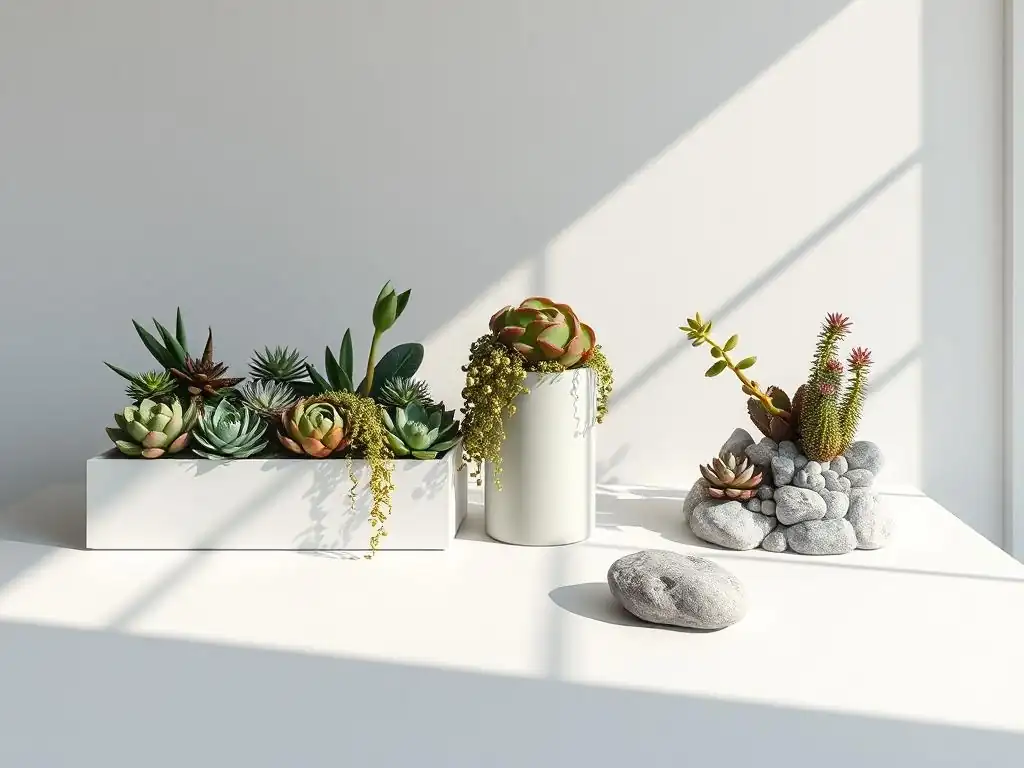
Container gardening offers a flexible and versatile way to showcase succulents. The portability of containers allows you to rearrange your succulent displays seasonally or to move them to protected areas during inclement weather. This adaptability makes container gardening with succulents particularly appealing for those with limited space or varying sun exposure conditions throughout their garden.
The choice of container is crucial. Terracotta pots are a popular choice, as they allow for good drainage. However, you can also use other materials such as ceramic, stone, or even repurposed containers. The size and shape of the container will dictate the type and number of succulents that can be planted. Larger containers can accommodate a wider variety of succulents, allowing for more creative arrangements.
When planting succulents in containers, ensure the soil is well-draining to prevent root rot. A well-draining potting mix, specifically formulated for succulents, is recommended. Remember to water thoroughly but infrequently, allowing the soil to dry out completely between waterings. Regularly inspect your succulents for pests and diseases and take appropriate action as needed. The proper planning and execution of a container succulent garden will ensure a thriving and aesthetically pleasing display, showcasing the beauty of these remarkable plants. The versatility of container gardening allows for endless possibilities in showcasing succulent arrangements.
Using Succulents to Enhance Existing Landscape Features
Succulents offer a unique opportunity to seamlessly integrate into existing landscapes, adding texture, color, and visual interest without overwhelming the established features. Instead of a complete overhaul, succulents can subtly elevate pre-existing elements, creating a more dynamic and captivating outdoor space. Consider, for example, how a strategically placed cluster of Echeveria can soften the harsh lines of a retaining wall, adding a splash of vibrant color and organic form to an otherwise rigid structure. The diverse shapes and sizes of succulents allow for creative placement, transforming mundane elements into focal points.
A common application is using succulents to complement existing rock gardens or dry creek beds. Their drought-tolerant nature makes them ideal for these low-maintenance areas, and their varied textures and colors create a visually appealing contrast with the stones and gravel. Imagine a collection of Sedum, Sempervivum, and Dudleya, their rosettes and spiky leaves playing off the natural roughness of the rocks. This approach not only enhances the aesthetic appeal but also helps to stabilize the soil and prevent erosion, adding practical benefits to the visual enhancements.
Furthermore, succulents can effectively camouflage unsightly areas or transition points within the landscape. An old tree stump, a bare patch of earth, or even a utility box can be transformed into an attractive feature with the skillful placement of succulents. Using a variety of heights and colors, you can create a lush, cascading effect that draws the eye away from the less-desirable elements.
This is a particularly effective technique for blending man-made structures seamlessly into the natural environment. Careful selection of varieties with varying growth habits ensures a lasting and visually interesting installation. For instance, trailing succulents like Sedum morganianum (Burro's Tail) can elegantly cascade over the edges of walls or containers, softening their appearance.
Finally, remember the importance of considering the existing plant life when incorporating succulents. Choose species that complement the existing flora in terms of color, texture, and size. This harmonious integration ensures a cohesive and visually appealing landscape, maximizing the impact of the succulents without disrupting the established ecosystem. Careful planning and thoughtful selection are key to successfully enhancing existing landscape features with succulents.
Choosing the Right Succulents for Your Landscape Design
This section delves into the crucial first step of any successful succulent landscaping project: selecting the appropriate succulents. The beauty and diversity of succulents offer a wide array of options, but careful consideration of several factors ensures a thriving and aesthetically pleasing design. Ignoring these considerations can lead to plant loss and a less-than-ideal aesthetic outcome. Mastering succulent selection is key to achieving the desired succulent landscaping design ideas.
Selecting Drought-Tolerant and Low-Maintenance Succulents
The core appeal of succulents lies in their remarkable drought tolerance. This characteristic is paramount when choosing plants for landscaping, especially in arid or semi-arid regions. Opting for inherently low-maintenance varieties minimizes the time and effort required for upkeep. Some excellent examples of drought-tolerant and low-maintenance succulents ideal for landscaping include:
- Sedum: Known for their resilience and diverse forms, Sedums thrive in full sun and require minimal watering. They offer a range of colors and textures, contributing significantly to visual interest.
- Echeveria: These rosette-forming succulents are prized for their striking colors and patterns. While they appreciate well-draining soil, they are remarkably adaptable and require infrequent watering.
- Sempervivum (Hens and Chicks): These hardy succulents are incredibly low-maintenance and propagate readily, creating dense, attractive ground cover. They tolerate a wide range of conditions, making them perfect for beginner landscapers.
- Aeonium: These succulents display impressive rosette formations, adding architectural interest to any landscape. Their tolerance for dry conditions and bright sunlight makes them a valuable addition to drought-tolerant gardens.
Remember, even drought-tolerant succulents require occasional watering, especially during extended periods of dry weather. However, their low water needs significantly reduce the demands on your time and water resources. Proper soil preparation, ensuring excellent drainage, is equally crucial for their long-term health and survival. This minimizes the risk of root rot, a common problem with overwatering.
Considering the Size, Shape, and Color of Succulents
The visual impact of your succulent landscape hinges on the careful selection of succulents based on their size, shape, and color. Creating a harmonious and aesthetically pleasing design necessitates a balanced approach. Consider these aspects:
- Size: From miniature succulents suitable for rock gardens to larger varieties that serve as focal points, choosing a variety of sizes adds depth and complexity to your design. Planning the mature size of each succulent is vital to avoid overcrowding or gaps in your planting scheme.
- Shape: Succulents exhibit a remarkable diversity of shapes. Rosettes, columns, trailing stems, and mounds all contribute to the overall texture and visual appeal. Combining these different shapes creates a dynamic and interesting landscape.
- Color: The spectrum of succulent colors is breathtaking, ranging from vibrant greens and blues to striking reds, purples, and even yellows. Strategic use of color can enhance the overall aesthetic, creating a focal point or a sense of continuity. Consider contrasting colors for a bold statement or complementary colors for a more subtle effect.
| Succulent Type | Size (Mature) | Shape | Color Range |
|---|---|---|---|
| Sedum | Variable | Mounding, upright | Green, red, purple, yellow |
| Echeveria | Small to Medium | Rosette | Green, blue, pink, red |
| Sempervivum | Small | Rosette | Green, red, purple |
| Aeonium | Medium to Large | Rosette | Green, bronze, red |
Careful consideration of these factors will transform your succulent landscaping design ideas into a visually stunning reality. Remember to sketch out your design beforehand, considering the mature size and shape of each succulent to avoid future issues.
Understanding the Light and Soil Requirements of Different Succulents
Successful succulent landscaping requires a thorough understanding of the specific light and soil needs of each chosen species. Ignoring these crucial factors can lead to plant stress, poor growth, and ultimately, failure. Here's a breakdown:
- Light Requirements: Most succulents thrive in full sun, requiring at least six hours of direct sunlight daily. However, some varieties prefer partial shade, especially during the hottest parts of the day. Carefully assess your landscape's sunlight exposure before selecting your succulents. South-facing areas generally receive the most sun, while north-facing areas receive less. Understanding the microclimates within your garden is crucial for optimal placement.
- Soil Requirements: Well-draining soil is paramount for succulent health. Succulents are susceptible to root rot in poorly draining soil, leading to plant death. Amend heavy clay soils with organic matter like perlite or pumice to improve drainage. Sandy soils often require the addition of organic matter to retain some moisture. The ideal soil mix should be a balance of drainage and moisture retention.
Further Considerations:
Beyond light and soil, consider factors such as temperature tolerance, pest susceptibility, and the overall climate of your region. Researching the specific needs of your chosen succulents will ensure their long-term health and contribute to the success of your succulent landscaping project. Remember to consult reputable sources for accurate and up-to-date information. Local nurseries can also offer valuable insights tailored to your specific region's conditions.
By understanding and addressing these light and soil requirements, you'll significantly enhance the chances of creating a thriving and visually appealing succulent landscape that reflects your unique succulent landscaping design ideas. Remember, a little research goes a long way in ensuring the success of your project.
Practical Tips for Successful Succulent Landscaping
This section delves into the practical aspects of incorporating succulents into your landscape design, offering actionable advice for achieving a thriving and visually appealing succulent garden. We'll explore optimal planting techniques, essential care practices, and troubleshooting common issues, ensuring your succulent landscaping project is a resounding success. Remember, careful planning and consistent maintenance are key to the long-term health and beauty of your succulent garden. Mastering these techniques will transform your outdoor space into a vibrant, low-maintenance oasis.
Proper Planting and Spacing Techniques for Succulents
Successful succulent landscaping hinges on proper planting and spacing. Cramming succulents together leads to overcrowding, competition for resources, and increased susceptibility to diseases. Conversely, planting them too far apart creates a sparse, uneven look. The key is understanding the mature size of each succulent variety.
Before planting, amend your soil with coarse sand or perlite to improve drainage. Succulents are highly susceptible to root rot in poorly draining soil. A well-draining soil mix is crucial for preventing this common problem. Consider the following guidelines:
- Small Succulents (e.g., Sedum, Echeveria): Space these 4-6 inches apart.
- Medium Succulents (e.g., Haworthia, Sempervivum): Allow 6-8 inches between plants.
- Large Succulents (e.g., Agave, Aloe): These need significantly more space, often 12 inches or more, depending on the mature size.
Remember to dig holes slightly larger than the succulent's root ball. Gently remove the succulent from its container, ensuring you don't damage the roots. Plant at the same depth it was growing in the container. After planting, water thoroughly but sparingly, allowing the soil to dry completely between waterings. This helps the roots establish themselves.
Here's a helpful table summarizing ideal spacing:
| Succulent Size | Spacing (inches) | Notes |
|---|---|---|
| Small | 4-6 | Sedum, Echeveria, smaller varieties |
| Medium | 6-8 | Haworthia, Sempervivum, some Echeveria types |
| Large | 12+ | Agave, Aloe, larger varieties |
Essential Succulent Care and Maintenance Practices
Once planted, ongoing care is vital for maintaining a healthy and beautiful succulent landscape. While succulents are drought-tolerant, they still require regular watering, especially during establishment and hot, dry periods. However, overwatering is a common mistake that can lead to root rot and plant death.
Here's a breakdown of essential care practices:
- Watering: Water deeply but infrequently, allowing the soil to dry completely between waterings. The frequency depends on your climate, soil type, and the time of year. During winter dormancy, reduce watering significantly.
- Sunlight: Most succulents thrive in full sun (6-8 hours daily). However, some varieties prefer partial shade, especially during the hottest part of the day. Observe your succulents for signs of sunburn (brown or bleached leaves) or etiolation (leggy growth due to insufficient light).
- Fertilizing: Succulents are relatively low feeders. Fertilize sparingly, using a balanced, water-soluble fertilizer diluted to half strength, once or twice during the growing season (spring and summer).
- Weeding: Regularly remove weeds to prevent competition for water and nutrients. Mulching around your succulents can help suppress weed growth.
- Pest and Disease Control: Inspect your succulents regularly for signs of pests (mealybugs, aphids) or diseases. Address any problems promptly using appropriate organic pest control methods.
Troubleshooting Common Problems in Succulent Landscaping
Despite careful planning and maintenance, problems can arise. Recognizing and addressing these issues promptly is crucial for the health of your succulent garden.
- Root Rot: This is the most common problem, caused by overwatering and poor drainage. Symptoms include mushy, brown roots and decaying stems. If you suspect root rot, remove the affected plants, allow the soil to dry completely, and replant in well-draining soil.
- Sunburn: Succulents exposed to intense midday sun can experience sunburn, resulting in brown or bleached leaves. Provide shade during the hottest part of the day, or choose more shade-tolerant varieties.
- Pest Infestations: Mealybugs and aphids are common pests. Use insecticidal soap or neem oil to control infestations. Regular inspection is key to early detection and prevention.
- Etiolation: Leggy growth indicates insufficient sunlight. Move the plants to a sunnier location or supplement with grow lights.
Addressing these issues promptly will help ensure the long-term health and vibrancy of your succulent landscaping design. Remember, patience and observation are key to successful succulent gardening. With proper care and attention, you can create a stunning and low-maintenance succulent landscape that will bring beauty and joy to your outdoor space for years to come.
Inspiring Examples of Succulent Landscaping Designs from Around the World
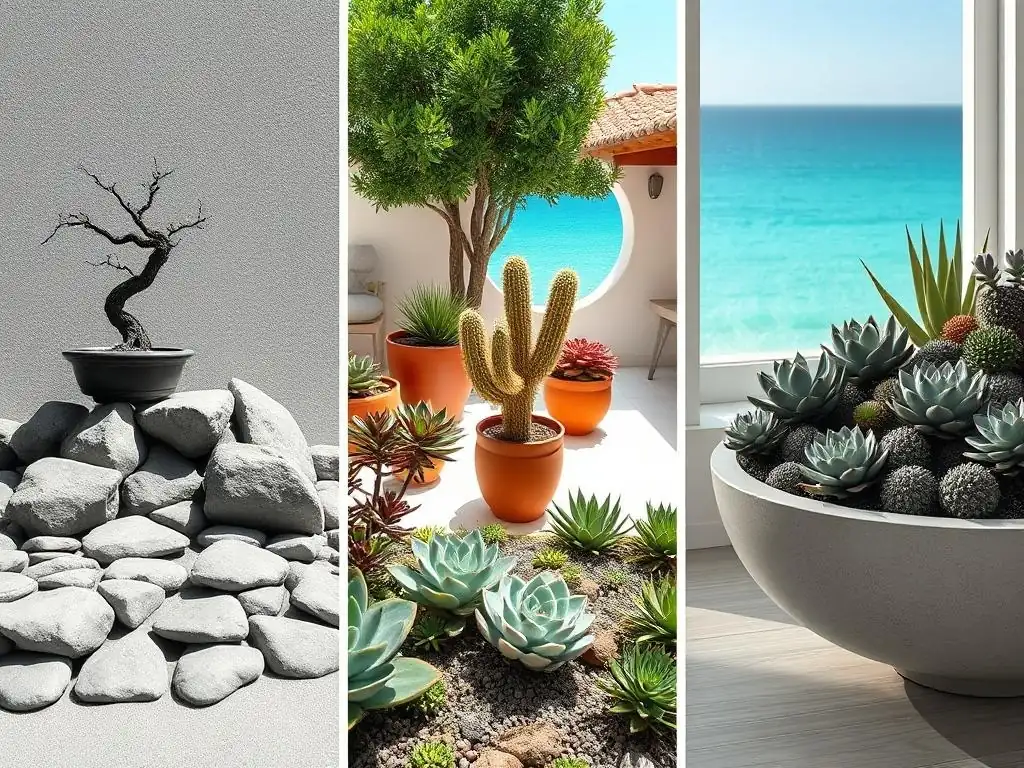
This section showcases diverse succulent landscaping design ideas from different global regions, highlighting the adaptability and aesthetic versatility of these drought-tolerant plants. We'll explore how cultural influences and environmental conditions shape the creative application of succulents in outdoor spaces, emphasizing unique plant selections and design approaches. Mastering succulent landscaping design requires understanding the specific needs of each succulent variety and creatively integrating them into the overall landscape architecture. This section provides a glimpse into the captivating world of global succulent gardening, offering inspiration for your own projects.
A Coastal California Garden Featuring Aeoniums and Dudleya
Coastal California's Mediterranean climate provides an ideal setting for succulents. The mild winters and dry summers allow a wide range of species to thrive. A particularly striking design incorporates the architectural forms of Aeonium and the delicate rosettes of Dudleya. Imagine a garden cascading down a hillside, utilizing the natural contours of the land.
Larger Aeonium varieties, such as Aeonium arboreum, can be planted as focal points, their tree-like structures providing vertical interest. These can be interspersed with smaller Aeonium cultivars, creating a layered effect. The grey-green foliage of Dudleya, with its powdery bloom, complements the richer greens and bronzes of the Aeonium. This combination offers a textural contrast that is both pleasing to the eye and ecologically sound.
Consider incorporating native California grasses and wildflowers to soften the edges of the succulent planting beds. This will create a more natural and integrated look, while also providing habitat for beneficial insects and pollinators. The overall design should emphasize the natural beauty of the plants, minimizing the use of hard landscaping elements. The use of natural pathways, perhaps made of decomposed granite or flagstone, can further enhance the organic feel of this coastal succulent garden. The color palette should be predominantly muted greens, greys, and browns, with occasional pops of color from flowering succulents or companion plants.
A Moroccan-Inspired Courtyard with Sedums and Aloes
Succulent landscaping design ideas can draw inspiration from diverse cultures. A Moroccan-inspired courtyard offers a unique opportunity to showcase the versatility of succulents in a hot, arid climate. The design emphasizes geometric patterns and a sense of enclosure, creating a tranquil oasis within a bustling urban environment or a larger landscape.
The heart of this design centers around the use of Sedum and Aloe varieties. Sedum species, known for their drought tolerance and varied textures, can be planted in intricate patterns within raised beds or along pathways. Their diverse forms and colors offer a captivating visual display. Taller Aloe varieties, such as Aloe vera, can be strategically placed as focal points, their architectural forms adding verticality to the design.
The courtyard walls can be adorned with climbing succulents, such as certain Sedum species or even Kalanchoe, to further integrate the plants into the overall design. The use of traditional Moroccan materials, such as terracotta pots and patterned tiles, complements the succulents' natural beauty. A central water feature, such as a small fountain or reflecting pool, can enhance the tranquil atmosphere and provide a source of moisture for the plants.
This design demonstrates how succulents can be seamlessly integrated into a culturally rich landscape. The strong geometric lines of the planting beds are softened by the organic forms of the succulents, resulting in a harmonious and visually stunning design.
A Modern Rooftop Garden in New York City Utilizing Echeverias and Sempervivums
Modern rooftop gardens in dense urban environments present unique challenges and opportunities for succulent landscaping. Limited space and exposure to extreme temperatures require careful plant selection and design considerations. Echeveria and Sempervivum species are particularly well-suited for these conditions.
Echeverias, with their diverse rosette forms and colors, offer a wide range of aesthetic possibilities. They can be planted in containers of varying sizes and shapes, creating a dynamic and visually interesting display. Sempervivums, also known as hen-and-chicks, are exceptionally hardy and tolerant of harsh conditions. They can be used to create dense, ground-covering mats, or planted in crevices between paving stones, adding texture and color to the rooftop garden.
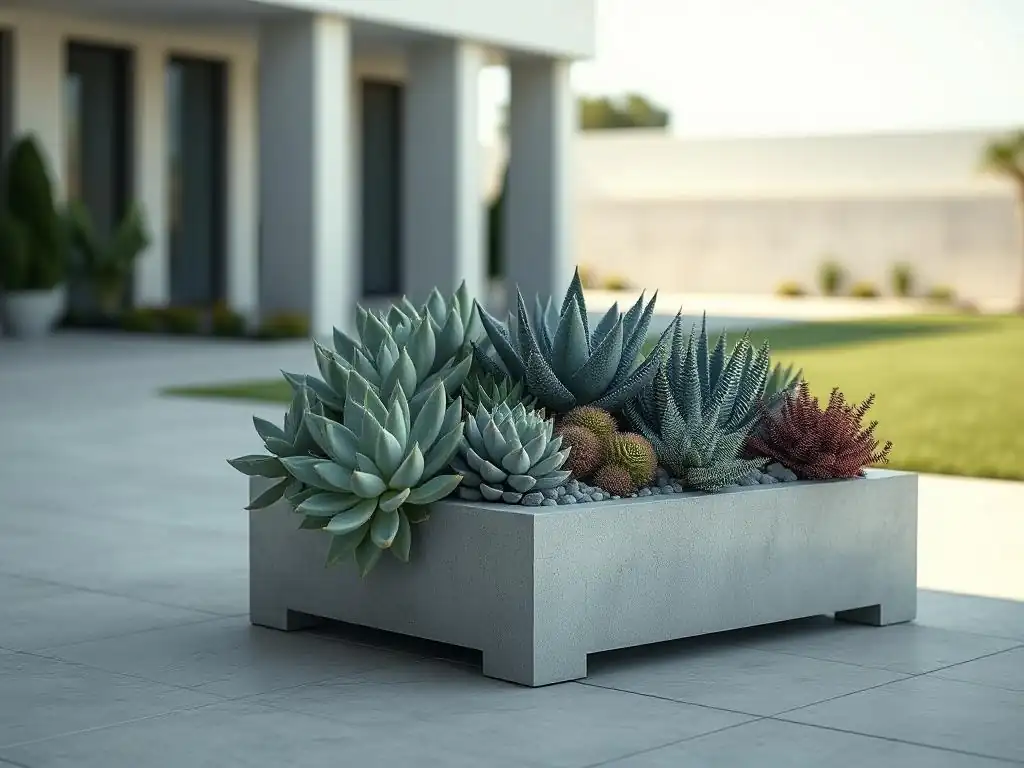
The design should emphasize clean lines and geometric shapes, reflecting the modern aesthetic of the surrounding architecture. Raised beds or containers made of sleek materials, such as concrete or metal, can complement the succulents' organic forms. Consider incorporating drought-tolerant grasses and other low-maintenance plants to add visual interest and create a more diverse ecosystem.
Careful consideration of drainage is crucial for rooftop gardens, so ensure that the planting medium is well-draining and that any excess water can be easily removed. This design demonstrates the potential of succulents to transform even the most challenging urban spaces into vibrant and sustainable green areas. The use of succulents not only beautifies the space but also contributes to the overall sustainability of the building.
The Future of Succulent Landscaping: Emerging Trends and Innovations
The world of succulent landscaping is constantly evolving, driven by both aesthetic preferences and the increasing need for sustainable gardening practices. This section explores some of the key emerging trends shaping the future of succulent design, focusing on innovative approaches that enhance both the visual appeal and the ecological responsibility of these drought-tolerant landscapes. Understanding these trends is crucial for anyone seeking to create a modern and sustainable succulent garden that thrives for years to come. The demand for unique and environmentally conscious succulent landscaping design ideas is driving these changes.
The Increased Use of Native and Locally Sourced Succulents
A significant shift in succulent landscaping is the growing emphasis on using native and locally sourced succulents. This practice offers several advantages. Firstly, it promotes biodiversity by utilizing plants already adapted to the local climate and soil conditions. This reduces the need for excessive watering and fertilization, contributing to a more sustainable and environmentally friendly approach. Secondly, using native succulents often means supporting local nurseries and businesses, boosting the local economy and reducing the carbon footprint associated with long-distance transportation.
For example, a Californian succulent garden might prioritize Dudleya species, while a Mediterranean landscape might feature various Sedum varieties indigenous to the region. This approach not only creates a more authentic and visually appealing garden but also contributes to the preservation of local ecosystems. The selection of appropriate native species is crucial for success, requiring careful consideration of the specific microclimate and soil characteristics of the planting site.
Choosing succulents that are well-suited to the local conditions minimizes the need for supplemental irrigation and maintenance, leading to a more sustainable and low-maintenance landscape. This aligns perfectly with the growing interest in environmentally friendly succulent landscaping design ideas.
Integration of Smart Irrigation Systems for Optimized Water Usage
Water conservation is paramount in succulent landscaping, given the inherent drought tolerance of these plants. However, even drought-tolerant plants benefit from efficient watering practices. The integration of smart irrigation systems is transforming how we approach water management in succulent gardens. These systems utilize sensors to monitor soil moisture levels, weather patterns, and even plant health, adjusting watering schedules accordingly. This precision irrigation minimizes water waste and ensures that plants receive the optimal amount of water at the precise time they need it.
Smart irrigation systems offer several advantages beyond water conservation. They can significantly reduce labor costs associated with manual watering, freeing up time for other landscaping tasks. Furthermore, they can contribute to healthier plant growth by preventing both underwatering and overwatering, two common problems that can negatively impact the vitality and aesthetic appeal of a succulent garden.
The use of such technology reflects a broader trend toward creating more sustainable and technologically advanced succulent landscaping design ideas. The initial investment in a smart irrigation system may seem significant, but the long-term benefits in terms of water savings, labor efficiency, and improved plant health often outweigh the initial cost. The future of succulent landscaping design ideas definitely includes embracing technology for optimized water usage.
Frequently Asked Questions
What are some popular succulent landscaping design ideas?
Many designs incorporate xeriscaping, using succulents to create low-maintenance, drought-tolerant gardens. Popular choices include rock gardens, border plantings, and container gardens featuring various succulent textures and colors.
How do I choose the right succulents for my landscaping project?
Consider your climate, soil type, and the amount of sunlight your area receives. Select succulents that thrive in your specific conditions. Research different varieties to find those with suitable sizes, colors, and growth habits for your design.
What is the best way to maintain a succulent landscape?
Watering is crucial, but avoid overwatering. Ensure proper drainage to prevent root rot. Regularly remove dead or dying plants to maintain the aesthetic appeal and health of your succulent garden.
Can I use succulents in different landscaping styles?
Yes! Succulents are versatile and can complement many styles, from modern minimalist designs to rustic or Mediterranean themes. Their unique textures and colors add visual interest to various settings. Consider the overall aesthetic you wish to achieve.
Where can I find more succulent landscaping design ideas?
Explore online resources like Pinterest, Instagram, and gardening blogs. Many books and magazines also showcase inspiring succulent landscaping designs. Visiting local nurseries and garden centers can provide additional ideas and expert advice.
Final Reflection: A Flourishing Future for Succulent Landscapes
The enduring appeal of succulent landscaping is not merely a fleeting trend; it's a testament to our growing desire for sustainable, low-maintenance, and visually stunning outdoor spaces. The drought-tolerant nature of succulents, coupled with their incredible diversity of form and color, makes them a perfect fit for a world increasingly concerned with water conservation and environmental responsibility. This adaptability, showcased throughout this article, positions succulents as a key player in the future of landscape design.
The shift towards succulent-focused designs reflects a broader cultural movement towards embracing simplicity and natural beauty. We are moving away from high-maintenance lawns and towards landscapes that require less intervention and offer a greater connection with the natural world. This resonates deeply with me, as I've witnessed firsthand the transformative power of a well-designed succulent garden – a quiet oasis of beauty and resilience. The earth laughs in flowers.
– Ralph Waldo Emerson. This quote perfectly encapsulates the joy and vibrancy that succulents bring to any landscape, a joy that transcends mere aesthetics and speaks to a deeper appreciation for the natural world.
Consider the possibilities: Imagine transforming your own outdoor space into a haven of drought-tolerant beauty. Let the vibrant colors and unique textures of succulents inspire you to create a landscape that is both visually stunning and environmentally conscious. Explore the diverse options presented in this article, and let your creativity bloom. Embrace the challenge, experiment with different arrangements, and discover the unique joy of cultivating a succulent garden that reflects your personal style and contributes to a more sustainable future.
Unleash Your Inner Landscape Artist: Design with Succulents!
Thank you for exploring the fascinating world of succulent landscaping with us! We hope you've gained valuable insights and inspiration. Now it's time to put your new knowledge to work.
- Craft your dream succulent garden: Begin with a small project! Choose a sunny location and sketch a simple design incorporating your favorite succulent varieties. Even a single pot can be a beautiful and rewarding starting point.
- Share your progress: Post a picture of your succulent garden (or your inspiration board!) on social media and use #SucculentEssentials to connect with our growing community. We'd love to see your creations!
- Learn more: Explore our expert guides on the SucculentEssentials.org website for detailed information on specific succulent types and care instructions to further refine your design skills.
Ready to transform your outdoor space into a thriving succulent oasis? What succulent will you plant first?