
The Ultimate Guide to Grow Light Intensity for Succulents: Get it Right!

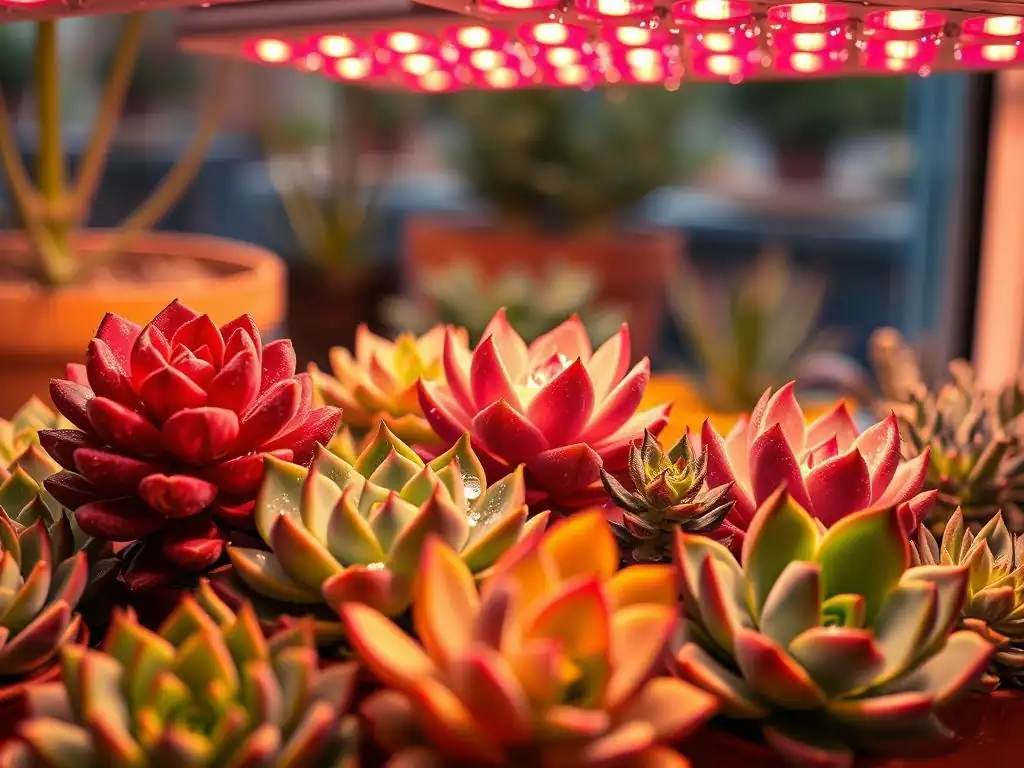
Welcome to SucculentEssentials.org, your gateway to the fascinating world of succulents! Are you ready to unlock the secrets to thriving succulents, no matter the environment? We delve into every aspect of succulent care, from propagation techniques to stunning design ideas. But first, let's tackle a crucial element often overlooked: the best succulent grow light intensity. Discover how to perfectly illuminate your precious plants and unlock their full potential – read on to find out more!
- Understanding Grow Light Intensity for Succulents: A Crucial Factor
- Choosing the Right Grow Light Intensity for Different Succulent Types
- Best Succulent Grow Light Intensity: A Comparative Analysis
- Troubleshooting Common Grow Light Intensity Issues
- DIY Solutions for Optimizing Grow Light Intensity
- Maintaining Optimal Grow Light Intensity for Long-Term Succulent Health
- Recommended Products for Achieving the Best Succulent Grow Light Intensity
- Frequently Asked Questions
- Final Reflection: Illuminating the Path to Thriving Succulents
- Unleash Your Succulents' Inner Glow: Grow Brighter!
Understanding Grow Light Intensity for Succulents: A Crucial Factor
Choosing the right grow light for your succulents is paramount to their health and thriving. While many factors contribute to succulent success – proper watering, well-draining soil, and appropriate temperature – light intensity is arguably the most critical. This comprehensive guide delves into the nuances of grow light intensity for succulents, helping you understand how to achieve optimal growth and avoid common pitfalls like etiolation (leggy growth due to insufficient light) or sunburn (damage from excessive light). We'll explore the key metrics—PAR and PPFD—and discuss why selecting the right light spectrum is essential for cultivating healthy, vibrant succulents.
Mastering grow light intensity unlocks the secret to achieving lush, flourishing succulent collections, regardless of your environment or growing space. This guide will empower you to select the best succulent grow light intensity for your specific needs, contributing to the overall success and beauty of your plants. Let's dive in!
Measuring PAR (Photosynthetically Active Radiation) for Optimal Succulent Growth
Photosynthetically Active Radiation (PAR) refers to the spectrum of light (400-700 nm) that plants use for photosynthesis. Measuring PAR is crucial for determining the intensity of light your succulents receive. While you might not need a PAR meter for basic succulent care, understanding PAR helps you choose the right grow light and position it effectively. A PAR meter measures the amount of light in micromoles per square meter per second (µmol/m²/s).
Different succulents have varying light requirements, but generally, a PAR range of 100-400 µmol/m²/s is ideal for most succulents during their peak growing season. Lower light levels might lead to etiolation, while excessively high levels can cause sunburn. Regularly monitoring PAR, especially when changing lighting conditions or adjusting the distance between the light and your succulents, allows for fine-tuning for optimal growth. Remember to check your PAR levels at different times of the day as well.
The Importance of PPFD (Photosynthetic Photon Flux Density) for Succulent Health
PPFD (Photosynthetic Photon Flux Density) is closely related to PAR. While PAR measures the total amount of photosynthetically active light, PPFD measures the rate at which photosynthetically active photons strike a surface area. It’s expressed in the same units as PAR (µmol/m²/s). Understanding PPFD is critical because it directly impacts the photosynthetic rate of your succulents. A higher PPFD generally means faster growth, but as mentioned earlier, there's an upper limit.
Overexposure to high PPFD can cause sunscald and damage the plant's tissues. Different succulent species have different optimal PPFD ranges, with some thriving in higher light conditions than others. Researching the specific light requirements of your succulent varieties is essential to avoid light stress. Monitoring PPFD, using a PAR/PPFD meter, allows for precise light control, maximizing growth and preventing damage.
Light Spectrum: Why Full Spectrum LED Grow Lights are Best for Succulents
The light spectrum is another critical factor affecting succulent growth. While succulents can tolerate a wide range of light spectrums, full-spectrum LED grow lights are generally preferred. Full-spectrum lights mimic natural sunlight, providing a balance of red and blue light essential for photosynthesis, along with other wavelengths that contribute to overall plant health. Red light primarily encourages flowering and fruiting, while blue light promotes vegetative growth.
Using a full-spectrum light ensures your succulents receive the complete spectrum needed for optimal development and vibrant coloration. Other light sources, such as fluorescent or incandescent bulbs, often lack crucial wavelengths, hindering growth and potentially leading to unhealthy plants. Therefore, investing in a quality full-spectrum LED grow light is a worthwhile investment for any serious succulent enthusiast. The initial cost is often offset by the long-term benefits of healthier, more vigorous plants.
Choosing the Right Grow Light Intensity for Different Succulent Types
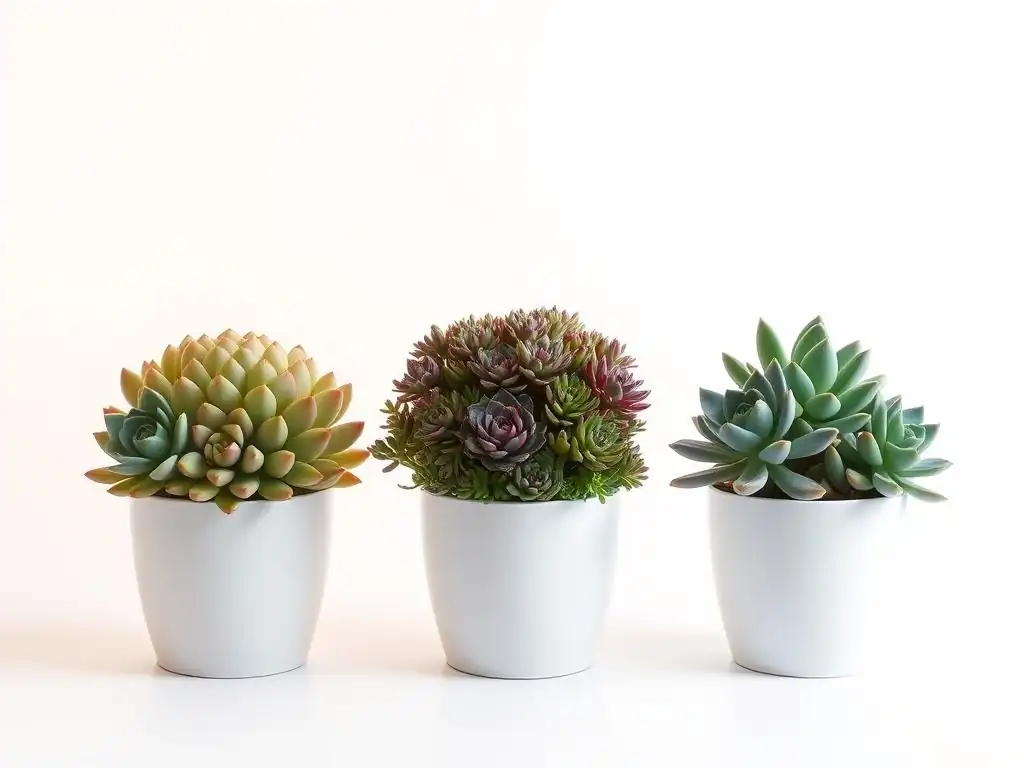
Understanding the best succulent grow light intensity is crucial for healthy growth. Different succulent species have varying light requirements, directly impacting their color, size, and overall health. Providing the correct intensity is key to avoiding etiolation (leggy growth) or sunburn. This section will delve into the specific light needs of various succulent types, helping you achieve optimal results with your grow lights. Remember, even within a species, individual plants can have subtle variations in light tolerance. Observing your plants closely and adjusting accordingly is always recommended.
High-Intensity Grow Lights for Sun-Loving Succulents (e.g., Echeveria, Sedum)
Sun-worshipping succulents like Echeveria and Sedum thrive under intense light conditions. Think bright, direct sunlight for several hours daily in their natural environment. To replicate this indoors, you'll need high-intensity grow lights. These plants benefit from a Photosynthetic Photon Flux Density (PPFD) of 500-1000 µmol/m²/s for optimal growth. Using a PAR meter is highly recommended to accurately measure the light intensity your plants are receiving.
These succulents respond well to full-spectrum grow lights that mimic natural sunlight, providing a balance of red and blue light crucial for photosynthesis. Insufficient light will lead to weak, leggy growth and dull coloration. Conversely, too much light can cause sunburn, manifested as brown or bleached patches on the leaves. Careful monitoring and gradual acclimation to higher light intensity are essential to avoid this.
Consider using a grow light timer to ensure consistent exposure periods and prevent over-exposure. Regularly inspecting your plants for signs of stress will help you fine-tune the lighting setup for the best results. Remember that even with high-intensity lights, providing sufficient airflow is vital to prevent fungal diseases that can thrive in humid conditions.
Medium-Intensity Grow Lights for Shade-Tolerant Succulents (e.g., Haworthia, Gasteria)
Shade-tolerant succulents such as Haworthia and Gasteria prefer less intense light compared to their sun-loving counterparts. While they still need ample light for photosynthesis, direct, intense sunlight can scorch their leaves. A medium-intensity grow light, providing a PPFD of 200-500 µmol/m²/s, is ideal for these plants.
These succulents often originate from environments with dappled sunlight or filtered light, so mimicking these conditions is key. You can achieve this with a grow light placed slightly further away from the plants or by using a lower-intensity bulb. Observe the leaves closely – if they appear pale or stretched, the light may be insufficient.
If they show signs of browning or scorching, reduce the intensity or distance of the grow light. These succulents are particularly sensitive to overwatering, so ensure the soil is well-draining and allow it to dry completely between waterings, even when grown under grow lights. Proper watering practices, combined with the right light intensity, are crucial for achieving the best growth.
Low-Intensity Grow Lights for Low-Light Succulents (e.g., Sansevieria, ZZ Plants)
Certain succulents, including Sansevieria (Snake Plants) and ZZ plants, are remarkably adaptable to low-light conditions. They can tolerate significantly less intense light than other succulents. For these plants, a low-intensity grow light, offering a PPFD of 100-200 µmol/m²/s, is sufficient. However, even these hardy plants will benefit from supplementary light, especially during winter months when natural light is reduced.
While these succulents are tolerant of low light, they will still exhibit better growth and coloration with some supplemental lighting. Complete darkness is detrimental to all plants. Using a low-intensity grow light ensures they receive enough light for photosynthesis without risking damage. Remember to monitor these plants for signs of etiolation—leggy growth indicating insufficient light.
If you notice this, consider increasing the intensity or duration of the light exposure. However, remember that even low-intensity grow lights can cause damage if placed too close to the plants. Maintaining a safe distance is important, even with these low-light tolerant varieties. Regular dusting of the leaves will also help ensure that they can absorb the maximum amount of light available.
Best Succulent Grow Light Intensity: A Comparative Analysis
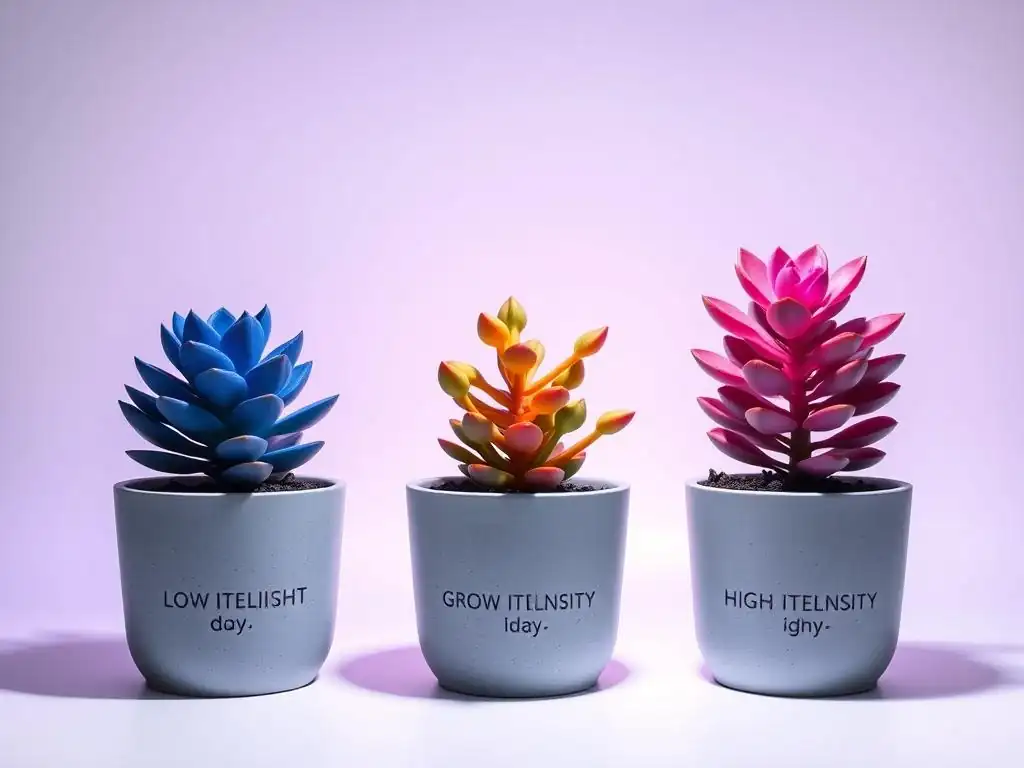
Finding the best succulent grow light intensity is crucial for healthy growth and vibrant colors. Too little light leads to etiolation (leggy growth), while too much can scorch delicate leaves. This section dives deep into comparing specific grow light brands to help you determine the optimal intensity for your succulent collection.
We'll analyze both intensity levels (measured in PPFD – Photosynthetic Photon Flux Density) and other key features to guide you towards the perfect lighting solution. Remember, the ideal intensity also depends on the specific succulent species; some thrive under higher light, while others prefer a more moderate approach. Understanding your succulents' light requirements is equally important as choosing the right grow light.
Grow Light Brand A vs. Grow Light Brand B: A Detailed Comparison of Features and Intensity Levels
Let's compare two popular grow light brands, focusing on intensity and key features relevant to succulent cultivation. We'll use hypothetical data for illustrative purposes, as specific PPFD values vary by model and distance from the plants. Remember to always consult the manufacturer's specifications for precise information.
| Feature | Grow Light Brand A | Grow Light Brand B |
|---|---|---|
| PPFD (µmol/m²/s) at 12 inches | 200-300 (adjustable) | 150-250 (fixed) |
| Spectrum | Full spectrum, with adjustable red/blue ratios | Primarily full spectrum, slightly less red emphasis |
| Energy Efficiency | High (uses less energy for the same light output) | Moderate |
| Price | $$$ | $$ |
| Durability | Excellent; known for long lifespan | Good; average lifespan |
| Adjustability | Highly adjustable intensity and spectrum | Limited adjustability |
Grow Light Brand A offers a wider range of adjustable intensity, making it more versatile for different succulent species and growth stages. Its higher PPFD range at 12 inches makes it suitable for succulents needing higher light levels. The adjustable red/blue ratio allows for fine-tuning the light spectrum to optimize photosynthesis and encourage blooming. However, it comes with a higher price tag.
Grow Light Brand B provides a more affordable option with good intensity, suitable for many common succulent types. While its intensity is slightly lower and less adjustable, it's still sufficient for many succulent varieties. However, the lack of adjustability might limit its effectiveness for succulents with varying light requirements. Its slightly less red emphasis in the spectrum might slightly impact flowering, depending on the species.
Grow Light Brand C vs. Grow Light Brand D: Focusing on Energy Efficiency and Intensity
Energy efficiency and intensity are key considerations when choosing a grow light, especially for long-term use. Let's analyze two brands known for their different approaches to this balance:
Grow Light Brand C prioritizes energy efficiency without compromising intensity. It utilizes advanced LED technology to deliver a respectable PPFD (hypothetically, 220-280 µmol/m²/s at 12 inches) while consuming significantly less power than Brand D. This translates to lower electricity bills and a smaller environmental footprint. However, it might have a slightly higher initial purchase price.
Grow Light Brand D offers a higher intensity (hypothetically, 300-400 µmol/m²/s at 12 inches) but at the cost of higher energy consumption. This might be suitable for growers with large succulent collections or those cultivating species requiring very high light levels. However, the increased energy usage needs to be weighed against the higher electricity costs.
Ultimately, the "best" succulent grow light intensity depends on your specific needs and budget. Consider your succulents' light requirements, the size of your collection, and your energy consumption preferences when making your decision. Don't hesitate to consult with experienced succulent growers or horticultural experts for personalized recommendations. Careful monitoring of your succulents' growth is also essential; adjust the light intensity as needed to ensure optimal health and vibrant colors. 🌱
Troubleshooting Common Grow Light Intensity Issues
This section addresses common problems encountered when using grow lights for succulents and offers practical solutions to optimize light intensity for healthy growth. Finding the best succulent grow light intensity is crucial, and understanding the signs of both insufficient and excessive light is key to success. Let's delve into the specifics.
Signs of Insufficient Light Intensity in Succulents (Etiolation)
Insufficient light is a prevalent issue for indoor succulents. When succulents don't receive enough light, they exhibit etiolation, a condition characterized by weak, leggy growth. The stems become elongated and spindly as the plant stretches towards the light source, often resulting in a pale, yellowish color. Leaves may be spaced further apart than usual, and the overall plant structure appears weak and unhealthy. This is a clear indication that your grow light intensity needs to be increased or the plant needs to be moved closer to the light source.
To illustrate, consider a Haworthia attenuata. Under ideal light conditions, this succulent exhibits compact rosettes with tightly packed leaves. However, under low light, the leaves will be spaced farther apart, the stem will lengthen significantly, and the overall plant will lose its characteristic compact form. The leaves might also become paler green, almost yellow.
Here's a table summarizing the key signs of insufficient light:
| Sign | Description | Example Species |
|---|---|---|
| Elongated stems | Stems become abnormally long and thin. | Echeveria, Sedum, Haworthia |
| Pale, yellowish leaves | Leaves lose their vibrant color and become pale or yellowish. | Sempervivum, Crassula |
| Increased internode spacing | The distance between leaves increases significantly. | Aloe, Kalanchoe |
| Weak, flimsy growth | The overall plant appears weak and lacks structural integrity. | Various succulents |
| Reduced flowering | Fewer or no flowers produced. | Many flowering succulent varieties |
Careful observation of these signs is crucial for timely intervention to prevent further deterioration. Regular monitoring is essential for maintaining optimal light levels.
Signs of Excessive Light Intensity in Succulents (Sunburn)
Conversely, excessive light intensity can also damage your succulents. This often manifests as sunburn, causing discoloration and tissue damage. Leaves may develop brown, crispy patches, or even become completely bleached white. The affected areas might appear dry and brittle. This indicates that the grow light is too intense, the plant is positioned too close to the light, or the light duration is too long.
Consider a Echeveria species. While they appreciate bright light, prolonged exposure to extremely intense light can lead to unsightly brown spots or even complete scorching of leaves. The leaves might wrinkle and shrivel up, indicating severe damage.
The following table summarizes typical signs of sunburn:
| Sign | Description | Example Species |
|---|---|---|
| Brown or crispy patches | Brown or crispy areas appear on the leaves. | Echeveria, Sedum |
| Bleached white areas | Leaves turn completely white or lose their pigmentation. | Many succulent species |
| Wrinkled or shriveled leaves | Leaves become wrinkled and shriveled, indicating severe water loss. | Haworthia, Crassula |
| Leaf drop | The plant drops leaves in an attempt to reduce its surface area. | Various succulents |
It's crucial to reduce the intensity or duration of the grow light, or move the plant further away from the source. Sometimes, even the type of light is a factor. LED grow lights, while energy efficient, can sometimes be too intense if not used carefully.
Adjusting Grow Light Intensity Based on Seasonal Changes and Succulent Needs
The best succulent grow light intensity isn't a static value. It needs adjustment based on seasonal changes and the specific needs of your succulents. During winter months, when natural light is reduced, you may need to increase light intensity or duration. Conversely, during summer, you might need to reduce the intensity or duration to prevent sunburn.
Different succulents have different light requirements. Some, like Sedum, tolerate full sun, while others, like Haworthia, prefer partial shade. Understanding the specific needs of your plant collection is essential. Consider using a light meter to measure the actual light intensity (PPFD) reaching your plants. This allows for precise adjustments to ensure optimal growth. This careful monitoring and adjustment are key to achieving optimal growth and avoiding common light-related issues. Remember, consistent observation and proactive adjustments are vital for cultivating healthy, thriving succulents.
DIY Solutions for Optimizing Grow Light Intensity
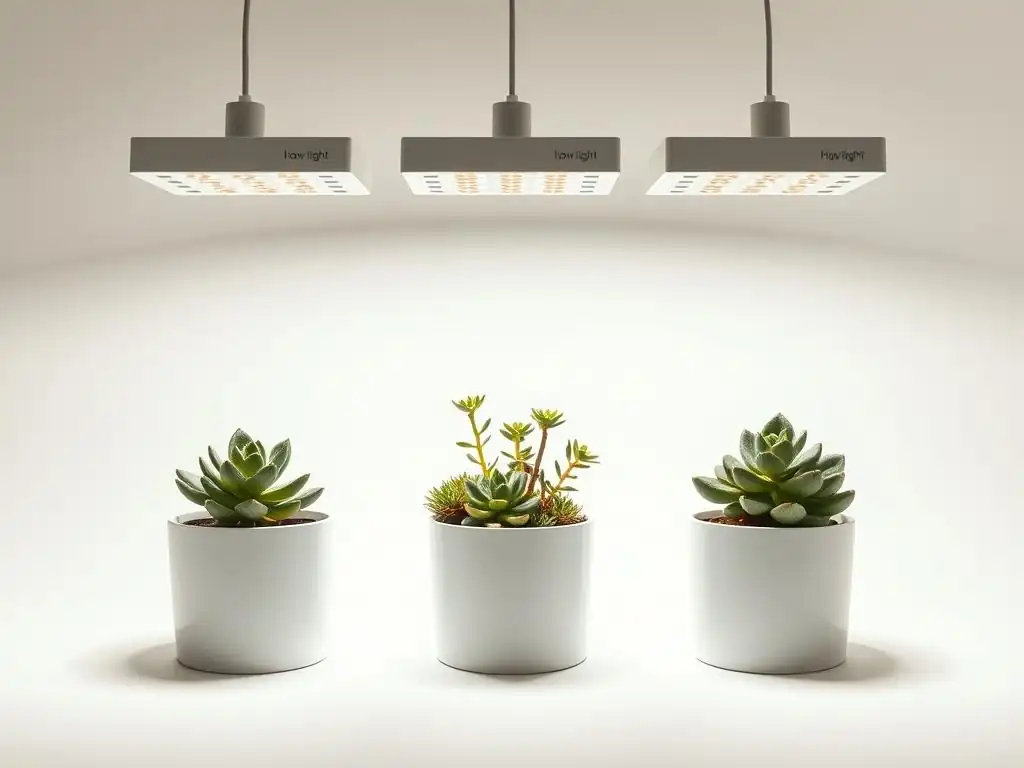
This section explores cost-effective, DIY methods to fine-tune the light intensity your succulents receive, ensuring optimal growth and vibrant colors. Finding the best succulent grow light intensity is crucial, and sometimes, simple adjustments can make a significant difference. We'll cover practical solutions that even novice succulent enthusiasts can implement.
Building a Custom Grow Light Setup for Your Succulents
Creating a custom grow light setup allows for precise control over light intensity and spectrum. Instead of relying solely on commercially available grow lights, you can tailor a system to your specific needs and budget. This involves careful selection of components: the light source itself (LEDs are generally preferred for their energy efficiency and longevity), a power supply, and a suitable housing.
Consider these factors when building your setup:
- Light Source: High-quality LEDs offering a full spectrum (including red and blue wavelengths crucial for photosynthesis) are ideal. Look for LEDs with adjustable intensity settings. The number of LEDs will dictate the overall intensity; more LEDs generally mean higher intensity.
- Power Supply: Choose a power supply capable of handling the wattage of your chosen LEDs. Ensure it's appropriately rated for safety and longevity.
- Housing: The housing should be reflective (e.g., white or silver interior) to maximize light distribution and prevent light loss. It should also provide sufficient ventilation to prevent overheating.
Remember to research the best succulent grow light intensity for your specific succulent varieties. Some require higher light levels than others. A simple dimmer switch can provide further control and allow you to adjust the intensity throughout the day or across different seasons. Always prioritize safety; ensure proper wiring and grounding to prevent electrical hazards.
Utilizing Reflective Materials to Enhance Light Intensity
Boosting the light intensity reaching your succulents doesn't always require purchasing new equipment. Strategic use of reflective materials can significantly improve light distribution and overall efficiency. This is particularly useful if your existing grow lights are already providing adequate spectrum but lack intensity.
Here are some effective reflective materials:
- Aluminum Foil: A readily available and inexpensive option. However, be mindful of its potential to tear easily and avoid direct contact with the lights to prevent damage.
- Mylar Sheets: These are specifically designed for reflecting light and are more durable than aluminum foil. They are commonly used in hydroponic setups and are a good investment for long-term use.
- White Paint: Painting the walls or surfaces surrounding your succulents with a high-reflective white paint can also improve light distribution. This is a more permanent solution, but highly effective.
The effectiveness of these materials depends on their placement. Position them strategically to reflect light towards the succulents, avoiding direct reflection into their leaves, which might cause scorching. Experiment with different placements to find the optimal configuration for your specific setup and achieve the best succulent grow light intensity.
Positioning Your Grow Lights for Maximum Effectiveness
Proper positioning of your grow lights is paramount for achieving optimal light intensity and ensuring even growth across your succulents. Incorrect placement can lead to uneven growth, etiolation (leggy growth due to insufficient light), or even scorching.
Consider these key factors:
- Distance: Maintain the recommended distance between the lights and your plants. This will depend on the intensity of your lights and the specific needs of your succulent varieties. Too close, and you risk scorching; too far, and you'll have insufficient light.
- Angle: Avoid direct overhead lighting. Instead, angle your lights to provide more even distribution. This helps prevent shadows and ensures that all sides of the succulents receive adequate light.
- Rotation: Regularly rotate your plants to ensure even growth on all sides. This is particularly crucial if you're using a single light source.
- Light Cycle: Simulate natural daylight cycles by adjusting the timing of your grow lights. Most succulents benefit from a 12-16 hour light cycle, but this can vary depending on the species. Proper light timing, combined with the best succulent grow light intensity, will foster healthy growth.
Remember, monitoring your succulents' growth and adjusting the light setup accordingly is crucial. Observe for signs of stress (such as stretching, discoloration, or leaf drop) and make necessary changes to light intensity, distance, or angle to maintain optimal conditions. Careful observation and adjustment are key to achieving the best succulent grow light intensity for your thriving succulent collection 🪴.
Maintaining Optimal Grow Light Intensity for Long-Term Succulent Health
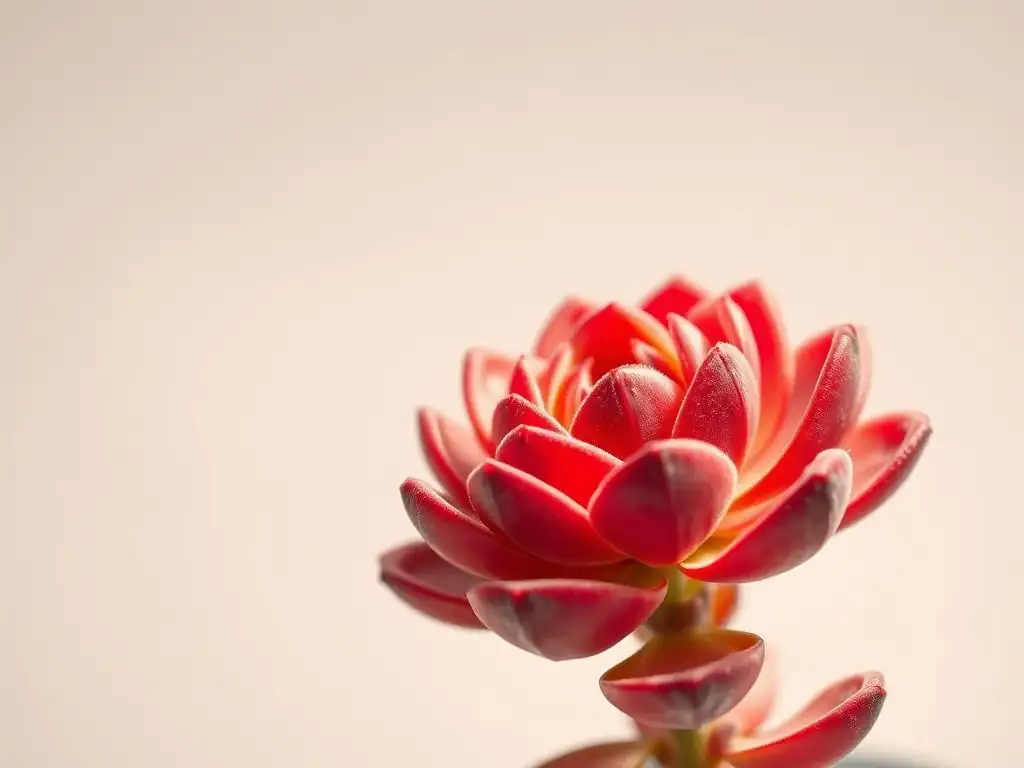
Maintaining the best succulent grow light intensity isn't a set-and-forget process. Succulents, while remarkably resilient, require careful monitoring and adjustments to their light environment throughout their life cycle and depending on seasonal changes. The ideal intensity isn't static; it's a dynamic balance influenced by several factors. Neglecting this dynamic aspect can lead to etiolation (leggy growth), stunted growth, or even plant death. Achieving and maintaining optimal lighting conditions is crucial for the long-term health and vibrancy of your succulent collection. This involves more than just choosing the right grow light; it necessitates active participation in managing the light environment.
Regularly Monitoring and Adjusting Grow Light Intensity
Regular observation is paramount. You should visually inspect your succulents daily or at least every other day. Look for signs indicating insufficient or excessive light. Symptoms of low light include pale coloration, elongated stems (etiolation), and weak, spindly growth. Conversely, high light can manifest as leaf scorching, browning tips, and overall wilting. These visual cues are your primary indicators that adjustments are needed.
To quantify the light intensity, consider using a PAR (Photosynthetically Active Radiation) meter. A PAR meter measures the amount of light available for photosynthesis, providing a numerical value you can track over time. This allows for more precise adjustments to the grow light's distance from the plants or its intensity settings. Remember that even with a PAR meter, visual observation remains crucial; numbers alone don't capture the nuances of plant health.
A helpful strategy is to maintain a grow light journal. Record the date, the PAR reading at different points around your plants, any observed changes in plant appearance, and any adjustments made to the grow light's position or intensity. This detailed record helps you identify patterns and refine your lighting strategy over time. For example, you might notice that during winter months, you need to increase the light intensity or duration to compensate for shorter daylight hours. This proactive approach ensures your succulents receive the best succulent grow light intensity consistently.
The Role of Humidity and Temperature in Grow Light Effectiveness
The effectiveness of grow lights isn't solely determined by intensity; humidity and temperature play significant interacting roles. High humidity can exacerbate the effects of intense light, increasing the risk of sunburn and fungal diseases. Conversely, low humidity can make succulents more susceptible to desiccation, even under ideal light conditions. Therefore, maintaining a balanced humidity level is crucial.
Temperature also influences the plant's response to light. Extreme temperatures, both high and low, can stress succulents, making them more vulnerable to light damage. Ideally, maintain a consistent temperature within the optimal range for your specific succulent species. Temperature fluctuations can also affect the effectiveness of the grow light; very cold temperatures can reduce photosynthetic activity, even with ample light.
Here's a simple table illustrating the interplay of these factors:
| Factor | Optimal Range | Impact on Grow Light Effectiveness | Potential Issues |
|---|---|---|---|
| Humidity | 40-60% (depending on species) | Moderate humidity enhances absorption | High humidity: fungal growth; Low humidity: desiccation |
| Temperature | 65-80°F (18-27°C) (varies by species) | Optimal temperatures maximize photosynthesis | Extreme temperatures: stress, reduced photosynthesis |
| Light Intensity | Varies by species and season; use a PAR meter | Determines the rate of photosynthesis | Too high: sunburn; Too low: etiolation |
Preventing Pests and Diseases with Proper Lighting
Proper lighting plays a crucial role in disease and pest prevention. Weak, etiolated succulents resulting from insufficient light are more susceptible to pests and diseases. They lack the vigor to defend themselves effectively. Strong, healthy succulents, grown under optimal light conditions, exhibit greater resistance.
Furthermore, appropriate light intensity can help to prevent fungal growth. Excessive humidity combined with insufficient light creates an ideal environment for fungal diseases to thrive. By maintaining proper light intensity and airflow, you minimize the risk of these issues. Remember, good air circulation is also key to preventing fungal growth and pest infestations.
Think of it this way: optimal lighting is a form of preventative care. By providing the best succulent grow light intensity, you're not just promoting healthy growth; you're also bolstering your plants' natural defenses against potential threats. This proactive approach contributes significantly to the overall health and longevity of your succulent collection, reducing the need for potentially harmful chemical interventions. Regularly inspect your plants for any signs of pests or diseases, and address any issues promptly.
Recommended Products for Achieving the Best Succulent Grow Light Intensity
Choosing the right grow light intensity is crucial for succulent health and thriving. Too little light leads to etiolation (leggy growth), while too much can scorch delicate leaves. Finding the best succulent grow light intensity depends on the species, your geographic location, and the type of grow light you choose. This section focuses on recommending specific products categorized by light intensity, ensuring you find the perfect match for your succulents' needs. Remember, always acclimate your succulents gradually to any new light source to prevent shock.
Top Picks for High-Intensity Grow Lights for Succulents
High-intensity grow lights are best suited for succulents that thrive in intense sunlight, such as Sedum, Echeveria, and many desert species. These lights offer a higher Photosynthetic Photon Flux Density (PPFD), measured in µmol/m²/s. A higher PPFD mimics the strong sunlight these succulents are adapted to. When choosing a high-intensity light, consider the following features:
- Full-spectrum LEDs: These lights provide a balanced spectrum of light, mimicking natural sunlight and promoting healthy growth.
- Adjustable intensity: The ability to adjust the intensity allows you to fine-tune the light levels to suit different succulent species and their specific light requirements. This is crucial for preventing leaf burn.
- Cooling system: High-intensity lights generate significant heat. A good cooling system is essential to prevent overheating and damage to your plants.
Here's an example of what to look for in specifications: A high-intensity light might boast a PPFD of 400-600 µmol/m²/s at a distance of 12 inches. Always check the manufacturer's specifications for accurate data. Remember to monitor your succulents closely after introducing a new high-intensity grow light. Watch for signs of stress, such as leaf browning or wilting, and adjust the distance or intensity accordingly.
Top Picks for Medium-Intensity Grow Lights for Succulents
Medium-intensity grow lights provide a balance between high-light and low-light needs. Many popular succulent varieties, such as Haworthia, Gasteria, and some Crassula species, thrive under medium-intensity light conditions. These lights usually offer a PPFD in the range of 200-400 µmol/m²/s. Consider these factors when selecting a medium-intensity light:
- Energy efficiency: Medium-intensity lights should offer a good balance between light output and energy consumption.
- Durability: Choose a light with a robust build and long lifespan to avoid frequent replacements.
- Ease of use: Look for a light that's easy to install and operate, with features like adjustable height and timers.
It's important to note that the optimal distance from the light source can significantly impact the intensity. A medium-intensity light placed closer to the plants will provide higher intensity than one placed further away. Experimentation is key to finding the perfect placement for your specific setup.
Top Picks for Low-Intensity Grow Lights for Succulents
Low-intensity grow lights are perfect for succulents that prefer shade or dappled light conditions. These include species like Sempervivum (hens and chicks), some Kalanchoe varieties, and certain Echeveria species that tolerate less intense light. These lights typically offer a PPFD below 200 µmol/m²/s. Key considerations for low-intensity lights include:
- Compact size: Low-intensity lights can be smaller and more compact, ideal for smaller setups or individual plants.
- Flexibility: Consider grow lights that can be easily positioned to provide the best light distribution.
- Supplemental lighting: Low-intensity lights are often used to supplement natural light, particularly during winter months when sunlight is reduced.
Remember that even low-intensity lights can cause leaf burn if placed too close to the plants. Always start with a greater distance and gradually reduce it as needed, carefully observing your succulents for signs of stress. Regular monitoring and adjustments are essential for optimal growth, regardless of the light intensity chosen. With careful selection and observation, you can ensure your succulents receive the best succulent grow light intensity for healthy, vibrant growth.
Frequently Asked Questions
What is the best grow light intensity for succulents?
The ideal grow light intensity for succulents is around 600-1000 lumens at a distance of about 6-12 inches. However, this can vary depending on the specific succulent species and the type of grow light. Always monitor your plants closely for signs of stress.
How can I measure the intensity of my grow light?
You can use a lux meter to measure the light intensity in lumens or foot candles. Many affordable meters are available online. Alternatively, observe your succulents for signs of light stress (e.g., etiolation, burning).
My succulents are stretching; is the light intensity too low?
Yes, etiolation (leggy growth) is a common sign of insufficient light. Increase the intensity of your grow light or move the succulents closer to the light source. You may also need a grow light with a higher PPFD (Photosynthetic Photon Flux Density).
My succulents are showing signs of burning; is the light intensity too high?
Yes, scorched or browned leaves indicate that your succulents are receiving too much light. Move the plants further away from the light source or reduce the intensity of your grow light.
What types of grow lights are best for succulents?
LED grow lights are generally considered the best option for succulents due to their energy efficiency and ability to provide the necessary spectrum of light. Full-spectrum LED lights are especially beneficial. Consider the wattage and light intensity when choosing a grow light.
Final Reflection: Illuminating the Path to Thriving Succulents
Mastering grow light intensity is not merely about technical specifications; it's about nurturing life itself. The right light unlocks the vibrant colors, robust growth, and overall health of your succulent collection, transforming them from mere plants into thriving companions. This guide has explored the nuances of light measurement, the specific needs of different succulent varieties, and practical strategies for achieving optimal illumination. But the journey doesn't end here.
The impact of understanding light on plant health extends far beyond the aesthetic. It's a connection to the natural world, a testament to the power of observation and careful nurturing. The glory of gardening: hands in the dirt, head in the sun, heart with nature. To nurture a garden is to feed not just the body, but the soul.
This quote beautifully encapsulates the deeper satisfaction derived from cultivating healthy plants, a satisfaction amplified by the knowledge gained in understanding their specific needs, like the precise intensity of light they require.
Now, consider your own succulents. What have you learned about their individual light preferences? Are you ready to adjust your lighting strategy based on the information presented? Take this knowledge and apply it – observe your plants closely, make adjustments as needed, and revel in the beauty and resilience of these remarkable plants. The journey of cultivating thriving succulents is a continuous learning process, and your success will be a testament to your dedication and understanding.
Unleash Your Succulents' Inner Glow: Grow Brighter!
Thanks for exploring the world of succulent lighting! We hope you now understand how light intensity affects your plants. Ready to put your knowledge into practice?
- Fine-tune your grow light setup: Adjust the distance and intensity of your grow lights to suit your succulents' needs. This is key to vibrant, healthy growth!
- Share your success: Snap a picture of your thriving succulents and share it on social media – tag us @SucculentEssentials! We'd love to see them!
- Experiment with advanced techniques: Try different light spectrums or timers to optimize your succulents' environment. You might be amazed by the results!
What lighting adjustment are you most excited to try? Let's discuss in the comments!