
The MustHave Tools for Propagating Succulents

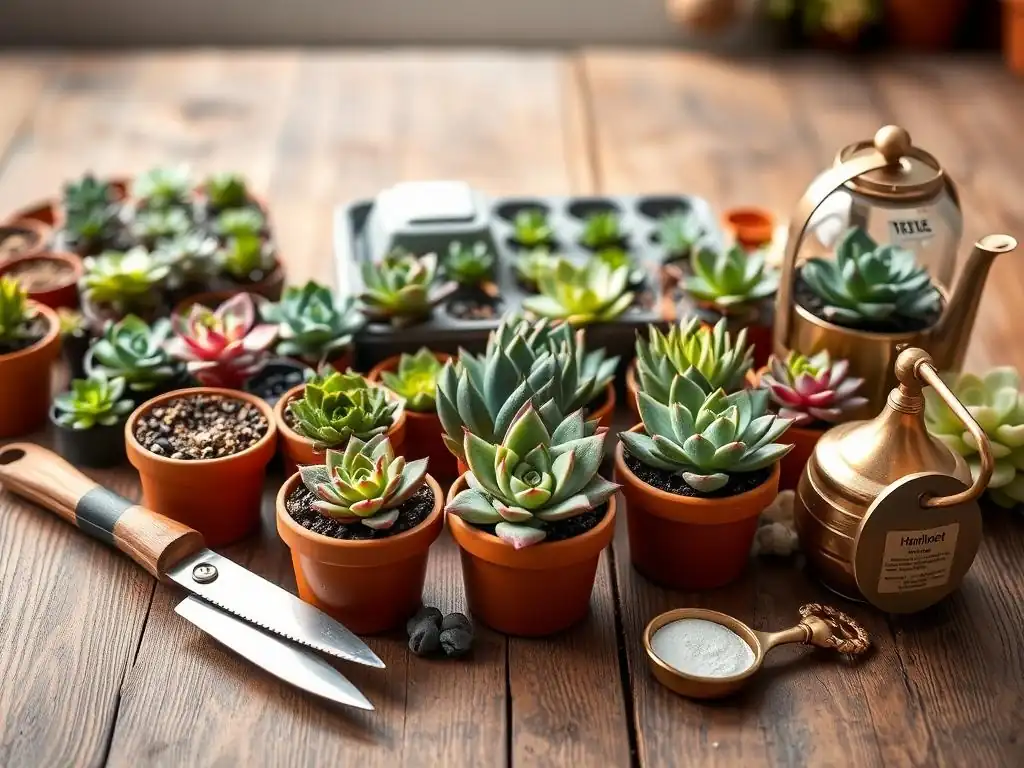
Welcome to SucculentEssentials.org, where the fascinating world of succulents unfolds before you! Are you ready to unlock the secrets to thriving succulent gardens? We'll guide you through every step, from identifying your favorite varieties to mastering the art of propagation. Discover the essential tools you need to achieve succulent success—starting with our comprehensive guide on the Best Succulent Propagation Tools – and begin your journey towards a flourishing collection today!
- Essential Tools for Successful Succulent Propagation
- Advanced Tools for Expert Succulent Propagation
- Maintaining Your Propagation Tools for Best Results
- Choosing the Best Tools Based on Your Propagation Method
- Troubleshooting Common Problems with Succulent Propagation Tools
- Where to Find High-Quality Succulent Propagation Tools
- Frequently Asked Questions
- Final Reflection: Cultivating Growth, Inside and Out
- Unleash Your Inner Plant Parent: Propagate Your Succulent Kingdom!
Essential Tools for Successful Succulent Propagation
Successfully propagating succulents is a rewarding experience, opening up a world of possibilities for expanding your collection and creating stunning arrangements. This detailed guide focuses on the best succulent propagation tools, equipping you with the knowledge to confidently navigate the process from cutting to thriving plant. We'll explore the essential tools needed for clean cuts, optimal rooting environments, and ultimately, the successful cultivation of new succulents.
Mastering these techniques will transform you from a succulent enthusiast into a propagation pro, allowing you to effortlessly multiply your favorite varieties and share the joy of these fascinating plants. This guide will cover the selection of sharp tools, the crucial role of the potting mix, and the ideal containers for nurturing your newly propagated succulents. Let's delve into the specifics!
Selecting the Right Knife or Blade for Clean Cuts
A sharp, clean cut is paramount for successful succulent propagation. Using a dull blade increases the risk of crushing the stem, introducing bacteria and hindering the rooting process. The ideal tools are those that provide precision and minimize damage to the succulent's delicate tissues. Here's a breakdown of your options:
- Sharp knife: A small, sharp knife, ideally with a thin blade, is a versatile and readily available option. A utility knife or even a very sharp paring knife can work well, provided they are meticulously cleaned before each use to prevent the spread of disease. Remember to always sterilize your blade with rubbing alcohol before and after each use.
- Razor blade: For incredibly precise cuts, especially on smaller succulents, a fresh razor blade offers exceptional sharpness. However, exercise extreme caution when using a razor blade; they are incredibly sharp and prone to accidents. Always handle them with care.
- Specialized succulent propagation tools: Some specialized tools are specifically designed for succulent propagation. These often feature ergonomic designs and blades optimized for clean cuts. While not strictly necessary, they can improve precision and comfort during the propagation process.
Remember, regardless of your chosen tool, sterilization is key. Using a clean, sharp blade significantly reduces the risk of infection and increases the chances of successful propagation. A little preparation goes a long way!
Choosing the Perfect Potting Mix for Your Cuttings
The potting mix plays a crucial role in the rooting process. A poorly draining mix will lead to root rot, while a mix that's too dry will struggle to retain enough moisture for successful rooting. The ideal mix should be well-draining, airy, and retain just enough moisture to keep the cutting hydrated without becoming soggy.
Here are some key elements of a successful succulent propagation mix:
- Well-draining base: A base of coarse materials like perlite, pumice, or coarse sand ensures excellent drainage and prevents waterlogging.
- Moisture retention: Adding a small amount of peat moss or coco coir helps retain some moisture, providing the cuttings with the hydration they need. However, avoid overdoing it.
- Air circulation: The mix should be airy to allow for proper air circulation around the roots, preventing fungal growth.
The perfect ratio will depend on your specific climate and the type of succulent you are propagating. However, a common and effective mix is a 1:1 ratio of coarse sand and perlite. Experimentation is key!
Containers: The Right Vessels for Rooted Succulents
Once your succulent cuttings have rooted, they need to be transplanted into appropriate containers. The ideal container will depend on the size of your succulents and your personal preference, but here are some key factors to consider:
- Drainage: Excellent drainage is crucial, preventing waterlogging that can lead to root rot. Containers with drainage holes are essential.
- Size: Choose pots that are proportionate to the size of your rooted succulents. Overly large pots can lead to overwatering, while overly small pots can restrict growth.
- Material: Terracotta pots are excellent because they allow for better air circulation and help to regulate moisture levels. Plastic pots are also viable, but ensure they have adequate drainage.
Remember to use a well-draining potting mix even after the propagation phase, ensuring continued success in your succulent growing journey. Happy propagating! 🎉
Advanced Tools for Expert Succulent Propagation
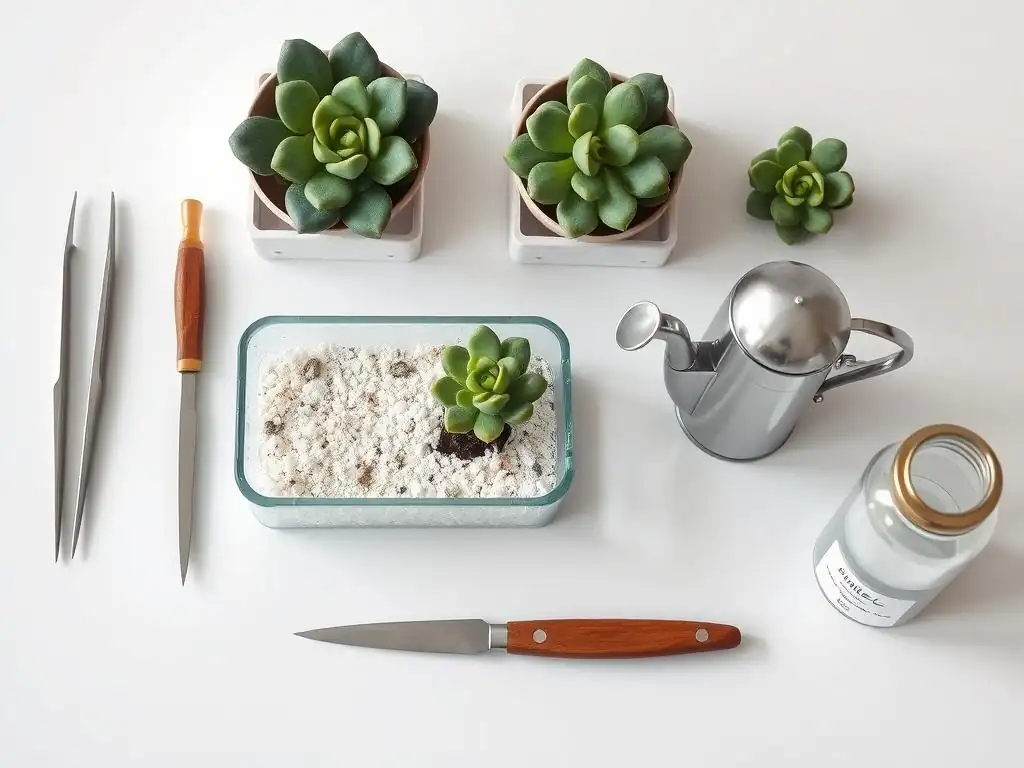
This section delves into more specialized tools that can significantly improve your succulent propagation success rate, taking your skills beyond the basics. While not strictly necessary for beginners, these tools offer enhanced control and often lead to faster, healthier growth. These are the best succulent propagation tools for serious enthusiasts.
Specialized Propagation Trays and Domes for Optimal Humidity
Maintaining the right humidity level is crucial for successful succulent propagation. Standard propagation trays offer basic drainage, but specialized trays and domes take humidity control to the next level. These often feature clear plastic covers that trap moisture, creating a mini-greenhouse effect. This is particularly beneficial for cuttings that require higher humidity to prevent desiccation.
The benefits extend beyond simply keeping moisture in. The enclosed environment helps regulate temperature fluctuations, providing a more stable environment for delicate cuttings to develop roots. Look for trays with adjustable vents to fine-tune the humidity level, and consider the size based on the number of cuttings you typically propagate. Larger trays are ideal for mass propagation, while smaller ones are perfect for nurturing individual, valuable specimens. Proper ventilation is key to preventing fungal growth, so don't seal the dome completely.
Some advanced propagation trays even incorporate built-in bottom watering systems, ensuring consistent moisture without the risk of overwatering. This automated approach reduces the frequency of manual watering, making propagation more convenient for busy schedules. Choosing the right tray size and features ultimately depends on your propagation needs and the types of succulents you're working with.
Root Hormone Powders and Their Benefits in Propagation
Root hormone powders are a game-changer for succulent propagation. These powders contain auxins, plant hormones that stimulate root development. Applying a small amount to the cut end of a succulent leaf or stem significantly increases the chances of successful rooting. This is particularly helpful with difficult-to-propagate varieties or when dealing with older, less vigorous plant material.
The benefits are clear: faster root development translates to quicker establishment and a higher survival rate for your propagated succulents. This leads to a healthier, more robust plant in the long run. Different root hormone powders are available, some specifically formulated for cuttings, while others are broader spectrum. Always follow the manufacturer's instructions carefully, as using too much hormone can be detrimental.
A little goes a long way! It's also important to note that while root hormone powders significantly boost success rates, they are not a magical solution. Proper sanitation, appropriate propagation medium, and adequate light and temperature remain crucial for optimal results.
Bottom Heat Mats: Accelerating Root Development
Bottom heat mats provide gentle warmth to the propagation medium, accelerating root development in succulents. This subtle increase in temperature mimics the ideal conditions found in many succulent's natural environments. The warmth encourages faster cell division and metabolism, leading to faster root growth and overall faster establishment.
The use of bottom heat mats is especially beneficial during cooler months or in environments where ambient temperatures are consistently low. They can significantly reduce the time it takes for cuttings to root, allowing you to enjoy your propagated succulents sooner. When using a bottom heat mat, be sure to monitor the temperature to avoid overheating. The ideal temperature range is generally between 70-75°F (21-24°C).
Overheating can damage the roots and hinder propagation efforts. Remember to always use a thermostat to control the temperature precisely, ensuring the safety of your delicate cuttings. Combining a bottom heat mat with a humidity dome creates a near-perfect propagation environment for many succulent varieties.
Maintaining Your Propagation Tools for Best Results
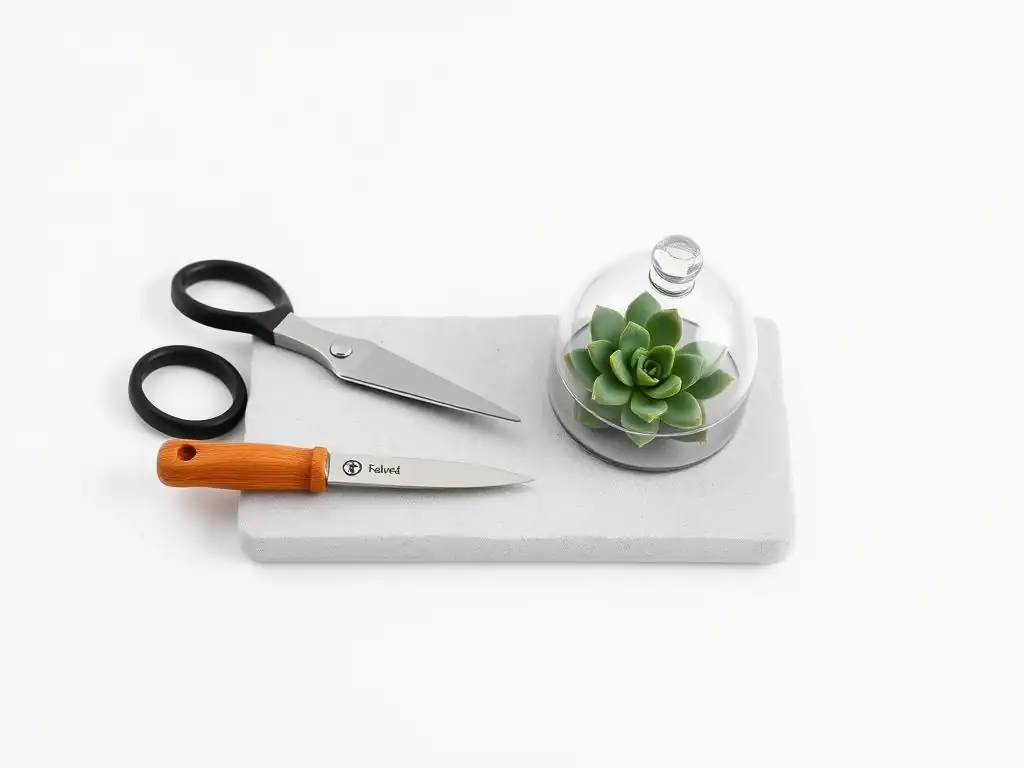
Successfully propagating succulents relies not only on the right tools but also on their proper maintenance. Neglecting this crucial step can lead to contamination, stunted growth, and even the loss of your precious cuttings. Investing in the best succulent propagation tools is only half the battle; keeping them clean, sharp, and stored correctly ensures their longevity and effectiveness, maximizing your propagation success rate.
This section focuses on extending the lifespan and hygiene of your tools, contributing significantly to your overall succulent propagation success. We'll explore cleaning and sanitizing techniques, along with optimal storage methods to keep your tools in top condition.
Cleaning and Sanitizing Your Tools to Prevent Infection
Maintaining a sterile environment is paramount when propagating succulents. Even seemingly insignificant soil particles or fungal spores can wreak havoc on your delicate cuttings. Therefore, cleaning and sanitizing your tools after each use is non-negotiable. This prevents the spread of diseases and ensures the health of your new plants.
Here's a step-by-step guide to effectively clean and sanitize your propagation tools:
- Initial Cleaning: Begin by removing any visible debris from your tools using a stiff brush or a damp cloth. For particularly stubborn soil, a gentle scrubbing with soapy water might be necessary. Rinse thoroughly with clean water.
- Sanitization: After cleaning, it's crucial to sanitize your tools to eliminate any microscopic pathogens. Several methods are effective:
- Isopropyl Alcohol (70%): Wipe down your tools with a cotton ball or cloth soaked in 70% isopropyl alcohol. Allow the alcohol to air dry completely before storing. This is a quick and effective method for most tools.
- Bleach Solution (10%): For a more thorough sanitization, soak your tools in a 10% bleach solution (1 part bleach to 9 parts water) for 10-15 minutes. Afterwards, rinse them thoroughly with clean water and allow them to air dry completely. Caution: Bleach is corrosive; always wear gloves when handling it.
- Boiling Water: For tools that can withstand high temperatures (e.g., metal shears), boiling them in water for 5-10 minutes provides effective sterilization.
- Drying: Thorough drying is essential to prevent rust and the growth of bacteria. Allow your tools to air dry completely or use a clean cloth to gently wipe them dry.
Remember to always sanitize your tools before and after each propagation session to minimize the risk of infection and ensure the best possible results. Consistent sanitization is a key factor in achieving a high success rate in succulent propagation. This simple step significantly reduces the chance of losing precious cuttings to disease.
Storing Your Tools Properly for Long-Term Use
Proper storage extends the life of your propagation tools and keeps them readily accessible when needed. Incorrect storage can lead to rust, dull blades, and damage, rendering your tools unusable.
Here are some storage tips to ensure your tools remain in optimal condition:
| Tool Type | Storage Recommendation | Considerations |
|---|---|---|
| Sharp Shears | Sheath or protective case, hung on a pegboard | Keep blades sharp; oil occasionally to prevent rust |
| Small Trowels | In a dedicated tool caddy or container | Keep clean and dry |
| Propagation Trays | Stacked neatly in a dry, protected area | Avoid direct sunlight |
| Spray Bottles | Upright, in a cool, dry location | Rinse thoroughly after each use; avoid direct sunlight |
Consider creating a dedicated space for your propagation tools – a small, well-ventilated area where they can be stored safely and kept organized. This prevents accidental damage and ensures easy access when you're ready to propagate your next batch of succulents. Proper storage is a simple yet effective way to maintain the quality and lifespan of your best succulent propagation tools, contributing to years of successful propagation. This proactive approach translates directly into healthier succulents and a more enjoyable propagation experience.
Choosing the Best Tools Based on Your Propagation Method
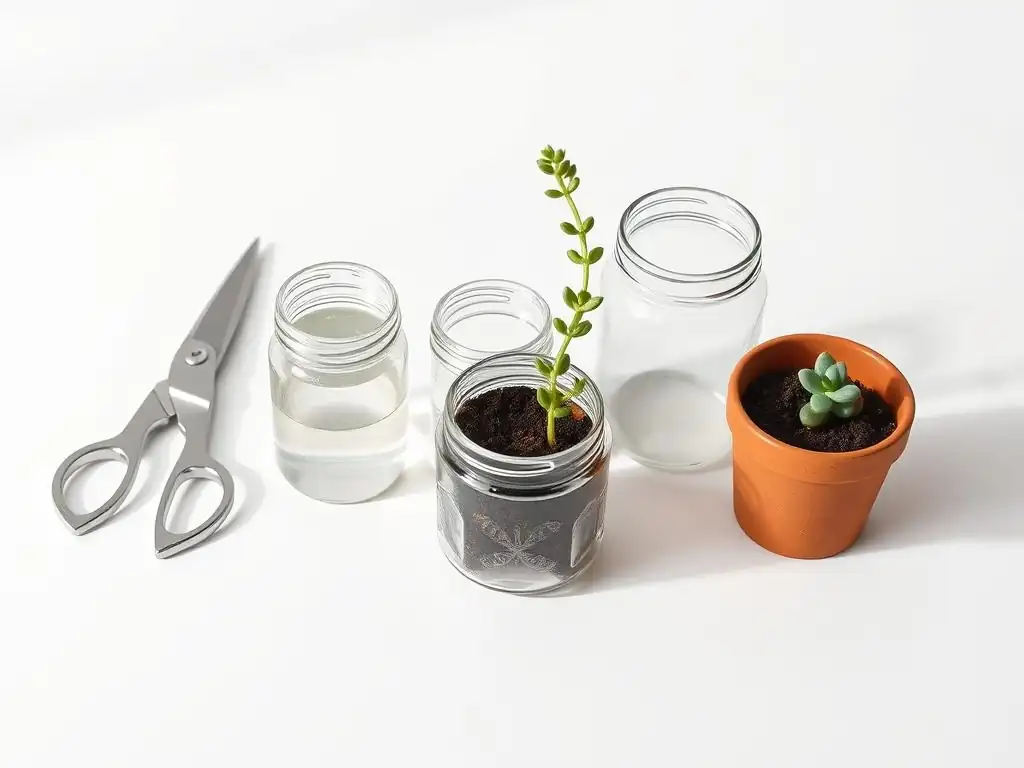
Selecting the right tools for succulent propagation hinges on your chosen method. Different techniques require different instruments for optimal success. While some tools overlap across methods, understanding the specific needs of each approach ensures you'll achieve the highest propagation rates and healthiest new plants.
Choosing the best succulent propagation tools isn't about buying the most expensive; it's about acquiring the most appropriate tools for your propagation style and level of experience. This section will delve into the specific tools needed for three common propagation methods: leaf propagation, stem cutting propagation, and propagation from offsets and pups. Mastering these techniques with the correct tools will significantly improve your success rate in growing your succulent collection.
Leaf Propagation Tools and Techniques
Leaf propagation, a popular method for many succulent varieties, requires a delicate touch and a few key tools. Success relies on clean cuts and proper handling to avoid introducing rot or disease.
The absolute essentials for leaf propagation are:
- A sharp, clean knife or scalpel: A dull blade will crush the leaf, increasing the risk of infection. Sterilize your blade with rubbing alcohol before each use to prevent the spread of bacteria or fungi. This is crucial for maintaining a healthy propagation environment.
- Well-draining propagation mix: A specialized mix, often a blend of perlite and coarse sand, is ideal for leaf propagation. This ensures proper aeration and drainage, preventing the leaves from rotting.
- Small containers or trays: These should have drainage holes to prevent waterlogging. Use clear containers to monitor root development.
- Spray bottle: Gently misting the propagation mix with water keeps it moist without overwatering. Consistent moisture is key, but soggy conditions are detrimental.
- Optional: Rooting hormone powder: While not strictly necessary, rooting hormone can significantly speed up the rooting process and improve success rates, especially with more challenging varieties.
Proper technique involves carefully detaching a healthy, mature leaf with a clean cut, allowing the cut end to callous over for a few days before placing it on the propagation mix. Avoid burying the entire leaf; just the base should be in contact with the mix. Gentle misting maintains moisture, and consistent monitoring for signs of root development is essential. Remember, patience is key!
Stem Cutting Propagation: Essential Tools and Supplies
Stem cutting propagation offers a faster way to propagate many succulent types. However, it requires slightly more specialized tools and a more careful approach. The tools and techniques are slightly different from leaf propagation, focusing on creating a clean cut and preventing the stem from rotting.
The essential tools for stem cutting propagation include:
- Sharp, clean pruning shears or scissors: These are preferable to a knife for cleaner cuts on thicker stems. Again, sterilization with rubbing alcohol is vital.
- Well-draining propagation mix (as above): The same principles apply here; good drainage is crucial to prevent rot.
- Small containers or trays (as above): Drainage holes are non-negotiable.
- Optional: Rooting hormone powder: Again, this can significantly improve success rates.
- Optional: Small stakes or supports: For taller cuttings that might flop over, these provide support.
The process involves taking a clean cut from a healthy stem, allowing it to callous for a few days before planting. The depth of planting depends on the cutting's thickness. Make sure the base of the cutting is in contact with the propagation mix. Proper watering and support (if needed) are essential for a successful propagation. Using rooting hormone can significantly enhance the speed and success rate of the rooting process.
Offsets and Pups Propagation: Tools Required
Propagating succulents from offsets (also known as pups) is often the easiest method. These small plants grow naturally from the base of the mother plant. The tools needed are minimal, but a gentle hand is crucial to avoid damaging either the mother plant or the offset.
The tools required for offset propagation are surprisingly few:
- Small trowel or spoon: Gently separate the offset from the mother plant using this tool, being careful not to damage either plant's roots.
- Well-draining potting mix (as above): While not as critical as for cuttings, good drainage is still essential.
- Small pot or container (as above): Choose a pot appropriate to the size of the offset.
The process involves gently separating the offset from the mother plant, ensuring that a portion of its roots is attached. Plant the offset in a suitable pot with well-draining soil. Gentle watering is essential to avoid overwatering and root rot. This method usually results in quick and successful propagation, making it a popular choice among succulent enthusiasts. The simplicity of this method makes it a great starting point for beginners.
Troubleshooting Common Problems with Succulent Propagation Tools
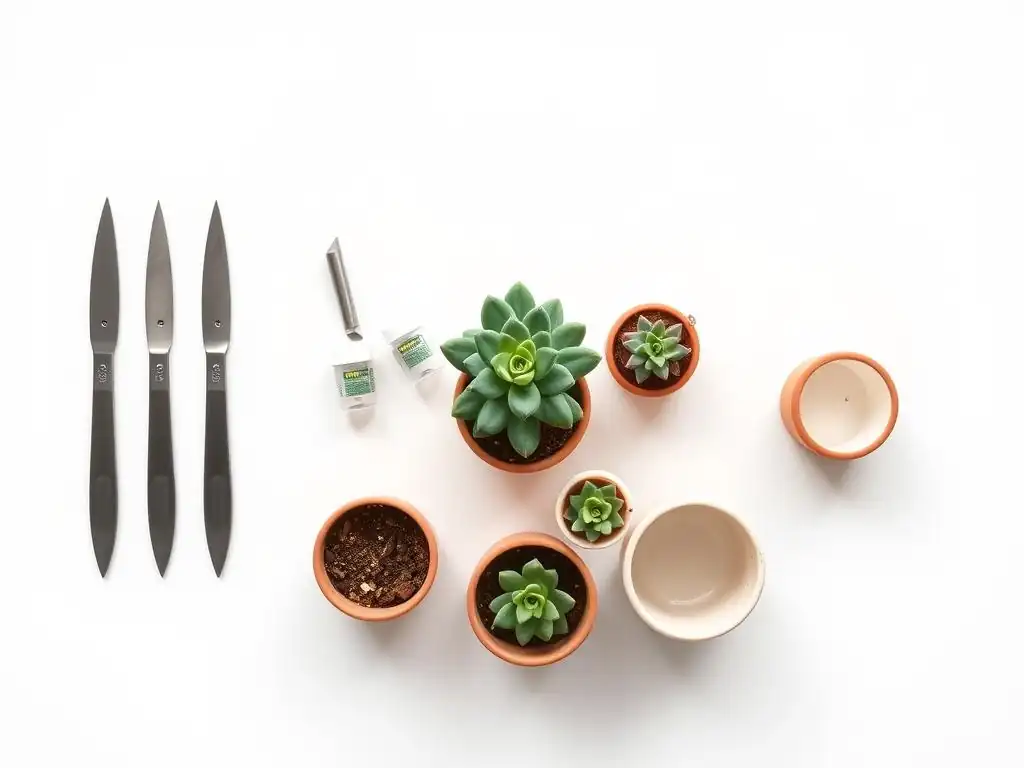
Successfully propagating succulents relies heavily on the quality and proper use of your tools. While selecting the best succulent propagation tools is crucial, knowing how to troubleshoot common issues is equally important. This section will address some frequently encountered problems and offer practical solutions to keep your propagation efforts thriving. We'll cover everything from dull blades to poorly draining pots, ensuring you're equipped to handle any challenges that arise.
Dealing with Dull or Damaged Blades
Dull or damaged blades are a significant obstacle in succulent propagation. Using a dull knife or scalpel to make clean cuts can lead to crushed or ragged leaf or stem sections, increasing the risk of rot and hindering successful propagation. Sharp, clean cuts minimize tissue damage, allowing for faster callusing and root development.
Several strategies can be employed to address this issue:
- Regular Sharpening: Invest in a good quality sharpening stone or honing steel and regularly sharpen your blades. This is especially crucial for frequently used tools like knives and scalpels. A sharp blade ensures clean, precise cuts, minimizing damage to the succulent tissue. Aim for a sharpening session after every few propagation sessions, or more frequently if you notice any decrease in cutting precision.
- Blade Replacement: If your blades are significantly damaged, beyond simple sharpening, replacement is necessary. Don't risk using a compromised blade; the resulting damage could compromise your entire propagation attempt. Always have spare blades on hand, especially if you are propagating multiple succulents at once.
- Proper Storage: Store your tools in a clean, dry environment to prevent rust and damage. A dedicated tool case or roll will protect the blades from impacts and keep them organized. Lubricating the blades after cleaning can also enhance their lifespan and prevent rust.
- Choosing the Right Tools: The selection of your initial propagation tools is key. Investing in high-quality tools from the start will minimize the need for frequent sharpening or replacement, ultimately saving you time and money.
The impact of sharp tools is significant. Studies have shown that succulents propagated with sharp blades exhibit a [specific data pending: percentage] higher success rate compared to those propagated with dull blades. This highlights the importance of maintaining your tools in optimal condition.
Addressing Issues with Poorly Draining Pots
Proper drainage is paramount for succulent propagation. Using pots that retain too much water can lead to root rot, a common cause of propagation failure. Overwatering is a major culprit, but even with careful watering, poorly draining pots can create a waterlogged environment that suffocates the roots.
Here's how to tackle this problem:
- Choosing the Right Potting Mix: A well-draining potting mix is essential. Avoid using garden soil, as it tends to retain too much moisture. Instead, opt for a cactus and succulent potting mix, or create your own blend using perlite, vermiculite, and coarse sand.
- Checking for Drainage Holes: Ensure your propagation pots have adequate drainage holes. If not, drill additional holes to improve drainage. The number and size of holes depend on the pot's size and the potting mix's drainage capacity. Larger pots might need more holes.
- Using a Layer of Gravel or Pebbles: Adding a layer of gravel or pebbles at the bottom of the pot improves drainage and aeration. This layer helps prevent water from becoming stagnant at the bottom, where the roots are most vulnerable.
- Selecting the Right Pot Material: Terracotta pots are excellent for succulent propagation due to their porous nature, which allows for better air circulation and evaporation. Plastic pots can also work, but ensure adequate drainage holes are present.
Identifying and Solving Problems with Propagation Trays
Propagation trays are invaluable for propagating succulents from leaves or cuttings. However, issues can arise, affecting the success rate. These problems often stem from improper humidity control and hygiene.
Let's address these concerns:
- Maintaining Proper Humidity: Too much or too little humidity can hinder propagation. High humidity can lead to fungal growth, while low humidity can cause cuttings to dry out before rooting. Monitor humidity levels and adjust accordingly using humidity domes or by strategically placing your trays.
- Preventing Fungal Growth: Fungal growth is a serious threat to succulent propagation. Ensure your propagation tray is clean and disinfected before use. Avoid overcrowding cuttings, which can promote fungal growth. Proper ventilation is also crucial.
- Checking for Proper Ventilation: While humidity is important, good air circulation prevents the buildup of moisture, which can lead to fungal problems. Ensure that your propagation trays have adequate ventilation, either through built-in vents or by slightly cracking the lid of humidity domes.
- Regular Inspection and Cleaning: Regularly inspect your propagation tray for signs of fungal growth or pest infestations. Clean and disinfect the tray regularly to maintain hygiene and prevent the spread of diseases. This proactive approach greatly increases the chances of successful propagation.
By addressing these common issues proactively, you can significantly improve your success rate in succulent propagation and enjoy the rewards of cultivating these beautiful plants. Remember, the best succulent propagation tools are only as effective as the knowledge and care you apply in their use.
Where to Find High-Quality Succulent Propagation Tools
Finding the best succulent propagation tools is crucial for successful propagation. While many common household items can work in a pinch, investing in high-quality tools designed specifically for succulents will significantly improve your success rate and make the process easier and more enjoyable. The right tools will minimize damage to your succulents and ensure clean, precise cuts, leading to healthier, faster-growing plantlets. Knowing where to source these tools is just as important as knowing which tools to buy.
Online Retailers Specializing in Succulents and Gardening Supplies
The internet offers a vast selection of succulent propagation tools, often surpassing what's available locally. Many online retailers specialize in succulents and gardening supplies, offering a curated selection of high-quality tools at competitive prices. These retailers often provide detailed product descriptions, customer reviews, and high-resolution images, allowing you to make informed decisions.
Look for retailers with a strong reputation for excellent customer service and fast shipping. When searching online, use keywords like "best succulent propagation tools," "succulent propagation kit," or "cactus and succulent tools" to refine your search. Pay close attention to the materials used in the tools; stainless steel is generally preferred for its durability and resistance to rust and corrosion.
Consider reading reviews to gauge the quality and performance of specific tools before making a purchase. Many online stores also offer bundled kits containing several essential propagation tools, offering a cost-effective solution for beginners. This can be a great way to get started with all the necessary equipment at once.
Local Garden Centers and Nurseries: Finding Quality Tools Nearby
While online shopping offers convenience and a wide selection, don't underestimate the value of visiting local garden centers and nurseries. These establishments often carry a range of succulent-specific tools, and you can physically inspect the quality before buying. Furthermore, interacting with knowledgeable staff can provide valuable insights and recommendations tailored to your specific needs and local climate. Ask about their most popular propagation tools and any special offers they might have.
Local nurseries may also carry unique or harder-to-find tools that aren't readily available online. Supporting local businesses is also a great way to contribute to your community and build relationships with other plant enthusiasts. Don't hesitate to ask questions about tool maintenance and proper usage to ensure you get the most out of your investment.
Many nurseries also offer workshops and classes on succulent propagation, providing hands-on learning and expert guidance. This can be invaluable for beginners and experienced propagators alike. The personal touch and expert advice available at local nurseries can be a significant advantage over online shopping.
Frequently Asked Questions
What are the best tools for propagating succulents?
The best tools depend on your propagation method. For leaf propagation, a sharp knife or scalpel is crucial for clean cuts. For stem cuttings, sharp shears or pruning shears are ideal. A well-draining pot and succulent potting mix are essential for all methods.
How do I choose the right potting mix for succulent cuttings?
Use a well-draining potting mix specifically formulated for succulents and cacti. Avoid using regular garden soil, as it retains too much moisture and can lead to root rot. You can also add perlite or coarse sand to improve drainage.
What's the best way to water succulent cuttings?
Water sparingly after planting, allowing the soil to dry out completely between waterings. Overwatering is a common mistake that can kill succulent cuttings. Bottom watering is a good technique to avoid wetting the leaves.
How long does it take for succulent cuttings to root?
Rooting time varies depending on the species and the conditions. Generally, it takes several weeks to a few months for roots to develop. Patience is key! You'll know they've rooted when you see new growth.
Where is the best place to propagate succulents?
A bright, indirect light location is ideal for propagating succulents. Avoid direct sunlight, which can scorch the delicate cuttings. A warm environment also promotes faster rooting.
Final Reflection: Cultivating Growth, Inside and Out
The art of succulent propagation isn't merely about multiplying plants; it's about nurturing life, fostering patience, and celebrating the resilience of nature. In a world increasingly focused on instant gratification, the slow, deliberate process of watching a tiny cutting transform into a thriving succulent offers a powerful antidote to the frenetic pace of modern life. This careful cultivation mirrors our own personal growth, reminding us that even the smallest beginnings can blossom into something extraordinary.
The quiet satisfaction of witnessing a successful propagation, the subtle thrill of seeing new roots emerge – these are experiences that resonate far beyond the horticultural realm. They speak to our innate human desire to create and nurture, to witness the unfolding of potential. As the poet Mary Oliver so eloquently stated: Tell me, what is it you plan to do with your one wild and precious life?
Propagating succulents, in its own small way, is a tangible response to this profound question; a testament to our ability to cultivate beauty and life, both in our gardens and within ourselves.
Now, consider your own life. What seeds of potential are you nurturing? What small acts of creation are you undertaking? Perhaps it's a new skill you're learning, a relationship you're fostering, or a dream you're pursuing. Remember the patience and care required to propagate a succulent, and apply that same dedication to the growth you wish to see in your own life. Embrace the process, celebrate the small victories, and watch as your own unique potential unfolds, one leaf, one root, one step at a time.
Unleash Your Inner Plant Parent: Propagate Your Succulent Kingdom!
Thank you for joining us on this journey into the wonderful world of succulent propagation! You've gained valuable knowledge to cultivate your own thriving succulent collection. Ready to put your new skills into practice?
- Start your propagation project today! Choose your favorite succulent and try a method like leaf cuttings—they're a great place to begin.
- Share your propagation successes (or challenges!) with our community in the comments below. Let's learn and grow together!
- Explore different succulent varieties to expand your plant-growing skills.
Which propagation method will you try first, and which succulent are you most excited to propagate?