
The Future of Succulent Soil: Innovations and Sustainable Solutions

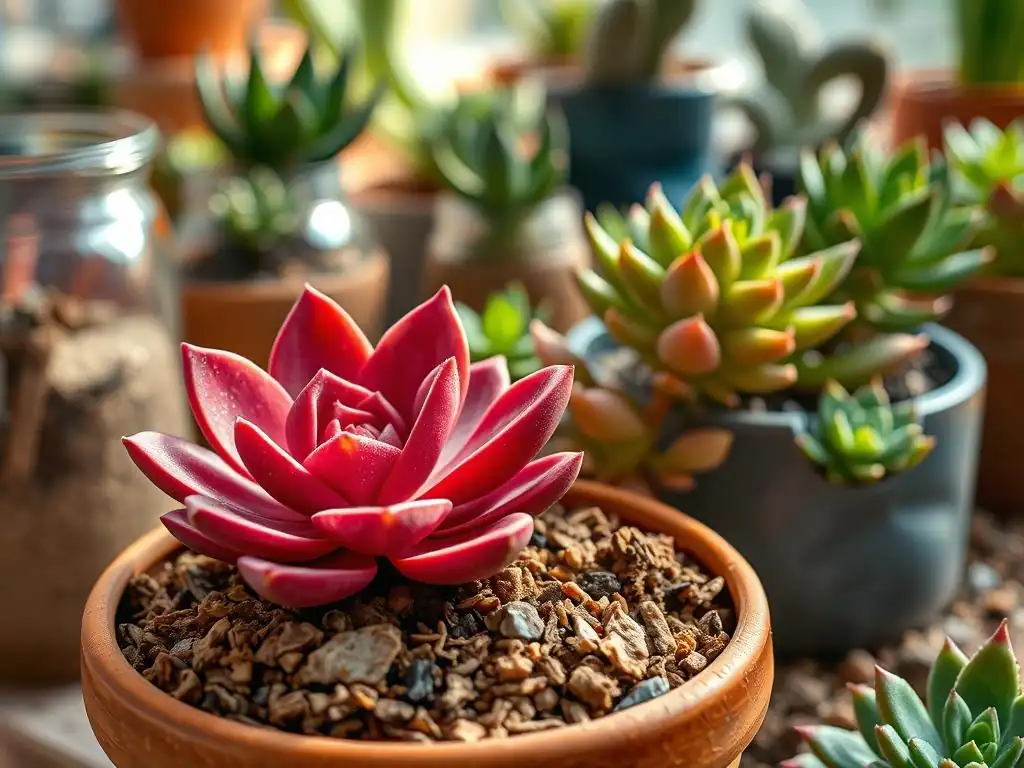
Dive into the fascinating world of succulents with SucculentEssentials.org! Are you ready to unlock the secrets to thriving succulents? We'll guide you through everything from basic care to creating breathtaking arrangements. But first, let's explore the crucial foundation of healthy succulent growth: sustainable succulent soil options. Discover innovative and eco-friendly solutions that will revolutionize your succulent care in our expert buying guide – a journey into the future of succulent soil awaits!
- Understanding the Needs of Your Succulents: Soil Composition and Drainage
- Sustainable Succulent Soil Options: Eco-Friendly Choices for Your Plants
- Innovative Soil Technologies for Optimal Succulent Growth
- The Long-Term Benefits of Sustainable Soil Practices for Succulents
- Choosing the Right Sustainable Succulent Soil: A Buying Guide
- Frequently Asked Questions About Sustainable Succulent Soil
-
Frequently Asked Questions
- What makes succulent soil different from regular potting soil?
- What are some sustainable options for succulent soil ingredients?
- How can I make my own sustainable succulent soil mix?
- Are there any benefits to using sustainable succulent soil besides environmental friendliness?
- Where can I find sustainable ingredients for my succulent soil?
- Final Reflection: Cultivating a Sustainable Future, One Succulent at a Time
- Unleash Your Inner Green Thumb: Cultivate a Thriving Succulent Garden!
Understanding the Needs of Your Succulents: Soil Composition and Drainage
Succulents, with their striking beauty and resilience, have captivated plant enthusiasts worldwide. However, even these drought-tolerant plants require specific soil conditions to thrive. This article delves into the future of succulent soil, exploring innovative and sustainable options to ensure the health and longevity of your beloved collection. We'll examine essential nutrients, the critical role of drainage, and how to analyze your current soil to identify areas for improvement.
Choosing the right soil is a crucial step in providing optimal growing conditions, preventing common problems like root rot, and contributing to a more environmentally conscious approach to succulent cultivation. Understanding your succulents' needs is paramount to creating a thriving and sustainable garden, and this guide will equip you with the knowledge to make informed decisions about your succulent soil choices. This is particularly important for those searching for sustainable succulent soil options, a growing concern amongst environmentally conscious succulent enthusiasts.
Essential Nutrients for Thriving Succulents: A Balanced Soil Mix
Succulents, unlike many other plants, don't require rich, nutrient-heavy soil. In fact, excessive nutrients can be detrimental, leading to leggy growth and increased susceptibility to pests and diseases. A well-balanced succulent soil mix should prioritize excellent drainage and aeration while providing a moderate supply of essential nutrients. The ideal mix typically consists of a combination of inorganic and organic components.
Inorganic components, such as perlite, pumice, and coarse sand, enhance drainage and aeration, preventing waterlogging that can lead to root rot. Organic components, such as coco coir or composted bark, offer a slow-release source of nutrients and help retain some moisture. The exact ratio will vary depending on the specific succulent species and climate, but a general guideline is a 1:1:1 ratio of inorganic material (perlite/pumice/sand), organic material (coco coir/compost), and a well-draining potting soil.
Avoid using garden soil, as it's often too dense and retains too much moisture. Remember, a well-draining soil is key to preventing root rot, a common problem for succulents. The right balance ensures your succulents receive the essential nutrients they need without the risk of over-fertilization.
The Importance of Drainage for Preventing Root Rot in Succulents
Proper drainage is arguably the most crucial aspect of succulent soil. Succulents are adapted to arid and semi-arid environments and are highly susceptible to root rot if their roots sit in consistently wet soil. Root rot, caused by fungal pathogens, can quickly lead to plant decline and even death. To prevent this, the soil must allow for rapid drainage of excess water.
This is where the inorganic components of the soil mix play a vital role. Perlite, pumice, and coarse sand create air pockets within the soil, allowing water to drain freely and preventing the soil from becoming waterlogged. Additionally, using pots with drainage holes is essential. Without proper drainage, even the best soil mix will be ineffective.
Consider the pot material as well; terracotta pots are porous and allow for additional evaporation, further contributing to good drainage. Regularly checking the soil moisture before watering is also crucial to avoid overwatering. Always allow the soil to dry out completely between waterings, especially during the dormant season. Prioritizing drainage is a fundamental step in sustainable succulent care, as it minimizes the need for excessive watering and reduces the risk of fungal diseases.
Analyzing Your Current Soil: Identifying Deficiencies and Excesses
Before making changes to your succulent soil, it's beneficial to assess its current composition. Analyzing your existing soil can reveal potential deficiencies or excesses that might be affecting your succulents' health. A simple visual inspection can provide initial clues. If the soil remains consistently wet, even after several days, it indicates poor drainage.
If the soil is compacted and lacks visible air pockets, it's likely too dense. If your succulents exhibit signs of nutrient deficiency (e.g., pale leaves, stunted growth), it might indicate a need for a slightly richer soil mix (though still well-draining!). Further analysis can involve a soil test, which can provide more precise information about nutrient levels and pH.
Knowing your soil's pH is crucial as succulents thrive in slightly acidic to neutral conditions. By carefully analyzing your current soil and addressing any identified issues, you can create a more tailored and effective soil mix for your succulents, fostering their healthy growth and contributing to a more sustainable gardening practice. This proactive approach prevents unnecessary soil changes and promotes efficient resource management, benefiting both your plants and the environment.
Sustainable Succulent Soil Options: Eco-Friendly Choices for Your Plants
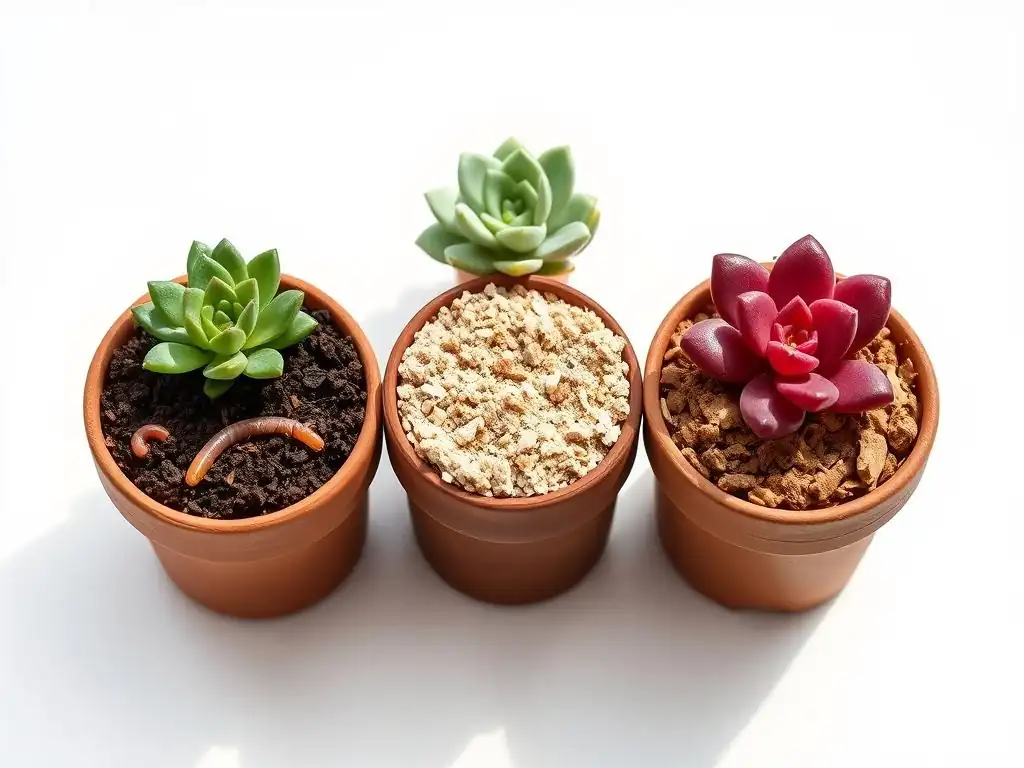
The rising awareness of environmental sustainability is influencing every aspect of our lives, including our gardening practices. Choosing sustainable succulent soil options is not just a trend; it's a responsible approach to plant care that benefits both your succulents and the planet. This section explores eco-friendly alternatives to traditional potting mixes, focusing on organic components and reduced environmental impact. We'll delve into commercially available options and guide you through creating your own custom blends, ensuring your succulents thrive while minimizing your carbon footprint. This is crucial for maintaining healthy and vibrant succulent collections in an environmentally conscious manner.
Choosing Organic and Compost-Based Potting Mixes for Succulents
Opting for organic and compost-based potting mixes significantly reduces the environmental impact associated with succulent cultivation. Traditional potting mixes often contain peat moss, a non-renewable resource whose harvesting contributes to habitat destruction. Switching to sustainable alternatives helps mitigate this issue. Furthermore, organic mixes generally improve soil structure, aeration, and water retention, leading to healthier succulents. The improved drainage also minimizes the risk of root rot, a common problem for succulents. This sustainable approach offers a win-win situation: healthier plants and a lighter environmental burden.
FoxFarm Ocean Forest Potting Soil: A Review and Analysis for Succulents
FoxFarm Ocean Forest Potting Soil is a popular choice amongst succulent enthusiasts, but its suitability needs careful consideration within a sustainable framework. While it contains a blend of organic ingredients like composted fir bark and sphagnum peat moss, the latter raises concerns about peat extraction. The high nutrient content can also be beneficial initially, but it's crucial to avoid over-fertilizing succulents, which can lead to salt buildup and root damage.
Therefore, while offering good initial growth, its long-term sustainability requires careful management and potential supplementation with more purely sustainable components as the plant matures. Analyzing the complete ingredient list and considering alternatives for peat-based components is essential for a truly sustainable approach.
Coco Coir: A Sustainable and Moisture-Retentive Option
Coco coir, a byproduct of the coconut industry, presents a compelling sustainable alternative to peat moss. It's a renewable resource, readily available, and boasts excellent water retention properties – crucial for succulents which require well-draining but not bone-dry soil. Coco coir's structure also promotes good aeration, reducing the risk of root rot.
However, it's important to note that coco coir often comes pre-treated with chemicals and requires thorough rinsing before use. Choosing untreated, organically-certified coco coir is key to ensuring a truly sustainable and plant-safe substrate. Its versatility allows for easy blending with other sustainable components, creating a customized mix perfect for your succulent's needs.
DIY Sustainable Succulent Soil Recipes: Custom Blends for Specific Needs
Creating your own succulent soil blend allows for complete control over ingredients, ensuring a truly sustainable and tailored approach. This offers the advantage of optimizing the mix for specific succulent types and their individual needs. By using readily available, sustainable materials, you can significantly reduce your environmental impact while promoting the health of your plants. Remember to always prioritize well-draining components to prevent root rot, a significant concern for succulents.
Creating a Custom Blend Using Perlite, Pumice, and Compost
A simple yet effective DIY succulent soil blend can be created using perlite, pumice, and compost. Perlite and pumice are inorganic materials that improve drainage and aeration, preventing waterlogging. Compost adds organic matter, providing essential nutrients and enhancing soil structure. A common ratio is 1:1:1 – one part perlite, one part pumice, and one part compost.
However, this can be adjusted based on the specific needs of your succulents and the type of compost used. For instance, a succulent that prefers drier conditions might require a higher proportion of perlite and pumice. Careful observation of your plants' growth and response will guide you towards the optimal blend for your specific needs.
Adding Organic Amendments: Worm Castings and Bone Meal for Nutrient Boost
To further enhance your DIY sustainable succulent soil, consider incorporating organic amendments such as worm castings and bone meal. Worm castings are a rich source of nutrients and beneficial microbes, improving soil health and promoting root growth. Bone meal provides a slow-release source of phosphorus and calcium, essential for strong root development and overall plant health. These amendments should be added sparingly, as over-fertilization can be detrimental to succulents.
Start with small amounts and monitor your plants' response, adjusting the amount as needed. Using these organic supplements provides a natural and sustainable way to boost the nutrient content of your custom soil blend. Remember to always prioritize a well-draining base to prevent root rot, irrespective of the nutrient amendments you use.
Innovative Soil Technologies for Optimal Succulent Growth
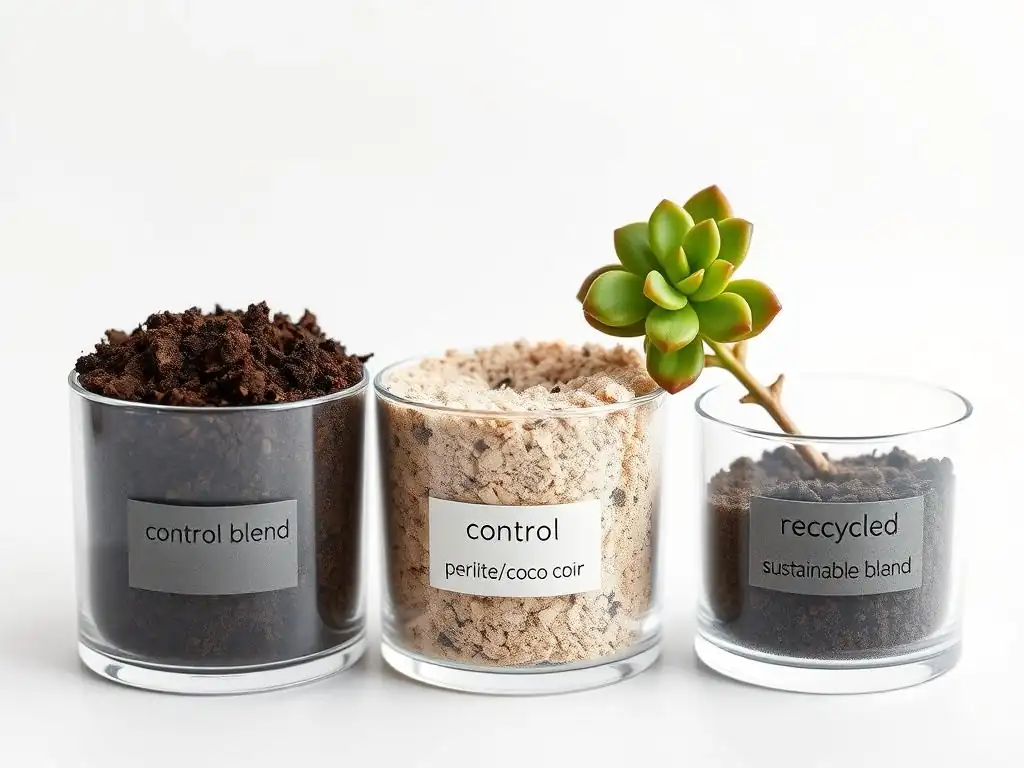
This section explores cutting-edge advancements in succulent soil technology, focusing on sustainable solutions that enhance plant health and reduce environmental impact. We'll delve into innovative materials and systems designed to optimize moisture retention, drainage, and overall soil performance, all while minimizing resource consumption. The future of succulent cultivation hinges on these advancements, enabling enthusiasts to cultivate thriving plants with greater ease and responsibility. The key is finding the right balance between water retention and aeration, a challenge that these new technologies directly address. Choosing the best sustainable succulent soil options requires understanding these innovations.
Water-Retaining Polymers: Balancing Moisture and Drainage
Water-retaining polymers, also known as superabsorbents, are synthetic materials capable of absorbing and retaining significant amounts of water. Their application in succulent soil offers a compelling solution to the challenges of inconsistent watering. These polymers act as reservoirs, gradually releasing moisture to the plant's roots, reducing the frequency of watering and minimizing the risk of overwatering or underwatering. This is particularly beneficial for succulents, which are prone to root rot in excessively moist conditions. However, it's crucial to use these polymers judiciously. Overuse can lead to overly saturated soil, defeating the purpose and potentially harming the roots.
Water Retention Crystals: Pros and Cons for Succulents
Water retention crystals, a common type of water-retaining polymer, come in various sizes and formulations. The benefits include:
- Reduced Watering Frequency: Significantly less frequent watering is needed, ideal for busy lifestyles or climates with inconsistent rainfall.
- Improved Drought Tolerance: Succulents can withstand periods of drought more effectively.
- More Consistent Moisture: Provides a more even distribution of moisture to the roots, promoting healthier growth.
However, there are potential drawbacks:
- Potential for Over-Saturation: Improper use can lead to root rot if the soil becomes too saturated. Careful consideration of the amount used is essential.
- Cost: Water-retaining polymers can add to the overall cost of the potting mix.
- Environmental Concerns: While some polymers are biodegradable, others are not, raising environmental concerns regarding their long-term impact. Choosing biodegradable options is crucial for sustainable succulent soil options.
Self-Watering Pots and Their Impact on Soil Management
Self-watering pots represent another significant innovation in succulent cultivation. These containers incorporate a reservoir system that provides a consistent supply of water to the soil, minimizing the need for frequent manual watering. This technology significantly reduces the risk of overwatering, a common problem that leads to root rot in succulents.
The self-watering system allows the roots to absorb moisture as needed, promoting healthy growth and reducing stress on the plants. This is especially beneficial for succulent enthusiasts who may be away from home for extended periods. However, it's important to select a self-watering pot with appropriate drainage to prevent waterlogging.
Lechuza Pon System: A Review of its Effectiveness with Succulents
The Lechuza Pon system is a popular example of a self-watering pot system. It utilizes a specialized substrate (Pon) that combines excellent drainage with water retention capabilities. The system's effectiveness with succulents stems from its ability to provide consistent moisture while preventing waterlogging. The Pon substrate, composed primarily of expanded clay pebbles, offers exceptional aeration, crucial for preventing root rot in succulents. The water reservoir at the bottom of the pot allows for controlled watering, minimizing the risk of overwatering.
Many users report that the Lechuza Pon system has significantly improved the health and growth of their succulents. However, the initial investment in the specialized pot and substrate may be higher compared to traditional methods. The long-term benefits, including reduced watering and improved plant health, often outweigh the initial cost, particularly for valuable or sensitive succulent varieties. It's a strong contender among sustainable succulent soil options.
Aerated Soil Blends: Improving Oxygen Flow to Roots
Succulents, with their unique water-retention capabilities, often thrive in well-aerated soils. Poorly aerated soil can lead to root rot, a common problem for succulent enthusiasts. Improving oxygen flow to the roots is crucial for healthy growth and prevents the build-up of moisture that encourages fungal diseases.
Aerated soil blends achieve this through the incorporation of larger particles that create spaces between the smaller soil particles. This improved porosity allows for better gas exchange, ensuring the roots receive sufficient oxygen. The result is a healthier root system, leading to more vigorous growth and increased resilience to disease.
This is particularly beneficial during periods of high humidity or after watering, when the risk of root rot is highest. Careful consideration of the blend's overall composition is essential; achieving the right balance between aeration and water retention is vital for optimal succulent health. Too much aeration can lead to rapid drying, while insufficient aeration can create a waterlogged environment.
Using Lava Rock and other Volcanic Materials for Improved Drainage
Lava rock, with its porous and lightweight nature, is a popular choice for improving drainage in succulent soil blends. Its irregular shape creates significant air pockets within the soil matrix, facilitating excellent oxygen circulation. Furthermore, lava rock is inert, meaning it doesn't alter the soil's pH or release harmful chemicals. This makes it a safe and effective amendment for a wide range of succulent species. Other volcanic materials, like pumice and perlite, offer similar benefits.
Pumice, while slightly denser than lava rock, still provides excellent aeration and drainage. Perlite, a volcanic glass, is incredibly lightweight and porous, contributing significantly to the overall aeration of the soil. The use of these volcanic materials, in varying proportions depending on the specific succulent and the overall soil mix, allows for a customized approach to creating the perfect aerated environment for your plants. It's crucial to remember that while these materials improve drainage, they don't retain moisture on their own. A balanced blend incorporating water-retaining components, such as coco coir or peat moss, is still necessary to prevent the soil from drying out too quickly.
Experimentation and observation are key to finding the optimal blend for your particular succulent collection and environmental conditions. Consider the climate, the pot size, and the succulent's specific water requirements when creating your custom blend. A well-aerated soil, enriched with volcanic materials, contributes significantly to the long-term health and vitality of your succulents. 🌱
The Long-Term Benefits of Sustainable Soil Practices for Succulents
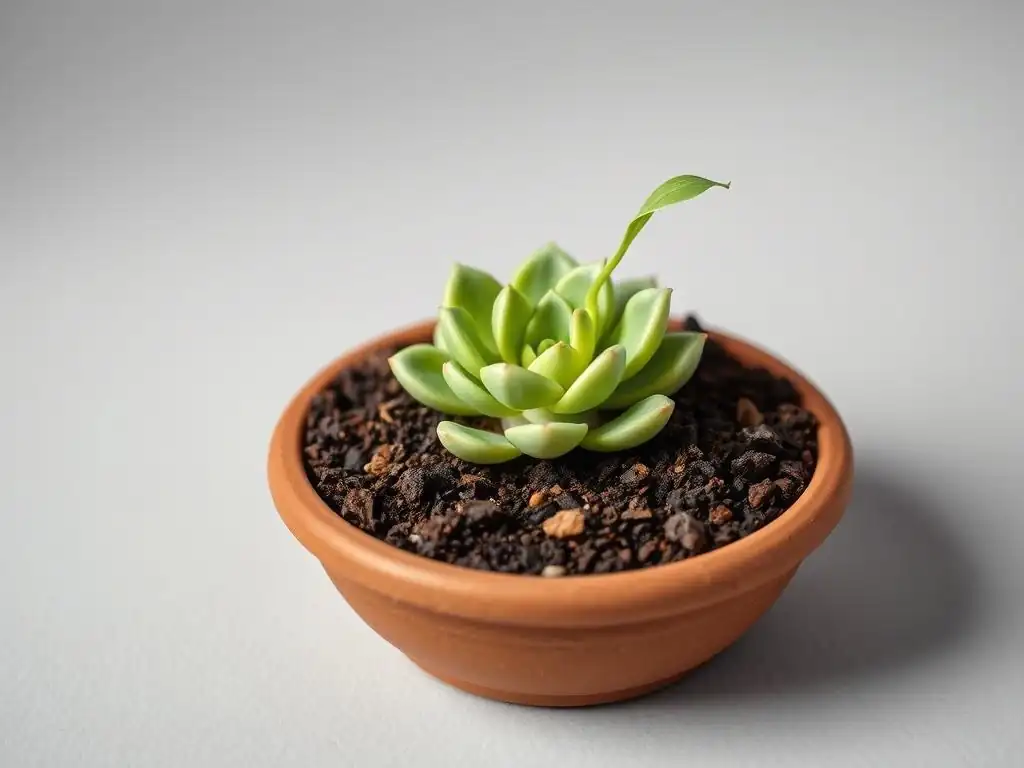
Sustainable succulent soil options offer numerous advantages beyond simply nurturing your plants. Adopting these practices contributes to a healthier environment and a more resilient, thriving succulent collection. Let's delve into the significant, long-term benefits.
Reducing Environmental Impact: Minimizing Waste and Water Consumption
Traditional succulent potting mixes often contain peat moss, a non-renewable resource whose harvesting contributes to habitat destruction and carbon emissions. Sustainable alternatives, such as coco coir (a byproduct of coconut processing), perlite (a volcanic glass), pumice, and composted materials, significantly reduce this environmental footprint. These materials are either renewable or readily available, minimizing the depletion of natural resources.
Furthermore, well-draining, sustainable mixes promote efficient water use. Succulents are prone to root rot from overwatering. A properly formulated sustainable mix allows for excellent drainage, reducing the need for frequent watering and minimizing water waste. This is crucial, especially in regions facing water scarcity. Data from [specific study on water usage in succulent cultivation pending] would further quantify the water savings achieved through sustainable soil practices.
Consider this comparison: a traditional peat-based mix might require watering every 2-3 days, while a well-designed sustainable mix could extend watering intervals to 7-10 days, depending on environmental conditions and pot size. This translates to substantial water savings over the lifespan of your succulents. The reduction in water usage directly contributes to conserving this precious resource.
Promoting Healthy Growth and Disease Resistance in Your Succulents
Sustainable succulent soil options frequently incorporate beneficial amendments like compost and worm castings. These additions enrich the soil with vital nutrients and beneficial microorganisms that enhance plant health. The improved soil structure allows for better aeration around the roots, reducing the risk of fungal diseases like root rot – a common problem in poorly draining soils.
The increased nutrient availability from organic matter in sustainable mixes supports vigorous growth and vibrant coloration in your succulents. Healthy plants are better equipped to resist pests and diseases, reducing the need for chemical interventions. A thriving succulent collection is a testament to the power of nurturing your plants with a carefully chosen, sustainable growing medium. For example, the addition of [specific beneficial bacteria or fungi commonly used in sustainable mixes pending] can significantly improve disease resistance.
Cost Savings Over Time: The Value of Investing in Quality Soil
While the initial cost of some sustainable soil components might seem higher than that of readily available peat-based mixes, the long-term cost savings are significant. Because sustainable mixes promote healthier plants and reduce the need for frequent watering and re-potting (due to better drainage and aeration), they ultimately prove more economical.
The reduced incidence of disease and pest infestations also translates to cost savings. You'll spend less on pesticides and fungicides, and avoid potential losses from plant death due to root rot or other soil-borne diseases. A well-maintained collection of thriving succulents provides significant value and aesthetic enjoyment that far outweighs any initial investment in quality, sustainable soil. The economic benefits are a testament to the long-term value proposition of responsible gardening practices. A detailed cost-benefit analysis comparing traditional and sustainable soil options over [specific timeframe, e.g., 5 years] is needed to further quantify these savings. 🪴
Choosing the Right Sustainable Succulent Soil: A Buying Guide
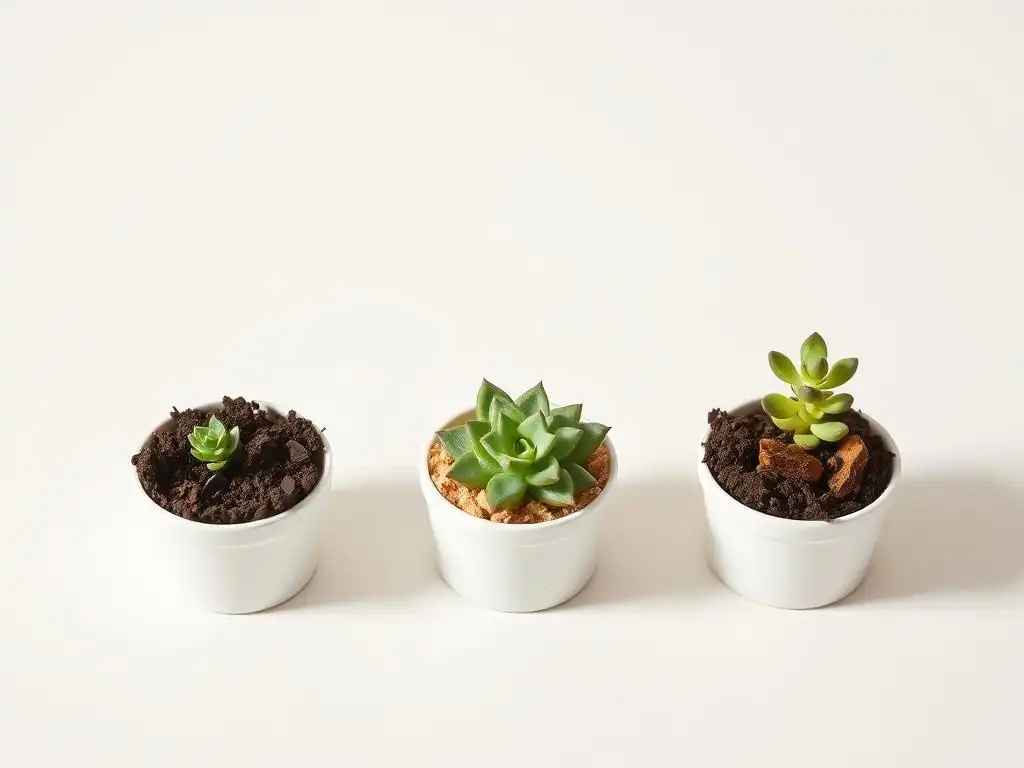
Selecting the right soil is paramount for the health and thriving of your succulents. While traditional potting mixes often contain peat moss, a non-renewable resource, the trend is shifting towards more sustainable succulent soil options. This section will guide you through the key factors to consider when making an informed decision. Choosing wisely not only benefits your plants but also contributes to a greener future for succulent cultivation.
Factors to Consider When Selecting Soil for Your Succulents
Several crucial factors influence the suitability of a sustainable succulent soil. These factors directly impact drainage, aeration, nutrient retention, and overall plant health. Let's delve into the specifics:
- Drainage: Succulents are prone to root rot if their soil remains waterlogged. Optimal drainage is achieved through a well-balanced mix of inorganic materials like perlite, pumice, and coarse sand. Look for soil blends with a high percentage of these components. The percentage should be clearly stated on the product packaging. For example, a blend boasting 50% inorganic material offers superior drainage compared to one with only 20%.
- Aeration: Good aeration ensures proper oxygen flow to the roots, vital for healthy root development. This is directly linked to the particle size and structure of the soil. Larger particles create air pockets, facilitating aeration. Avoid soils that are too fine or compact, as these can suffocate the roots. A good indicator of aeration is the soil's ability to crumble easily without becoming dense and compacted.
- Nutrient Retention: While succulents are drought-tolerant, they still require essential nutrients. Sustainable soil options often incorporate composted organic matter, providing slow-release nutrients. However, it's crucial to balance nutrient richness with drainage and aeration. Too much organic matter can compromise drainage and lead to root rot. Check the nutrient content on the packaging – a balanced NPK (Nitrogen, Phosphorus, Potassium) ratio is ideal.
- pH Level: The soil's pH level should be slightly acidic to neutral (around 6.0-7.0). This range is generally suitable for most succulent species. The packaging should specify the pH level; if not, it's advisable to contact the manufacturer. An incorrect pH can hinder nutrient uptake and affect plant growth.
- Sustainability: This is the core aspect. Look for soil mixes made with recycled materials, or those that avoid peat moss, a significant contributor to environmental damage. Consider brands committed to ethical sourcing and environmentally friendly practices. Certifications like [Specific Certification Pending] can provide assurance of sustainable production. Look for keywords like "eco-friendly," "organic," and "compost-based" on the packaging.
Comparing Different Brands and Types of Sustainable Soil Options
The market offers various sustainable succulent soil options. It's helpful to compare different brands based on their composition, sustainability credentials, and price. Here's a simplified comparison framework:
| Brand Name | Primary Ingredients | Percentage of Inorganic Material | Sustainability Claims | Price Range |
|---|---|---|---|---|
| Brand A | Perlite, pumice, composted coconut coir, worm castings | 60% | Uses recycled materials, peat-free | $$$ |
| Brand B | Pumice, coarse sand, composted bark, vermiculite | 75% | Organic, sustainably sourced ingredients | $$ |
| Brand C | Perlite, lava rock, composted manure, coco coir | 45% | Peat-free, supports local composting initiatives | $ |
Note: The above is a sample comparison; actual brand names and details may vary. Always check the product label for complete ingredient information.
Addressing Specific Needs: Soil Choices for Different Succulent Types and Environments
Different succulent types and growing environments may necessitate adjustments to your soil choice.
For example, Echeveria species, known for their fleshy leaves, generally thrive in well-draining soil with a higher proportion of inorganic materials (70-80%). Conversely, Sedum species, often more tolerant of moisture, might perform well with a slightly higher organic matter content (but still prioritize drainage! ).
Indoor succulents may require slightly different soil than outdoor ones. Indoor environments generally have less airflow, so ensuring excellent drainage is even more crucial. You might consider adding extra perlite or pumice to your indoor succulent soil mixes to enhance drainage and airflow. Conversely, outdoor succulents, especially those exposed to harsh sun and wind, might benefit from slightly more moisture retention, achieved by adding a small amount of composted organic matter.
However, always maintain a balance that prioritizes drainage to avoid root rot. Remember, observation is key! Monitor your plants closely and adjust your soil choices as needed based on their individual needs and responses. Regularly checking for signs of overwatering or underwatering is crucial for maintaining the health of your succulents.
Frequently Asked Questions About Sustainable Succulent Soil
This section addresses common queries regarding sustainable succulent soil options, focusing on practices that minimize environmental impact while maximizing plant health. Choosing the right soil is crucial for the long-term success of your succulents, and opting for sustainable solutions benefits both your plants and the planet.
How Often Should I Repot My Succulents?
Repotting frequency depends largely on the succulent's growth rate and the quality of its existing soil. Fast-growing succulents, such as Echeveria, may require repotting annually, especially if they're root-bound. Slower-growing varieties might only need repotting every two to three years. A key indicator is the root system itself.
If roots are circling the pot, or if the soil is heavily compacted and no longer drains well, it's time for a repot. Using a sustainable, well-draining soil mix from the start can extend the time between repottings, reducing waste and promoting healthier plants. Remember to always use a pot with drainage holes to prevent root rot, a common issue stemming from poor soil drainage, even in sustainable mixes.
Using a sustainable soil blend can improve the longevity of the potting mix, reducing the frequency of repotting. Properly amended soil retains moisture but avoids waterlogging, which is critical for succulent health. For example, a blend incorporating recycled materials like coco coir and perlite can provide excellent drainage and aeration while minimizing the environmental footprint of your gardening practices.
Can I Use Regular Garden Soil for My Succulents?
No, using regular garden soil for succulents is generally a bad idea. Regular garden soil is typically too dense and retains too much moisture, creating an environment ripe for root rot. Succulents thrive in well-draining, airy soil that allows excess water to escape quickly. Garden soil often lacks the necessary porosity and often contains too much organic matter, which decomposes and can compact over time, further hindering drainage.
Choosing a specialized succulent potting mix, or crafting your own using sustainable ingredients, is essential for the health and longevity of your plants. Sustainable alternatives prioritize components that enhance drainage and aeration, like perlite, pumice, or even recycled materials. This ensures proper water flow, preventing waterlogged roots and promoting robust growth.
Here's a comparison highlighting the differences:
| Feature | Regular Garden Soil | Sustainable Succulent Soil Mix |
|---|---|---|
| Drainage | Poor | Excellent |
| Water Retention | High | Moderate |
| Aeration | Poor | Excellent |
| Organic Matter | High | Varies (often lower, more controlled) |
| Sustainability | Low | High |
What are the signs of poor soil drainage in succulents?
Poor soil drainage is a major problem for succulents, often leading to root rot and eventual plant death. Several telltale signs indicate drainage issues:
- Soggy soil: The soil remains consistently wet, even days after watering.
- Yellowing or browning leaves: This indicates that the roots are not getting enough oxygen due to waterlogged soil.
- Mushy or rotting stems and roots: This is a clear sign of root rot, a serious condition caused by excessive moisture.
- Falling leaves: While this can have other causes, it is often a symptom of root issues stemming from poor drainage.
- Unpleasant odor: A foul smell coming from the soil indicates decomposition and potentially root rot.
Addressing poor drainage requires immediate action. Repotting the succulent in a well-draining, sustainable soil mix is crucial. Ensure the pot has adequate drainage holes. Consider amending the existing soil with materials that improve aeration and drainage, such as perlite or pumice. Adjust your watering habits to avoid overwatering. Regularly checking the soil moisture level before watering is essential to prevent future problems. Early detection and intervention are key to saving your succulents from the devastating effects of poor drainage. Remember, a sustainable approach to soil management not only promotes plant health but also minimizes environmental impact.
Frequently Asked Questions
What makes succulent soil different from regular potting soil?
Succulents need well-draining soil to prevent root rot. Regular potting soil retains too much water, which is detrimental to succulents. Therefore, succulent soil mixes usually incorporate inorganic materials like perlite or pumice to increase drainage.
What are some sustainable options for succulent soil ingredients?
Instead of peat-based mixes, consider using compost, worm castings, and coco coir as organic components. For inorganic drainage, opt for recycled perlite or pumice.
How can I make my own sustainable succulent soil mix?
A simple recipe includes 1 part compost, 1 part coco coir, and 2 parts inorganic material (perlite or pumice). Always ensure excellent drainage by testing the mix before planting.
Are there any benefits to using sustainable succulent soil besides environmental friendliness?
Yes! Sustainable mixes often improve soil structure and aeration, leading to healthier root systems and thriving succulents. They can also be more cost-effective in the long run.
Where can I find sustainable ingredients for my succulent soil?
Many online retailers and local nurseries now offer sustainable options. You can also source ingredients like compost from your own yard waste or community composting programs.
Final Reflection: Cultivating a Sustainable Future, One Succulent at a Time
The quest for sustainable succulent soil options is not merely a niche hobbyist pursuit; it's a vital step towards a broader ecological consciousness. Our choices in even the smallest aspects of gardening directly impact the environment, and the burgeoning popularity of succulents necessitates a responsible approach to their cultivation. Ignoring the environmental impact of our gardening practices is no longer an option; we must actively seek solutions that minimize our footprint.
The shift towards sustainable succulent soil profoundly reflects a growing awareness of our interconnectedness with the natural world. We are moving beyond simply admiring the beauty of these resilient plants to understanding the intricate ecosystems they inhabit and our role in preserving them. This awareness extends beyond the individual plant to encompass the larger implications of resource consumption and waste management. The earth provides enough to satisfy every man's needs but not every man's greed.
- Mahatma Gandhi. This quote underscores the importance of mindful consumption and responsible resource management, principles that are central to the sustainable cultivation of succulents.
Consider the impact of your choices. Will you continue to rely on unsustainable practices, or will you actively seek out and champion eco-friendly alternatives? The future of succulent cultivation, and indeed, the health of our planet, depends on our collective commitment to sustainable practices. Embrace the challenge, explore innovative soil solutions, and become a steward of a greener, more vibrant future for these captivating plants and the world around us.
Unleash Your Inner Green Thumb: Cultivate a Thriving Succulent Garden!
Thanks for exploring the exciting world of succulent cultivation with us! You've gained valuable insights into creating the perfect environment for your plants. Ready to put this knowledge into practice?
- Craft your ideal succulent soil mix: Experiment with different ratios of ingredients, tailoring your blend to the specific needs of your succulents. This is key to vibrant, healthy growth!
- Share your success: Post a photo of your custom soil mix on social media using #SucculentEssentialsSoil for a chance to be featured!
- Explore advanced succulent care: Dive deeper into our website's resources for expert tips on watering, lighting, and pest control.
What soil solutions will you try first to elevate your succulent collection?