
Succulent Sanctuaries: Exploring Ancient Cultivation Sites and Their Stories

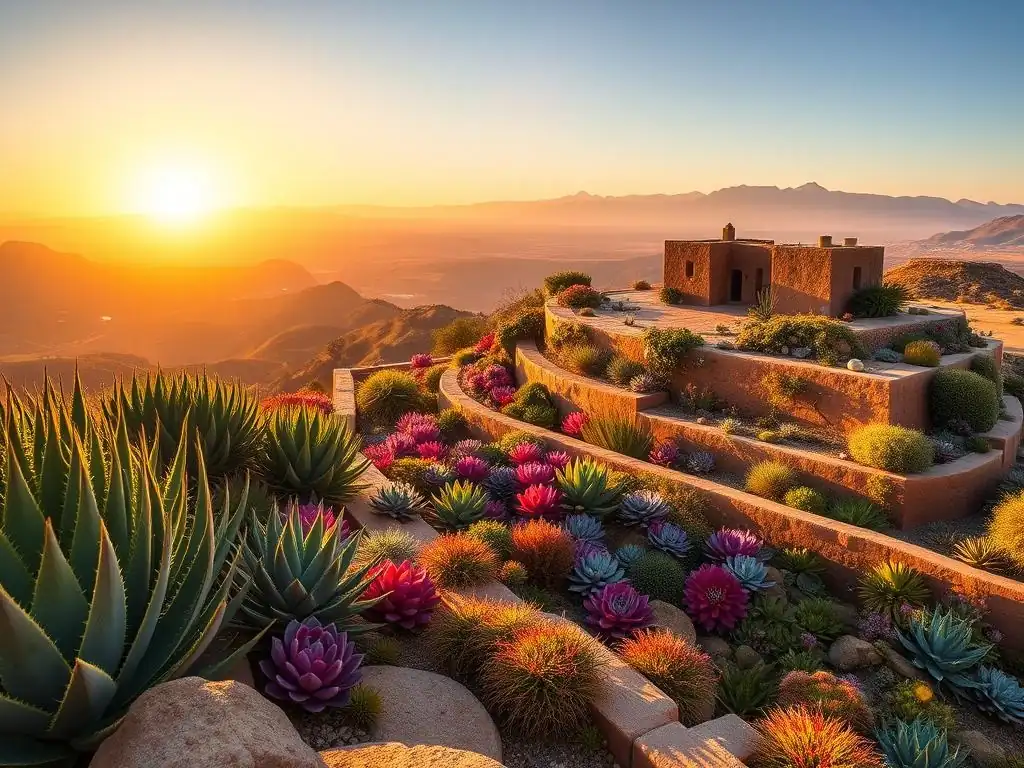
Welcome to SucculentEssentials.org, where the fascinating world of succulents unfolds before you! Prepare to be captivated by the beauty and resilience of these remarkable plants. But did you know their story stretches back further than you might imagine? Journey with us as we delve into the Ancient succulent cultivation history, uncovering secrets from forgotten gardens and exploring the rich heritage behind these captivating succulents. Discover the surprising past and unlock the potential of your own succulent sanctuary – your exploration begins now!
- Unveiling the Ancient History of Succulent Cultivation
- Ancient Succulent Cultivation Sites: A Global Perspective
- The Enduring Legacy: Ancient Succulent Cultivation and Modern Practices
- Tools and Resources for Exploring Ancient Succulent History
- Cultivating Your Own Ancient-Inspired Succulent Garden
-
Frequently Asked Questions
- What is the earliest evidence of succulent cultivation?
- Were succulents cultivated in ancient civilizations besides Egypt?
- What role did succulents play in ancient cultures?
- How did ancient cultivation techniques compare to modern methods?
- Where can I learn more about the history of succulent cultivation?
- Final Reflection: Echoes of the Desert, Seeds of the Future
- Unearth Your Own Succulent Story!
Unveiling the Ancient History of Succulent Cultivation
The captivating world of succulents extends far beyond the trendy terrariums and modern garden designs we see today. Their resilience and beauty have captivated humans for millennia, playing significant roles in various ancient cultures across the globe. This exploration delves into the fascinating history of succulent cultivation, uncovering evidence of their use in ancient civilizations and revealing the rich tapestry of traditions woven around these remarkable plants.
From the arid landscapes of ancient Egypt to the vibrant rituals of the Aztecs, the story of succulents is intertwined with human history, reflecting our enduring relationship with the natural world and our ingenuity in adapting to diverse environments. Understanding this ancient history not only enriches our appreciation for succulents but also provides valuable insights into the sustainable cultivation practices employed by our ancestors, many of which remain relevant today.
We will uncover how these hardy plants weren't merely decorative elements, but held deep cultural and practical significance, shaping the landscapes and beliefs of past societies. 🌱
Tracing the Roots: Early Evidence of Succulent Use in Ancient Egypt
Ancient Egypt, renowned for its advanced civilization and sophisticated agricultural practices, offers some of the earliest glimpses into succulent cultivation. While specific records detailing widespread succulent cultivation are scarce, archaeological evidence suggests their presence in various contexts. Paintings and carvings depicting flora in tombs and temples may include succulents, although definitive identification is often challenging due to artistic limitations and the passage of time.
Furthermore, the discovery of succulent-like plants in ancient Egyptian burial sites hints at their potential use in funerary rituals or as symbolic representations. The arid climate of Egypt made drought-resistant plants like succulents particularly valuable, possibly leading to their use in gardens or medicinal applications.
Further research and analysis of archaeological findings are needed to fully understand the extent of succulent cultivation and use in ancient Egypt, but the existing evidence points towards a significant, albeit currently under-researched, role for these plants in this ancient society. More detailed botanical analysis of preserved plant matter from this period is crucial to confirm these initial findings.
Succulent Cultivation Practices in Ancient Rome: Techniques and Tools
The Romans, known for their impressive horticultural achievements, incorporated a variety of plants into their gardens and landscapes. While detailed accounts of specific succulent cultivation techniques are limited, evidence suggests that Romans cultivated succulents, likely for both ornamental and practical purposes. Their advanced understanding of irrigation and soil management would have been applicable to succulent cultivation. Pottery fragments and tools unearthed from Roman sites may provide further clues about the specific methods used to grow and care for succulents.
It is likely that Romans used similar techniques to those employed with other drought-tolerant plants, possibly incorporating raised beds, terracing, and sophisticated drainage systems to optimize growing conditions. We can infer that the Romans, who valued beauty and practicality in their gardens, would have appreciated the aesthetic appeal and hardiness of succulents. However, more research is needed to specifically detail Roman succulent cultivation practices and the tools they employed.
The Role of Succulents in Ancient Aztec Rituals and Ceremonies: Use of Echeveria in religious offerings
The Aztecs, a sophisticated civilization of Mesoamerica, integrated various plants into their rich cultural and religious practices. Among these plants, several succulent species, particularly those within the Echeveria genus, played a notable role in rituals and ceremonies. Evidence suggests that Echeveria succulents were used in offerings to deities, potentially symbolizing resilience, endurance, or the cyclical nature of life and death.
Their striking appearance and ability to thrive in harsh conditions may have lent them symbolic significance within Aztec cosmology. The specific ways in which Echeveria were used in religious ceremonies are still being uncovered through ongoing archaeological research and interpretations of ancient texts.
The vibrant colors and unique forms of these succulents likely made them visually appealing for ceremonial uses, further highlighting their importance in Aztec culture. Detailed analysis of archaeological findings and further investigation of historical sources are essential to fully illuminate the role of succulents, specifically Echeveria, in the complex religious world of the Aztecs.
Ancient Succulent Cultivation Sites: A Global Perspective
This section delves into the fascinating history of succulent cultivation in ancient civilizations, exploring evidence of their presence and significance in various cultures across the globe. While definitive records are scarce, archaeological findings and historical interpretations offer glimpses into the ancient world's relationship with these resilient plants. Our investigation focuses on specific sites and the succulent species likely cultivated there, highlighting their potential roles in ancient societies, from medicinal uses to aesthetic appreciation. Understanding this "ancient succulent cultivation history" offers a richer perspective on our current appreciation for succulents and their enduring appeal.
Exploring the Lost Gardens of Pompeii: Sedum species
The eruption of Mount Vesuvius in 79 AD tragically buried the Roman city of Pompeii, preserving a snapshot of daily life in the ancient world. Among the remarkably preserved ruins, evidence suggests the presence of succulent plants, specifically species within the Sedum genus. Analysis of preserved plant matter and artwork found in Pompeian homes and gardens points to the cultivation of these drought-tolerant plants. Their hardiness would have made them ideal for the Mediterranean climate, requiring minimal watering and thriving in the often-sunny conditions.
Several factors suggest the importance of Sedum in Pompeian gardens:
- Ornamental Value: The vibrant colors and varied forms of Sedum would have added visual interest to gardens and domestic spaces. Paintings and mosaics from Pompeii depict plants with characteristics consistent with Sedum, hinting at their aesthetic appeal.
- Medicinal Properties: Many Sedum species possess medicinal properties, known to ancient civilizations. The Romans were renowned for their advanced understanding of herbal remedies, making the cultivation of such plants highly plausible. [Specific medicinal uses of Pompeian Sedum species pending further research].
- Practical Applications: Some Sedum species were used traditionally for various practical purposes, such as wound healing or food. [Further research needed to determine if these uses were prevalent in Pompeii].
The discovery of Sedum remnants in Pompeii underscores the integration of succulents into the daily life and aesthetic sensibilities of ancient Roman society. Their presence in gardens suggests a level of horticultural sophistication and an appreciation for the unique qualities of these resilient plants, adding another layer to our understanding of "ancient succulent cultivation history".
The Significance of the Hanging Gardens of Babylon in Succulent History: Depictions in ancient art
The legendary Hanging Gardens of Babylon, one of the Seven Wonders of the Ancient World, remain shrouded in mystery. While their exact location and precise construction are debated, their descriptions in ancient texts paint a picture of a lush, multi-tiered paradise. While no direct evidence confirms the presence of succulents, the arid climate of Mesopotamia and the descriptions of drought-resistant vegetation make it plausible that succulents, such as various species of Aloe or Sedum, played a role in this iconic garden.
The lack of concrete archaeological evidence necessitates relying on indirect sources to infer the presence of succulents. Depictions in ancient Babylonian art, particularly those focusing on flora and fauna, could offer clues. Analyzing these artistic representations for plants with characteristics similar to succulents could reveal subtle evidence of their cultivation. However, identifying succulents in ancient artwork requires careful examination and expertise in both botanical identification and art history.
This process requires meticulous comparison of artistic depictions with known succulent species. [Detailed analysis of relevant Babylonian artwork pending]. The challenge lies in distinguishing between artistic license and accurate botanical representation. Further research into "ancient succulent cultivation history" in this region is crucial for a more complete understanding.
Archaeological discoveries continue to shed light on the role of succulents in various ancient cultures. While direct evidence of cultivation is often limited due to the perishable nature of plant material, indirect evidence such as pollen analysis, seed remains, and depictions in art provide valuable insights. Several ongoing research projects are focused on uncovering more information about ancient succulent use, including:
| Region | Potential Succulent Species | Evidence Type | Research Status |
|---|---|---|---|
| Ancient Egypt | Aloe vera, Euphorbia | Mural paintings, medicinal texts | Ongoing |
| Pre-Columbian Americas | Various cacti, Agave | Archaeological remains, ethnobotanical studies | Limited published data |
| Ancient Greece | Sedum, Sempervivum | Literary references, pottery fragments | Preliminary findings |
The study of "ancient succulent cultivation history" is a dynamic field. New discoveries and advanced analytical techniques are constantly refining our understanding of the relationship between ancient civilizations and succulents. The interdisciplinary nature of this research, combining botanical expertise, archaeology, and historical analysis, is essential for uncovering the hidden histories of these remarkable plants. The ongoing efforts to unearth and interpret these clues promise to reveal more about the rich tapestry of ancient succulent cultivation practices around the world. 🌵
The Enduring Legacy: Ancient Succulent Cultivation and Modern Practices
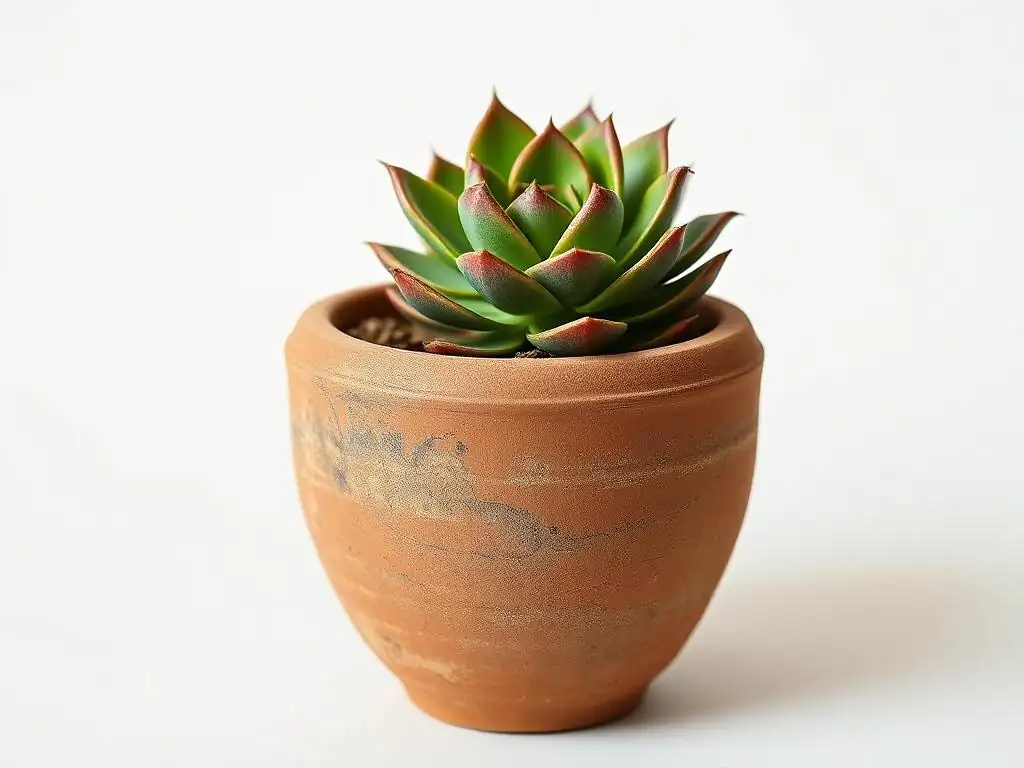
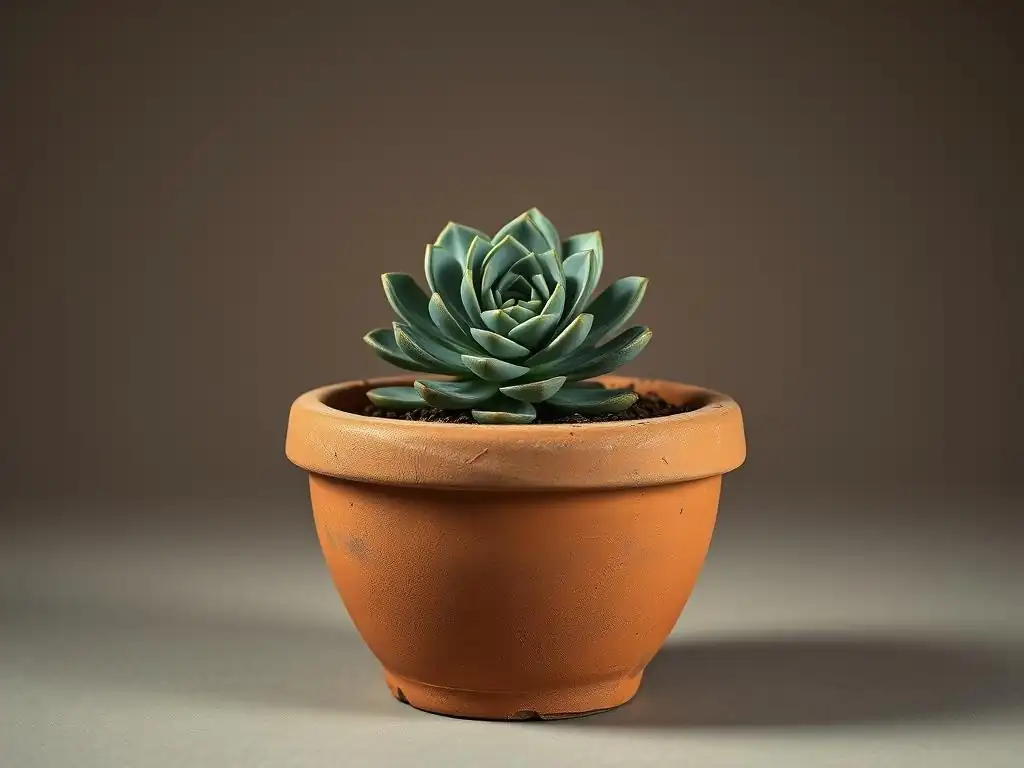
The history of succulent cultivation stretches back millennia, far beyond the current wave of popularity. Evidence suggests that various cultures, independently and across vast geographical distances, recognized the unique properties and aesthetic appeal of succulents long before written records. This ancient relationship between humans and succulents offers valuable insights into sustainable gardening practices and informs our modern approaches to succulent care.
Understanding this legacy allows us to appreciate the depth of our connection with these fascinating plants and fosters a more mindful approach to their cultivation. The enduring appeal of succulents lies not only in their beauty but also in the rich tapestry of human history woven into their cultivation. Their resilience, mirroring the perseverance of ancient civilizations, resonates with contemporary gardeners seeking low-maintenance, yet visually stunning, additions to their landscapes.
Lessons from the Past: Applying Ancient Techniques to Modern Succulent Care
Ancient civilizations, lacking the advanced technologies we enjoy today, developed ingenious methods for succulent propagation and care. For instance, indigenous communities in the arid regions of Mexico perfected techniques for water harvesting and soil amendment to support succulent growth in harsh environments. These practices often involved careful observation of natural patterns, mimicking the plant's natural habitat to create optimal growing conditions.
They understood the importance of well-draining soil, a crucial factor often overlooked by modern succulent enthusiasts. By studying these traditional methods, we can refine our own approaches, reducing water consumption and promoting healthier plant growth. Consider, for example, the ancient practice of using volcanic rock for drainage—a technique that remains highly relevant in modern succulent potting mixes.
The wisdom of these ancient gardeners offers a pathway to more sustainable and effective succulent care. This resonates with the growing interest in eco-friendly gardening practices, emphasizing minimal resource usage and maximal plant health.
Preserving Ancient Knowledge: Ethnobotanical Studies of Succulents
Ethnobotany, the study of the relationship between people and plants, plays a crucial role in understanding the ancient cultivation of succulents. Researchers are actively documenting traditional knowledge associated with specific succulent species, uncovering valuable information on propagation techniques, medicinal uses, and cultural significance. This work is essential for preserving cultural heritage and ensuring the sustainable use of these plants. For example, studies on the use of succulents in traditional medicine highlight their potential for modern pharmaceutical applications.
These ethnobotanical studies also help us understand the ecological context in which these plants thrived, providing crucial insights for conservation efforts. The meticulous documentation of ancient practices and their continued relevance in modern contexts is essential for safeguarding biodiversity and respecting the cultural heritage associated with succulent cultivation. The preservation of this knowledge is paramount for future generations to appreciate and benefit from the rich history of human-succulent interactions.
Modern Interpretations: Designing Gardens Inspired by Ancient Succulent Cultivation
The aesthetic principles underlying ancient succulent gardens continue to inspire contemporary landscape design. Ancient civilizations often incorporated succulents into intricate patterns and designs, reflecting their cultural and spiritual beliefs. These designs often emphasized the interplay of textures, colors, and forms, creating visually striking arrangements that are both functional and aesthetically pleasing. Modern interpretations of these ancient gardens incorporate elements such as xeriscaping (water-wise landscaping) and the use of native succulents to create sustainable and visually appealing spaces. The integration of succulents into contemporary garden designs not only provides aesthetic value but also promotes biodiversity and environmental sustainability. By mimicking the resourcefulness and aesthetic sensibility of ancient civilizations, we can create gardens that are both beautiful and environmentally responsible, echoing the enduring legacy of ancient succulent cultivation. This approach aligns with the growing trend towards sustainable and eco-conscious landscaping, reflecting a deeper appreciation for the historical and ecological significance of succulents.
Tools and Resources for Exploring Ancient Succulent History
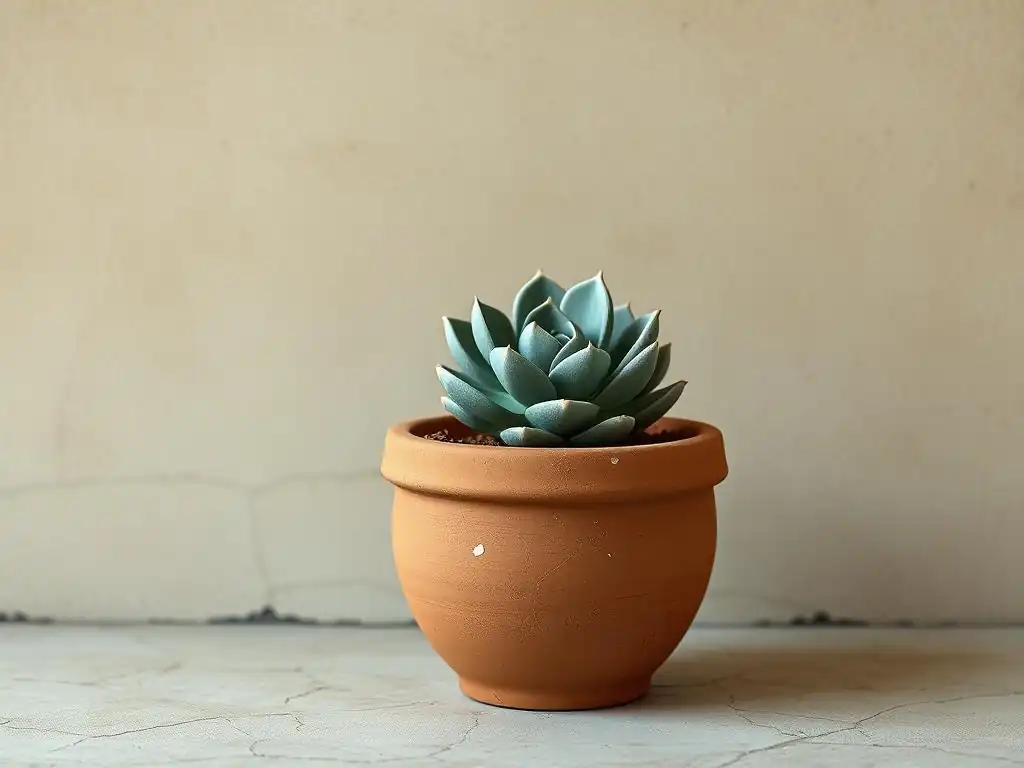
This section delves into the practical resources available to anyone interested in delving deeper into the ancient succulent cultivation history. Understanding the history of succulent cultivation requires a multi-faceted approach, combining historical texts, archaeological findings, and expert analysis. Let's explore some key avenues for research.
Recommended Books on Ancient Horticulture and Succulent Cultivation
Finding books specifically dedicated to ancient succulent cultivation can be challenging, as the topic often intersects with broader studies of ancient horticulture and ethnobotany. However, several excellent resources offer valuable insights. A good starting point involves searching for books on ancient gardening practices in specific regions known for their succulent diversity, such as the Mediterranean, the Americas, or parts of Africa.
For instance, a book focusing on ancient Greek or Roman agriculture might contain references to succulent plants used for medicinal or ornamental purposes. Similarly, books on pre-Columbian agriculture in the Americas could shed light on the cultivation of cacti and other succulents by indigenous cultures. These books often include detailed illustrations and descriptions of ancient agricultural techniques, which can provide context for understanding how succulents were grown and utilized.
Remember to look for scholarly works, often published by university presses or reputable academic publishers, to ensure accuracy and reliability. Pay attention to the author's credentials and the book's bibliography to gauge its academic rigor.
Essential Reading: Journals and Academic Papers on Ancient Succulent Use
While books offer a broad overview, academic journals and papers provide more focused and in-depth analysis of specific aspects of ancient succulent cultivation history. These publications often present the results of original research, including archaeological findings, botanical analyses, and historical interpretations.
Databases like JSTOR, Project MUSE, and Google Scholar are invaluable resources for locating relevant articles. Search using keywords such as "ancient succulent cultivation," "ethnobotany of succulents," "archaeobotany of succulents," or specific geographical locations combined with "succulent use." You'll find peer-reviewed articles detailing the discovery of succulent remains at ancient sites, analyses of ancient tools used for cultivating succulents, and interpretations of their cultural significance. Be prepared to sift through many articles, as the specific focus on succulents in ancient contexts might be embedded within larger studies on ancient agriculture or plant use.
Remember to critically evaluate the methodology and conclusions presented in these papers. Look for evidence supporting claims and consider potential biases. The use of multiple sources and cross-referencing information is crucial for a comprehensive understanding.
Explore Further: Museums and Collections Featuring Ancient Succulent Artifacts
Museums and archaeological collections around the world hold invaluable artifacts related to the ancient succulent cultivation history. These artifacts, ranging from ancient tools used in cultivation to depictions of succulents in art, offer tangible evidence of past interactions with these plants.
Many museums with collections related to ancient civilizations—such as Egyptian, Roman, or Mesoamerican cultures—may possess artifacts indirectly linked to succulent use. For example, remnants of ancient irrigation systems or depictions of plants in frescoes or pottery could provide clues about succulent cultivation practices. Museum websites and online databases often allow you to search their collections based on keywords, making it easier to locate relevant artifacts.
Contacting museum curators directly can also be beneficial in accessing specialized information or research. Visiting these museums in person allows for a more immersive and detailed study of the available artifacts, and provides a tangible connection to the ancient succulent cultivation history. Don't forget to check for any accompanying educational materials or scholarly publications that might be available at the museum.
Cultivating Your Own Ancient-Inspired Succulent Garden
This section delves into the practical aspects of recreating the spirit of ancient succulent cultivation in your own garden. While we can't perfectly replicate the conditions of millennia past, we can draw inspiration from known historical practices and the natural habitats of these resilient plants. Understanding the ancient approaches to cultivation provides a deeper appreciation for these fascinating plants and informs modern care techniques. The key to success lies in mimicking the environments where succulents naturally thrived.
Choosing the Right Succulents for an Ancient-Inspired Garden
Selecting the appropriate succulents is crucial for achieving an authentic aesthetic. Ancient civilizations likely cultivated species readily available in their regions. Consider the climate and soil conditions of your chosen historical period and location when making your selections.
For example, if you're inspired by the succulent gardens of ancient Mesoamerica, you might focus on species like Echeveria, Sedum, and Dudleya, known for their hardiness and adaptability to arid conditions. These succulents, with their diverse forms and colors, can evoke a sense of the ancient world. Conversely, if you're envisioning a Mediterranean-inspired garden, consider incorporating Sempervivum (houseleeks), renowned for their resilience and historical association with ancient cultures.
Think about the visual impact you want to achieve. Ancient gardens were often structured and symbolic, so consider incorporating succulents with contrasting textures and colors to create visual interest and depth. A balance of rosette-forming succulents, trailing varieties, and upright specimens can create a dynamic and historically inspired display. Remember to research the specific needs of each succulent species to ensure their long-term health and flourishing. Careful selection is paramount to the success of your ancient-inspired succulent sanctuary.
Creating a Historically Accurate Succulent Arrangement
The arrangement of your succulents is equally important in capturing the essence of ancient cultivation practices. Ancient cultures often placed significant symbolic meaning in the placement and arrangement of plants. While the exact methods are often lost to time, we can infer some principles from archaeological findings and surviving artistic depictions.
For instance, symmetrical layouts and the use of geometric patterns were common in many ancient cultures. Consider using raised planters or terracing to mimic the ancient techniques used to conserve water and optimize sunlight exposure. Pottery styles from the relevant historical period can further enhance the authenticity of your garden.
Consider the use of companion plants. While the precise combinations used in ancient gardens remain largely unknown, research suggests that certain plants were cultivated together for practical reasons, such as pest control or soil improvement. The integration of carefully chosen companion plants alongside your succulents can create a more holistic and historically informed display. Remember to research the specific needs of each plant to ensure compatibility and avoid competition for resources. A well-researched and thoughtfully arranged garden will evoke a strong sense of time and place.
Preserving Your Ancient-Inspired Succulent Collection
Preserving your carefully curated collection requires attention to detail and understanding of succulent care. Regular inspection for pests and diseases is crucial. Early detection and treatment are key to preventing widespread damage. Proper watering is also essential; overwatering is a common cause of succulent death. The frequency of watering depends on the specific species, climate, and season. Thorough research and careful observation will help you determine the optimal watering schedule for your collection.
Maintaining a healthy environment is also crucial for long-term preservation. Ensure adequate sunlight exposure, especially for sun-loving succulents. Proper drainage is equally important to prevent root rot. Consider using well-draining potting mixes specifically formulated for succulents.
Record-keeping can prove invaluable in tracking the health and growth of your plants, aiding in future care decisions. Documenting your collection, including species names, planting dates, and any notable observations, will contribute to its long-term preservation and provide valuable insights for future generations of succulent enthusiasts. By diligently following these preservation techniques, you can ensure the longevity and beauty of your ancient-inspired succulent garden.
Frequently Asked Questions
What is the earliest evidence of succulent cultivation?
Evidence suggests succulents were cultivated as early as the ancient Egyptian era, with depictions found in tomb paintings and artifacts. These depict succulents being used for both ornamental and medicinal purposes.
Were succulents cultivated in ancient civilizations besides Egypt?
Yes! Ancient Romans and Greeks also cultivated succulents, using them in gardens and medicinal practices. Evidence suggests their cultivation spread throughout the Mediterranean.
What role did succulents play in ancient cultures?
Succulents held significant cultural and practical value. They were used for medicinal purposes, ornamental displays, and sometimes even as food sources depending on the species.
How did ancient cultivation techniques compare to modern methods?
Ancient methods often relied on natural conditions and basic propagation techniques. Modern methods utilize a greater understanding of soil science, irrigation, and pest control.
Where can I learn more about the history of succulent cultivation?
You can find more information through archaeological research papers, botanical studies, and historical texts related to ancient civilizations and their interactions with plants. Museums often feature relevant artifacts as well.
Final Reflection: Echoes of the Desert, Seeds of the Future
The meticulous cultivation of succulents, far from being a modern trend, boasts a history as rich and layered as the plants themselves. These resilient beauties, thriving in harsh environments, mirror the tenacity of the cultures that nurtured them for millennia, a legacy that continues to resonate today. Their enduring presence speaks to our innate connection with the natural world and the enduring power of human ingenuity in adapting to challenging landscapes.
The discovery of ancient succulent cultivation sites offers a profound glimpse into the past, revealing not only horticultural practices but also the deeply intertwined relationship between people and their environment. These sites are silent witnesses to generations of knowledge passed down, a testament to the enduring human spirit. The earth laughs in flowers.
This quote, while seemingly simple, encapsulates the profound joy and resilience found in cultivating life, even in the most unforgiving terrains, a legacy that continues to inspire us today. The stories embedded within these ancient gardens remind us of our responsibility to protect and preserve both the plants and the cultural heritage they represent.
Consider the lessons these ancient succulent sanctuaries offer. How can we, in our modern world, learn from the sustainable practices of our ancestors? How can we cultivate a deeper connection with the natural world, fostering a respect for the delicate balance of ecosystems?
I invite you to reflect on the enduring power of these resilient plants and the rich tapestry of human history they represent. Let the echoes of the desert inspire you to cultivate not only succulents, but also a deeper appreciation for the past, a commitment to sustainability, and a vision for a future where both nature and culture flourish.
Unearth Your Own Succulent Story!
Thank you for joining us on this journey through the fascinating history of succulent cultivation! We hope you've gained a deeper appreciation for these resilient plants and their rich past. Now it's time to apply your newfound knowledge:
- Design your dream succulent garden: Sketch a plan, considering sunlight, soil, and available space. Think creatively—what unique features will make it truly your own? Will you incorporate a specific design style, perhaps a minimalist approach or a more exuberant, overflowing arrangement?
- Share your succulent passion: Tell us about your favorite succulent variety or your garden design ideas in the comments below. Let's inspire each other! What unexpected combinations or arrangements have you discovered?
- Expand your knowledge: Research the history of succulent cultivation in your region – you might be surprised by what you discover! Local botanical societies or historical archives could be great resources.
Ready to bring a touch of ancient history and modern beauty into your own life? What unique element will you incorporate into your succulent haven to reflect your personal style?