
Beyond the Ordinary: Creating a Unique Private Succulent Space

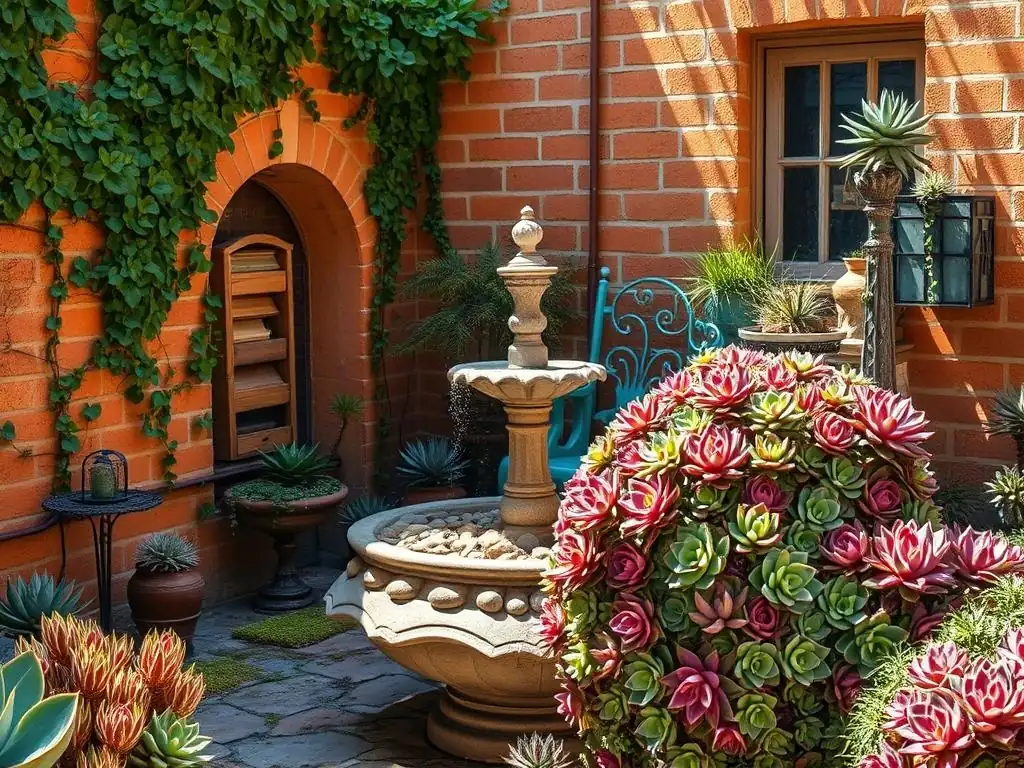
Welcome to SucculentEssentials.org, where the extraordinary world of succulents unfolds! Are you ready to move beyond the ordinary and craft a truly unique succulent garden design? We delve into the captivating realm of specialized collections and rare species, offering expert guidance and inspiration to transform your space into a breathtaking haven of drought-tolerant beauty. Discover the secrets to cultivating thriving succulents and unleash your creativity—the journey to your dream succulent paradise begins here.
-
Designing Your Unique Succulent Garden: Key Considerations for a Stunning Space
- Choosing the Perfect Location for Your Unique Succulent Garden Design
- Selecting the Right Succulents for Your Unique Garden Design: Variety and Visual Appeal
- Creating a Unique Succulent Garden Design: Soil Selection and Drainage Solutions
- Building Unique Structures for Your Succulent Collection: Pots, Planters, and More
- Unique Succulent Garden Design Ideas: Beyond the Basic
- Maintaining Your Unique Succulent Garden: Tips for Long-Term Success
- Showcasing Your Unique Succulent Garden: Photography and Display
- Inspiration for Unique Succulent Garden Designs: Examples and Ideas
-
Frequently Asked Questions
- What makes a succulent garden design "unique"?
- How can I incorporate unusual elements into my succulent garden design?
- What are some creative container ideas for a unique succulent garden?
- How do I choose succulents that complement each other in a unique design?
- Where can I find inspiration for a unique succulent garden design?
- Final Reflection: Cultivating Inner and Outer Gardens
- Unleash Your Inner Gardener: Craft Your Dream Succulent Oasis!
Designing Your Unique Succulent Garden: Key Considerations for a Stunning Space
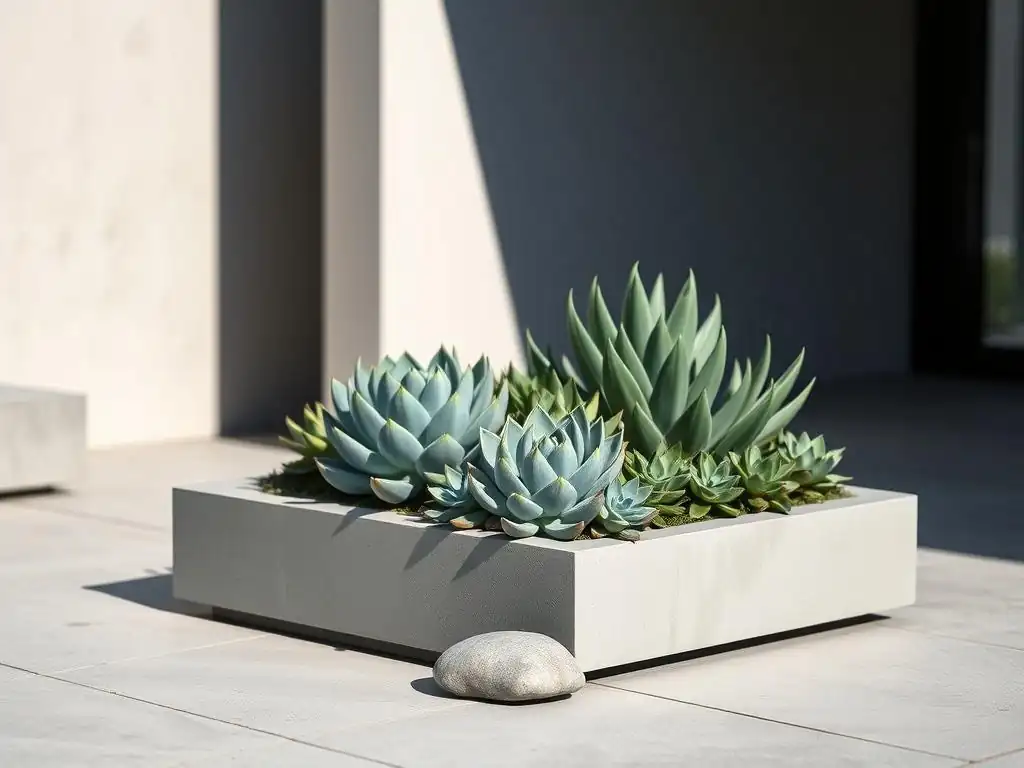
Creating a unique succulent garden is more than just planting a few succulents in a pot; it's about crafting a miniature landscape that reflects your personality and style. This guide dives deep into the essential steps to design a truly unique and thriving succulent sanctuary, focusing on the key elements that transform a simple collection of plants into a captivating and personalized space. We'll explore location selection, choosing the right succulents, and ensuring optimal soil conditions – all crucial factors in achieving a stunning and long-lasting unique succulent garden design.
Whether you’re a seasoned succulent enthusiast or a beginner, this comprehensive guide will empower you to build a private oasis that showcases the beauty and resilience of these fascinating plants. Get ready to transform your outdoor or indoor space into a haven of unique succulent arrangements that will be the envy of all who see them!
Choosing the Perfect Location for Your Unique Succulent Garden Design
The success of your unique succulent garden design hinges significantly on choosing the right location. Succulents, while drought-tolerant, still need specific conditions to thrive. Consider these factors:
- Sunlight: Most succulents require at least 6 hours of direct sunlight daily. Observe your outdoor space throughout the day to identify areas receiving ample sunlight. For indoor gardens, south-facing windows are ideal. However, remember that even with ideal sunlight, intense midday summer heat can scorch delicate succulents, so consider providing some afternoon shade.
- Protection from the Elements: While succulents are hardy, they are vulnerable to extreme weather conditions. Protect your garden from strong winds, heavy rain, and frost. A sheltered patio, a covered balcony, or a well-positioned indoor space can provide the necessary protection.
- Accessibility: Choose a location that allows for easy access for watering, maintenance, and admiring your beautiful creation! A location easily accessible from your home or workspace makes regular care much more convenient and enjoyable.
- Aesthetics: Consider the overall aesthetic of your space. Will the succulent garden complement your home's architecture and landscaping? Think about the backdrop and how it will interact with the colors and textures of your succulents. A carefully chosen location can significantly enhance the visual impact of your unique succulent garden design.
Selecting the Right Succulents for Your Unique Garden Design: Variety and Visual Appeal
The real magic of a unique succulent garden lies in the carefully curated selection of succulents. Don't just pick any succulents; choose varieties with diverse shapes, colors, textures, and sizes to create visual interest and depth.
Here's a structured approach to selecting your succulents:
| Succulent Type | Characteristics | Visual Impact | Considerations |
|---|---|---|---|
| Echeveria | Rosettes, various colors, velvety textures | Elegant, classic, diverse color palettes | Can be sensitive to overwatering |
| Sedum | Diverse forms, trailing habits, vibrant colors | Adds texture and movement, great for spilling | Easy to propagate, low maintenance |
| Sempervivum (Hens and Chicks) | Clumping habit, produces offsets | Creates a dense, carpet-like effect | Highly adaptable, excellent for beginners |
| Haworthia | Unique textures, patterns, compact size | Adds intricate detail and visual complexity | Prefers bright, indirect light |
| Aeonium | Rosettes, striking colors, unique shapes | Dramatic and eye-catching | More sensitive to frost than other succulents |
Consider using a variety of colors, textures, and growth habits to create a dynamic and visually appealing arrangement. Think about the height and spread of each succulent to ensure a balanced and harmonious composition. Remember to research the specific needs of each variety to ensure they thrive in your chosen location. Don't be afraid to experiment and find what works best for your unique vision!
Creating a Unique Succulent Garden Design: Soil Selection and Drainage Solutions
Proper soil and drainage are paramount for the health and longevity of your succulents. Succulents are susceptible to root rot if their roots sit in soggy soil. Therefore, creating a well-draining environment is crucial for a successful unique succulent garden design.
- Soil Mix: Avoid using standard potting soil. Instead, opt for a well-draining succulent and cactus mix, which typically includes perlite, pumice, or coarse sand to improve aeration and drainage. You can even create your own mix by combining these ingredients with regular potting soil.
- Drainage: Ensure your containers have drainage holes to prevent waterlogging. If planting directly into the ground, amend the soil with plenty of organic matter to improve drainage and aeration. Consider adding a layer of gravel or broken pottery shards at the bottom of containers to further enhance drainage. For raised beds or larger garden areas, incorporate sloping techniques to facilitate water runoff.
- Watering: Once you've established your well-draining system, proper watering is key. Water thoroughly but infrequently, allowing the soil to dry out completely between waterings. Overwatering is a common mistake that leads to root rot and plant death. Adjust your watering schedule based on the climate, season, and the specific needs of your succulents. Remember, it's always better to underwater than overwater!
Building Unique Structures for Your Succulent Collection: Pots, Planters, and More
Designing a truly unique succulent garden hinges not just on plant selection, but also on the creative containers that house them. Moving beyond the standard terracotta pot opens up a world of possibilities for showcasing your collection and expressing your personal style. Think outside the box—literally!
Consider repurposing everyday items. Old teacups, vintage watering cans, and even discarded boots can become charming and quirky homes for your succulents. The rustic charm of a weathered wooden crate, filled with a variety of textures and colors of succulents, adds a touch of whimsy. Similarly, a galvanized metal trough can provide a sleek, modern contrast to the organic forms of the plants. The key is to select containers that complement the overall aesthetic you're aiming for in your unique succulent garden design.
Beyond repurposed items, explore a wider range of materials. Stone planters, whether carved from a single piece or assembled from smaller stones, offer a natural and enduring feel. Ceramic pots, particularly those with intricate designs or unique glazes, can elevate the sophistication of your collection. Metal planters, from sleek stainless steel to rustic wrought iron, provide a modern or vintage touch depending on the style. Remember to consider the drainage capabilities of each container to ensure the health of your succulents. Well-draining containers are essential for preventing root rot, a common problem for succulents.
Don't underestimate the impact of size and scale. A mix of large and small containers creates visual interest and allows you to showcase a variety of succulents. Taller planters, such as those made from upcycled columns or even repurposed pipes, can add verticality to your design, creating a dynamic and layered display. Experiment with different heights and shapes to achieve a balanced and aesthetically pleasing arrangement.
The possibilities are truly endless when it comes to crafting unique succulent garden design elements. Let your creativity flourish! Consider incorporating elements like decorative stones, pebbles, and even small sculptures to further personalize your succulent displays. Remember that the containers are not just functional; they are integral to the overall artistic expression of your unique succulent garden.
Unique Succulent Garden Design Ideas: Beyond the Basic
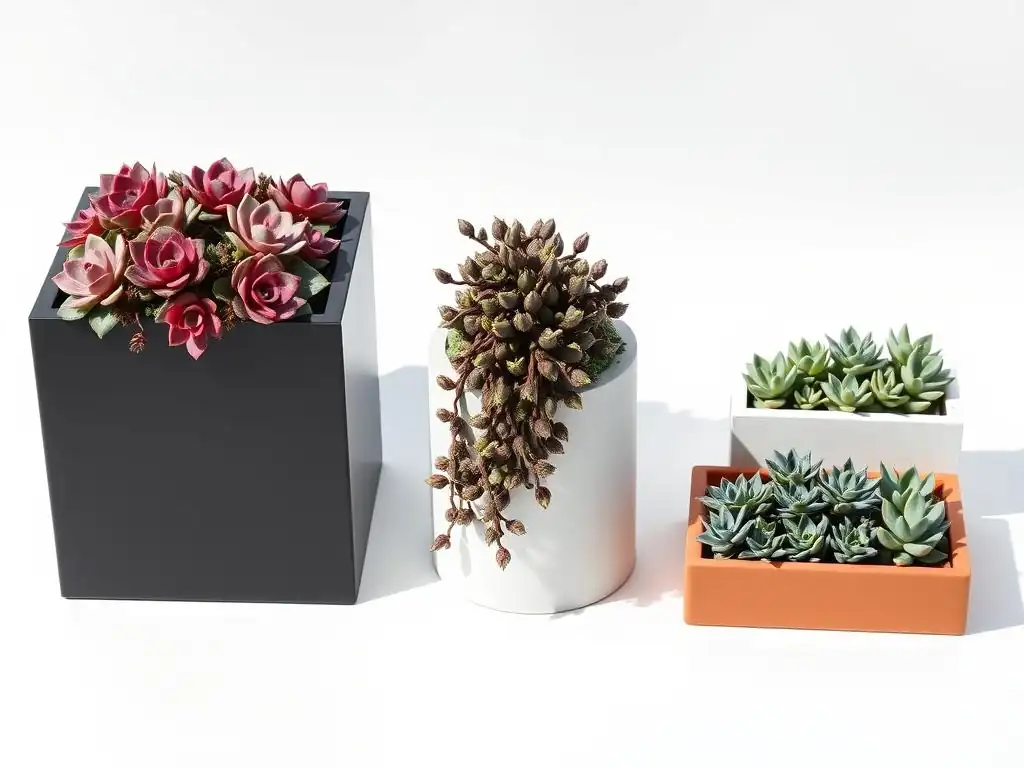
This section explores innovative approaches to designing a unique succulent garden, moving beyond the typical arrangements and embracing creativity. We'll delve into specific design elements and techniques to help you craft a truly distinctive succulent space, reflecting your personal style and preferences. Remember, the key to a unique succulent garden design lies in thoughtful planning and the incorporation of unexpected elements. Let's cultivate your vision!
Vertical Succulent Gardens: Maximizing Space and Visual Impact
Vertical succulent gardens offer a fantastic solution for maximizing space while creating a visually stunning display. Instead of sprawling horizontally, these designs utilize height to showcase your succulent collection. This is particularly beneficial for smaller patios, balconies, or even indoor spaces. Consider these options for maximizing visual impact:
- Repurposed Materials: Transform old ladders, pallets, or even window frames into vertical planters. The rustic charm of reclaimed materials complements the natural beauty of succulents perfectly.
- Wall-Mounted Planters: These can range from simple, individual pots to elaborate, multi-tiered systems. Choose planters in varying shapes and sizes to add visual interest. Consider using a variety of succulent species with differing textures and colors to create a dynamic display.
- Hanging Planters: Employing hanging baskets and macrame planters adds a touch of bohemian elegance. The cascading effect of succulents spilling over the sides creates a soft, flowing aesthetic.
The key to a successful vertical succulent garden lies in choosing the right succulents. Opt for smaller, less sprawling varieties that won't become too heavy for your chosen structure. Proper drainage is also crucial to prevent root rot. Regular watering, adapted to the specific needs of each succulent, is essential for their well-being. A well-designed vertical garden requires careful attention to detail and thoughtful plant selection. Consider the overall aesthetic and how the different succulents will complement each other.
Unique Succulent Garden Design: Incorporating Rocks, Stones, and Other Elements
Incorporating natural elements like rocks, stones, and driftwood adds texture, depth, and a touch of the unexpected to your unique succulent garden design. These elements not only enhance the aesthetic appeal but also provide practical benefits, such as improved drainage and mimicking the succulents' natural habitat.
Consider these ideas:
- Dry Creek Beds: Create a miniature dry creek bed using various sizes and types of stones. This not only looks visually appealing but also helps with drainage, crucial for succulents' health. Think about the color and texture of the stones—contrasting colors can be particularly striking.
- Rock Gardens: Arrange different sized rocks to create a terraced or layered effect. This mimics a natural rock formation and creates visual interest. Plant succulents in the crevices and between the rocks for a truly naturalistic look.
- Driftwood Accents: Incorporating pieces of driftwood adds a unique, organic element. These can serve as supports for trailing succulents or simply as visually interesting focal points.
Remember to choose stones and rocks that are not only aesthetically pleasing but also suitable for your garden's environment. Ensure they don't leach harmful chemicals into the soil. The size and placement of these elements are also crucial for creating a balanced and harmonious design. Experiment with different arrangements until you achieve the desired effect. A well-executed rock garden can significantly elevate the overall aesthetic of your succulent collection.
Creating a Miniature Succulent Landscape: A Unique Garden Design Approach
Creating a miniature succulent landscape allows for incredible creativity and detail. This unique succulent garden design approach involves crafting a small-scale representation of a natural landscape, using succulents as the primary elements.
Here's how to approach this project:
- Choosing a Container: Select a container that reflects the desired landscape—a shallow dish for a desert scene, a terra cotta pot for a Mediterranean feel, or even a repurposed container for a more rustic look.
- Building the Terrain: Use different sized rocks, gravel, and sand to create hills, valleys, and other topographical features. This adds depth and dimension to your miniature landscape. Consider using activated charcoal for improved drainage.
- Planting the Succulents: Carefully select succulents of varying sizes, colors, and textures. Place larger succulents at the back or bottom of the container to create a sense of depth. Smaller succulents can be used to fill in gaps and add detail.
The key to a successful miniature landscape is careful planning and attention to detail. Consider the overall composition and how the different elements will work together. A well-executed miniature succulent landscape is a testament to your creativity and horticultural skills. It's a miniature world of beauty and diversity, showcasing the versatility of succulents in a uniquely captivating way.
Unique Succulent Garden Design: Water Features and Fountains for Added Charm
Integrating water features into your succulent garden design adds a captivating element, contrasting the typically arid aesthetic of succulents with the soothing sounds and visual appeal of water. The gentle trickle of a small fountain or the serene reflection in a birdbath can transform a simple succulent arrangement into a tranquil oasis. Consider the size and scale of your garden when choosing a water feature.
A large garden might accommodate a more substantial fountain, while a smaller space might benefit from a more delicate birdbath or a small, recirculating water feature. Remember that the water feature should complement, not compete with, your succulent collection.
The choice of material for your water feature is also crucial. Materials like natural stone, terracotta, or even repurposed containers can blend seamlessly with the rustic charm of a succulent garden. Avoid materials that might clash with the overall aesthetic, opting instead for natural textures and earth tones. For example, a rustic stone fountain would pair beautifully with a collection of drought-tolerant sedums and echeverias, creating a cohesive and harmonious design.
Maintaining a water feature in a succulent garden requires careful consideration. Ensure the water feature is properly sealed to prevent leaks and damage to surrounding plants. Regular cleaning is necessary to prevent mosquito breeding and maintain the aesthetic appeal. Consider using a pump with a built-in filter to keep the water clean and clear. Regularly check the water level and replenish as needed, especially during dry spells.
The addition of a water feature elevates your unique succulent garden design, adding a touch of elegance and serenity. The gentle sound of water creates a calming atmosphere, perfect for relaxation and contemplation. Remember to choose a water feature that fits the scale and style of your garden, ensuring that it enhances rather than overshadows the beauty of your succulent collection. The combination of textures and the interplay of water and succulents creates a truly captivating and unique succulent garden design.
Maintaining Your Unique Succulent Garden: Tips for Long-Term Success
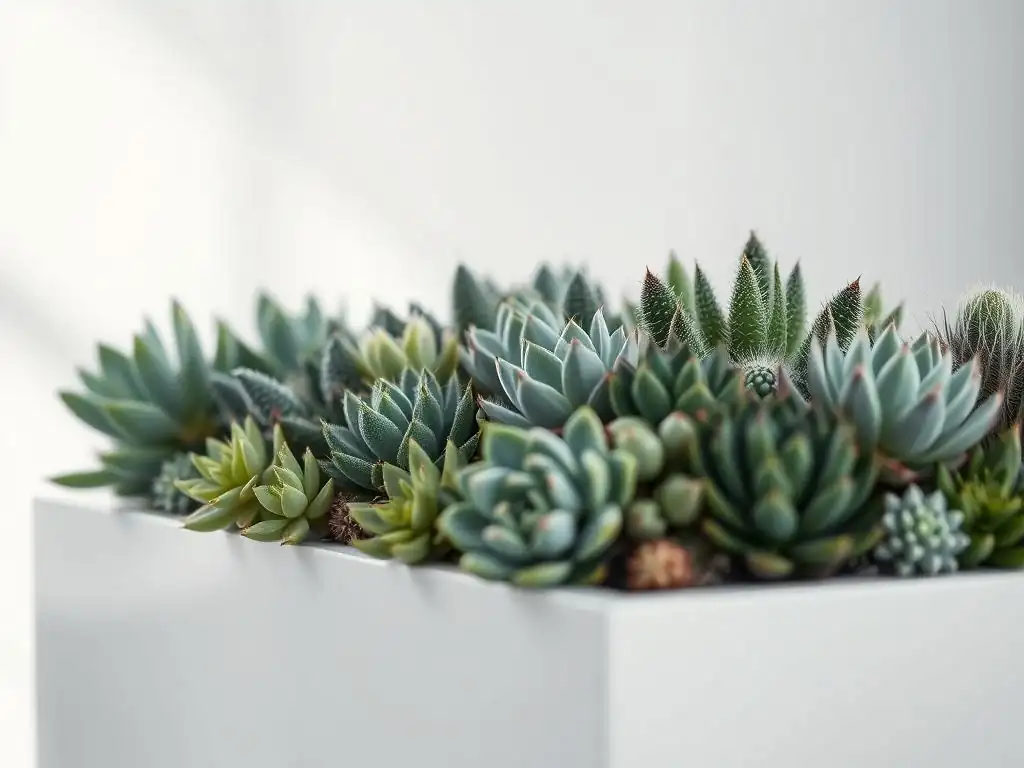
Creating a unique succulent garden is only half the battle; maintaining its vibrant health and beauty requires consistent care and attention. This section delves into the practical aspects of long-term succulent garden upkeep, ensuring your carefully curated collection thrives for years to come. We'll explore optimal watering strategies, pest and disease prevention, and seasonal adjustments to guarantee your unique succulent garden design remains a stunning focal point.
Watering Techniques for a Thriving Unique Succulent Garden
Overwatering is a common culprit in succulent demise. Remember, succulents are drought-tolerant plants; they store water in their leaves and stems. Therefore, infrequent, deep watering is far superior to frequent, shallow watering. The ideal watering schedule depends on several factors: climate, pot size, soil type, and the specific succulent species.
Here's a helpful guide:
- Climate: In hotter, drier climates, you might water once a week, while in cooler, more humid environments, watering every two to three weeks might suffice.
- Pot Size: Smaller pots dry out faster than larger ones, requiring more frequent watering.
- Soil Type: Well-draining soil is crucial. A cactus and succulent potting mix is ideal, as it allows excess water to drain readily, preventing root rot.
- Succulent Species: Certain succulents have higher water requirements than others. Research the specific needs of your collection.
Instead of following a rigid schedule, monitor the soil moisture. Stick your finger about an inch into the soil; if it feels dry, it's time to water. Water thoroughly until water drains from the drainage holes, then allow the soil to dry completely before watering again. Avoid letting the succulent sit in standing water.
Consider using a self-watering system for a more automated approach, particularly if you're dealing with a large collection or frequently travel. This helps maintain consistent moisture levels without overwatering.
Protecting Your Unique Succulent Garden from Pests and Diseases
Maintaining a healthy and pest-free succulent garden is essential for preserving its unique design and the health of your plants. Regular inspection is key to early detection and prevention. Common pests include mealybugs, aphids, and spider mites. Diseases, such as root rot, often stem from overwatering or poorly draining soil.
Here's a proactive approach:
- Regular Inspection: Weekly inspections can help you identify infestations or diseases early on. Look closely at leaves, stems, and soil for any signs of pests or unusual discoloration.
- Preventive Measures: Ensure good air circulation to prevent fungal diseases. Avoid overcrowding plants to minimize pest spread. Use well-draining soil to prevent root rot.
- Treatment Options: For minor infestations, you can often remove pests manually with a cotton swab dipped in rubbing alcohol. For more severe infestations, consider using insecticidal soap or neem oil. Always follow product instructions carefully. For diseases, addressing the underlying cause (e.g., overwatering) is crucial. In some cases, affected plants may need to be removed to prevent the spread of disease.
Unique Succulent Garden Design: Seasonal Care and Maintenance
Seasonal changes significantly impact the care requirements of your unique succulent garden. Adjusting your watering and protection strategies according to the season is crucial for maintaining the health and vibrancy of your plants.
- Summer: Increased sunlight and heat necessitate more frequent watering, but always ensure the soil dries between waterings. Provide shade during the hottest parts of the day to prevent sunburn.
- Winter: Reduce watering frequency significantly, as succulents go dormant during colder months. Protect your succulents from frost and freezing temperatures by moving them indoors or providing adequate protection outdoors.
- Spring and Autumn: These transitional seasons often require a moderate watering schedule. Monitor soil moisture and adjust accordingly. Spring is an excellent time for repotting and propagating.
Remember, creating and maintaining a unique succulent garden is an ongoing process. By consistently applying these care tips, you'll ensure your unique succulent garden design remains a thriving and beautiful testament to your horticultural skills. Enjoy the journey of nurturing your unique succulent collection!
Propagation and Expansion: Growing Your Unique Succulent Collection
Expanding your unique succulent garden is a rewarding aspect of this hobby. Propagation, the process of creating new plants from existing ones, allows you to increase your collection significantly and even share your passion with others. Several methods offer unique advantages, depending on the type of succulent and your personal preferences.
Leaf propagation is a popular choice for many succulent varieties. Simply remove a healthy, mature leaf, allow the cut end to callous over for a day or two, and then lay it gently on top of well-draining succulent potting mix. Keep the leaf slightly moist but not soggy; overwatering is a common mistake that leads to rot. Within a few weeks, you should see tiny roots and eventually a new plantlet emerge.
This method is particularly effective for Echeveria and Sedum species. Remember, patience is key; some leaves may take longer to propagate than others. Experimentation will teach you which leaves propagate best from your specific collection.
Stem cuttings provide another avenue for propagation. Select a healthy stem, ideally with several leaf nodes, and cut it cleanly with sharp, sterilized scissors. Allow the cutting to dry for a few days to prevent rot. Then, plant the cutting in a well-draining potting mix, ensuring at least one node is buried. Similar to leaf propagation, maintaining consistent moisture without overwatering is crucial. This method works well for succulents with longer stems, like Sedum morganianum (Burro's Tail). The success rate can vary depending on the species, some propagating more readily than others.
Finally, consider offset propagation. Many succulents naturally produce "pups" or offsets – small plantlets that grow at the base of the mother plant. Gently separate these offsets from the mother plant, ensuring each has its own root system or a portion of roots. Plant them individually in suitable potting mix, and they will quickly establish themselves.
This method is particularly easy and effective for succulents like Sempervivum (Hens and Chicks). Observe the mother plant carefully, as some offsets may be more readily separated than others, minimizing stress on the parent plant. This gentle approach ensures the health of both parent and offspring. Proper timing is also crucial; doing this during the growing season will generally yield the best results.
Beyond these common methods, more advanced techniques, such as grafting and tissue culture, exist, but they often require specialized equipment and knowledge. Starting with leaf, stem, and offset propagation provides a solid foundation for building and expanding your unique succulent collection. Remember to always use clean, sharp tools to prevent the spread of diseases. By mastering these techniques, you can not only cultivate a larger collection but also contribute to the ongoing enjoyment of these fascinating plants.
Showcasing Your Unique Succulent Garden: Photography and Display
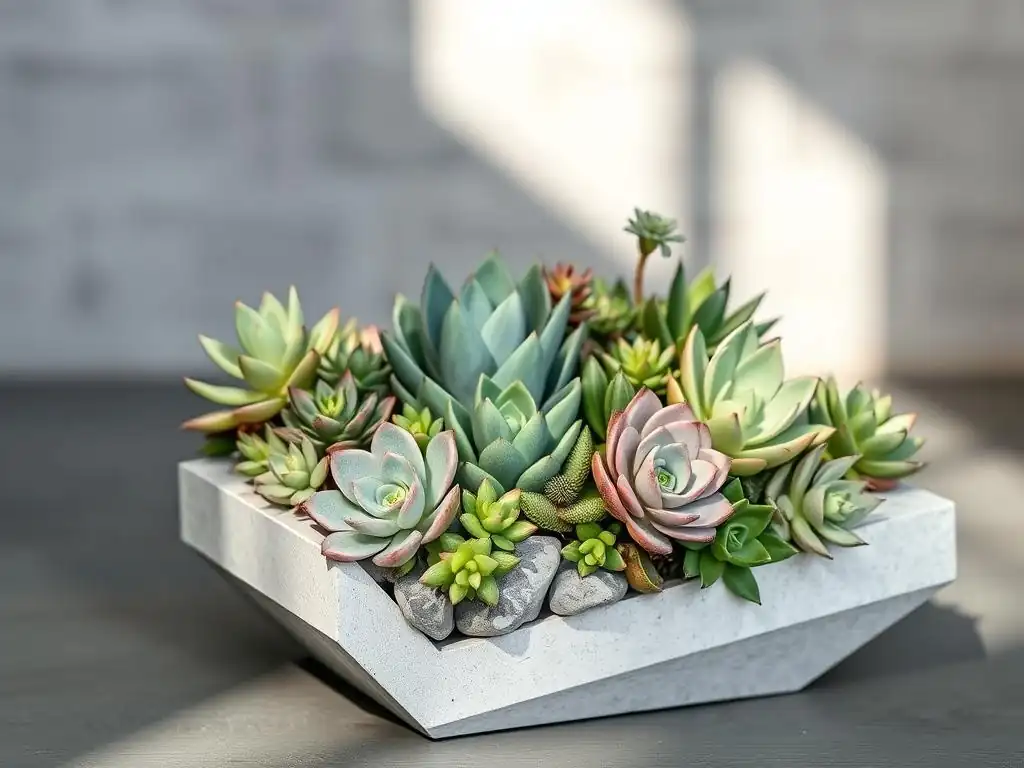
Creating a unique succulent garden is only half the battle; showcasing its beauty is just as important! A well-designed garden deserves to be admired, and high-quality photography is key to capturing its essence and sharing your passion with others. This section focuses on techniques for photographing your succulent collection and effectively displaying your unique succulent garden design.
Capturing the Beauty of Your Unique Succulent Garden: Photography Tips
Photography is crucial for highlighting the textures, colors, and unique arrangements within your succulent garden. Here’s how to capture stunning images:
- Lighting is Everything: The best time to photograph succulents is during the "golden hour," the hour after sunrise or before sunset. The soft, diffused light minimizes harsh shadows and accentuates the plants' natural beauty. Avoid midday sun, which can wash out colors and create harsh contrasts. Consider using a reflector to bounce light into shaded areas for more even illumination.
- Composition is Key: Think about the rule of thirds. Instead of placing your subject directly in the center, offset it slightly to create a more visually appealing image. Use leading lines (like pathways or garden edges) to draw the viewer's eye through the photograph. Experiment with different angles – get down low to the ground or climb up for a bird's-eye view.
- Background Matters: A cluttered background can distract from your succulents. Choose a simple, uncluttered backdrop that complements the colors and textures of your plants. A blurred background (achieved with a shallow depth of field) can help isolate your succulent arrangements and make them pop.
- Equipment Considerations: While a smartphone camera can produce great results, a DSLR or mirrorless camera offers more control over settings like aperture and ISO, allowing for greater flexibility in various lighting conditions. A macro lens is particularly useful for capturing the intricate details of succulents.
- Post-Processing: Basic editing can enhance your photos. Adjusting brightness, contrast, and saturation can bring out the best in your succulent garden's colors. However, avoid over-editing, which can make the images look unnatural. Tools like Lightroom or Snapseed offer user-friendly options for enhancing your photos.
Sharing your unique succulent garden design can inspire others and connect you with fellow succulent enthusiasts. Several online platforms offer opportunities to showcase your creations and gain valuable feedback:
- Social Media: Platforms like Instagram, Pinterest, and Facebook are excellent for sharing high-quality images of your succulent garden. Use relevant hashtags, such as #uniquesucculentgarden, #succulentdesign, #succulentlover, and #succulentarrangement, to increase visibility and reach a wider audience. Engage with other users by liking and commenting on their posts.
- Gardening Forums and Blogs: Many online forums and blogs dedicated to succulents provide a platform for sharing your experiences, seeking advice, and connecting with other passionate gardeners. Participate in discussions, ask questions, and share your unique succulent garden design with the community.
- Succulent-Specific Websites: Websites dedicated to succulents often feature user-submitted photos and design ideas. Check if they offer opportunities to share your own creations and contribute to the online succulent community.
Remember to always credit your own work and respect the intellectual property of others. Sharing your passion for unique succulent garden design can foster a thriving online community and inspire countless others to create their own succulent sanctuaries. By actively participating in these online spaces, you can not only showcase your hard work but also learn from others and expand your knowledge of succulent cultivation and design. The exchange of ideas and inspiration is a crucial part of the succulent gardening journey, fostering a sense of community and shared passion.
Inspiration for Unique Succulent Garden Designs: Examples and Ideas
This section explores diverse approaches to crafting a unique succulent garden design, moving beyond the typical arrangements. We'll delve into specific examples, highlighting design elements that elevate a succulent collection from commonplace to extraordinary. The key is to think outside the pot! Consider the overall aesthetic you wish to achieve, incorporating both the plants themselves and the surrounding environment.
Unique Succulent Garden Designs Featuring Rare Species
Integrating rare and unusual succulents is a powerful way to create a truly unique succulent garden design. The visual impact of these plants, with their often unusual shapes, textures, and colors, can dramatically transform the overall aesthetic. For instance, a garden featuring the striking Dudleya brittonii, with its silvery-blue rosettes, combined with the vibrant red hues of Sedum rubrotinctum 'Aurora', creates a captivating contrast. This contrasts sharply with a more common design using only Echeveria varieties.
Consider also the subtle differences in growth habits. Some rare succulents prefer vertical growth, creating opportunities for cascading displays or wall-mounted arrangements. Others may exhibit unusual branching patterns, lending themselves to more sculptural designs. Careful planning, understanding the specific needs of each rare species (light, water, soil), is paramount to their successful integration and long-term health within your unique succulent garden design.
Unique Succulent Garden Designs: Color Palettes and Thematic Approaches
The strategic use of color is crucial for achieving a visually stunning and unique succulent garden design. Instead of a random assortment, consider creating a cohesive palette. A monochromatic design, focusing on various shades of green, can be unexpectedly striking. Alternatively, a bold contrast between blues and reds, or warm oranges and yellows, can create a vibrant and exciting space.
Thematic approaches further enhance uniqueness. A desert-inspired design might incorporate sandy tones, mimicking a natural habitat. A minimalist approach, using clean lines and a limited number of carefully selected succulents, offers a modern and sophisticated aesthetic. A Mediterranean-themed design, on the other hand, might include terracotta pots, whitewashed walls, and drought-tolerant succulents with a silvery or grayish hue. These thematic approaches allow for creative freedom and personalization, ensuring a truly unique succulent garden design.
Examples of Unique Succulent Garden Designs: Before & After Transformations
Analyzing before-and-after transformations of existing succulent gardens provides valuable insights into the transformative power of thoughtful design. Imagine a small, neglected corner previously filled with haphazardly arranged succulents in mismatched pots. A transformation might involve:
- Before: Overgrown, chaotic arrangement with inconsistent pot sizes and styles. Limited color variation, mostly muted greens.
- After: A carefully curated selection of succulents, organized by color and size. Uniform, stylish containers create a cohesive look. The addition of decorative elements, such as rocks or pebbles, enhances the visual appeal. The overall effect is a refined, aesthetically pleasing space that showcases the beauty of the succulents.
Another example: A bland, flat succulent arrangement in a single large pot could be transformed into a multi-tiered display, incorporating varying heights and textures. This could involve using different sized pots, stacked rocks, or even repurposed items to create a more dynamic and visually interesting design. The key is to move from a static presentation to a dynamic, layered landscape that showcases the succulents' diverse forms. This emphasizes the potential for creating a truly unique succulent garden design through creative repurposing and thoughtful arrangement.
Frequently Asked Questions
What makes a succulent garden design "unique"?
A unique succulent garden design goes beyond the typical arrangements. It incorporates unexpected elements, creative containers, or a distinct style that reflects your personal taste and stands out from the crowd. Think unusual shapes, colors, and textures.
How can I incorporate unusual elements into my succulent garden design?
Consider using reclaimed materials like old crates or teacups as planters. Incorporate unique hardscaping like stepping stones or a small fountain. Adding artistic features like sculptures or painted rocks can also add a special touch.
What are some creative container ideas for a unique succulent garden?
Think outside the pot! Use vintage teacups, old boots, wagon wheels, or even upcycled furniture as unique containers. The possibilities are endless when you consider unusual shapes and sizes.
How do I choose succulents that complement each other in a unique design?
Select succulents with varying textures, colors, and growth habits to create visual interest. Consider mixing rosette-forming succulents with trailing varieties for a dynamic look. Pay attention to sunlight requirements to ensure all plants thrive.
Where can I find inspiration for a unique succulent garden design?
Browse online resources like Pinterest and Instagram, visit botanical gardens or nurseries, or even look to nature for inspiration. Consider your personal style and let your creativity guide you.
Final Reflection: Cultivating Inner and Outer Gardens
The meticulous crafting of a unique succulent garden isn't merely about aesthetics; it's a powerful reflection of our inner selves, a testament to our capacity for creativity and resilience in the face of challenges. In a world increasingly dominated by uniformity, the deliberate cultivation of a distinctive succulent space offers a potent antidote, a vibrant declaration of individuality that resonates far beyond the garden's boundaries.
The enduring appeal of succulents, with their remarkable adaptability and striking beauty, mirrors our own human journey. Their ability to thrive in diverse conditions speaks to our potential for growth and transformation, even amidst adversity. The purpose of life, after all, is to live it, to taste experience to the utmost, to reach out eagerly and without fear for newer and richer experience.
– Eleanor Roosevelt. This quote perfectly encapsulates the spirit of embracing the unique and unexpected, a sentiment that lies at the heart of designing a truly exceptional succulent garden. It's a journey of discovery, both of the plants themselves and of our own creative potential.
Now, consider your own space, your own potential. What unique elements can you incorporate to reflect your personality and passions? What challenges can you overcome to create a thriving, vibrant oasis? Don't be afraid to experiment, to push boundaries, to let your creativity bloom. Your unique succulent garden awaits, a testament to your resilience, your artistry, and your unwavering spirit. Begin today, and watch your inner and outer gardens flourish.
Unleash Your Inner Gardener: Craft Your Dream Succulent Oasis!
Thanks for joining us on this journey into the captivating world of succulent gardening! We hope you've gained valuable insights and inspiration. Now it's time to bring your vision to life. Here's how you can take the next step:
- Design your ideal succulent garden: Sketch out your perfect arrangement. Consider the available space, sunlight, and the specific needs of your chosen succulents. This is where the real magic begins!
- Share your progress: We'd love to see your design process and finished garden! Share photos on social media using #MySucculentSanctuary. Let's build a vibrant community of succulent enthusiasts.
- Learn more: Explore our extensive resources on succulent care, varieties, and design techniques. We have articles covering everything from propagation to pest control, to ensure your gardening journey is a success.
Ready to transform a corner of your world into a thriving succulent paradise? What unique element will make your garden truly special?