
Succulent Mixed Beds: The Art of Designing a Succulent Garden for Curb Appeal

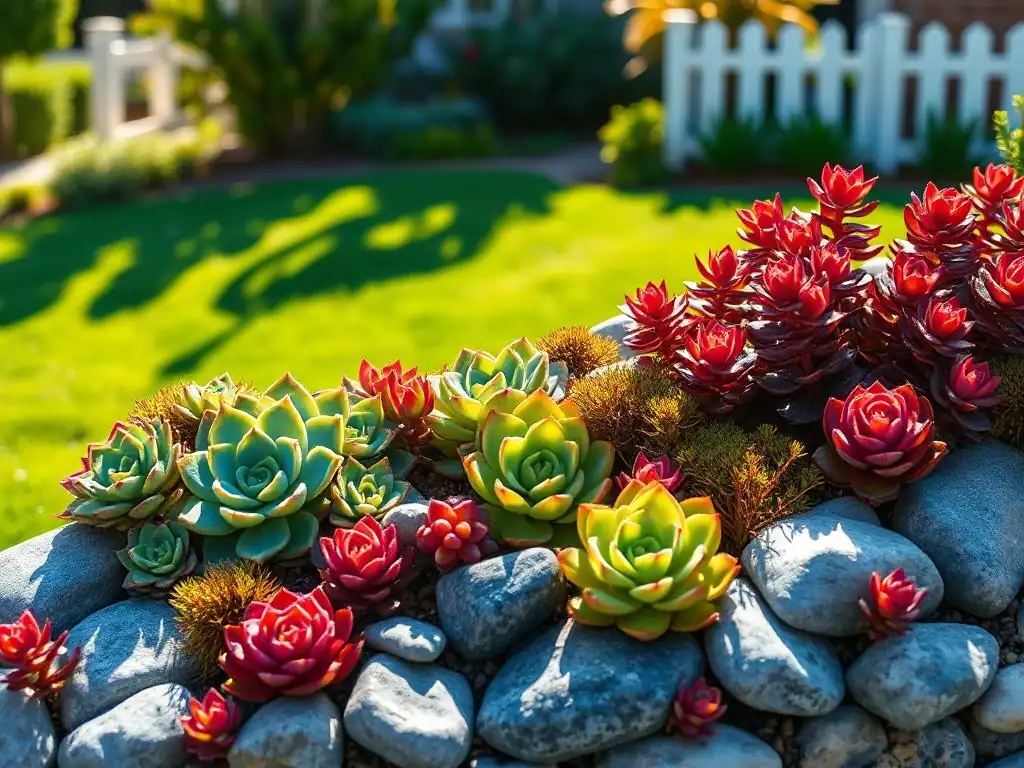
Welcome to SucculentEssentials.org, where the thriving world of succulents awaits! Are you ready to transform your outdoor space into a breathtaking oasis? Discover the secrets to designing a succulent garden that commands curb appeal, unlocking the artistry of mixed succulent beds. Prepare to be inspired by our comprehensive guide and learn how to create a stunning display that will leave your neighbors green with envy. Let's dive into the captivating world of succulent arrangements and unleash your inner horticulturalist!
- Planning Your Dream Succulent Garden for Maximum Curb Appeal
-
Creating a Stunning Succulent Mixed Bed: Step-by-Step Guide
- Step 1: Preparing the Soil: Essential Nutrients and Drainage for Succulent Growth
- Step 2: Planting Your Succulents: Techniques for Optimal Spacing and Arrangement
- Step 3: Adding Visual Interest: Incorporating Rocks, Gravel, and Other Accents
- Step 4: Maintaining Your Succulent Garden: Watering, Fertilizing, and Pest Control
- Enhancing Curb Appeal with Succulent Garden Design
- Maintaining Your Show-Stopping Succulent Garden
- Advanced Techniques for a Professional-Looking Succulent Garden
-
Frequently Asked Questions
- What is the best way to design a succulent garden for curb appeal?
- How do I choose the right succulents for my curb appeal garden?
- What are some creative ways to incorporate succulents into my existing landscaping?
- How much maintenance is required for a curb appeal succulent garden?
- Where can I find more information on designing succulent gardens?
- Final Reflection: Cultivating Curb Appeal, Cultivating Joy
- Unleash Your Inner Gardener: Craft the Succulent Oasis of Your Dreams
Planning Your Dream Succulent Garden for Maximum Curb Appeal
Designing a succulent garden that boosts your home's curb appeal is a rewarding project that blends artistry with horticultural know-how. This guide will walk you through the process, from initial assessment to the final flourishing arrangement, ensuring your succulent garden becomes a stunning focal point. We'll explore how to select the perfect succulents for your space, considering factors like sunlight exposure, soil type, and the overall size of your planting area.
Mastering the art of layering and texture will transform your garden from a simple collection of plants into a vibrant, visually captivating landscape that speaks volumes about your unique style and enhances your home's aesthetic. Get ready to unleash your creativity and learn how to design a succulent garden that truly makes a statement! 🎉
Assessing Your Space: Sunlight, Soil, and Size Considerations for Succulent Beds
Before you even think about which succulents to plant, understanding your outdoor space is crucial. Succulents, while drought-tolerant, have specific needs regarding sunlight, soil drainage, and the overall dimensions of your planned bed.
First, sunlight is paramount. Most succulents thrive in at least six hours of direct sunlight daily. Observe your yard throughout the day to identify areas that receive ample sun. Note the direction (south-facing areas generally get the most sun) and the duration of sunlight in different locations. Insufficient sunlight will lead to leggy, unhealthy growth. Too much intense sun, especially in hot climates, can scorch delicate succulents.
Next, consider the soil. Succulents need well-draining soil to prevent root rot, a common problem caused by overly moist conditions. Amend heavy clay soils with organic matter like perlite or coarse sand to improve drainage. Test your soil's pH; most succulents prefer slightly alkaline conditions. If the soil is too acidic, you may need to adjust its pH using lime.
Finally, determine the size of your succulent bed. Start small if you're a beginner. A small, well-designed bed is more impactful than a large, haphazard one. Consider the overall scale of your home and landscape; a tiny bed might get lost in a large yard, while an oversized bed can overwhelm a smaller space. Sketch out your ideas on paper, considering the proportions of your planned bed relative to other landscape features. Remember to account for the mature size of your chosen succulents to avoid overcrowding.
Choosing the Right Succulents: Variety, Texture, and Color Selection for Visual Interest
The beauty of a succulent garden lies in the diversity of its inhabitants. Selecting succulents with varying textures, colors, and growth habits is key to creating a visually appealing and dynamic design.
Think about the texture contrast. Combine smooth, waxy leaves with rough, spiky ones. Include succulents with different leaf shapes – rosettes, cylindrical leaves, and trailing varieties – to add visual interest.
Consider the color palette. Succulents come in a wide array of colors, from deep greens and blues to reds, purples, and even yellows. Choose a color scheme that complements your home's exterior and other landscaping elements. Avoid using too many highly contrasting colors, as this can create a chaotic look. A harmonious blend of shades will be more pleasing to the eye.
Don't forget about variety in plant sizes and growth habits. Combine low-growing groundcovers with taller, upright specimens to create layers and depth. Include trailing succulents to spill over the edges of your bed, softening the lines and adding a touch of whimsy. Consider the mature size of each succulent to avoid overcrowding. A well-balanced mix of shapes and sizes creates a more visually interesting display.
Designing a Thriving Succulent Garden: Creating Layered Visual Depth and Texture
Creating visual depth and texture is the final step in designing a stunning succulent garden. This involves careful consideration of plant placement and the overall composition of your design.
Consider layering. Start with low-growing succulents at the front of the bed, gradually increasing the height towards the back. This creates a natural, layered look that draws the eye. Think of it like a miniature landscape, with different plants playing different roles.
Focus on texture. Mix and match succulents with different leaf textures – smooth, rough, fuzzy, spiky – to add visual interest. The contrast in textures will make your garden more dynamic and captivating. Consider incorporating other textural elements like pebbles, rocks, or decorative gravel to further enhance the overall design.
Remember balance. Ensure your design is balanced, avoiding overcrowding or creating large empty spaces. Use a variety of succulents to create a cohesive and visually appealing arrangement. A well-balanced design will enhance your home's curb appeal and create a beautiful, thriving succulent garden that you can enjoy for years to come. Don't be afraid to experiment and have fun with the process! 🌵
Creating a Stunning Succulent Mixed Bed: Step-by-Step Guide
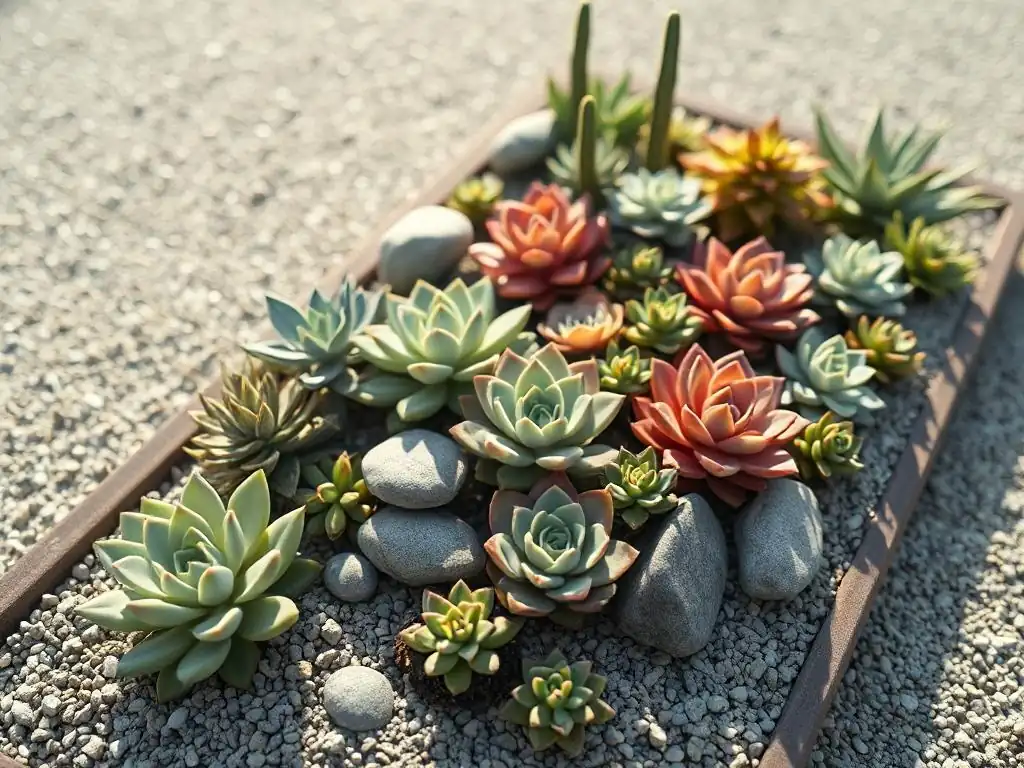
This section details the process of designing a succulent garden that maximizes curb appeal, focusing on practical steps and considerations for achieving a thriving and visually stunning mixed bed. We'll cover soil preparation, planting techniques, and the addition of visual elements to elevate your succulent garden design. Remember, the key to a successful design succulent garden for curb appeal lies in careful planning and execution.
Step 1: Preparing the Soil: Essential Nutrients and Drainage for Succulent Growth
Proper soil preparation is paramount for healthy succulent growth and a visually appealing garden. Succulents, being drought-tolerant plants, require well-draining soil to prevent root rot, a common issue that can quickly ruin your design. Avoid heavy clay soils which retain too much moisture.
Here's a breakdown of the ideal soil composition and preparation:
- Drainage is Key: The most crucial aspect is ensuring excellent drainage. Amend heavy clay soils with significant amounts of organic matter like coarse sand, perlite, or pumice. A good rule of thumb is a 1:1:1 ratio of potting soil, coarse sand, and perlite. This mixture promotes aeration and prevents waterlogging.
- Nutrient Needs: Succulents are not heavy feeders. Enriching the soil with excessive nutrients can actually harm them. A balanced, slow-release fertilizer specifically formulated for succulents is recommended, applied sparingly according to package instructions, typically once or twice during the growing season. Over-fertilizing can lead to leggy growth and decreased aesthetic appeal.
- Testing Your Soil: Before planting, it's wise to test your soil's pH. Succulents generally prefer slightly alkaline to neutral soil (pH 6.0-7.5). Adjust the pH if necessary using lime (to increase pH) or sulfur (to decrease pH), following package instructions carefully.
- Example Soil Mix: A successful mix might include:
- 1 part high-quality potting soil
- 1 part coarse sand
- 1 part perlite
- A small amount of slow-release succulent fertilizer
Step 2: Planting Your Succulents: Techniques for Optimal Spacing and Arrangement
Careful consideration of spacing and arrangement is crucial for maximizing visual impact and ensuring the health of your succulents. Overcrowding can lead to competition for resources and increased susceptibility to pests and diseases. Conversely, insufficient spacing can diminish the overall aesthetic appeal of your design succulent garden.
Here are some tips for successful planting:
- Spacing: Allow ample space between succulents, considering their mature size. Check the plant tags or online resources for mature size estimates. Proper spacing improves air circulation, reducing the risk of fungal diseases.
- Arrangement: Consider the overall shape and size of your planting bed. Use a variety of succulent sizes and textures to create visual interest. Group similar succulents together to create a cohesive look. Vary heights and colors to avoid monotony. A pleasing arrangement enhances the garden's curb appeal.
- Planting Depth: Plant succulents at the same depth they were growing in their containers. Planting too deeply can lead to root rot, while planting too shallowly can destabilize the plant.
- Watering After Planting: Water thoroughly after planting to help settle the soil around the roots. However, avoid overwatering, allowing the soil to dry out slightly between waterings. This helps prevent root rot and establishes a healthy root system.
Step 3: Adding Visual Interest: Incorporating Rocks, Gravel, and Other Accents
To truly elevate your design succulent garden for curb appeal, consider incorporating additional elements that complement the succulents and enhance the overall aesthetic. Rocks, gravel, and other accents can add texture, color, and visual interest, transforming your succulent bed from a simple planting to a captivating landscape feature.
Here are some ideas for incorporating visual interest:
- Rocks and Gravel: Use a variety of sizes and colors of rocks and gravel to create pathways, borders, or accents around your succulents. This helps to enhance drainage and provides a visually appealing contrast to the green succulents. Consider using river rocks, gravel, or even decorative stones.
- Other Accents: Consider adding other elements such as small, drought-tolerant groundcovers, ornamental grasses, or even small, colorful pottery. These additions provide a sense of depth and texture, making the garden more visually engaging. Remember to choose elements that complement the succulents without overpowering them.
- Mulching: A layer of small gravel or decorative stones acts as mulch, suppressing weeds, conserving moisture, and further enhancing the visual appeal. This is especially important in areas with significant weed pressure.
By following these steps, you can create a stunning succulent mixed bed that not only thrives but also significantly enhances your home's curb appeal. Remember to choose succulents suited to your local climate and soil conditions for optimal success. Enjoy the process of crafting your unique design succulent garden!
Step 4: Maintaining Your Succulent Garden: Watering, Fertilizing, and Pest Control
Maintaining the vibrancy and health of your succulent mixed bed requires a thoughtful approach to watering, fertilizing, and pest control. Overwatering is a common mistake that can lead to root rot, a fatal condition for succulents. Remember, these plants are adapted to arid conditions and store water in their leaves. Therefore, less is more when it comes to watering.
Instead of following a strict schedule, check the soil moisture before watering. Insert your finger about an inch into the soil; if it feels dry, it's time to water. Water thoroughly until water drains from the bottom of the pot or bed, allowing excess water to escape to prevent waterlogging. Allow the soil to dry completely before watering again.
The frequency of watering will depend on factors like the climate, soil type, and the size of your plants. In hotter, drier climates, you may need to water more frequently, while in cooler, more humid environments, you may need to water less often. Always water at the base of the plants to avoid wetting the leaves, which can lead to fungal diseases.
Fertilizing your succulents is crucial for healthy growth, but it's essential to do it sparingly. Over-fertilizing can lead to salt buildup in the soil, which can damage the roots. Use a balanced, water-soluble fertilizer diluted to half strength, and apply it only during the growing season (spring and summer). Avoid fertilizing during the dormant period (fall and winter). A good rule of thumb is to fertilize once a month during the growing season. Observe your plants; if they appear healthy and vigorous, you may not need to fertilize at all. Always follow the instructions on the fertilizer label carefully.
Pest control is another vital aspect of maintaining a thriving succulent garden. Common pests include mealybugs, aphids, and spider mites. Regularly inspect your plants for signs of infestation, such as white fuzzy patches (mealybugs), tiny insects clustered on leaves (aphids), or fine webbing (spider mites). For minor infestations, you can often remove pests manually with a cotton swab dipped in rubbing alcohol. For more severe infestations, you may need to use insecticidal soap or neem oil. Always follow the instructions on the product label carefully and consider the potential impact on beneficial insects and pollinators. Prevention is key; ensure good air circulation around your plants to deter pests and maintain a healthy growing environment. Proper watering and fertilizing practices also contribute to pest resistance. Regularly removing dead or decaying leaves can also help prevent pest problems. A proactive approach to pest control will keep your succulent garden looking its best.
Enhancing Curb Appeal with Succulent Garden Design
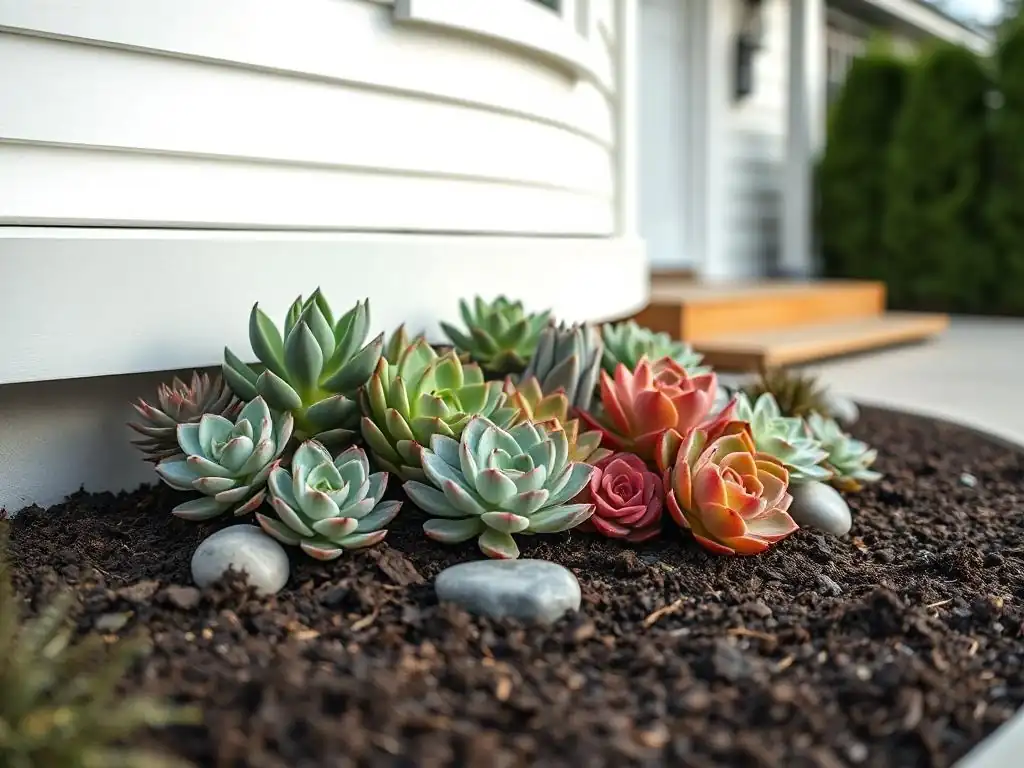
This section delves into the specifics of designing a succulent garden that significantly boosts your home's curb appeal. We'll move beyond the basics, focusing on techniques to create a visually stunning and low-maintenance landscape. Remember, the key to achieving maximum impact lies in thoughtful planning and execution. Designing a succulent garden for curb appeal requires a keen eye for detail and an understanding of the unique characteristics of different succulent varieties.
Using Different Succulent Sizes and Shapes to Create Visual Impact
The secret to a captivating succulent garden lies in the artful arrangement of diverse sizes and shapes. Avoid monotony by incorporating a variety of succulents. Think of it as a three-dimensional painting! Consider these points:
- Layering: Start with larger succulents as a base, creating a strong foundation. Then, strategically place medium-sized succulents to fill gaps and add texture. Finally, use smaller succulents and sedums to fill in the remaining spaces and add fine detail. This layering effect adds depth and visual interest.
- Shape Variation: Mix rosettes, columns, trailing varieties, and those with unique architectural forms. A mix of Echeveria rosettes, the upright columns of Dudleya, and the cascading tendrils of Sedum morganianum (Burro's Tail) will create a dynamic and engaging display.
- Height and Width: Consider the mature size of each succulent before planting. This will prevent overcrowding and ensure that each plant has enough space to grow and thrive. A well-proportioned design avoids a cluttered look.
| Succulent Type | Shape | Size (Approximate Mature Size) | Role in Design |
|---|---|---|---|
| Agave americana | Large Rosette | 3-6 feet diameter | Focal Point |
| Echeveria spp. | Rosette | 4-12 inches diameter | Mid-ground filler |
| Sedum morganianum | Trailing | 1-2 feet long | Cascading element |
| Sempervivum tectorum | Rosette | 2-4 inches diameter | Ground cover |
For example, a large Agave could act as a striking focal point, surrounded by smaller Echeveria rosettes and complemented by the cascading Sedum morganianum. This creates visual harmony and balance.
Incorporating Color and Texture for a Dynamic Succulent Landscape
Color and texture are equally important in creating a captivating succulent garden. Don't just focus on the green hues; succulents come in a wide array of colors and textures.
- Color Palette: Plan your color scheme beforehand. Consider using a mix of greens, blues, purples, pinks, and even reds. Succulents like Sedum rubrotinctum (Jelly Bean Plant) and Graptopetalum paraguayense (Ghost Plant) offer interesting color variations, adding visual excitement.
- Textural Contrast: Combine succulents with smooth, waxy leaves with those having fuzzy, hairy, or spiky textures. This interplay of textures adds depth and visual interest. The contrast between the smooth leaves of an Echeveria and the fuzzy leaves of a Kalanchoe tomentosa (Panda Plant) creates a visually appealing effect.
- Foliage Variation: Consider leaf shape and size. Mix broad leaves with narrow leaves, creating a visually interesting contrast.
This careful selection of color and texture will transform your succulent garden from a simple collection of plants into a vibrant and dynamic landscape. Remember, a cohesive color palette and varied textures are key to achieving a professional and aesthetically pleasing look.
Strategic Placement of Succulents to Maximize Curb Appeal
The placement of your succulents is critical for maximizing curb appeal. Consider these strategies:
- Focal Points: Place larger, more striking succulents as focal points to draw the eye. These could be positioned near pathways, at the corners of the bed, or near the house.
- Visual Flow: Create a natural flow by arranging succulents in a way that guides the eye through the garden. Avoid placing plants in a rigid, uniform pattern.
- Proximity to the House: Consider the overall design of your home. Use succulents to complement the architectural style and color scheme of your house.
- Sunlight and Drainage: Ensure that each succulent receives the appropriate amount of sunlight and is planted in well-drained soil. Poor drainage can lead to root rot and plant death, ruining the aesthetic appeal of your garden.
Careful planning and strategic placement will ensure that your succulent garden is not only visually appealing but also thrives. Remember, a well-designed succulent garden is an investment that enhances your home's value and beauty. Consider using a design software or sketching your layout before planting to ensure a well-balanced and visually stunning outcome.
Maintaining Your Show-Stopping Succulent Garden
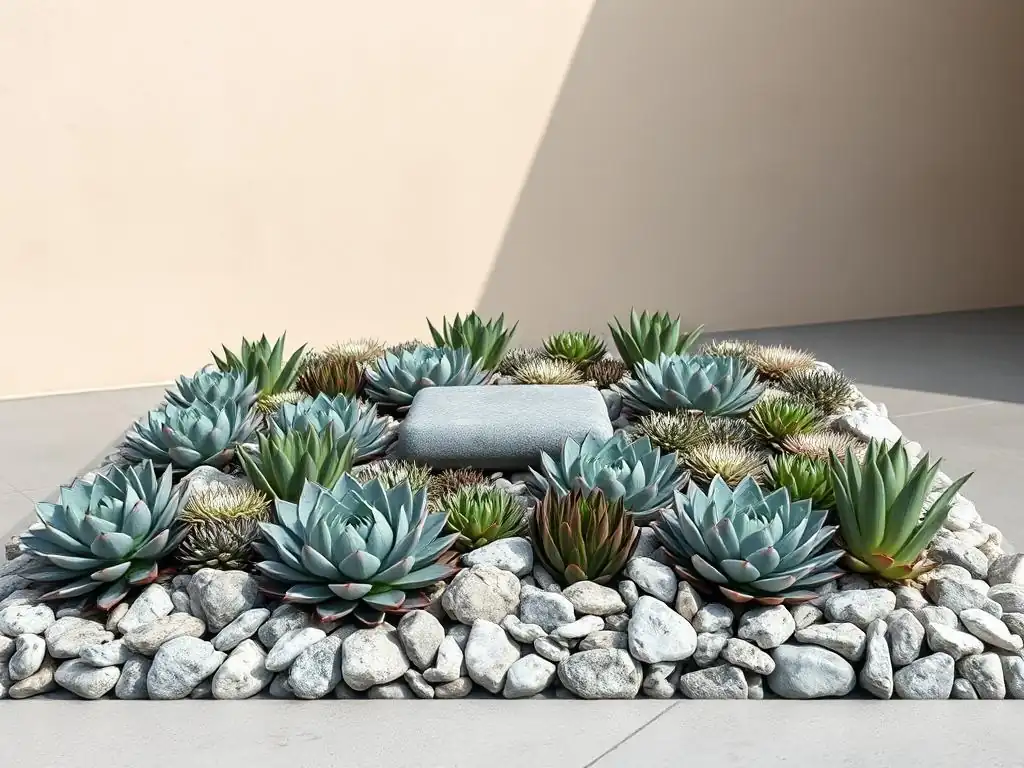
Creating a succulent garden with incredible curb appeal is only half the battle. Maintaining its vibrant health and stunning appearance requires consistent care and attention. This section details crucial maintenance practices to ensure your succulent masterpiece thrives for years to come, maximizing its contribution to your home's aesthetic value. We'll cover watering, pest and disease control, and essential trimming techniques, all vital components of long-term succulent garden design and maintenance. Remember, a well-maintained succulent garden significantly boosts your home's curb appeal, enhancing its overall value and charm.
Watering Strategies for Different Seasons and Climates
Succulent watering is a delicate balance. Overwatering is a common culprit behind succulent decline, leading to root rot and ultimately, plant death. Conversely, underwatering can result in shriveled leaves and stunted growth, compromising the visual appeal of your garden. The key is to adjust your watering schedule based on the season and your specific climate.
During the hot, dry summer months, you'll likely need to water more frequently, perhaps once a week or even more often depending on the heat and sun exposure. However, always check the soil moisture before watering. Stick your finger about an inch into the soil; if it's dry, it's time to water. In cooler seasons like autumn and spring, reduce watering frequency to every two or three weeks. Winter watering depends on your climate; in frost-prone areas, you might only need to water once a month or even less, depending on rainfall.
Different climates require different approaches. Arid climates will naturally require less frequent watering than humid ones. Well-draining soil is crucial for all climates to prevent waterlogging. Consider the type of succulents planted; some varieties are more drought-tolerant than others, requiring less frequent watering. Observing your plants closely is key; wilting leaves are a clear indication of thirst, while mushy or rotting leaves suggest overwatering.
Protecting Your Succulents from Pests and Diseases
Even drought-tolerant succulents are susceptible to pests and diseases. Regular inspection is paramount to catch problems early and prevent widespread damage. Common pests include mealybugs, aphids, and spider mites. These can be controlled with insecticidal soap or neem oil, applied directly to the affected areas. Always follow the product instructions carefully. For severe infestations, professional help may be necessary.
Diseases are often caused by fungal infections, typically resulting from overwatering or poor drainage. Ensure your succulents have adequate airflow to prevent fungal growth. If you notice signs of disease, such as leaf spots or discoloration, remove the affected parts promptly to prevent the spread. In cases of widespread disease, consider repotting your succulents in fresh, well-draining soil. Prevention is key; maintaining good sanitation and appropriate watering practices significantly reduces the risk of pests and diseases. A healthy succulent garden is a beautiful succulent garden, contributing significantly to your home's curb appeal.
Trimming and Pruning for Healthy Growth and Optimal Aesthetics
Regular trimming and pruning are essential for maintaining the shape and health of your succulent garden, and it also enhances its aesthetic appeal. Remove any dead, damaged, or diseased leaves or stems promptly. This prevents the spread of disease and encourages new growth. Pruning also helps to maintain the desired shape and size of your plants, preventing them from becoming leggy or overgrown. This is particularly important for succulents planted in containers or in tightly arranged beds where overcrowding can lead to problems.
For succulents that grow tall and leggy, you can prune back the stems to encourage bushier growth. When trimming, always use clean, sharp tools to prevent the spread of disease. Make clean cuts, avoiding ragged edges.
You can use the cuttings for propagation, creating new plants to expand your garden or share with friends. Regular trimming and pruning are simple yet highly effective measures that contribute to a thriving and visually stunning succulent garden, maximizing its positive impact on your home's curb appeal. Remember, a well-maintained succulent garden is a testament to careful planning and consistent care, enhancing your home’s beauty and value.
Advanced Techniques for a Professional-Looking Succulent Garden
Designing a succulent garden that boasts curb appeal goes beyond simply planting succulents. Mastering certain techniques elevates your design from amateur to professional. This section delves into those advanced techniques, ensuring your succulent garden not only thrives but also makes a stunning statement. We'll explore strategies to maximize visual impact and create a truly captivating outdoor space. Achieving a high level of design requires careful planning and execution; let's explore how to achieve that professional touch.
Creating Focal Points with Unique Succulent Varieties
A key element in designing a succulent garden with exceptional curb appeal is the strategic use of focal points. These aren't just about placing the largest succulents in the center; it's about using variety and contrast to draw the eye. Consider incorporating rare or unusual succulent varieties to create visual interest. Think Dudleya brittonii, with its striking blue-gray rosettes, or the dramatic, architectural forms of Agave parryi. These unique plants serve as anchors, drawing the viewer's gaze and adding depth to the overall design.
For example, a large, mature Echeveria 'Perle von Nürnberg' can serve as a magnificent centerpiece, its perfectly formed rosettes radiating outwards. Surrounding this focal point with smaller, contrasting succulents, like the spiky Sedum morganianum ('Burro's Tail') or the vibrant hues of Sedum rubrotinctum ('Jelly Bean'), creates a dynamic and visually engaging composition. Don't be afraid to experiment with textures and colors—the more varied your palette, the more captivating your garden will be.
Careful consideration of plant size and mature dimensions is vital to avoid overcrowding and ensure each plant has ample space to thrive. Remember, the goal is to create a harmonious blend of diverse succulents that complement each other, showcasing the unique beauty of each variety.
Incorporating Other Drought-Tolerant Plants for Added Interest
While succulents are the stars of the show, incorporating other drought-tolerant plants can add texture, color, and visual complexity to your design. This expands the design possibilities beyond the typical succulent-only bed, enhancing its aesthetic appeal significantly. Consider weaving in grasses like Stipa tenuissima (Mexican Feather Grass) for airy movement and delicate texture, or adding pops of color with drought-resistant perennials like Gaillardia (Blanket Flower) or Penstemon. The key is to choose plants that complement the succulents' forms and colors, without overpowering them.
For instance, the silvery foliage of Artemisia can beautifully contrast with the deep greens and reds of certain succulents. Similarly, the vibrant blooms of Lantana can add a splash of color during the warmer months. The inclusion of these companion plants not only enhances the visual appeal but also adds to the biodiversity of your garden, creating a more resilient and interesting ecosystem. Remember to research the specific water requirements of your chosen companion plants to ensure they are well-suited to the arid conditions preferred by succulents.
Designing for Year-Round Interest: Succulents for Every Season
A truly exceptional succulent garden provides visual appeal throughout the year. While many succulents offer stunning foliage, some also provide seasonal color through blooms. Careful planning ensures your garden remains captivating even during winter's dormancy. This requires selecting succulents with varying bloom times and textures to maintain interest. For example, Sedum autumnale offers brilliant autumnal hues, while Sempervivum (hens and chicks) provide winter interest with their rosette formations.
To achieve year-round appeal, consider the following: choose succulents with different flowering seasons, incorporate succulents with interesting winter foliage colors, and consider adding evergreens for structure and texture during the colder months. A well-planned design will ensure a dynamic and engaging display regardless of the season. This long-term perspective is crucial for achieving a truly professional and visually stunning succulent garden that provides beauty and interest throughout the year, maximizing its curb appeal. Remember to research the specific characteristics of each succulent species to ensure it's well-suited to your climate and light conditions.
Frequently Asked Questions
What is the best way to design a succulent garden for curb appeal?
Consider the overall shape and size of your garden bed, choosing succulents with varying textures, colors, and heights for visual interest. Remember to integrate the garden seamlessly with your home's architectural style.
How do I choose the right succulents for my curb appeal garden?
Select succulents that thrive in your climate and sunlight conditions. Consider color combinations and textural contrasts to create a visually appealing display. Don't be afraid to experiment with different varieties.
What are some creative ways to incorporate succulents into my existing landscaping?
You can use succulents as border plants, create mixed succulent beds, or incorporate them into rock gardens or container arrangements. Consider using retaining walls or raised beds to add dimension.
How much maintenance is required for a curb appeal succulent garden?
Succulents are generally low-maintenance, requiring minimal watering once established. Occasional weeding and pruning will help maintain a neat appearance. Monitor for pests and diseases.
Where can I find more information on designing succulent gardens?
Visit SucculentEssentials.org for comprehensive guides, tips, and inspiration on designing and maintaining stunning succulent gardens. We offer detailed care instructions and creative arrangement ideas.
Final Reflection: Cultivating Curb Appeal, Cultivating Joy
The art of designing a succulent garden isn't merely about aesthetics; it's about creating a vibrant, resilient landscape that reflects our own inner strength and creativity. In a world increasingly focused on instant gratification, the slow, deliberate growth of succulents mirrors the rewarding journey of cultivating beauty, both in our gardens and in our lives. The enduring appeal of these hardy plants speaks to a deeper human need for connection with nature, even within the confines of our urban spaces.
The enduring popularity of succulent gardens, as evidenced by their frequent appearance in design magazines and social media, highlights our collective desire for low-maintenance yet visually stunning outdoor spaces. The beauty of a garden lies not only in its flowers, but also in its ability to inspire and soothe the soul.
This quote perfectly encapsulates the power of a well-designed succulent bed to transform a simple yard into a haven of peace and tranquility. The process of selecting, arranging, and nurturing these unique plants becomes a meditative practice, offering a welcome respite from the demands of daily life.
Now, consider your own space. What elements of succulent garden design resonate most with you? Perhaps it's the bold textures, the surprising bursts of color, or the simple satisfaction of watching these resilient plants thrive. Take the inspiration from this article and begin your own journey of creating a succulent garden that not only enhances your curb appeal but also nourishes your soul. Let the beauty you cultivate on the outside reflect the inner beauty you nurture within.
Unleash Your Inner Gardener: Craft the Succulent Oasis of Your Dreams
Thank you for exploring the art of creating stunning succulent mixed beds! You're about to discover how easy it is to enhance your home's curb appeal with these low-maintenance plants. Ready to transform your outdoor space?
- Design your dream succulent bed. Begin by sketching your vision—either on paper or using a digital design tool. Consider the sunlight, soil type, and desired aesthetic. Let your creativity flourish!
- Share your progress! Post a picture of your design on social media using #SucculentEssentials and tag us—we'd love to see your ideas!
- Visit your local nursery or garden center to explore the diverse world of succulents. Find plants that inspire you and expand your collection. You might even discover the perfect centerpiece for your design!
What unique elements will you incorporate into your personal succulent haven?