
Succulents and Biodiversity: Global Importance and Conservation

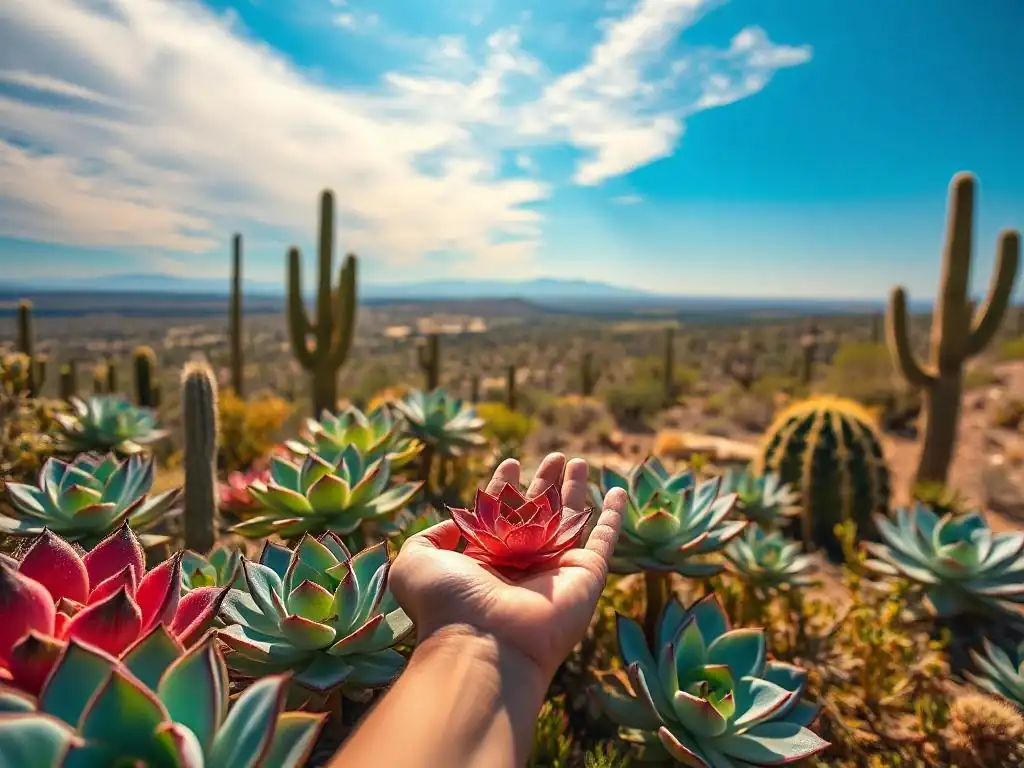
Welcome to SucculentEssentials.org, where the fascinating world of succulents unfolds before you! Are you ready to delve into the captivating beauty and surprising resilience of these drought-resistant wonders? Discover more than just pretty plants; learn about the global importance of succulent conservation and why protecting these unique species matters more than you might think. Prepare to be amazed as we explore the vital role succulents play in our ecosystem, and how you can contribute to their survival. Let's embark on this journey together – your Succulent conservation adventure starts now!
- The Global Distribution of Succulents and Their Ecological Roles
- Threats to Succulent Biodiversity: A Global Perspective
-
Succulent Conservation Strategies: Global Efforts and Initiatives
- In-Situ Conservation: Protecting Succulents in Their Natural Habitats
- Ex-Situ Conservation: Preservation through Seed Banks and Botanical Gardens
- Sustainable Harvesting and Trade Practices for Succulents
- Community-Based Conservation Programs: Engaging Local Populations
- International Collaboration and Policy for Succulent Protection
- The Importance of Succulent Conservation for Ecosystem Services
- Promoting Succulent Conservation: A Call to Action
- Frequently Asked Questions
- Final Reflection: The Silent Struggle of Succulents and Our Shared Future
- Unleash Your Inner Conservationist: Act Now for Succulents!
The Global Distribution of Succulents and Their Ecological Roles
Succulents, with their remarkable ability to thrive in harsh environments, represent a significant component of global biodiversity. This article delves into the global importance of succulent conservation, exploring their distribution, ecological roles, and the threats they face. Understanding the crucial contributions succulents make to their ecosystems is paramount to implementing effective conservation strategies.
From the arid deserts of Africa and the Americas to the rocky slopes of mountainous regions, succulents play a vital role in maintaining the delicate balance of life in diverse habitats. Their unique adaptations, such as water storage capabilities and specialized photosynthetic pathways, allow them to flourish where other plants struggle, making them keystone species in many ecosystems.
This exploration will highlight the critical need for global collaborative efforts to protect these fascinating and ecologically important plants, addressing the challenges of habitat loss, over-collection, and climate change. We will examine specific regions of high succulent concentration and detail the intricate web of interactions succulents have with other organisms, underscoring their irreplaceable value in maintaining biodiversity.
Biodiversity Hotspots: Regions with High Succulent Concentration
Several regions around the world stand out as biodiversity hotspots for succulents. These areas boast an exceptional concentration of succulent species, many of which are endemic, meaning they are found nowhere else on Earth. These hotspots often coincide with areas characterized by unique geological formations, specific climatic conditions, and long periods of isolation, leading to remarkable diversification.
For example, [Specific region 1 with high succulent concentration and number of endemic species pending] is renowned for its diverse succulent flora, including a high number of cacti and other drought-resistant species. Similarly, [Specific region 2 with high succulent concentration and number of endemic species pending] exhibits a remarkable richness of succulent species adapted to its unique environmental conditions. The high level of endemism in these regions highlights the vulnerability of these plants and the critical need for focused conservation efforts.
The loss of even a single species can have cascading effects on the entire ecosystem, impacting other plants, animals, and the overall biodiversity of the region. Detailed mapping and ongoing monitoring are crucial for effective conservation planning in these sensitive areas.
The Crucial Role of Succulents in Arid and Semi-Arid Ecosystems
Succulents are particularly crucial in arid and semi-arid ecosystems, where their presence significantly impacts the structure and function of the environment. Their deep root systems help stabilize the soil, preventing erosion and desertification. Their ability to store water allows them to survive prolonged periods of drought, providing a vital food source for animals during lean times.
Furthermore, succulents often create microhabitats that support a range of other organisms, including insects, reptiles, and birds. The intricate relationships between succulents and these other species highlight the interconnectedness of life in these fragile ecosystems. For instance, [Specific example of a succulent species and its interaction with a specific animal species pending].
The loss of succulent populations in these environments can lead to significant disruptions in the ecological balance, impacting the entire food web and potentially leading to ecosystem collapse. Therefore, protecting succulents is crucial for maintaining the health and resilience of arid and semi-arid ecosystems worldwide.
Pollination and Seed Dispersal: Succulents' Contribution to Biodiversity
The reproductive strategies of succulents also contribute significantly to biodiversity. Many succulent species rely on a variety of pollinators, including insects, birds, and bats, for successful reproduction. These interactions promote genetic diversity within succulent populations and help maintain the health and resilience of the species.
Similarly, seed dispersal mechanisms, which can involve animals, wind, or water, contribute to the spatial distribution of succulents and the maintenance of genetic flow between populations. The disruption of these pollination and seed dispersal processes, often caused by habitat fragmentation or the decline of pollinator populations, can have severe consequences for succulent conservation. [Specific example of a succulent species and its pollination/seed dispersal mechanism pending].
Understanding these intricate relationships is key to developing effective conservation strategies that protect not only the succulents themselves but also the wider biodiversity they support. Protecting pollinators and maintaining habitat connectivity are crucial steps in ensuring the long-term survival of these remarkable plants.
Succulents as a Food Source and Habitat for Wildlife
Succulents, often underestimated in their ecological significance, play a crucial role in supporting biodiversity in various arid and semi-arid regions globally. Their unique adaptations to water scarcity make them a vital food source and habitat for a surprising array of wildlife. Many desert animals rely on succulents for sustenance, particularly during periods of drought when other food sources are scarce. For example, the iconic desert tortoise in North America consumes various succulent species, utilizing their moisture content for hydration and their nutritional value for energy. Similarly, numerous insect species, including various beetles and butterflies, feed on succulent nectar and pollen, contributing to pollination and overall ecosystem health. This intricate relationship highlights the importance of succulent conservation for maintaining the delicate balance of these fragile ecosystems. The loss of succulent populations can trigger a cascading effect, impacting the entire food web and potentially leading to a decline in dependent animal populations.
The structural complexity of many succulent species also provides essential shelter and nesting sites for diverse wildlife. The dense, spiny growth of some cacti, for instance, offers protection from predators for small mammals, reptiles, and birds. The hollows within larger succulents can provide refuge from harsh weather conditions or serve as nesting sites.
The ecological value extends beyond direct consumption; the presence of succulents creates microhabitats that support a rich array of invertebrates, which in turn attract insectivorous birds and other predators, further enriching the biodiversity of the area. Understanding this intricate web of interactions emphasizes the crucial role succulents play in maintaining a healthy and resilient ecosystem. Protecting succulent populations, therefore, is not just about preserving individual plant species, but also about safeguarding the wider biodiversity they support.
The consequences of neglecting succulent conservation can be far-reaching, impacting the stability and health of entire ecosystems. This underscores the pressing need for effective conservation strategies to protect these remarkable plants and the diverse wildlife that depends on them. The global importance of succulent conservation in relation to wildlife support is often overlooked but undeniably critical for the long-term health of many arid and semi-arid environments.
Threats to Succulent Biodiversity: A Global Perspective
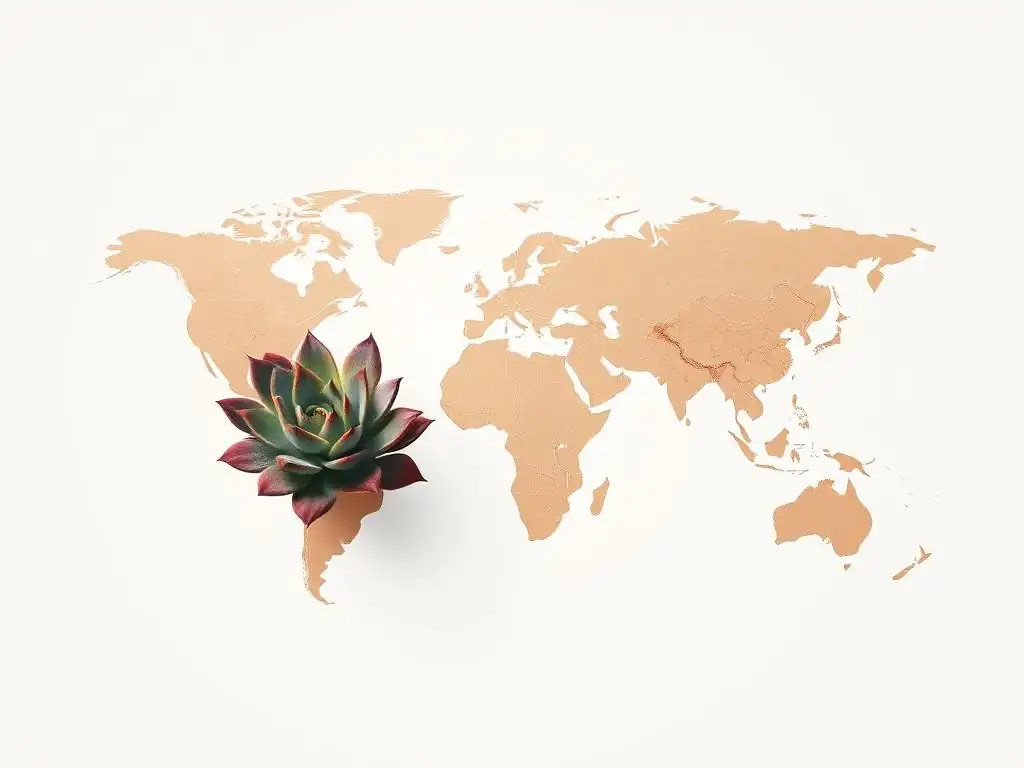
Succulent conservation is crucial for maintaining global biodiversity. These fascinating plants, adapted to arid and semi-arid environments, face numerous threats that jeopardize their survival. Understanding these challenges is the first step towards effective conservation strategies. The global importance of succulent conservation lies not only in preserving unique plant life but also in safeguarding the intricate ecosystems these plants support. Their role in preventing soil erosion, supporting local fauna, and contributing to carbon sequestration is often underestimated. The keyword "Succulent conservation global importance" highlights the urgency of addressing these threats.
Habitat Loss and Degradation: The Primary Threat to Succulents
Habitat loss and degradation represent the most significant threat to succulent biodiversity worldwide. Rapid urbanization, agricultural expansion, and infrastructure development directly destroy succulent habitats, leading to population decline and even extinction in some cases. Mining activities, particularly in areas rich in succulent species, further exacerbate this problem. Consider the drastic reduction of succulent populations in regions experiencing intense deforestation for timber or agricultural purposes. This loss is not just about the plants themselves; it's about the disruption of entire ecosystems.
The degradation of existing habitats also poses a serious threat. Pollution from industrial activities, agricultural runoff, and unsustainable water management practices alter soil composition and water availability, making it difficult for succulents to thrive. For example, the introduction of invasive species can outcompete native succulents for resources, leading to a decline in their populations. This competition for resources, coupled with habitat fragmentation, isolates succulent populations, reducing genetic diversity and making them more vulnerable to disease and environmental changes. Effective conservation requires not only protecting existing habitats but also restoring degraded areas to promote the recovery of succulent populations.
Climate Change Impacts on Succulent Populations
Climate change is another major threat to succulent biodiversity. Changes in temperature and precipitation patterns are altering the delicate balance of arid and semi-arid ecosystems, impacting succulent survival. Increased frequency and intensity of droughts stress succulent populations, reducing their ability to reproduce and increasing their susceptibility to disease. Similarly, extreme weather events such as heatwaves and floods can cause significant mortality.
Furthermore, shifts in temperature and rainfall patterns can disrupt the timing of flowering and fruiting, affecting pollination and seed dispersal. This disruption can lead to reduced reproductive success and ultimately, population decline. The changing climate also influences the distribution of succulent species, potentially leading to range shifts and habitat loss as suitable conditions change. For instance, some species may struggle to adapt to rapidly warming temperatures, while others may face challenges in finding suitable water sources. Understanding these climate-related threats is crucial for developing effective conservation strategies that account for future climate projections.
Overcollection and Unsustainable Harvesting Practices
Overcollection and unsustainable harvesting practices pose a significant threat, particularly to rare and commercially valuable succulent species. The illegal trade in succulents fuels this problem, driving populations towards extinction. Unsustainable harvesting for horticulture, traditional medicine, and other uses further depletes wild populations, leaving little opportunity for natural regeneration.
The impact of overcollection is particularly acute for slow-growing species, which struggle to recover from even small-scale harvesting. This pressure on wild populations is exacerbated by the lack of regulation and enforcement in some regions. Sustainable harvesting practices, including controlled collection and propagation programs, are essential to mitigate the negative impacts of this threat.
Raising awareness among collectors and consumers about the importance of responsible sourcing can also contribute to the conservation of succulent biodiversity. Furthermore, stricter regulations and enforcement of existing laws are crucial to combat the illegal trade in succulents and protect wild populations. The long-term survival of many succulent species depends on our ability to address this pressing issue.
Invasive Species and Their Impact on Native Succulents
Invasive species pose a significant threat to succulent biodiversity globally. These non-native plants, often introduced unintentionally through horticulture or trade, can outcompete native succulents for resources like water, sunlight, and nutrients. Their aggressive growth patterns and lack of natural predators in new environments allow them to rapidly spread, disrupting established ecosystems and reducing the habitat available for native succulents.
This competition can lead to a decline in native succulent populations, potentially pushing some species towards extinction. The impact is particularly severe in regions with unique and fragile succulent ecosystems, such as the arid and semi-arid zones of southern Africa and the southwestern United States. For example, the introduction of certain fast-growing cacti species into areas with diverse succulent flora has been documented to significantly alter the composition and structure of these communities.
The aggressive spread of these invasive species necessitates careful management strategies, including early detection, eradication programs, and the implementation of biocontrol measures. The success of these strategies often depends on community involvement and robust regulatory frameworks to prevent further introductions. Ignoring the threat of invasive species could lead to irreversible losses in succulent diversity and the disruption of vital ecological processes.
The impact extends beyond simple competition. Some invasive succulents can alter soil chemistry, making it less hospitable to native species. They can also change the fire regime of an area, making it more or less frequent and intense, which can have devastating consequences for native plants adapted to specific fire cycles.
Furthermore, invasive succulents can act as vectors for diseases or pests that affect native plants, compounding the negative effects. A classic example is the introduction of a particular insect pest that feeds on a specific type of native succulent, causing significant damage to its population and potentially leading to local extinction if the invasive species spreads widely. Understanding the specific mechanisms through which invasive species harm native succulents is critical for developing effective conservation strategies.
This includes detailed studies of the competitive interactions, the alteration of habitat conditions, and the potential for disease transmission. Such research can inform targeted management interventions and help prioritize conservation efforts.
Succulent Conservation Strategies: Global Efforts and Initiatives
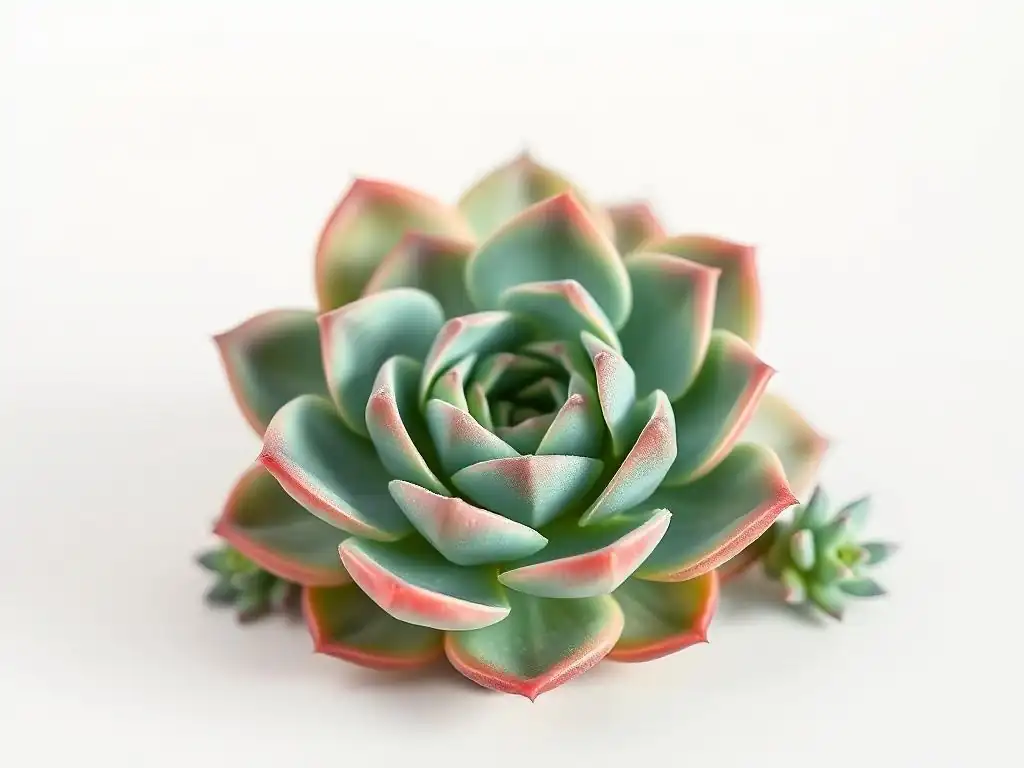
The global importance of succulent conservation necessitates a multifaceted approach encompassing various strategies. These strategies must address the diverse threats facing succulents, from habitat loss and climate change to unsustainable harvesting and invasive species. Successful succulent conservation requires international collaboration, community engagement, and innovative solutions. The following sections detail key strategies currently employed.
In-Situ Conservation: Protecting Succulents in Their Natural Habitats
In-situ conservation, focusing on preserving succulents within their natural environments, is paramount. This approach prioritizes the protection of crucial habitats, minimizing human impact, and combating threats directly within the ecosystems where these plants thrive. Effective in-situ strategies often involve:
- Establishing protected areas: Creating national parks, reserves, and other protected areas specifically designated to safeguard succulent-rich ecosystems is crucial. These areas restrict destructive activities like mining, agriculture, and uncontrolled development, providing vital refuge for succulent populations. The effectiveness of these areas depends heavily on robust enforcement and monitoring. For instance, the establishment of a reserve in the Namib Desert specifically protecting Welwitschia mirabilis, a critically endangered succulent, exemplifies a successful in-situ strategy.
- Habitat restoration: In areas where succulent habitats have been degraded, restoration projects aim to revive the ecosystem to its former glory. This involves removing invasive species, reintroducing native succulents, and improving soil conditions. Such projects require significant time, resources, and careful planning, often involving local communities for long-term success. For example, restoring degraded coastal areas to promote the growth of Dudleya species demonstrates the potential of habitat restoration.
- Community-based conservation: Engaging local communities in conservation efforts is essential for long-term success. By educating communities about the importance of succulents and involving them in monitoring and protection activities, we foster a sense of ownership and responsibility. This collaborative approach can lead to sustainable practices that benefit both the local population and the succulents. Successful examples include projects involving indigenous communities in the protection of endemic succulent species in Mexico and South Africa.
Ex-Situ Conservation: Preservation through Seed Banks and Botanical Gardens
Ex-situ conservation complements in-situ efforts by preserving succulents outside their natural habitats. This approach offers a vital safety net, safeguarding genetic diversity against catastrophic events that could wipe out wild populations. Key ex-situ strategies include:
- Seed banking: Storing seeds of various succulent species in specialized facilities provides a long-term insurance policy against extinction. Seed banks maintain viable seeds under controlled conditions, ensuring the genetic material remains available for future restoration or research projects. The Millennium Seed Bank Partnership, for example, plays a significant role in preserving the genetic diversity of succulents worldwide.
- Botanical gardens and arboreta: These institutions play a crucial role in cultivating and showcasing diverse succulent species. They serve as centers for research, education, and conservation breeding programs, contributing to the understanding and preservation of succulent biodiversity. Many botanical gardens actively participate in conservation programs, propagating endangered species and reintroducing them into the wild when conditions allow. The Huntington Library, Art Museum, and Botanical Gardens, for example, houses a significant collection of succulents and actively participates in conservation initiatives.
- Tissue culture: This advanced technique allows for the rapid propagation of rare and endangered succulents using small pieces of plant tissue. Tissue culture offers a valuable tool for increasing the number of plants for reintroduction programs or for maintaining genetic diversity in ex-situ collections. This method is particularly useful for species with low seed germination rates or slow growth.
Sustainable Harvesting and Trade Practices for Succulents
The succulent trade, while contributing to the economy in some regions, poses a significant threat to wild populations if not managed sustainably. Unsustainable harvesting can lead to overexploitation and endangerment of numerous species. Implementing sustainable harvesting and trade practices is therefore crucial for succulent conservation:
- Regulation and monitoring: Strict regulations on the harvesting and trade of wild-collected succulents are necessary. These regulations should include licensing systems, quotas, and traceability mechanisms to prevent illegal harvesting and ensure sustainable practices. Effective monitoring and enforcement are key to the success of these regulations. The CITES (Convention on International Trade in Endangered Species of Wild Fauna and Flora) plays a vital role in regulating the international trade of threatened succulent species.
- Promoting cultivation: Encouraging the cultivation of succulents through nurseries and horticultural practices reduces the pressure on wild populations. This approach provides a sustainable source of plants for the market, minimizing the need for wild harvesting. The development of efficient propagation techniques also contributes to the availability of cultivated plants.
- Consumer awareness: Educating consumers about the importance of purchasing sustainably sourced succulents is crucial. Consumers should be aware of the potential impacts of their purchasing decisions on wild populations and should choose plants from reputable sources that prioritize sustainable practices. This includes supporting nurseries that propagate plants from cuttings or seeds rather than relying on wild harvesting.
The combined implementation of these strategies, along with continued research and monitoring, will be vital in ensuring the long-term survival of succulents and the preservation of their invaluable contribution to global biodiversity. The future of succulent conservation hinges on a collaborative effort involving governments, researchers, conservation organizations, and the broader community of succulent enthusiasts.
Community-Based Conservation Programs: Engaging Local Populations
Community involvement is paramount for successful succulent conservation. Many succulent species thrive in regions with significant human populations, often overlapping with areas crucial for local livelihoods. Ignoring these communities would be detrimental to conservation efforts. Effective programs prioritize collaborative partnerships, recognizing the traditional ecological knowledge held by indigenous and local communities.
For example, in the arid regions of [Specific region pending], community members are actively involved in monitoring succulent populations, reporting illegal harvesting, and participating in habitat restoration projects. This participatory approach not only ensures the protection of succulents but also empowers local communities, creating sustainable economic opportunities linked to conservation. Training programs focusing on sustainable harvesting practices and ecotourism initiatives can provide alternative income sources, reducing pressure on wild succulent populations. Successful programs also incorporate cultural sensitivity, respecting local customs and traditions related to the use of succulents.
This holistic approach, combining conservation with community development, is vital for long-term success. Furthermore, community-based programs often lead to a greater sense of ownership and responsibility for the conservation of these unique plants, fostering a long-term commitment to their survival. The success of such initiatives hinges on transparent communication, equitable benefit-sharing, and the recognition of local expertise.
International Collaboration and Policy for Succulent Protection
The conservation of succulents requires a global perspective, transcending national borders and political boundaries. Many succulent species have trans-boundary distributions, demanding international collaboration for effective protection. This collaboration manifests in several ways, including the sharing of research data, the implementation of joint conservation projects, and the harmonization of policies related to succulent trade and protection. International organizations like the IUCN (International Union for Conservation of Nature) play a crucial role in assessing the conservation status of succulent species, providing guidelines for their management, and facilitating collaborative initiatives.
The CITES (Convention on International Trade in Endangered Species of Wild Fauna and Flora) regulates the international trade of threatened succulent species, helping to curb illegal harvesting and trade that contributes to their decline. However, effective implementation of CITES regulations requires robust monitoring and enforcement mechanisms, often involving collaboration between national authorities and international organizations. International collaboration also extends to the development of standardized conservation strategies, sharing best practices, and coordinating efforts to address common challenges, such as climate change and habitat loss.
Furthermore, international agreements can facilitate the exchange of genetic material for conservation breeding programs, bolstering the resilience of vulnerable succulent populations. The development of robust international policies that address the threats to succulents, coupled with effective enforcement and collaboration, is essential for the long-term survival of these unique and valuable plants. The global nature of the succulent trade underscores the importance of international cooperation in addressing this complex challenge.
The Importance of Succulent Conservation for Ecosystem Services
Succulent conservation is crucial not just for preserving biodiversity, but also for maintaining vital ecosystem services. These plants, often overlooked in broader conservation efforts, play significant roles in various ecological processes that directly benefit humans and the environment. Understanding these contributions strengthens the argument for prioritizing succulent conservation globally. The "Succulent conservation global importance" is underscored by their multifaceted impact on our planet.
Water Cycle Regulation and Soil Stabilization by Succulents
Succulents, with their unique adaptations to arid and semi-arid climates, play a critical role in regulating water cycles and stabilizing soil. Their extensive root systems help prevent soil erosion, especially on slopes and in areas prone to desertification. The roots bind the soil particles together, reducing runoff and increasing water infiltration.
This is particularly important in fragile ecosystems where soil degradation is a major concern. For example, studies in [Specific region pending] have shown a significant reduction in erosion rates in areas with high succulent density compared to areas with depleted succulent populations. Furthermore, some succulent species, through their water storage capacity, act as small reservoirs, releasing water gradually into the soil, supporting other plant life during dry periods.
This contributes to a more stable and resilient ecosystem, capable of withstanding periods of drought. The impact on water availability and soil health directly translates to improved agricultural productivity and reduced risk of natural disasters like landslides.
Carbon Sequestration and Climate Change Mitigation
The role of succulents in carbon sequestration, though less studied compared to forests, is increasingly recognized as significant. Their photosynthetic processes, adapted to optimize water use, still contribute to absorbing atmospheric carbon dioxide. While individual succulents may store less carbon than large trees, their abundance in diverse habitats, particularly in arid and semi-arid regions, contributes to a considerable overall carbon sink.
Moreover, the protection of succulent habitats safeguards the biodiversity of these ecosystems, which in turn supports the health and resilience of the entire carbon cycle. Research is ongoing to quantify the precise contribution of different succulent species to carbon sequestration, but preliminary findings suggest a significant potential for climate change mitigation through the conservation and restoration of succulent-rich landscapes. The potential for using succulents in carbon offsetting projects is also an area of growing interest.
Economic Benefits of Succulent Conservation: Ecotourism and Sustainable Industries
Succulent conservation has significant economic benefits, particularly through the promotion of ecotourism and the development of sustainable industries. Many regions with high succulent biodiversity attract tourists interested in observing these unique plants in their natural habitats. This ecotourism generates revenue for local communities, providing incentives for conservation efforts. Moreover, the cultivation and trade of succulents, when managed sustainably, can create economic opportunities for growers, artisans, and retailers.
The creation of succulent nurseries, the development of succulent-based products (e.g., cosmetics, extracts), and the design of succulent-themed landscapes all contribute to a burgeoning industry. However, ensuring the sustainability of these industries is paramount. Overexploitation of wild succulent populations for commercial purposes must be avoided through responsible harvesting practices, propagation techniques, and strict regulations. Sustainable succulent cultivation can thus become a model for economic development that is both environmentally and socially responsible, further highlighting the global importance of succulent conservation.
Promoting Succulent Conservation: A Call to Action
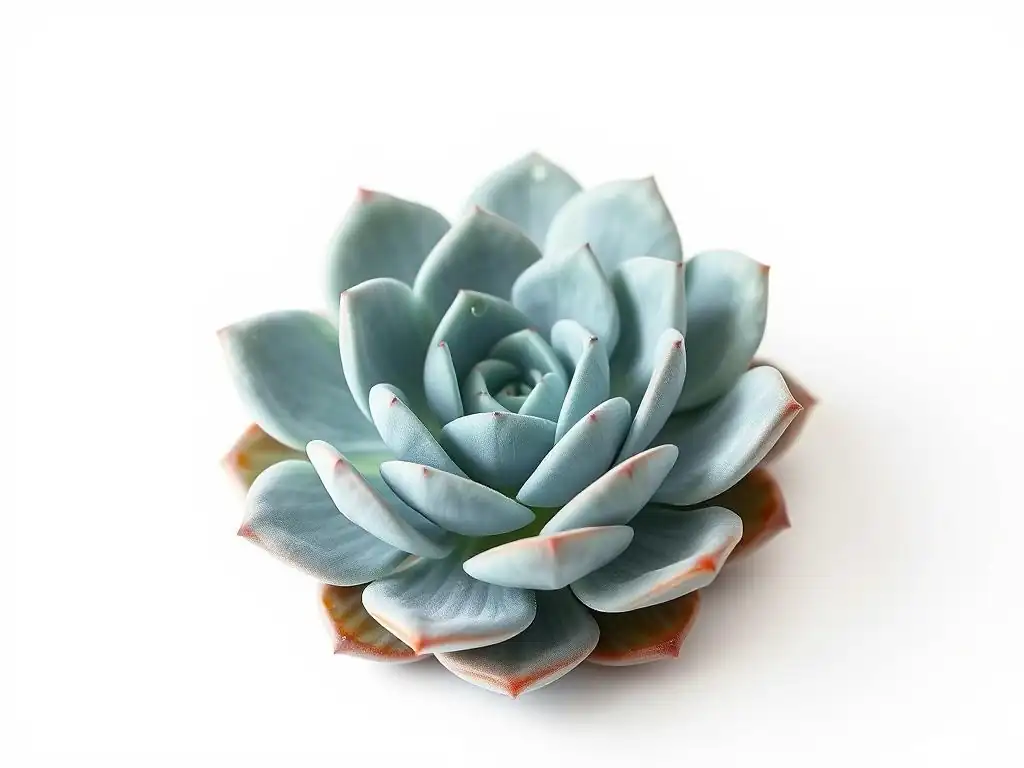
Succulent conservation is not merely a niche interest; it's a crucial aspect of global biodiversity preservation. The unique adaptations and diverse habitats of succulents make them vital components of many ecosystems, and their decline threatens the delicate balance of these environments. Understanding the global importance of succulent conservation is the first step towards effective action.
The loss of succulent species, often due to habitat destruction and unsustainable harvesting, impacts not only the plants themselves but also the countless animals, insects, and microorganisms that depend on them for survival. This section explores practical ways individuals and communities can contribute to safeguarding these remarkable plants for future generations.
Raising Awareness about the Importance of Succulent Conservation
Effective succulent conservation hinges on public awareness. Many people are unaware of the threats facing succulents and the crucial role they play in their respective ecosystems. Increased awareness can foster a sense of responsibility and encourage individuals to adopt sustainable practices. This can be achieved through various channels:
- Educational Programs: Schools and community centers can incorporate succulent conservation into their curriculum, educating children and adults about the importance of these plants. Interactive workshops, field trips to succulent habitats (where appropriate and safe), and engaging presentations can effectively convey the message. For example, a program could focus on the unique adaptations of desert succulents and the threats they face from climate change and habitat loss.
- Public Campaigns: Targeted social media campaigns, using compelling visuals and concise messaging, can reach a broad audience. These campaigns could highlight the beauty and diversity of succulents, while simultaneously emphasizing the threats they face and the actions individuals can take to help. The use of captivating imagery and short, shareable videos can significantly amplify the message.
- Collaborations with Influencers: Partnering with gardening and nature enthusiasts on social media platforms can increase the reach of conservation messages. Influencers can create engaging content, such as videos demonstrating propagation techniques or showcasing sustainable succulent gardening practices, thereby inspiring their followers to participate in conservation efforts.
Supporting Conservation Organizations and Initiatives
Numerous organizations worldwide are dedicated to succulent conservation. Supporting these initiatives, both financially and through volunteering, is vital for their continued success. These organizations often conduct critical research, implement habitat restoration projects, and advocate for policy changes to protect succulents and their habitats.
| Organization Type | Example Activities | Ways to Support |
|---|---|---|
| Botanical Gardens & Arboreta | * Seed banking and propagation programs * Research on succulent ecology and conservation |
Donations, volunteering, memberships |
| Conservation NGOs | * Habitat restoration and protection * Advocacy for policy changes |
Donations, volunteering, fundraising events |
| Research Institutions | * Scientific studies on succulent biodiversity and threats | Grants, collaborative research, data sharing |
The impact of even small contributions can be significant. For instance, a small donation could fund the propagation of endangered succulent species, while volunteering time could assist in habitat restoration efforts. Active participation, even in seemingly minor ways, contributes significantly to the larger goal of succulent conservation.
Responsible Succulent Ownership and Cultivation Practices
Responsible succulent ownership is a cornerstone of conservation. Avoiding the purchase of illegally harvested succulents is crucial. Look for reputable sellers who prioritize ethical sourcing and sustainable cultivation practices. Furthermore, responsible succulent cultivation practices can minimize the environmental impact:
- Sustainable Propagation: Propagating succulents from cuttings or leaves is a sustainable alternative to purchasing new plants, reducing the demand for wild-harvested specimens. This also allows for the expansion of your own collection without impacting wild populations.
- Water Conservation: Succulents are drought-tolerant, so overwatering should be avoided. Efficient irrigation techniques, such as drip irrigation, can minimize water waste. Remember that mindful watering is key to healthy succulents and responsible water usage.
- Pest and Disease Management: Employing integrated pest management strategies, which prioritize natural methods over chemical pesticides, protects both the succulents and the environment. Early detection and appropriate treatment are crucial to preventing widespread infestations.
By embracing these practices, succulent enthusiasts can contribute significantly to the long-term survival of these fascinating plants. The collective effort of responsible owners and cultivators can make a substantial difference in safeguarding succulent biodiversity for generations to come. 🌱
Engaging in Citizen Science Projects for Succulent Monitoring
Citizen science initiatives offer a powerful tool for bolstering succulent conservation efforts globally. These projects leverage the collective power of enthusiastic amateur botanists and succulent enthusiasts to gather crucial data on succulent populations, distribution, and threats. By participating in such projects, individuals contribute directly to scientific understanding and inform conservation strategies. For example, some citizen science programs focus on mapping the locations of rare or endangered succulent species, providing invaluable information for habitat protection and management.
Others might involve monitoring the health of succulent populations in specific areas, tracking changes in abundance or identifying potential threats like invasive species or disease outbreaks. The data collected through these initiatives is often used to inform policy decisions, guide conservation efforts, and ultimately contribute to the long-term survival of these fascinating plants. Furthermore, participation in citizen science enhances public awareness and fosters a sense of stewardship among the community. The hands-on experience of contributing to scientific research can be profoundly empowering, leading to increased engagement and a deeper appreciation for succulent biodiversity.
The collaborative nature of these projects also builds a strong sense of community among succulent enthusiasts, further strengthening conservation efforts. Many organizations actively seek volunteers for such projects, providing training and resources to ensure data quality and accuracy. By actively seeking out and participating in these opportunities, individuals can make a tangible difference in the fight to protect succulent biodiversity.
Future Research Needs for Effective Succulent Conservation
While significant progress has been made in understanding succulent biodiversity and conservation needs, substantial research gaps remain. Future research should prioritize several key areas to enhance the effectiveness of conservation strategies. Firstly, a more comprehensive understanding of the genetic diversity within succulent populations is crucial. This includes identifying genetically distinct lineages and assessing their vulnerability to various threats. This information is critical for prioritizing conservation efforts and developing effective breeding programs to maintain genetic resilience.
Secondly, further research is needed to better understand the complex interactions between succulents and their pollinators, herbivores, and other organisms within their ecosystems. This ecological understanding is essential for developing effective habitat management strategies that support the entire ecosystem, not just the succulents themselves. Thirdly, the impacts of climate change on succulent populations need further investigation. This includes studying how changing temperature and precipitation patterns affect succulent growth, reproduction, and survival. This research will inform the development of climate change adaptation strategies to mitigate the negative impacts on succulent populations.
Finally, research on the socio-economic factors that influence succulent conservation is also vital. Understanding the human pressures on succulent habitats, such as habitat destruction for agriculture or urbanization, is crucial for developing effective conservation policies and community-based conservation strategies. By addressing these research gaps, we can significantly improve our ability to protect succulent biodiversity for future generations. Increased funding for research, collaboration between scientists and conservation organizations, and engagement of local communities are essential for achieving these goals. The future of succulent conservation hinges on our ability to generate and apply knowledge effectively.
Frequently Asked Questions
What is the global importance of succulent conservation?
Succulents play a vital role in global biodiversity, supporting numerous animal species and contributing to ecosystem stability. Their conservation is crucial for maintaining these fragile ecosystems.
Why are succulents important for biodiversity?
Many animals depend on succulents for food and habitat. Their unique adaptations make them key players in arid and semi-arid environments, supporting complex food webs. Loss of succulents directly impacts these ecosystems.
What are the main threats to succulent conservation?
Habitat loss due to urbanization and agriculture, over-collection for the horticultural trade, and climate change are major threats. These factors drastically reduce succulent populations.
How can I contribute to succulent conservation?
Support sustainable succulent cultivation, avoid purchasing plants from unsustainable sources, and advocate for habitat protection. Educating others about succulent conservation is also vital.
What role do succulent gardens play in conservation efforts?
Creating succulent gardens using responsibly sourced plants helps reduce pressure on wild populations. These gardens also increase awareness and appreciation for these unique plants and their importance to biodiversity.
The vibrant world of succulents, often admired for their aesthetic appeal, faces a silent crisis of biodiversity loss, a crisis deeply intertwined with the health of our planet. Their unique adaptations and vital roles in fragile ecosystems are increasingly threatened by human activities, highlighting the urgent need for global conservation efforts. Ignoring this threat jeopardizes not only these fascinating plants but also the delicate balance of life they support.
The journey through the diverse world of succulents has underscored the profound interconnectedness of all living things. Their vulnerability mirrors our own dependence on a healthy planet. The Earth provides enough to satisfy every man's needs but not every man's greed.
- Mahatma Gandhi. This quote resonates deeply, reminding us that our consumption patterns and environmental impact directly influence the survival of these remarkable plants and countless others. Understanding this connection is crucial for fostering a sense of responsibility and inspiring action.
Consider the beauty and resilience of succulents, their ability to thrive in harsh environments. Now, imagine a world where these vibrant splashes of color and life are diminished, lost to habitat destruction and unsustainable practices. You have the power to be a part of the solution. Learn more about succulent conservation initiatives, support sustainable gardening practices, and advocate for policies that protect biodiversity. Let the silent struggle of these remarkable plants inspire you to become a voice for the voiceless, a guardian of our shared natural heritage.
Unleash Your Inner Conservationist: Act Now for Succulents!
Thanks for exploring the fascinating world of succulents and their vital role in global biodiversity! You've learned about their importance—now let's put that knowledge into action.
Here's how you can make a difference:
- Become a Succulent Steward: Start by protecting succulents in your local area. Join a local conservation group, volunteer for habitat restoration, or simply adopt more sustainable gardening practices.
- Share the Knowledge: Spread awareness about succulent conservation by sharing this article with your friends and family on social media.
- Deepen Your Understanding: Learn more about succulent conservation by researching endangered species in your region and discovering which organizations are working to protect them.
What small step will you take today to help safeguard these incredible plants for future generations?