
Pest Control for Succulents: Effective Spray Bottle Solutions

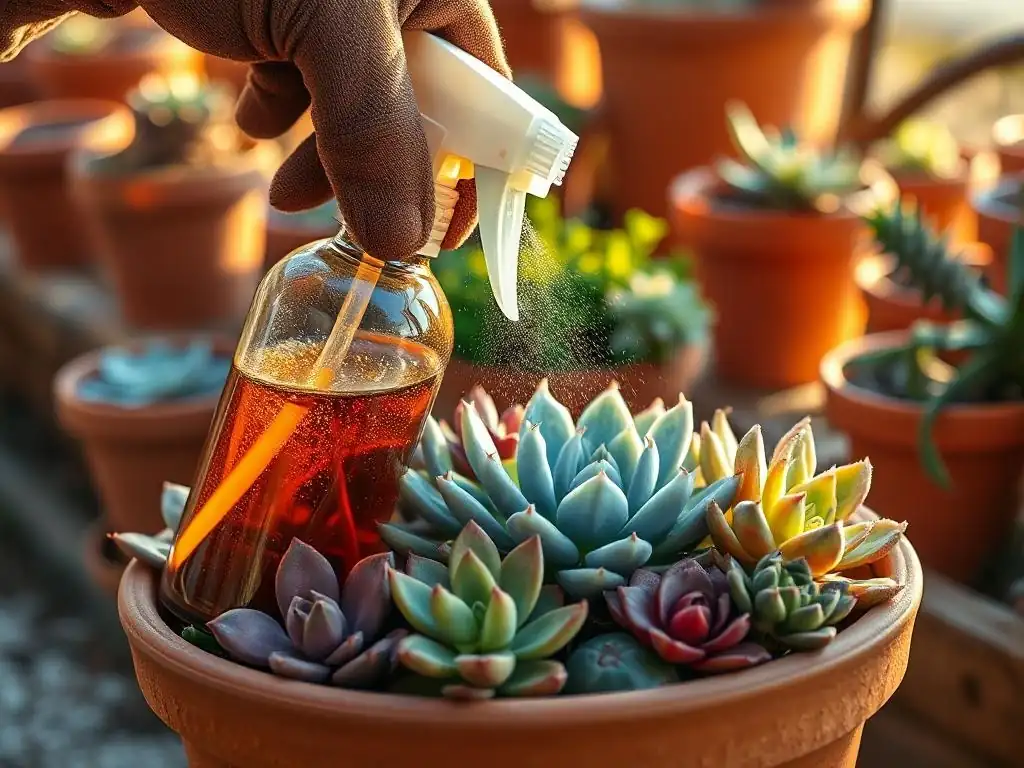
Welcome to SucculentEssentials.org, your gateway to the mesmerizing world of succulents! Are you ready to unlock the secrets to thriving, vibrant plants? We'll guide you through everything from basic care to advanced techniques, including crafting stunning arrangements. But first, discover the essential tool for keeping your precious collection pest-free: our guide to the perfect succulent pest control spray bottle. Dive in and learn how to protect your succulents and keep them looking their best!
- Identifying Common Succulent Pests
- DIY Succulent Pest Control Spray Bottle Solutions
- Applying Your Homemade Succulent Pest Control Spray
- Maintaining a Pest-Free Succulent Collection
- When to Seek Professional Help for Succulent Pest Control
-
Frequently Asked Questions
- What kind of spray bottle is best for succulent pest control?
- What solution should I use in my spray bottle for succulent pest control?
- How often should I spray my succulents for pest control?
- Can I use any household spray bottle for my succulent pest control solution?
- Where can I find more information on identifying succulent pests?
- Final Reflection: Nurturing Resilience: The Ongoing Battle for Succulent Health
- Unleash Your Inner Plant Doctor: Save Your Succulents Today!
Identifying Common Succulent Pests
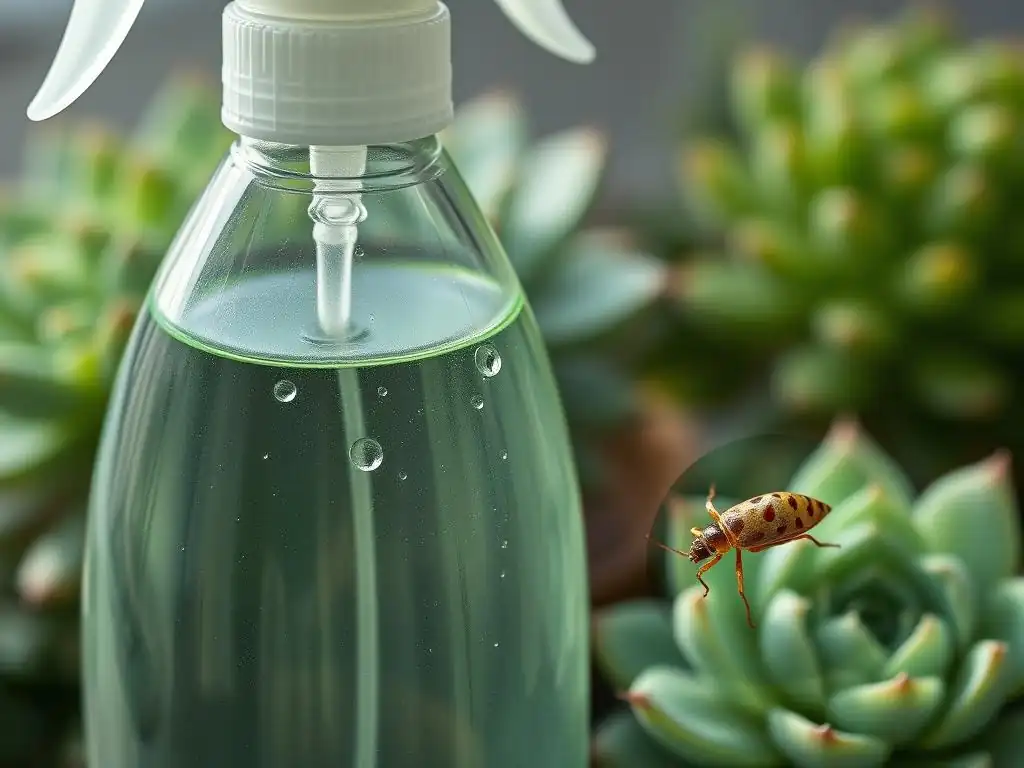
Succulents, with their charming resilience, are a popular choice for both seasoned gardeners and enthusiastic beginners. However, even these drought-tolerant plants are susceptible to pests, which can quickly diminish their beauty and health. This guide focuses on effective spray bottle solutions for common succulent pests, equipping you with the knowledge and tools to protect your precious collection. We'll explore identifying key pests and creating simple, yet powerful, homemade solutions to combat them, ensuring your succulents thrive.
This approach is environmentally friendly and cost-effective, perfect for the budget-conscious succulent enthusiast. From recognizing the subtle signs of infestation to preparing and applying effective sprays, we’ll cover all the essential steps to maintain healthy and vibrant succulents. Remember, early detection and prompt action are crucial for successful pest control, so let's dive into the specifics.
Recognizing Mealybugs on Your Succulents
Mealybugs are tiny, soft-bodied insects that often appear as small, fluffy white masses on succulent leaves, stems, and roots. They suck the sap from your plants, leading to stunted growth, yellowing leaves, and even plant death if left untreated. A close inspection is crucial for early detection. Look for:
- White, cottony masses: These are the most obvious sign of a mealybug infestation.
- Sticky residue (honeydew): Mealybugs excrete a sticky substance that attracts sooty mold, another potential problem for your succulents.
- Wilting or yellowing leaves: These are symptoms of sap-sucking insects like mealybugs.
Effective spray bottle solutions for mealybugs often involve insecticidal soap. A simple solution can be made at home using [specific soap concentration pending] diluted in water. Thoroughly spray all affected areas, paying close attention to crevices and undersides of leaves. Repeat the application every [number] days for [number] weeks, or until the infestation is completely eradicated. Always test a small area first to ensure the solution doesn't damage your succulent's leaves. Remember to spray on a cloudy day or in the evening to avoid sun scorching.
Spotting Aphids Infesting Your Plants
Aphids, small, pear-shaped insects, are another common succulent pest. They typically cluster on new growth and buds, feeding on plant sap. Their presence can be identified by:
- Small, soft-bodied insects: Often green, black, or brown in color, they are easily visible to the naked eye.
- Distorted or curled leaves: Aphids' feeding can cause leaves to become misshapen and curled.
- Sticky honeydew: Similar to mealybugs, aphids also secrete honeydew, which can lead to sooty mold.
Combatting aphids with a spray bottle solution involves a similar approach as with mealybugs. A homemade insecticidal soap spray, using [specific soap concentration pending] diluted in water, is highly effective. Thorough spraying, focusing on all affected areas, is essential. Regular applications, every [number] days for [number] weeks, are usually necessary to eliminate the infestation. Consider adding a small amount of rubbing alcohol to the solution for increased efficacy – always test on a small, inconspicuous area first.
Identifying Spider Mites on Succulents
Spider mites are microscopic arachnids that can be difficult to spot initially. However, their presence is often revealed by:
- Fine webbing: A telltale sign of spider mite infestation is the presence of fine webbing on the leaves and stems.
- Yellow stippling or speckling: As spider mites feed, they cause tiny yellow spots on the leaves.
- Leaf discoloration and browning: Severe infestations can lead to extensive leaf damage and browning.
Controlling spider mites requires a slightly different approach. While insecticidal soap can help, a stronger solution might be needed for a severe infestation. [Specific spray solution concentration pending] Regular misting of your succulents can also disrupt their life cycle and help prevent infestations. Remember to monitor your plants closely and act quickly to prevent a widespread infestation. A consistent preventative spray schedule can drastically reduce the likelihood of spider mite problems.
Remember, always test any homemade spray solution on a small, hidden area of your succulent before applying it to the entire plant. Consistent monitoring and prompt action are key to maintaining healthy and pest-free succulents. Happy growing!
Detecting Scale Insects: A Comprehensive Guide
Scale insects are tiny, insidious pests that can wreak havoc on your succulent collection. They're masters of disguise, often blending seamlessly with the plant's coloration, making early detection crucial for effective succulent pest control spray bottle solutions. These insects feed on plant sap, weakening your succulents and leaving them vulnerable to secondary infections. Recognizing their presence is the first step in successful eradication.
One of the most common signs of a scale infestation is the appearance of small, raised bumps or lesions on the stems, leaves, or even roots of your succulents. These bumps can be various colors, from white or gray to brown or black, depending on the species of scale insect. Sometimes, they appear as a sticky residue, often referred to as honeydew. This sticky substance attracts sooty mold, a black fungus that further obscures the plant and inhibits photosynthesis.
Don't confuse these bumps with natural plant growths. A key difference is that scale insects are often slightly mobile, especially the younger, crawler stages. Gently probe the bumps with a toothpick or your fingernail; if they move or are easily dislodged, you're likely dealing with scale. Furthermore, a closer inspection with a magnifying glass might reveal the tiny, often immobile, adult scale insects themselves. They can be flat, round, oval, or even elongated, depending on the species. Look for a hard shell or covering that protects their bodies.
Early detection is vital. A small infestation can often be managed with manual removal. However, if you notice widespread infestation— numerous bumps, extensive honeydew, or visible sooty mold— more aggressive methods, including a targeted succulent pest control spray bottle solution, might be necessary. Regular inspection of your succulents, particularly the undersides of leaves and crevices in stems, is essential for early detection and prevention of a major infestation. Remember, catching scale insects early significantly increases your chances of saving your precious succulents.
DIY Succulent Pest Control Spray Bottle Solutions
This section details how to create effective, DIY succulent pest control solutions using readily available ingredients and a spray bottle. Remember, early detection and prompt treatment are key to preventing widespread infestations. Always test any spray on a small, inconspicuous area of your succulent first to check for adverse reactions. Observe your plants regularly for signs of pests – tiny insects, webbing, discoloration, or unusual spots.
Making a Simple Neem Oil Spray for Succulents
Neem oil is a natural insecticide derived from the neem tree. It's effective against a wide range of succulent pests, including mealybugs, aphids, and spider mites. Its effectiveness stems from its ability to disrupt the insect's life cycle, acting as both a repellent and a systemic insecticide.
To make a neem oil spray, you'll need:
- 1 tablespoon neem oil
- 1 teaspoon liquid dish soap (avoid harsh detergents)
- 1 quart (1 liter) of warm water
Instructions:
- Mix the neem oil and dish soap in a small container and stir vigorously until emulsified. Dish soap acts as an emulsifier, helping the oil mix with the water.
- Add the mixture to the spray bottle and fill with warm water. Shake well before each use to ensure even distribution.
- Spray the affected succulent thoroughly, ensuring coverage of both the upper and lower surfaces of the leaves and stems. Pay close attention to crevices where pests might hide.
- Reapply every 3-7 days, or as needed, until the infestation is under control. Always follow the instructions on your specific neem oil product.
Important Note: Neem oil can sometimes stain certain succulent varieties. Always test a small area first before applying it to the entire plant. Avoid spraying during the hottest part of the day to prevent leaf burn. Proper ventilation is also crucial.
Creating an Effective Insecticidal Soap Spray for Succulents
Insecticidal soap is another readily available and effective natural pest control option. It works by disrupting the cell membranes of soft-bodied insects, leading to their death. It's particularly effective against aphids, mealybugs, and whiteflies.
For a homemade insecticidal soap spray, you will need:
- 2 tablespoons of liquid dish soap (again, avoid harsh detergents)
- 1 quart (1 liter) of warm water
Instructions:
- Simply mix the dish soap and warm water in your spray bottle. Shake well before each use.
- Spray the affected succulent thoroughly, making sure to coat all surfaces.
- Reapply every 2-3 days, or as needed, until the pest problem is resolved.
Additional Tip: Adding a tablespoon of rubbing alcohol to your insecticidal soap spray can boost its effectiveness, particularly against more persistent infestations. However, always test a small area first to ensure it doesn't damage your succulent.
Utilizing Isopropyl Alcohol for Targeted Pest Control
Isopropyl alcohol (rubbing alcohol), at a concentration of 70% or higher, can be used for targeted pest control. It's particularly useful for spot-treating individual pests, such as mealybugs, that are visible on your succulents.
Instructions:
- Dip a cotton swab or Q-tip into the isopropyl alcohol.
- Carefully apply the alcohol directly to the visible pests, ensuring thorough contact.
- Avoid over-spraying, as this could potentially damage the succulent's leaves.
Caution: Isopropyl alcohol is a strong solvent and should be used sparingly and with caution. It can damage succulent leaves if overused or applied incorrectly. Always test a small area first. This method is best for spot treatment of individual pests rather than widespread infestations. For larger infestations, neem oil or insecticidal soap sprays are generally preferred for a more comprehensive approach to succulent pest control.
Remember to always carefully read and follow the instructions on any product you use. Regular inspection of your succulent collection is crucial for early pest detection and effective treatment, preventing major infestations and keeping your succulents healthy and thriving. Happy gardening! 🌱
Preparing a Baking Soda and Water Solution for Succulent Pest Control
Baking soda, a common household item, offers a surprisingly effective and safe method for controlling common succulent pests like mealybugs and aphids. Its mild alkalinity disrupts the pests' life cycle, deterring infestations without harming your plants. Creating this solution is incredibly simple, requiring only two ingredients: baking soda and water.
To prepare an effective baking soda spray, you'll need to achieve the right concentration. Too weak, and it won't be potent enough; too strong, and it could potentially damage your succulents. A good starting point is a 1 tablespoon of baking soda per 1 liter of water ratio. However, you might need to adjust this depending on the severity of the infestation and the type of succulent. Always start with a weaker solution and increase the concentration gradually if needed, closely monitoring your plants' response.
Thoroughly mix the baking soda and water until the baking soda is completely dissolved. Any undissolved baking soda particles could clog your spray bottle nozzle or leave unsightly residue on your plants. A gentle stir with a spoon or whisk should suffice. Once dissolved, pour the mixture into your spray bottle.
Before spraying, test the solution on a small, inconspicuous area of one of your succulents. Wait 24-48 hours to observe any adverse reactions. If you notice any discoloration, wilting, or other signs of damage, dilute the solution further before continuing. This precaution ensures you avoid harming your precious plants while effectively combating pests. Remember, prevention is key, and regular application of a diluted solution can often prevent major infestations. This approach to succulent pest control spray bottle solutions is both budget-friendly and environmentally conscious.
Applying Your Homemade Succulent Pest Control Spray
This section details the proper techniques for applying your homemade succulent pest control spray, maximizing its effectiveness and minimizing damage to your precious plants. Remember, a gentle touch and careful observation are key to successful pest control.
Proper Spray Application Techniques for Maximum Effectiveness
Applying your spray requires a delicate balance. Too much, and you risk damaging the succulent's delicate leaves; too little, and you won't effectively control the infestation. The ideal approach involves a fine mist, ensuring even coverage without saturating the plant.
Here's a step-by-step guide:
- Prepare your workspace: Choose a well-ventilated area, preferably outdoors or near an open window. Protect surrounding plants with a tarp or plastic sheeting to prevent accidental spraying.
- Inspect your succulents: Before spraying, carefully examine each plant to identify the affected areas and the severity of the infestation. This allows for targeted application.
- Fill your spray bottle: Fill your clean spray bottle with your homemade solution. Ensure the nozzle is set to a fine mist setting.
- Test spray: Before applying to your succulents, test the spray on a small, inconspicuous area of one plant. This helps you assess the spray's impact and adjust the nozzle if needed.
- Spray application: Hold the spray bottle approximately 6-12 inches from the plant. Apply a gentle, even mist to all affected areas, including the undersides of leaves where pests often hide. Avoid direct, forceful spraying, which can damage the leaves.
- Observe and repeat: Monitor your succulents for a few days after spraying. If the infestation persists, repeat the application as needed, following the same careful technique. Remember, consistency is key to successful pest control. Don't be afraid to repeat the process, but always prioritize a gentle approach.
Remember to always wear gloves and eye protection when handling any pest control solution, homemade or otherwise. Safety first! The use of a mask is also recommended, especially if you're working with stronger solutions.
Treating Infected Succulents with Precision
Treating infected succulents requires a targeted approach. Simply spraying the entire plant might not be the most effective strategy, especially if the infestation is localized. Instead, focus your efforts on the affected areas. This will help prevent unnecessary damage to healthy parts of your plant.
Consider these points for precise treatment:
- Identify the pest: Knowing the specific pest (e.g., mealybugs, aphids, spider mites) helps in choosing the right solution and application method. Different pests require different treatment strategies.
- Isolate infected plants: To prevent the spread of infestation, isolate infected succulents from healthy ones. This is crucial, particularly with highly contagious pests.
- Remove visible pests: Before spraying, manually remove any visible pests using a cotton swab dipped in rubbing alcohol or insecticidal soap. This reduces the pest population and enhances the effectiveness of the spray.
- Target affected areas: Focus the spray on the specific areas showing signs of infestation. For example, if mealybugs are clustered at the base of the plant, concentrate the spray there.
- Multiple applications: Be prepared for multiple applications. Some pests may require repeated treatments to fully eradicate them. Patience and consistency are crucial.
Preventing Future Infestations with Preventative Sprays
Prevention is always better than cure. Regular preventative sprays can significantly reduce the risk of future infestations. These sprays don't need to be as strong as those used to treat an existing infestation. A weaker solution, perhaps diluted, can be used for preventative purposes.
Here are some preventative measures to consider:
- Regular inspection: Regularly inspect your succulents for any signs of pests. Early detection is key to preventing major infestations.
- Quarantine new plants: Always quarantine new succulents for a couple of weeks before introducing them to your existing collection. This helps to prevent the introduction of pests.
- Maintain good hygiene: Keep your succulents clean by removing dead leaves and debris. This minimizes potential breeding grounds for pests.
- Proper watering: Avoid overwatering, as this can create a humid environment conducive to pest growth.
- Scheduled preventative sprays: Implement a schedule of preventative sprays, perhaps monthly or every other month, depending on the climate and your plant's susceptibility. This helps to deter pests before they become a problem. A diluted solution of your homemade spray is ideal for this purpose. Remember to rotate your preventative spray solutions to avoid pest resistance. Using a variety of natural pest control methods is a valuable preventative strategy.
Using a "Succulent pest control spray bottle" with a well-maintained preventative spray schedule can ensure the health and vibrancy of your succulent collection for years to come. Remember, a proactive approach is the best defense against these unwelcome guests! 🪴
Maintaining a Pest-Free Succulent Collection
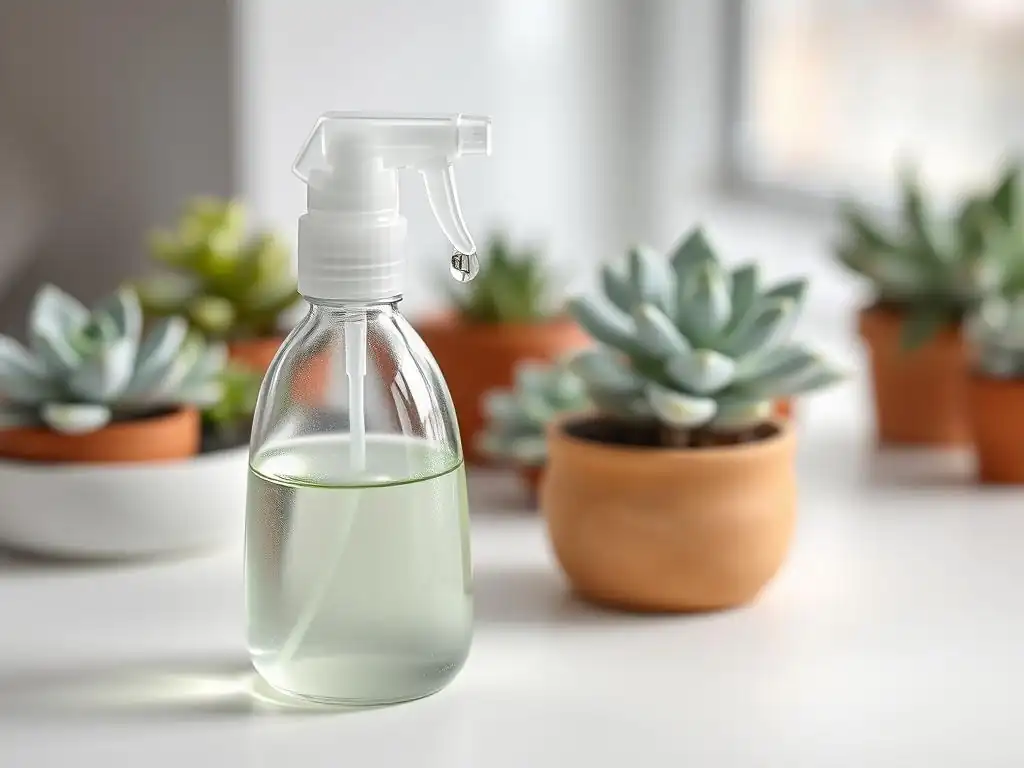
Maintaining a thriving succulent collection requires vigilance, especially when it comes to pest control. A proactive approach, focusing on prevention and early detection, is far more effective than reactive treatment. This section focuses on establishing a robust pest management strategy specifically tailored for succulent care, emphasizing the use of spray bottles for targeted applications.
Remember, early identification and intervention are key to minimizing damage and preventing widespread infestations. Consistent monitoring and preventative measures will significantly reduce the need for harsh chemical treatments, keeping your succulents healthy and vibrant. The goal is to create a healthy environment where pests are less likely to thrive.
Regular Inspection of Your Succulent Collection
Regular inspection is the cornerstone of effective succulent pest control. Aim for a weekly visual check of your entire collection. Pay close attention to the undersides of leaves, crevices between leaves, and the base of the stems. Common succulent pests, such as mealybugs, aphids, spider mites, and scale, often hide in these areas.
Use a magnifying glass if necessary for detailed examination, especially on smaller succulents. Early detection allows for swift and effective treatment, often preventing a minor infestation from becoming a major problem. This proactive approach is crucial, as many pests reproduce rapidly. A diligent inspection routine will save you time and effort in the long run, preserving the health of your precious succulents.
For example, a single mealybug might be easily removed with a cotton swab dipped in rubbing alcohol. However, if left unchecked, that single mealybug could quickly multiply into a large infestation requiring more extensive treatment. Remember, prevention is better than cure, and regular inspection is the best preventative measure. This simple habit significantly reduces your reliance on stronger chemical treatments.
Quarantine New Succulents to Prevent Infestations
Introducing new succulents to your existing collection carries a significant risk of introducing pests. Always quarantine new plants for at least two weeks before placing them with your established collection. This isolation period allows you to observe the newcomer for any signs of infestation. Keep the quarantined succulent separate, ideally in a different room or area, to prevent any potential pests from spreading.
During the quarantine period, continue your regular visual inspections, paying close attention to the new plant. This simple precaution can prevent a devastating infestation that could wipe out your entire collection. Think of quarantine as an insurance policy protecting your investment of time and care in your succulents.
Consider using a separate spray bottle for the quarantine area, to avoid cross-contamination. This ensures that any potential pest control solution used on the quarantined plant doesn't inadvertently affect your healthy succulents. The small investment in a second spray bottle is a worthwhile precaution.
Improving Air Circulation Around Your Plants
Good air circulation is essential for preventing pest infestations. Stagnant air can create a humid environment that encourages fungal growth and pest proliferation. Ensure adequate spacing between your succulents to allow for proper airflow. Avoid overcrowding your plants, as this can create ideal breeding grounds for pests. Furthermore, consider using fans to gently circulate the air, particularly in enclosed spaces or during periods of high humidity.
This simple measure can significantly reduce the risk of pest infestations. Improved air circulation also promotes overall plant health, leading to stronger, more resilient succulents that are less susceptible to pests. A well-ventilated environment is a key component of a successful succulent pest control strategy. This natural approach minimizes the need for chemical interventions, aligning with environmentally conscious succulent care practices.
Maintaining Proper Watering Practices to Deter Pests
Proper watering is crucial not only for the health of your succulents but also for deterring pests. Overwatering creates a damp environment that is incredibly attractive to many common succulent pests like mealybugs, aphids, and fungus gnats. These pests thrive in moist conditions, using the excess water as a breeding ground and a source of sustenance. Conversely, underwatering can weaken your succulents, making them more susceptible to infestations. Stressed plants are easier targets for pests seeking a vulnerable host.
To maintain a pest-free environment through proper watering, follow these guidelines:
- Allow the soil to dry completely between waterings: This is perhaps the single most important step. Before watering, stick your finger about an inch into the soil. If it feels dry, it's time to water. If it's still moist, wait a few more days. The frequency of watering will depend on factors like the pot size, the type of succulent, the season, and the climate.
- Water thoroughly, but avoid overwatering: When you do water, ensure the water reaches the entire root system. However, avoid letting the soil become soggy or waterlogged. Excess water should drain freely from the drainage holes. Standing water in the pot is a recipe for pest problems.
- Adjust watering frequency based on the season: Succulents require less frequent watering during the winter dormancy period. Reduce watering significantly during cooler months to prevent root rot and attract fewer pests.
- Consider your pot and soil: Terracotta pots allow for better drainage than plastic pots, reducing the risk of overwatering. Well-draining soil is also essential. A mix specifically designed for succulents is recommended. Adding perlite or pumice to your potting mix can significantly improve drainage.
By consistently practicing proper watering techniques, you'll create an environment that is less hospitable to pests, promoting healthier, more resilient succulents. Remember, prevention is key in succulent pest control, and proper watering is a fundamental aspect of preventative care. Careful monitoring of your soil moisture is essential in preventing pest infestations and keeping your succulent collection thriving. Regularly checking your plants for signs of pests, even with a proper watering schedule, is crucial to maintaining a healthy succulent collection.
When to Seek Professional Help for Succulent Pest Control
Sometimes, despite your best efforts with DIY succulent pest control spray bottle solutions, a more significant infestation might require professional intervention. Knowing when to call in the experts can save your succulents from irreversible damage and prevent the spread of pests to other plants in your collection. This section outlines situations where professional help is not just beneficial, but essential.
Identifying Situations Requiring Professional Pest Control
Several indicators suggest that your succulent pest problem has escalated beyond the capabilities of home remedies. These include:
- Widespread Infestation: If you notice pests on numerous succulents, across multiple varieties, and despite consistent application of home sprays, it’s time to seek professional help. A large-scale infestation indicates a deeply rooted problem requiring stronger, targeted treatments. For example, a mealybug infestation that has spread throughout a large collection of echeverias and sedums, despite multiple applications of insecticidal soap, might require professional fumigation.
- Severe Plant Damage: Extensive damage to your succulents, such as significant leaf loss, wilting, or stunted growth that persists despite treatment, is another red flag. This level of damage suggests the pests have caused significant stress and the plants may require more intensive care than you can provide at home. Consider a professional if you notice extensive root rot combined with pest damage, signifying a complex issue.
- Unidentified Pests: If you're unable to identify the specific pest affecting your succulents, professional help becomes crucial. Accurate identification is the first step in effective treatment. Professionals have the expertise and equipment to identify even the most obscure pests, leading to a more precise and effective treatment plan.
- Failure of Home Remedies: After trying several home remedies, including your carefully crafted succulent pest control spray bottle solutions, and seeing no improvement or even worsening of the infestation, it's time to consult a professional. This indicates that the pests are resistant to common home treatments, requiring more potent solutions. Persistent infestations of spider mites, despite consistent application of neem oil, are a prime example.
- Rare or Valuable Succulents: If the infested succulents are rare, expensive, or hold sentimental value, it's wise to err on the side of caution and involve a professional. These plants warrant the extra care and expertise that a professional can provide to minimize the risk of permanent damage or loss.
Finding Reputable Local Pest Control Services for Succulents
Finding a reputable pest control service specializing in succulents requires careful research. Not all pest control companies have the expertise to handle delicate succulents without causing further damage. Here's what to look for:
- Specialization in Plants: Look for services specifically mentioning experience with plants, gardens, or greenhouses. This indicates familiarity with the unique challenges of treating pests on plants without harming the plants themselves.
- Organic Options: Inquire about their use of organic or less-toxic pest control methods. This minimizes the risk of harming your succulents and the environment.
- Reviews and Testimonials: Check online reviews and testimonials from previous clients to gauge their effectiveness and professionalism. Pay close attention to feedback regarding their handling of succulent infestations specifically.
- Detailed Assessment: A reputable service will conduct a thorough assessment of your succulents and the infestation before recommending a treatment plan. Avoid companies that offer blanket solutions without a proper diagnosis.
- Transparency and Communication: A good service will clearly explain their treatment plan, the products they use, and the potential risks and benefits. They should be responsive to your questions and concerns.
Remember, proactively addressing pest issues is key to maintaining the health and beauty of your succulent collection. While DIY succulent pest control spray bottle solutions are often sufficient, knowing when to seek professional assistance is crucial for safeguarding your precious plants. The right approach, whether DIY or professional, ensures your succulents thrive.
Frequently Asked Questions
What kind of spray bottle is best for succulent pest control?
A plastic spray bottle with adjustable nozzle is ideal. This allows for precise application of the solution, minimizing waste and ensuring thorough coverage. Avoid metal bottles as they can react with some pesticides.
What solution should I use in my spray bottle for succulent pest control?
The best solution depends on the specific pest. Isopropyl alcohol diluted with water is effective against many common pests. Always test a small area first to check for any adverse reactions.
How often should I spray my succulents for pest control?
The frequency depends on the severity of the infestation and the type of pest. For minor infestations, weekly spraying might suffice. For severe infestations, you may need to spray more frequently, following product instructions.
Can I use any household spray bottle for my succulent pest control solution?
While you can use a household spray bottle, ensure it's thoroughly cleaned before use to avoid contamination. A dedicated spray bottle for succulent pest control is recommended to prevent accidental misuse.
Where can I find more information on identifying succulent pests?
Our website, SucculentEssentials.org, offers comprehensive guides on identifying common succulent pests and appropriate treatment methods. We also provide advice on preventative measures to keep your succulents healthy.
Final Reflection: Nurturing Resilience: The Ongoing Battle for Succulent Health
The fight against pests in our succulent collections is not merely a battle for aesthetics; it's a testament to our commitment to nurturing life, a microcosm of the larger ecological balance we strive to maintain. The simple act of wielding a spray bottle, filled with a carefully chosen solution, becomes a powerful symbol of our responsibility as stewards of these delicate plants. This responsibility extends beyond our individual collections, impacting the wider world of plant conservation and appreciation.
The impact of effective pest control on the vibrant succulent community is undeniable. The shared knowledge, the innovative solutions, and the collective passion for these resilient plants create a strong sense of community. The love of gardening is a seed that multiplies when shared.
This quote resonates deeply, as the exchange of information and support regarding pest control directly contributes to the health and longevity of succulent populations, both in personal collections and beyond. The ongoing dialogue and experimentation within the community ensure that we are constantly refining our techniques and improving our understanding of these intricate ecosystems.
Now, consider your own succulent collection. What steps can you take to proactively protect your plants? Take the time to inspect your succulents regularly, learn to identify common pests, and arm yourself with the knowledge to create effective, natural solutions. By embracing a proactive approach, you not only safeguard your plants but also contribute to a healthier, more vibrant succulent community. Let the simple act of spraying become a mindful practice, a connection to the delicate balance of nature, and a testament to your commitment to nurturing life, one succulent at a time.
Unleash Your Inner Plant Doctor: Save Your Succulents Today!
Thanks for exploring the world of succulent pest control! You've gained the knowledge to combat common pests and keep your plants healthy. Ready to apply your new skills?
- Create your own powerful, all-natural pest spray: It's surprisingly simple and effective, and the key to a thriving succulent collection. We'll cover specific recipes and ingredients in the next section.
- Share your experiences: Let's build a community of succulent enthusiasts! Share your pest control successes (and challenges!) in the comments below.
- Experiment with different essential oils: Discover which natural scents best deter pests in your garden. This is your opportunity to personalize your pest control approach.
What amazing results will you achieve?