
Terrarium Supplies: Everything You Need to Create a Mini Succulent World

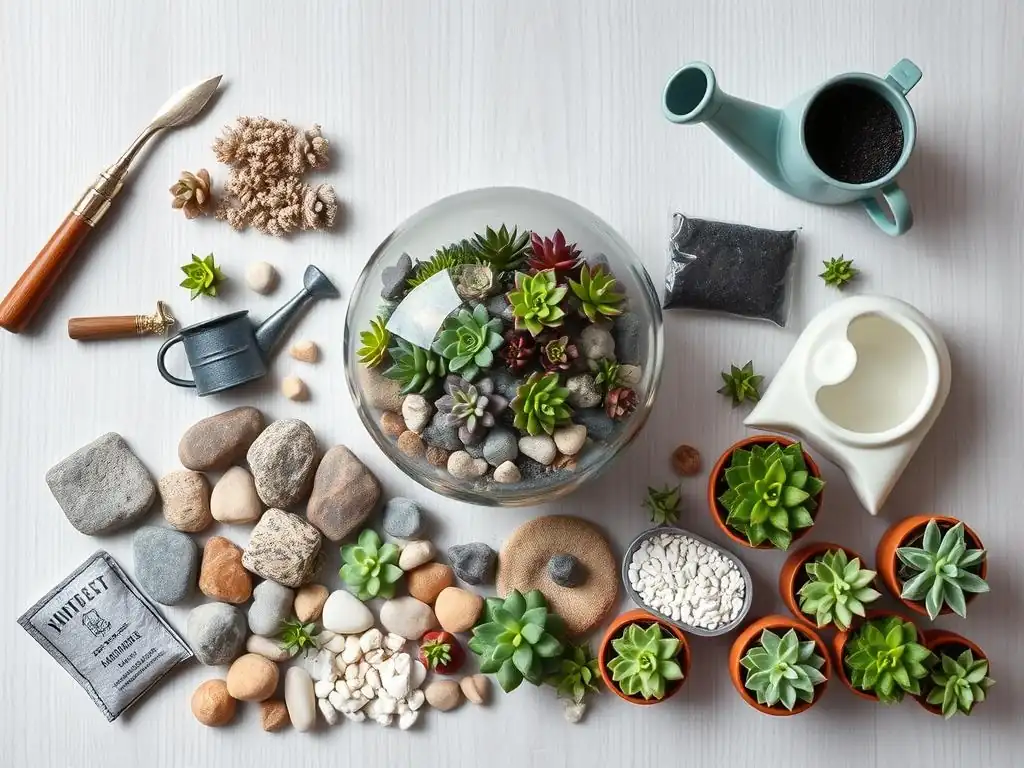
Welcome to SucculentEssentials.org, where the fascinating world of succulents unfolds before you! Are you ready to unlock the secrets to cultivating thriving miniature ecosystems? Then prepare to be captivated by our comprehensive guide on DIY succulent terrarium supplies, the key to crafting your own breathtaking miniature succulent worlds. Discover everything you need to transform ordinary containers into vibrant, living art. Dive in and let's begin your succulent journey!
- Choosing the Perfect Terrarium Container for Your DIY Succulent Terrarium
- Essential Substrate and Drainage for a Thriving Succulent Terrarium
- Choosing the Right Succulents for Your DIY Terrarium
- Essential Tools for Building Your DIY Succulent Terrarium
- Step-by-Step Guide: Assembling Your DIY Succulent Terrarium
- Maintaining Your Mini Succulent World: Long-Term Care
- Where to Buy DIY Succulent Terrarium Supplies
- Inspiration and Ideas for Your DIY Succulent Terrarium
- Frequently Asked Questions
- Final Reflection: Cultivating Your Own Miniature Oasis
- Unleash Your Inner Gardener: Craft Your Dream Terrarium Today!
Choosing the Perfect Terrarium Container for Your DIY Succulent Terrarium
Creating a thriving miniature succulent world within a terrarium is a rewarding experience, blending artistry with plant care. This guide will walk you through selecting the essential supplies for your DIY succulent terrarium, focusing on the crucial first step: choosing the right container. The container you select will significantly impact your terrarium's aesthetics, the types of succulents you can use, and the overall success of your miniature garden.
We'll explore various container options, from classic glass terrariums to more unconventional choices, helping you find the perfect vessel to nurture your succulent collection. Understanding the nuances of container selection is key to building a long-lasting and visually stunning DIY succulent terrarium.
This article will cover everything you need to know to confidently embark on your terrarium journey, providing you with the knowledge to select materials that will best support the growth and health of your succulents. Let's dive into the world of terrarium containers!
Glass Containers: Types and Sizes for Succulent Terrariums
Glass containers are the most popular choice for succulent terrariums due to their aesthetic appeal and ability to showcase the plants beautifully. Several types and sizes are available, each offering unique advantages:
- Types:
- Fishbowls: Offer a classic, rounded shape, ideal for showcasing a variety of succulents with cascading growth patterns. Their wide opening makes planting and maintenance relatively easy.
- Cylindrical Jars: Provide a sleek, modern look. They are suitable for creating layered arrangements or focusing on a smaller selection of succulents.
- Square or Rectangular Glass Containers: Offer a more structured and geometric aesthetic. These are well-suited for creating more organized and linear succulent displays.
- Unusual Shapes: Don't be afraid to explore unique shapes like vintage bottles, apothecary jars, or even repurposed glassware! The possibilities are endless!
- Sizes: The size of your glass container will determine the number and type of succulents you can plant. Smaller terrariums are ideal for smaller, slower-growing succulents, while larger terrariums offer more space for a diverse collection. Consider the mature size of your chosen succulents when selecting the container's dimensions. Insufficient space can lead to overcrowding and stunted growth. Too much space may leave the terrarium looking sparse. Careful planning is key!
Selecting the Right Size: Considerations for Plant Growth
Choosing the right size terrarium is paramount for the health and longevity of your succulents. Several factors influence this decision:
- Succulent Size and Growth Habit: Research the mature size and growth habit of the succulents you intend to plant. Fast-growing succulents will require more space than slow-growing varieties. Consider the eventual size of your plants and choose a container that accommodates their mature dimensions, leaving ample room for growth without overcrowding.
- Ventilation: Adequate ventilation is critical for preventing excessive moisture buildup, which can lead to root rot. While closed terrariums can be created, ensure there's sufficient airflow, either through a partially sealed lid or through the container's design itself (e.g., a container with a wider opening).
- Lighting: The size and shape of the container will influence the amount of light your succulents receive. Taller, narrower containers might cast shadows, reducing light penetration to lower levels. Consider this when choosing a container and selecting your plant placement.
Creative Container Options: Beyond Traditional Glass Terrariums
While glass terrariums are popular, don't limit yourself! Get creative with alternative containers:
- Repurposed Items: Use vintage teacups, old mason jars, or even clear plastic containers (ensure proper drainage). This adds a unique, personalized touch to your terrarium. Think outside the box!
- Unusual Materials: Consider using materials such as clear plastic bowls for a more modern feel or even a decorative bowl with drainage holes.
- Hanging Terrariums: Use hanging glass globes or repurposed containers with appropriate hanging mechanisms to create a unique and space-saving display. The possibilities are endless! Remember that the choice of container should always consider the needs of the succulents and the overall aesthetic you wish to create.
Essential Substrate and Drainage for a Thriving Succulent Terrarium
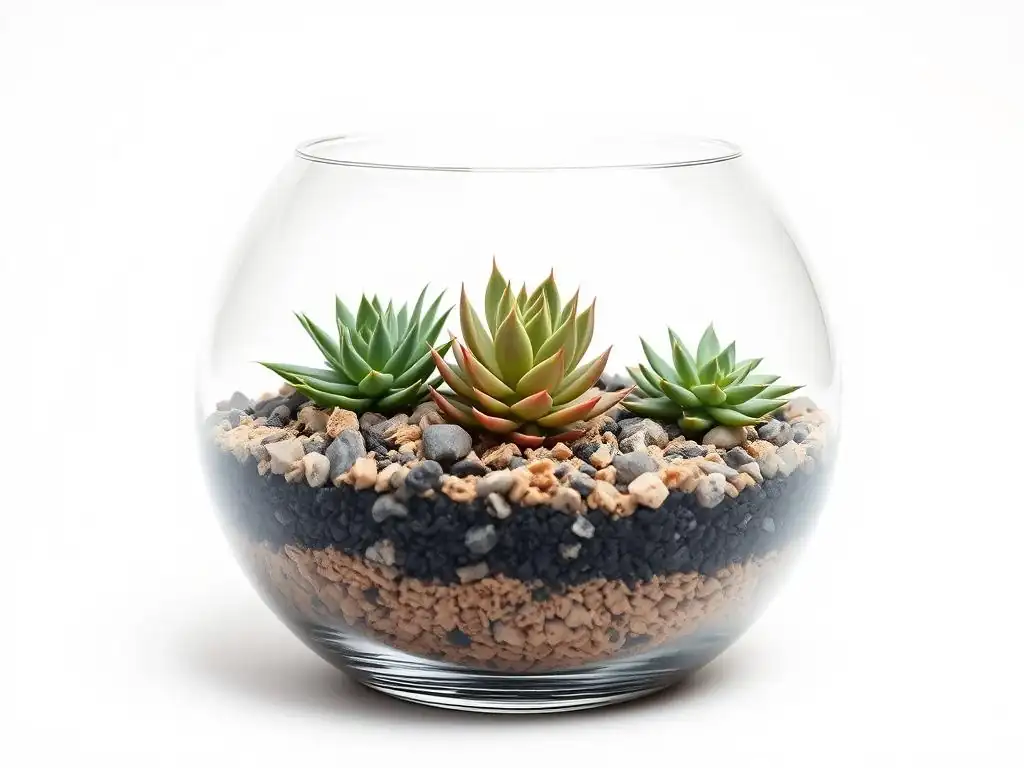
Creating a thriving succulent terrarium hinges on providing the perfect environment for your miniature plants. This means selecting the right substrate – the soil and drainage materials – to ensure proper aeration, drainage, and moisture retention. Ignoring this crucial step can lead to root rot, a common problem in enclosed terrarium environments. This section details the key components for building a healthy foundation for your DIY succulent terrarium. Choosing the appropriate DIY succulent terrarium supplies is paramount to success.
Creating the Perfect Drainage Layer: Preventing Root Rot
Root rot is the nemesis of succulents in terrariums. Standing water suffocates roots, leading to decay and ultimately, plant death. A well-constructed drainage layer is your first line of defense. For a small terrarium (under 12 inches in diameter), a layer of approximately 1 inch of gravel or small, inert stones is ideal. Larger terrariums may require a slightly thicker layer (up to 1.5 inches). Avoid using materials that will break down over time, such as limestone chips, which can alter the pH of your soil. The drainage layer allows excess water to collect at the bottom, preventing it from saturating the soil and harming the roots. Think of it as a mini-reservoir for excess water that will slowly evaporate. This is one of the most critical aspects of your DIY succulent terrarium supplies.
Remember to ensure the drainage layer is completely flat and even to provide a solid base for the subsequent layers. An uneven layer can disrupt water flow, negating its benefits. Consider using a small, flat-edged tool to level the stones if necessary. This seemingly small step significantly contributes to the long-term health of your succulent terrarium. A good drainage layer is a fundamental part of successful succulent terrarium creation.
Selecting the Right Soil Mix for Succulents in Terrariums
Once your drainage layer is in place, it's time to focus on the soil. Succulents thrive in well-draining soil that doesn't retain excessive moisture. A commercial cactus and succulent potting mix is a good starting point, but you can further enhance it for optimal terrarium conditions. A typical mix might include:
| Component | Percentage | Notes |
|---|---|---|
| Cactus & Succulent Mix | 50% | Provides essential nutrients and good drainage. |
| Perlite | 30% | Improves aeration and drainage, preventing waterlogging. |
| Coarse Sand | 20% | Enhances drainage and provides a gritty texture succulents prefer. |
Avoid using garden soil or topsoil, as these retain too much moisture and are prone to compaction, leading to root rot. This custom blend ensures that your DIY succulent terrarium supplies are optimized for your succulents' needs. The right soil mix is crucial for healthy growth and prolonged plant life. Experimentation may be necessary to find the perfect blend for your specific terrarium and succulent species.
Adding Activated Charcoal: Benefits and How to Use It
Activated charcoal is an often-overlooked but incredibly beneficial addition to succulent terrarium soil. It acts as a natural filter, absorbing excess moisture and preventing the buildup of harmful bacteria and fungi. This helps maintain a clean and healthy environment for your plants, reducing the risk of disease. A thin layer (approximately ¼ inch) sprinkled over the drainage layer, before adding the soil mix, is sufficient.
Adding activated charcoal is a simple yet effective way to improve the longevity and health of your terrarium. It's a small investment that yields significant returns in terms of plant health and overall terrarium longevity. It's a valuable addition to your DIY succulent terrarium supplies list, often overlooked but highly recommended. The benefits of activated charcoal are multiple, contributing to a healthier and more aesthetically pleasing terrarium.
Choosing the Right Succulents for Your DIY Terrarium
Selecting the perfect succulents is crucial for a thriving and visually stunning DIY succulent terrarium. The success of your miniature ecosystem hinges on choosing plants that are compatible with the enclosed environment and each other. Ignoring this vital step can lead to overcrowding, insufficient light, and ultimately, the demise of your carefully crafted miniature world. This section will guide you through choosing the ideal succulents for your DIY succulent terrarium supplies.
Selecting Miniature and Dwarf Succulents: Ideal Choices
Miniature and dwarf succulents are the stars of the terrarium show. Their compact size is perfectly suited to the limited space, and their slow growth rate means less frequent repotting. Several excellent choices boast both beauty and resilience within a terrarium setting. Consider these popular options:
- Sedum rubrotinctum (Jelly Bean Plant): Known for its charming, plump, jellybean-shaped leaves that blush red in bright light. These are incredibly easy to care for and adapt well to terrarium conditions.
- Echeveria minima: A small rosette-forming succulent with delicate, powdery leaves. Its compact size makes it ideal for smaller terrariums.
- Sedum morganianum (Burro's Tail): While technically not a miniature, its trailing habit can be beautifully incorporated into a larger terrarium, cascading over rocks or down the sides. However, ensure sufficient space for its growth.
- Graptopetalum paraguayense (Ghost Plant): This unique succulent features pale, almost translucent leaves, adding a touch of ethereal beauty to your terrarium. It's relatively low maintenance.
- Haworthia: Many Haworthia varieties, such as Haworthia cooperi, are compact and well-suited for terrariums, exhibiting interesting textures and patterns.
Remember to avoid succulents with aggressive growth habits that could quickly outgrow their terrarium confines. Always research the mature size of any succulent before adding it to your terrarium to ensure a harmonious balance. Careful selection of these miniature and dwarf varieties is key to the long-term health and aesthetic appeal of your DIY succulent terrarium supplies.
Considering Light Requirements: Matching Plants to Your Terrarium's Location
Light is a critical factor in succulent health. A terrarium, even a glass one, can significantly alter the amount of light your plants receive. Therefore, carefully consider the location of your terrarium and select succulents that thrive in similar lighting conditions.
| Light Condition | Suitable Succulents | Considerations |
|---|---|---|
| Bright, Indirect Light | Sedum, Echeveria, Graptopetalum, Haworthia | Rotate the terrarium regularly to ensure even light distribution. |
| Low to Medium Light | Some Haworthia varieties, certain types of Sedum | These plants may still need supplemental light, especially in winter months. |
Plants receiving insufficient light will become etiolated (leggy and weak), losing their compact form and overall attractiveness. Conversely, too much direct sunlight can scorch delicate leaves. A well-lit location with filtered sunlight is generally ideal for most terrarium succulents. Understanding your terrarium's light environment is paramount when selecting your plants and utilizing your DIY succulent terrarium supplies.
Variety is Key: Creating a Visually Appealing Succulent Arrangement
While selecting hardy succulents is essential, don't forget the aesthetic aspect! A diverse arrangement of textures, colors, and forms will create a much more visually appealing terrarium. Consider these tips:
- Textural Contrast: Combine succulents with smooth, fleshy leaves with those possessing spiky or textured leaves. This creates visual interest and depth.
- Color Palette: Select succulents with varying shades of green, gray, blue, or even hints of pink or red. A balanced color scheme will enhance the overall beauty.
- Form and Shape: Mix rosette-forming succulents with trailing varieties to create a dynamic composition. Consider adding a small, upright succulent to break up the flow and add height.
- Avoid Overcrowding: Leave sufficient space between plants to allow for growth and air circulation. Overcrowding can lead to rot and disease.
By carefully considering these factors and utilizing a well-planned approach to your DIY succulent terrarium supplies, you can create a miniature succulent world that is both thriving and visually captivating. Remember, a little planning goes a long way in creating a beautiful and long-lasting terrarium.
Essential Tools for Building Your DIY Succulent Terrarium
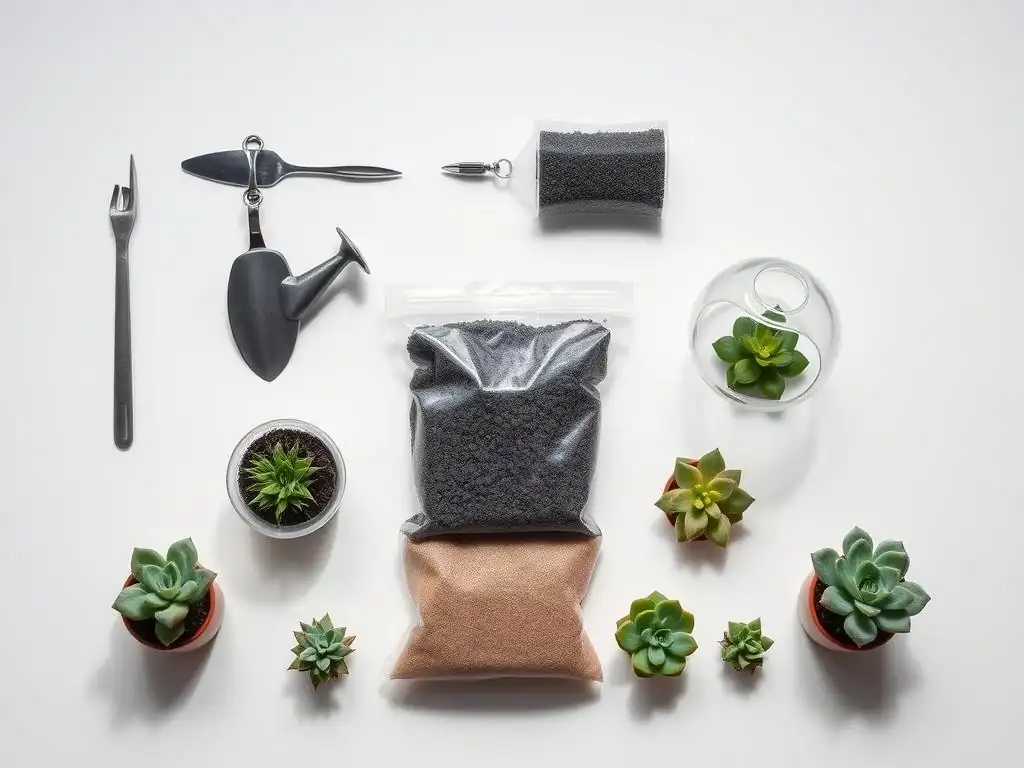
Creating a thriving miniature succulent world within a glass container requires more than just plants and soil. The right tools ensure a smooth and successful terrarium-building experience, minimizing damage to your delicate succulents and maximizing your creative control. This section focuses on the essential tools needed to build your own DIY succulent terrarium, from the basics to some helpful extras. Mastering these tools will elevate your terrarium-making game, allowing you to craft stunning and long-lasting miniature landscapes. Let's delve into the specifics of what you'll need.
Essential Gardening Tools: Tweezers, Scoops, and More
No matter the size or complexity of your planned DIY succulent terrarium, certain tools are indispensable. These aren't just "nice-to-haves"; they're crucial for precise planting and maintenance. Let's explore some key items:
- Tweezers: These are your best friends when it comes to handling small succulents and carefully placing them within the terrarium. Opt for a pair with fine tips for precise placement, avoiding damage to delicate roots and leaves. Consider getting several pairs in different sizes for varied plant sizes.
- Small Scoops/Spoons: You'll need a tool to carefully move and shape the terrarium substrate (soil). A small spoon or trowel allows precise placement of soil layers and avoids accidentally damaging the glass container. A miniature scoop is ideal for handling smaller quantities of soil and decorative materials.
- Watering Can with a Fine Rose: Overwatering is a common problem with terrariums, so a small watering can with a fine rose is crucial for controlled watering. This minimizes soil erosion and ensures even moisture distribution. Avoid using a large watering can, as it's easy to overwater with these.
- Gloves: Protecting your hands is important, especially when working with sharp stones or cacti. Choose gloves that offer a good grip and allow for dexterity.
Decorative Elements: Adding Character to Your Miniature World
While the essential gardening tools ensure the practical success of your DIY succulent terrarium, decorative elements bring your miniature world to life. These additions add personality and visual appeal, transforming a simple arrangement into a captivating miniature landscape. Let's examine some options:
- Small Stones and Gravel: These are not only aesthetically pleasing but also functional. They improve drainage and add visual texture to the base layer of your terrarium. Experiment with different colors and sizes to create depth and interest. Consider using river rocks for a more natural look.
- Decorative Sand: A layer of decorative sand adds a beautiful visual contrast to the soil and stones. Choose colors that complement your succulents and overall design aesthetic. Fine-grained sand is easier to work with in confined spaces.
- Miniature Figurines and Ornaments: Adding tiny figurines, such as animals or whimsical characters, adds a touch of whimsy and personality. Make sure the figurines are non-toxic and won't leach harmful chemicals into the soil.
Specialized Tools: Optional additions for advanced terrariums
For more intricate DIY succulent terrariums or for those who enjoy a more refined approach, several specialized tools can enhance the experience and results. While not strictly necessary for beginners, these tools can significantly improve the precision and aesthetics of your work.
- Small Pruning Shears: These are useful for trimming overgrown succulents or removing damaged leaves. Sharp, small shears allow for precise cuts without damaging surrounding plants.
- Soil Testing Kit (optional): This allows you to monitor the soil pH and nutrient levels, ensuring optimal conditions for your succulents.
- Spray Bottle: While a fine-rose watering can is sufficient, a spray bottle can provide more precise misting for humidifying the terrarium environment.
Remember, the key to a successful DIY succulent terrarium lies not only in the selection of plants but also in the careful use of the right tools. By investing in these essential and specialized tools, you'll be well-equipped to create a beautiful and thriving miniature succulent world that you can enjoy for years to come. Happy terrarium building! 🌱
Step-by-Step Guide: Assembling Your DIY Succulent Terrarium
This section provides a detailed, step-by-step guide to assembling your own DIY succulent terrarium. We'll cover everything from preparing your container to planting your chosen succulents, ensuring your miniature succulent world thrives. Mastering these steps will help you create a beautiful and long-lasting terrarium, showcasing your succulent collection in a unique and artistic way. Remember, the key to a successful DIY succulent terrarium is careful planning and execution. Let's get started!
Preparing Your Chosen Container: Cleaning and Preparation
Before you begin layering your substrate and planting your succulents, proper preparation of your chosen container is crucial for the health and longevity of your miniature garden. This involves thorough cleaning and, depending on the material, potentially sterilization.
First, select your container. Glass containers, such as jars, bowls, or even repurposed bottles, are popular choices for their aesthetic appeal and ability to showcase the plants. Ensure the container has adequate drainage (or you'll add drainage yourself, as outlined in the next section). Size matters too; consider the size of your chosen succulents and leave enough room for growth.
Once you've selected your container, it's time for cleaning. Wash the container thoroughly with warm, soapy water. Pay close attention to any crevices or hard-to-reach areas where dirt or debris might accumulate. Rinse thoroughly to remove all traces of soap.
For new containers, this cleaning step is generally sufficient. However, for used containers, especially those that may have housed other plants, sterilization is recommended. This helps prevent the introduction of diseases or pests that could harm your succulents. You can sterilize your container by soaking it in a 10% bleach solution (one part bleach to nine parts water) for about 10-15 minutes. Afterward, rinse it thoroughly again with clean water and let it air dry completely before proceeding. This meticulous preparation ensures a healthy environment for your succulent terrarium.
Layering the Substrate: Drainage, Soil, and Activated Charcoal
Creating the proper layering system within your terrarium is essential for providing optimal drainage and preventing root rot, a common problem for succulents in enclosed environments. This process involves several key layers, each serving a specific purpose.
First, add a layer of drainage material at the bottom of your container. This prevents water from accumulating at the base, which can lead to soggy soil and root rot. Small pebbles, gravel, or even broken pottery pieces work well. Aim for a layer approximately 1-2 inches deep, depending on the size of your container.
Next, add a thin layer (approximately ½ inch) of activated charcoal. Activated charcoal helps absorb excess moisture and filter out impurities, preventing unpleasant odors and maintaining a healthy environment for your succulent roots.
Finally, add your succulent potting mix. This should be a well-draining mix specifically formulated for cacti and succulents. Avoid using regular garden soil, as it retains too much moisture and can lead to root rot. Fill the container to within about an inch of the top, leaving enough space for your succulents. This carefully constructed layering system ensures your succulents have the ideal environment for healthy growth.
Planting Your Succulents: Techniques for Success
Selecting and planting your succulents is the most exciting part of creating your DIY succulent terrarium. Choose small, slow-growing succulents that are well-suited to the enclosed environment. Avoid succulents with large root systems or those that require a lot of space.
Before planting, gently remove your succulents from their existing pots. Carefully loosen the roots to avoid damaging them. If the roots are tightly bound, gently tease them apart. Inspect the roots for any signs of rot or disease. Remove any damaged roots.
Now, begin planting! Create small holes in the succulent potting mix using a small spoon or planting tool. Gently place your succulents into the holes, ensuring they are positioned at the correct depth. Fill the holes around the base of the plants with the potting mix, gently firming it around the roots.
Space your succulents appropriately, leaving enough room for growth. Remember, succulents need good air circulation. Avoid overcrowding your terrarium. Once planted, gently water your terrarium, allowing excess water to drain completely. This process, combined with the proper layering and preparation, will ensure your DIY succulent terrarium thrives for years to come. Remember to place your terrarium in a bright location, but avoid direct sunlight.
Adding Decorative Elements: Rocks, Pebbles, and More
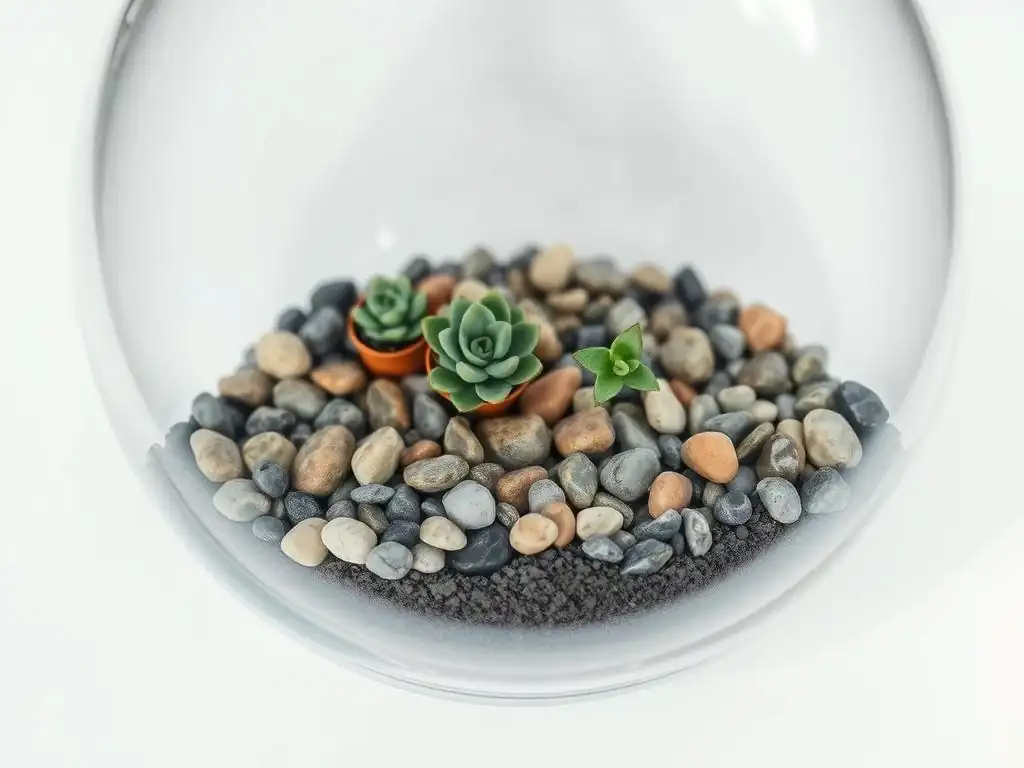
Once you've layered your drainage and soil, it's time to unleash your creativity! Adding decorative elements is key to transforming your terrarium from a simple container of plants into a miniature, captivating landscape. The options are vast, allowing for personalized expression and unique aesthetics. Consider using a variety of textures and colors to create visual interest.
For example, a base layer of smooth, river rocks in varying shades of grey and brown can provide excellent drainage and a naturalistic foundation. On top of this, you could add smaller, colorful pebbles – perhaps some vibrant reds, oranges, or even polished glass stones for a touch of sparkle. These not only enhance the visual appeal but also help to anchor your succulents and prevent them from shifting.
Don't limit yourself to rocks and pebbles! Small pieces of driftwood, carefully cleaned and dried, can add a rustic charm. Miniature figurines – think tiny animals or whimsical characters – can inject personality and humor. Even carefully chosen pieces of moss, strategically placed, can add a lush, verdant touch, mimicking a natural environment.
Remember, less is often more; avoid overcrowding the terrarium, allowing the succulents to be the stars of the show. Experiment with different combinations to find the perfect balance of natural and decorative elements, creating a mini succulent world that truly reflects your style. Consider the overall theme you're aiming for – a desert landscape might call for more muted tones and rugged textures, while a tropical-inspired terrarium might benefit from brighter colors and smoother stones.
Maintaining Your Terrarium: Watering and Care Tips
Creating a thriving succulent terrarium isn't a one-time endeavor; proper maintenance is crucial for its long-term health and beauty. Understanding the watering needs of your succulent terrarium is paramount, as overwatering is a common mistake that can lead to root rot and plant death. Succulents are drought-tolerant, meaning they store water in their leaves, stems, and roots. Therefore, less frequent, but thorough watering is key.
Instead of a regular watering schedule, gauge the moisture level of your soil before watering. Stick your finger about an inch into the soil; if it feels dry, it's time to water. Water gently and thoroughly, allowing excess water to drain out of the drainage holes.
Avoid letting the soil become soggy or waterlogged. The frequency of watering will depend on several factors, including the size of your terrarium, the type of succulents used, the ambient temperature, and the amount of sunlight the terrarium receives. In general, watering every two to four weeks during warmer months, and less frequently in winter, is a good starting point.
Beyond watering, observe your succulents for any signs of stress, such as shriveled leaves or discoloration. Adjust your watering accordingly. Additionally, ensure your terrarium is placed in a location that receives adequate, but not direct, sunlight. Direct sunlight can scorch the succulents, while insufficient light can lead to leggy growth.
Regularly inspect your terrarium for any signs of pests or diseases. If you notice any problems, address them promptly to prevent them from spreading. With proper care and attention, your DIY succulent terrarium will continue to thrive, providing you with a beautiful and low-maintenance piece of living art for years to come. Remember, patience and observation are your greatest allies in maintaining a healthy and vibrant succulent terrarium.
Maintaining Your Mini Succulent World: Long-Term Care
Creating a thriving DIY succulent terrarium is only half the battle; maintaining its beauty and health requires ongoing care and attention. This section will guide you through the essential long-term maintenance practices, ensuring your miniature succulent world flourishes for years to come. Proper care translates to vibrant, healthy succulents and a beautiful, low-maintenance indoor garden. Remember, even though succulents are drought-tolerant, neglecting their needs can lead to problems.
Watering Your Terrarium: Avoiding Overwatering
Overwatering is the most common mistake in succulent terrarium care. Succulents store water in their leaves, making them susceptible to root rot if the soil remains consistently damp. The key is to water sparingly and only when the soil is completely dry. This can take several weeks, depending on the size of your terrarium, the type of succulents used, and the ambient humidity.
Here's a helpful guide:
- Frequency: Generally, water your terrarium every 2-4 weeks during warmer months and even less frequently in winter. Always check the soil moisture before watering. Stick your finger about an inch into the soil; if it feels dry, it's time to water.
- Method: Instead of pouring water directly onto the succulents, gently pour water around the edges of the terrarium, allowing it to slowly absorb into the soil. Avoid getting water directly on the leaves, as this can cause fungal diseases.
- Drainage: Ensure your terrarium has adequate drainage. While a completely sealed terrarium isn't ideal for succulents, some small drainage holes at the bottom are crucial to prevent waterlogging. Consider using a layer of gravel or pebbles at the bottom of the terrarium to aid drainage.
- Signs of Overwatering: Yellowing or browning leaves, mushy stems, and a foul odor are all signs of overwatering. If you notice these symptoms, immediately reduce watering frequency and ensure better drainage.
Remember, it's better to underwater than overwater your succulents. It's always easier to add water than to remove excess moisture.
Monitoring Your Terrarium's Environment: Light and Temperature
Succulents thrive in bright, indirect sunlight. A south-facing window is generally ideal, but avoid direct sunlight, which can scorch the delicate leaves. Too little light, on the other hand, can lead to leggy growth and weak plants.
- Light Levels: Observe your succulents carefully. If they appear pale or stretched, they may need more light. If they're showing signs of sunburn (brown or crispy leaves), move the terrarium to a less sunny location.
- Temperature: Succulents prefer temperatures between 65-80°F (18-27°C). Avoid placing your terrarium near heating or cooling vents, which can cause extreme temperature fluctuations. Protect your terrarium from drafts.
- Humidity: Succulents generally prefer lower humidity. A well-ventilated terrarium is crucial to prevent fungal diseases. Avoid placing the terrarium in a humid environment, such as a bathroom.
Signs of Problems: Identifying and Addressing Issues
Even with proper care, problems can arise. Early detection is key to preventing serious issues. Here are some common problems and their solutions:
| Problem | Description | Solution |
|---|---|---|
| Root Rot | Mushy, brown roots; yellowing or browning leaves | Reduce watering; improve drainage; repot into fresh, well-draining soil. |
| Pests (Mealybugs) | Small, white insects on leaves and stems | Isolate the terrarium; use insecticidal soap or neem oil (carefully! ). |
| Sunburn | Brown, crispy leaves | Move the terrarium to a location with less direct sunlight. |
| Leggy Growth | Weak, stretched stems; sparse leaves | Increase light exposure; consider using a grow light. |
| Fungal Diseases | Spots or mold on leaves | Improve ventilation; remove affected leaves; use a fungicide (if necessary). |
Monitoring your terrarium regularly and addressing problems promptly will ensure your DIY succulent terrarium remains a beautiful and healthy addition to your home. Remember, patience and observation are key to successful succulent terrarium maintenance. Enjoy the process and the beautiful results! 🌱
Repotting and Propagation: Maintaining a Healthy Terrarium
Repotting your succulents is crucial for the long-term health of your DIY succulent terrarium. Over time, the soil can become compacted, reducing drainage and leading to root rot—a common problem for succulents in enclosed environments. Signs that your succulents need repotting include stunted growth, yellowing leaves, or a noticeable lack of drainage in the terrarium. The frequency of repotting depends on the growth rate of your specific succulents and the quality of your initial potting mix. Generally, repotting every 12-18 months is a good rule of thumb, but careful observation is key.
When repotting, gently remove the succulents from the terrarium, taking care not to damage the roots. Use a well-draining succulent and cactus potting mix, ensuring it's not too dense. Select a slightly larger terrarium or container if necessary, maintaining adequate space for root growth. Avoid overwatering immediately after repotting, allowing the soil to dry slightly before the next watering. Remember to always use clean tools to prevent the spread of diseases.
Propagation, the process of creating new plants from existing ones, is a rewarding aspect of succulent terrarium care. Many succulents readily propagate from leaf cuttings or stem cuttings. Simply remove a healthy leaf or stem, allow it to callus over for a few days (this prevents rot), and then place it on top of slightly damp soil. Keep the cutting in a warm, bright location, but avoid direct sunlight.
Within a few weeks, you should see new roots and growth emerging. These new succulents can then be carefully added to your existing terrarium or used to create new miniature worlds. This not only revitalizes your existing terrarium but also allows you to expand your succulent collection, making propagation a key element in maintaining a thriving DIY succulent terrarium. Different succulents have varying propagation methods; research your specific species for optimal results.
This propagation process contributes to the ongoing enjoyment and sustainability of your miniature succulent ecosystem. You can even gift these propagated succulents to fellow plant enthusiasts! 🎉
Where to Buy DIY Succulent Terrarium Supplies
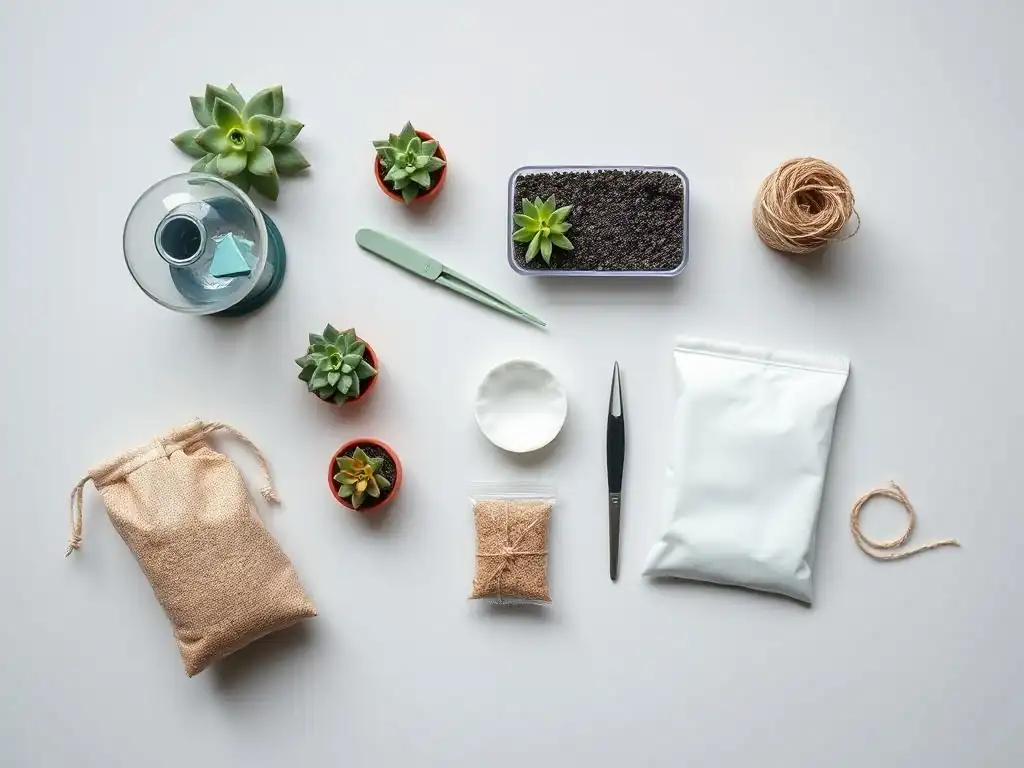
Finding the right materials is crucial for creating a thriving and aesthetically pleasing DIY succulent terrarium. Knowing where to source your supplies will significantly impact the quality of your project and your overall experience. Whether you prefer the convenience of online shopping or the personal touch of a local store, there are numerous options available to cater to your needs and preferences when searching for "DIY succulent terrarium supplies". Let's explore some of the best places to find everything you need.
Online Retailers: Finding Quality Supplies
Online retailers offer unparalleled convenience and a vast selection of DIY succulent terrarium supplies. Many platforms specialize in succulents and related crafting materials, offering everything from a single item to complete kits. The sheer variety available online allows you to curate the perfect collection of containers, soil mixes, succulents, and decorative elements. This is particularly useful for finding specific types of succulents or unique decorative components that may be unavailable locally.
However, online shopping requires careful consideration. Always check reviews before purchasing from an unfamiliar vendor to ensure product quality and timely delivery. Pay close attention to shipping costs and potential damage during transit, especially for fragile items like glass containers. Compare prices across different platforms to find the best deals. Look for retailers specializing in succulent-related products, as they often provide more detailed product information and superior customer service. Remember to factor in shipping times when planning your project timeline.
Local Garden Centers: Supporting Local Businesses
Shopping locally at garden centers offers several advantages beyond simply supporting your community. You can personally inspect the quality of the succulents, ensuring they are healthy and free from pests or diseases. This hands-on approach allows you to select the perfect plants for your terrarium's size and design. Furthermore, local garden centers often offer expert advice on succulent care and terrarium creation, providing valuable insights and guidance.
You'll also have the opportunity to ask questions about specific soil types, drainage options, and other essential aspects of DIY succulent terrarium construction. This personalized service can be invaluable, particularly for beginners. Don't underestimate the power of in-person consultations when crafting your miniature succulent world.
Specialty Shops: Unique and Rare Items
For those seeking truly unique and rare items for their DIY succulent terrariums, specialty shops are an excellent resource. These stores often carry a curated selection of high-quality containers, decorative elements, and unusual succulents that are difficult to find elsewhere. Specialty shops frequently cater to a more experienced clientele, offering a wider range of advanced supplies and expert advice. They might offer workshops or classes on terrarium creation, providing a fantastic opportunity to learn advanced techniques and expand your horticultural knowledge.
However, keep in mind that items in specialty stores tend to be more expensive than those in mass-market retailers or garden centers. The higher cost reflects the quality, rarity, and often the unique artisanal nature of the products offered. The investment, however, can often result in a truly one-of-a-kind terrarium.
Inspiration and Ideas for Your DIY Succulent Terrarium
This section explores the creative possibilities when designing your own succulent terrarium. Forget the limitations of pre-made kits; let's unlock your inner horticultural artist! We'll delve into diverse design styles, themed creations, and even more advanced terrarium construction. Mastering the art of DIY succulent terrarium supplies opens a world of unique and personalized miniature gardens.
Design Ideas: Creating Different Styles and Aesthetics
The beauty of DIY succulent terrariums lies in their adaptability. You're not limited to a single style; you can create a miniature landscape reflecting your personal aesthetic. Consider these design approaches to spark your imagination:
- Minimalist Modern: Focus on clean lines and a limited color palette. Use a clear glass container and select succulents with similar textures and muted colors like Sedum rubrotinctum (Jelly Bean Plant) and Echeveria varieties. Avoid overcrowding; let the succulents be the statement pieces.
- Rustic Charm: Embrace natural materials. Use a weathered terracotta pot or a repurposed glass jar. Incorporate elements like small pebbles, driftwood, or even miniature figurines to add a touch of whimsy. Succulents with a more rugged appearance, such as Haworthia and Sempervivum (Hens and Chicks), work well here.
- Tropical Oasis: Create a lush, vibrant miniature jungle. Choose a larger container and select a variety of succulents with different textures and colors. Add elements like small rocks, moss, and even a tiny decorative waterfall (if your container allows for drainage). Consider succulents that evoke a tropical feel, such as Kalanchoe and Crassula ovata (Jade Plant).
- Desert Landscape: Mimic the arid beauty of a desert scene. Use a shallow container and select succulents that thrive in dry conditions. Incorporate sand, small rocks, and perhaps a miniature cactus or two. Think Aloe vera, Euphorbia species, and Opuntia microdasys (Bunny Ears Cactus).
Remember to consider the size and shape of your container when choosing your succulents. The overall composition should be balanced and visually appealing. Experiment with different arrangements until you find a design that resonates with you. Don't be afraid to break the rules and let your creativity flourish!
Themed Terrariums: Incorporating Unique Elements
Elevate your DIY succulent terrarium from a simple arrangement to a captivating miniature world by incorporating a theme. This adds personality and visual storytelling to your creation. Here are some inspiring themes:
- Fairy Garden: Transform your terrarium into a magical haven for tiny fairies. Use miniature houses, toadstools, and other whimsical decorations. Choose smaller succulents to create a sense of scale.
- Zen Garden: Create a calming and meditative space. Use smooth, grey stones, raked sand, and succulents with simple, elegant forms. The overall aesthetic should be minimalist and peaceful.
- Underwater World: Use blue and green glass beads to create the illusion of an underwater scene. Select succulents with bluish-green hues and add small decorative shells or pebbles. This theme requires careful consideration of lighting and moisture levels.
- Seasonal Terrariums: Create themed terrariums for different seasons. For example, a fall terrarium might incorporate orange and red succulents and miniature pumpkins, while a winter terrarium could feature white and silver succulents and small snow-covered figurines.
The possibilities are endless! Let your imagination run wild and create a themed terrarium that reflects your personal style and interests. Remember that the key is to carefully select succulents and decorative elements that complement each other and contribute to the overall theme. This adds a unique touch to your DIY succulent terrarium supplies project.
Advanced Terrarium Designs: Incorporating More Complex Elements
Once you've mastered the basics, you can explore more complex terrarium designs. These designs often require more advanced planning and execution, but the results are well worth the effort.
- Layered Terrariums: Create depth and visual interest by layering different materials and succulents. Start with a base layer of larger rocks or pebbles, followed by a layer of smaller stones or sand. Then, plant your succulents, arranging them in groups or clusters. Finally, add a top layer of moss or other decorative elements.
- Terrariums with Water Features: Incorporating a small water feature adds a unique element to your terrarium. This requires careful planning to ensure proper drainage and prevent waterlogging. Use a waterproof container and consider using a small pump to circulate the water.
- Vertical Terrariums: Create a vertical garden by using a wall-mounted container or a series of smaller containers stacked vertically. This is a great way to maximize space and create a visually stunning display. Select succulents that can handle the vertical orientation and provide adequate support.
- Terrariums with Lighting: For terrariums placed in low-light areas, consider incorporating small LED lights. This will ensure your succulents receive the necessary light for growth and will also add a dramatic touch to your creation.
These advanced techniques require a deeper understanding of succulent care and terrarium construction. However, with careful planning and execution, you can create stunning and unique terrariums that will impress even the most seasoned succulent enthusiasts. Remember that proper drainage and ventilation are crucial for the long-term health of your succulents, regardless of the complexity of your design. This is essential when considering your DIY succulent terrarium supplies.
Frequently Asked Questions
What supplies do I need for a DIY succulent terrarium?
You'll need a glass container, succulents (choose drought-tolerant varieties!), well-draining soil mix, gravel or small stones for drainage, activated charcoal (optional, prevents mold), and tools for planting.
Where can I find the best succulent terrarium supplies?
Many places offer DIY succulent terrarium kits or individual components. Check online retailers like Amazon, craft stores, or local nurseries for a wide selection of containers, soil, and succulents.
What type of succulents are best for terrariums?
Choose small, slow-growing succulents that tolerate low light and humid conditions. Examples include Echeveria, Sedum, and Sempervivum. Avoid succulents that need lots of direct sunlight.
How do I ensure proper drainage in my succulent terrarium?
A layer of gravel or small stones at the bottom of your container is crucial. This allows for excess water to drain, preventing root rot, which is vital for succulent health. Top with a layer of activated charcoal (optional) before adding soil.
What are some creative ideas for my DIY succulent terrarium?
Get creative! Add decorative elements like small figurines, pebbles, or moss. Experiment with different container shapes and sizes, and consider creating themed terrariums (desert, forest, etc.) to showcase your unique style.
Final Reflection: Cultivating Your Own Miniature Oasis
Creating a thriving succulent terrarium isn't just a hobby; it's a tangible connection to the natural world, a testament to our capacity for nurturing life, even in the smallest of spaces. In a world increasingly dominated by technology and fast-paced living, the simple act of tending to a miniature ecosystem offers a powerful antidote to stress and a profound sense of accomplishment. The detailed guide provided in this article aims to empower you to embark on this rewarding journey, providing you with the knowledge and resources to build your own vibrant miniature world.
The enduring appeal of terrariums lies not only in their aesthetic beauty but also in the meditative practice they represent. The careful selection of plants, the meticulous layering of soil and gravel, the gentle misting—these acts are small rituals that foster a sense of calm and mindfulness. As we connect with the delicate balance within our miniature ecosystems, we are reminded of the interconnectedness of all living things. The earth laughs in flowers.
– Ralph Waldo Emerson. This quote perfectly captures the joy and wonder that can be found in nurturing even the smallest of life forms, a sentiment deeply resonating with the creation and care of a succulent terrarium.
Now, it's your turn. Consider the potential within your own home, a small space transformed into a vibrant sanctuary. Don't just read about creating a succulent terrarium; do it. Choose your favorite container, gather your supplies, and begin to cultivate your own miniature oasis. Embrace the process, learn from any challenges, and revel in the beauty you create. The journey of building a terrarium is as rewarding as the final result, offering a unique opportunity for self-expression, creativity, and a deeper connection with the natural world.
Unleash Your Inner Gardener: Craft Your Dream Terrarium Today!
Thank you for exploring the fascinating world of miniature succulent gardens! We hope you feel inspired and ready to create your own thriving ecosystem. Let's get started!
Here's your next step:
- Create your perfect terrarium! Gather your supplies, select your succulents, and let your creativity shine. Experimentation is key—it's half the fun!
- Share your creation! Post a picture of your terrarium on social media using #SucculentEssentials—we can't wait to see your miniature masterpieces.
- Explore more succulent care and terrarium design tips and tricks on SucculentEssentials.org!
What unique touch will you add to make your terrarium truly special?