
Rare Succulent Varieties: The Ultimate List for Serious Collectors

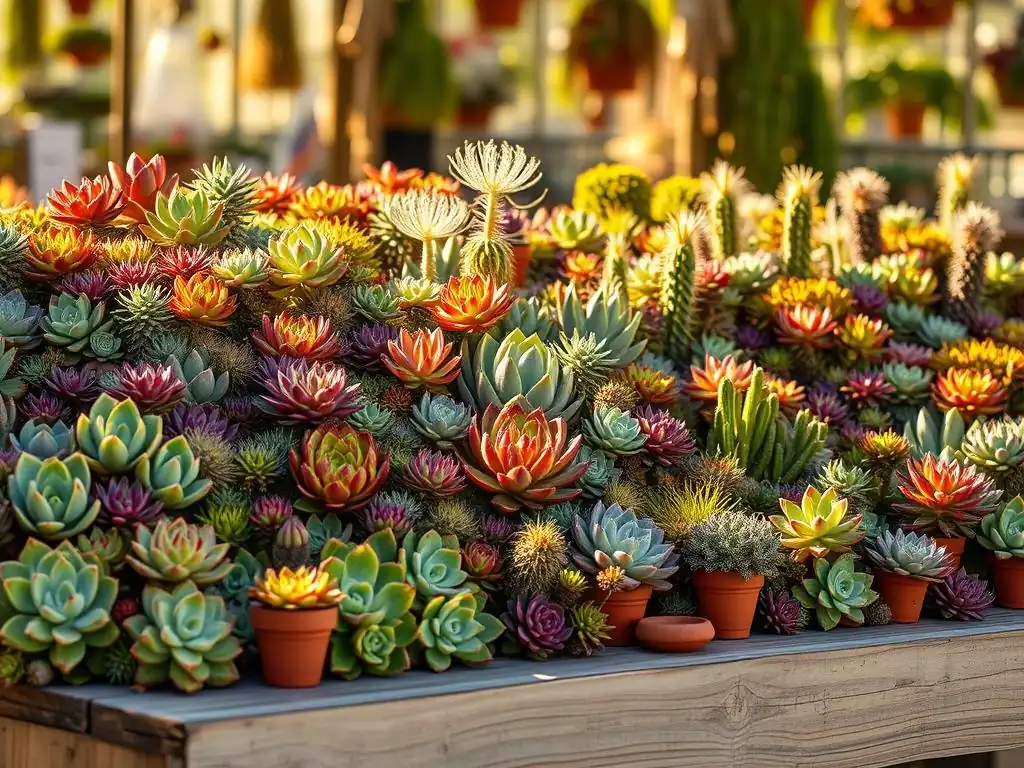
Welcome to SucculentEssentials.org, where the extraordinary world of succulents unfolds before you! Are you ready to embark on a journey into the captivating realm of rare succulent varieties? Prepare to be amazed by the diversity and beauty hidden within these drought-resistant wonders. Our comprehensive Rare succulent varieties collection guide is your key to unlocking the secrets of these highly sought-after plants. Dive in and discover the unique allure of these botanical treasures – you might just find your next obsession!
- Introduction to Rare Succulent Varieties Collection Guide
-
Top 10 Rare Succulents for Experienced Collectors: A Curated List
- #1 Titanopsis calcarea: Cultivation and Care Tips
- #2 Haworthia truncata f. maughanii: Challenges and Rewards of Growing This Species
- #3 Conophytum bilobum: Identifying Authentic Specimens
- #4 Tylecodon reticulatus: Propagation Techniques for this Rare Gem
- #5 Aloe polyphylla: Optimal Growing Conditions and Potential Problems
- #6 Pachypodium namaquanum: A Collector's Perspective on this Highly Sought-After Plant
- #7 Euphorbia obesa: Preserving its Unique Characteristics
- #8 Didierea madagascariensis: Where to Find and How Much to Pay
- #9 Astrophytum asterias cv. Super Kabuto: Hybrids and Variations Within the Species
- #10 Cephalocereus senilis: Protecting Your Investment: Disease Prevention and Pest Control
-
Beyond the Top 10: Discovering More Rare Succulent Varieties
- Exploring Obscure Genera: Uncommon and Underrated Succulents
- Regional Variations and Endemic Species: Geographic Considerations for Collectors
- The Role of Hybrids in Rare Succulent Cultivation: Creating Unique Specimens
- Ethical Considerations in Collecting Rare Succulents: Sustainability and Conservation
- Resources for the Serious Rare Succulent Collector
- Frequently Asked Questions
- Final Reflection: Cultivating Rarity, Cultivating Passion
- Unleash Your Inner Plant Connoisseur: Discover Your Next Rare Find!
Introduction to Rare Succulent Varieties Collection Guide
The world of succulents is vast and varied, encompassing thousands of species, each with its unique charm. While common succulents like Echeveria and Sedum are readily available and relatively easy to care for, a dedicated group of enthusiasts seeks the thrill of cultivating rare and unusual varieties.
This comprehensive guide delves into the captivating realm of rare succulents, providing insights into their allure, identifying characteristics, and strategies for building a prized collection. We will explore what makes a succulent "rare," the traits that collectors covet, and the essential steps to successfully cultivate these prized plants.
This guide serves as the ultimate resource for serious collectors looking to expand their knowledge and curate a truly exceptional collection of rare succulent varieties, becoming a valuable resource for anyone searching for "rare succulent varieties collection guide." We will move beyond the typical succulents found in garden centers and nurseries, venturing into the world of exclusive and highly sought-after specimens.
Understanding the Appeal of Rare Succulents: Beyond the Common Varieties
The appeal of rare succulents extends far beyond their rarity. Collectors are drawn to these plants for a variety of reasons, often a combination of aesthetic appreciation, the challenge of cultivation, and the satisfaction of possessing something unique. Common succulents, while beautiful in their own right, often lack the distinctive features and captivating quirks that define their rarer counterparts.
Rare succulents frequently boast unusual colors, textures, growth habits, or flower forms. Some examples include the striking, almost otherworldly appearance of certain Haworthia varieties, the mesmerizing patterns found on some Gasteria, or the unique branching structures of certain Euphorbia species. The challenge of sourcing and maintaining these plants adds another layer of intrigue, transforming the hobby into a rewarding pursuit that demands patience, knowledge, and a touch of luck.
The emotional connection formed with a plant successfully cultivated from a rare cutting or seed is unmatched. This inherent challenge and the pride in achieving successful cultivation adds significantly to the appeal for many seasoned succulent enthusiasts. Furthermore, the rarity itself contributes to their value, both monetarily and in terms of prestige within the collecting community.
Identifying Characteristics of Rare Succulents: Unique Features and Desirable Traits
Identifying truly rare succulents requires a keen eye and a deep understanding of the species. While rarity can be subjective and influenced by factors like availability and current market trends, certain characteristics frequently distinguish rare succulents from their more common counterparts. These features often include:
- Unusual coloration: Intense, vibrant colors, unusual variegation (multiple colors on a single leaf), or striking patterns are often hallmarks of rarity.
- Unique leaf shapes and textures: Consider uncommon forms like tightly spiraled leaves, unusually thick or thin leaves, or textured surfaces, such as those with bumps, warts, or hairs.
- Rare flower forms: Uncommon flower colors, shapes, or sizes can also contribute to a succulent's rarity.
- Limited natural habitat: Many rare succulents are endemic to specific, often threatened, habitats, making them inherently scarce.
- Difficult propagation: Succulents that are challenging to propagate through cuttings, leaves, or seeds naturally limit their availability.
Collectors frequently use specialized resources and online communities to identify, verify, and appreciate these distinctive traits. Careful observation and comparison with established databases and photographic resources are crucial for accurate identification. This process adds another layer of depth and enjoyment to the hobby, fostering a strong sense of community among collectors who share their knowledge and expertise. Learning to identify these subtle nuances is a key part of becoming a serious succulent collector.
Building Your Rare Succulent Collection: A Collector's Mindset
Building a successful collection of rare succulents requires more than just acquiring rare plants; it involves cultivating a collector's mindset focused on careful planning, diligent research, and responsible practices. The process begins with identifying your areas of interest within the diverse world of succulents. Do you favor specific genera, unique color palettes, or particular growth habits? This focused approach will guide your acquisitions and prevent the collection from becoming unwieldy or unbalanced.
Thorough research is crucial. Understand the specific needs of each rare succulent you intend to acquire, considering factors such as light requirements, watering frequency, temperature tolerance, and soil preferences. Remember that responsible sourcing is paramount. Avoid purchasing plants from unethical sources or those that may contribute to the over-exploitation of wild populations.
Always prioritize ethical and sustainable practices, supporting reputable nurseries and growers committed to conservation. Finally, be patient. Building a truly exceptional collection takes time, patience, and a deep appreciation for the unique beauty and challenges of these extraordinary plants. It is a journey of continuous learning and refinement, driven by a passion for the remarkable world of rare succulents.
Top 10 Rare Succulents for Experienced Collectors: A Curated List
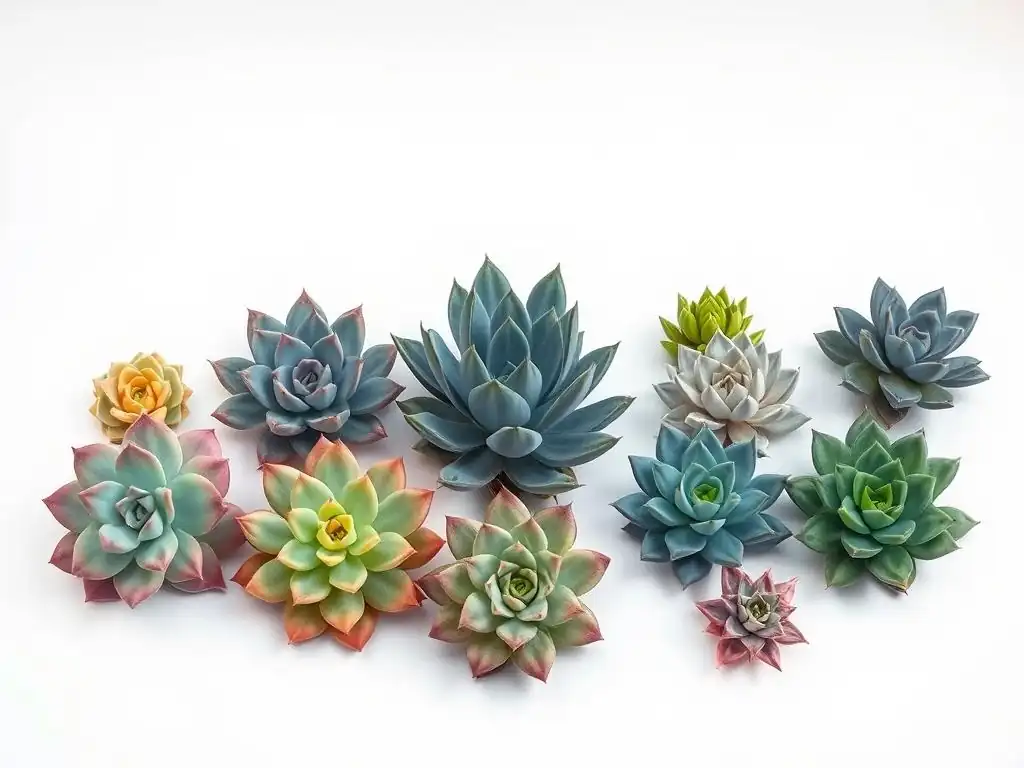
This section delves into a curated selection of ten rare succulent varieties highly sought after by seasoned collectors. These plants demand specific care and attention, making them a rewarding challenge for experienced succulent enthusiasts. This list focuses on the unique characteristics and cultivation needs of each species, providing insights into what makes them so desirable and difficult to obtain. We will explore the challenges and rewards associated with cultivating these rare gems, offering valuable tips for successful propagation and long-term care. This guide serves as a valuable resource for expanding your rare succulent varieties collection.
#1 Titanopsis calcarea: Cultivation and Care Tips
The Titanopsis calcarea, often called the "Pebble Plant," is a highly prized succulent due to its unique, textured leaves that mimic small, grey-brown pebbles. Its camouflage-like appearance makes it a fascinating addition to any collection. Cultivating this species requires specific attention to detail.
It thrives in well-draining, mineral-rich soil, mimicking its natural habitat. Overwatering is its biggest enemy; infrequent, deep watering is preferable to frequent, light watering. Ensure excellent air circulation to prevent fungal diseases. Bright, indirect sunlight is essential for optimal growth and the development of its characteristic coloration. Propagation is typically achieved through offsets, which should be carefully separated and allowed to callous before planting. Patience is key, as Titanopsis calcarea is a slow-growing succulent, rewarding the patient cultivator with its unique beauty. Successfully growing this rare succulent is a testament to a collector's skill and dedication.
#2 Haworthia truncata f. maughanii: Challenges and Rewards of Growing This Species
The Haworthia truncata f. maughanii, also known as the "Window Haworthia," presents unique challenges due to its unusual leaf structure and specific needs. Its flattened, translucent leaves, arranged in a dense rosette, are adapted to receive light from above.
This species requires bright, indirect light to avoid sunburn. Direct sunlight can quickly scorch the delicate leaves. The soil must be exceptionally well-draining to prevent root rot, a common problem with Haworthia truncata f. maughanii. Watering should be infrequent, allowing the soil to dry completely between waterings.
Overwatering is detrimental and can lead to rapid decay. Propagation is usually accomplished through offsets, though it can be slow and requires careful handling of the fragile leaves. Despite the challenges, the unique beauty and unusual appearance of this succulent make it a highly sought-after addition to any serious collection. The satisfaction of successfully growing this challenging species is a significant reward for the experienced collector.
#3 Conophytum bilobum: Identifying Authentic Specimens
The Conophytum bilobum, a member of the "button succulents," is highly valued for its compact size and distinctive appearance. Its paired, fused leaves form a small, rounded body, often exhibiting beautiful, intricate patterns and colors. However, the rarity of this species makes authentic identification crucial.
Distinguishing genuine Conophytum bilobum from similar species requires close examination of its leaf structure, coloration, and overall shape. Variations exist within the species, making identification a complex task. Reputable sources and experienced collectors are essential in ensuring authenticity when acquiring this plant. Careful observation of the leaf texture, the subtle variations in color, and the overall form are crucial identifiers.
Furthermore, understanding the plant's natural habitat and typical growth patterns can help in confirming its authenticity. Collectors should exercise caution and only purchase from trusted vendors to avoid acquiring misidentified or hybrid specimens. The unique beauty and rarity of the Conophytum bilobum make it a desirable addition to a collection, but careful identification is paramount.
#4 Tylecodon reticulatus: Propagation Techniques for this Rare Gem
The Tylecodon reticulatus, with its striking, reticulated leaves and unusual caudex, is a highly prized succulent among collectors. Propagating this rare gem requires patience and precision, as it's not as readily propagated as some more common succulents. The most successful method is stem cuttings, but even then, success isn't guaranteed. Before attempting propagation, ensure you have a sterile, sharp knife or scalpel to minimize the risk of infection.
Clean, dry cuttings are crucial. Allow the cut ends to callous over for several days before planting. This prevents rot, a common problem with Tylecodon reticulatus cuttings. Plant the cuttings in a well-draining succulent potting mix, ensuring only the lower portion of the cutting is buried. Avoid overwatering; infrequent, light watering is key during the rooting phase.
High humidity can also lead to rot, so good airflow is essential. Successful propagation often takes several weeks, sometimes even months, before you see new growth. Patience is truly a virtue when working with this challenging yet rewarding species. Consider using a humidity dome to maintain optimal conditions during the crucial rooting period, but ensure adequate ventilation to prevent fungal growth. Using a rooting hormone can slightly increase success rates, but even with all precautions, some cuttings may unfortunately fail to root.
#5 Aloe polyphylla: Optimal Growing Conditions and Potential Problems
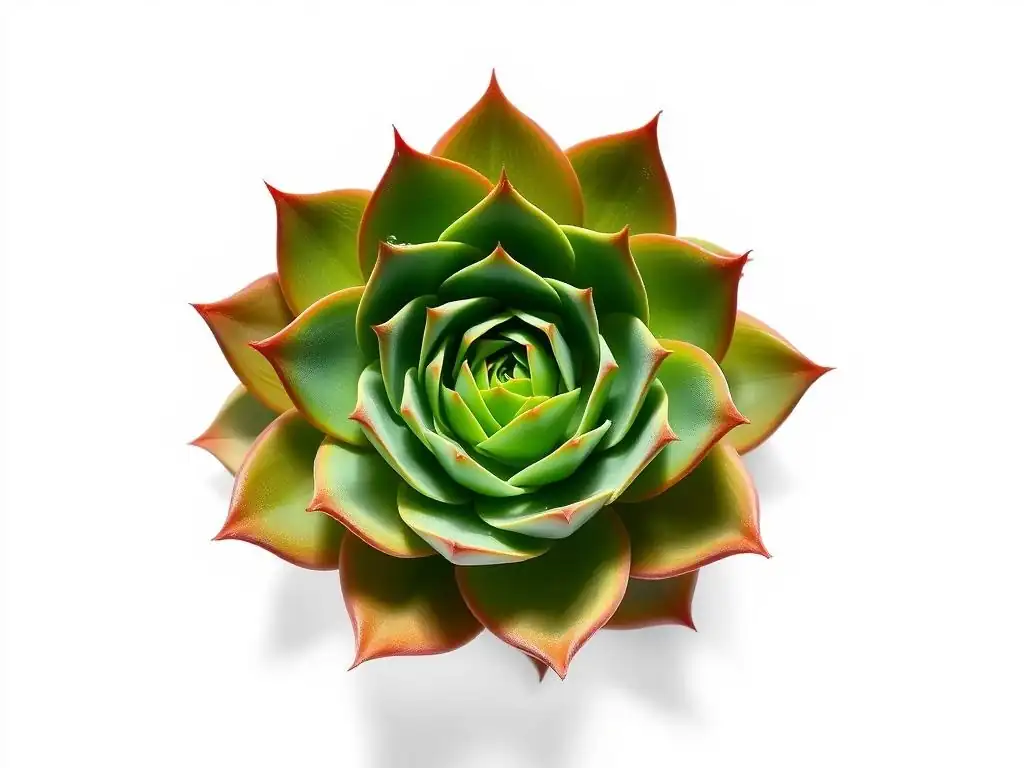
The spiral aloe, Aloe polyphylla, is renowned for its stunning, perfectly symmetrical spiral leaf arrangement. This visually striking plant, however, is notoriously difficult to cultivate outside of its native habitat in Lesotho. Its specific needs make it a challenge even for experienced succulent enthusiasts. Optimal growing conditions are crucial for its survival and thriving. It requires well-draining soil, similar to other aloes, but it's particularly sensitive to overwatering. The soil should be allowed to dry out completely between waterings.
Sunlight is essential, but Aloe polyphylla requires protection from intense, direct sunlight, especially during the hottest parts of the day. Too much sun can scorch the leaves, while insufficient light can lead to etiolation (leggy growth). A bright, filtered light location is ideal. Temperature fluctuations are another factor; Aloe polyphylla prefers cooler night temperatures.
Sudden temperature drops or extreme heat can stress the plant and make it more susceptible to pests and diseases. Common problems include root rot (from overwatering), sunburn, and mealybugs. Regular inspection for pests is vital, and prompt treatment is necessary to prevent infestations. Maintaining consistent, optimal conditions is key to successfully growing this rare and captivating aloe.
#6 Pachypodium namaquanum: A Collector's Perspective on this Highly Sought-After Plant
The Pachypodium namaquanum, also known as the elephant's trunk cactus (though it's not a cactus! ), is a highly sought-after succulent amongst collectors. Its unique, elongated caudex and delicate leaves make it a striking addition to any collection. The plant's slow growth and challenging cultivation requirements contribute to its rarity and high value. From a collector's perspective, the acquisition of a healthy Pachypodium namaquanum is a significant achievement.
Many collectors value the plant's intriguing shape and the sense of accomplishment that comes with successfully cultivating it. The challenge lies in replicating the plant's native arid conditions. Well-draining soil is paramount, and overwatering is a common pitfall. The plant needs plenty of sunlight, but protection from intense afternoon sun is often beneficial.
Furthermore, Pachypodium namaquanum is sensitive to frost, requiring protection during colder months. The plant's slow growth means that significant size increases are observed over many years, adding to the satisfaction of nurturing this unique specimen. For collectors, the long-term commitment and the ultimate reward of a thriving, mature plant make it a truly cherished addition to their rare succulent varieties collection guide. The Pachypodium namaquanum represents a testament to patience, horticultural skill, and the pursuit of botanical treasures.
#7 Euphorbia obesa: Preserving its Unique Characteristics
The Euphorbia obesa, or Baseball Plant, is a highly sought-after succulent due to its perfectly spherical shape and intriguing texture. Its rarity stems from slow growth and over-collection in the wild, making it a prized possession for serious collectors. Preserving the unique characteristics of this succulent requires meticulous care. Overwatering is a significant threat, leading to root rot and ultimately, the demise of the plant. Therefore, infrequent watering, only when the soil is completely dry, is crucial.
Furthermore, Euphorbia obesa thrives in bright, indirect sunlight. Direct, intense sunlight can scorch its delicate skin, affecting its characteristic smooth, almost polished appearance. Proper soil composition is also key; a well-draining, sandy mix prevents waterlogging and ensures optimal root health. Propagation is challenging, primarily achieved through seeds, which are rarely available and require specific germination conditions.
Protecting the plant from extreme temperature fluctuations is equally important, as sudden changes can stress the plant and impact its growth. Careful observation for any signs of pests or diseases, coupled with prompt treatment, is essential to maintain the plant's health and its unique, globular form. The Euphorbia obesa is a testament to slow, deliberate growth, rewarding patient collectors with its exceptional beauty. Its rarity underscores the importance of responsible collecting practices to ensure the survival of this fascinating species.
#8 Didierea madagascariensis: Where to Find and How Much to Pay
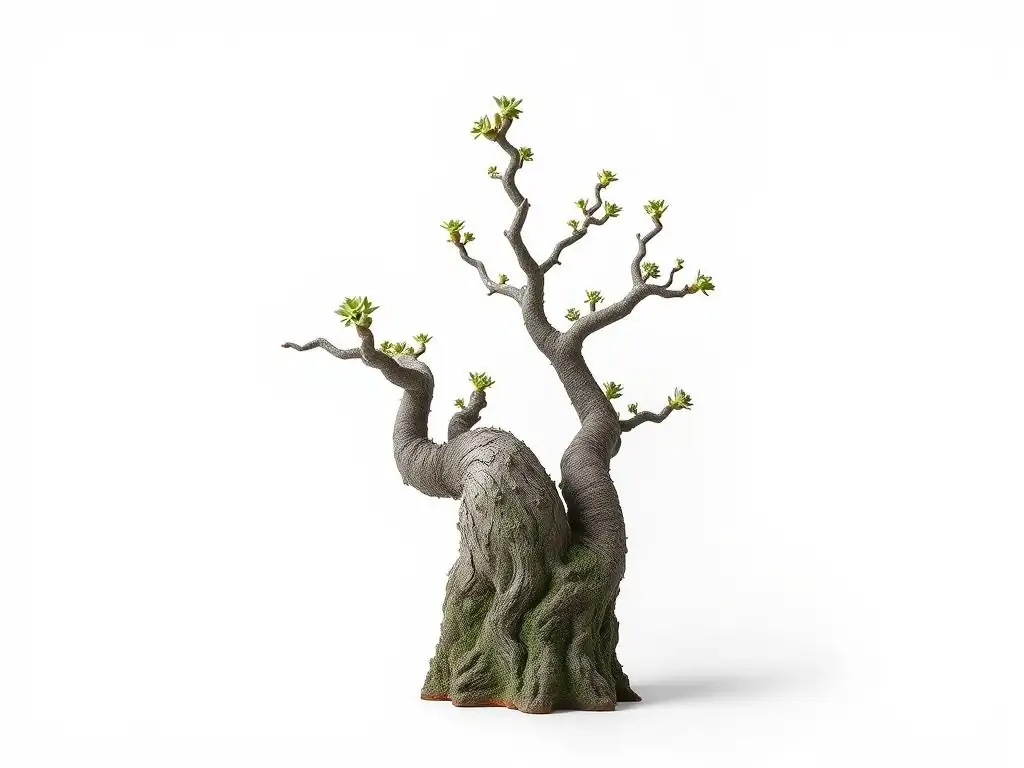
The Didierea madagascariensis, also known as the Madagascar ocotillo, is a truly unique and rare succulent. Its spiny branches and unusual growth habit make it a highly desirable addition to any serious collection. However, acquiring this plant can be challenging. Due to its restricted native range in southwestern Madagascar and its protected status, sourcing Didierea madagascariensis legally requires careful consideration.
Reputable nurseries specializing in rare and unusual succulents are the most reliable source. Purchasing from these nurseries ensures the plant has been propagated responsibly and avoids contributing to the depletion of wild populations. Expect to pay a significant premium for a mature specimen, reflecting its rarity and the challenges associated with its cultivation. Prices can vary widely depending on the size and age of the plant, ranging from hundreds to thousands of dollars for larger, established plants.
Smaller, younger plants might be more readily available at a lower cost, but it’s important to understand the long-term commitment involved in cultivating this slow-growing succulent. Always verify the source's legitimacy and inquire about propagation methods to ensure ethical acquisition. The high cost and difficulty in obtaining this plant reflect its unique qualities and the importance of preserving its natural habitat. Responsible acquisition ensures its survival for future generations of succulent enthusiasts.
#9 Astrophytum asterias cv. Super Kabuto: Hybrids and Variations Within the Species
The Astrophytum asterias cv. Super Kabuto represents a stunning example of the variations and hybrids achievable within the Astrophytum asterias species. The "Super Kabuto" cultivar is characterized by its striking, heavily textured epidermis, often exhibiting dense, white speckling that contrasts beautifully with its deep green body. This cultivar isn't a naturally occurring variant; it's the result of careful selection and cultivation, highlighting the fascinating world of succulent hybridization.
Numerous variations exist within the "Super Kabuto" lineage, with differences in the density and pattern of the white speckling, as well as subtle variations in the plant's overall shape and size. These variations are further amplified through ongoing selective breeding, leading to a diverse array of unique specimens within the "Super Kabuto" family. Collectors often seek out specific traits, such as exceptionally dense speckling or unusual rib formations, leading to a highly valued and sought-after group of succulents. The rarity of particular "Super Kabuto" variations contributes to their high value, making them a prized possession for enthusiasts.
Understanding the complexities of succulent hybridization and the role of selective breeding in creating these unique plants enhances appreciation for the artistry and dedication involved in cultivating these exceptional specimens. The Astrophytum asterias cv. Super Kabuto serves as a perfect example of the ongoing evolution and diversification within the world of succulent cultivation.
#10 Cephalocereus senilis: Protecting Your Investment: Disease Prevention and Pest Control
The Cephalocereus senilis, also known as the Old Man Cactus, is a highly sought-after succulent due to its unique, long, white hairs that resemble an old man's beard. Its rarity stems from its slow growth rate and specific environmental needs, making it a prized possession for serious collectors. However, this beauty requires diligent care to thrive, and protecting it from disease and pests is crucial to maintaining its health and longevity. Neglect can quickly lead to significant damage or even loss of this valuable plant.
One of the biggest threats to Cephalocereus senilis is root rot. This fungal disease is often caused by overwatering, particularly in poorly draining soil. Symptoms include mushy, discolored roots and a soft, collapsing stem base. Prevention is key: ensure excellent drainage by using a well-draining cactus and succulent potting mix and only watering when the soil is completely dry.
Allowing the soil to dry out completely between waterings is paramount to avoid fungal growth. If root rot is detected, immediate action is necessary. This involves removing affected roots, treating the plant with a fungicide, and repotting it in fresh, dry soil.
Pests, such as mealybugs and spider mites, can also infest Cephalocereus senilis. Mealybugs appear as small, white, cottony masses, often found in the crevices of the stem. Spider mites, on the other hand, are tiny arachnids that cause stippling and webbing on the plant's surface. Regular inspection is vital for early detection. For minor infestations, a gentle wipe with a cotton swab dipped in rubbing alcohol can effectively remove pests. For more severe infestations, insecticidal soap or neem oil are effective organic solutions. Always follow the product instructions carefully and avoid over-application.
Maintaining a clean and well-ventilated environment is equally crucial for preventing disease and pest infestations. Good air circulation helps prevent fungal growth and reduces the humidity that attracts pests. Avoid overcrowding your succulents, allowing ample space for air to circulate around each plant. Regularly inspect your Cephalocereus senilis for any signs of disease or pest activity. Early detection and prompt treatment are essential for preserving the health and value of this rare and beautiful succulent. Remember, proactive care is the best insurance policy for your valuable collection. A healthy plant is a happy plant – and a valuable one!
Beyond the Top 10: Discovering More Rare Succulent Varieties
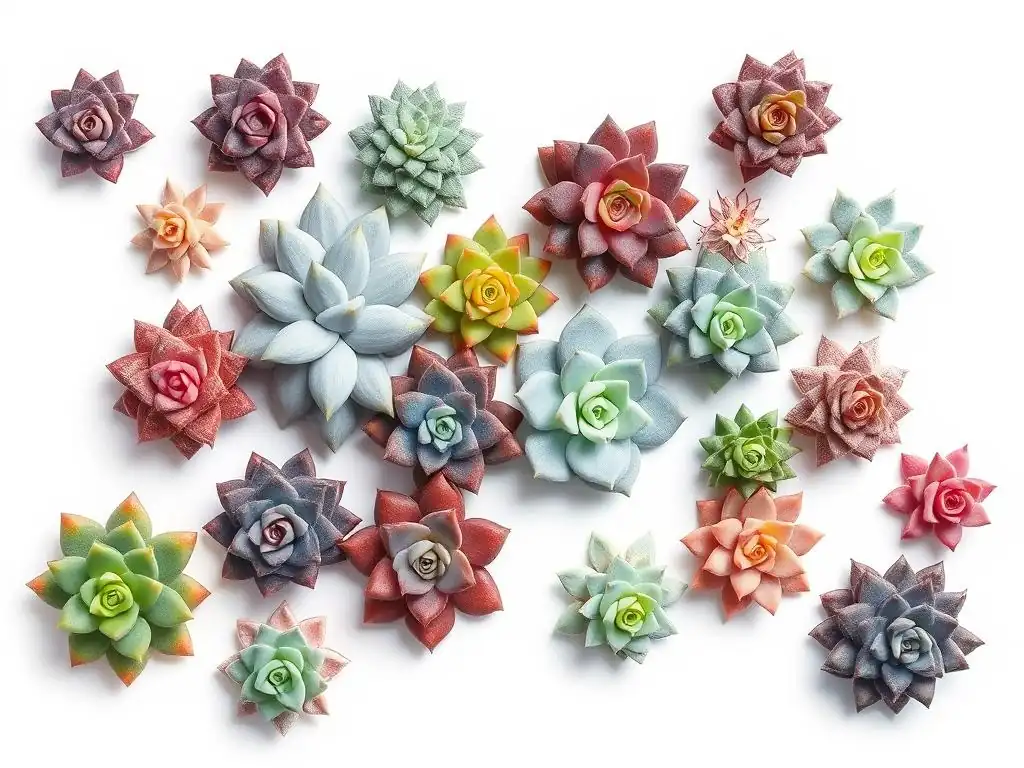
This section delves beyond the commonly known rare succulents, exploring lesser-known gems that will truly elevate any serious collector's collection. Finding these unique plants often requires dedicated research, networking within the succulent community, and a bit of luck. But the reward of owning these botanical treasures is well worth the effort. We'll focus on expanding your knowledge of rare succulent varieties, moving beyond the usual suspects and into the fascinating world of obscure genera and unique regional variations. This guide will help you build a truly exceptional and diverse rare succulent varieties collection.
Exploring Obscure Genera: Uncommon and Underrated Succulents
Many collectors focus on popular genera like Haworthia and Lithops. However, a wealth of rare and beautiful succulents lies within less-explored genera. These often require specialized care and are not readily available at common nurseries. Let's examine a few examples:
- Tylecodon: This genus boasts fascinating, often caudiciform (thickened stem) species. Many Tylecodon varieties exhibit striking seasonal changes, shedding leaves in the dry season and displaying unique textures and colors. Finding these can be challenging, often requiring connections with specialist nurseries or succulent enthusiasts who propagate them. Their unique appearance makes them a prized addition to any collection focused on rare succulent varieties.
- Adromischus: Known for their unusually shaped leaves, often resembling pebbles or small stones, Adromischus species offer a unique aesthetic. Some are incredibly rare in cultivation, making them highly sought after by collectors pursuing a truly diverse rare succulent varieties collection guide. Their slow growth and specific needs make them a rewarding but demanding addition.
- Monanthes: These miniature succulents from the Canary Islands are incredibly charming and relatively unknown outside of specialist circles. Their small size and delicate beauty are a testament to the diversity within the succulent world. These plants represent a significant challenge to cultivate successfully and are therefore highly prized among serious collectors building their rare succulent varieties collection.
The search for these obscure genera is part of the thrill of collecting rare succulents. It requires patience, research, and a willingness to explore beyond the mainstream. Remember to always prioritize ethical sourcing and responsible collecting practices.
Regional Variations and Endemic Species: Geographic Considerations for Collectors
The rarity of certain succulents is often tied to their geographic location. Many species are endemic to specific, often limited, regions. This geographic restriction contributes significantly to their rarity in cultivation. Collecting these plants requires understanding their specific environmental needs and often necessitates sourcing them from reputable specialists who ethically collect and propagate them.
For example, certain Aloe species found only on specific islands or mountain ranges are exceptionally rare and sought after. Similarly, many Dudleya species, native to the California coast, are threatened in the wild and therefore highly prized by collectors. These regional variations often exhibit unique characteristics not seen in other members of their species, further increasing their desirability. Building a collection that highlights these geographic variations provides a fascinating insight into the evolutionary adaptations of succulents and contributes to a comprehensive rare succulent varieties collection guide. Always prioritize plants sourced sustainably and legally.
The Role of Hybrids in Rare Succulent Cultivation: Creating Unique Specimens
The world of rare succulents also encompasses the exciting realm of hybrids. While not naturally occurring, skillfully created hybrids can produce stunning and unique specimens. These hybrids often combine desirable traits from parent plants, resulting in plants with unusual colors, forms, or growth habits. Many serious collectors actively seek out these one-of-a-kind succulents.
However, it’s crucial to remember that creating hybrids ethically and responsibly is paramount. Understanding the genetics and propagation methods of parent plants is essential. Furthermore, it's important to avoid contributing to the over-exploitation of wild populations when sourcing parent plants for hybridization.
A truly exceptional rare succulent varieties collection guide will emphasize the ethical considerations involved in both collecting and cultivating rare and hybrid succulents. The creation of new hybrids, when done responsibly, adds another layer of complexity and excitement to the world of rare succulent collecting. This commitment to ethical and sustainable practices is crucial for the long-term preservation of these unique plants.
Ethical Considerations in Collecting Rare Succulents: Sustainability and Conservation
The pursuit of rare succulent varieties should always be balanced with a strong commitment to ethical and sustainable practices. Simply put, collecting these unique plants shouldn't come at the cost of their survival in the wild or contribute to unsustainable harvesting practices. Responsible collecting is crucial for the long-term health of succulent populations and ecosystems.
One key aspect of ethical collecting involves understanding the source of your plants. Purchasing succulents from reputable nurseries and growers who prioritize sustainable propagation techniques is paramount. These nurseries often propagate plants from cuttings or through tissue culture, minimizing the impact on wild populations. Avoid purchasing plants that are suspected to have been illegally harvested from their natural habitats. Look for certifications or statements from nurseries that demonstrate their commitment to responsible sourcing. This might include information on their propagation methods or partnerships with conservation organizations.
Another critical consideration is the impact of your collecting habits on the environment. While succulents are known for their drought tolerance, irresponsible collection can still damage fragile ecosystems. Always respect the natural habitats of these plants and avoid collecting them directly from the wild. Remember that even seemingly abundant populations can be vulnerable to over-harvesting. Supporting conservation efforts, such as donating to organizations dedicated to protecting succulent habitats, is a significant way to offset the environmental impact of your collecting hobby.
Furthermore, responsible succulent ownership extends beyond the acquisition phase. Proper care and propagation of your collection contributes to the overall sustainability of these rare varieties. By successfully propagating your plants and sharing cuttings with others, you contribute to the preservation of genetic diversity and increase the overall availability of these rare specimens, reducing the pressure on wild populations.
Documenting your propagation successes and sharing your knowledge with fellow enthusiasts can further promote sustainable collecting practices within the community. This collective effort is essential for safeguarding the future of rare succulents. Responsible collecting isn't just about avoiding harm; it's about actively contributing to the preservation of these fascinating plants for generations to come.
Resources for the Serious Rare Succulent Collector
This section focuses on locating and learning about rare succulent varieties, crucial for building a comprehensive and authentic collection. Finding rare succulents requires diligence and a strategic approach, going beyond simple online searches. This guide provides key resources to help you in your quest.
Reputable Suppliers and Nurseries: Finding Authentic Rare Succulents
Securing genuine rare succulents is paramount. Avoid untrustworthy sellers who might mislabel or sell unhealthy plants. Prioritize nurseries and suppliers with a proven track record and strong reputations within the succulent community. Look for nurseries specializing in rare and unusual varieties; they're more likely to have the specific plants you're seeking. Don't hesitate to contact multiple suppliers to compare prices, availability, and plant health. A reputable nursery will be transparent about their sourcing and provide detailed information about the plants they offer, including their origin and care requirements.
A key aspect of finding authentic rare succulents is verifying the supplier's credentials. Check online reviews and testimonials to gauge the experiences of other buyers. Look for nurseries that actively participate in succulent-related events and communities. Membership in professional horticultural organizations can also be a strong indicator of credibility.
Building relationships with reputable suppliers can be incredibly beneficial in the long run. They might alert you to upcoming rare plant arrivals or offer exclusive access to limited-edition specimens. Regular communication and a history of positive interactions can significantly improve your chances of acquiring highly sought-after succulent varieties. Remember to always carefully inspect the plants upon arrival to ensure they are healthy and true to description.
Online Communities and Forums: Connecting with Fellow Collectors
Connecting with fellow succulent enthusiasts is invaluable for acquiring rare varieties. Online communities and forums offer a platform to exchange knowledge, tips, and even trade or purchase rare plants. These communities often have experienced collectors who can provide advice on sourcing, identification, and care. Participating in these forums allows you to tap into a wealth of collective knowledge, making your search for rare succulents more effective and enjoyable.
Many online forums are dedicated to specific succulent genera or species, allowing for focused discussions and targeted searches. This specialized approach increases your chances of finding information about and access to particular rare varieties that might be difficult to locate elsewhere. Engaging in discussions, asking questions, and sharing your own experiences will not only help you expand your knowledge but also build relationships with other collectors who might be willing to share or trade rare succulents.
Remember, building trust within these online communities takes time. Be an active and contributing member, offering helpful information and participating in respectful discussions. This approach will enhance your credibility and increase the likelihood of successful interactions with other collectors. Always exercise caution when engaging in transactions online, ensuring secure payment methods and clear communication about plant condition and shipping.
Books and Publications: Expanding Your Knowledge of Rare Succulents
Expanding your knowledge of rare succulent varieties is crucial for successful collecting. Many books and publications provide detailed information about rare species, their origins, and care requirements. These resources can significantly enhance your identification skills and help you make informed purchasing decisions. They often include stunning photography that allows you to visually compare different varieties and identify subtle differences.
Investing in reputable books and journals can be a valuable long-term investment for any serious succulent collector. These resources offer a wealth of information beyond simple identification, often covering topics like propagation techniques, pest control, and optimal growing conditions for rare succulents. They can also provide historical context, tracing the origins and evolution of certain rare varieties, adding another layer of appreciation to your collection.
Beyond dedicated succulent publications, explore botanical journals and horticulture magazines. These resources often feature articles on rare and endangered plant species, including succulents. These publications frequently include scientific research and detailed botanical descriptions, contributing to a more comprehensive understanding of your collection. Remember to consult multiple sources to gain a well-rounded perspective and cross-reference information to ensure accuracy. The more you learn, the better equipped you will be to identify and care for your rare succulent collection.
Maintaining Detailed Records: Tracking Your Collection's Growth and Provenance
Building a substantial collection of rare succulent varieties requires meticulous record-keeping. This isn't just about knowing what you have; it's about understanding where it came from, how it's grown, and what conditions it thrives in. This detailed approach is crucial for several reasons: it helps you avoid duplicates, understand the specific needs of each plant, and even increase the value of your collection over time. Imagine trying to recall the specific conditions under which a rare Dudleya thrived after several years – a detailed record eliminates this guesswork.
A well-maintained record should include the following information for each plant:
- Species and cultivar name: Use the correct botanical name for accuracy and clarity. Include cultivar names if applicable, as these often denote unique characteristics.
- Acquisition date and source: Note when and where you obtained the plant. This information is particularly important for provenance, especially for rare or highly sought-after varieties. Did you purchase it from a reputable nursery, a private collector, or acquire it through propagation?
- Propagation method (if applicable): If you propagated the plant yourself, record the method used (leaf cuttings, stem cuttings, offsets, etc.). This provides valuable information about the plant's lineage and potential for future propagation.
- Potting mix: Document the specific potting mix used. Different succulents have different needs, and some thrive in specific mixes (e.g., well-draining cacti and succulent mix).
- Watering schedule and frequency: Keep track of your watering routine. This is crucial for understanding the plant's water requirements and avoiding overwatering or underwatering. Consider noting the specific climate conditions as well.
- Sunlight exposure: Record the amount of sunlight the plant receives (full sun, partial shade, etc.). This is essential for understanding the plant's light needs.
- Fertilizer used (if any): Note the type and frequency of fertilizer application. Over-fertilizing can be detrimental to succulents.
- Growth notes: Regularly observe your plants and record any significant changes in growth, flowering, or overall health. Note any unusual occurrences or pest infestations. Include photographs to document these changes visually.
- Pest and disease history: Document any pest infestations or diseases the plant has experienced, along with the treatment methods used. This helps you prevent future issues and manage potential outbreaks effectively.
Maintaining these records can be done using a variety of methods: a simple spreadsheet, a dedicated notebook, or even a specialized plant tracking app. The key is consistency. Regularly update your records to ensure the information is accurate and up-to-date. The effort invested in meticulous record-keeping will pay dividends in the long run, contributing significantly to the success and enjoyment of your rare succulent collection.
Consider using a system that allows for easy search and retrieval of information, especially as your collection grows. This will help you locate specific plants quickly and efficiently. Think of it as building a living catalog of your prized possessions – a testament to your dedication and expertise in the world of succulent cultivation.
Frequently Asked Questions
What makes a succulent "rare"?
Rarity in succulents is determined by several factors including limited natural distribution, difficulty in propagation, and high demand from collectors. Some are naturally scarce, while others are challenging to cultivate successfully.
Where can I find rare succulent varieties?
Reputable online retailers specializing in succulents, botanical gardens, and private collectors are good sources. Always research the seller's reputation to avoid scams.
How do I care for rare succulent varieties?
Care varies depending on the specific species, but generally involves providing proper sunlight, well-draining soil, and moderate watering. Research the individual needs of your rare succulents.
What are some examples of rare succulent varieties?
Some examples include various extremely rare Haworthia species, certain Conophytum cultivars, and unique Lithops hybrids. The "rarity" of a particular species can be subjective and change over time.
How can I protect my rare succulent collection?
Proper labeling is crucial for tracking your plants. Maintain detailed records of their care, and consider environmental controls like humidity and temperature to ensure their health and prevent loss.
Final Reflection: Cultivating Rarity, Cultivating Passion
The pursuit of rare succulent varieties is more than just a hobby; it's a vibrant reflection of our innate human desire to connect with beauty and the natural world. In a world increasingly dominated by technology and mass production, the meticulous care and patient cultivation of these unique plants offer a tangible counterpoint, a quiet sanctuary where beauty unfolds slowly and deliberately. The demand for these rare specimens continues to grow, highlighting the enduring appeal of the unusual and the exquisite.
The journey of collecting rare succulents is a deeply personal one, a testament to the power of dedication and the rewards of perseverance. It's about more than simply accumulating plants; it's about building a living testament to patience, understanding, and a deep appreciation for the intricate beauty of the natural world. As the renowned botanist, David Attenborough, once said, The variety of life on Earth is breathtaking, and it is our responsibility to protect it.
This sentiment resonates deeply within the world of rare succulent collecting, urging us to not only appreciate these plants but also to contribute to their conservation and responsible propagation.
Consider the lessons learned within these pages. Think about the unique challenges and triumphs of cultivating these rare beauties. Now, I invite you to embark on your own journey of discovery. Whether you're a seasoned collector or just beginning to explore the captivating world of succulents, remember the importance of responsible sourcing, careful cultivation, and a deep appreciation for the delicate balance of nature. Let the beauty and resilience of these rare plants inspire you to cultivate not only your collection but also your own connection to the natural world.
Unleash Your Inner Plant Connoisseur: Discover Your Next Rare Find!
Thank you for joining us on this journey into the fascinating world of rare succulents! We hope you've discovered some incredible plants to add to your collection. Now it's time to put your newfound knowledge into practice.
- Begin your search for a rare and unusual succulent. Explore local nurseries, online forums, and specialized plant shows – you might be surprised by what you find! You could even try searching for a specific variety that catches your eye, like the striking Graptopetalum Amethystum.
- Share your succulent knowledge with fellow plant enthusiasts! Discuss your favorite varieties and your search for new additions on our SucculentEssentials.org community forum.
- Challenge yourself to propagate a cutting from your existing collection. It's a rewarding experience and a great way to expand your collection of rare succulents.
Ready to embark on your next succulent adventure? Which unique variety are you most excited to add to your collection?