
Succulents Around the Globe: Discover the Diverse Cultivation Practices

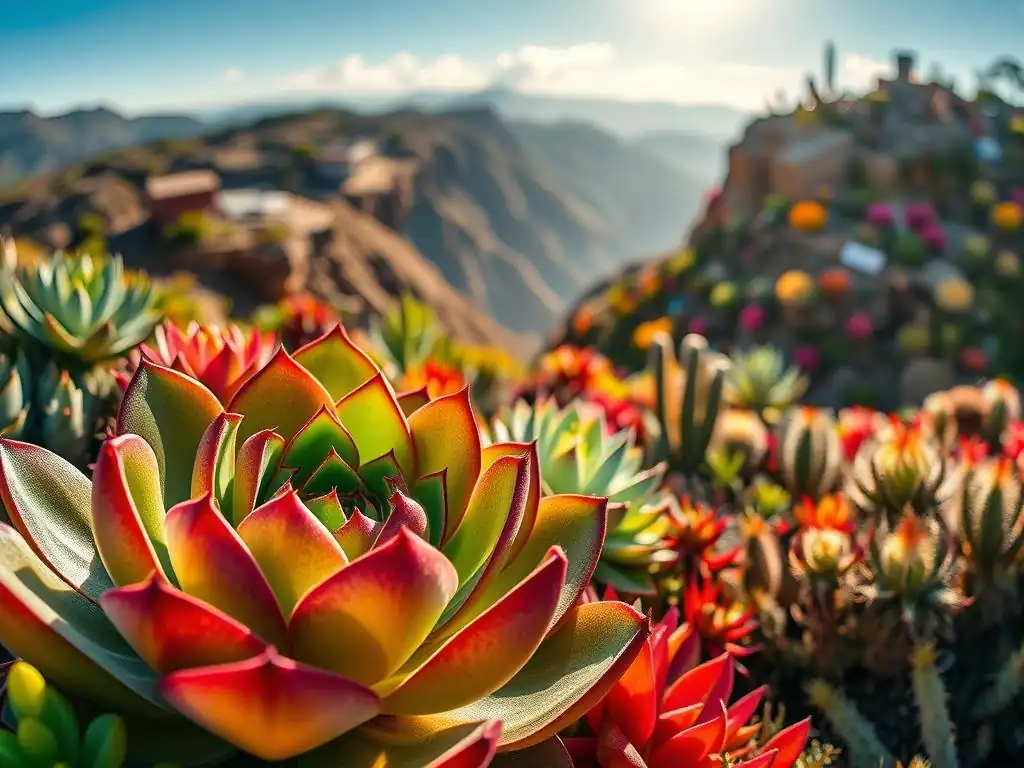
Welcome to SucculentEssentials.org, your gateway to the fascinating world of succulents! Are you ready to unravel the secrets behind these resilient plants? We delve into every aspect of succulent care, from basic propagation to stunning design ideas. But first, prepare to be amazed by the sheer diversity of global succulent cultivation practices. Discover how cultures around the world nurture these unique plants, and unlock the knowledge to cultivate your own thriving succulent collection. Explore the captivating story of succulents – your journey begins now!
- Global Succulent Cultivation Practices: An Overview
- Succulent Cultivation in Arid and Semi-Arid Regions
- Succulent Cultivation in Temperate Zones
- Succulent Cultivation in Tropical and Subtropical Climates
- Innovative Global Approaches to Succulent Cultivation
- Cultural Significance of Succulents Around the World
- Preserving Biodiversity in Global Succulent Cultivation
-
Frequently Asked Questions
- What are some common global succulent cultivation practices?
- How do different climates impact succulent cultivation?
- What role does soil play in global succulent cultivation?
- Are there any unique regional approaches to succulent propagation?
- How does global trade impact succulent cultivation practices?
- Final Reflection: A Blooming Global Network of Succulent Enthusiasts
- Unleash Your Inner Plant Parent: Cultivate Your Succulent Journey
Global Succulent Cultivation Practices: An Overview
The captivating world of succulents extends far beyond the borders of our own gardens. This article delves into the fascinating diversity of succulent cultivation practices across the globe, exploring the historical context, environmental influences, and adaptive techniques employed by growers in various regions. From the arid deserts to the humid coastal areas, succulents demonstrate remarkable resilience and adaptability, leading to a rich tapestry of cultivation methods honed over centuries.
Understanding these global practices not only enhances our appreciation for these resilient plants but also provides invaluable insights for cultivating succulents successfully in diverse environments. We will explore the historical roots of succulent cultivation, the impact of different climates, and the ingenious techniques developed to nurture these fascinating plants worldwide.
This exploration will provide a comprehensive understanding of "Global succulent cultivation practices," enriching your knowledge and inspiring your own succulent journey. Prepare to be amazed by the global reach and adaptability of these remarkable plants!
The History of Succulent Cultivation Across Continents
The cultivation of succulents boasts a rich and varied history, deeply intertwined with the cultures and environments where they thrive. Evidence suggests that succulents have been cultivated for centuries, with indigenous communities in diverse regions developing unique methods for propagation and care. For example, in the arid regions of Africa, certain succulent species have been utilized for medicinal purposes and as sources of food and water for generations.
Similarly, in the Americas, various indigenous cultures incorporated succulents into their landscaping and ceremonial practices. Early European explorers and botanists played a significant role in introducing succulents to new continents, sparking a global interest in their cultivation. This introduction, however, often lacked an understanding of the specific needs of different species, leading to early challenges in establishing successful cultivation practices outside of their native habitats.
The development of modern horticultural techniques has significantly advanced our understanding of succulent care, allowing for successful cultivation across a wider range of climates and environments. The historical perspective is crucial to understanding the current diversity in global succulent cultivation practices.
Diverse Climates and Their Influence on Succulent Growth
Succulents exhibit a remarkable capacity to adapt to a wide range of climates, yet their growth and development are significantly influenced by environmental factors. Temperature, sunlight, humidity, and precipitation all play crucial roles in determining the optimal cultivation techniques. For instance, succulents thriving in arid deserts, such as those found in Mexico and South Africa, require well-draining soil and ample sunlight to prevent root rot.
In contrast, succulents grown in more humid climates, such as those found in coastal regions of California or parts of Southeast Asia, might benefit from increased air circulation to prevent fungal diseases. The availability of water is another critical factor, with desert succulents requiring infrequent watering while succulents in more temperate climates may tolerate more frequent irrigation.
Understanding these climatic variations is essential for tailoring cultivation practices to specific geographic locations, ensuring the health and vitality of the plants. The diversity of climates directly translates into a diverse range of cultivation techniques.
Adapting Cultivation Techniques to Different Geographic Locations
The successful cultivation of succulents requires a nuanced understanding of the specific needs of each species and the environmental conditions of the growing location. This necessitates adapting cultivation techniques to match the unique characteristics of different geographic areas. For example, growers in regions with intense sunlight might employ shade cloths or adjust planting times to protect succulents from scorching.
Conversely, growers in regions with limited sunlight might supplement with artificial lighting to ensure adequate photosynthesis. Soil composition also plays a vital role; well-draining mixes are essential in most cases, but the precise composition might vary depending on the local soil conditions and the specific succulent species. Furthermore, the frequency and amount of watering must be adjusted based on local rainfall patterns and temperature fluctuations.
Innovative techniques, such as the use of hydroponics or aeroponics, are also being explored to further optimize succulent cultivation in diverse environments. The adaptability and innovation in cultivation methods reflect the global community's dedication to nurturing these unique plants.
Succulent Cultivation in Arid and Semi-Arid Regions
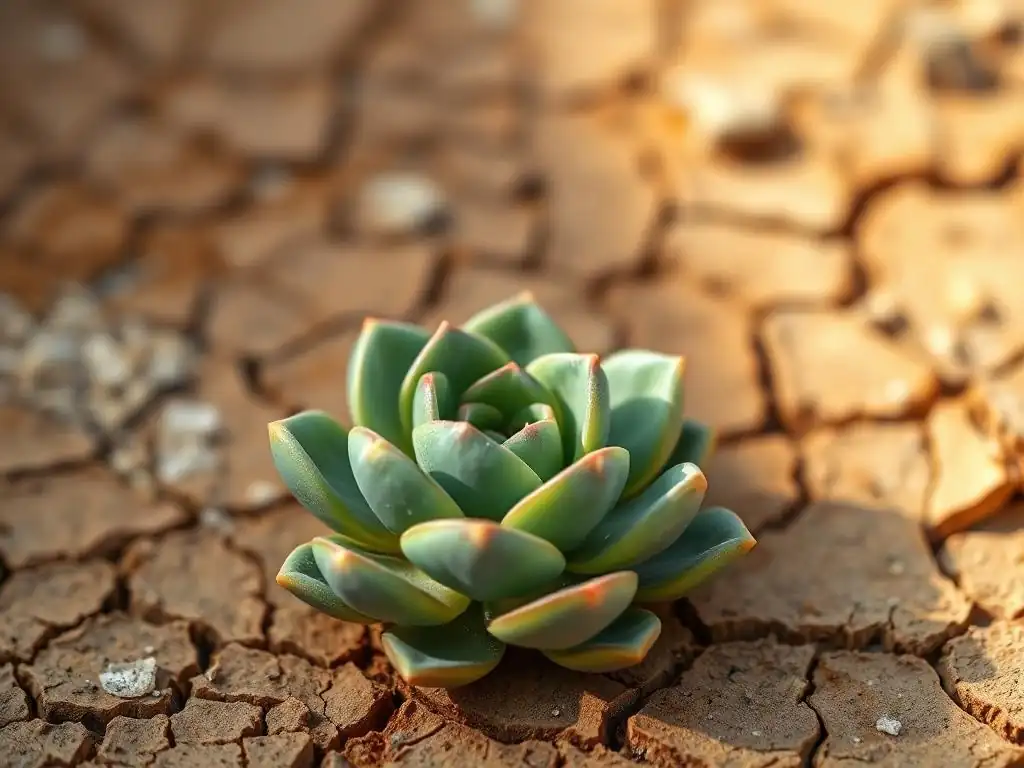
This section delves into the specialized techniques employed in cultivating succulents within arid and semi-arid regions, areas characterized by low rainfall and high temperatures. Mastering these techniques is crucial for the successful propagation and flourishing of these drought-tolerant plants, even under challenging environmental conditions. Understanding the unique needs of succulents in these climates is key to thriving global succulent cultivation practices.
Water Conservation Techniques in Desert Environments
Water scarcity is the paramount challenge in desert succulent cultivation. Efficient irrigation strategies are therefore critical. Drip irrigation systems are highly recommended, delivering water directly to the plant's root zone, minimizing evaporation and runoff. This method conserves water significantly compared to overhead watering, which can lead to fungal diseases due to prolonged leaf moisture.
Furthermore, employing soaker hoses provides a gentle and consistent watering approach, reducing water stress on the plants. The frequency of watering depends on several factors, including the species of succulent, the soil type, and ambient temperature. Regular monitoring of soil moisture is essential; it's recommended to water only when the topsoil is completely dry.
Implementing a schedule based on observation, rather than a rigid timetable, allows for adaptation to fluctuating weather conditions and plant needs. Advanced growers may even utilize moisture meters to ensure precise watering. Careful consideration of these techniques is vital for successful global succulent cultivation practices in arid regions.
Soil Composition and Drainage for Optimal Growth in Dry Climates
Proper soil composition is fundamental for healthy succulent growth in arid climates. Well-draining soil is crucial to prevent root rot, a common problem in excessively moist conditions. A well-balanced soil mix typically includes a combination of inorganic materials like pumice, perlite, and coarse sand, along with a small proportion of organic matter like coco coir or well-rotted compost.
The inorganic components improve aeration and drainage, while the organic matter provides essential nutrients. The ideal ratio can vary depending on the specific succulent species, but a general guideline is a 2:1:1 ratio of inorganic materials to organic matter. For example, a suitable mix could be 2 parts pumice, 1 part perlite, and 1 part coco coir.
Poor drainage can lead to waterlogging, which suffocates roots and invites fungal diseases, ultimately hindering the plant's ability to thrive. Therefore, selecting the right soil composition is a key element of successful global succulent cultivation practices, especially in arid zones. The importance of drainage cannot be overstated.
Protecting Succulents from Extreme Temperatures and Sun Exposure
Extreme temperatures, both high and low, pose significant threats to succulents in arid and semi-arid regions. During the hottest parts of the day, intense sunlight can scorch succulent leaves, causing irreversible damage. Providing shade during the peak sun hours, particularly for young or newly planted succulents, is essential. This can be achieved using shade cloth, strategically placing plants under taller shrubs, or simply adjusting their position throughout the day.
Conversely, during winter months, freezing temperatures can severely damage or even kill succulents. Protecting plants from frost is crucial. This can involve bringing potted succulents indoors or covering them with frost cloth or other protective materials.
Furthermore, the selection of succulent species adapted to the local climate is vital for resilience against extreme temperatures. Choosing drought-tolerant varieties with a history of thriving in similar conditions significantly improves their chances of survival and flourishing. Understanding these environmental factors and implementing appropriate protection strategies are integral to successful global succulent cultivation practices in arid regions.
Succulent Cultivation in Temperate Zones
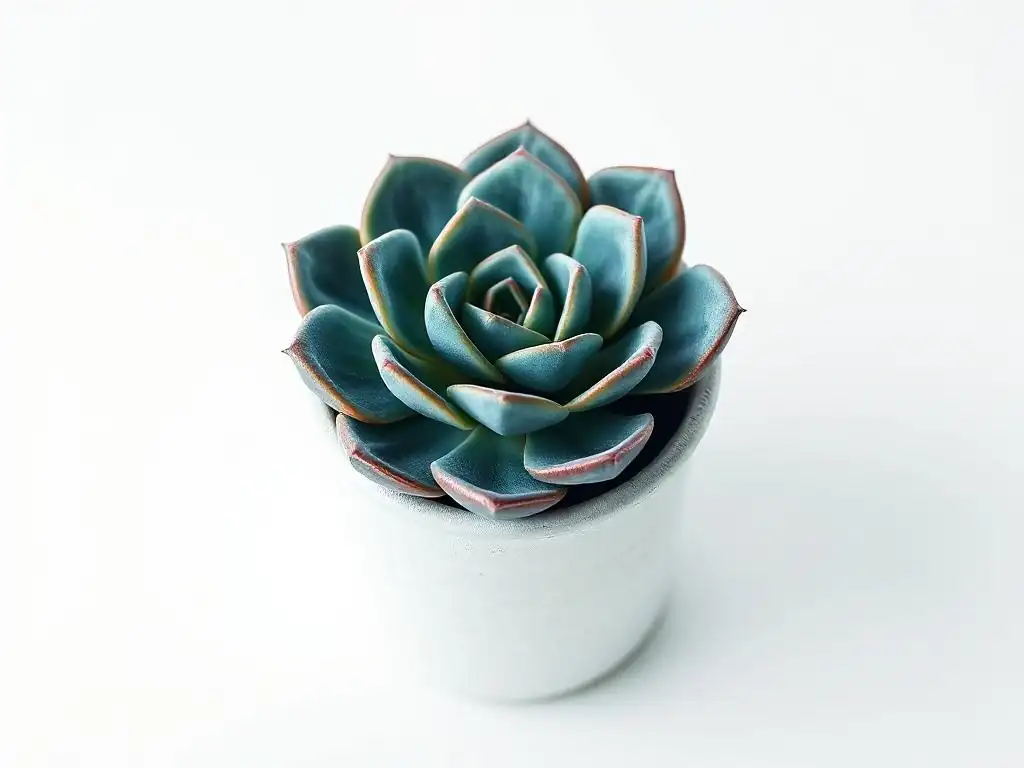
Temperate zones, characterized by distinct seasons with moderate temperatures, present unique challenges and opportunities for succulent cultivation. Understanding these nuances is crucial for successful growth and thriving plants. Global succulent cultivation practices are diverse, and temperate zone gardening requires a specialized approach. The key lies in adapting care routines to the fluctuating weather patterns throughout the year. This section will explore the specific considerations for growing succulents in these regions, focusing on seasonal adjustments, overwintering strategies, and pest and disease management.
Seasonal Variations and Their Impact on Succulent Care
The four distinct seasons dramatically affect succulent care in temperate climates. Spring brings renewed growth, demanding increased watering frequency and fertilization. However, avoid overwatering, as damp soil can lead to root rot, a common issue in spring. Summer, often the hottest period, requires careful monitoring of soil moisture. Succulents are drought-tolerant, but they still need water, albeit less frequently than in spring.
Provide adequate shade during the peak heat of the day to prevent sunburn. Autumn signifies a transition period. Gradually reduce watering as temperatures drop and growth slows. Finally, winter requires a significant shift in care.
Watering should be minimized, or even completely halted for some species, depending on the specific succulent and the severity of the winter climate. The goal is to allow the plants to enter a state of dormancy, conserving energy for the next growing season. Regular inspection is essential throughout all seasons to identify any early signs of stress or disease. A proactive approach is key to maintaining healthy succulents in a temperate environment.
Overwintering Succulents in Cooler Climates
Overwintering succulents successfully in cooler climates is crucial for their survival. Many succulents are not frost-tolerant, requiring protection from freezing temperatures. For outdoor succulents, consider moving them to a sheltered location, such as a porch or garage, during periods of frost or extreme cold. Alternatively, bringing them indoors to a bright, cool location is ideal.
Avoid placing them near heating vents, which can dry out the air and stress the plants. Watering frequency should be drastically reduced during winter. Overwatering is a significant risk during the dormant period, as the plants' metabolism slows, and they are less able to absorb moisture. Proper ventilation is also key to prevent fungal diseases.
Many succulent enthusiasts use cold frames or greenhouses to create a controlled environment for overwintering, offering protection from harsh weather while maintaining adequate light and ventilation. Observation is key – if leaves start to shrivel or become discolored, it may indicate a need for adjustment in temperature or watering. Understanding the specific cold-hardiness of different succulent species is essential for effective overwintering strategies.
Managing Pests and Diseases in Temperate Regions
Temperate climates can present various pest and disease challenges for succulents. Common pests include mealybugs, aphids, and spider mites. Regular inspection is crucial for early detection. Treatment options range from insecticidal soaps to neem oil, with organic methods preferred to minimize environmental impact.
Diseases are often linked to improper watering techniques, leading to root rot or fungal infections. Ensuring well-draining soil and avoiding overwatering are preventative measures. Proper sanitation, including the removal of infected leaves or stems, is important to prevent the spread of disease. In severe cases, fungicides might be necessary, but preventative care is always the most effective strategy.
Maintaining a healthy growing environment, with good air circulation and appropriate sunlight, contributes significantly to disease resistance. A detailed understanding of the typical pests and diseases affecting succulents in temperate zones, along with appropriate management strategies, is essential for maintaining a healthy succulent collection. Careful monitoring and proactive management are key to preserving the health and vitality of your succulents throughout the year.
Succulent Cultivation in Tropical and Subtropical Climates
Tropical and subtropical regions present unique challenges and opportunities for succulent cultivation. The high humidity, intense sunlight, and prevalence of certain pests and diseases demand specific cultivation practices to ensure the health and thriving of these drought-tolerant plants. Understanding these nuances is crucial for successful succulent gardening in these climates.
Mastering these techniques allows enthusiasts to enjoy the beauty of succulents even in environments typically considered less-than-ideal for their growth. This section delves into the key considerations for cultivating succulents in these warmer, wetter climates. Successful global succulent cultivation practices often hinge on adapting to local conditions, and this section focuses specifically on adapting to high humidity and intense heat.
High Humidity and Its Effect on Succulent Health
High humidity levels in tropical and subtropical climates can significantly impact succulent health. Unlike their arid desert counterparts, succulents in these regions are more susceptible to fungal diseases and rot due to the constant moisture in the air. The excess moisture can prevent proper drainage, leading to root rot, a common cause of succulent death. Leaves may become waterlogged and susceptible to fungal infections, showing signs of discoloration, mushiness, and eventually, decay.
To mitigate these risks, several strategies are crucial:
- Improved Drainage: Using well-draining potting mixes is paramount. A mix consisting of primarily inorganic materials like pumice, perlite, and coarse sand, with a smaller proportion of organic matter like coco coir, provides optimal drainage.
- Air Circulation: Ensure good air circulation around your succulents to prevent stagnant, humid air from accumulating. Spacing plants appropriately and providing adequate ventilation, perhaps with fans on particularly humid days, helps considerably.
- Careful Watering: Watering should be significantly reduced compared to drier climates. Always allow the soil to dry completely between waterings, checking the moisture level with your finger before watering. Overwatering is a far greater threat in humid environments.
- Fungicide Application: Prophylactic application of a fungicide, especially during the rainy season, can help prevent fungal infections. Always follow the product instructions carefully.
Ignoring these factors can lead to significant losses, emphasizing the importance of understanding the specific needs of succulents in humid environments for successful global succulent cultivation practices.
Providing Adequate Shade and Ventilation in Hot, Humid Climates
While succulents need sunlight, the intense, direct sunlight common in tropical and subtropical regions can scorch their leaves. This necessitates providing adequate shade, particularly during the hottest parts of the day. This is especially crucial during the peak summer months where the intensity of the sun can quickly damage delicate succulents. Coupled with high humidity, intense sunlight creates a perfect storm for fungal growth and leaf burn.
Effective shade management can involve:
- Strategic Planting: Positioning succulents in areas that receive dappled shade during the hottest hours, such as under the canopy of larger trees or shrubs, can significantly reduce sun stress.
- Artificial Shade: Using shade cloth or other artificial shading structures offers a more controlled approach to managing sunlight exposure. The level of shade needed will vary depending on the specific succulent species and the intensity of the sunlight.
- Orientation: Positioning pots to minimize direct sunlight exposure during peak hours can also help. East-facing locations often provide the best morning sun without the intense afternoon heat.
Furthermore, adequate ventilation is crucial to prevent the build-up of humid air around the plants, reducing the risk of fungal diseases and promoting healthy growth.
Dealing with Common Tropical Pests and Diseases Affecting Succulents
Tropical and subtropical climates harbor a range of pests and diseases that can impact succulent health. Mealybugs, aphids, spider mites, and fungal diseases like root rot and leaf spot are common threats. Early detection and prompt treatment are key to preventing widespread damage. Understanding the specific threats prevalent in your region is crucial for effective pest and disease management. This contributes significantly to successful global succulent cultivation practices.
Effective strategies include:
- Regular Inspection: Regularly inspect your succulents for signs of pests and diseases. Early detection allows for timely intervention, preventing significant damage.
- Targeted Treatment: Use appropriate insecticides or fungicides to control pests and diseases. Organic options are often preferred to minimize environmental impact.
- Quarantine: Newly acquired succulents should be quarantined to prevent the introduction of pests or diseases to your existing collection.
- Hygiene: Maintaining clean and sterile growing conditions minimizes the risk of pest and disease outbreaks. This includes regularly cleaning pots and tools.
Implementing these strategies will significantly improve the chances of cultivating healthy and thriving succulents even in challenging tropical and subtropical environments, thereby enhancing the global succulent cultivation practices.
Innovative Global Approaches to Succulent Cultivation
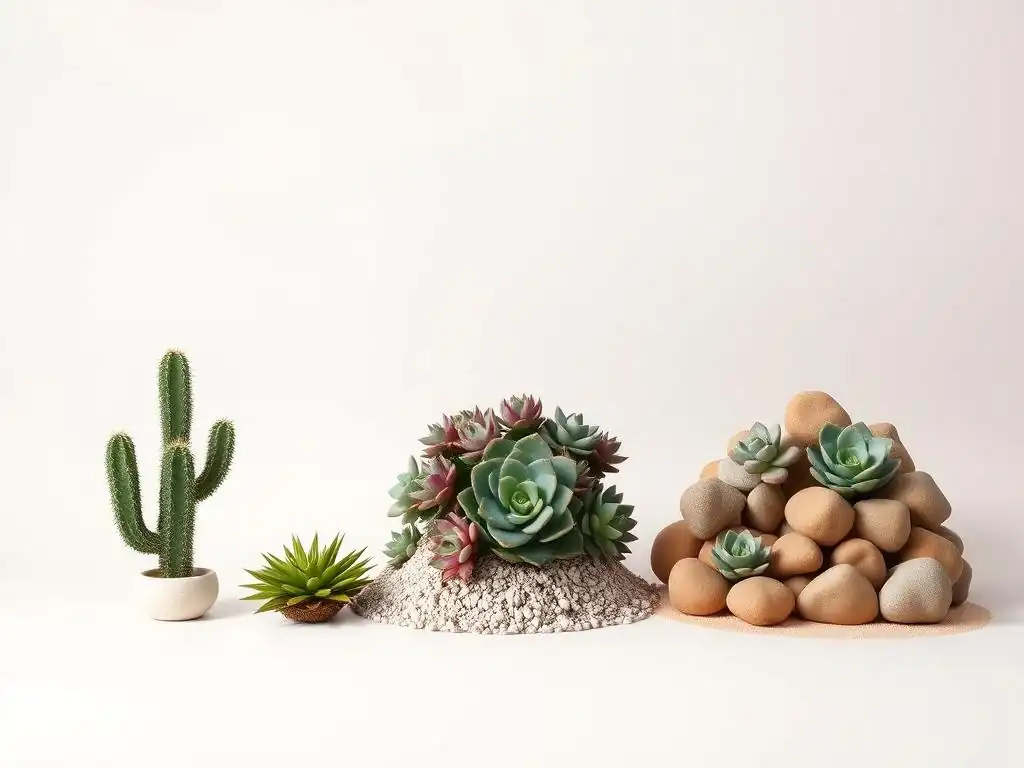
This section explores novel techniques employed worldwide in succulent cultivation, moving beyond traditional potting methods to embrace innovative and sustainable approaches. The global succulent community is constantly evolving, adopting new strategies to optimize growth, conserve resources, and enhance aesthetic appeal. We'll examine some key examples of these innovative approaches, highlighting their impact on both the commercial and hobbyist aspects of succulent cultivation. Understanding these diverse methods is crucial for anyone seeking to expand their knowledge of Global succulent cultivation practices.
Vertical Gardening and Succulent Walls: Global Examples
Vertical gardening, particularly the creation of succulent walls, is gaining immense popularity globally. This technique offers several advantages, including space optimization, improved drainage, and a visually stunning display. Different regions have adapted this method to suit their specific climates and architectural styles.
For instance, in urban areas of Japan, densely populated cities have seen a surge in the use of vertical succulent gardens on balconies and rooftops. These installations often incorporate a mix of drought-tolerant species native to Japan alongside imported varieties, creating unique and visually striking displays. The Japanese approach often emphasizes miniature succulents and meticulous arrangement, reflecting a broader cultural appreciation for miniature landscapes.
Conversely, in regions with warmer, drier climates like parts of Mexico and the southwestern United States, larger succulent walls are common. These installations often utilize larger, more robust species capable of withstanding intense sunlight and heat. The emphasis here is on creating living walls that serve as both aesthetic features and natural insulators, reducing energy consumption in buildings. The use of native succulents in these installations promotes biodiversity and reduces the ecological footprint. This diverse implementation demonstrates the adaptability of vertical succulent gardening to various environments and cultural preferences.
Sustainable Practices in Succulent Farming
Sustainable practices are increasingly important in succulent cultivation, addressing concerns about water conservation, pesticide use, and environmental impact. Many growers are now adopting environmentally friendly techniques to minimize their footprint.
One key aspect is water-wise irrigation. Drip irrigation systems, coupled with soil moisture sensors, are becoming increasingly common, ensuring efficient water delivery and preventing overwatering. This is particularly crucial in arid and semi-arid regions where water resources are scarce. Furthermore, the use of rainwater harvesting systems is gaining traction, providing a sustainable source of water for irrigation.
Another important aspect is the reduction or elimination of chemical pesticides and fertilizers. Many growers are turning to organic methods, utilizing beneficial insects and natural pest control techniques. Composting and the use of organic soil amendments also contribute to sustainable cultivation practices. These methods not only protect the environment but also yield healthier, more resilient plants. The adoption of sustainable practices is not merely an environmental concern; it's also a critical component of ensuring the long-term viability and success of Global succulent cultivation practices.
The Role of Technology in Modern Succulent Cultivation
Technology is revolutionizing succulent cultivation, offering new tools and techniques to optimize growth and improve efficiency. From sophisticated irrigation systems to advanced monitoring technologies, technology plays a significant role in modern succulent farming and hobbyist practices.
Precision agriculture techniques, including the use of sensors to monitor soil conditions, temperature, and humidity, allow for data-driven decision-making. This enables growers to optimize irrigation schedules, fertilization, and pest control, leading to healthier plants and higher yields. Moreover, the use of hydroponics and aeroponics is expanding, offering water-efficient and space-saving alternatives to traditional soil-based cultivation. These advanced techniques are particularly relevant in urban settings and regions with limited land availability.
Furthermore, the use of automated systems for tasks such as watering, lighting, and ventilation simplifies cultivation and reduces labor costs. These technological advancements are not limited to large-scale commercial operations; they are increasingly accessible to hobbyists, empowering them to create sophisticated and efficient growing environments. The integration of technology enhances the precision and efficiency of Global succulent cultivation practices, contributing to both increased productivity and sustainability.
Cultural Significance of Succulents Around the World
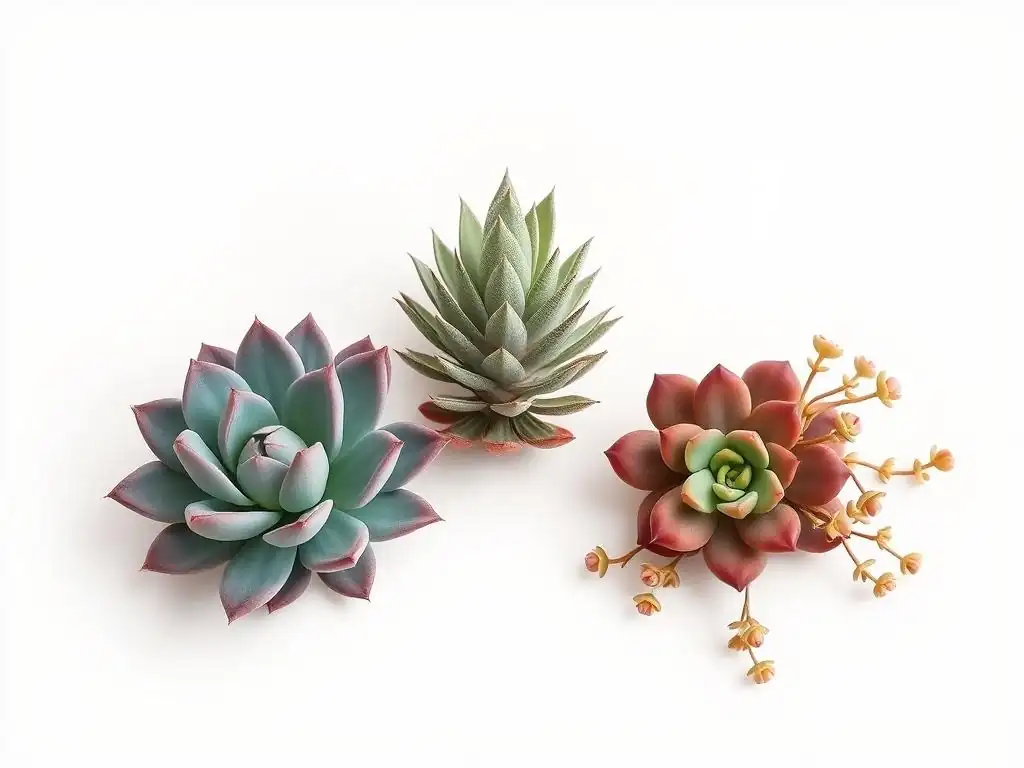
The global distribution and diverse cultivation practices of succulents reflect a deep-seated cultural significance extending far beyond mere horticulture. Understanding these cultural nuances provides a richer appreciation for the plant's global appeal and its enduring role in various societies. The resilient nature of succulents, mirroring the tenacity of human spirit in diverse environments, contributes to their symbolic power and widespread adoption.
This section explores the multifaceted cultural roles succulents play across the globe, moving beyond the purely aesthetic to reveal their intertwined relationship with human history and tradition. The keyword "Global succulent cultivation practices" is deeply rooted in this rich tapestry of cultural interaction and adaptation.
Succulents in Traditional Medicine and Folklore
Succulents have held a place in traditional medicine and folklore for centuries. Many cultures have utilized specific succulent species for their purported medicinal properties. For instance, in some parts of Mexico, certain Aloe species have long been used topically to treat burns and skin irritations, a practice passed down through generations.
Similarly, in parts of Africa, specific succulent species are utilized in traditional remedies for various ailments. These uses often stem from deeply ingrained beliefs and traditional knowledge systems, highlighting the close connection between humans and the natural world, including the world of succulents. The efficacy of these traditional uses varies greatly and requires further scientific investigation; however, their cultural significance remains undeniable.
Further research is needed to fully document the breadth and depth of these traditional medicinal practices across different regions and cultures. [Specific examples of traditional uses in different regions pending]. The continued study of these practices offers valuable insights into ethnobotany and potentially leads to the discovery of novel bioactive compounds.
Succulents in Art, Design, and Landscaping Across Cultures
The aesthetic appeal of succulents has made them prominent features in art, design, and landscaping across numerous cultures. Their unique forms, textures, and colors inspire artists and designers worldwide. From intricate succulent-inspired jewelry and pottery to large-scale landscaping projects featuring diverse succulent species, their visual impact is undeniable. In arid and semi-arid regions, succulents are often integrated seamlessly into the landscape architecture, reflecting a deep understanding of their ecological role and aesthetic potential.
Examples include the use of Agave species in Mexican landscaping and the incorporation of various succulents into rock gardens and xeriscaping designs globally. The enduring popularity of succulents in these contexts underscores their versatility and adaptability, making them a valuable asset in design across diverse climates and cultures. The growing trend of succulent-themed art installations and exhibitions further highlights their position as potent symbols of resilience and beauty.
The Growing Popularity of Succulents as Global Houseplants
The rising popularity of succulents as houseplants reflects a global shift towards low-maintenance, drought-tolerant options. Their adaptability to indoor conditions, coupled with their visual appeal and relative ease of care, has led to their widespread adoption as houseplants in various regions. This trend is fueled by several factors, including the increasing urbanization of populations, limited space for larger plants, and a growing interest in sustainable and low-impact gardening.
The ease of propagation, allowing for sharing and gifting, has also contributed significantly to the global spread of succulent cultivation as a hobby. This increased popularity translates to a larger market for succulents, encompassing everything from small potted plants to large-scale commercial cultivation, thereby significantly impacting "Global succulent cultivation practices". The rise of online communities and social media platforms dedicated to succulents further facilitates the exchange of knowledge, tips, and inspiration, creating a vibrant global network of succulent enthusiasts.
Preserving Biodiversity in Global Succulent Cultivation
The burgeoning popularity of succulents has led to increased demand, impacting wild populations and threatening biodiversity. Responsible cultivation practices are crucial for mitigating these risks and ensuring the long-term survival of these fascinating plants. Understanding the delicate balance between commercial interests and environmental preservation is paramount for the future of global succulent cultivation. The ethical considerations are multifaceted, encompassing sourcing, propagation, and the overall impact on native ecosystems. Ignoring these aspects could lead to irreversible damage to the natural world and diminish the very resource that fuels this growing hobby.
Ethical Sourcing and Conservation Efforts
Ethical sourcing is a cornerstone of responsible succulent cultivation. It involves procuring plants from reputable suppliers who prioritize sustainable harvesting techniques and avoid exploiting wild populations. This means actively seeking out growers who propagate succulents through cuttings, offsets, or seeds, rather than relying on the unsustainable practice of removing plants directly from their natural habitats. Many organizations and initiatives are working to promote ethical sourcing, offering certifications and guidelines for responsible growers.
Consumers play a vital role by demanding transparency and supporting businesses committed to ethical practices. Choosing succulents from reputable nurseries that clearly state their propagation methods is a simple yet powerful way to contribute to conservation efforts. A shift towards a greater emphasis on in-vitro propagation—a technique that allows for large-scale multiplication of plants under controlled conditions—could significantly reduce pressure on wild populations. Detailed information on specific certifications and reputable suppliers is [specific information pending].
Protecting Endangered Succulent Species
Certain succulent species are facing severe threats due to habitat loss, over-collection, and climate change. These vulnerable plants require specific conservation strategies to ensure their survival. In-situ conservation, which involves protecting plants within their natural habitats, is a crucial approach.
This often includes establishing protected areas, implementing sustainable land management practices, and combating threats like invasive species. Ex-situ conservation, which involves cultivating endangered succulents outside their natural habitats, in botanical gardens or specialized nurseries, also plays a significant role. These facilities act as "arks," safeguarding genetic diversity and providing opportunities for research and reintroduction programs.
Detailed data on the number of endangered succulent species and the effectiveness of various conservation strategies is [specific information pending]. The global succulent community must actively participate in these efforts by supporting conservation organizations and raising awareness about the plight of endangered species. Education and outreach programs are essential to foster a sense of responsibility and encourage informed decision-making among succulent enthusiasts.
The Importance of Sustainable Practices for Future Generations
Sustainable practices are not merely a trend; they are a necessity for the long-term health of the succulent industry and the preservation of biodiversity. This includes minimizing the environmental impact of cultivation, from water usage and fertilizer application to packaging and transportation. Reducing water consumption through efficient irrigation techniques and drought-tolerant landscaping is particularly crucial in arid and semi-arid regions where many succulents thrive. The use of organic fertilizers and pest control methods minimizes the risk of soil and water contamination.
Furthermore, promoting the use of recycled and biodegradable materials in packaging and reducing transportation distances can significantly lower the carbon footprint of succulent cultivation. The adoption of sustainable practices should be viewed as a long-term investment that benefits both the environment and the industry. By embracing sustainability, the global succulent community ensures the availability of these beloved plants for generations to come.
A comprehensive assessment of the environmental impact of current succulent cultivation practices and recommendations for improvement is [specific information pending]. The future of global succulent cultivation hinges on a collective commitment to ethical sourcing, conservation, and sustainable practices. 🌱
Frequently Asked Questions
What are some common global succulent cultivation practices?
Many regions employ similar techniques, focusing on well-draining soil, ample sunlight, and infrequent watering. However, specific methods vary based on local climates and available resources. Greenhouse cultivation is also increasingly common.
How do different climates impact succulent cultivation?
Climates significantly influence techniques. Arid regions might require less watering, while humid areas necessitate increased air circulation to prevent rot. Temperature extremes also demand adjustments in protection and watering schedules.
What role does soil play in global succulent cultivation?
Well-draining soil is crucial worldwide. Many cultivators use mineral-rich mixes to prevent waterlogging and root rot. Amendments like perlite or pumice are frequently added to improve drainage and aeration.
Are there any unique regional approaches to succulent propagation?
Yes, propagation methods vary. Some regions rely heavily on leaf cuttings, while others favor offset propagation or seed sowing. Local knowledge often dictates the most successful techniques within specific environments.
How does global trade impact succulent cultivation practices?
The global trade in succulents introduces new varieties and cultivation techniques. It also presents challenges like the spread of invasive species and the potential for disease transmission. Sustainable practices are crucial.
Final Reflection: A Blooming Global Network of Succulent Enthusiasts
The vibrant world of succulent cultivation is far more than a hobby; it's a testament to human ingenuity and our enduring connection with the natural world. From the arid landscapes of Mexico to the meticulously curated gardens of Japan, the cultivation of succulents reflects a global tapestry of adaptation, innovation, and shared passion. This interconnectedness, fostered by the ease of sharing knowledge and propagating these resilient plants, is a powerful force for conservation and cultural exchange.
The journey through diverse succulent cultivation practices highlighted the remarkable adaptability of these plants, mirroring our own capacity to thrive in challenging environments. The sheer variety of techniques, from traditional indigenous methods passed down through generations to cutting-edge hydroponic systems, underscores the ongoing evolution of this practice. The earth laughs in flowers.
– Ralph Waldo Emerson. This quote perfectly encapsulates the joy and wonder that these resilient plants bring to people across the globe, connecting us through a shared appreciation for beauty and resilience.
Consider the impact of your own choices. Will you nurture a succulent, fostering its growth and contributing to the global network of enthusiasts? Will you share your knowledge, helping others discover the joy of cultivating these remarkable plants? The future of succulent cultivation, and indeed the future of our relationship with the natural world, depends on our collective commitment to mindful cultivation and responsible stewardship. Let the resilience of the succulent inspire your own resilience, and let the beauty of these plants remind you of the interconnectedness of life on our planet.
Unleash Your Inner Plant Parent: Cultivate Your Succulent Journey
Thank you for exploring the fascinating world of succulent cultivation! We hope you gained valuable insights into the diverse techniques used to nurture these resilient plants. Now it's time to put your knowledge into practice.
- Start your own succulent propagation project: Try rooting a leaf cutting from one of your plants, or experiment with other propagation methods. This is the perfect next step to expanding your collection.
- Share your succulent successes (and challenges!) on social media using #SucculentEssentials. Connect with other plant enthusiasts and share your experiences.
- Explore the local succulent community: Check for local nurseries, workshops, or online forums where you can meet fellow succulent lovers and discover even more cultivation tips.
Ready to transform your green thumb into a succulent-growing powerhouse? What unique technique will you try first?