
Rare Succulent Challenges: Overcoming the Difficulties of Cultivation

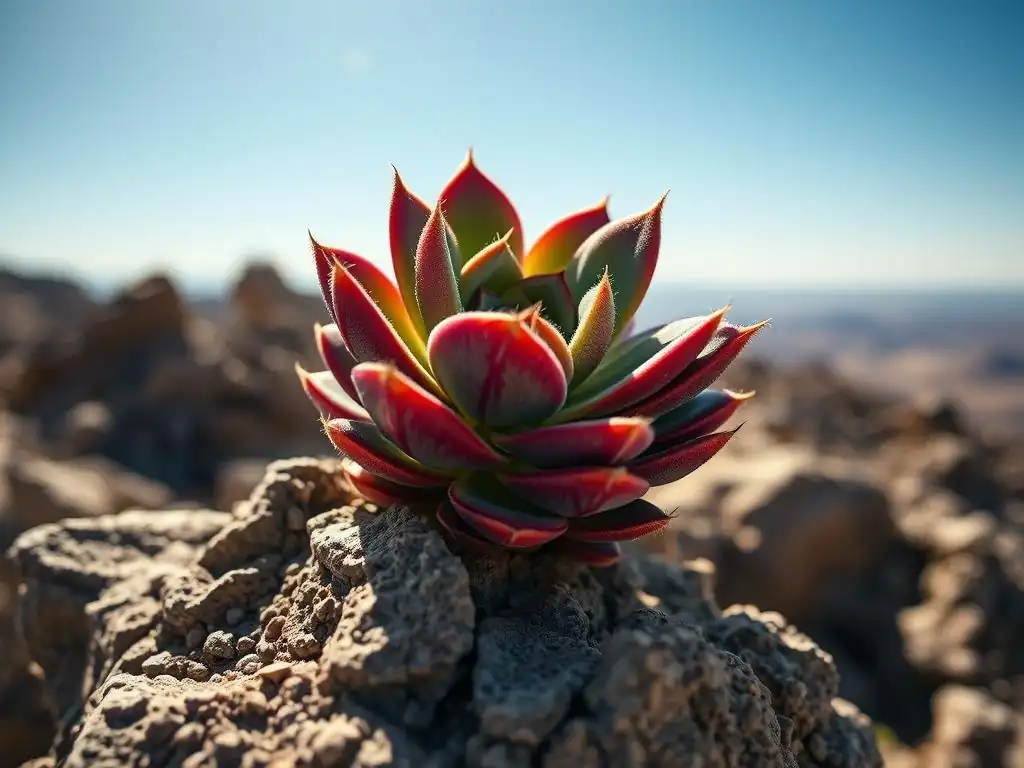
Welcome to SucculentEssentials.org, your gateway to the captivating world of succulents! Are you ready to unlock the secrets to thriving succulent gardens? We delve into the fascinating—and sometimes challenging—realm of these drought-resistant beauties. Prepare to be intrigued by the unique hurdles faced when cultivating rare succulents, and discover the expert tips and tricks you need to overcome them. Dive into our "Rare Succulent Care Challenges" article and embark on a journey to mastering the art of succulent cultivation!
-
Understanding the Unique Needs of Rare Succulents
- Identifying Specific Haworthia retusa Care Challenges
- Light Requirements for Conophytum Species: Intensity and Duration
- Watering Lithops Succulents: Avoiding Overwatering and Underwatering
- Soil Composition and Drainage for Pachypodium Species
- Temperature and Humidity Control for High-Altitude Succulents
- Propagation Challenges with Rare Succulents
- Pest and Disease Management in Rare Succulents
- Environmental Factors Affecting Rare Succulents
- Advanced Techniques for Rare Succulent Cultivation
- Frequently Asked Questions
- Final Reflection: Cultivating Resilience, Nurturing Rarity
- Unleash Your Inner Succulent Expert!
Understanding the Unique Needs of Rare Succulents
Embarking on the journey of cultivating rare succulents is a rewarding yet challenging endeavor. Unlike their more common counterparts, these botanical gems often demand specialized care and attention to thrive. This article delves into the specific difficulties encountered when cultivating rare succulent species, providing practical advice and insights to help enthusiasts overcome these hurdles and successfully nurture these unique plants.
We will explore the unique light, water, and overall care requirements that differentiate rare succulents from their more commonly available relatives, focusing on specific examples to illustrate the challenges and solutions. Understanding these nuances is key to preventing common pitfalls and ensuring the long-term health and beauty of your rare succulent collection. The successful cultivation of these plants requires a deeper understanding of their specific needs, going beyond the general care guidelines often provided for more common succulent varieties.
This detailed approach will equip you with the knowledge to confidently tackle the unique challenges presented by these captivating plants. Let's dive into some specific examples to illustrate the point.
Identifying Specific Haworthia retusa Care Challenges
The Haworthia retusa, with its distinctive, almost window-like leaves, presents unique challenges. Its compact rosette form and preference for bright, indirect light make it susceptible to sunburn if exposed to harsh midday sun. Overwatering is another significant concern; the succulent's compact root system is prone to root rot in excessively moist conditions. Furthermore, Haworthia retusa requires well-draining soil to prevent waterlogging. Proper soil composition, typically a mix of gritty sand, perlite, and succulent potting soil, is crucial.
Finally, temperature fluctuations should be carefully monitored, as extreme temperatures can negatively impact its growth and health. Maintaining a consistent temperature range, ideally within 65-80°F (18-27°C), is vital for optimal growth. Careful observation for signs of stress, such as leaf discoloration or shrivelling, is paramount. Early intervention, through adjustments in watering, lighting, or temperature, can often prevent serious problems.
Light Requirements for Conophytum Species: Intensity and Duration
Conophytum species, often referred to as "button succulents," present another set of unique lighting challenges. These miniature plants, hailing from arid regions, require intense, but filtered sunlight. Direct, unfiltered sunlight can cause severe sunburn, leading to leaf scorching and damage. The ideal lighting situation involves providing bright, indirect light for the majority of the day, with some protection from the most intense midday sun.
The duration of light exposure is also crucial; Conophytum species typically require at least 6-8 hours of bright light daily. During winter dormancy, however, light requirements decrease slightly. Supplemental lighting, such as grow lights, can be beneficial in low-light environments or during the shorter days of winter to maintain healthy growth and prevent etiolation (leggy growth due to insufficient light). Careful monitoring of the plant's appearance is essential; pale coloration or elongated growth indicates insufficient light, while browning or scorching suggests excessive light intensity.
Watering Lithops Succulents: Avoiding Overwatering and Underwatering
Lithops, also known as "living stones," are masters of disguise, blending seamlessly into their rocky surroundings. Their unique morphology necessitates a delicate watering approach. Overwatering is a significant threat, leading to root rot and ultimately, plant death. Conversely, underwatering can cause the plants to shrivel and become stressed.
The key lies in finding the delicate balance between these two extremes. Watering should be infrequent, typically only when the soil is completely dry to the touch. During the growing season (spring and summer), watering can be slightly more frequent, but always allow the soil to dry out completely between waterings. During the dormant period (autumn and winter), watering should be significantly reduced or even suspended entirely, depending on the environmental conditions.
The frequency and amount of water should be adjusted based on the specific climate, pot size, and soil type. Careful observation of the plant's plumpness is essential; shriveled leaves indicate the need for watering, while overly plump leaves suggest overwatering. The use of well-draining soil is crucial to prevent waterlogging and maintain optimal soil conditions for these fascinating plants.
Soil Composition and Drainage for Pachypodium Species
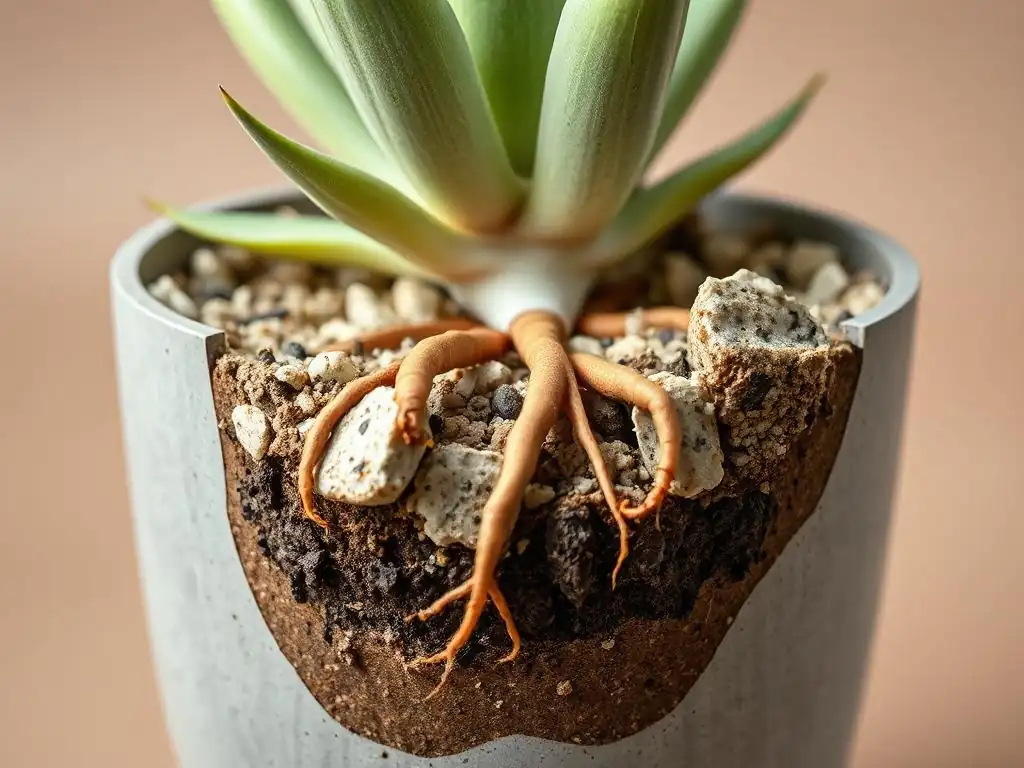
Pachypodium, often called Madagascar palm, presents unique challenges in cultivation due to its specific soil requirements. These plants, native to arid and rocky regions, demand exceptionally well-draining soil to prevent root rot, a common killer of Pachypodium. A crucial aspect of successful Pachypodium care involves mimicking their natural environment. Forget garden center potting mixes; they're often too rich and retain too much moisture.
Instead, aim for a gritty, porous mix. A good starting point is a blend of approximately 60% inorganic material and 40% organic material. The inorganic component should consist of things like coarse sand, perlite, pumice, or even crushed granite. These materials ensure excellent aeration and drainage.
The organic component can include a small amount of well-rotted compost or coco coir, providing essential nutrients without compromising drainage. The precise ratio can be adjusted depending on your climate and the specific Pachypodium species; some are more tolerant of slightly richer soil than others. Always err on the side of caution and prioritize drainage over nutrient richness. Regularly checking for soil moisture is essential; allow the soil to completely dry out between waterings to prevent fungal growth and root rot.
The pot itself also plays a crucial role: choose terracotta pots, which allow for better air circulation and evaporation, compared to plastic or glazed ceramic pots. Proper soil composition and drainage are fundamental aspects of successfully cultivating these unique and challenging succulents. 🪴
Temperature and Humidity Control for High-Altitude Succulents
High-altitude succulents, hailing from mountainous regions, possess adaptations enabling survival in harsh conditions. These adaptations often translate to specific temperature and humidity preferences that must be replicated for successful cultivation. Many high-altitude succulents thrive in cooler temperatures than their low-altitude counterparts. While exact temperature requirements vary by species, many appreciate cooler nighttime temperatures, often in the range of 50-60°F (10-15°C), and slightly warmer daytime temperatures, typically not exceeding 80°F (27°C). Sudden temperature fluctuations, however, can be detrimental, stressing the plants and potentially leading to damage or disease. Therefore, consistent temperature regulation is vital.
Humidity is another critical factor. High-altitude environments are generally characterized by lower humidity than lowland areas. Excessive humidity can lead to fungal infections and other problems for these succulents. Good air circulation is therefore key. Avoid placing these plants in humid environments or near sources of excessive moisture. Consider using fans for better air circulation, especially in humid climates.
The best strategy is to closely monitor your specific plants’ responses to the environment. If you observe signs of stress, such as leaf discoloration or shrivelling, adjust the temperature or humidity accordingly. Remember, mimicking the natural environment of these rare succulents is the key to successful cultivation. Careful observation and adjustment are essential for navigating the unique challenges of caring for high-altitude succulents. 🏔️
Propagation Challenges with Rare Succulents
Cultivating rare succulents presents unique hurdles beyond those faced with common varieties. Their rarity often translates to lower availability of propagation material, increased sensitivity to environmental conditions, and a lack of widely available, established cultivation techniques. This section will delve into the specific challenges encountered during propagation, focusing on three common methods: seed propagation, cuttings propagation, and leaf propagation. Understanding these challenges is crucial for successfully increasing the population of these prized plants, contributing to their conservation and enjoyment by enthusiasts. The keywords "rare succulent care challenges" and "rare succulent propagation" are central to understanding these difficulties.
Seed Propagation of Didierea madagascariensis: Challenges and Techniques
The Didierea madagascariensis, a bizarre and striking succulent native to Madagascar, presents significant challenges for seed propagation. Its seeds possess a notoriously low germination rate, often less than 10%, even under optimal conditions. This low success rate is primarily attributed to the seed coat's hardiness and the specific environmental requirements for germination.
Several factors contribute to this difficulty. Firstly, the seed coat's impermeability necessitates scarification – a process of weakening or breaking the seed coat to allow water absorption and germination. Methods such as mechanical abrasion with sandpaper or chemical scarification using concentrated sulfuric acid are commonly employed, but require careful handling to avoid damaging the embryo.
Secondly, Didierea madagascariensis seeds require precise temperature and humidity levels for successful germination. Fluctuations outside of a narrow range can significantly reduce germination rates. Maintaining consistent warmth (around 25-30°C) and high humidity (around 70-80%) is crucial, often necessitating the use of a propagation chamber or humidity dome.
Furthermore, fungal infections pose a significant threat to seedlings. Sterile sowing media and the use of fungicides are essential to prevent damping-off, a common fungal disease that can wipe out entire batches of seedlings. Even with meticulous attention to detail, successful seed propagation of Didierea madagascariensis requires patience and persistence, often resulting in a low yield despite best efforts. The challenges highlight the need for further research into optimal propagation techniques for this rare and fascinating species.
Cuttings Propagation of Adenium obesum: Success Rates and Considerations
Adenium obesum, also known as the Desert Rose, while not as rare as the Didierea, still presents propagation challenges for certain cultivars. While cuttings are a relatively straightforward propagation method for many succulents, the success rate can vary significantly depending on the cultivar and the propagation technique employed. For rare Adenium obesum varieties, the success rate might be even lower due to factors like genetic predisposition and the health of the parent plant.
Successful propagation from cuttings requires careful selection of healthy, mature stems. These cuttings should be allowed to callous over for several days before planting to prevent rot. The use of a well-draining rooting medium, such as a perlite and peat moss mix, is crucial. Furthermore, maintaining appropriate humidity and temperature is vital, as is avoiding overwatering which can lead to fungal infections.
The use of rooting hormones can significantly improve the success rate, particularly for more challenging cultivars. However, even with optimal conditions and rooting hormones, some rare Adenium obesum cuttings may fail to root. This underscores the importance of patience and multiple propagation attempts, understanding that failure is a part of the process, especially when working with rare and potentially less vigorous genotypes.
Leaf Propagation of Echeveria Species: Difficulties and Solutions
While leaf propagation is generally a successful method for many Echeveria species, certain rare varieties exhibit lower success rates compared to their more common counterparts. This can be attributed to genetic factors influencing the plant's ability to produce adventitious roots and shoots from leaf cuttings. Furthermore, some rare Echeveria species may be more susceptible to fungal or bacterial infections during the propagation process.
The challenges involved in leaf propagation of rare Echeveria species are often related to maintaining the right balance of humidity and moisture. Insufficient humidity can lead to desiccation of the leaf cutting before root development, while excessive moisture can promote rot. Finding the optimal balance is crucial for success.
Another factor is the selection of leaves. Healthy, mature leaves from the parent plant are more likely to produce plantlets. Leaves that are too young or too old are less likely to propagate successfully. Additionally, the use of a sterile propagation medium is essential to prevent fungal infections. Even with careful attention to these details, some rare Echeveria leaves may fail to produce plantlets, highlighting the inherent variability in propagation success even within a single species. Careful observation and adjustments to techniques are key to optimizing the chances of success with these plants.
Pest and Disease Management in Rare Succulents
Cultivating rare succulents presents unique challenges beyond the typical care requirements of common varieties. Their often delicate nature and sometimes specialized environmental needs make them more susceptible to pests and diseases. Successful cultivation hinges on proactive pest and disease management, demanding a keen eye for early detection and swift, appropriate intervention.
This section focuses on specific examples, highlighting the vulnerabilities of certain rare species and outlining effective control strategies. Understanding these nuances is crucial for the long-term health and survival of your prized collection. Ignoring early signs can lead to irreversible damage or even the loss of a rare and valuable plant.
Common Pests Affecting Aloe polyphylla and Control Measures
The spiral aloe ( Aloe polyphylla) is a highly sought-after succulent prized for its unique spiral growth pattern. However, its beauty makes it a target for several pests. Aloe polyphylla is particularly vulnerable to mealybugs, aphids, and scale insects. These sap-sucking pests can weaken the plant, leading to stunted growth, leaf discoloration, and ultimately, plant death.
Early detection is key. Regularly inspect your Aloe polyphylla for signs of infestation, including:
- Mealybugs: Cottony white masses on leaves and stems.
- Aphids: Small, soft-bodied insects clustered on new growth.
- Scale insects: Hard, shell-like coverings on leaves and stems.
Control measures should be implemented promptly. For minor infestations, manual removal with a cotton swab dipped in rubbing alcohol can be effective. For more severe infestations, consider using insecticidal soap or neem oil, ensuring to follow the product instructions carefully. Always test any treatment on a small, inconspicuous area first to check for adverse reactions.
Remember consistent monitoring is crucial. Even after successful treatment, regular inspections are necessary to prevent re-infestation. Maintaining good air circulation around the plant can also help deter pest activity. Providing optimal growing conditions, including appropriate sunlight and watering, will strengthen the plant's natural defenses and increase its resilience to pests.
Identifying and Treating Diseases in Crassula capitella
Crassula capitella, also known as the pagoda plant, is another rare succulent species that can be susceptible to various diseases. While relatively hardy, improper watering practices can lead to root rot, a common fungal disease affecting many succulents. Root rot manifests as wilting, yellowing leaves, and a mushy stem base. Overwatering is the primary culprit, creating a waterlogged environment that suffocates the roots and promotes fungal growth.
Identifying root rot early is crucial for effective treatment. If you suspect root rot, carefully remove the plant from its pot and inspect its roots. Healthy roots are firm and white; diseased roots are brown, soft, and mushy. If root rot is present, you'll need to take immediate action.
Treatment involves removing the affected roots with a sharp, sterilized knife. Repot the plant in fresh, well-draining soil, ensuring the pot has adequate drainage holes. Reduce watering frequency significantly, allowing the soil to dry completely between waterings. Improving air circulation around the plant can also be beneficial. In severe cases, fungicides might be necessary, but always refer to product instructions carefully. Prevention through proper watering techniques is far more effective than treatment.
Preventing Pest and Disease Infestation in Euphorbia Species
Euphorbia species, known for their diverse forms and often unique appearances, are another group of succulents where pest and disease prevention is paramount. Many Euphorbia species possess a milky sap that can be irritating to the skin, thus requiring careful handling. This sap, however, doesn't deter all pests, and some species are vulnerable to mealybugs and spider mites.
Prevention is the best strategy for Euphorbia species. Maintaining good hygiene practices is crucial. This includes regularly inspecting plants for any signs of pests or diseases, promptly removing any affected leaves or stems, and sterilizing pruning tools between uses. Ensure adequate air circulation to prevent the buildup of humidity, which can promote fungal growth.
Choosing the right potting mix is also essential. Use a well-draining succulent and cactus mix to prevent waterlogging, a common cause of root rot. Avoid overwatering, allowing the soil to dry thoroughly between waterings. Providing optimal growing conditions, including sufficient sunlight and appropriate temperatures, strengthens the plant's natural defenses, making it less susceptible to pests and diseases. Remember, a healthy Euphorbia is less likely to be affected. Regular monitoring and proactive measures are key to maintaining a healthy and thriving collection of these often-challenging plants.
Environmental Factors Affecting Rare Succulents
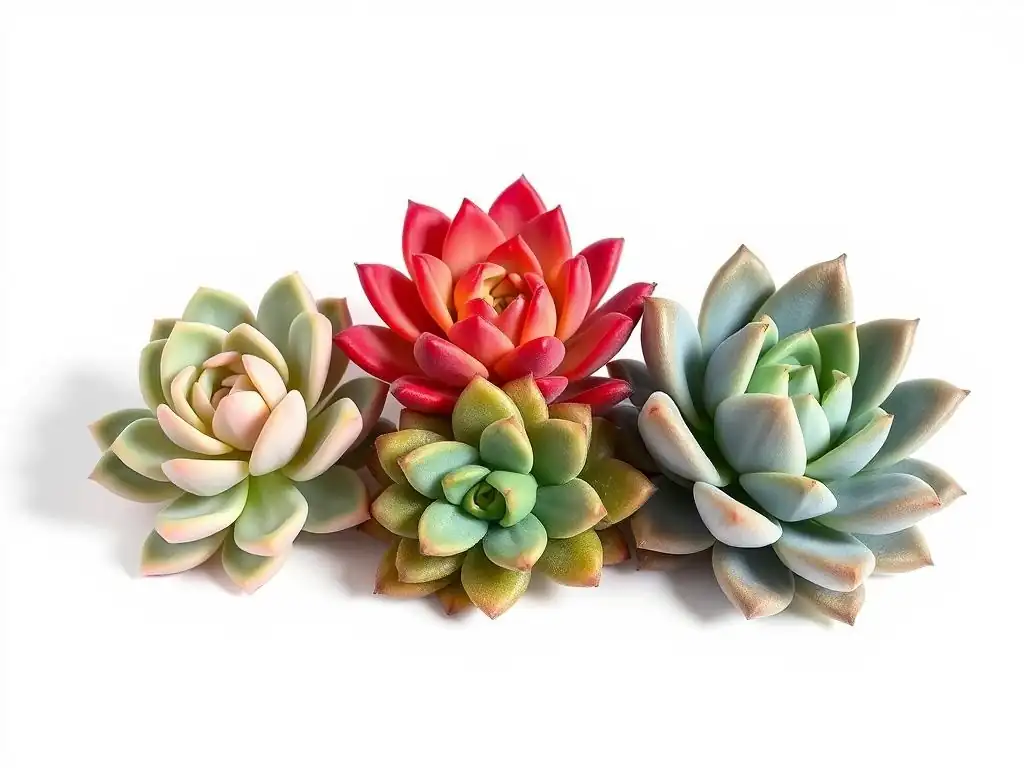
Cultivating rare succulents presents unique challenges beyond those encountered with common varieties. Understanding the specific environmental needs of these plants is crucial for successful cultivation. Factors like light intensity, humidity, and temperature significantly impact their growth, health, and overall survival. Neglecting these nuances can lead to stunted growth, disease susceptibility, and even plant death. This section will delve into the specific environmental sensitivities of some particularly challenging rare succulents. Mastering these environmental aspects is key to successfully cultivating and appreciating these unique plants.
Impact of Light Intensity on Sedum morganianum Growth
The Sedum morganianum, also known as Burro's Tail, is a popular yet somewhat delicate succulent prized for its cascading stems covered in plump, bluish-green leaves. While it enjoys bright light, Sedum morganianum is highly susceptible to sunburn if exposed to intense, direct sunlight, especially during the hottest parts of the day. This sensitivity is heightened in rare cultivars exhibiting variegated foliage, which often possess less chlorophyll and thus reduced sun tolerance.
Optimal light conditions for Sedum morganianum involve bright, indirect sunlight. Direct sun should be avoided, particularly during midday. Symptoms of sunburn include browning, shriveling, and leaf drop. To mitigate this, consider providing filtered light through a sheer curtain or placing the plant a few feet away from a south-facing window. Regular observation is key; if the leaves appear overly pale, the plant may need more light; if they are browning, it needs less. Careful monitoring and adjustments to its position are essential for maintaining the health and vibrant appearance of this rare succulent.
The Role of Humidity in Rhipsalis Health
Rhipsalis species, often called mistletoe cacti, represent a fascinating group of epiphytic succulents. Unlike their desert-dwelling counterparts, Rhipsalis thrive in higher humidity environments. Their natural habitat in tropical rainforests dictates their need for consistent moisture in the air. In drier indoor environments, Rhipsalis are prone to desiccation, leading to shriveled stems and leaf drop. Rare Rhipsalis varieties, with their unique growth habits and delicate structures, are particularly sensitive to low humidity.
Maintaining suitable humidity levels for Rhipsalis can involve several strategies. Grouping the plants together can create a microclimate with higher humidity. Regular misting with lukewarm water can also provide temporary humidity boosts. However, consistently high humidity is best achieved using a humidifier, particularly during the dry winter months. Avoid overhead watering, as this can lead to fungal diseases. Instead, water thoroughly when the potting mix is dry to the touch, allowing excess water to drain completely. Careful attention to humidity levels is vital for the long-term health and aesthetic appeal of these unique and rare succulents.
Temperature Fluctuations and their Effects on Sempervivum Species
Sempervivum, commonly known as hen and chicks, are hardy succulents known for their tolerance of cold temperatures. However, even these resilient plants have limits, and rare cultivars can be especially sensitive to extreme temperature fluctuations. Sudden drops in temperature, particularly below freezing, can cause damage to the leaves and even lead to plant death. Conversely, prolonged exposure to excessively high temperatures can also stress the plants, causing leaf discoloration and stunted growth.
Rare Sempervivum varieties often exhibit unique colorations and growth patterns that make them more vulnerable to environmental stress. Protection from extreme temperatures is essential during both winter and summer months. During winter, consider providing some protection from frost, such as moving the plants indoors or providing a layer of mulch. During summer, ensure adequate air circulation to prevent overheating. Monitoring the temperature closely, especially during periods of extreme weather, is crucial for ensuring the survival and thriving of these rare and beautiful succulents. Providing consistent, moderate temperatures is key to their successful cultivation.
Advanced Techniques for Rare Succulent Cultivation
This section delves into specialized cultivation techniques necessary for successfully growing some of the more challenging rare succulent species. While basic succulent care principles apply, these rare plants often demand a more nuanced approach to thrive. Understanding their specific needs is crucial to avoid losses and to enjoy the unique beauty these plants offer. We will explore advanced techniques tailored to the specific requirements of three distinct species, showcasing the intricacies involved in rare succulent care.
Utilizing Specialized Growing Media for Astrophytum asterias
The Astrophytum asterias, also known as the Star Cactus, is highly sought after for its unique star-shaped body and subtle patterning. However, its cultivation presents specific challenges. Standard succulent potting mixes often prove unsuitable due to their tendency to retain too much moisture, leading to root rot – a common nemesis for this species.
The key to successful Astrophytum asterias cultivation lies in utilizing a highly porous and well-draining growing medium. A suitable blend would consist of:
- 70% Pumice: Provides excellent drainage and aeration, preventing waterlogging.
- 20% Akadama: Adds essential nutrients and improves water retention, but in a controlled manner.
- 10% Lava Rock: Enhances drainage and aeration, contributing to a well-balanced mix.
This carefully crafted blend minimizes the risk of root rot while providing sufficient nutrients for healthy growth. It's crucial to avoid overly rich soil, as this can encourage soft, succulent growth that is more susceptible to disease. Regular monitoring of soil moisture is also vital; allow the soil to dry out completely between waterings. Overwatering is a far greater threat than underwatering for this sensitive species. Remember, Astrophytum asterias prefers a drier environment, mimicking its native habitat.
Implementing Controlled Environmental Conditions for Cephalocereus senilis
The Cephalocereus senilis, or Old Man Cactus, is renowned for its long, white hairs that resemble an old man's beard. Its cultivation requires meticulous attention to environmental conditions, particularly temperature and humidity. This species is highly susceptible to temperature fluctuations and excessive humidity.
Maintaining optimal environmental conditions involves:
- Temperature Control: Cephalocereus senilis thrives in warm temperatures, ideally between 70°F and 85°F (21°C and 29°C) during the growing season. Protecting it from frost is paramount, as even a light frost can cause irreparable damage. During winter dormancy, cooler temperatures (around 50°F or 10°C) are beneficial.
- Humidity Regulation: High humidity can lead to fungal infections and rot. Adequate air circulation is essential to prevent this. Consider using a fan to gently circulate air around the plant, especially in humid environments.
- Light Intensity: This cactus requires ample sunlight but should be protected from intense midday sun, which can scorch its delicate hairs. Providing bright, indirect light is the ideal solution.
The meticulous control of these environmental factors significantly impacts the health and longevity of your Cephalocereus senilis. Careful observation and adjustments are key to ensuring this rare beauty thrives under your care.
Utilizing Advanced Propagation Methods for Titanopsis calcarea
Propagating Titanopsis calcarea, a fascinating succulent with textured leaves resembling pebbles, presents unique challenges. Seed propagation is possible but slow and often unreliable. Vegetative propagation, through leaf cuttings or offsets, is generally more successful.
However, even vegetative propagation demands a refined approach. Successfully rooting Titanopsis calcarea cuttings requires:
- Leaf Cuttings: Take leaf cuttings carefully, ensuring a clean cut at the base. Allow the cuttings to callous over for a few days before planting them in a well-draining mix (similar to the Astrophytum asterias mix described above). High humidity and warmth can aid in rooting, but avoid overwatering.
- Offsets: Offsets, or "pups," are small plants that grow at the base of the mother plant. Carefully separate these offsets, ensuring each has its own root system or a portion of the root system. Plant them in a well-draining medium and provide consistent, but not excessive, watering.
The success rate of propagation can vary considerably depending on the conditions. Patience and attention to detail are crucial. Monitoring for signs of rot and adjusting watering accordingly are essential steps in successfully propagating this challenging yet rewarding species. The unique beauty of Titanopsis calcarea makes the effort of propagation worthwhile for any dedicated succulent enthusiast.
Frequently Asked Questions
What are some common challenges in caring for rare succulents?
Rare succulents often require specific environmental conditions, such as precise temperature and humidity levels, which can be difficult to replicate at home. Insufficient light and improper watering are also frequent problems.
How do I identify the specific needs of a rare succulent?
Researching the specific species is crucial. Look for information on its native habitat, which provides clues about its light, water, and temperature preferences. Online forums and specialized books are great resources.
My rare succulent isn't growing. What could be wrong?
Slow or no growth might indicate inadequate light, incorrect watering, or nutritional deficiencies. Ensure your succulent receives enough bright, indirect light and water only when the soil is completely dry. Consider using a balanced succulent fertilizer.
What are the signs of pest infestation in rare succulents?
Look for unusual spots, discoloration, wilting, or web-like structures. Common pests include mealybugs, aphids, and spider mites. Early detection and treatment using appropriate insecticides are vital.
How can I propagate my rare succulents successfully?
Propagation methods vary depending on the species. Leaf cuttings, stem cuttings, and offsets are common techniques. Ensure you use sterile tools and provide the appropriate conditions for rooting, such as a well-draining medium and adequate humidity.
Final Reflection: Cultivating Resilience, Nurturing Rarity
The challenges of cultivating rare succulents mirror the challenges we face in nurturing anything precious: patience, precision, and a deep understanding are paramount. The delicate balance required to thrive in this hobby reflects a larger truth about the fragility and resilience of life itself, a lesson applicable far beyond the confines of a greenhouse.
The journey of cultivating rare succulents is not merely about propagation and propagation; it's about developing a profound respect for the natural world and the intricate ecosystems that support these unique plants. The glory of gardening: hands in the dirt, head in the sun, heart with nature. To nurture a garden is to feed not just the body, but the soul.
This quote resonates deeply as I reflect on the quiet satisfaction derived from successfully coaxing life from these seemingly fragile specimens. It's a testament to the power of observation, adaptation, and the unwavering commitment to understanding the specific needs of each individual plant.
You, the reader, now hold the knowledge to approach the cultivation of rare succulents with renewed confidence. Consider this not just a guide to plant care, but a metaphor for life's own delicate balance. Embrace the challenges, learn from the setbacks, and celebrate the triumphs, for in the nurturing of these rare beauties, you nurture a deeper understanding of yourself and the world around you. What rare and precious things in your own life require the same dedication, patience, and understanding? Begin cultivating your own resilience today.
Unleash Your Inner Succulent Expert!
Thanks for exploring the fascinating world of rare succulents with us! We hope you've gained valuable insights into the unique challenges and rewards of cultivating these captivating plants. Now it's time to put your knowledge into practice.
- Master a new propagation technique: Leaf propagation is surprisingly easy and a fantastic way to expand your collection. Try it with one of your existing succulents!
- Share your succulent journey: Connect with fellow enthusiasts by posting a picture of your prized succulent on social media and using #RareSucculentChallenge. Let's build a thriving community!
- Explore advanced growing techniques: Researching the ideal soil mixes and lighting conditions for your rare succulents will ensure optimal growth and help them thrive.
Ready to transform your succulent collection from ordinary to extraordinary? What exciting challenge will you tackle next?