
The Secret to Perfect Drainage: Choosing the Right Materials

Welcome to SucculentEssentials.org, where the fascinating world of succulents unfolds before you! Are you ready to unlock the secrets to thriving succulents? Then prepare to be amazed by the diversity and resilience of these captivating plants. We'll guide you through everything from basic care to advanced propagation techniques. But first, discover the single most important factor in succulent success: the best succulent drainage materials. Dive into our insightful article and learn how to perfectly drain your pots for happy, healthy succulents!
- Understanding the Importance of Drainage for Succulents
- Best Succulent Drainage Materials: A Comprehensive Guide
- Improper Drainage: Identifying and Solving Problems
- Maintaining Optimal Drainage Over Time
- Beyond Drainage: Other Essential Elements for Succulent Success
- Frequently Asked Questions
- Final Reflection: Cultivating Thriving Succulents Through Informed Choices
- Unleash Your Succulents' Potential: Design the Perfect Drainage System
Understanding the Importance of Drainage for Succulents
Succulents, with their captivating shapes and vibrant colors, have captured the hearts of plant enthusiasts worldwide. However, their beauty belies a crucial requirement for thriving: excellent drainage. This article delves into the often-overlooked yet vital aspect of succulent care: choosing the right drainage materials. We'll explore why proper drainage is paramount for succulent health, how it prevents devastating root rot, and how the selection of drainage materials directly impacts your soil choice, ultimately leading to flourishing succulents and a rewarding gardening experience.
Mastering drainage is key to unlocking the secrets to cultivating these resilient yet sensitive plants, ensuring their longevity and vibrant growth. This guide will empower you to select the best succulent drainage materials, transforming your succulent care routine and leading to healthier, happier plants. Let's dive into the details!
Why Good Drainage is Crucial for Succulent Health
Good drainage is not merely beneficial for succulents; it's absolutely essential for their survival. Unlike many other plants, succulents have evolved to thrive in arid and semi-arid environments. Their unique physiology, characterized by thick, fleshy leaves and stems designed to store water, makes them particularly susceptible to overwatering. Poor drainage leads to waterlogging, creating a perpetually soggy environment around the roots.
This saturated soil becomes a breeding ground for harmful bacteria and fungi, leading to a cascade of problems. The roots, deprived of oxygen in the waterlogged soil, begin to rot, a process known as root rot. This debilitating condition can quickly spread, ultimately leading to the demise of the entire plant. Providing adequate drainage ensures the roots receive sufficient oxygen and prevents the build-up of harmful moisture, fostering a healthy and vibrant root system, the foundation of a thriving succulent.
Preventing Root Rot: The Biggest Threat to Succulents
Root rot, caused by excessive moisture, is arguably the most significant threat to succulents. The symptoms can be subtle initially, manifesting as wilting, yellowing leaves, or a soft, mushy base. However, by the time these symptoms become apparent, the damage may be extensive. The key to preventing root rot lies in proactive measures, and proper drainage is the cornerstone of this prevention strategy.
Choosing the right drainage materials ensures that excess water quickly escapes the pot, preventing the soil from becoming waterlogged. This not only prevents root rot but also helps regulate soil temperature and aeration, creating an optimal environment for healthy root development. Early detection of root rot is crucial; if you notice any signs of decay, immediate action, including repotting with appropriate drainage, is essential to save the plant.
The Link Between Drainage and Soil Choice for Succulents
The choice of drainage materials is intrinsically linked to the type of soil you use for your succulents. Well-draining soil is a must, and the effectiveness of this soil is directly dependent on the pot's drainage capabilities. Using a highly porous soil mix, often incorporating materials like perlite, pumice, or coarse sand, is crucial. However, even the best soil mix will be rendered ineffective if the pot lacks adequate drainage. The drainage holes in the pot must be sufficiently large to allow for rapid water escape, and the chosen drainage layer – be it gravel, broken pottery, or other materials – must be deep enough to facilitate this process. The combination of appropriate drainage materials and well-draining soil creates a synergistic effect, ensuring that excess water is efficiently removed, preventing waterlogging and promoting healthy root growth. Choosing the correct combination is vital for the success of your succulent gardening endeavors.
Best Succulent Drainage Materials: A Comprehensive Guide
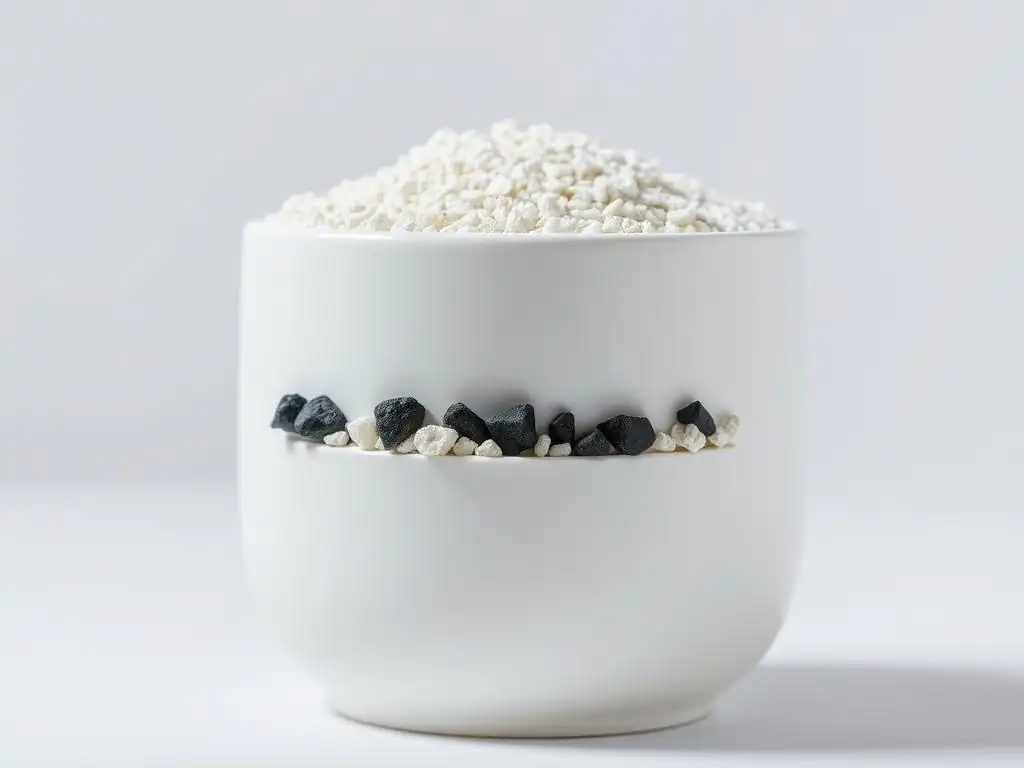
Choosing the right drainage materials is paramount for the health and longevity of your succulents. Proper drainage prevents root rot, a common and often fatal problem for these drought-tolerant plants. Overwatering is a frequent culprit, and selecting the appropriate material for your succulent pots is the first line of defense against this issue. This guide will explore the best succulent drainage materials, helping you create the perfect environment for your thriving collection. We'll delve into the pros and cons of various options, enabling you to make informed decisions based on your specific needs and preferences.
Choosing the Right Drainage Material: Factors to Consider
Selecting the best succulent drainage material depends on several key factors. These include the size of your pots, the type of succulents you're growing, your budget, and your aesthetic preferences. Let's break down these considerations:
- Pot Size: Larger pots generally require a thicker layer of drainage material. Smaller pots can get away with a thinner layer, but proper drainage remains crucial regardless of size.
- Succulent Type: While all succulents benefit from excellent drainage, some are more sensitive to overwatering than others. For particularly delicate varieties, you might prioritize materials that offer exceptional drainage and aeration.
- Budget: Options like broken pottery shards are budget-friendly, while others, such as LECA, might be slightly more expensive. Consider your overall budget when making your choice.
- Aesthetic Preferences: Some drainage materials are more visually appealing than others. If you intend to display your pots prominently, you might want to choose a material that complements the overall aesthetic of your space. For example, decorative pebbles can add a touch of elegance.
Choosing the right material is about finding the optimal balance between effective drainage, cost-effectiveness, and visual appeal.
Top Choices for Succulent Pot Drainage: A Detailed Comparison
This section presents a detailed comparison of popular drainage materials, outlining their benefits and drawbacks. Remember, the "best" material is highly subjective and depends on your individual circumstances.
| Material | Pros | Cons | Cost |
|---|---|---|---|
| Pea Gravel | Inexpensive, readily available, good drainage | Can compact over time, may not be aesthetically pleasing to all | Low |
| Pumice | Excellent drainage, lightweight, porous, aesthetically pleasing | Can be more expensive than pea gravel | Moderate |
| LECA (Lightweight Expanded Clay Aggregate) | Excellent drainage and aeration, lightweight, reusable, inert | Can be more expensive than other options | Moderate |
| Perlite | Lightweight, excellent drainage, improves soil aeration | Can be dusty, may not be visually appealing | Moderate |
| Lava Rock | Good drainage, porous, aesthetically pleasing, durable | Can be heavy, may be more expensive than other options | Moderate |
| Broken Pottery Pieces | Inexpensive, readily available, good drainage, environmentally friendly | Can be sharp, may not be aesthetically pleasing, requires preparation | Low |
Pea Gravel for Drainage: Pros and Cons
Pea gravel offers a budget-friendly and readily available solution for succulent drainage. Its small size allows for good water percolation. However, over time, pea gravel can compact, reducing its drainage efficiency. Furthermore, its aesthetic appeal might not suit all preferences. Regularly checking for compaction and replacing if necessary is recommended.
Pumice for Succulent Drainage: Benefits and Drawbacks
Pumice is a volcanic rock known for its excellent drainage and aeration properties. Its porous nature allows for optimal water flow, preventing waterlogging. It's also lightweight, making it ideal for use in hanging baskets or larger pots. While more expensive than pea gravel, pumice's benefits often outweigh the increased cost.
LECA (Lightweight Expanded Clay Aggregate): A Deep Dive
LECA, or Lightweight Expanded Clay Aggregate, is a popular choice among succulent enthusiasts. These small clay pellets provide exceptional drainage and aeration. Unlike other materials, LECA is reusable, making it an environmentally friendly option. Its neutral color blends seamlessly with most potting mixes and doesn't affect soil pH.
Perlite: Another Popular Option for Succulent Drainage
Perlite is a volcanic glass that's expanded through heat treatment. This process creates a lightweight, porous material that improves drainage and aeration in potting mixes. While it offers excellent drainage, perlite can be dusty during handling, and its appearance might not be aesthetically pleasing to everyone.
Lava Rock: Its Use in Succulent Drainage Systems
Lava rock, formed from volcanic eruptions, provides excellent drainage and aeration. Its dark color can add a unique aesthetic to your succulent arrangements. However, lava rock can be heavy, limiting its use in smaller or hanging pots. It's a durable and long-lasting option, making it a worthwhile investment.
Broken Pottery Pieces: A Budget-Friendly Choice
Broken pottery pieces provide a cost-effective and environmentally friendly drainage solution. They are readily available and can be easily obtained by recycling old pots. However, be cautious of sharp edges, and ensure all shards are thoroughly cleaned before use to prevent the introduction of diseases or pests. This method requires careful handling to avoid injury. Consider smoothing the edges if necessary.
Creating a Multi-Layered Drainage System for Optimal Results
Creating a multi-layered drainage system for your succulents significantly improves their chances of thriving. A single layer might suffice for small pots, but for larger containers or those with particularly sensitive succulents, a multi-layered approach is best. This system ensures both excellent drainage and prevents the soil from compacting and becoming waterlogged.
The bottom layer typically consists of larger, coarser materials like gravel or broken pottery shards. This layer provides the primary drainage pathway, allowing excess water to escape quickly. The size of these pieces is crucial; avoid anything too small that could clog the drainage holes. Think of pieces roughly the size of a pea or larger.
Above the coarse layer, you can add a layer of smaller, but still relatively coarse, material. This could be smaller gravel, perlite, or even horticultural charcoal. This layer acts as a buffer, preventing finer soil particles from washing down and clogging the larger drainage layer. It also helps to improve aeration within the pot.
The final layer, before adding your succulent potting mix, should be a layer of something that promotes good drainage without being too coarse. This could be a layer of fine gravel, perlite, or even a thin layer of the succulent potting mix itself. This helps to create a smooth transition between the drainage layer and the soil, preventing the soil from settling unevenly.
Remember to always check the drainage holes at the bottom of your pot before planting. If they are too small, you may need to enlarge them to ensure efficient water drainage, regardless of your chosen drainage material. Using a multi-layered approach, even with readily available materials, significantly boosts your chances of success in cultivating healthy succulents. The improved aeration and drainage contribute to a healthier root system, preventing root rot – a common problem for overwatered succulents.
How Much Drainage Material is Enough?
Determining the ideal amount of drainage material depends on several factors, including the size of the pot, the type of succulent, and the type of drainage material used. There's no single "magic number," but a good rule of thumb is to fill the bottom of the pot with drainage material to approximately one-third to one-half of its total depth.
For smaller pots (under 6 inches in diameter), a layer of about 1-2 inches of coarse material is usually sufficient. Larger pots will require a proportionally larger layer, perhaps 3-4 inches or even more. However, you don't want to fill the pot so full of drainage material that there's insufficient space for the soil and the succulent's root system.
The type of drainage material also plays a role. Larger, coarser materials like broken pottery shards might require a slightly thinner layer than finer materials like perlite, which can sometimes compact more easily. Observe your chosen material; if it tends to compact readily, consider using a slightly thicker layer.
The key is to strike a balance. Too little drainage material risks waterlogging, while too much reduces the space for the soil and roots, potentially hindering growth. Observe your succulents carefully after watering; if the soil remains soggy for an extended period, you may need to increase the amount of drainage material in future plantings. Regular observation and adjustment are key to mastering the art of succulent drainage. Remember, preventing root rot is crucial for a healthy succulent, and proper drainage is the first step in achieving that.
Improper Drainage: Identifying and Solving Problems
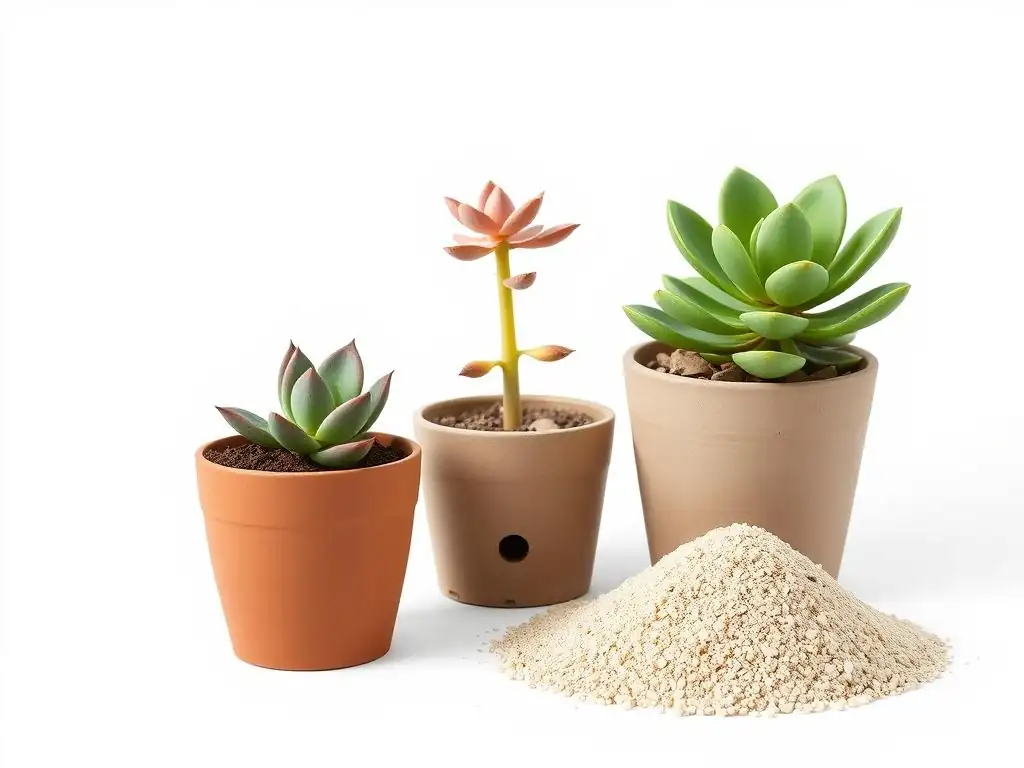
Improper drainage is a leading cause of succulent death. Understanding the signs and implementing solutions is crucial for the health and longevity of your prized plants. Many novice succulent enthusiasts overlook the importance of proper drainage, leading to root rot and other devastating issues. This section focuses on recognizing the symptoms of poor drainage and providing effective troubleshooting methods. Selecting the best succulent drainage materials is only half the battle; knowing how to address existing problems is equally vital.
Signs of Poor Drainage in Your Succulents
Identifying poor drainage early can save your succulents. Look for these telltale signs:
- Soggy Soil: The soil remains consistently wet, even days after watering. This is a major red flag indicating inadequate drainage. You should be able to stick your finger about an inch into the soil, and it should feel dry or slightly moist, not waterlogged.
- Yellowing or Browning Leaves: While this can indicate other problems, consistently wet soil often leads to leaf discoloration. The leaves may become mushy or soft to the touch.
- Root Rot: This is often the ultimate consequence of poor drainage. Inspect the roots – if they are brown, mushy, and smell foul, root rot is likely. Healthy succulent roots are usually firm and white or light beige.
- Falling Leaves: Excessive moisture weakens the plant, causing leaves to drop prematurely. This is often accompanied by other symptoms like mushy stems.
- Stem and Crown Rot: The base of the succulent (stem and crown) may become soft, dark, and watery. This is a serious issue requiring immediate action.
Troubleshooting Drainage Issues: Step-by-Step Guide
If you suspect poor drainage, follow these steps:
- Assess the Current Situation: Carefully examine your succulents for the signs listed above. Note the type of pot, the potting mix, and your watering habits.
- Check the Drainage Holes: Ensure the pot has adequate drainage holes at the base. Many decorative pots lack sufficient drainage, necessitating the use of a secondary drainage system (e.g., placing the succulent pot inside a larger pot with gravel for added drainage).
- Evaluate the Potting Mix: Poorly draining soil is a common culprit. A well-draining mix is essential. Consider adding more perlite, pumice, or coarse sand to improve drainage if needed. The optimal mix is often a blend, not just one material.
- Adjust Watering Habits: Overwatering is a major contributor to poor drainage problems. Allow the soil to dry out completely between waterings. The frequency will depend on factors such as the type of succulent, pot size, and environmental conditions.
- Remove Affected Roots (if necessary): If root rot is present, carefully remove the affected roots. Use clean, sharp tools to prevent spreading the rot. Treat the remaining roots with a fungicide (optional, but recommended).
- Repot (if necessary): In severe cases, repotting into a well-draining pot with fresh, appropriate soil mix is essential for saving the plant.
Repotting Your Succulents for Improved Drainage
Repotting is often the most effective solution for chronically poorly-draining succulents. This process involves carefully removing the plant from its current pot and transplanting it into a new container with a better drainage system and a more suitable potting mix.
Here's a step-by-step guide:
- Prepare the New Pot: Choose a pot with drainage holes at the base. Terracotta pots are excellent for succulents because they are porous and help to regulate moisture levels. The pot should be slightly larger than the root ball.
- Prepare the New Potting Mix: Use a well-draining potting mix specifically formulated for succulents or cacti. You can create your own blend by combining potting soil, perlite, pumice, and coarse sand.
- Remove the Succulent: Gently remove the succulent from its current pot. If the roots are tightly bound, carefully loosen them.
- Inspect and Clean the Roots: Examine the roots for any signs of rot. Remove any damaged or diseased roots using clean, sharp scissors or pruning shears.
- Plant the Succulent: Place a layer of the potting mix in the bottom of the new pot. Gently place the succulent in the pot, ensuring that the crown is level with the soil surface.
- Fill with Potting Mix: Fill the pot with the remaining potting mix, gently packing it around the base of the plant.
- Water Lightly: After repotting, water the succulent lightly. Wait a few days before watering again to allow the roots to settle. This prevents further stress on the plant.
Remember, consistent monitoring and adjusting your care practices are crucial for maintaining healthy and thriving succulents. By understanding the signs of poor drainage and implementing the solutions outlined above, you'll significantly improve your chances of cultivating a lush and vibrant succulent collection. Choosing the right best succulent drainage materials is a critical first step in this process.
Maintaining Optimal Drainage Over Time
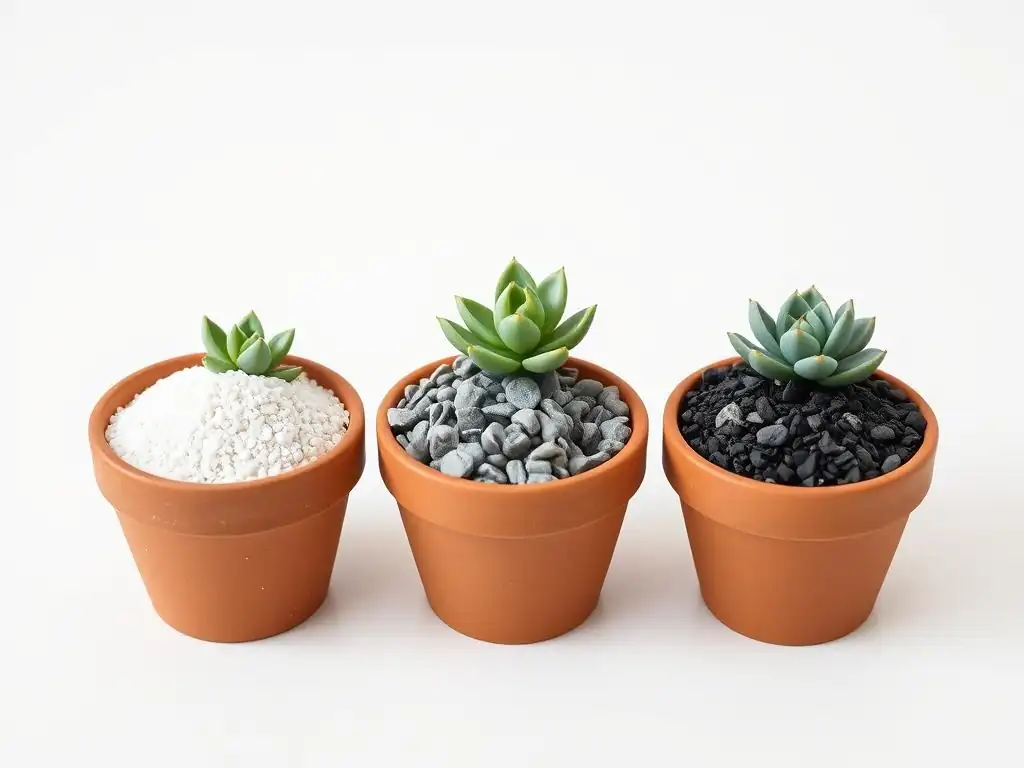
Succulent health is intrinsically linked to proper drainage. While initially setting up a pot with excellent drainage is crucial, maintaining that drainage over time is equally important. Soil compaction, root growth, and the gradual breakdown of drainage materials can all impede water flow, leading to root rot and other problems. Therefore, understanding how to maintain optimal drainage is key to long-term succulent success. This section will explore practical strategies for ensuring your succulents continue to thrive, even years after planting.
Regular Inspection and Maintenance of Drainage Layers
Regular inspection of your succulent pots is a simple yet highly effective preventative measure. Aim to check the drainage layers every 3-6 months, depending on the type of soil used and the frequency of watering. This involves carefully removing the plant from its pot (if possible without disturbing the root ball excessively) and examining the drainage layer.
Look for signs of compaction. If the drainage material, such as pumice or perlite, has become compressed, it's likely hindering water flow. Gently fluff up the material with a small tool, ensuring it remains loose and airy. You might also notice a buildup of organic matter or mineral deposits at the bottom of the pot. This can restrict drainage and should be carefully removed.
Consider the following checklist during your inspection:
- [ ] Check for compaction: Is the drainage layer compressed?
- [ ] Assess for buildup: Are there mineral deposits or organic matter clogging the drainage holes?
- [ ] Examine drainage holes: Are the drainage holes still open and unclogged?
- [ ] Inspect root health: Are the roots healthy and not showing signs of rot?
Remember to handle your succulents gently during this process to avoid damaging the roots. A small spoon or similar tool can be useful for carefully removing debris. Regularly inspecting your drainage layers is a proactive approach to preventing future drainage issues and ensuring the continued health of your prized succulents. Early detection and simple maintenance can save you from more significant problems down the line. Prevention is key when it comes to best succulent drainage materials and their long-term effectiveness.
Long-Term Drainage Solutions for Succulents
For long-term drainage solutions, consider these strategies beyond simple maintenance:
- Choosing the right pot: Using pots with ample drainage holes, preferably multiple ones, is fundamental. Terracotta pots are excellent because they are porous and allow for better evaporation. Avoid glazed ceramic or plastic pots unless you're incredibly diligent about watering.
- Creating a layered drainage system: Instead of just a single layer, consider creating a more robust system. This could involve a layer of coarse gravel at the very bottom, followed by a layer of larger pumice pieces, and finally a finer layer of pumice or perlite before adding your succulent potting mix. This multi-layered approach provides superior drainage and prevents compaction over time.
- Potting mix selection: The potting mix itself plays a vital role. A well-draining mix is crucial, and you should avoid using garden soil, which retains too much moisture. Commercial succulent mixes are a good starting point, but you can also create your own by combining perlite, pumice, coarse sand, and a small amount of organic matter.
- Elevated planting: For pots without adequate drainage, consider elevating your succulents slightly above the bottom of the pot using small pebbles or a layer of additional drainage material. This can help prevent the roots from sitting directly in standing water.
By combining these long-term strategies with regular maintenance, you can ensure your succulents enjoy optimal drainage for years to come, promoting robust growth and vibrant health. Remember, investing in the right materials and techniques upfront will save you time and effort in the long run and contribute to the longevity of your succulent collection. The best succulent drainage materials are those that are consistently effective over time, requiring minimal intervention.
Beyond Drainage: Other Essential Elements for Succulent Success
Proper drainage is crucial for succulent health, preventing root rot and ensuring optimal growth. However, excellent drainage is only one piece of the puzzle. Several other factors significantly impact a succulent's well-being, working in concert with proper drainage to achieve thriving plants. Neglecting these aspects can negate the benefits of even the best drainage system. This section will delve into some of these vital elements. Understanding these interconnected factors is key to mastering succulent care and achieving truly spectacular results. Choosing the best succulent drainage materials is only the first step on the path to succulent success.
Selecting the Right Potting Mix for Succulents
The potting mix you choose is just as important as the drainage system itself. Succulents need a well-draining, airy potting mix that prevents waterlogging. Avoid using standard garden soil, which retains too much moisture and can lead to root rot. Instead, opt for a specialized succulent and cactus potting mix, readily available at most garden centers. These mixes typically contain ingredients like perlite, pumice, and coarse sand, which enhance drainage and aeration.
A good quality succulent potting mix will:
- Allow for excellent water drainage.
- Provide sufficient aeration around the roots.
- Offer good support for the plant.
- Retain some moisture, preventing the soil from drying out too quickly. This balance is crucial; the mix shouldn't be bone dry, but neither should it be waterlogged.
You can also create your own custom blend. A common recipe includes:
- 1 part potting soil
- 1 part perlite
- 1 part coarse sand
Remember to always sterilize your potting mix components before use to prevent the introduction of diseases or pests. This simple step significantly contributes to the long-term health of your succulents. Investing in a high-quality or well-crafted potting mix is a significant step towards achieving the best results with your succulents.
The Importance of Proper Watering Techniques for Succulents
Even with perfect drainage and the right potting mix, improper watering can still lead to problems. Overwatering is a common mistake, often resulting in root rot. Succulents are adapted to arid conditions and store water in their leaves and stems. Therefore, they require less frequent watering than many other plants.
The best approach is to water thoroughly when the soil is completely dry, allowing excess water to drain freely. Feel the soil before watering; if it's still moist, wait. The frequency of watering will depend on factors like the pot size, the type of succulent, the season, and the ambient temperature. During the winter months, succulents require significantly less water.
Avoid letting your succulents sit in standing water. This is a major contributor to root rot and other fungal diseases. Ensure the pot has adequate drainage holes and that the saucer underneath is emptied after watering to prevent water accumulation. Consistent, mindful watering practices, combined with excellent drainage, are essential for healthy and thriving succulents. Mastering this aspect is crucial for long-term success in succulent cultivation.
Providing Adequate Sunlight for Healthy Growth
Sunlight is essential for succulent growth and health. Most succulents thrive in bright, direct sunlight for at least six hours a day. However, the specific light requirements vary depending on the species. Some succulents tolerate partial shade, while others need full sun exposure. Observe your plants closely; signs of etiolation (leggy growth due to insufficient light) or sunburn (brown or bleached patches) will indicate whether they need more or less sun.
Consider the placement of your succulents carefully. South-facing windows usually receive the most direct sunlight, but even these can be too intense during the hottest part of the day. East- or west-facing windows are often a good compromise, providing ample light without the risk of scorching. If your succulents aren't getting enough natural light, consider supplementing with grow lights, especially during the winter months when daylight hours are shorter. Adequate sunlight, in conjunction with the other factors discussed, will ensure your succulents flourish. Proper lighting is a cornerstone of successful succulent cultivation.
Frequently Asked Questions
What are the best materials for succulent drainage?
The best materials for succulent drainage are those that provide excellent aeration and rapid water drainage, preventing root rot. Pumice, perlite, and coarse sand are popular choices.
How important is drainage for succulents?
Drainage is absolutely crucial for succulent health. Succulents are prone to root rot if their soil remains waterlogged, leading to plant death. Proper drainage is key to preventing this.
Can I use just one type of drainage material?
While you can, using a blend of materials is generally recommended. This creates a more diverse pore structure, improving both drainage and aeration. Consider combining pumice, perlite, and coarse sand.
What are some common mistakes to avoid when choosing drainage materials?
Avoid using fine materials like peat moss or topsoil which retain too much water. Also, avoid using materials that are too dense or compact, hindering drainage. Check for any organic matter as it can rot and retain water.
How much drainage material should I use in my succulent potting mix?
A good rule of thumb is to include 30-50% drainage material by volume in your succulent potting mix. This ensures adequate drainage while still providing enough soil for root growth. Adjust the amount based on your specific materials and the type of succulent.
Final Reflection: Cultivating Thriving Succulents Through Informed Choices
The right drainage material isn't just about preventing root rot; it's about unlocking the full potential of your succulents, ensuring their vibrant health and longevity. Choosing wisely directly impacts the success of your miniature desert gardens, transforming them from struggling plants into thriving displays of resilience and beauty. This seemingly small detail holds the key to unlocking a world of flourishing succulents.
The journey of selecting the perfect drainage material is more than just a practical exercise; it's a reflection of our commitment to nurturing life, even in the smallest of forms. It's about understanding the delicate balance between providing essential resources and avoiding the pitfalls of over-watering. This mindful approach resonates with a broader appreciation for environmental stewardship and responsible caretaking. The glory of gardening: hands in the dirt, head in the sun, heart with nature. To nurture a garden is to feed not just the body, but the soul.
This quote beautifully captures the essence of the connection we forge with our plants through attentive care, a connection deeply intertwined with the choices we make, like selecting the right drainage material.
Now, consider your own succulent collection. What materials are you currently using? Are your plants thriving, or are they struggling? Take this opportunity to reassess your approach. Experiment with different materials, observe the results, and learn from your experiences. By embracing this continuous learning process, you'll not only cultivate healthier succulents but also cultivate a deeper understanding of the intricate needs of these fascinating plants. The journey of perfect drainage is a journey of continuous growth and discovery – a journey I invite you to embark on today.
Unleash Your Succulents' Potential: Design the Perfect Drainage System
We hope you've gained a solid understanding of succulent drainage and feel confident in choosing the right materials for healthy, thriving plants. Ready to put your knowledge into practice?
- **Prioritize Drainage:** When starting your next succulent planting project, ensure you incorporate effective drainage solutions from the outset. The difference will be remarkable!
- Share Your Drainage Success! Show off your perfectly-draining succulent pots on social media using #SucculentEssentialsDrainage. Let's inspire others to create thriving succulent gardens.
- **Experiment with Materials:** Try a new drainage material and share your results in the comments below. We'd love to hear about your experiences!
What unexpected challenges have you encountered with succulent drainage, and how did you overcome them? We'd love to hear your tips and tricks!