
The Definitive Guide to Rare Succulent Shows: Tips, Tricks, and Treasures

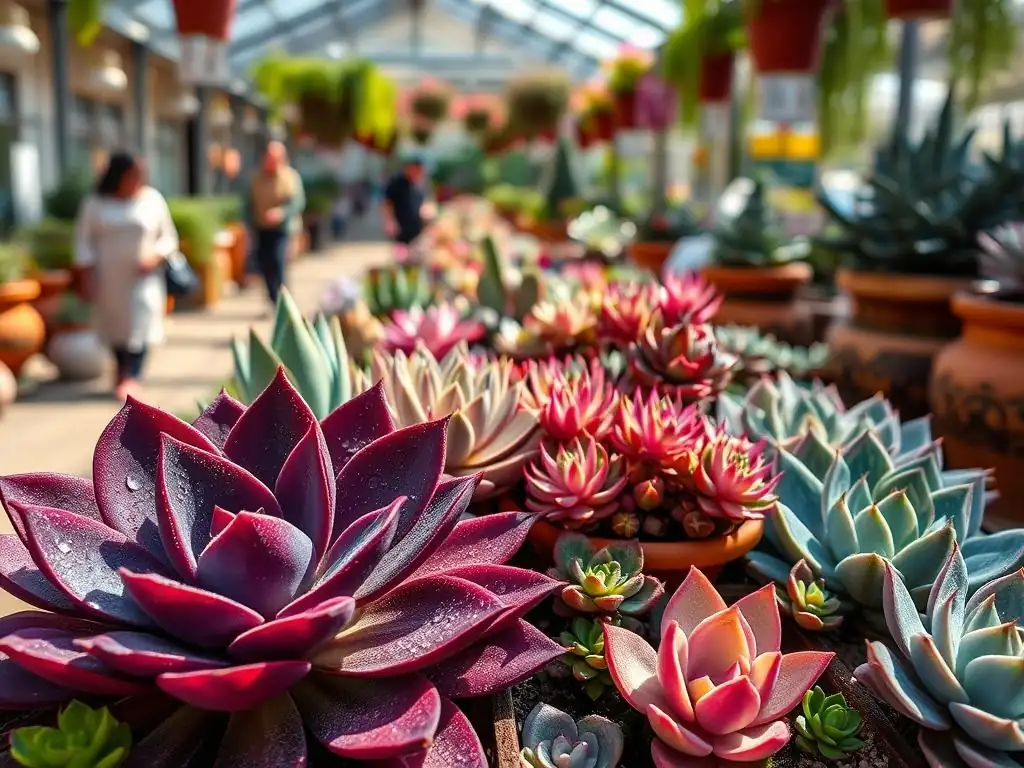
Welcome to SucculentEssentials.org, where the extraordinary world of succulents unfolds before you! Are you ready to delve into the captivating realm of rare succulents? Our Definitive Guide to Rare Succulent Shows unveils the secrets to finding those elusive treasures, offering insider tips and tricks to elevate your succulent collection. Prepare to be amazed – your journey to discovering unique and breathtaking succulents begins now!
- Understanding the World of Rare Succulent Shows and Auctions
- Preparing for Your Rare Succulent Show Experience
- Mastering the Art of Identifying Rare Succulents: A Beginner's Guide
- Navigating Rare Succulent Auctions: Strategies and Tips
- Identifying and Acquiring Rare Succulents: A Collector's Perspective
- The Thrill of the Hunt: Discovering Hidden Gems at Rare Plant Shows
- Protecting Your Investment: Rare Succulent Care and Maintenance
- The Ultimate Resource Guide for Rare Succulent Enthusiasts
- Ethical Considerations in the Rare Succulent World
- Conclusion: Embracing the Passion for Rare Succulents
- Frequently Asked Questions
- Final Reflection: Cultivating a Passion for the Extraordinary
- Unveil Your Inner Succulent Enthusiast!
Understanding the World of Rare Succulent Shows and Auctions
The allure of rare and unusual succulents captivates plant enthusiasts worldwide. Beyond the joy of cultivating these drought-tolerant beauties, there's a vibrant community centered around acquiring and showcasing exceptional specimens. This guide delves into the exciting world of rare succulent shows and auctions, providing essential tips and tricks for both seasoned collectors and newcomers alike.
From locating reputable events to navigating the auction process and building valuable connections, we'll equip you with the knowledge to successfully participate in this unique and rewarding hobby. Whether you're seeking a prized addition to your collection or simply eager to witness the breathtaking diversity of these fascinating plants, understanding the landscape of rare succulent shows and auctions is key to a fulfilling experience. This comprehensive guide will cover everything from finding local events to maximizing your networking opportunities, ensuring you're well-prepared to navigate the world of rare succulents.
Finding Local and National Rare Succulent Events: A Comprehensive Guide
Locating rare succulent events requires a multifaceted approach. Begin by exploring online resources dedicated to succulent enthusiasts. Many specialized forums and social media groups actively share information about upcoming shows and auctions, often including details on location, dates, and featured plants. Additionally, horticultural societies and botanical gardens frequently host or sponsor events showcasing rare succulents. Check their websites and newsletters for announcements. Don't underestimate the power of local searches!
Use keywords like "rare succulent show [your city/region]", "succulent auction [your state]", or "cactus and succulent society events" to uncover hidden gems in your area. Remember to check regularly, as event schedules can change. Consider expanding your search geographically; some highly anticipated events draw collectors from across the country. A well-planned search strategy, combining online resources with localized efforts, will significantly improve your chances of discovering exciting rare succulent events near you. 🗓️
Identifying Reputable Rare Succulent Auctions and Shows
Navigating the world of rare succulent auctions and shows requires discernment. Not all events are created equal. Before committing your time and resources, research the organizers and their reputation. Look for established organizations with a proven track record of hosting successful events. Check for online reviews and testimonials from past attendees.
Pay attention to the details of the event listing. Reputable organizers will provide clear information about the plants offered, the auction format (if applicable), and any relevant rules or regulations. Beware of events that lack transparency or seem overly vague in their descriptions. A reputable show will often have a clear emphasis on the health and authenticity of the plants offered, providing detailed descriptions and potentially even offering plant health guarantees. 🔎 Prioritizing reputable events reduces the risk of encountering unhealthy plants or engaging in potentially fraudulent transactions.
The Importance of Networking at Rare Plant Shows and Auctions
Rare succulent shows and auctions offer more than just the opportunity to acquire rare plants; they represent a unique opportunity for networking. Connecting with fellow enthusiasts, experienced growers, and knowledgeable experts can significantly enhance your succulent journey. Engage in conversations, ask questions, and share your own experiences. These interactions can lead to invaluable insights into plant care, propagation techniques, and sourcing rare specimens.
Don't hesitate to approach vendors and other attendees to learn about their collections and cultivation methods. Consider attending workshops or talks offered at the event to further expand your knowledge and connect with like-minded individuals. Building relationships within the community can lead to long-term benefits, including access to exclusive plants, valuable advice, and lasting friendships. 🤝 Networking is an investment that pays dividends for years to come.
Preparing for Your Rare Succulent Show Experience
Attending a rare succulent show can be an incredibly rewarding experience, connecting you with fellow enthusiasts and offering access to unique specimens you won't find anywhere else. However, proper preparation is key to maximizing your enjoyment and ensuring a successful outing. This section focuses on the practical steps you should take before heading to your next rare succulent event.
Essential Supplies for Attending Rare Succulent Shows
Going to a rare succulent show is akin to a treasure hunt, and being prepared with the right tools can significantly impact your success. Don't just show up empty-handed! Here's a checklist of essentials:
- Transportation: Consider how you'll transport your newly acquired succulents. A sturdy box lined with newspaper or bubble wrap is crucial to protect your delicate purchases during transit. Larger succulents might require specialized carriers.
- Cash: Many smaller vendors prefer cash transactions. While some may accept cards, it's always best to have sufficient cash on hand to avoid any payment issues.
- Watering Can/Spray Bottle: Rare succulents, particularly those recently potted, might need a gentle misting upon arrival home. A small, portable spray bottle is ideal.
- Gloves: Handling numerous succulents can lead to skin irritation. Protect your hands with a pair of gardening gloves.
- Notebook and Pen: Jot down names, care instructions, and other valuable information provided by vendors. This will be invaluable when you're back home tending to your new additions.
- Magnifying Glass: Inspecting succulents closely for pests or diseases is crucial. A small magnifying glass can help spot subtle issues.
- Camera: Capture images of unique specimens, even if you don't purchase them. This can be useful for future identification and inspiration.
- Small Trowel/Hand Rake: If repotting is planned, bring along small tools to help with the process. A small, portable trowel and a hand rake are perfect for this.
Remember, planning ahead will significantly enhance your experience. A well-prepared visit ensures you can fully focus on enjoying the unique offerings and atmosphere of the rare succulent show. Don't let a lack of preparation overshadow the excitement of discovering rare and beautiful plants!
Mastering the Art of Identifying Rare Succulents: A Beginner's Guide
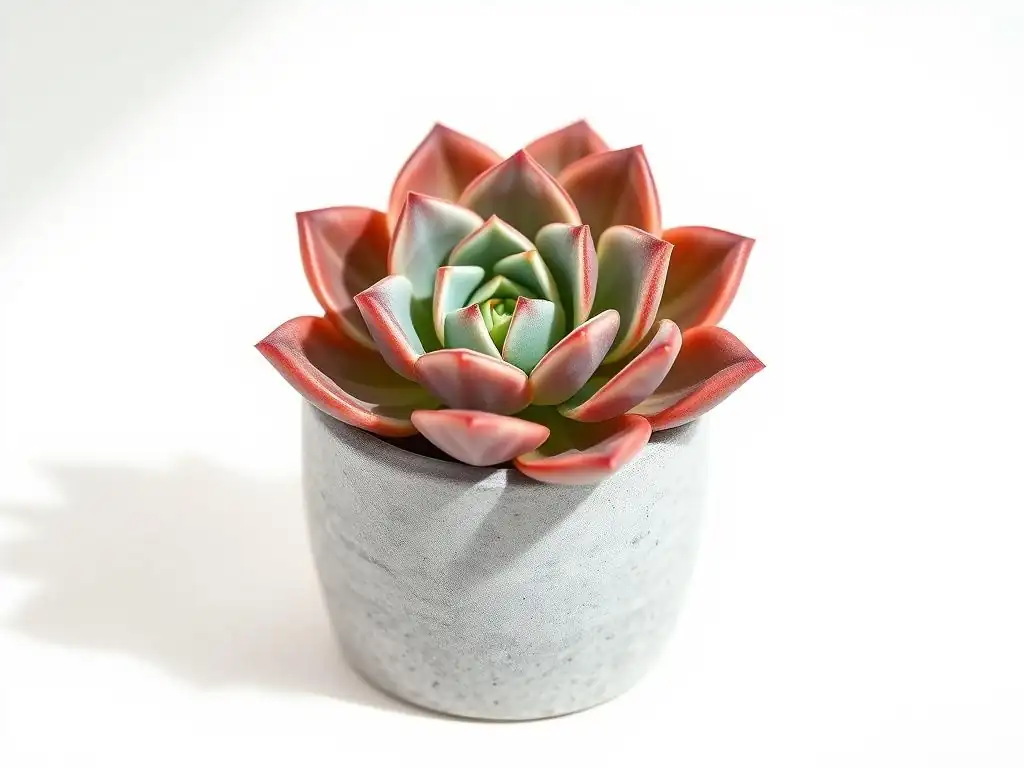
Identifying rare succulents requires more than just a keen eye; it demands a combination of knowledge, observation skills, and a touch of detective work. This section provides a foundational understanding to help you distinguish between common and rare varieties.
Budgeting for Rare Succulents: Setting Realistic Expectations and Avoiding Overspending
The allure of rare succulents can be intoxicating. However, it's crucial to establish a realistic budget before attending a show to avoid impulsive purchases that strain your finances. This section offers practical tips on how to approach budgeting for rare succulents.
- Pre-Show Research: Before attending the show, research the average prices of the succulents you're interested in. Websites and online forums can provide valuable insights into typical market value. This helps you avoid being taken by surprise by inflated prices at the show.
- Prioritize Your Wishlist: Create a prioritized list of the succulents you desire. This allows you to focus your spending on the plants that truly excite you, rather than succumbing to impulse buys. Rank them based on rarity, desirability, and price.
- Set a Firm Budget: Determine a maximum amount you're willing to spend before entering the show. Sticking to this limit is crucial to avoid overspending. Consider setting aside a smaller amount for unexpected finds, but don't exceed your overall budget.
- Compare Prices: Don't be afraid to compare prices between different vendors. Prices can vary significantly, and finding a better deal could save you money. However, remember that rarity often translates to higher prices.
- Factor in Additional Costs: Remember to include costs beyond the plant itself, such as potting mix, pots, and transportation. These seemingly small costs can add up quickly.
- Post-Show Evaluation: After the show, review your purchases and evaluate whether they align with your budget and priorities. This helps you learn from your spending habits for future shows.
By following these guidelines, you can enjoy the thrill of acquiring rare succulents without compromising your financial stability. Remember, responsible spending is key to a sustainable and enjoyable hobby. Happy hunting!
This section delves into the exciting yet potentially complex world of rare succulent auctions. Successfully navigating these events requires a blend of knowledge, strategy, and a bit of luck. We'll equip you with the tools to confidently participate and potentially acquire prized additions to your succulent collection. Remember, the key to success lies in preparation and a clear understanding of the auction process. This guide focuses on maximizing your chances of securing rare succulents at auction, minimizing risks, and ultimately, protecting your investment. We will explore bidding strategies, auction terminology, and common pitfalls to avoid.
Bidding Strategies for Rare Succulents at Auctions: A Step-by-Step Guide
Participating in a rare succulent auction can be exhilarating, but a well-defined strategy is crucial. Before you even enter the auction room (or click the "bid" button online), establish a firm budget and stick to it. Knowing your upper limit prevents emotional bidding wars that can severely impact your finances.
Here's a step-by-step guide to effective bidding:
- Pre-Auction Research: Thoroughly research the succulents being auctioned. Identify those that genuinely interest you and research their market value. Websites specializing in rare succulents, online forums, and even contacting experienced collectors can provide valuable insights into fair pricing. Knowing the average price range will help you set realistic bids.
- Setting Your Maximum Bid: Determine the absolute maximum you're willing to pay for each desired succulent before the auction begins. Write these down! This prevents impulsive overspending during the heat of the moment.
- Strategic Bidding: Don't start with your maximum bid. Begin with a lower bid and gradually increase it, observing the competition. If others are actively bidding, you might need to increase your bids more aggressively. However, remember your maximum bid.
- Patience and Discipline: Rare succulents are highly sought after. Don't get discouraged if you lose a bid on one plant. Focus on your overall strategy and prioritize your most coveted items.
- Post-Auction Follow-Up: If you win, confirm the payment and collection procedures promptly. If you lose, don't be disheartened. Many more auctions will follow, and you'll be better prepared for the next one.
Understanding Auction Terminology and Processes for Rare Plant Acquisition
Navigating the world of rare succulent auctions requires familiarity with specific terminology and processes. Understanding these elements is crucial to a successful bidding experience. Here are some key terms and concepts:
| Term | Definition |
|---|---|
| Reserve Price | The minimum price the seller is willing to accept for a succulent. If the bidding doesn't reach this, the item doesn't sell. |
| Opening Bid | The initial bid price set by the auctioneer. |
| Increment | The minimum amount by which bids can be increased. |
| Proxy Bid | A bid placed in advance, ensuring you're automatically outbid until your maximum bid is reached. |
| Hammer Price | The final price at which the succulent is sold, determined by the auctioneer's "hammer fall." |
| Buyer's Premium | An additional fee added to the hammer price, typically a percentage, paid by the buyer. |
Understanding these terms will allow you to participate more effectively and avoid unexpected costs or misunderstandings. Always carefully review the auction house's rules and regulations before placing any bids.
Avoiding Common Pitfalls at Rare Succulent Auctions: Protecting Your Investment
Even with careful planning, certain pitfalls can negatively impact your experience at a rare succulent auction. Avoiding these common mistakes will protect your investment and ensure a smoother process.
- Impulsive Bidding: Sticking to your pre-determined budget is paramount. Emotional bidding can lead to overspending and regret. Remember, there will always be more auctions.
- Insufficient Research: Failing to research the succulents beforehand can lead to paying inflated prices for common plants or purchasing unhealthy specimens.
- Ignoring Auction Terms: Carefully review the auction house's terms and conditions regarding payment, shipping, and liability before bidding.
- Neglecting Plant Health: Always inspect the succulents carefully before bidding. Look for signs of pests, diseases, or damage. Don't hesitate to ask questions if you're unsure about a plant's health. A seemingly minor issue can quickly escalate into a major problem.
- Unrealistic Expectations: Rare succulents are, by definition, rare. Competition can be fierce, and you might not win every bid. Don't let disappointment deter you from future auctions.
By avoiding these common mistakes and following the strategies outlined above, you can increase your chances of successfully acquiring rare and valuable succulents at auction, enriching your collection and furthering your passion for these unique plants. Remember, patience, research, and a sound strategy are key to success in the exciting world of rare succulent auctions. 🌱
Identifying and Acquiring Rare Succulents: A Collector's Perspective
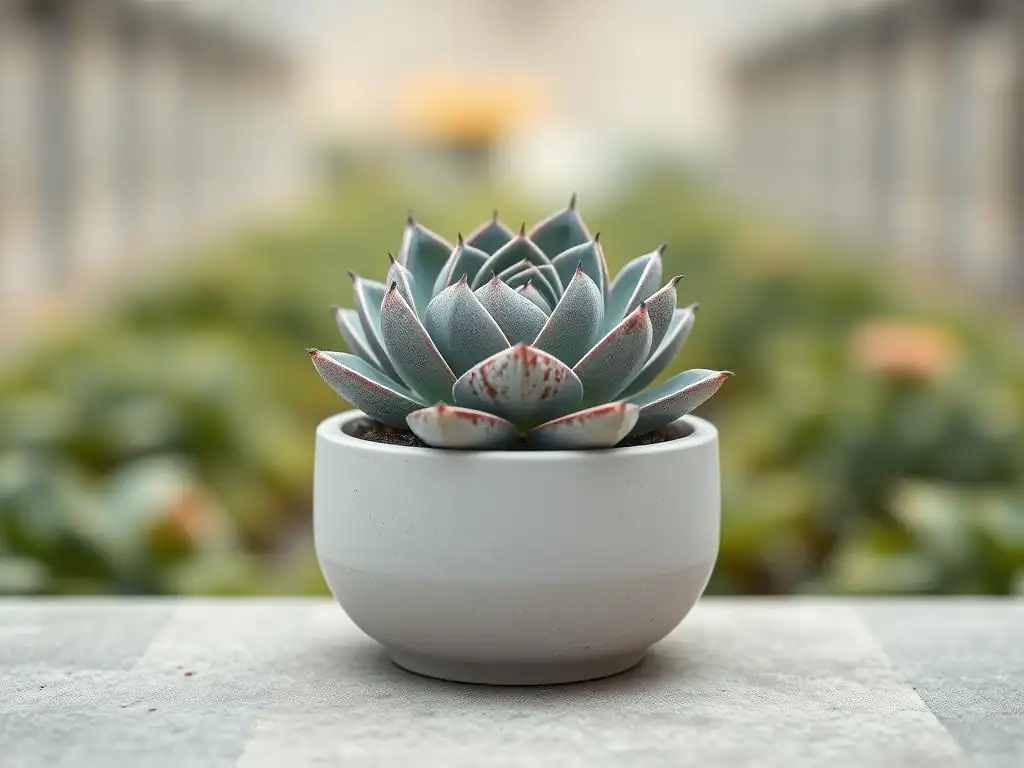
This section delves into the crucial aspects of identifying and acquiring rare succulents, offering insights for both novice and experienced collectors. Navigating the world of rare succulent auctions and trade shows requires a keen eye, a discerning approach, and a healthy dose of patience. The thrill of the hunt is matched only by the satisfaction of adding a unique specimen to your collection.
Recognizing High-Value Characteristics in Rare Succulents: Shape, Color, and Rarity
Identifying a truly rare succulent involves understanding several key characteristics. Rarity itself is a major factor, but equally important are the plant's physical attributes. Shape plays a significant role; unusual growth habits, like crested forms (fasciations) or monstrous variations, command higher prices. These deviations from the typical growth pattern often result in striking and highly sought-after specimens.
For example, a crested Haworthia with its dramatically undulating, brain-like growth, is significantly more valuable than a standard Haworthia of the same species. Similarly, a Echeveria exhibiting unusual branching or rosette formations would be considered more rare and desirable.
Color is another crucial element. Uncommon or intensely vibrant coloration, particularly those that are stable and not merely the result of environmental stress, greatly increases a succulent's value. Think of a Sempervivum with deep burgundy leaves or an Aloe displaying unexpected streaks of bright yellow or orange. These unusual color variations are highly prized by collectors.
Finally, the sheer rarity of a specific cultivar or species contributes heavily to its value. Limited availability, coupled with high demand, drives up prices significantly. This is especially true for succulents that are difficult to propagate or have limited natural habitats. Knowing the provenance of a succulent—its origin and history—can also significantly impact its value. A plant with a documented lineage might fetch a much higher price than one with an uncertain history.
Due Diligence: Verifying Authenticity of Rare Succulents Before Purchase
Before committing to a purchase, thorough due diligence is paramount. The world of rare succulents unfortunately attracts unscrupulous sellers, so verifying authenticity is critical to avoid disappointment and financial loss.
Several steps can help ensure you're acquiring a genuine rare succulent:
- Research: Before the auction or show, thoroughly research the specific succulent you're interested in. Familiarize yourself with its typical characteristics, including shape, color, leaf texture, and growth habit.
- Examine the Plant Closely: Inspect the plant meticulously. Look for any signs of disease, pests, or damage. Check for inconsistencies in its appearance that might suggest grafting or other manipulations.
- Ask Questions: Don't hesitate to ask the seller questions about the plant's origin, propagation method, and any unique characteristics. A reputable seller will be happy to provide detailed information.
- Seek Expert Opinions: If you're unsure about a plant's authenticity, consult with experienced succulent growers or collectors. Their expertise can help you avoid costly mistakes.
- Document Everything: Take detailed photos and notes on the plant's characteristics and the seller's information. This documentation will be invaluable if any issues arise later.
| Verification Method | Description | Importance |
|---|---|---|
| Visual Inspection | Careful examination of the plant's physical attributes. | High – Helps identify inconsistencies or signs of manipulation. |
| Seller Reputation | Researching the seller's history and feedback. | High – Avoids dealing with dishonest sellers. |
| Documentation | Requesting proof of origin or propagation. | Medium – Provides evidence of authenticity. |
| Expert Consultation | Seeking advice from experienced collectors. | High – Offers an independent assessment. |
Remember, a rushed purchase can lead to regret. Take your time, do your research, and trust your instincts. A genuine rare succulent will be a treasured addition to your collection for years to come.
Post-Auction Care: Acclimating Your New Rare Succulents to Their New Home
Bringing home a prized rare succulent is an exciting moment, but the work doesn't end there. Proper post-auction care is crucial for ensuring the plant's survival and continued health. The transition from its previous environment to your home can be stressful for the plant, so a gentle acclimation process is vital.
Immediately after acquiring the plant, carefully inspect it for any signs of damage or stress. Gently remove any damaged leaves or roots. Avoid overwatering immediately; instead, allow the plant to acclimate to its new environment for a few days before watering. Choose a location with appropriate sunlight exposure; research the specific light requirements of your new succulent.
Gradually introduce the plant to your home's environment. Avoid sudden changes in temperature or humidity. Monitor the plant closely for any signs of stress, such as wilting or discoloration. Adjust your care routine as needed to ensure the plant's wellbeing. Proper acclimation will help your rare succulent thrive in its new home, rewarding you with its unique beauty for years to come. 🌱
The allure of rare succulent shows extends far beyond the simple acquisition of plants. It's about the thrill of the hunt, the excitement of uncovering unique specimens that you won't find in your local garden center. These events offer a curated collection of succulents, often boasting varieties rarely seen outside of specialized collections or botanical gardens.
The atmosphere itself is electric, filled with passionate collectors, knowledgeable vendors, and the quiet hum of eager anticipation. Attending a rare succulent show is an immersive experience, a chance to connect with a vibrant community and expand your horticultural knowledge. The sheer variety on display is astounding; from the subtly nuanced color variations within a single species to entirely new hybrids, each plant tells a story of careful cultivation and dedication.
Beyond the Auctions: Finding Unique Rare Succulents from Private Sellers
While auctions often command the spotlight at rare succulent shows, don't underestimate the potential treasures to be found from private sellers. These individuals, often passionate hobbyists themselves, may offer plants not showcased in the more formal auction settings. They might have cultivated unique specimens over many years, possessing a deep understanding of their specific needs and characteristics.
This personal interaction allows for a more intimate learning experience; you can ask questions about propagation techniques, soil mixes, and other crucial aspects of care directly from the source. The prices might be more negotiable than those found in formal auctions, offering a chance to expand your collection without breaking the bank. Remember to carefully inspect each plant for any signs of pests or diseases before making a purchase.
Bringing a small magnifying glass can be beneficial for a closer examination. Don't hesitate to ask the seller for cultivation tips, as their expertise can be invaluable in successfully integrating new plants into your existing collection. Building relationships with these private sellers can lead to future opportunities to acquire even rarer specimens.
Networking with Fellow Enthusiasts: Building Connections Within the Rare Succulent Community
Rare succulent shows are not just about buying and selling; they are a vital hub for networking within the community. The shared passion for these unique plants fosters a supportive and collaborative environment. Engaging in conversations with fellow enthusiasts is a fantastic opportunity to learn from their experiences, exchange propagation tips, and discover new varieties.
You might even uncover hidden sources for rare succulents, such as private growers or nurseries not widely known to the public. Consider bringing business cards to facilitate future connections. Attending workshops or talks offered at the show can further enhance your networking opportunities, allowing you to connect with experts and fellow attendees who share your interests.
The relationships you build at these events can be invaluable, providing access to rare plants, valuable advice, and a strong sense of community. Don't be afraid to strike up conversations; the shared passion for succulents often acts as an immediate icebreaker.
Documenting Your Collection: Creating a Rare Succulent Inventory and Photography Guide
Maintaining a detailed inventory of your rare succulent collection is crucial for several reasons. It allows you to track the provenance of your plants, noting acquisition dates, sellers, and any unique characteristics. This information is invaluable for insurance purposes and for sharing with other collectors. A well-organized inventory system can also help you manage your collection effectively, ensuring that each plant receives the appropriate care and attention.
Consider using a spreadsheet or dedicated database to record plant names, cultivar information, acquisition details, and any special care instructions. High-quality photography plays a significant role in documenting your collection. Good lighting is essential; natural light is ideal, but a well-lit space with a diffuser can also work well. Use a macro lens or close-up setting on your camera to capture the intricate details of each plant.
Maintain a consistent style in your photography for a cohesive record. Consider creating a digital archive of your photos, organized by species or acquisition date. This detailed documentation not only preserves the history of your collection but also serves as a valuable resource for future reference and potential sharing within the community. A well-documented collection is a testament to your dedication and passion for the world of rare succulents.
Protecting Your Investment: Rare Succulent Care and Maintenance
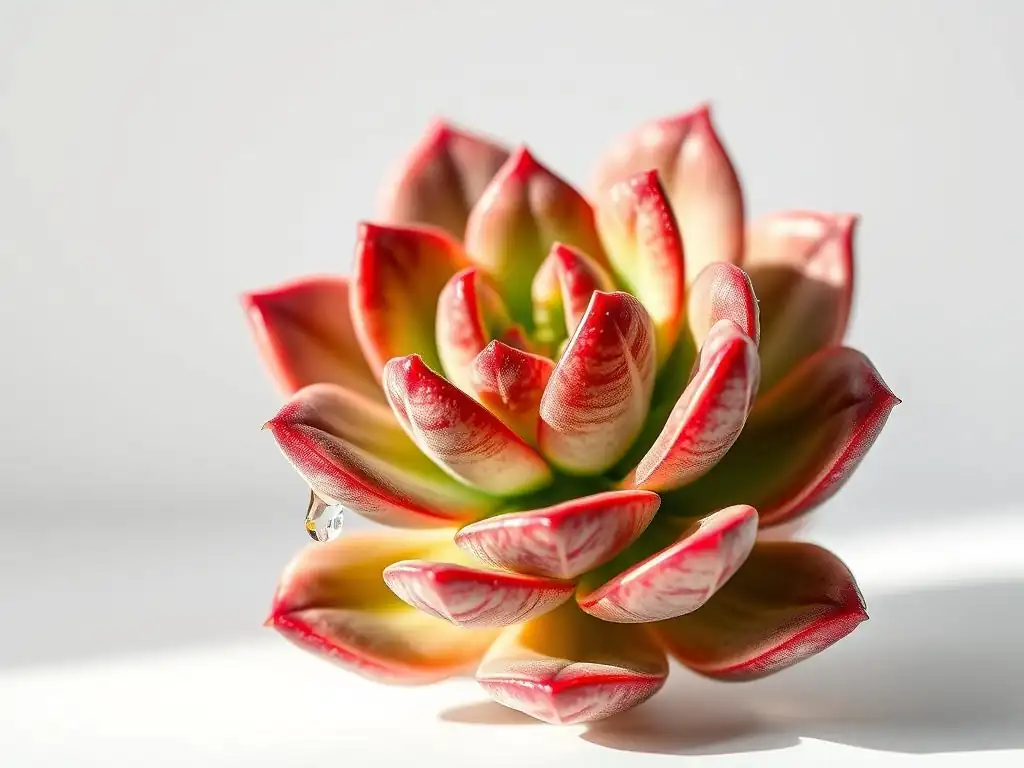
Acquiring rare succulents is an exciting endeavor, but their unique value necessitates a higher level of care and maintenance. Neglect can quickly diminish their beauty and even lead to loss. This section details crucial steps to ensure the longevity and vibrancy of your precious collection, maximizing your investment in these botanical treasures. Understanding these techniques is paramount for any serious rare succulent enthusiast.
Optimal Growing Conditions for Rare Succulents: Light, Soil, and Watering Techniques
The success of cultivating rare succulents hinges on providing the ideal growing environment. Each species has specific needs, but some general principles apply. Light is a crucial factor. Most rare succulents thrive in bright, indirect sunlight. Direct, intense sunlight can scorch their delicate leaves, while insufficient light leads to etiolation (leggy growth). Observe your succulents carefully; signs of sunburn (brown or bleached patches) indicate a need for shade, while pale, stretched growth suggests they need more light.
Soil composition is equally important. Well-draining soil is essential to prevent root rot, a common culprit in succulent demise. A commercial cactus and succulent potting mix is a good starting point, but you can enhance it further by adding perlite or pumice to improve aeration. Avoid using garden soil, as it retains too much moisture.
Watering techniques are critical. Overwatering is the most frequent cause of succulent death. Rare succulents, especially those from arid regions, are adapted to drought conditions. Water thoroughly only when the soil is completely dry, allowing excess water to drain freely.
The frequency of watering depends on factors like the pot size, the type of soil, and the ambient temperature; during the winter dormancy period, watering should be significantly reduced or even suspended. Always check the soil moisture before watering, and avoid letting the succulents sit in standing water. Proper watering is a key element in protecting your rare succulent investment.
Pest and Disease Management for Rare and Valuable Succulents
Rare succulents, with their often unique genetic makeup, can be more susceptible to pests and diseases than common varieties. Early detection and prompt treatment are vital to preventing widespread damage. Common pests include mealybugs, aphids, and spider mites. Regular inspection is crucial. Look for signs like white cottony masses (mealybugs), tiny insects clustering on leaves (aphids), or fine webbing (spider mites).
Treatment options range from manual removal (for small infestations) to insecticidal soaps or neem oil. Always follow product instructions carefully, and consider the specific needs of your rare succulents when selecting a treatment. Some species are more sensitive than others to certain chemicals. For severe infestations, professional horticultural advice might be necessary. Prevention is key: quarantine new acquisitions, maintain good air circulation, and avoid overwatering to minimize the risk of infestation. Protecting your valuable collection requires vigilance and proactive pest management.
Disease management often involves addressing underlying issues like overwatering or poor air circulation. Fungal diseases are common, manifesting as rot, discoloration, or lesions. Proper sanitation, including sterilizing tools and removing affected parts, is crucial. In some cases, fungicides may be necessary, but always choose products suitable for succulents and follow application instructions diligently. A healthy growing environment is the best defense against diseases.
Propagation of Rare Succulents: Expanding Your Collection Responsibly
Propagation allows you to expand your collection of rare succulents while preserving these unique plants. However, responsible propagation is crucial, as it can impact the availability and genetic diversity of these sought-after specimens. Several methods exist, each with its advantages and disadvantages:
- Leaf cuttings: A relatively simple method, suitable for many succulent species. Detach healthy leaves carefully, allow them to callus, and then place them on well-draining soil. Consistent moisture is needed until roots develop. This method can be time-consuming but highly rewarding.
- Stem cuttings: Ideal for succulents with stems that easily root. Cuttings should be allowed to callus before planting. This method can be faster than leaf propagation, providing quicker results.
- Offset propagation: Many succulents produce offsets (baby plants) that grow near the mother plant. These can be carefully separated and potted individually. This is a relatively low-effort method for expanding your collection from existing plants.
Before propagating rare succulents, research the specific needs of the species. Some are easier to propagate than others. Always ensure that you have the necessary resources and expertise to properly care for the new plants. Irresponsible propagation can lead to the overproduction of certain varieties and diminish the value of rare and unique specimens. Ethical considerations are paramount when expanding your collection through propagation. Respecting the rarity and preserving the integrity of these plants is crucial for the long-term health of the succulent hobby.
The Ultimate Resource Guide for Rare Succulent Enthusiasts
This section provides invaluable resources to help you navigate the exciting world of rare succulent shows and auctions. Whether you're a seasoned collector or just starting your journey, understanding the nuances of rare succulent identification, care, and community engagement is crucial. This guide equips you with the knowledge and tools to confidently participate in these exclusive events and expand your rare succulent collection. We'll cover essential resources, tools, and community connections to elevate your rare succulent hobby.
Recommended Books and Online Resources for Rare Succulent Identification and Care
Identifying and caring for rare succulents requires specialized knowledge. Fortunately, numerous resources exist to assist you. Here's a breakdown of recommended books and online platforms:
Books:
- The Succulent Encyclopedia: This comprehensive guide often features sections dedicated to rare and unusual varieties, providing detailed descriptions, images, and cultivation advice. Look for updated editions, as new discoveries are constantly being made in the succulent world.
- Rare Succulents of the World: Focuses specifically on hard-to-find succulents, detailing their unique characteristics, native habitats, and specific care requirements. This book is a valuable asset for serious collectors.
- Cultivating Rare Succulents: This title offers in-depth information on propagation techniques, soil mixes, and pest and disease management tailored to rare and delicate succulents.
Online Resources:
- Specialized Succulent Websites: Many websites are dedicated to specific genera or regions, offering detailed information and images of rare succulents. These sites often host forums where enthusiasts share their experiences and knowledge.
- Online Databases: Several online databases catalog various succulent species, including rare varieties. These can be invaluable tools for identification, providing detailed descriptions and images to aid in confirming the identity of your specimens.
- Scientific Journals: For the most in-depth information, exploring scientific journals focusing on botany and horticulture can reveal cutting-edge research on rare succulent species and their conservation status.
Example of a Rare Succulent Database Entry
This might include information like: Scientific Name: *Haworthia truncata* 'Dragon's Tooth', Common Name: Dragon's Tooth Haworthia, Origin: South Africa, Characteristics: Truncate leaves, distinctive windowing, slow-growing, etc. A high-quality image would ideally accompany this entry.
Top-Rated Tools and Supplies for Rare Succulent Cultivation
Cultivating rare succulents successfully demands the right tools and supplies. The fragility and unique requirements of many rare varieties necessitate careful attention to detail. Here are some essential items:
| Tool/Supply | Description | Importance for Rare Succulents |
|---|---|---|
| Specialized Potting Mix | A well-draining mix, often including pumice, perlite, and coarse sand. | Prevents root rot, crucial for delicate root systems. |
| Small, Well-Draining Pots | Terracotta pots are ideal due to their porosity. | Ensures proper aeration and drainage. |
| Precision Watering Can | Allows for controlled watering, preventing overwatering. | Crucial for avoiding root rot in sensitive rare varieties. |
| Magnifying Glass | For close inspection of plants for pests, diseases, or signs of stress. | Early detection is vital for successful treatment. |
| Grow Lights (if needed) | Essential for providing supplemental light, especially for shade-loving species. | Ensures optimal growth conditions, especially indoors. |
| Sterile Tools | For propagation and other handling to prevent the spread of diseases. | Essential for maintaining the health of valuable specimens. |
Remember, using high-quality tools and supplies is an investment in the health and longevity of your precious rare succulents. Proper care minimizes the risk of losing these valuable plants.
Connecting with Expert Growers and Collectors: Online Forums and Communities
Networking with fellow succulent enthusiasts is invaluable for acquiring rare specimens and improving your cultivation techniques. Engaging with experienced growers and collectors provides access to valuable information and opportunities.
- Specialized Online Forums: Search for forums dedicated to rare succulents or specific genera. These communities often feature knowledgeable members who share propagation tips, cultivation advice, and even trade or sell rare plants.
- Social Media Groups: Join Facebook groups, Instagram communities, or other social media platforms centered around succulents. Many groups are dedicated to rare varieties and offer opportunities for connection and knowledge sharing.
- Local Succulent Societies: Look for local succulent societies or clubs in your area. These groups often host meetings, workshops, and plant sales, providing opportunities to connect with experts and fellow enthusiasts. Attending these events can lead to access to rare specimens and valuable networking opportunities.
Participating actively in these online and offline communities will significantly enhance your experience in the world of rare succulents. Remember to always approach interactions with respect and a willingness to learn from others' experiences. Sharing your own knowledge and experiences will also contribute to the vibrant community of rare succulent enthusiasts.
Ethical Considerations in the Rare Succulent World
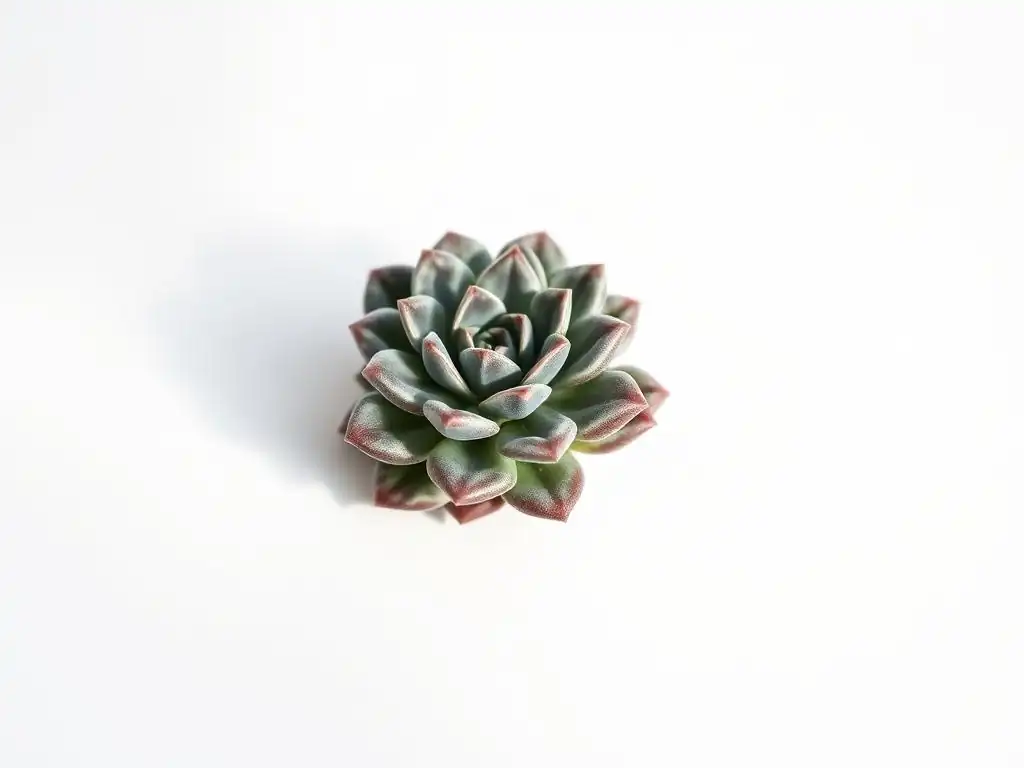
The burgeoning popularity of rare succulents has unfortunately led to some unethical practices. This section explores the crucial ethical considerations involved in acquiring, cultivating, and trading these unique plants, ensuring the long-term health of both the hobby and the environment. Understanding these ethical guidelines is vital for responsible participation in the rare succulent community and helps to ensure the sustainable future of these fascinating plants. A commitment to ethical sourcing and cultivation is not just a moral imperative; it directly impacts the health and longevity of your collection.
Sustainable Practices in Rare Succulent Acquisition and Cultivation
Sustainable practices are paramount in the world of rare succulents. This involves carefully considering the environmental impact of acquiring and growing these plants. Avoid purchasing succulents from sources known for unsustainable harvesting practices, such as those that deplete wild populations. Look for reputable sellers who prioritize ethical sourcing and propagation. For example, choosing succulents propagated from cuttings or leaf propagation rather than those directly removed from their natural habitats significantly reduces the pressure on wild populations.
Furthermore, responsible cultivation involves selecting appropriate growing conditions. Providing the right amount of sunlight, water, and soil is crucial for the health and longevity of your succulents. Overwatering, a common problem, can lead to root rot and plant death. Similarly, improper soil drainage can have detrimental effects. By carefully selecting the right potting mix and ensuring good drainage, you contribute to the long-term health and viability of your plants, promoting sustainability.
Supporting Ethical Breeders and Sellers of Rare Succulents
Identifying and supporting ethical breeders and sellers is a cornerstone of responsible rare succulent ownership. Ethical breeders prioritize the health and welfare of their plants, employing sustainable propagation techniques and avoiding harmful pesticides or herbicides. They often openly share information about their propagation methods and the origins of their plants, fostering transparency and accountability within the community. Ask questions! A reputable seller will be happy to answer questions about their sourcing and propagation methods.
Before purchasing, research the seller's reputation. Look for reviews and testimonials from other buyers. Are they known for providing healthy plants? Do they prioritize ethical sourcing? Avoid sellers who offer suspiciously low prices or who are unable to provide information about the origin of their plants. Supporting ethical breeders and sellers helps to ensure that the rare succulent hobby remains sustainable and responsible. Remember, your purchasing decisions directly influence the practices of the industry.
Conservation Efforts: Protecting Endangered Succulent Species
Many succulent species face threats in their natural habitats due to habitat loss, over-collection, and climate change. Supporting conservation efforts is a crucial ethical responsibility for all rare succulent enthusiasts. This can involve donating to organizations dedicated to succulent conservation or participating in citizen science projects that monitor and protect wild succulent populations.
Furthermore, responsible collectors can contribute to conservation indirectly. By carefully propagating and maintaining their own collections, they reduce demand for plants harvested from the wild. This reduces the pressure on wild populations and helps to preserve biodiversity. The responsible propagation and sharing of cuttings within the enthusiast community can also significantly alleviate pressure on wild populations. Remember, the preservation of these unique plants depends on our collective effort to promote ethical practices and support conservation initiatives. 🌱 Let's work together to ensure the future of rare succulents!
Conclusion: Embracing the Passion for Rare Succulents
Attending rare succulent shows offers more than just the thrill of the hunt; it's a journey into a vibrant community fueled by a shared passion. This guide has equipped you with the knowledge to navigate these exclusive events successfully, from identifying desirable specimens to negotiating prices and building lasting connections. Remember, the true value of these shows extends beyond the acquisition of rare plants; it's about the immersion in a world of shared expertise, the fostering of friendships with fellow enthusiasts, and the constant learning that comes with exploring the ever-evolving landscape of rare succulents.
The pursuit of rare succulents is a marathon, not a sprint. Patience, research, and a discerning eye are your greatest allies in building a truly remarkable collection.
Embrace the journey, celebrate the discoveries, and savor the unique beauty of these extraordinary plants. The world of rare succulents is vast and rewarding; your journey is only just beginning.
Building a Thriving Rare Succulent Collection: Long-Term Strategies and Planning
Building a successful rare succulent collection requires meticulous planning and consistent effort. It's not just about acquiring rare plants; it's about nurturing them to their full potential and ensuring the long-term health and prosperity of your collection. Consider these strategies for sustainable growth:
- Careful Selection: Prioritize acquiring healthy specimens from reputable sources. Inspect plants thoroughly for pests, diseases, and signs of stress before purchase. Knowing the specific needs of each succulent—light requirements, watering preferences, soil composition—is crucial for successful cultivation.
- Strategic Acquisition: Don't be impulsive. Research the plants you're interested in, understand their market value, and avoid overspending. A well-curated collection, built thoughtfully over time, is far more valuable than a hastily assembled one.
- Optimal Growing Conditions: Providing the right environmental conditions is paramount. This includes appropriate lighting, temperature, humidity, and ventilation. Consider investing in grow lights, climate-controlled environments, or other tools to maintain optimal conditions, especially for more delicate species.
- Proper Propagation: Learning to propagate your rare succulents is a crucial step towards expanding your collection sustainably and economically. Mastering techniques like leaf cuttings, stem cuttings, and offsets will allow you to increase your stock without the constant need for purchasing new plants.
- Record Keeping: Maintain detailed records of your collection, including acquisition dates, species names, propagation methods, and any special care instructions. This information is invaluable for tracking growth, identifying potential problems, and ensuring the long-term success of your collection. A well-organized database or journal can be incredibly helpful.
- Pest and Disease Management: Be vigilant about monitoring your plants for pests and diseases. Early detection and treatment are essential to prevent widespread infestations. Learn to identify common succulent pests and diseases and implement preventative and curative measures as needed.
The Joy of Sharing Your Passion: Connecting with Other Rare Succulent Enthusiasts
The rare succulent community is a passionate and supportive network of collectors, growers, and enthusiasts. Connecting with others can significantly enrich your experience and enhance your knowledge. Consider these ways to engage with fellow enthusiasts:
- Attend Shows and Workshops: Rare succulent shows are not just places to buy plants; they're opportunities to meet other enthusiasts, exchange tips and tricks, and build relationships. Workshops and seminars offer valuable learning experiences and opportunities for collaboration.
- Join Online Forums and Groups: Numerous online forums and social media groups dedicated to rare succulents provide platforms for sharing information, asking questions, and connecting with people who share your passion. Engage in discussions, participate in challenges, and contribute your own knowledge and experiences.
- Collaborate and Exchange: Consider exchanging cuttings, seeds, or even rare specimens with other collectors. This is a great way to expand your collection and build camaraderie with fellow enthusiasts. But always ensure ethical sourcing and appropriate permissions.
- Offer Mentorship: If you're experienced, consider mentoring newer collectors. Sharing your knowledge and experience benefits both the mentor and the mentee, fostering a stronger and more supportive community. The sharing of knowledge is a key aspect of building a strong and lasting community.
- Become a Resource: Contribute to the community by sharing your knowledge through blog posts, articles, or presentations. Your expertise can help others learn and grow their own collections. This contributes to the overall growth and success of the rare succulent community. 🌱
Frequently Asked Questions
What makes a succulent "rare" for show purposes?
Rarity in succulent shows often depends on unusual coloration, unique growth patterns, or extremely limited availability. Judges look for plants that stand out from the common varieties.
What are the essential elements of a winning rare succulent display?
A winning display emphasizes health and vitality, proper presentation, and clear labeling. The story behind the plant's rarity is also important.
How do I find out about rare succulent shows near me?
Check online succulent forums, local gardening clubs, and botanical society websites. Many shows are announced on social media as well.
What types of rare succulents are usually showcased?
Shows often feature highly sought-after hybrids, species from remote regions, and cultivars with exceptional characteristics. Expect unique colors and forms.
What should I bring to a rare succulent show as a visitor?
Bring your camera to capture stunning plants, a notebook to jot down interesting information, and perhaps a small gift if you plan to participate in any raffles or auctions.
Final Reflection: Cultivating a Passion for the Extraordinary
The world of rare succulents is more than just a hobby; it's a vibrant community built on shared passion, dedication, and the awe-inspiring beauty of nature's most unique creations. This guide has explored the intricacies of finding, showcasing, and appreciating these botanical marvels, offering practical advice and insider knowledge to navigate the exciting, yet sometimes challenging, world of rare succulent shows. The information presented here is not merely a collection of tips and tricks; it's a roadmap to unlocking a deeper understanding and appreciation for these captivating plants.
The influence of rare succulent shows extends far beyond the competitive arena. They foster a sense of community, connecting enthusiasts from diverse backgrounds who share a common love for these extraordinary plants. These events are living testaments to the power of shared passion, offering opportunities for learning, collaboration, and the simple joy of appreciating beauty in its most unique forms. As the renowned botanist, David Attenborough, once said, The natural world is full of wonders, and it is our duty to protect them.
This sentiment resonates deeply within the rare succulent community, where conservation and responsible cultivation are paramount.
Now, consider your own connection to the natural world. What sparks your curiosity? What unique beauty captivates your attention? This guide has provided a framework for exploring the world of rare succulents, but the journey of discovery is yours to continue. Embrace the challenge, nurture your passion, and let the extraordinary beauty of rare succulents inspire you to cultivate not only plants, but also a deeper appreciation for the wonders of the natural world. Go forth, explore, and share your passion with others – the world of rare succulents awaits!
Unveil Your Inner Succulent Enthusiast!
Thank you for exploring the world of rare succulent shows with us! We hope you've gained valuable insights and inspiration to enhance your succulent collection. Now it's time to put that knowledge into practice.
- Discover your next show: Use the tips and tricks we shared to find upcoming rare succulent shows near you or online. Many offer unique opportunities you won't want to miss!
- Share your passion: Spread the joy of succulents! Post a picture of your favorite succulent on social media and tag #RareSucculentShows and #SucculentEssentials.
- Join our community: Connect with fellow succulent enthusiasts! Visit our website's forums at SucculentEssentials.org to share your experiences and ask questions.
Ready to dive into the vibrant world of rare succulent shows and expand your collection? Which show are you most excited to attend?