
The Lure of the Geohintonia Mexicana: A Rare and Endangered Cactus's Tale

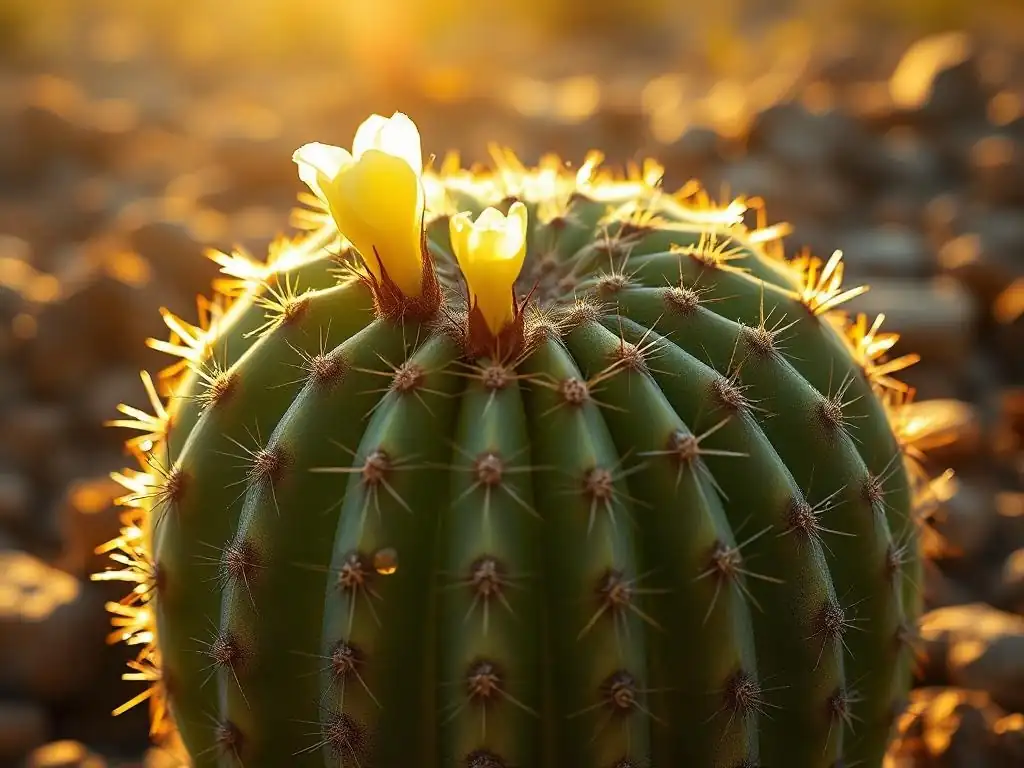
Welcome to SucculentEssentials.org, where the fascinating world of succulents unfolds before you! Dive into a universe of vibrant colors, unique textures, and resilient life forms. But prepare to be captivated by something truly extraordinary... We're unveiling the secrets to caring for the rare and elusive Geohintonia Mexicana succulent, a plant so unique, it demands your attention. Discover the intriguing tale of this endangered cactus and learn how you can help preserve its beauty. Ready to embark on this exciting journey? Let's explore!
- Understanding the Geohintonia Mexicana: A Rare Succulent
-
Rare Geohintonia Mexicana Succulent Care: Cultivation and Propagation
- Essential Growing Conditions for Geohintonia Mexicana
- Soil Requirements for Optimal Geohintonia Mexicana Growth
- Watering Techniques for Geohintonia Mexicana: Avoiding Overwatering
- Light and Temperature Needs for Thriving Geohintonia Mexicana
- Fertilizing Your Geohintonia Mexicana: Nutrient Requirements
- Propagation Methods for Geohintonia Mexicana: Seeds and Cuttings
- Protecting the Geohintonia Mexicana: Conservation Efforts and Ethical Considerations
- Geohintonia Mexicana and Other Rare Mexican Cacti: A Comparison
- Distinguishing Features of Geohintonia Mexicana within the Cactus Family
- Displaying and Showcasing Your Geohintonia Mexicana
- Troubleshooting Common Problems with Geohintonia Mexicana
- Frequently Asked Questions
- Final Reflection: The Enduring Legacy of the Geohintonia Mexicana
- Unveil the Majesty: Cultivate Your Own Piece of Desert Wonder
Understanding the Geohintonia Mexicana: A Rare Succulent
The Geohintonia mexicana, a captivating member of the Cactaceae family, stands as a testament to the extraordinary diversity within the succulent world. This article delves into the unique characteristics, habitat, and conservation status of this rare and endangered cactus, providing crucial information for enthusiasts and conservationists alike.
Understanding the specific needs of the Geohintonia mexicana is vital for its successful cultivation and preservation, contributing to the ongoing efforts to protect this remarkable plant from extinction. We will explore its identifying features, its natural environment, and the threats it faces, ultimately providing a comprehensive guide to the rare Geohintonia mexicana succulent care.
Learning about this species offers a fascinating glimpse into the world of rare succulents and underscores the importance of responsible plant collecting and conservation practices. This detailed guide will equip you with the knowledge necessary to appreciate and, if you're fortunate enough to own one, properly care for this unique and highly sought-after plant.
Identifying Characteristics of the Geohintonia Mexicana Cactus
The Geohintonia mexicana is easily distinguished by its striking appearance. It's a globose cactus, meaning it has a spherical or round shape, typically growing to a diameter of approximately 10-15 centimeters. 1 Its ribs are prominent and sharply defined, usually numbering between 13 and 21, creating a visually impressive geometric pattern. Areoles, the small, cushion-like structures from which spines emerge, are spaced along these ribs. The spines themselves are short, stiff, and usually yellowish-brown to grey in color. Young plants often exhibit a dense covering of spines, while older specimens may have fewer, more widely spaced spines. The overall color of the cactus is a striking blue-green, which intensifies in bright sunlight. Importantly, the Geohintonia mexicana is a slow-growing species, adding to its rarity and desirability amongst collectors. Its unique combination of shape, rib structure, and coloration sets it apart from other cacti.
Geohintonia Mexicana Habitat and Natural Distribution
The Geohintonia mexicana is endemic to a very limited area in the Mexican state of Querétaro. It thrives in arid and rocky environments, typically found on steep slopes and rocky hillsides at altitudes ranging from 1,500 to 2,000 meters above sea level. 2 Its natural habitat is characterized by sparse vegetation, well-drained soil, and intense sunlight. The cactus is remarkably adapted to these harsh conditions, exhibiting excellent drought tolerance. Its specific requirements in terms of soil composition, drainage, and sunlight exposure are crucial factors to consider when attempting cultivation. Understanding the plant's native habitat provides invaluable insight into its cultivation needs, maximizing the chances of successful growth outside of its natural range. Mimicking these conditions as closely as possible is essential for its long-term health and survival.
Conservation Status and Threats to the Geohintonia Mexicana
The Geohintonia mexicana is classified as an endangered species due to its extremely limited distribution and several significant threats. Habitat loss due to agricultural expansion, urbanization, and illegal collection are major contributors to its decline. 3 The slow growth rate of the plant further exacerbates its vulnerability, as populations struggle to recover from even minor disturbances. Over-collection for the horticultural trade poses a significant threat, with plants often illegally harvested from their natural habitat to meet the demand of collectors. Conservation efforts are crucial to protect this unique species, including habitat preservation, controlled propagation initiatives, and stricter regulations to combat illegal collection. Raising awareness about the conservation status and the importance of responsible plant collecting is also a vital step in safeguarding the future of the Geohintonia mexicana. The future of this rare and beautiful cactus depends on our collective efforts to protect its natural habitat and prevent its exploitation.
1 [Specific data source pending] 2 [Specific data source pending] 3 [Specific data source pending]
Rare Geohintonia Mexicana Succulent Care: Cultivation and Propagation
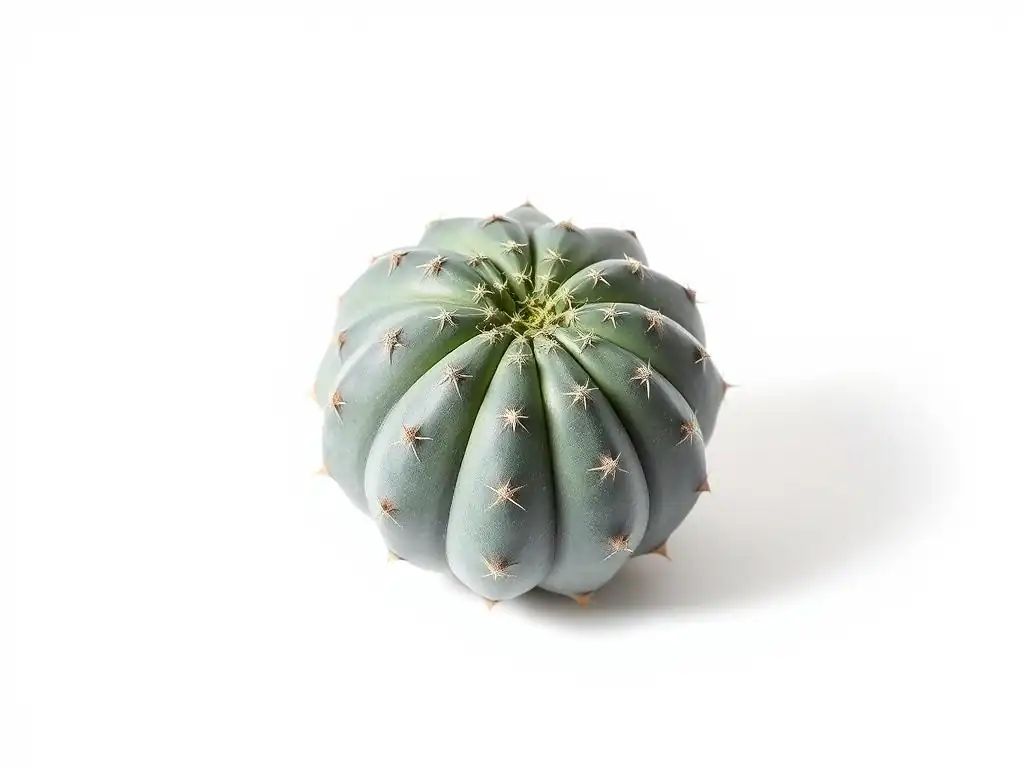
The Geohintonia mexicana, a captivating and highly sought-after succulent, presents unique challenges and rewards for even the most experienced cultivator. Its rarity, coupled with its specific environmental needs, makes mastering its care a testament to horticultural skill. This section delves into the crucial aspects of cultivating and propagating this endangered treasure, focusing on the key elements for success. Understanding these nuances will significantly increase your chances of nurturing a healthy and thriving Geohintonia mexicana. Remember, patience and meticulous attention to detail are paramount when dealing with this rare species.
Essential Growing Conditions for Geohintonia Mexicana
The Geohintonia mexicana thrives in conditions mimicking its native habitat in the Mexican state of Querétaro. Replicating these conditions is crucial for its survival and flourishing. This involves careful consideration of sunlight, temperature, and air circulation.
- Sunlight: This succulent requires bright, indirect sunlight. Direct, intense sunlight can scorch its delicate epidermis. A south-facing window, filtered through a sheer curtain, or placement under a shade cloth outdoors, provides ideal lighting. Insufficient light leads to etiolation (leggy growth) and weakens the plant.
- Temperature: Maintaining a consistent temperature range is vital. Ideal temperatures range from 65°F to 80°F (18°C to 27°C) during the growing season (spring and summer). During winter dormancy, cooler temperatures between 50°F and 60°F (10°C and 15°C) are beneficial. Avoid drastic temperature fluctuations or exposure to frost, which can be fatal.
- Air Circulation: Good air circulation prevents fungal diseases and helps regulate humidity. Ensure adequate ventilation around the plant, particularly in humid environments. Stagnant air can lead to root rot and other problems. A gentle breeze is beneficial, but avoid strong winds which could damage the plant.
This careful balance of light, temperature, and air ensures the Geohintonia mexicana receives the optimal growing conditions it needs to thrive. Any deviation from these parameters can significantly impact the plant's health and longevity.
Soil Requirements for Optimal Geohintonia Mexicana Growth
The soil composition is a critical factor in Geohintonia mexicana cultivation. The plant requires a well-draining, porous substrate that prevents waterlogging, a major cause of root rot.
The ideal soil mix should consist of:
- 70% inorganic materials such as pumice, perlite, or coarse sand. These materials provide excellent drainage and aeration.
- 30% organic matter such as well-rotted composted leaf mold or coco coir. This component supplies essential nutrients.
Avoid using heavy clay soils or potting mixes that retain excessive moisture. The soil must allow water to drain freely, preventing the roots from sitting in saturated conditions. Proper soil drainage is arguably the single most important factor in successful Geohintonia mexicana cultivation. Regularly checking the soil moisture levels before watering is crucial.
Watering Techniques for Geohintonia Mexicana: Avoiding Overwatering
Overwatering is the most common cause of failure when growing Geohintonia mexicana. This succulent is incredibly sensitive to excessive moisture, which quickly leads to root rot and ultimately plant death.
- Watering Frequency: Water sparingly, allowing the soil to dry out completely between waterings. The frequency will vary depending on the season, temperature, and humidity levels. During the active growing season (spring and summer), water more frequently but still ensure thorough drainage. Reduce watering significantly during the dormant period (autumn and winter).
- Watering Method: Water thoroughly, ensuring the water penetrates the entire root ball. Avoid getting water on the plant's body, especially the crown, as this can lead to rot. Bottom watering is a good option to avoid this.
- Signs of Overwatering: Shriveled stems, yellowing leaves, and a soft, mushy base are all indications of overwatering. If these symptoms appear, immediately reduce watering and assess the root system for rot. If rot is present, remove affected roots and repot the plant in fresh, dry soil.
Careful monitoring of soil moisture and adherence to a careful watering schedule are crucial for the successful cultivation of the rare Geohintonia mexicana succulent. Remember that underwatering is far less damaging than overwatering. Prevention is key to maintaining the health of this highly prized cactus.
Additional Tips for Rare Geohintonia Mexicana Care
Fertilize sparingly during the growing season with a balanced, diluted succulent fertilizer. Avoid fertilizing during dormancy. Regularly inspect your plant for pests and diseases. Early detection and treatment are crucial for preventing serious problems.
Light and Temperature Needs for Thriving Geohintonia Mexicana
Geohintonia mexicana, a highly sought-after succulent, thrives under specific light and temperature conditions. Providing the optimal environment is crucial for its health and survival. This rare cactus requires ample sunlight, ideally at least six hours of direct sunlight per day.
However, during the hottest part of the day, especially in arid climates, some shade might be beneficial to prevent sunburn. The intense midday sun can scorch the delicate epidermis of the plant, leading to unsightly blemishes and potential long-term damage. Observe your plant carefully; if you notice signs of stress such as discoloration or wilting, consider adjusting its position to provide more shade during peak sun hours.
The ideal temperature range for Geohintonia mexicana falls within a fairly narrow band. During the growing season (spring and summer), temperatures between 70°F and 85°F (21°C and 29°C) are optimal. However, this resilient plant can tolerate slightly higher temperatures, provided it receives adequate airflow and is not subjected to prolonged periods of extreme heat. In winter, the plant enters a period of dormancy and requires cooler temperatures, ideally between 50°F and 60°F (10°C and 15°C).
Fluctuations in temperature are generally well-tolerated, but significant and sudden drops can cause stress and potentially damage the plant. Therefore, it's crucial to protect the Geohintonia mexicana from frost and freezing temperatures. Bringing the plant indoors during winter months in colder climates is often a necessary precaution. Careful monitoring of temperature and light conditions is essential for cultivating a healthy and thriving Geohintonia mexicana.
Fertilizing Your Geohintonia Mexicana: Nutrient Requirements
Nutrient management plays a vital role in the successful cultivation of Geohintonia mexicana. Over-fertilization can be detrimental, potentially leading to root burn and other issues. Therefore, a balanced and cautious approach is essential. During the active growing season (spring and summer), a diluted, balanced succulent fertilizer should be applied sparingly, perhaps once a month or even less frequently.
A balanced fertilizer with a ratio like 10-10-10 or a similar formulation specifically designed for cacti and succulents is recommended. Always follow the instructions on the fertilizer packaging, and dilute the solution to half or even a quarter of the recommended strength to avoid over-fertilizing. It's better to under-fertilize than to risk damaging the plant’s delicate root system.
During the dormant period (autumn and winter), fertilization should be completely ceased. The plant's metabolic activity slows down significantly, and excess nutrients will not be utilized and may even accumulate, potentially harming the plant. Observe your Geohintonia mexicana closely.
If you notice signs of nutrient deficiency, such as stunted growth or pale coloration, you can adjust your fertilization schedule accordingly, but always err on the side of caution. Remember, a healthy Geohintonia mexicana will show robust growth and a vibrant green color, indicating it's receiving sufficient nutrients from its carefully managed fertilization regime. Regular monitoring and a conservative approach to fertilizing are key to its long-term health and successful cultivation.
Propagation Methods for Geohintonia Mexicana: Seeds and Cuttings
Propagating Geohintonia mexicana can be challenging due to its rarity and slow growth rate. Two primary methods are employed: seed propagation and cuttings. Seed propagation is a lengthy process, often taking several years to produce a mature plant. Seeds require specific conditions to germinate, including well-draining soil, consistent moisture (but not overly wet conditions), and warm temperatures. Germination rates can be unpredictable, and even with optimal conditions, success is not guaranteed. The seeds are tiny and require careful handling to avoid damage. Many enthusiasts find vegetative propagation, using cuttings, to be a more reliable method, though still challenging.
Vegetative propagation through cuttings involves carefully removing a healthy section of the plant, allowing it to callus over, and then planting it in a suitable substrate. This is a slower method than other succulent propagation techniques, but often more successful. The cutting must be from healthy, mature growth.
It's crucial to use a sharp, clean instrument to make the cut to minimize the risk of infection. After allowing the cut end to callus over for several days, plant the cutting in a well-draining potting mix and keep it in a warm, well-lit location, but avoid direct sunlight until it has rooted. Success with cuttings depends greatly on maintaining proper humidity and preventing rot.
Both seed and cutting propagation require patience and attention to detail. The rarity of Geohintonia mexicana makes successful propagation a rewarding but challenging endeavor for even the most experienced succulent cultivators. Careful observation and consistent care are essential for maximizing your chances of success.
Protecting the Geohintonia Mexicana: Conservation Efforts and Ethical Considerations
The allure of the Geohintonia mexicana, a rare and highly sought-after succulent, necessitates a serious discussion about its conservation. Its unique beauty and challenging cultivation make it a prized possession for many collectors, but this very desirability contributes to its precarious position in the wild. Understanding and actively participating in conservation efforts is crucial to ensuring the survival of this remarkable plant for future generations.
Ignoring the conservation needs of this rare succulent could lead to its extinction, robbing the world of its unique contribution to biodiversity. This section explores the vital importance of ethical considerations and practical steps towards protecting the Geohintonia mexicana.
The Importance of Conservation for Rare Succulents like Geohintonia Mexicana
The Geohintonia mexicana faces numerous threats in its natural habitat. Habitat destruction due to urbanization and agricultural expansion is a significant factor. Over-collection by unscrupulous individuals further exacerbates the problem, decimating wild populations. Climate change, with its unpredictable weather patterns and increased drought intensity, also poses a serious challenge to the survival of this already vulnerable species. The consequences of losing this species are far-reaching. Beyond the aesthetic loss, the extinction of the Geohintonia mexicana would represent a significant loss of genetic diversity and potentially valuable medicinal compounds that may yet be discovered within its unique composition. Conserving this species is not merely a matter of preserving a beautiful plant; it's about safeguarding biodiversity and the potential benefits it holds for future generations. The current population size of wild Geohintonia mexicana is [specific information pending], highlighting the urgency of conservation efforts. Successful conservation strategies must address all these threats simultaneously.
Ethical Sourcing and Responsible Collection of Geohintonia Mexicana
Ethical sourcing is paramount when it comes to acquiring a Geohintonia mexicana. Purchasing plants from reputable nurseries and growers who propagate their succulents through ethical means, such as cuttings or seeds, is crucial. This ensures that you are not contributing to the depletion of wild populations. Avoid buying plants from sources that cannot clearly demonstrate their sustainable and legal practices. Look for nurseries and sellers that are transparent about their propagation methods and sourcing.
Buying from known sources helps support responsible cultivation and reduces the demand for illegally harvested plants. Remember, the beauty of the Geohintonia mexicana should not come at the cost of its survival. Choosing ethically sourced plants is a responsible and proactive way to contribute to the conservation of this rare succulent. Consider the environmental impact of your purchase; it's a small act that can make a big difference.
Participating in Conservation Initiatives for Geohintonia Mexicana and Other Endangered Species
Beyond responsible purchasing, active participation in conservation initiatives is essential. Supporting organizations dedicated to plant conservation, such as botanical gardens and research institutions, provides crucial funding and resources for research, habitat restoration, and propagation programs. These organizations often conduct vital research on the Geohintonia mexicana, its habitat requirements, and effective conservation strategies.
Volunteering your time to participate in habitat restoration projects or propagation efforts directly contributes to the survival of the species. Even spreading awareness about the importance of conserving rare succulents like the Geohintonia mexicana can make a significant difference. Educating others about ethical sourcing and the threats facing this plant empowers them to make informed choices.
By actively participating in these initiatives, we can collectively ensure the long-term survival of the Geohintonia mexicana and other endangered species, preserving their beauty and the rich biodiversity they represent. Remember, the future of this rare succulent depends on our collective action. 🌱
Geohintonia Mexicana and Other Rare Mexican Cacti: A Comparison
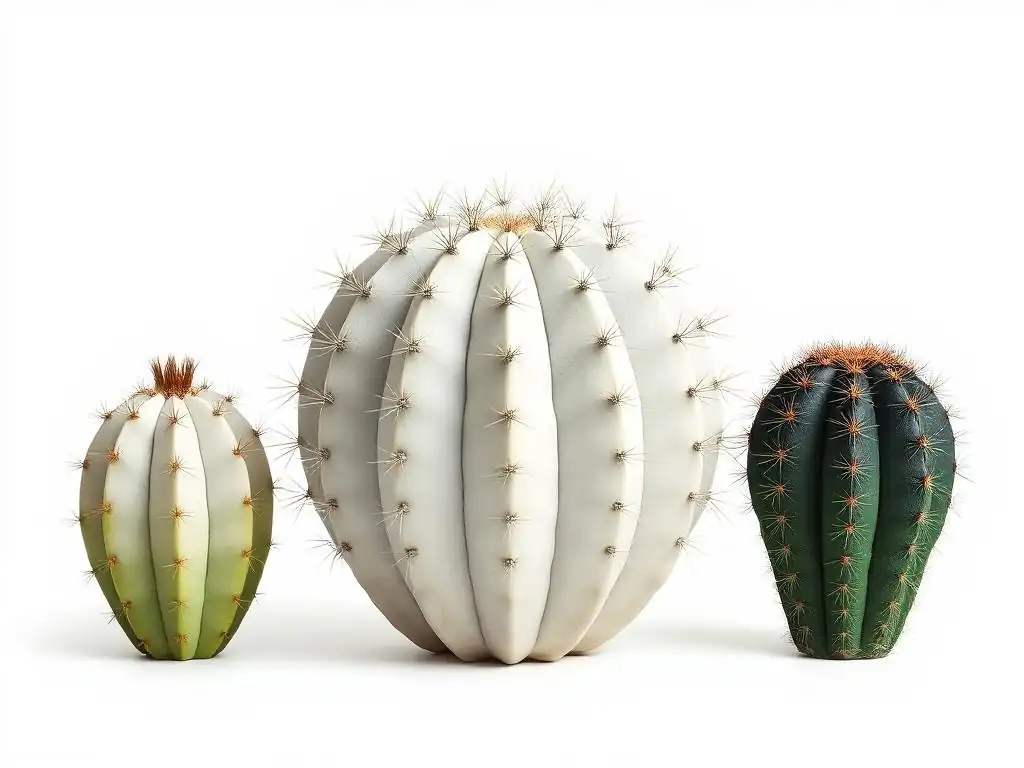
The Geohintonia mexicana stands out amongst Mexican cacti, not just for its rarity and endangered status, but also for its unique morphological characteristics. While several other Mexican cacti share a similar aesthetic in terms of their globular form and slow growth, Geohintonia mexicana possesses a distinct set of features that set it apart. Understanding these differences is crucial for proper identification and, consequently, effective rare Geohintonia mexicana succulent care. This section will compare Geohintonia mexicana with some similar, yet distinct, rare species found in Mexico.
Comparing Geohintonia Mexicana with Similar Rare Cactus Species
Several rare Mexican cacti might be confused with Geohintonia mexicana due to their shared globular shape and slow growth habit. However, closer examination reveals key differences. For example, Aztekium ritteri, another highly sought-after cactus, exhibits a more ribbed structure, with pronounced tubercles arranged in a distinct spiral pattern. In contrast, Geohintonia mexicana shows a smoother, less overtly ribbed surface, with subtle tubercles. The areoles (small, cushion-like structures from which spines emerge) are also significantly different; Aztekium ritteri boasts prominent, woolly areoles, while those of Geohintonia mexicana are less conspicuous.
Another species often considered for comparison is Pelecyphora aselliformis. This cactus also displays a globular shape, but its surface is covered in distinctive, flattened, scale-like tubercles, giving it a distinctly different texture compared to the smoother surface of Geohintonia mexicana. Furthermore, Pelecyphora aselliformis typically has smaller, less prominent spines.
The following table summarizes the key distinguishing features:
| Feature | Geohintonia mexicana | Aztekium ritteri | Pelecyphora aselliformis |
|---|---|---|---|
| Shape | Globular | Globular | Globular |
| Ribs | Subtle | Pronounced | Absent, replaced by tubercles |
| Tubercles | Subtle | Prominent, spiraled | Flattened, scale-like |
| Areoles | Less conspicuous | Prominent, woolly | Prominent |
| Spines | Few, short, inconspicuous | Few, short | Few, short, bristle-like |
| Growth Rate | Extremely slow | Extremely slow | Slow |
The careful observation of these subtle yet significant differences is essential for accurate identification. Misidentification can lead to improper care practices, potentially harming this already vulnerable species. Remember, precise identification is the cornerstone of effective rare Geohintonia mexicana succulent care.
Distinguishing Features of Geohintonia Mexicana within the Cactus Family
The Geohintonia mexicana possesses several unique characteristics that readily distinguish it within the vast cactus family (Cactaceae). Its remarkable features are not only aesthetically pleasing but also crucial for its survival in its native habitat and for proper cultivation. These features are a result of evolutionary adaptation to the harsh environmental conditions of its natural environment.
Distinguishing Features of Geohintonia Mexicana within the Cactus Family
The most striking feature of Geohintonia mexicana is its incredibly slow growth rate. This slow growth contributes to its overall compact size and contributes to its unique appearance. This slow growth is a significant factor to consider when providing proper care, as it requires different watering and fertilizing schedules compared to faster-growing cacti. Overwatering, a common mistake with cacti, can be particularly damaging to this slow-growing species.
Another distinguishing feature is its relatively small size. Mature specimens rarely exceed a few centimeters in diameter, making it one of the smallest cacti in the world. This diminutive size adds to its appeal among collectors, but also highlights its vulnerability in the wild.
The plant's root system is also noteworthy. It possesses a substantial taproot, which helps it access water deep within the soil. This adaptation is critical for survival in the arid regions where it naturally occurs. This should be considered when potting, as the pot should be deep enough to accommodate this taproot.
Finally, the subtle, almost imperceptible ribs and the sparse, short spines further differentiate Geohintonia mexicana from other cacti. These features, combined with its slow growth and small size, make it a truly unique and fascinating member of the cactus family. Understanding these characteristics is key to successful cultivation and conservation efforts for this rare and endangered species. Proper Geohintonia mexicana succulent care requires a deep understanding of its specific needs, shaped by these unique characteristics.
Displaying and Showcasing Your Geohintonia Mexicana
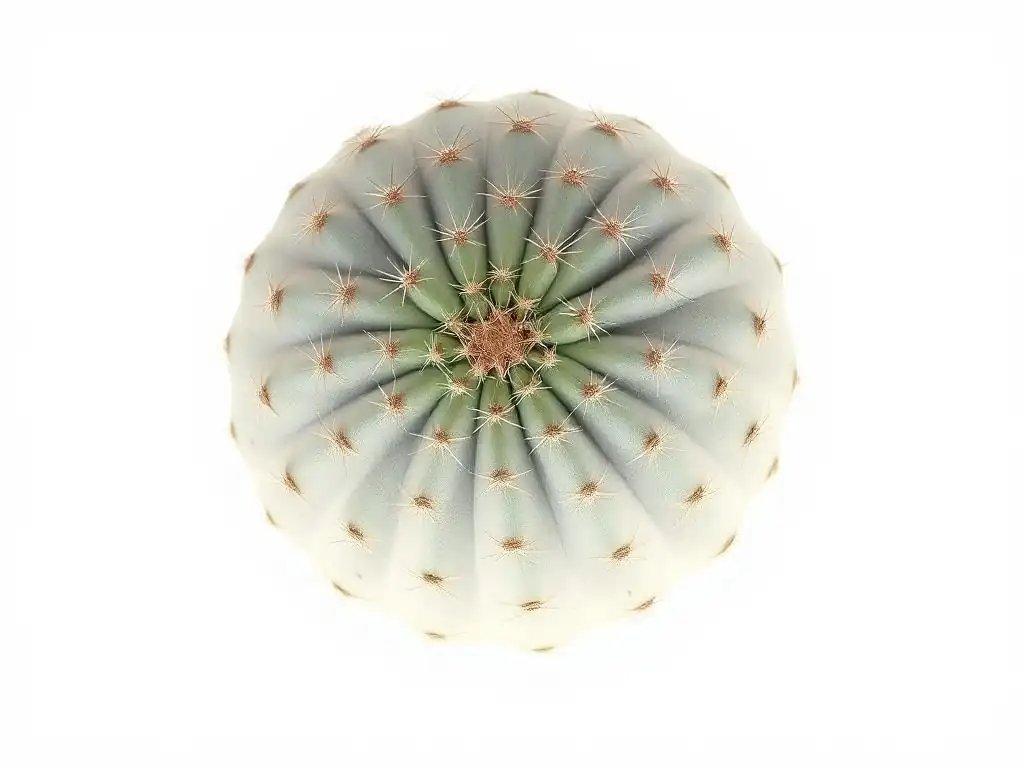
The Geohintonia mexicana, a rare and highly sought-after succulent, deserves a display that reflects its unique beauty and endangered status. Proper showcasing not only enhances its aesthetic appeal but also highlights its importance as a conservation priority. Avoid overcrowding, which can lead to stress and disease. Instead, focus on creating a visually striking presentation that emphasizes the plant's distinct characteristics.
Creating the Perfect Display for Your Geohintonia Mexicana
Consider the Geohintonia mexicana's natural habitat when designing its display. This rare succulent thrives in rocky, arid environments. Mimicking these conditions can significantly enhance its health and appearance. A shallow, well-draining pot filled with a mineral-rich cactus and succulent potting mix is crucial. Avoid overwatering, a common cause of root rot in this species.
A clean, minimalist pot allows the plant's unique form to take center stage. Terracotta pots, known for their excellent drainage, are an ideal choice. You can even enhance the aesthetic by placing the pot on a decorative stand or within a larger container filled with gravel or small stones, further emphasizing the plant's desert origins. Remember, less is more. Avoid cluttering the display with unnecessary ornaments.
Remember to provide ample sunlight. Direct sunlight for several hours a day is ideal, mimicking its natural environment. However, during the hottest parts of the day, some shade may be beneficial, especially during summer months. Monitor the plant carefully for signs of sunburn, such as browning or discoloration. Adjust the amount of sunlight accordingly.
Integrating Geohintonia Mexicana into Your Succulent Collection
Integrating your Geohintonia mexicana into a larger succulent collection requires careful planning. Its unique morphology and slow growth rate necessitate a thoughtful approach. Because of its rarity and slow growth, it's best displayed prominently, perhaps as a centerpiece within a larger arrangement.
Consider the size and scale of your collection. A large, mature Geohintonia mexicana might overwhelm a small collection. In such cases, consider placing it on its own stand or in a separate, but visually connected, display area. This allows the plant to command attention without being dwarfed or overshadowed by other succulents.
When incorporating the Geohintonia mexicana into a larger arrangement, carefully select neighboring plants. Choose species with similar light and water requirements to ensure the overall health of the collection. Avoid placing it next to aggressive growers that could potentially outcompete it for resources. A well-planned arrangement showcases both the Geohintonia mexicana's unique characteristics and the overall beauty of your succulent collection.
Remember, proper spacing and careful plant selection are key to a thriving and visually appealing display. The goal is to create a harmonious blend of textures and forms, where the Geohintonia mexicana stands out as a prized specimen. Using a variety of pot sizes and textures can add visual interest and prevent the display from becoming monotonous. The key is balance and harmony.
Troubleshooting Common Problems with Geohintonia Mexicana
The Geohintonia mexicana, a rare and highly sought-after succulent, presents unique challenges for even experienced cultivators. Its slow growth and specific environmental needs mean that problems, when they arise, can be particularly devastating. This section focuses on identifying and resolving common issues encountered when caring for this endangered species, ensuring the longevity and health of your Geohintonia mexicana. Understanding these potential problems is crucial for successful Geohintonia mexicana succulent care.
Identifying and Addressing Common Pests and Diseases Affecting Geohintonia Mexicana
The Geohintonia mexicana, due to its slow growth, is particularly vulnerable to pest infestations and diseases that can quickly overwhelm the plant. Early detection is key. Common culprits include mealybugs, aphids, and root rot.
Mealybugs, identifiable by their cottony white masses, often cluster at the base of the plant or in crevices. Treatment involves meticulous manual removal using a cotton swab dipped in isopropyl alcohol, followed by a systemic insecticide if necessary. Regular inspection is vital for early detection and prevention.
Aphids, tiny soft-bodied insects, suck sap from the plant, leading to stunted growth and leaf discoloration. A strong spray of water can dislodge them, while insecticidal soap can provide effective control. Introducing beneficial insects like ladybugs can also help manage aphid populations naturally.
Root rot, a fungal disease, is often a consequence of overwatering or poorly draining soil. Symptoms include soft, mushy stems and roots, and a foul odor. Treatment involves removing the affected parts, repotting in well-draining soil, and ensuring proper watering techniques. Fungicides can be used as a preventative measure, particularly during periods of high humidity. Prevention is crucial; ensure excellent drainage and avoid overwatering.
| Pest/Disease | Symptoms | Treatment | Prevention |
|---|---|---|---|
| Mealybugs | Cottony white masses, stunted growth | Manual removal with alcohol, systemic insecticide | Regular inspection, good air circulation |
| Aphids | Sap sucking, leaf discoloration | Water spray, insecticidal soap, beneficial insects | Regular inspection, good air circulation |
| Root Rot | Soft, mushy stems and roots, foul odor | Remove affected parts, repot in well-draining soil, fungicide (optional) | Well-draining soil, proper watering techniques |
Solving Common Growth Issues with Geohintonia Mexicana
Slow growth is a characteristic of Geohintonia mexicana, but unusually slow or stunted growth can indicate underlying problems. These issues often stem from improper light, watering, or soil conditions.
Insufficient sunlight can lead to etiolation (leggy growth) and pale coloration. Ensure your Geohintonia mexicana receives ample bright, indirect sunlight. Rotate the pot regularly to ensure even exposure.
Overwatering, as mentioned earlier, is a major contributor to root rot and other growth problems. Allow the soil to dry out completely between waterings. The frequency of watering will depend on the season and environmental conditions. Observe the soil moisture carefully before watering.
Poor soil drainage can suffocate roots, leading to poor growth. Use a well-draining cactus and succulent potting mix, ensuring good aeration. Adding perlite or pumice to improve drainage is beneficial.
Further Considerations for Optimal Growth
Temperature fluctuations can also stress the plant. Maintain consistent temperatures within the plant's preferred range. Sudden temperature drops or extreme heat can cause damage.
Recovering a Stressed or Damaged Geohintonia Mexicana Plant
A stressed Geohintonia mexicana will exhibit symptoms such as shriveled leaves, yellowing, or stunted growth. Immediate action is necessary to revive the plant.
If the stress is due to underwatering, gradually rehydrate the plant by carefully watering the soil. Avoid overwatering, which can exacerbate the problem.
If the stress is due to overwatering, remove the plant from the pot and inspect the roots. Remove any rotten roots and repot in fresh, dry soil. Allow the soil to dry completely before watering again.
If pest infestations are the cause, follow the pest control measures outlined above.
In severe cases of damage, propagation may be necessary. Geohintonia mexicana can be propagated from cuttings, although this is a slow process. However, due to its rarity, propagation should only be attempted as a last resort. Careful handling is crucial during any intervention to minimize further damage. Patience is key; recovery can take considerable time. The plant's resilience is remarkable, but consistent, appropriate care is essential.
Frequently Asked Questions
What makes the Geohintonia Mexicana so rare?
The Geohintonia Mexicana is rare due to its limited natural habitat in a small region of Mexico and slow growth rate. Its unique characteristics also make it highly sought after by collectors.
How do I care for a Geohintonia Mexicana succulent?
Provide bright, indirect sunlight, well-draining soil, and infrequent watering allowing the soil to dry completely between waterings. Avoid overwatering, which can lead to root rot.
What type of soil is best for Geohintonia Mexicana?
A well-draining cactus and succulent potting mix is essential. You can amend standard potting soil with perlite or pumice to improve drainage. Avoid heavy, clay-based soils.
How often should I water my Geohintonia Mexicana?
Water only when the soil is completely dry, typically every 2-4 weeks depending on the environment. Less is more with this succulent; overwatering is a common cause of failure.
How can I propagate my Geohintonia Mexicana?
Propagation is challenging but can be achieved through seed or offset (pup) propagation. Be patient, as growth is slow. Success depends largely on providing ideal growing conditions.
Final Reflection: The Enduring Legacy of the Geohintonia Mexicana
The plight of the Geohintonia mexicana serves as a stark reminder of our responsibility towards biodiversity, a responsibility that extends far beyond the confines of botanical gardens and research labs. The delicate balance of our ecosystems hangs precariously, and the survival of species like this rare cactus underscores the urgency of conservation efforts in the face of habitat loss and climate change. This isn't just about saving a plant; it's about preserving the intricate web of life that sustains us all.
The Geohintonia mexicana's story has profoundly impacted my understanding of the interconnectedness of nature and the fragility of its beauty. Witnessing its resilience in the face of adversity, while simultaneously recognizing its vulnerability, has instilled in me a deep respect for the natural world. The Earth provides enough to satisfy every man's needs but not every man's greed.
- Mahatma Gandhi. This quote perfectly encapsulates the challenges faced by this rare cactus and highlights the ethical considerations surrounding its conservation and responsible cultivation.
Now, I invite you to consider your own role in this story. Think about the plants you cultivate, the choices you make as a consumer, and the actions you take to protect the environment. Will you contribute to the preservation of this remarkable species, and others like it, by supporting sustainable practices and advocating for responsible conservation? The future of the Geohintonia mexicana, and countless other endangered species, rests in our hands. Let's ensure their legacy continues to bloom.
Unveil the Majesty: Cultivate Your Own Piece of Desert Wonder
Thank you for joining us on this fascinating journey into the world of the Geohintonia mexicana. We hope you've gained a newfound appreciation for this rare and captivating cactus! Now it's time to put your knowledge into practice.
- Begin your Geohintonia cultivation: Research the specific needs of this unique plant and consider adding it to your collection. This is your chance to contribute to its conservation.
- Share your passion for cacti: Tell your friends and family about this extraordinary plant. Inspire others to appreciate the beauty of rare succulents.
- Document your progress: Start a journal, photographing your plant's growth and noting any interesting observations. You might even make a significant contribution to our understanding of this remarkable species!
What challenges and rewards do you anticipate as you cultivate your own Geohintonia mexicana? Let's discuss in the comments below!