
Advanced Treatments for Fungal Infections: Protecting Your Succulent Health

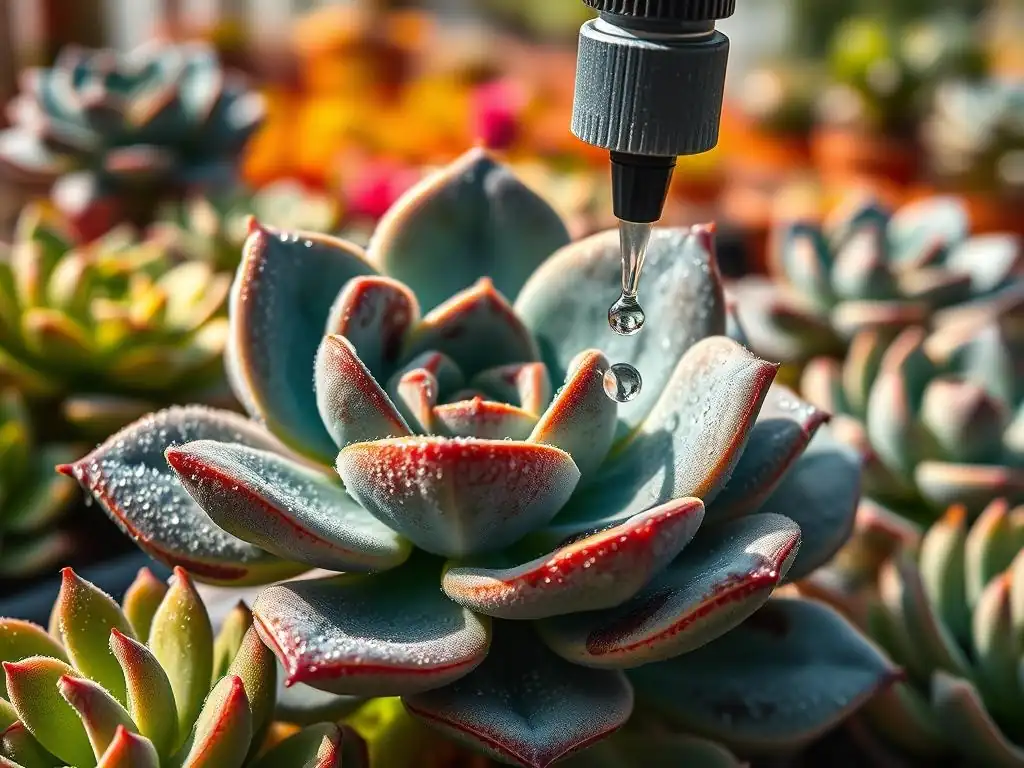
Welcome to SucculentEssentials.org, where the fascinating world of succulents unfolds before you! Are your beloved succulents showing signs of distress? Discover the secrets to thriving succulent care, from basic propagation to advanced techniques. This site is your ultimate resource for everything succulent, and we're diving deep into a critical topic today: Succulent fungal infection treatment. Learn how to identify and combat these insidious threats, ensuring your precious plants remain vibrant and healthy. Prepare to unlock advanced knowledge and techniques that will transform your succulent collection!
- Understanding Fungal Infections in Succulents
- Advanced Treatment Options for Succulent Fungal Infections
- Effective Strategies for Treating Specific Fungal Infections
- Advanced Techniques for Succulent Fungal Infection Management
- When to Seek Professional Help for Succulent Fungal Infections
- Long-Term Care and Prevention of Succulent Fungal Infections
-
Frequently Asked Questions
- What are the common signs of a succulent fungal infection?
- How can I prevent fungal infections in my succulents?
- What are some effective home remedies for treating minor fungal infections?
- When should I use stronger, chemical treatments for succulent fungal infections?
- Are there any preventative measures I can take beyond proper watering and air circulation?
- Final Reflection: Cultivating a Healthier Future for Your Succulents
- Unleash Your Inner Succulent Savior!
Understanding Fungal Infections in Succulents
Succulents, with their striking beauty and resilience, are not immune to the challenges posed by fungal infections. While generally hardy plants adapted to arid conditions, a variety of factors can compromise their defenses, leaving them vulnerable to a range of fungal pathogens. This article delves into advanced treatments for succulent fungal infections, providing comprehensive guidance for enthusiasts seeking to protect their precious collections.
We’ll explore identification, diagnosis, prevention, and effective treatment strategies, equipping you with the knowledge to combat these insidious threats and maintain the vibrant health of your succulents. Understanding the nuances of fungal diseases is crucial for successful treatment and long-term plant health. This guide aims to provide you with the tools to not only treat existing infections but also to prevent future occurrences, ensuring your succulents thrive for years to come.
This is especially important for succulent collectors and those who cultivate rare or valuable varieties. We will cover a range of practical techniques and preventative measures, going beyond basic care advice to offer an advanced understanding of succulent fungal disease management.
Identifying Common Fungal Diseases in Succulents
Several fungal diseases commonly affect succulents, each presenting unique symptoms. Accurate identification is the first step towards effective treatment. Some of the most prevalent include:
- Root Rot: Often caused by Phytophthora or Rhizoctonia species, root rot manifests as mushy, dark-colored roots, wilting, and eventual plant collapse. Early detection is key, as it often progresses rapidly. The soil itself may also exhibit a foul odor.
- Leaf Spot: Various fungi can cause leaf spots, characterized by brown or black lesions on the leaves. These spots may be small and scattered or large and coalescing, sometimes accompanied by a powdery or fuzzy growth. The severity depends on the pathogen and environmental conditions.
- Powdery Mildew: This fungal infection is easily recognizable by the white, powdery coating that develops on the leaves and stems. It can weaken the plant and hinder its growth, potentially leading to more serious issues.
- Damping-off: This affects seedlings and cuttings, causing them to wilt and collapse at the soil line. It's often a result of excessively moist conditions and poor soil drainage.
Understanding the specific characteristics of each disease helps in selecting the appropriate treatment strategies. Careful observation and potentially microscopic examination (for advanced enthusiasts) can aid in definitive identification. Remember to always isolate affected plants to prevent the spread of infection.
Diagnosing Fungal Infections: Symptoms and Signs
Accurate diagnosis is paramount to effective treatment. While the previous section outlined common diseases, recognizing the symptoms is crucial for early intervention. Symptoms can be subtle initially but become more pronounced as the infection progresses. Pay close attention to:
- Changes in leaf color: Browning, yellowing, or blackening of leaves can indicate fungal problems.
- Unusual leaf texture: Soft, mushy, or wilting leaves are often signs of root rot or other serious infections.
- Presence of spots or lesions: Observe the size, shape, color, and distribution of any spots or lesions on leaves and stems.
- Powdery or fuzzy growths: A white powdery coating points to powdery mildew, while a fuzzy growth may indicate other fungal infections.
- Unpleasant odor: A foul smell emanating from the soil or plant itself often suggests root rot.
Beyond visual symptoms, consider environmental factors: high humidity, poor air circulation, and overwatering significantly increase the risk of fungal infections. A combination of observation and consideration of environmental conditions will lead to a more precise diagnosis. If uncertainty remains, seeking advice from experienced succulent growers or plant pathologists may be beneficial.
Preventing Fungal Infections: Proactive Measures for Succulent Health
Prevention is always better than cure. By implementing proactive measures, you can significantly reduce the risk of fungal infections in your succulent collection. This includes:
- Proper watering techniques: Avoid overwatering, ensuring the soil dries out between waterings. Use well-draining potting mixes specifically formulated for succulents.
- Optimal air circulation: Ensure good air circulation around your succulents to prevent the build-up of humidity. Avoid overcrowding plants.
- Sterile propagation tools: Always sterilize your cutting tools to prevent the spread of pathogens.
- Sanitary potting practices: Use clean pots and fresh potting mix to minimize the risk of introducing fungal spores.
- Regular inspection: Regularly inspect your succulents for any signs of disease, enabling early intervention if necessary. Early detection dramatically increases treatment success rates.
- Appropriate sunlight: Ensure your succulents receive adequate sunlight to promote healthy growth and discourage fungal development.
By adopting these preventive strategies, you'll create a healthier environment for your succulents, minimizing the likelihood of fungal infections and maximizing their chances of thriving. Remember, a proactive approach is the cornerstone of successful succulent cultivation.
Advanced Treatment Options for Succulent Fungal Infections
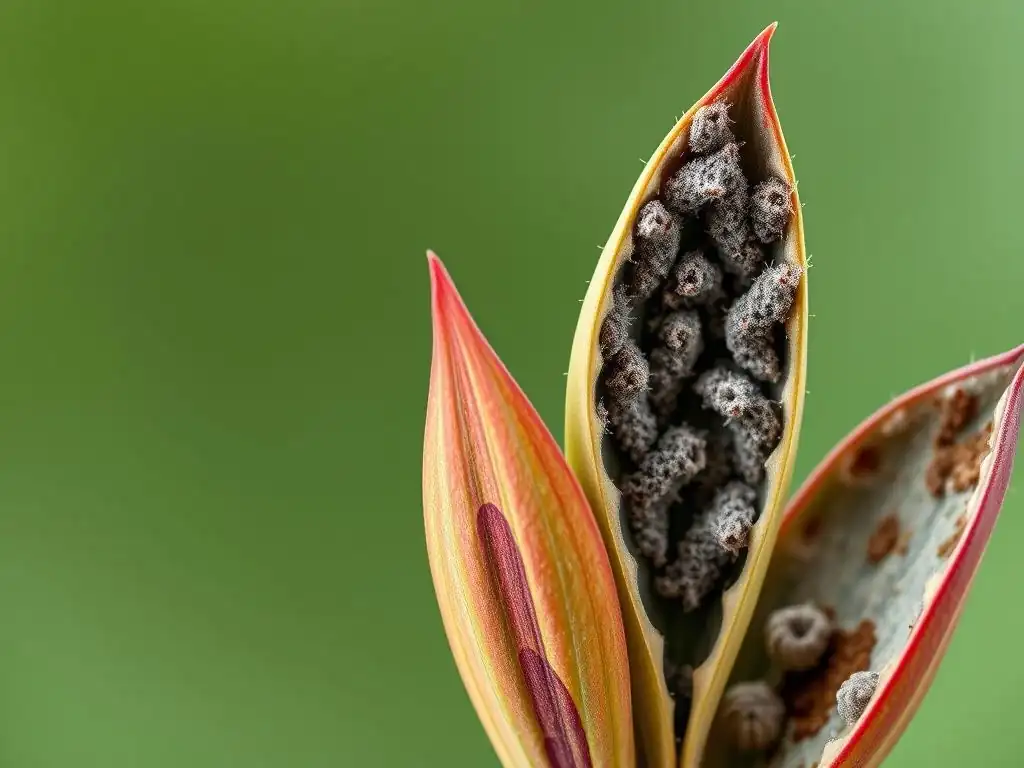
This section delves into advanced treatment strategies for combating fungal infections in succulents, moving beyond basic preventative measures. Effective management requires a multi-pronged approach, combining preventative care with targeted treatments when necessary. Understanding the specific type of fungus affecting your succulents is crucial for selecting the most appropriate intervention. This information should be used in conjunction with careful observation and, if necessary, professional horticultural advice. Remember, early detection is key to successful treatment of succulent fungal infections.
Systemic Fungicides for Succulent Fungal Infections: Application and Safety
Systemic fungicides offer a powerful approach to tackling pervasive fungal infections within a succulent. These fungicides are absorbed into the plant's vascular system, providing internal protection against the pathogen. However, their use requires careful consideration due to potential toxicity. Always follow the manufacturer's instructions precisely, including dosage and application methods. Safety precautions are paramount; wear appropriate personal protective equipment (PPE), including gloves, eye protection, and a mask, during application. Proper ventilation is also crucial to minimize inhalation risks.
Several systemic fungicides are registered for use on ornamentals, and some may be suitable for succulents. However, not all systemic fungicides are created equal. Some are more effective against specific fungal genera than others. For example, certain systemic fungicides are highly effective against Phytophthora species, which cause root rot, while others target foliar fungal infections caused by species like Botrytis. It's essential to identify the specific fungal pathogen to select the most effective systemic fungicide. The concentration of the fungicide solution should be carefully measured using a calibrated measuring device to avoid over-application which could damage the plant.
It's also important to note that repeated or excessive use of systemic fungicides can lead to the development of fungicide-resistant strains. Therefore, it is advisable to rotate fungicides or to integrate systemic treatments with other control methods, such as biological control or cultural practices, for a holistic approach to managing succulent fungal infections. Always check the label for specific succulents allowed and the frequency of application. Improper use can harm the plant or even the user.
Topical Fungicides for Succulent Fungal Infections: Choosing the Right Product
Topical fungicides provide a direct application to the affected areas of the succulent, offering localized control of fungal infections. These products are generally less toxic than systemic fungicides, but their effectiveness depends on thorough coverage of the infected tissue. Choosing the right topical fungicide involves understanding the specific fungal pathogen and the affected plant part.
Several active ingredients are common in topical fungicides for plants, including copper-based fungicides, sulfur-based fungicides, and various other synthetic compounds. Copper fungicides, for example, are broad-spectrum and effective against various fungal pathogens. However, they can be phytotoxic (harmful to plants) at high concentrations or with frequent application.
Sulfur-based fungicides are also effective against many fungal diseases, but they can be less effective in cooler, humid conditions. Always read the product label carefully to understand its target pathogens, application method, and safety precautions. Remember to always test a small, inconspicuous area of your succulent before applying the fungicide to the entire plant, to ensure that it is well tolerated.
The application method also plays a crucial role in the effectiveness of topical fungicides. A fine spray is often preferred for foliar infections, while a paste or drench may be more suitable for stem or root infections. Ensure thorough coverage of the affected areas, paying particular attention to crevices and hidden areas where fungal spores may be hiding. Repeated applications may be necessary depending on the severity of the infection and the specific product used. Regular monitoring of the plant's condition after treatment is essential to assess the effectiveness of the fungicide and to adjust the treatment strategy accordingly.
Biological Control Methods for Fungal Infections in Succulents: Using Beneficial Nematodes, Employing Bacillus subtilis
Biological control offers a more environmentally friendly approach to managing succulent fungal infections by harnessing the power of naturally occurring organisms. This approach focuses on introducing beneficial microbes or nematodes that antagonize the fungal pathogens, reducing their population and limiting their impact on the succulents.
One promising method utilizes beneficial nematodes, microscopic worms that prey on fungal structures in the soil. These nematodes can be applied directly to the soil, where they seek out and consume fungal hyphae (thread-like structures) and sclerotia (hardened fungal structures), effectively reducing the fungal population. However, the effectiveness of nematodes depends on environmental conditions, such as soil moisture and temperature. Optimal conditions are crucial for their survival and activity. The application process requires careful consideration to ensure the nematodes are correctly introduced into the soil and provided with suitable conditions to thrive.
Another effective biological control agent is Bacillus subtilis, a bacterium that produces antifungal compounds. Bacillus subtilis can be applied as a soil drench or foliar spray, inhibiting fungal growth and promoting plant health. The bacterium competes with the fungi for resources, producing antibiotics that directly inhibit fungal growth. It also enhances the plant's natural defenses, making it more resistant to fungal attacks.
The use of Bacillus subtilis is considered a relatively safe and environmentally friendly approach, reducing the need for chemical fungicides. However, the effectiveness of Bacillus subtilis, like other biological control agents, can vary depending on environmental factors and the specific fungal pathogen involved. Therefore, integrated pest management strategies, combining biological control with other methods, are frequently recommended for optimal results.
Effective Strategies for Treating Specific Fungal Infections
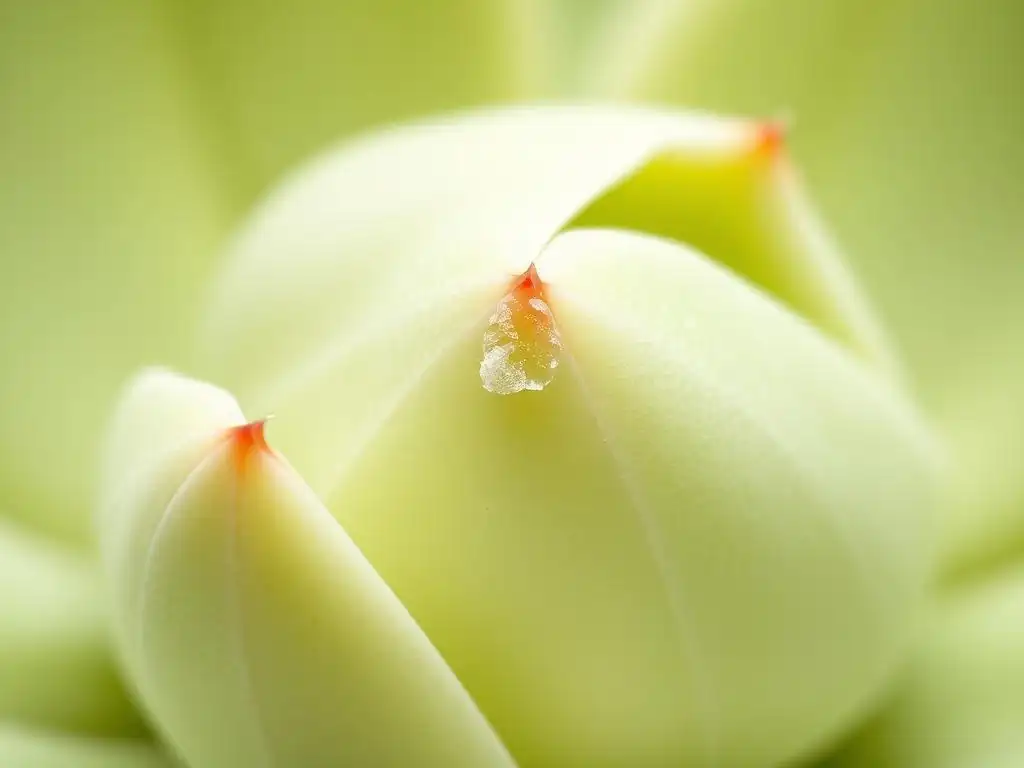
This section delves into advanced techniques for treating common fungal infections in succulents, focusing on practical solutions and preventative measures. Successfully combating these diseases requires a multifaceted approach, combining accurate identification with targeted treatments. Remember, early detection is crucial for successful treatment and minimizing damage to your precious plants. Ignoring early signs of fungal infection can lead to significant plant loss. This detailed guide provides succulent fungal infection treatment options for common problems.
Treating Root Rot in Succulents: Advanced Techniques
Root rot, often caused by Phytophthora or Pythium species, is a devastating fungal infection that affects the succulent's root system. Early symptoms include wilting, even with adequate watering, and a mushy, dark-colored base. Advanced techniques for treating root rot go beyond simply changing the potting mix.
Several steps are crucial:
- Careful Removal and Inspection: Gently remove the succulent from its pot. Carefully examine the roots. Any soft, brown, or mushy roots should be pruned away with clean, sterilized pruning shears. Healthy roots will be firm and light-colored.
- Sterilizing Tools and Pots: Thoroughly disinfect all your tools and pots with a diluted bleach solution (1 part bleach to 9 parts water). Allow to air dry completely before repotting. This prevents re-infection.
- Potting Mix Selection: Use a well-draining potting mix specifically formulated for succulents and cacti. Avoid using garden soil, which retains too much moisture. A good mix will incorporate elements like perlite, pumice, and coarse sand to improve aeration.
- Fungicide Application: While preventative measures are key, a systemic fungicide can be applied to the roots before repotting. Always follow the manufacturer's instructions carefully. Note: Not all fungicides are effective against all fungal pathogens.
- Improved Drainage: Ensure the pot has adequate drainage holes. Avoid overwatering, allowing the soil to dry out completely between waterings. Proper watering is vital for preventing recurrence.
- Monitoring and Observation: After repotting, closely monitor your succulent for any signs of recurring infection. Early detection allows for prompt intervention.
Combating Powdery Mildew on Succulents: Effective Solutions
Powdery mildew, characterized by a white, powdery coating on leaves and stems, is a common fungal infection in succulents. It thrives in humid conditions with poor air circulation. Effective solutions require a multi-pronged approach:
- Improving Air Circulation: Ensure adequate spacing between succulents to promote airflow. Avoid overcrowding, which creates a humid microclimate ideal for fungal growth.
- Targeted Fungicide Application: Several fungicides are effective against powdery mildew. Choose a product specifically designed for succulents, and follow the application instructions diligently. Multiple applications might be necessary.
- Natural Remedies: Some gardeners have found success using a diluted solution of baking soda and water as a natural fungicide. However, the effectiveness can vary depending on the severity of the infection. [Specific data on baking soda solution efficacy pending].
- Pruning Infected Parts: Remove any severely infected leaves or stems to prevent the spread of the disease. Proper disposal of infected plant material is crucial to prevent re-infection.
- Environmental Control: Reduce humidity levels by improving air circulation and avoiding overhead watering. Water at the base of the plant to keep foliage dry.
Eradicating Leaf Spot Diseases in Succulents: Treatment and Prevention
Leaf spot diseases manifest as brown or black spots on succulent leaves. These spots can vary in size and shape depending on the causative fungus. Effective treatment and prevention strategies include:
| Disease | Symptoms | Treatment | Prevention |
|---|---|---|---|
| Alternaria | Small, dark brown spots, concentric rings | Fungicide application, remove affected leaves | Good air circulation, avoid overhead watering |
| Cercospora | Small, dark brown spots, often on older leaves | Fungicide application, remove affected leaves | Good air circulation, avoid overhead watering |
| Phyllosticta | Dark brown or black spots with light centers | Fungicide application, remove affected leaves | Good air circulation, avoid overhead watering |
Effective treatment involves promptly removing infected leaves and applying a broad-spectrum fungicide. Remember to sterilize your pruning tools to prevent the spread of infection. Prevention focuses on maintaining good air circulation, avoiding overhead watering, and ensuring the plants receive adequate sunlight. Regular inspection is key to early detection and successful management of leaf spot diseases. Early intervention is crucial to preventing widespread infection and protecting the health of your succulent collection. 🌱
Advanced Techniques for Succulent Fungal Infection Management
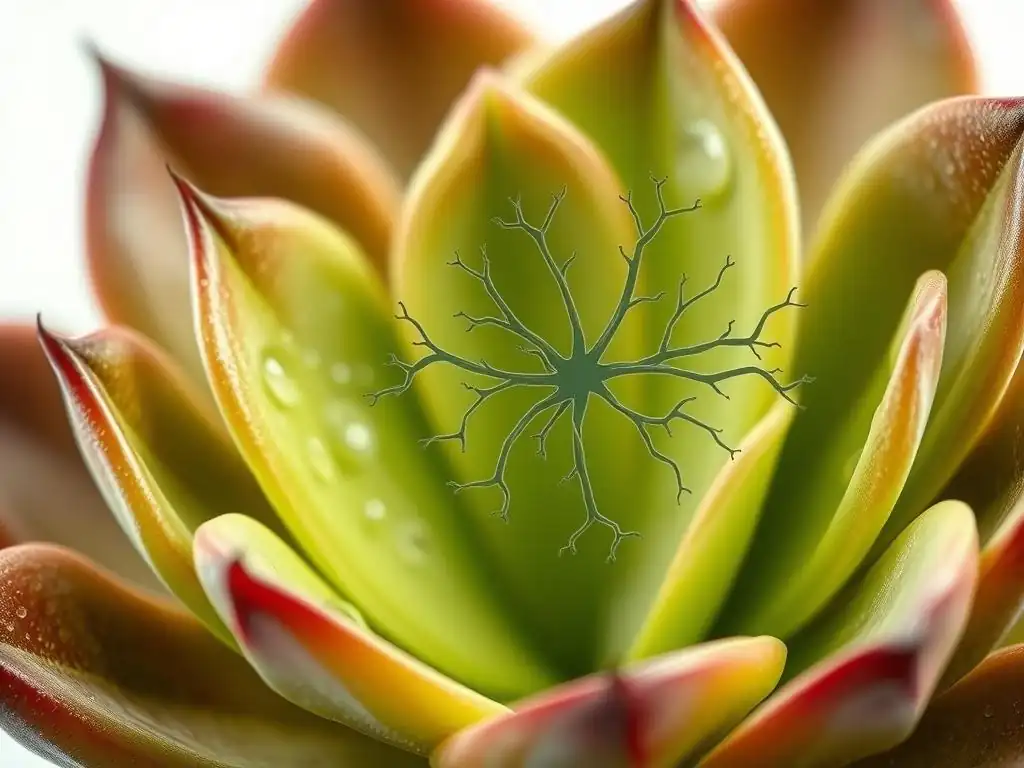
This section delves into sophisticated strategies for managing fungal infections in succulents, moving beyond basic preventative measures. Effective treatment requires a multi-pronged approach combining preventative cultural practices, rigorous sanitation, and vigilant monitoring. Ignoring even minor infections can lead to significant plant loss, so proactive management is crucial for maintaining a healthy succulent collection. This section focuses on advanced techniques to combat succulent fungal infection and minimize its impact.
Cultural Practices for Preventing Succulent Fungal Infections
Preventing succulent fungal infections begins with understanding and manipulating the environmental conditions that foster fungal growth. High humidity, poor air circulation, and overly wet soil are prime culprits. Advanced techniques focus on creating an environment hostile to fungal pathogens while promoting succulent health.
This involves more than simply providing adequate drainage. Consider these advanced cultural practices:
- Strategic Planting: Spacing succulents appropriately ensures good air circulation, reducing humidity around the plants. Overcrowding is a major contributor to fungal outbreaks. Aim for at least an inch of space between individual plants, more for larger varieties. This space allows for better airflow and prevents the spread of fungal spores.
- Controlled Watering: Avoid overhead watering, which can splash spores onto leaves and stems. Instead, water deeply at the base of the plant, allowing the soil to dry thoroughly between waterings. The frequency of watering will depend on the specific succulent species, pot size, and environmental conditions, but the key is to avoid consistently damp soil. Using a moisture meter can provide precise data to inform your watering schedule.
- Optimized Soil Mix: A well-draining soil mix is paramount. Standard potting soil often retains too much moisture. Amend commercial potting mixes with perlite, pumice, or coarse sand to improve drainage and aeration. Experiment with different ratios to find the optimal blend for your specific succulent species and climate. A properly formulated soil mix is a cornerstone of preventing succulent fungal infection.
- Air Circulation: Ensure adequate air circulation around your succulents. This is especially important in enclosed spaces like terrariums or greenhouses. Using fans can help circulate air, reducing humidity and minimizing the risk of fungal growth.
Sanitation and Hygiene Protocols for Preventing Fungal Infections
Maintaining impeccable hygiene is crucial in preventing the spread of fungal infections within a succulent collection. This goes beyond simply cleaning up fallen leaves. Advanced sanitation protocols involve sterilization of tools and meticulous cleaning of pots and surfaces.
Here's a breakdown of advanced sanitation and hygiene practices:
- Sterilization of Tools: Always sterilize pruning shears, knives, and other tools used on succulents before and after each use. A solution of 1 part bleach to 9 parts water is effective, but ensure tools are thoroughly rinsed with clean water afterward to avoid harming your plants. Consider using an alcohol-based disinfectant as a quicker alternative.
- Pot Cleaning: Before repotting succulents or using old pots, thoroughly clean them with soap and water, followed by a bleach solution (as mentioned above). Allow them to dry completely before reuse. This prevents the transfer of fungal spores from infected plants to healthy ones.
- Surface Disinfection: Regularly disinfect surfaces where you work with succulents. This includes benches, tables, and any other areas that may come into contact with plants or soil. Using a diluted bleach solution or a suitable disinfectant spray will help prevent the spread of fungal pathogens.
- Quarantine New Plants: Always quarantine new succulents for at least two weeks before introducing them to your existing collection. This allows you to observe them for any signs of disease before they can potentially infect healthy plants. This is a critical step in preventing the introduction of succulent fungal infection.
Monitoring and Early Detection of Fungal Infections in Succulents
Early detection is key to effective treatment of succulent fungal infections. Regular monitoring allows for prompt intervention, minimizing the damage and preventing the spread of the disease.
Advanced monitoring techniques include:
- Visual Inspection: Regularly inspect your succulents for any signs of fungal infection, such as discoloration, lesions, spots, or mold growth. Pay close attention to the leaves, stems, and roots.
- Microscopic Examination: For a more precise diagnosis, you can use a microscope to examine affected plant tissues. This allows for the identification of specific fungal pathogens, guiding treatment decisions. This advanced technique offers a higher degree of accuracy than visual inspection alone.
- Maintaining Detailed Records: Keep detailed records of your succulent collection, including watering schedules, soil mixes, and any observed symptoms. This helps track the progression of infections and identify potential contributing factors. This information is invaluable for preventative measures and future treatment strategies. This careful record-keeping is a hallmark of advanced succulent fungal infection management.
By implementing these advanced techniques, you can significantly improve your ability to prevent, detect, and manage fungal infections in your succulent collection, ensuring the long-term health and vibrancy of your plants.
When to Seek Professional Help for Succulent Fungal Infections
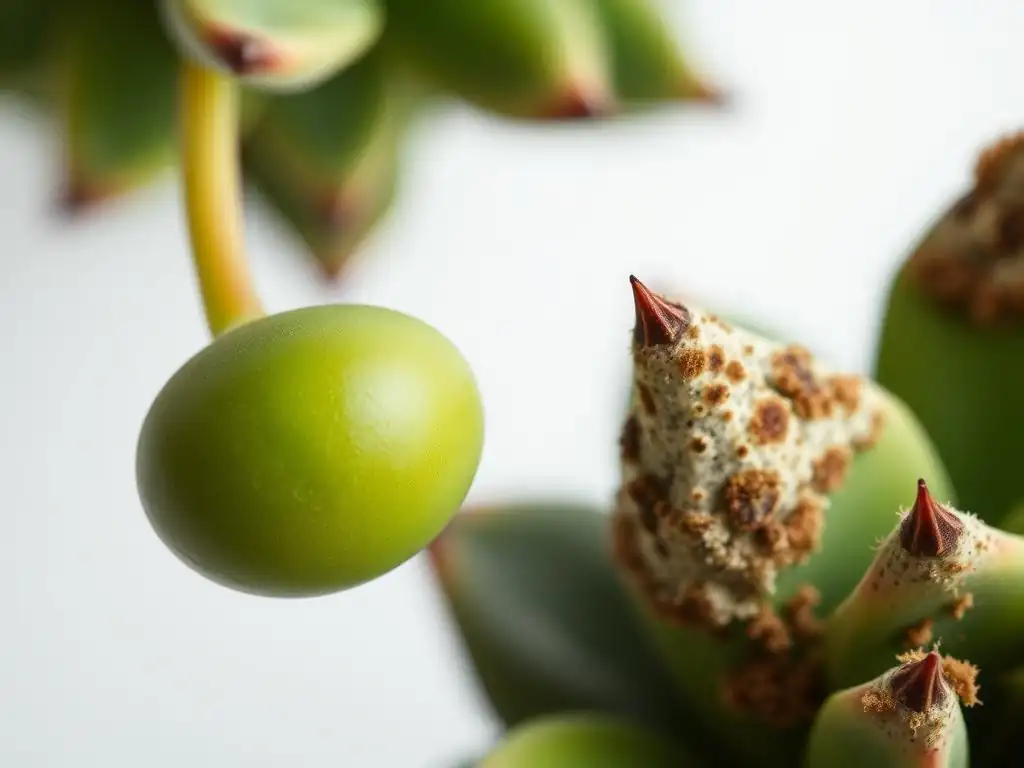
Knowing when to escalate succulent fungal infection treatment from home remedies to professional intervention is crucial for saving your plants. While many minor fungal issues can be managed with DIY solutions, certain situations demand the expertise of a plant pathologist or experienced horticulturalist. Ignoring severe infections can lead to irreversible damage and even the loss of your prized succulents. This section will help you determine when professional help is necessary. Early diagnosis and treatment are key to successful Succulent fungal infection treatment.
Recognizing When Home Remedies Are Insufficient
Home remedies, such as adjusting watering schedules, improving air circulation, and applying diluted fungicides, are effective for managing mild fungal infections. However, several signs indicate the need for professional assistance:
- Rapid Spread: If the fungal infection spreads rapidly despite your home treatment efforts, professional intervention is warranted. Observe the progression closely; if the affected area expands significantly within a few days or weeks, it's time to seek expert help. For instance, if a small spot of powdery mildew suddenly covers an entire leaf or multiple leaves in a short period, don't delay.
- Severe Symptoms: Severe symptoms, such as extensive leaf rot, stem cankers, or complete wilting, necessitate professional intervention. These symptoms indicate a serious underlying issue requiring specialized treatment beyond basic home remedies. A plant pathologist can identify the specific fungus and recommend targeted treatment strategies.
- Unidentified Fungus: If you're unable to identify the type of fungus affecting your succulents, professional help is essential. Accurate identification is vital for effective treatment. Many fungal infections present similar symptoms initially, making accurate diagnosis difficult without specialized knowledge.
- Failure of Home Remedies: If you've diligently applied home remedies for an extended period (at least two weeks) without seeing any improvement, it's a clear indication that more advanced treatment is needed. Persistent fungal infections require stronger fungicides or other professional interventions.
Finding Qualified Experts for Succulent Disease Diagnosis and Treatment
Locating a qualified expert for Succulent fungal infection treatment might require some research. Here's how to find the right professional:
- Local Nurseries and Garden Centers: Many reputable nurseries employ staff with horticultural expertise who can diagnose plant diseases. They may offer advice, treatment options, or even direct you to a plant pathologist.
- University Extension Services: University extension services often provide plant diagnostic services. They usually have experienced plant pathologists who can accurately identify the fungus and recommend appropriate treatment strategies. They often offer testing services for a fee.
- Online Horticultural Communities: Online forums and communities dedicated to succulents can be valuable resources. Experienced succulent enthusiasts can offer advice and point you towards qualified professionals in your area. However, always cross-reference information with a professional source.
- Plant Pathologists: Plant pathologists are specialists in plant diseases. They possess the knowledge and equipment to accurately diagnose fungal infections and recommend tailored treatment plans. Finding a plant pathologist specializing in succulents might require some effort but is highly recommended for complex cases.
Remember, proactive measures are key to successful Succulent fungal infection treatment. Don't hesitate to seek professional help when dealing with severe or persistent fungal infections. Early intervention significantly improves the chances of saving your beloved succulents. 🪴
Long-Term Care and Prevention of Succulent Fungal Infections
Effective management of succulent fungal infections relies heavily on proactive strategies that minimize the risk of infection in the first place. While treating existing infections is crucial, preventing them is even more important for the long-term health and vibrancy of your succulent collection. This section focuses on establishing a robust preventative care regime to safeguard your plants against fungal diseases. Understanding the underlying principles of succulent health and implementing consistent practices is key to minimizing the need for aggressive treatments later. Prevention is, after all, the best cure.
Maintaining Optimal Growing Conditions to Prevent Fungal Diseases
The foundation of preventing succulent fungal infections lies in creating and maintaining optimal growing conditions. Fungi thrive in environments with high humidity, poor air circulation, and consistently damp soil. By adjusting these factors, you significantly reduce the chances of fungal growth.
Here's a breakdown of crucial environmental factors:
- Proper Watering: Overwatering is a leading cause of succulent fungal infections. Ensure your succulents are planted in well-draining soil and water only when the soil is completely dry. Avoid letting water sit in the crown of the plant, as this creates a breeding ground for fungi. The frequency of watering will vary greatly depending on the succulent species, the pot size, and the ambient temperature and humidity.
- Adequate Air Circulation: Good air circulation is essential for preventing fungal growth. Avoid overcrowding your succulents, providing ample space between pots to allow for air movement. Consider using fans in humid environments to improve air circulation around your plants.
- Appropriate Lighting: Sufficient sunlight is vital for succulent health. Lack of sunlight weakens plants, making them more susceptible to fungal infections. Ensure your succulents receive at least 6 hours of sunlight daily, adjusting based on the specific needs of each variety. For indoor succulents, supplemental grow lights might be necessary.
- Soil Composition: Well-draining soil is paramount. A mix of cactus and succulent potting soil, perlite, and coarse sand will ensure adequate drainage and prevent waterlogging. Avoid using garden soil, as it retains too much moisture and is prone to fungal spores.
Implementing a Regular Inspection Schedule for Early Detection
Regular inspections are critical for early detection of fungal infections. Early detection allows for swift intervention, often preventing the infection from spreading and minimizing the damage to your plants. A proactive approach is far more effective than reacting to a full-blown fungal infestation.
Here's a recommended inspection schedule and what to look for:
- Frequency: Inspect your succulents at least once a week, more frequently during periods of high humidity or after watering.
- Visual Inspection: Carefully examine each succulent for signs of fungal infection, including:
- Lesions: Look for discolored spots, often brown or black, on leaves, stems, or roots.
- Powdery Mildew: A white, powdery coating on the plant surface.
- Soft Rot: Mushy or soft areas on the plant, usually accompanied by an unpleasant odor.
- Mold: Visible fuzzy growth on the soil or plant.
- Action: If you detect any signs of fungal infection, immediately isolate the affected plant to prevent the spread of the disease to other succulents.
Choosing Disease-Resistant Succulent Varieties
Selecting disease-resistant succulent varieties is a proactive step towards minimizing the risk of fungal infections. Certain species are naturally more resilient to fungal diseases than others. While no succulent is completely immune, choosing resilient varieties reduces the likelihood of problems.
This requires research into the specific needs and disease resistance of different succulent species. Seek information from reputable sources and experienced succulent growers before selecting new plants for your collection. Some generally considered more resilient varieties include:
- Echeveria: Many Echeveria varieties demonstrate good resistance to common fungal diseases.
- Sedum: Several Sedum species are known for their hardiness.
- Haworthia: Haworthias, with their thick leaves, often exhibit better resistance to fungal infections.
Remember that even disease-resistant varieties can be affected by fungal infections if growing conditions are suboptimal. Consistent preventative care remains essential regardless of the succulent species. Maintaining optimal growing conditions and regular inspections remain crucial for the long-term health of your succulents, even with naturally resistant varieties. 🌱
Frequently Asked Questions
What are the common signs of a succulent fungal infection?
Signs include brown or black spots, mushy or rotting areas, and a generally unhealthy appearance. White or gray powdery mildew may also be present. Early detection is crucial.
How can I prevent fungal infections in my succulents?
Proper watering is key; avoid overwatering and ensure good drainage. Provide adequate air circulation to prevent humidity buildup. Use clean tools and sterile potting mix.
What are some effective home remedies for treating minor fungal infections?
A diluted solution of baking soda and water can sometimes help with mild infections. Removing affected leaves and improving air circulation can also be beneficial. However, severe infections require stronger treatments.
When should I use stronger, chemical treatments for succulent fungal infections?
Use fungicides only when home remedies fail or the infection is severe. Choose a fungicide specifically formulated for succulents and follow label instructions carefully.
Are there any preventative measures I can take beyond proper watering and air circulation?
Yes, ensure your succulents receive sufficient sunlight to prevent weak growth which makes them more susceptible. Also, quarantine new succulents before introducing them to your existing collection to avoid cross-contamination.
Final Reflection: Cultivating a Healthier Future for Your Succulents
The fight against fungal infections in succulents is not merely a horticultural pursuit; it's a crucial aspect of preserving the beauty and biodiversity of these beloved plants. The information presented in this article highlights the escalating threat posed by various fungal pathogens and underscores the importance of early detection and proactive treatment strategies. Ignoring these issues can lead to irreversible damage and the loss of cherished plants, impacting both personal collections and the wider plant community.
The journey of understanding and combating succulent fungal infections is a continuous learning process. It's a testament to the delicate balance within the plant kingdom and our responsibility as caretakers. The impact of these diseases extends beyond the individual plant; the spread of infection can decimate entire collections and even threaten the survival of rare or endangered species. The greatest threat to our planet is the belief that someone else will save it.
– Robert Swan. This quote reminds us that each of us has a role to play in protecting the health of our succulents and the broader environment.
Now, consider your own succulent collection. What steps can you take today to ensure the health and vitality of your plants? Implement the preventative measures and treatment strategies discussed, and remember that vigilance is key. By actively engaging in the care of your succulents, you're not only nurturing individual plants but also contributing to a wider appreciation and understanding of these resilient and captivating organisms. Let's cultivate a healthier future for our succulents, one plant at a time.
Unleash Your Inner Succulent Savior!
Congratulations on delving into the world of succulent fungal infection treatments! You've gained valuable knowledge to keep your succulents healthy and thriving. Ready to put this expertise into practice?
- Prioritize Prevention: Implement preventative measures like improving air circulation, using precise watering techniques, and selecting well-draining soil. These are crucial for preventing future fungal problems.
- Share Your Experiences: Let's build a supportive community! Share your successes and challenges in the comments below. Learning from each other is the best way to expand our collective succulent knowledge.
- Deepen Your Understanding: For more in-depth information on specific fungal infections and their treatments, revisit relevant sections of this article or explore additional resources. This will ensure you're well-equipped to handle any fungal issues that arise.
Ready to transform your succulent care and cultivate a thriving garden?