
The Succulent Guardian: Advanced Strategies to Fortify Your Plants

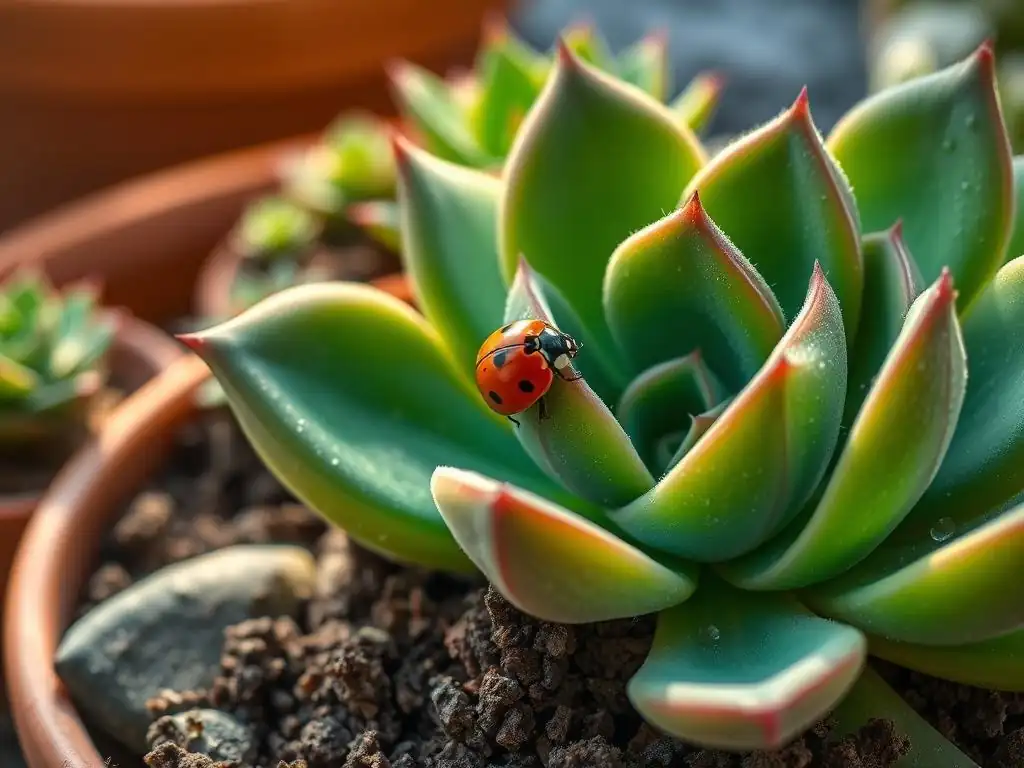
Welcome to SucculentEssentials.org, where the fascinating world of succulents unfolds before you! Are you ready to unlock the secrets to thriving succulent cultivation? Then prepare to delve into the Advanced Succulent Science and Research section, where we tackle crucial topics like protecting succulents from pests. Discover advanced strategies in our article, "The Succulent Guardian: Advanced Strategies to Fortify Your Plants," and learn how to safeguard your precious collection from insidious threats. Prepare to become the ultimate succulent guardian!
- Understanding Common Succulent Pests and Diseases
- Proactive Strategies for Pest and Disease Prevention
- Advanced Techniques for Protecting Your Succulents
- Fortifying Your Succulents for Enhanced Resistance
- Advanced Pest and Disease Management for Specific Succulent Varieties
- Monitoring and Maintaining Plant Health
- When to Seek Professional Help
- Frequently Asked Questions
- Final Reflection: Nurturing Resilience: The Ongoing Journey of Succulent Care
- Unlock Your Succulent's Full Potential!
Understanding Common Succulent Pests and Diseases
Succulents, with their captivating beauty and resilience, are not immune to the threats posed by pests and diseases. While their drought-tolerant nature offers a degree of natural protection, neglecting preventative measures and vigilant monitoring can lead to significant damage or even the loss of your prized plants. This article delves into advanced strategies to fortify your succulent collection against common threats, focusing on early detection and proactive solutions to protect succulents from pests and diseases.
We'll explore the identification of common pests and diseases, the subtle signs indicating infestation or illness, and practical steps to safeguard your succulent garden. Understanding these challenges is the first step towards becoming a true Succulent Guardian. Learning to effectively protect succulents from pests is crucial for long-term success and enjoyment of these fascinating plants.
Identifying Common Succulent Pests: Mealybugs, Aphids, Spider Mites
Mealybugs, aphids, and spider mites are among the most prevalent pests targeting succulents. Their small size and often hidden locations can make early detection difficult, emphasizing the importance of regular, thorough inspections.
Mealybugs, easily recognized by their cottony white masses, typically cluster at the base of leaves or in crevices. They feed on plant sap, weakening the succulent and leaving behind a sticky honeydew that can attract other pests. Aphids, tiny pear-shaped insects, often congregate on new growth, similarly draining plant fluids and producing honeydew. Spider mites, nearly microscopic, create fine webbing on leaves, causing stippling and yellowing as they suck the plant's juices.
A magnifying glass can be invaluable in identifying these minuscule pests. Early intervention, such as manually removing visible pests or using insecticidal soap, is crucial in preventing widespread infestations. Regular monitoring and proactive measures are key to protect succulents from pests like these.
Recognizing Diseases: Root Rot, Powdery Mildew, Crown Rot
Fungal and bacterial diseases can significantly impact succulent health. Root rot, often caused by overwatering and poor drainage, manifests as mushy, dark roots and wilting foliage. Powdery mildew, a fungal infection, presents as a white, powdery coating on leaves, hindering photosynthesis and ultimately weakening the plant. Crown rot, another fungal disease, affects the base of the stem, causing decay and potentially leading to the collapse of the entire plant.
Proper watering techniques, ensuring well-draining soil, and providing adequate air circulation are vital preventative measures. The use of fungicides, when necessary, should be done according to label instructions, ensuring the safety of the plant and the environment. Prevention is always the best approach to protect succulents from diseases.
Early Detection: Signs and Symptoms of Infestation and Disease
Early detection is paramount in effectively managing pest and disease problems. Regularly inspect your succulents for any unusual signs. Look for discoloration, wilting, unusual spots or lesions on leaves, presence of webbing, sticky residues (honeydew), or any unusual growths. Careful examination of the roots during repotting can also reveal signs of root rot.
The use of a magnifying glass will aid in identifying tiny pests like spider mites. Maintaining detailed records of your succulents—including their growth, watering schedules, and any observed changes—can help you quickly identify potential problems and implement timely interventions. Proactive monitoring is the cornerstone of successfully protecting succulents from pests and diseases. Remember, a healthy succulent is a happy succulent!
Proactive Strategies for Pest and Disease Prevention
Protecting your succulents from pests and diseases begins long before you see any signs of infestation or infection. A proactive approach, focusing on preventative measures, is far more effective than reactive treatment. This section details crucial steps to fortify your succulents' defenses and minimize the risk of problems. By implementing these strategies, you'll significantly improve your succulents' resilience and overall health, ensuring they thrive for years to come. Remember, a healthy succulent is far less susceptible to pest and disease issues.
Soil Sterilization and Prevention of Root Rot
Root rot, a common succulent ailment, often stems from poorly drained soil. Sterilizing your soil is a fundamental step in preventing this devastating condition. Several methods effectively eliminate harmful pathogens and improve soil quality for succulent growth.
One effective method involves using a microwave. Place your potting mix in a microwave-safe bowl, ensuring it's not overly compacted. Microwave on high for 1-2 minutes, stirring halfway through. This process heats the soil sufficiently to kill many harmful bacteria and fungi. However, be cautious; overheating can damage the soil's structure.
Alternatively, you can use a conventional oven. Spread your soil thinly on a baking sheet and bake at 200°F (93°C) for approximately 30 minutes. This method provides a more consistent and thorough sterilization. Allow the soil to cool completely before use.
Finally, consider using a commercial soil sterilizer. These products are readily available and offer a convenient way to eliminate pathogens. Always follow the manufacturer's instructions carefully. Proper soil sterilization helps protect your succulents from root rot, a significant threat to their health and survival. Remember to always use well-draining soil to further reduce the risk.
Choosing the Right Potting Mix for Optimal Drainage
The potting mix you choose significantly impacts your succulents' health and resistance to pests and diseases. Poor drainage is a recipe for root rot and other fungal infections. A well-draining mix allows excess water to escape, preventing waterlogged conditions that attract pests and encourage disease.
Avoid using garden soil, as it often retains too much moisture. Instead, opt for a specialized succulent and cactus potting mix. These mixes typically contain perlite, pumice, or coarse sand, which enhance drainage. You can also create your own blend by combining equal parts potting soil, perlite, and coarse sand.
The ideal potting mix should be airy and loose, allowing for good air circulation around the roots. This improves root health and reduces the likelihood of fungal growth. Proper drainage is a cornerstone of succulent care, acting as a crucial defense against many common problems. Always check your soil's drainage before planting; if water sits on the surface for an extended period, it’s a sign you need a better-draining mix.
Maintaining Proper Watering Techniques to Prevent Fungal Growth
Overwatering is a primary cause of fungal diseases in succulents. Fungal infections thrive in moist, humid environments, making proper watering essential for pest and disease prevention. Avoid overwatering by allowing the soil to dry out completely between waterings. Check the soil moisture level by inserting your finger about an inch into the soil. If it feels dry, it's time to water.
Watering frequency depends on several factors, including the plant's size, the pot's size, the type of succulent, and environmental conditions. Smaller pots and smaller succulents will require more frequent watering than larger ones. During the winter months, when succulents are dormant, reduce watering frequency significantly.
Water thoroughly when you do water, ensuring the entire root system is moistened. Avoid getting water on the leaves, as this can lead to fungal growth. Proper watering techniques are crucial for maintaining healthy succulents that are more resistant to pests and diseases. Remember, underwatering is preferable to overwatering when it comes to succulents. Consistent and mindful watering habits are key to protecting your succulent collection.
Advanced Techniques for Protecting Your Succulents
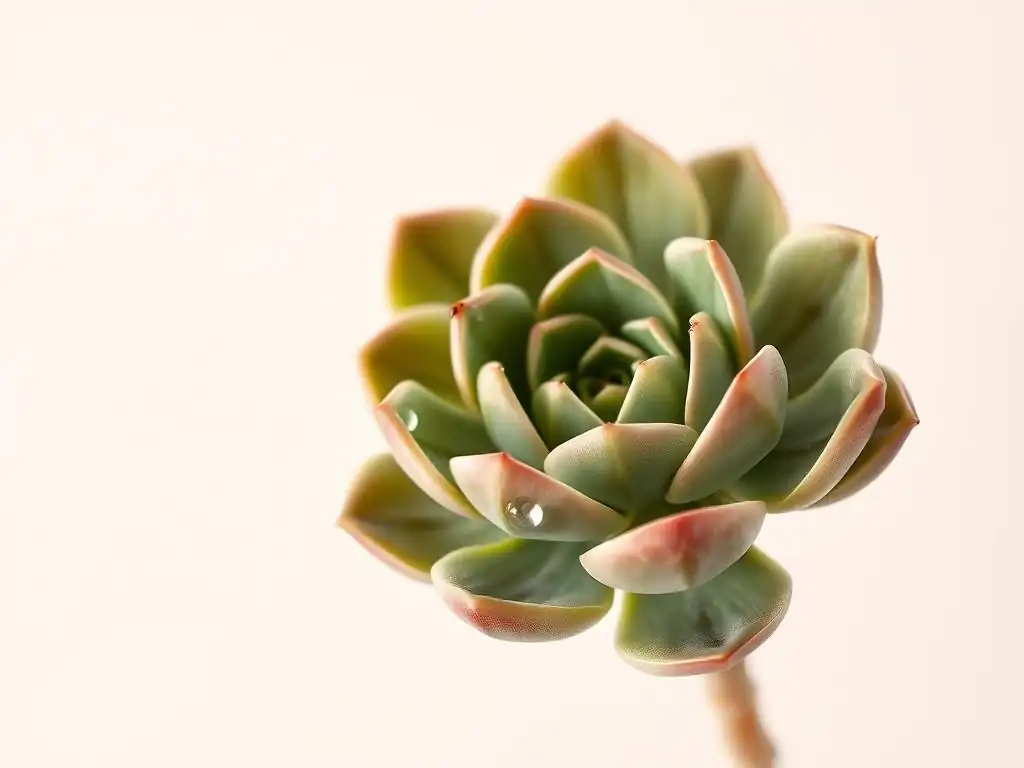
This section delves into sophisticated strategies beyond basic pest control for safeguarding your succulent collection. We'll explore methods that minimize the need for harsh chemicals while maximizing the health and resilience of your plants. Remember, prevention is key, so maintaining optimal growing conditions is paramount before employing any of these advanced techniques. Consistent monitoring for early signs of infestation remains crucial for effective protection.
Biological Control: Introducing Beneficial Insects
Biological control leverages nature's own pest-control mechanisms. Instead of directly combating pests, we introduce beneficial insects that prey on or parasitize common succulent pests. This approach is environmentally friendly and often provides long-term protection.
Several beneficial insects are effective against common succulent pests. For example, ladybugs are voracious eaters of aphids and mealybugs, two frequent invaders of succulent gardens. Similarly, lacewings and their larvae are highly effective predators, targeting a wide range of soft-bodied insects. Praying mantises are larger predators that can control a wider variety of pests, including caterpillars and larger insects.
The successful implementation of biological control requires careful consideration. Introducing beneficial insects requires understanding their specific needs, such as food sources and suitable habitats. Over-application can lead to imbalances in your garden's ecosystem. It's crucial to identify the specific pests affecting your succulents before selecting the appropriate beneficial insect.
For instance, if you're dealing with spider mites, predatory mites might be a more effective solution than ladybugs. Careful observation and research are essential for optimal results. Improper introduction can disrupt the natural balance and cause unintended consequences. Always source beneficial insects from reputable suppliers to avoid introducing unwanted pests or diseases.
Natural Pest Control: Neem Oil, Insecticidal Soap, and Diatomaceous Earth
Natural pest control agents offer a less toxic alternative to chemical pesticides, effectively protecting succulents while minimizing environmental impact. These options are generally safe for humans and pets when used according to instructions, making them ideal for home gardens.
- Neem Oil: Derived from the neem tree, neem oil disrupts the life cycle of many insects, acting as a repellent and insecticide. It's effective against mealybugs, aphids, and spider mites. Always dilute neem oil according to the product instructions; overuse can damage your succulents.
- Insecticidal Soap: This soap solution disrupts the cell membranes of soft-bodied insects, leading to their death. It's effective against aphids, mealybugs, and whiteflies. Apply insecticidal soap directly to infested areas, ensuring thorough coverage. Reapplication may be necessary, especially during periods of active infestation.
- Diatomaceous Earth (DE): DE is a naturally occurring sedimentary rock composed of fossilized diatoms. Its microscopic particles cause physical damage to insects, leading to dehydration and death. DE is effective against a variety of crawling insects, including slugs, snails, and some types of mites. Apply DE as a light dusting around the base of your succulents, avoiding excessive application.
The effectiveness of these natural methods depends on early detection and consistent application. For severe infestations, a combination of these methods may be necessary. Always test a small area of your plant before applying any treatment to the entire plant to ensure there are no adverse reactions. Remember to read and follow the instructions carefully on any product label.
Systemic Treatments: Carefully Considered Use of Chemical Pesticides (When Necessary)
Systemic insecticides are absorbed by the plant, making the plant tissue toxic to pests that feed on it. This method provides long-lasting protection, but its use should be a last resort due to potential environmental and health concerns. It's essential to use these products responsibly and only when absolutely necessary, after exhausting all other options. Always choose the least toxic option available and strictly adhere to label instructions regarding application rates, safety precautions, and environmental considerations.
The use of systemic pesticides requires careful consideration of the potential risks and benefits. Improper use can harm beneficial insects, pollute the environment, and potentially affect human health. Moreover, some pests may develop resistance to systemic insecticides over time, reducing their effectiveness. Before using any systemic pesticide, consult with a horticultural expert to ensure it’s the appropriate choice for your specific situation and to learn about safe application techniques.
Proper disposal of used containers is also crucial to minimize environmental impact. Remember, the goal is to protect your succulents while minimizing harm to the surrounding environment and your own health. Always prioritize preventative measures and less toxic alternatives whenever possible.
Fortifying Your Succulents for Enhanced Resistance
This section delves into advanced strategies to bolster your succulents' natural defenses against pests and diseases, focusing on proactive measures to minimize vulnerability. By understanding and implementing these techniques, you'll significantly improve your succulents' resilience and reduce the need for reactive pest control. Protecting succulents from pests is a multifaceted process, and these methods represent a crucial part of a comprehensive approach.
Nutritional Boost: Fertilizing for Improved Plant Health
A well-nourished succulent is a resilient succulent. Proper fertilization provides the essential nutrients needed for robust growth and strong cell walls, making your plants less susceptible to pest infestations. Avoid over-fertilizing, which can weaken plants and make them more vulnerable. Instead, opt for a balanced, slow-release succulent fertilizer. Aim for a fertilizer with a lower nitrogen content compared to phosphorus and potassium. This ratio encourages strong root development and overall plant health, crucial for pest resistance.
Many succulent enthusiasts find success using a diluted, balanced liquid fertilizer applied every 4-6 weeks during the growing season (spring and summer). Always follow the instructions on the fertilizer packaging carefully. Over-fertilizing can lead to salt buildup in the soil, harming your plants and potentially attracting pests. Remember to flush the soil with clean water every few months to prevent salt accumulation. Observe your plants closely; yellowing leaves might indicate over-fertilization, while pale or stunted growth could point to nutrient deficiency. Adjust your fertilization schedule accordingly. A healthy, vibrant succulent is your best defense against pests.
Stress Reduction Techniques: Proper Sunlight Exposure and Air Circulation
Stress weakens succulents, making them more vulnerable to pests and diseases. Two crucial factors influencing stress levels are sunlight exposure and air circulation. Providing optimal sunlight and good airflow helps prevent many problems.
Sunlight: Most succulents thrive in bright, indirect sunlight. Direct, intense sunlight can scorch their leaves, causing stress. Observe your succulents; if their leaves appear scorched or pale, adjust their location. Too little light, on the other hand, can lead to leggy growth and reduced vigor, increasing vulnerability to pests. Finding the perfect balance is key.
Air Circulation: Good air circulation prevents the buildup of humidity, which can encourage fungal diseases and attract pests. Ensure adequate spacing between your succulents to allow for proper airflow. Avoid overcrowding, which can create a humid microclimate ideal for pest proliferation. A gentle breeze can also help deter some pests. Regularly inspect your plants for signs of pests or diseases, paying close attention to areas with poor air circulation.
Hardening Off: Preparing Succulents for External Environments
If you're transitioning your succulents from indoor cultivation to an outdoor setting, or vice-versa, a gradual process called "hardening off" is essential. Sudden changes in temperature, humidity, and light intensity can stress your plants, making them more susceptible to pests and diseases.
The hardening-off process involves gradually acclimating your succulents to the new environment over a period of several weeks. Start by placing them outdoors for a short period each day, gradually increasing the duration and intensity of exposure. Begin with a few hours of morning sun, then progressively expose them to more sun and wind. Monitor your plants closely for any signs of stress, such as wilting or discoloration.
Adjust the hardening-off schedule as needed. A slow, careful transition significantly reduces the stress on your plants and increases their ability to withstand environmental challenges, improving their resistance to pests and diseases. This proactive approach is crucial for protecting succulents from pests and ensuring their long-term health.
Cultivating Strong Root Systems: Repotting and Root Pruning
Healthy, robust root systems are the cornerstone of pest-resistant succulents. A strong root structure allows your plants to readily absorb water and nutrients, making them less susceptible to stress, a major factor in pest vulnerability. Weak, damaged roots, on the other hand, leave succulents weakened and more easily targeted by insects and diseases. This is why proper repotting and occasional root pruning are crucial preventative measures in protecting succulents from pests.
Repotting allows you to inspect the roots for any signs of rot, damage, or pest infestation. Look for mushy, brown roots, which are indicative of root rot, a common problem that weakens plants and makes them more attractive to pests. Similarly, observe the roots carefully for any signs of tiny insects or their larvae.
Mealybugs, for example, often infest the root systems, slowly sapping the plant’s vitality before manifesting visibly on the leaves. When repotting, use a well-draining succulent potting mix, avoiding heavy soils that retain too much moisture and encourage root rot. A properly draining mix is critical for preventing root problems and thus, protecting your plants from pest infestations.
Root pruning is another valuable technique to encourage a healthy root system. Over time, succulents can develop a dense, tangled root mass. This can restrict water and nutrient uptake, ultimately weakening the plant and making it more vulnerable to pests. Careful root pruning involves removing a portion of the older, thicker roots, encouraging the development of new, healthier roots.
This process should be done gently, using clean, sharp pruning shears to avoid damaging the remaining root structure. It's a delicate operation, but the result is a more vigorous, resilient plant better equipped to withstand pest attacks. Remember to allow the pruned roots to callous slightly before repotting to prevent rot. This crucial step significantly reduces the risk of post-pruning complications and ensures the health and vitality of your succulents.
By regularly assessing and optimizing your succulents' root systems, you're proactively strengthening their defenses against a wide range of pests. This proactive approach is far more effective than simply reacting to an infestation. Think of it as preventative medicine for your succulent collection!
Advanced Pest and Disease Management for Specific Succulent Varieties
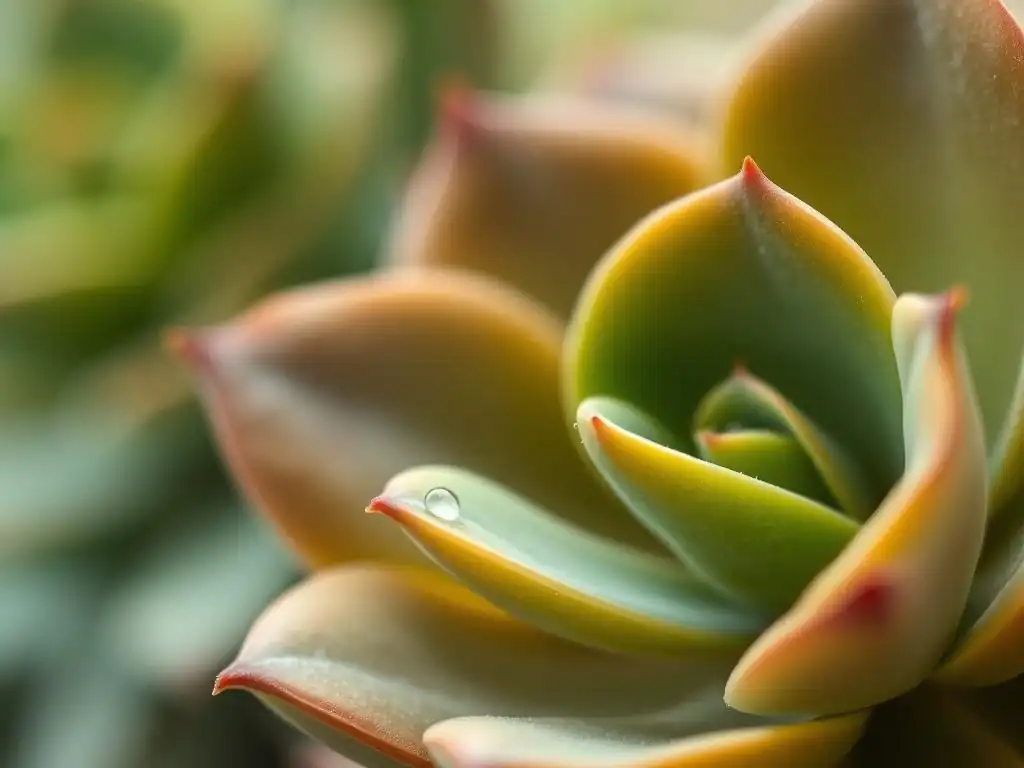
This section delves into tailored pest and disease management strategies for popular succulent varieties. Understanding the specific vulnerabilities of each type allows for proactive protection and effective treatment when problems arise. Remember, early detection is crucial for successful intervention in protecting succulents from pests and diseases. Prevention is always the best approach, but knowing how to react swiftly is equally important.
Echeveria: Pest and Disease Resistance Strategies
Echeverias, with their rosette formations and diverse colors, are beloved by many succulent enthusiasts. However, they are susceptible to certain pests and diseases. Their thick, fleshy leaves are attractive to mealybugs and aphids, while fungal infections can stem from improper watering techniques.
Proper watering is paramount. Echeverias prefer infrequent, deep watering, allowing the soil to dry completely between waterings. Overwatering creates a humid environment, perfect for fungal growth, leading to root rot and other diseases. Signs of root rot include mushy leaves and a foul odor. To combat this, ensure well-draining soil and avoid overhead watering.
Mealybugs, identifiable by their cottony white masses, are best tackled manually. Small infestations can be removed with a cotton swab dipped in rubbing alcohol. For larger infestations, consider using insecticidal soap, always following label instructions carefully. Regular inspection is key to early detection and preventing a large-scale infestation, protecting your succulents from pests.
Aphids, tiny sap-sucking insects, can also infest Echeverias, causing leaf distortion and yellowing. A strong spray of water can dislodge them, but insecticidal soap is a more effective long-term solution. Introducing beneficial insects, such as ladybugs, can provide a natural pest control method.
Sedum: Pest and Disease Resistance Strategies
Sedums, known for their hardiness and drought tolerance, are generally more resistant to pests and diseases than some other succulent varieties. However, they are not entirely immune. They can still be affected by common succulent pests like mealybugs and aphids, as well as fungal issues arising from excessive moisture.
Sedums thrive in well-drained soil and full sun. This environment naturally discourages many pests and fungal diseases. However, overwatering remains a significant risk, potentially leading to stem rot and root rot. Ensure that your planting medium provides excellent drainage, and avoid overhead watering.
Similar to Echeverias, mealybugs and aphids can be managed with manual removal (for small infestations) and insecticidal soap (for larger infestations). Regular inspection, particularly during periods of high humidity, is vital for early detection and swift action, thereby protecting succulents from pests. Maintaining good air circulation around the plants also helps prevent fungal diseases.
Monitoring for signs of fungal infections, like dark spots or discoloration on leaves, is crucial. If detected early, affected leaves can be removed to prevent the spread of the disease. In severe cases, a fungicide may be necessary, but always choose a product specifically designed for succulents and follow the instructions precisely.
Haworthia: Pest and Disease Resistance Strategies
Haworthias, prized for their unique textures and patterns, are relatively resilient but still vulnerable to certain pests and diseases. They are particularly susceptible to root rot from overwatering and mealybugs.
Haworthias, like other succulents, require well-draining soil and infrequent watering. Allow the soil to dry out completely between waterings to prevent root rot, a common issue that can quickly decimate these plants. Ensure proper drainage in your pots to allow for excess water to escape.
Mealybugs are a persistent threat to Haworthias. Their feeding can weaken the plants and lead to unsightly damage. Early detection is key. Regularly inspect your plants for signs of mealybugs, focusing on leaf axils and crevices. Small infestations can be treated manually with a cotton swab dipped in rubbing alcohol. Larger infestations may require insecticidal soap or other targeted treatments. Again, always follow product instructions carefully to protect succulents from pests and avoid harming the plants.
Maintaining a clean and pest-free environment is essential. Regularly inspect your plants and remove any dead or decaying leaves to prevent the spread of diseases. Good air circulation also helps to prevent fungal problems. Proactive care, vigilant monitoring, and appropriate treatment will ensure the health and longevity of your Haworthia collection.
Monitoring and Maintaining Plant Health
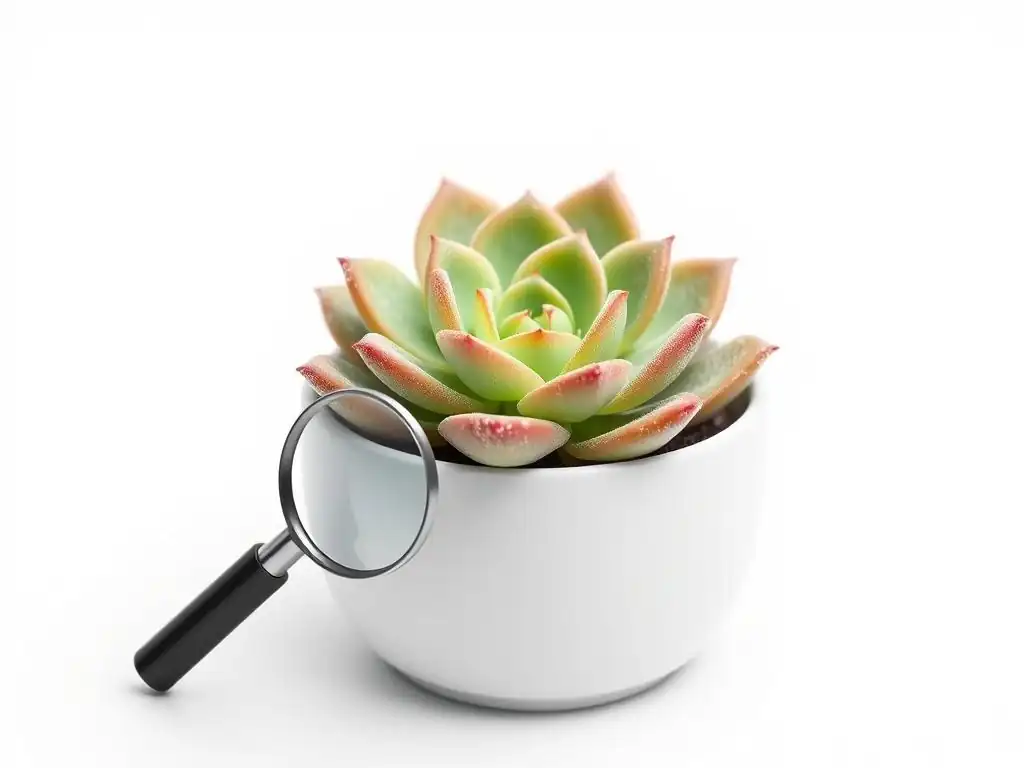
Protecting succulents from pests requires a proactive approach that goes beyond simply reacting to infestations. A robust preventative strategy relies heavily on diligent monitoring and meticulous maintenance of your succulent collection. Early detection is crucial in minimizing damage and preventing widespread infestations. This section details the essential practices for maintaining healthy succulents and keeping pests at bay.
Regular Inspection for Early Detection of Problems
Regular inspection is the cornerstone of effective pest management. Aim for a weekly, thorough examination of each succulent in your collection. Look closely at all parts of the plant: leaves, stems, roots (if potted), and the surrounding soil. Pay particular attention to the undersides of leaves, crevices in stems, and the base of the plant where pests often hide.
Early signs of infestation can be subtle. Look for:
- Unusual discoloration: Browning, yellowing, or spotting that isn't consistent with normal aging or sun exposure.
- Webbing: Fine, silken threads are a clear indication of spider mites.
- Holes or damage: Small holes in leaves or stems suggest chewing insects.
- Sticky residue (honeydew): This sweet substance is excreted by aphids and other sap-sucking insects. It often attracts ants.
- Presence of insects: This is the most obvious sign, but even small numbers should be addressed promptly.
A magnifying glass can be invaluable in detecting tiny pests like mealybugs and spider mites. Regular inspections allow you to address problems early, when treatment is most effective and before significant damage occurs. Remember, a proactive approach to "protect succulents from pests" is far more effective than reactive measures.
Maintaining Sanitation: Cleaning Pots and Tools
Maintaining a clean environment significantly reduces the risk of pest infestations. Cleanliness is paramount in your "protect succulents from pests" strategy. This includes both the pots themselves and the tools you use for handling your succulents.
- Pot Cleaning: When repotting succulents, thoroughly clean the old pots with a solution of warm water and mild soap (avoid harsh chemicals). Scrub the pots well to remove any soil residue that may harbor pests or their eggs. Allow the pots to dry completely before reusing them. Consider sterilizing pots with a diluted bleach solution (1 part bleach to 9 parts water) for particularly stubborn infestations.
- Tool Cleaning: After handling any succulents, clean your tools (pruners, trowels, etc.) with rubbing alcohol or a diluted bleach solution. This prevents the accidental spread of pests from one plant to another. Even seemingly insignificant soil particles can carry unwanted visitors.
Regularly cleaning your workspace and removing fallen leaves and debris also helps prevent pest buildup. This simple sanitation practice contributes significantly to a healthier growing environment for your succulents. Consider it a preventative measure in your overall plan to "protect succulents from pests".
Documenting Plant Health: Tracking Progress and Identifying Trends
Maintaining detailed records of your succulents’ health can prove invaluable in managing pests and diseases. A simple spreadsheet or notebook can be used to track key information for each plant, including:
| Plant Name | Potting Date | Last Watering Date | Pest/Disease Notes | Treatment Applied | Treatment Date | Outcome |
|---|---|---|---|---|---|---|
| Echeveria laui | 2023-10-26 | 2023-11-15 | Suspected mealybugs | Isopropyl alcohol | 2023-11-15 | Apparent success |
| Sedum morganianum | 2023-10-20 | 2023-11-12 | No issues | None | ||
| Haworthia attenuata | 2023-11-05 | 2023-11-20 | Leaf spot | Fungicide | 2023-11-20 | Pending |
This detailed approach allows you to:
- Identify trends: Notice patterns in pest infestations or disease outbreaks. Are certain types of succulents more susceptible? Are there environmental factors contributing to problems?
- Track treatment effectiveness: Monitor the success of your pest control measures. This allows you to refine your strategies over time.
- Make informed decisions: The information gathered will help you make informed decisions about future care and preventative measures. This is critical for a long-term strategy to "protect succulents from pests".
By combining regular inspections, meticulous sanitation, and careful documentation, you'll establish a robust system for protecting your precious succulents from pests and ensuring their long-term health and vitality. Remember, prevention is always better than cure when it comes to succulent care.
When to Seek Professional Help
Protecting your succulents from pests is a crucial aspect of succulent care. While many pest infestations can be managed at home with diligent monitoring and appropriate treatments, some situations demand the expertise of a professional. Knowing when to seek professional help can save your plants from irreparable damage and prevent the spread of infestations to other succulents in your collection.
Recognizing Situations Requiring Expert Intervention
Determining when professional intervention is necessary requires careful observation and an understanding of the limitations of home remedies. Several warning signs indicate that you should contact a succulent specialist:
- Severe Infestations: If you've noticed a widespread infestation that seems beyond your control, despite your best efforts at home treatment, it's time to call in the experts. This might involve a large-scale mealybug infestation covering multiple plants, a significant scale insect population, or a heavy root rot infection. A professional can assess the severity and recommend targeted, potent solutions.
- Unidentified Pests or Diseases: Sometimes, identifying the culprit behind your succulent's distress can be challenging. If you're unable to pinpoint the pest or disease affecting your plants, a specialist can diagnose the problem accurately and prescribe the correct treatment. Misdiagnosis can lead to ineffective treatment and further damage.
- Rare or Valuable Succulents: For rare or expensive succulents, the risk of losing the plant due to improper treatment outweighs the cost of professional help. Professionals possess the knowledge and experience to handle these delicate plants with care and precision.
- Recurring Infestations: If you've repeatedly battled the same pest problem without success, it's a clear sign that a deeper issue might be at play. A professional can investigate the underlying cause of the recurring infestations, such as environmental factors or soil issues, and implement preventative measures.
- Rapid Plant Decline: A sudden and rapid decline in your succulent's health, characterized by wilting, discoloration, or unusual spots, warrants immediate professional attention. This could indicate a severe disease or a pest infestation that requires swift intervention to save the plant.
Remember, early intervention is key to successful pest management. Don't hesitate to seek professional help if you're unsure how to proceed, or if the situation seems beyond your capabilities. Early intervention can significantly improve the chances of saving your beloved succulents. Prevention is always better than cure, and proactive monitoring can help you catch issues early.
Finding Qualified Succulent Specialists in Your Area
Locating a qualified succulent specialist might involve some research, but it's worth the effort to ensure your plants receive the best possible care. Several avenues can help you find the right professional:
- Local nurseries and garden centers: Many nurseries employ horticulturalists or plant experts who can offer advice and potentially even treatment for your succulents. They often have established relationships with local specialists.
- Online searches: Searching online for "succulent specialists near me" or "plant doctors" can reveal local professionals. Check reviews and testimonials to gauge their expertise and reputation.
- University extension programs: Many universities have extension programs offering horticultural advice and resources. They might be able to recommend specialists in your area or offer consultations themselves.
- Succulent societies and clubs: Joining a local succulent society or club provides access to a network of experienced succulent enthusiasts who can offer advice and recommend professionals. This is a great way to connect with like-minded individuals and learn from their experiences.
When contacting potential specialists, be prepared to describe the problem in detail, including photos of the affected plants and any previous treatments you've tried. This information will help them provide a more accurate assessment and develop an effective treatment plan. Choosing the right expert can be the difference between saving your precious succulents and losing them to pests and diseases. Don't underestimate the value of professional help when protecting your succulents.
Frequently Asked Questions
What are the most common succulent pests?
The most common pests include mealybugs, aphids, scale insects, and spider mites. These tiny creatures can quickly infest your succulents, causing significant damage.
How can I prevent succulent pests?
Regular inspection is crucial. Quarantine new succulents before introducing them to your existing collection. Maintain good air circulation to discourage pest infestations.
What are some natural ways to get rid of succulent pests?
Isopropyl alcohol (70% concentration) can be used to dab directly onto pests. Neem oil is another effective natural pesticide. Introduce beneficial insects like ladybugs to your garden.
How do I identify pest damage on my succulents?
Look for unusual discoloration, sticky residue (honeydew), fine webbing, or small insects themselves. Early detection is key for effective treatment.
When should I consider using chemical pesticides on my succulents?
Only use chemical pesticides as a last resort, after trying natural methods. Always follow the instructions carefully and choose products specifically designed for succulents.
Final Reflection: Nurturing Resilience: The Ongoing Journey of Succulent Care
The fight against pests isn't just about saving individual plants; it's about fostering a resilient ecosystem in your home, a microcosm of nature's own intricate defenses. The strategies outlined in this article—from proactive preventative measures to targeted treatments—are crucial not only for protecting your succulents but for understanding the delicate balance required for successful plant guardianship.
The impact of understanding plant health extends far beyond the aesthetic appeal of a thriving collection. It fosters a deeper appreciation for the interconnectedness of life, reminding us that even the smallest organisms play a vital role. The earth laughs in flowers.
– Ralph Waldo Emerson. This quote beautifully encapsulates the joy and responsibility that comes with nurturing life, whether it's a single succulent or a sprawling garden. The knowledge gained in protecting our plants translates to a broader understanding of environmental stewardship and the importance of preventative care in all aspects of life.
Now, consider your own succulents. What steps can you take today to bolster their defenses? Perhaps it's a thorough inspection for early signs of infestation, a shift in your watering routine, or a deeper dive into understanding the specific needs of your chosen varieties. Embrace the challenge, for the journey of nurturing resilient succulents is a rewarding one, filled with learning, growth, and the quiet satisfaction of witnessing life thrive under your care.
Unlock Your Succulent's Full Potential!
Thank you for exploring the world of succulent care! We hope you've gained valuable insights into nurturing your precious plants. Now it's time to put that knowledge into practice.
Here's how you can take the next step:
- Repot your most vulnerable succulent today: Providing it with fresh soil and a suitably sized pot will significantly boost its growth. This is a crucial step towards healthier plants.
- Share your succulent journey—both triumphs and challenges—on our social media pages. We love seeing your beautiful plants and learning from your experiences.
- Explore different propagation methods to expand your collection and share the joy of succulents with friends and family.
Ready to witness the vibrant transformation of your succulent collection? What small step will you take today to further nurture your plants?