
The Succulent Healer: Advanced Treatments for Severe Pest & Disease Infestations

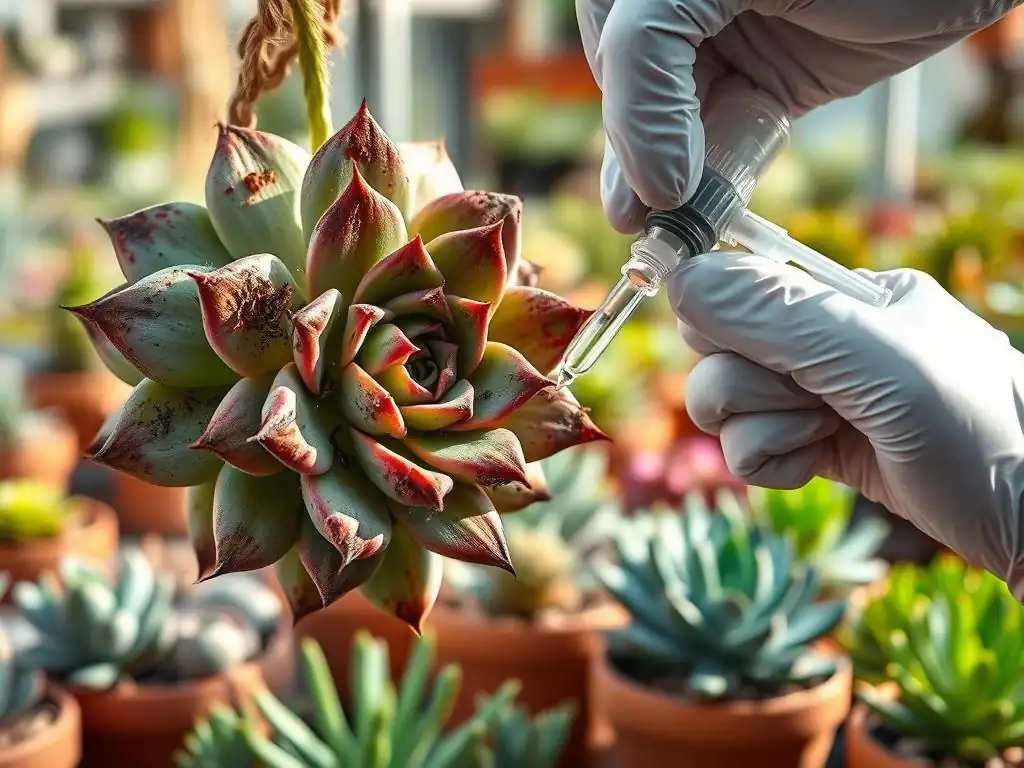
Welcome to SucculentEssentials.org, your gateway to the fascinating world of succulents! Are your beloved plants battling unseen enemies? Dive into our Advanced Succulent Science and Research section and discover the secrets to combating even the most severe pest and disease infestations. Our comprehensive Succulent pest disease treatment guide will equip you with the knowledge to nurse your succulents back to vibrant health. Prepare to unlock the power to heal and revitalize your collection – let's get started!
- Understanding Severe Succulent Infestations: A Comprehensive Guide
-
Advanced Treatment Strategies for Succulent Pests & Diseases
- Systemic Insecticides for Persistent Pest Problems: Application & Safety
- Biological Control Methods: Introducing Beneficial Insects and Nematodes
- Horticultural Oils and Soaps: Effective Natural Pest Control Solutions
- Fungicide Application Techniques for Fungal Diseases in Succulents
- Treating Bacterial Diseases: Prevention and Management Strategies
- Advanced Techniques for Succulent Disease Management
- Preventing Future Infestations: Long-Term Strategies for Healthy Succulents
- Case Studies: Successful Treatments of Severe Succulent Infestations
- Resources and Further Reading: Advanced Succulent Pest & Disease Control
- Frequently Asked Questions
- Final Reflection: Cultivating Resilience in the Face of Adversity
- Unleash Your Succulent's Inner Strength: Revitalize & Protect!
Understanding Severe Succulent Infestations: A Comprehensive Guide
Succulents, with their striking beauty and resilience, are popular additions to homes and gardens worldwide. However, even these hardy plants are susceptible to pest and disease infestations, which, if left unchecked, can severely damage or even kill your beloved specimens. This comprehensive guide delves into advanced treatments for severe succulent pest and disease infestations, providing you with the knowledge and tools to effectively combat these threats and maintain the health and vibrancy of your collection. We will explore identification, diagnosis, and treatment strategies, equipping you to become a proactive succulent healer. This guide serves as your ultimate Succulent pest disease treatment guide, providing detailed information crucial for safeguarding your precious plants. Understanding the intricacies of pest and disease management is key to long-term success in succulent cultivation, ensuring your plants thrive for years to come. This guide focuses on advanced techniques, going beyond basic care to address serious infestations effectively. We'll explore both preventative measures and aggressive treatments for a variety of common issues.
Identifying Common Succulent Pests: Mealybugs, Aphids, Spider Mites & More
Identifying the specific pest plaguing your succulents is the first crucial step in effective treatment. Several common culprits can wreak havoc on your plants, each requiring a slightly different approach. Let's examine some of the most prevalent pests:
- Mealybugs: These tiny, cottony insects often cluster in leaf axils and crevices, sucking plant sap and leaving behind a sticky honeydew. A magnifying glass can help with identification. Their presence often attracts sooty mold.
- Aphids: These small, pear-shaped insects are usually green, black, or brown and gather in colonies on new growth, similarly sucking sap and causing stunted growth.
- Spider Mites: These microscopic arachnids are difficult to spot with the naked eye, but their presence is indicated by fine webbing and stippled, yellowing leaves. Look closely for tiny moving dots.
- Scale Insects: These immobile insects attach themselves to the plant's stems and leaves, creating hard, shell-like coverings. They are often mistaken for part of the plant itself until a closer inspection reveals them.
Early detection is paramount. Regularly inspect your succulents, paying close attention to the undersides of leaves and crevices. A simple visual inspection, combined with the use of a magnifying glass, will significantly improve your chances of early detection. Remember, early intervention dramatically increases the chances of successful treatment and minimizes long-term damage.
Diagnosing Fungal and Bacterial Diseases in Succulents
Beyond pests, fungal and bacterial diseases can severely impact succulent health. Accurate diagnosis is critical for choosing the appropriate treatment. Common symptoms include:
- Root Rot: This often fatal condition manifests as mushy, dark roots and stems, usually caused by overwatering and poor drainage. Affected plants often wilt and become limp.
- Leaf Spot: Characterized by brown or black spots on leaves, this can be caused by various fungi or bacteria. The spots may be small and scattered or large and coalescing.
- Stem Rot: Similar to root rot, stem rot causes the succulent's stem to become soft and discolored. This often progresses rapidly and can lead to plant death.
Careful observation of symptoms, including the appearance of the affected areas and the overall condition of the plant, is vital for determining the underlying cause. In some cases, a sample may need to be sent to a plant pathology lab for definitive identification. Accurate diagnosis is crucial for effective treatment and prevention.
Assessing the Severity of Infestation: Early Detection & Prevention Strategies
The severity of a pest or disease infestation dictates the appropriate course of action. Early detection is key to preventing widespread damage. A mild infestation may respond well to simple measures, such as hand-picking pests or treating with a mild insecticidal soap. However, severe infestations often require more aggressive treatments, such as systemic insecticides or fungicides.
Prevention is always the best strategy. This includes:
- Proper Watering: Avoid overwatering, ensuring good drainage to prevent root rot.
- Quarantine New Plants: Isolate new succulents for a few weeks to prevent the introduction of pests or diseases.
- Hygiene: Regularly clean pots and tools to prevent the spread of pathogens.
- Air Circulation: Ensure good air circulation around your plants to prevent fungal growth.
By implementing these preventive measures and acting promptly when problems arise, you can significantly reduce the risk of severe infestations and maintain the health and beauty of your succulent collection. Remember, proactive care is crucial for the long-term health and vitality of your succulents.
Advanced Treatment Strategies for Succulent Pests & Diseases
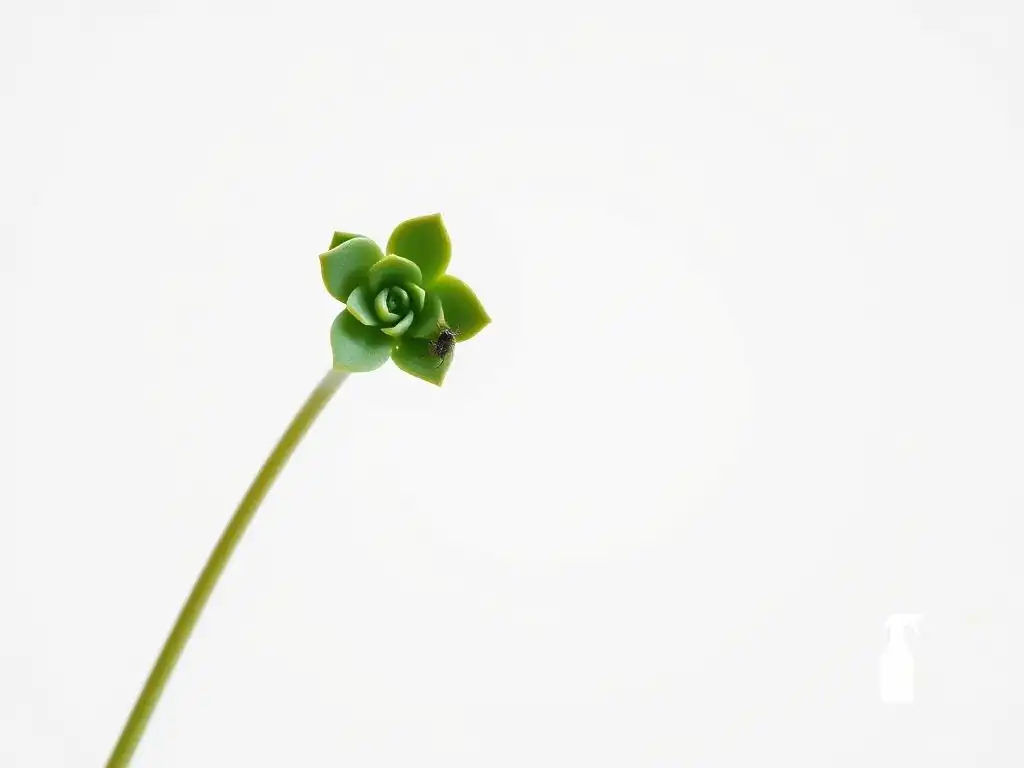
This section delves into advanced techniques for managing severe succulent pest and disease infestations, providing a comprehensive Succulent pest disease treatment guide. These methods are best employed after initial attempts with gentler approaches have proven insufficient. Always prioritize plant health and safety when implementing these strategies.
Systemic Insecticides for Persistent Pest Problems: Application & Safety
Systemic insecticides offer a powerful solution for persistent pest infestations that have resisted topical treatments. These insecticides are absorbed into the plant's vascular system, making them effective against sucking insects like mealybugs, aphids, and scale, which often hide within the plant's tissues. However, their use requires careful consideration due to potential risks.
Several factors must be weighed before using systemic insecticides. Firstly, identification of the pest is crucial. Incorrect identification can lead to ineffective treatment or harm to beneficial insects. Secondly, the severity of the infestation should be assessed. Systemic insecticides should only be considered as a last resort when other methods have failed. Thirdly, the specific insecticide chosen is paramount. Some systemic insecticides are designed for specific pests, while others have a broader spectrum of activity. Always carefully read and follow the label instructions, paying close attention to application rates, safety precautions, and potential environmental impact.
The application method varies depending on the insecticide formulation. Some are applied directly to the soil, allowing the plant to absorb them through its roots. Others may be applied as a foliar spray, ensuring thorough coverage of the plant's foliage. Regardless of the method, it's essential to wear appropriate protective gear, including gloves, eye protection, and a respirator, to minimize exposure. Proper disposal of empty containers is also crucial to prevent environmental contamination.
| Insecticide Type | Target Pests | Application Method | Safety Precautions |
|---|---|---|---|
| Imidacloprid | Aphids, mealybugs, whiteflies | Soil drench, foliar spray | Wear gloves, eye protection, respirator; avoid contact with skin and eyes |
| Dinotefuran | Aphids, thrips, whiteflies | Soil drench, foliar spray | Wear gloves, eye protection, respirator; avoid contact with skin and eyes |
| Acetamiprid | Aphids, whiteflies, leafhoppers | Soil drench, foliar spray | Wear gloves, eye protection, respirator; avoid contact with skin and eyes |
Remember, even with systemic insecticides, monitoring the plant for pest activity is vital. Regular inspections will help detect any resurgence of pests and allow for timely intervention. The responsible and judicious use of systemic insecticides is key to maintaining plant health while minimizing potential risks.
Biological Control Methods: Introducing Beneficial Insects and Nematodes
Biological control offers a more environmentally friendly approach to managing succulent pests. This method involves introducing beneficial insects or nematodes that prey on or parasitize harmful pests. This natural control reduces reliance on chemical pesticides, promoting a healthier ecosystem within and around your succulent collection.
Several beneficial insects are effective against common succulent pests. For example, ladybugs are voracious predators of aphids and mealybugs. Lacewings and their larvae also feed on aphids, while certain parasitic wasps target specific pest species. Nematodes, microscopic worms, are particularly effective against soil-dwelling pests like fungus gnats. The success of biological control depends on selecting the appropriate beneficial organism for the specific pest problem and ensuring suitable environmental conditions for their survival and reproduction. Overcrowding or unsuitable conditions can hinder their effectiveness.
The introduction of beneficial insects or nematodes requires careful planning. It's important to identify the target pest accurately to select the most appropriate biological control agent. Consider the size and health of your plants and the environmental conditions in your growing area. Improper application or unsuitable environmental conditions can reduce the efficacy of the biological control agents. Furthermore, the timing of introduction is crucial; introducing beneficial insects when pest populations are low may not yield significant results.
Horticultural Oils and Soaps: Effective Natural Pest Control Solutions
Horticultural oils and insecticidal soaps provide effective, relatively low-risk options for controlling a range of succulent pests. These natural solutions work by suffocating or disrupting the pests' life cycles, offering a gentler approach compared to systemic insecticides. They are particularly effective against soft-bodied insects such as mealybugs, aphids, and spider mites.
Horticultural oils, often derived from petroleum or plant sources, coat the insects, preventing them from breathing and feeding. Insecticidal soaps, typically based on potassium salts of fatty acids, disrupt the cell membranes of insects, leading to dehydration and death. Both are relatively safe for plants and beneficial insects when used correctly, though they may require repeated applications to achieve complete pest control.
Always test a small area of the plant before applying the product to the entire plant to ensure there are no adverse reactions. Avoid applying oils or soaps during hot, sunny periods to prevent plant damage. Proper dilution according to product instructions is crucial; over-concentration can harm your succulents.
The application of horticultural oils and soaps usually involves thorough spraying, ensuring that all affected areas of the plant are covered. Repeated applications at intervals specified on the product label are often necessary for effective control, especially for persistent infestations. Regular monitoring is essential to track pest populations and determine the need for further treatment. The effectiveness of these methods can be enhanced by combining them with other pest management strategies, such as physical removal of pests and improved plant hygiene.
Fungicide Application Techniques for Fungal Diseases in Succulents
Fungal diseases, such as root rot and powdery mildew, are common threats to succulents. Effective treatment requires a precise and careful approach to fungicide application. Ignoring proper techniques can lead to ineffective treatment or even damage to your plants. Let's explore the best practices.
First, accurate identification is crucial. Different fungi respond differently to various fungicides. Misidentifying the disease can lead to wasted effort and potential harm to your succulent. Consult reliable resources, including experienced succulent growers or online databases with detailed images, to ensure correct diagnosis before applying any treatment. This step is paramount in successful succulent pest disease treatment.
Next, choose the right fungicide. Several fungicides are effective against common succulent fungal diseases. Always read and follow the label instructions carefully, paying close attention to the recommended dosage and application methods. Some fungicides are systemic, meaning they're absorbed by the plant and offer broader protection, while others are contact fungicides, requiring more thorough coverage of the affected areas. Consider the severity of the infection when making your choice. For minor infestations, a contact fungicide might suffice; for severe cases, a systemic option might be necessary.
The application method also plays a crucial role. For powdery mildew, a fine mist spray is often effective, ensuring thorough coverage of the affected leaves. For root rot, a soil drench might be necessary, applying the fungicide directly to the soil around the plant's roots. Always avoid overwatering after application, as excessive moisture can hinder the fungicide's effectiveness and potentially worsen the fungal infection. Remember, prevention is key! Good air circulation and avoiding overhead watering can significantly reduce the risk of fungal diseases.
Finally, monitor your plants closely after treatment. Regularly inspect your succulents for signs of improvement or further infection. If the disease persists or worsens, you may need to adjust your treatment strategy or consult a horticultural expert for further guidance. Remember, patience and persistence are key to successfully combating fungal diseases in your succulent collection. Consistent monitoring is a critical part of any effective succulent pest disease treatment guide.
Treating Bacterial Diseases: Prevention and Management Strategies
Bacterial diseases in succulents, while less common than fungal diseases, can be equally devastating. They often manifest as soft, mushy spots on leaves or stems, sometimes accompanied by a foul odor. Effective management requires a multifaceted approach combining preventative measures and targeted treatments when necessary.
Prevention is the cornerstone of managing bacterial diseases. Maintaining optimal growing conditions is paramount. This includes providing well-draining soil to prevent waterlogging, ensuring adequate air circulation to prevent humidity buildup, and using sterile tools and pots to avoid cross-contamination. Proper sanitation is crucial in preventing the spread of bacterial infections.
When a bacterial infection does occur, early detection is key. Regularly inspect your succulents for any unusual discoloration, wilting, or unusual odors. Early intervention significantly increases the chances of successful treatment. Unfortunately, once a bacterial infection is established, treatment options are limited. There aren't many effective bactericides available for home use that are safe for succulents.
In cases of severe infection, removal of affected parts is often the most effective strategy. Carefully remove all affected leaves or stems using clean, sterilized tools. Dispose of the removed plant parts properly to prevent the spread of the disease. This process, while sometimes drastic, is essential to contain the infection and protect the rest of the plant. Always sterilize your tools after each pruning to avoid cross-contamination. This will contribute towards a comprehensive succulent pest disease treatment guide.
While chemical treatments are limited, improving plant health is crucial. Ensure your succulents receive adequate sunlight, water, and nutrients. Healthy plants are naturally more resistant to disease. Supporting the plant's immune system is a vital component of successful management. This integrated approach combines preventative measures with decisive action to minimize the impact of bacterial infections.
Advanced Techniques for Succulent Disease Management
This section delves into advanced strategies for managing succulent diseases, moving beyond basic preventative measures. We'll explore techniques that are crucial when dealing with severe infestations requiring more intensive intervention. This guide focuses on practical applications and detailed steps, assuming a foundational understanding of common succulent pests and diseases. Remember, early detection is key to successful treatment; the information here is most effective when applied to already-diagnosed problems. Effective succulent pest disease treatment requires vigilance and a multifaceted approach.
Cultural Practices for Disease Prevention: Soil, Watering, and Hygiene
Maintaining optimal growing conditions is paramount in preventing succulent diseases. Proper soil composition, watering techniques, and diligent hygiene practices form the cornerstone of a robust disease-resistance strategy. Let's examine each crucial element in detail.
Proper soil drainage is crucial. Succulents are prone to root rot if their roots sit in consistently wet soil. A well-draining potting mix, ideally a blend of inorganic materials like perlite, pumice, and coarse sand with a small amount of organic matter, is essential. Avoid heavy clay soils that retain too much moisture. Always check the soil moisture before watering, ensuring it's completely dry to the touch before providing additional water. Overwatering is a major contributor to fungal diseases and bacterial infections.
Furthermore, maintaining impeccable hygiene is vital. Sterilize your tools (pruning shears, pots, etc.) between each use with a 10% bleach solution (1 part bleach to 9 parts water) or isopropyl alcohol (70% concentration). This simple step prevents cross-contamination between healthy and infected plants. Regularly inspect your succulents for any signs of pests or diseases. Early detection allows for timely intervention and limits the spread of infection. Remember to wash your hands thoroughly before and after handling your succulents to avoid inadvertently transferring pathogens.
Quarantine and Isolation of Infected Plants: Preventing Cross-Contamination
When a succulent shows signs of infestation, immediate quarantine is crucial. Isolate the affected plant from healthy ones to prevent the spread of disease or pests. This involves placing the infected succulent in a separate area, ideally a room or greenhouse, away from other plants. This isolation minimizes the risk of cross-contamination through airborne spores, insects, or contaminated tools.
The quarantine period should last until the infestation is completely eradicated and the plant shows clear signs of recovery. This could range from several weeks to several months depending on the severity of the infestation and the type of pest or disease. Regular monitoring is essential during this period. Observe the plant closely for any signs of improvement or further deterioration. If the infestation worsens despite treatment, consider discarding the plant to avoid further complications. This drastic measure is sometimes necessary to protect the health of your entire succulent collection.
Pruning and Sanitation: Removing Infected Plant Material
Pruning and sanitation are essential steps in treating severe infestations. For fungal diseases, removing infected leaves or stems is crucial to prevent further spread. Use sterilized pruning shears to cut away the affected plant parts, taking care to cut well below the infected area. Discard the removed material carefully, ideally by bagging it and disposing of it in the trash. Do not compost infected plant material, as this could spread the disease.
For pest infestations, removing heavily infested areas can significantly reduce the pest population. In severe cases, you might need to prune back a significant portion of the plant. While this might seem drastic, it's often necessary to save the plant's life. Remember to sterilize your tools before and after each pruning session to avoid spreading the infestation. After pruning, carefully monitor the plant for any signs of regrowth and continue treatment as necessary. This diligent approach ensures the plant's survival and prevents the reoccurrence of the infestation.
Rehabilitation of Severely Infected Succulents: Recovery and Care
Rehabilitating severely infected succulents requires patience, precision, and a keen eye for detail. The success rate depends heavily on the extent of the damage and the specific pest or disease involved. Early intervention is crucial, but even with advanced infections, recovery is possible with the right approach. This process often involves several stages, each requiring careful monitoring and adjustment based on the plant's response.
First, isolate the affected succulent immediately. This prevents the spread of the infestation to healthy plants. Quarantine the succulent in a well-ventilated area, away from other succulents, to minimize cross-contamination. Thorough cleaning of the surrounding area is also essential to remove any lingering pests or spores. This includes sterilizing any pots, tools, or surfaces that may have come into contact with the infected plant. You can use a diluted bleach solution (1 part bleach to 9 parts water) for this purpose, ensuring thorough rinsing afterward.
Next, carefully assess the extent of the damage. This involves a meticulous examination of the roots, stems, and leaves for signs of decay, discoloration, or pest activity. Take note of the type and severity of the infestation. For example, a severe root rot might require a more aggressive approach than a mild infestation of mealybugs. Photos can be helpful in tracking the progression of the treatment and sharing observations with other succulent enthusiasts or experts. Remember to always wear gloves when handling infected succulents to protect yourself from potential pathogens.
The treatment itself will vary depending on the diagnosis. This may involve removing severely affected parts of the plant with sterilized tools. For root rot, repotting in fresh, well-draining soil is often necessary. In this case, gently remove the succulent from its pot, carefully wash the roots to remove infected soil, and trim away any mushy or discolored roots.
Allow the roots to callus before repotting in fresh, sterile soil. For fungal infections, fungicides may be necessary, but always choose a product specifically formulated for succulents and follow the instructions carefully. Similarly, insecticidal soaps or neem oil can be effective against many common succulent pests. Always test any treatment on a small, inconspicuous area first to ensure it doesn't cause further damage.
Post-treatment care is equally crucial. This includes providing the succulent with optimal growing conditions, such as adequate sunlight (but avoiding scorching), proper watering (avoiding overwatering), and good air circulation. Regularly monitor the plant for signs of improvement or recurrence of the infestation. Be patient; the recovery process can take several weeks or even months, depending on the severity of the infection and the plant's resilience.
Remember, consistent observation and timely adjustments are key to successful rehabilitation. Documenting your process, including the type of infestation, treatment methods, and the plant's response, will help you refine your techniques and improve your success rate in future encounters with succulent pest and disease issues. This detailed record-keeping contributes to a comprehensive succulent pest disease treatment guide for future reference.
Preventing Future Infestations: Long-Term Strategies for Healthy Succulents
Preventing succulent pest and disease infestations relies heavily on proactive measures. A robust preventative strategy is far more effective and less stressful than dealing with a full-blown infestation. Think of it as preventative medicine for your succulents – much better than emergency care! This section details key strategies to minimize the risk of future problems and cultivate a thriving succulent collection. This is crucial for anyone serious about achieving long-term success with succulent cultivation, and is a key part of any comprehensive succulent pest disease treatment guide.
Maintaining Optimal Growing Conditions: Light, Temperature, and Humidity
Optimal growing conditions are the cornerstone of succulent health. Stressed succulents are far more vulnerable to pests and diseases. Providing the right balance of light, temperature, and humidity dramatically reduces susceptibility.
Succulents, generally, thrive in bright, indirect light. Direct, intense sunlight can scorch their leaves, weakening them and making them more prone to infection. Conversely, insufficient light leads to etiolation (leggy growth) and weakens the plant's overall structure, increasing vulnerability. Aim for at least six hours of bright, indirect light daily. Monitor your succulents carefully; adjustments might be necessary depending on the season and your specific location.
Temperature fluctuations can also stress succulents. While they tolerate a wide range, extreme heat or cold can weaken them. Ideally, maintain temperatures between 65-80°F (18-27°C) during the growing season. During dormancy (winter), slightly cooler temperatures are beneficial.
High humidity is generally detrimental to succulents, promoting fungal growth. Ensure good air circulation around your plants to prevent humidity buildup. Avoid overhead watering, which can lead to fungal infections. Instead, water thoroughly at the base of the plant, allowing the soil to dry completely between waterings. This careful watering practice is an essential element of any effective succulent pest disease treatment guide.
Implementing a Regular Inspection Schedule: Early Detection is Key
Regular inspection is arguably the most crucial preventative measure. Early detection of pests or diseases significantly increases the chances of successful treatment and prevents widespread infestation. A weekly inspection is recommended, particularly during the growing season.
During your inspection, carefully examine each succulent for any signs of infestation:
- Visual Inspection: Look for discoloration, wilting, unusual spots, holes in leaves, webbing, or the presence of insects themselves.
- Tactile Inspection: Gently touch the leaves to check for unusual textures or the presence of pests.
- Soil Examination: Check the soil for signs of pests or fungal growth.
Early detection allows for prompt intervention, minimizing the damage and preventing the spread of infestations. A consistent inspection routine is a cornerstone of successful long-term succulent care and is a vital component of any thorough succulent pest disease treatment guide. Don't underestimate the power of this simple, yet incredibly effective, practice.
Choosing Disease-Resistant Succulent Varieties: Building a Resilient Collection
Not all succulents are created equal when it comes to disease resistance. Some varieties are naturally more resilient to common pests and diseases than others. Building a collection with a focus on these hardy varieties significantly reduces the overall risk of infestation.
Researching the specific disease resistance of different succulent species before purchasing is a wise investment of time. Look for information on their susceptibility to common pests like mealybugs, aphids, and scale insects, as well as fungal diseases such as root rot and powdery mildew.
Selecting disease-resistant varieties is a long-term preventative strategy that significantly reduces the need for intensive treatment and contributes to a healthier and more robust succulent collection. This proactive approach is a critical aspect of any comprehensive succulent pest disease treatment guide. By choosing wisely, you can significantly reduce the workload and stress associated with succulent care.
Creating a Healthy Soil Mix: Proper Drainage and Aeration
Proper soil composition is paramount in preventing succulent pest and disease infestations. A well-draining, aerated soil mix is crucial because it prevents the waterlogging that fosters fungal growth and attracts pests seeking moist environments. Many succulent diseases thrive in consistently damp conditions, making good drainage a primary defense. Conversely, poor drainage leads to root rot, weakening your succulents and making them highly susceptible to infestations.
The ideal soil mix should consist of a blend that promotes both drainage and moisture retention. A common recipe involves combining equal parts of well-draining components such as perlite, pumice, coarse sand, and potting soil. The ratio can be adjusted depending on your specific climate and succulent type. For instance, succulents in drier climates might benefit from a higher percentage of inorganic components like perlite to ensure rapid water drainage. Conversely, those in more humid areas may require a slightly higher proportion of potting soil to retain some moisture.
Remember to avoid using garden soil directly, as it tends to be too dense and retain too much water, creating a breeding ground for pathogens. The addition of organic matter, such as coco coir, in moderation, can improve soil structure and water retention, but it's crucial to maintain the overall drainage capabilities of the mix. Overly rich soil can encourage lush, succulent growth that is more vulnerable to pests and diseases.
The goal is a balance – a soil that provides adequate nutrients while preventing water stagnation. Regularly checking your soil for compaction is essential, and repotting your succulents every 1-2 years with fresh, well-draining soil is a preventative measure that significantly reduces the risk of future infestations. This simple practice, coupled with careful watering techniques, acts as a robust first line of defense against many common succulent ailments.
Case Studies: Successful Treatments of Severe Succulent Infestations
This section details successful treatments of severe succulent pest and disease infestations, providing practical examples to guide your own efforts in succulent pest disease treatment. Remember, early detection is key to preventing widespread damage. These case studies illustrate the importance of swift and decisive action when dealing with significant infestations. Each case highlights different approaches tailored to the specific succulent and the nature of the infestation. This information supplements a comprehensive succulent pest disease treatment guide, providing real-world applications of established methods.
Case Study 1: Recovering a severely mealybug-infested Echeveria
An Echeveria 'Perle von Nürnberg', a prized succulent known for its beautiful rosette, was discovered to be severely infested with mealybugs. These tiny, cottony insects had colonized the plant's leaves, stems, and even crept into the leaf axils. The infestation was so severe that the plant exhibited significant leaf discoloration and wilting.
The treatment plan involved a multi-pronged approach:
- Manual Removal: Initially, all visible mealybugs were painstakingly removed using a cotton swab dipped in isopropyl alcohol (70%). This was crucial for reducing the initial population. This step alone, while time-consuming, significantly improved the plant's condition.
- Systemic Insecticide: Following manual removal, a systemic insecticide specifically designed for succulents was applied according to the manufacturer's instructions. This ensured that the insecticide reached the mealybugs hidden within the plant. We opted for a product with a low toxicity profile to minimize harm to the plant.
- Quarantine: The affected Echeveria was immediately quarantined to prevent the spread of mealybugs to other succulents in the collection. This involved placing it in a separate area, away from other plants.
- Monitoring and Follow-up: The plant was carefully monitored for several weeks. Further applications of the systemic insecticide were made as needed, following the product label instructions carefully. The plant gradually recovered its vigor, and new, healthy growth emerged.
The success of this treatment highlights the effectiveness of a combined approach, combining diligent manual removal with a targeted systemic insecticide. The quarantine step was also crucial in preventing the infestation from spreading.
Case Study 2: Eradicating a fungal blight from a large collection of Haworthias
A large collection of Haworthias was suddenly affected by a severe fungal blight. The symptoms included dark lesions on the leaves, accompanied by a soft, rotting texture. The rapid spread of the blight threatened the entire collection.
The treatment protocol in this case involved a different strategy:
- Identification: Accurate identification of the specific fungus was crucial. This involved examining the affected leaves under a microscope and consulting with a plant pathology expert. This step ensured that the correct treatment was applied.
- Removal of Affected Parts: All severely affected leaves and plant parts were immediately removed and disposed of properly. This action helped limit the spread of the fungus. Sterilized tools were used to prevent cross-contamination.
- Fungicide Application: A broad-spectrum fungicide, suitable for succulents and specifically targeting the identified fungus, was applied according to the label's instructions. Multiple applications were necessary, spaced out over several weeks.
- Improved Air Circulation: Improving air circulation around the Haworthias was critical. This reduced humidity, which favored the fungus's growth. The plants were rearranged to ensure adequate spacing.
- Prevention: As a preventative measure, the entire collection was treated with a preventative fungicide to minimize the risk of future outbreaks.
This case study illustrates the importance of accurate diagnosis and the need for a targeted fungicide application. The improvement in air circulation played a significant role in preventing further spread. This comprehensive approach successfully eradicated the blight, saving the majority of the Haworthia collection.
Case Study 3: Successful treatment of bacterial leaf spot in Sedum
A collection of Sedum plants developed bacterial leaf spot, characterized by small, water-soaked lesions on the leaves that gradually enlarged and turned brown. The disease threatened to severely impact the aesthetic appeal of the plants.
The treatment plan focused on preventing further spread and supporting the plant's natural defenses:
- Isolation: Affected Sedum plants were immediately isolated to prevent the spread of the bacteria to other plants. This is crucial in managing bacterial infections.
- Removal of Infected Leaves: All leaves exhibiting symptoms of bacterial leaf spot were promptly removed and disposed of. Sterile pruning shears were used to prevent contamination.
- Copper-based Bactericide: A copper-based bactericide, commonly used for controlling bacterial diseases in plants, was applied according to label instructions. This treatment helped control the bacterial infection.
- Improved Growing Conditions: The growing conditions were reviewed and adjusted to promote plant health. This included ensuring adequate sunlight, proper watering, and well-draining soil. Stronger plants are better equipped to fight off bacterial infections.
- Monitoring and Prevention: Regular monitoring was conducted to detect any recurrence of the bacterial leaf spot. Preventative measures, including proper sanitation and avoiding overhead watering, were implemented to reduce the risk of future outbreaks.
This case study demonstrates that a combination of sanitation, targeted bactericide application, and improved growing conditions can effectively manage bacterial leaf spot in Sedums. The focus on preventing further spread and boosting plant health was vital to the successful treatment. The use of a copper-based bactericide proved effective, highlighting the importance of choosing the right treatment for the specific pathogen.
Resources and Further Reading: Advanced Succulent Pest & Disease Control
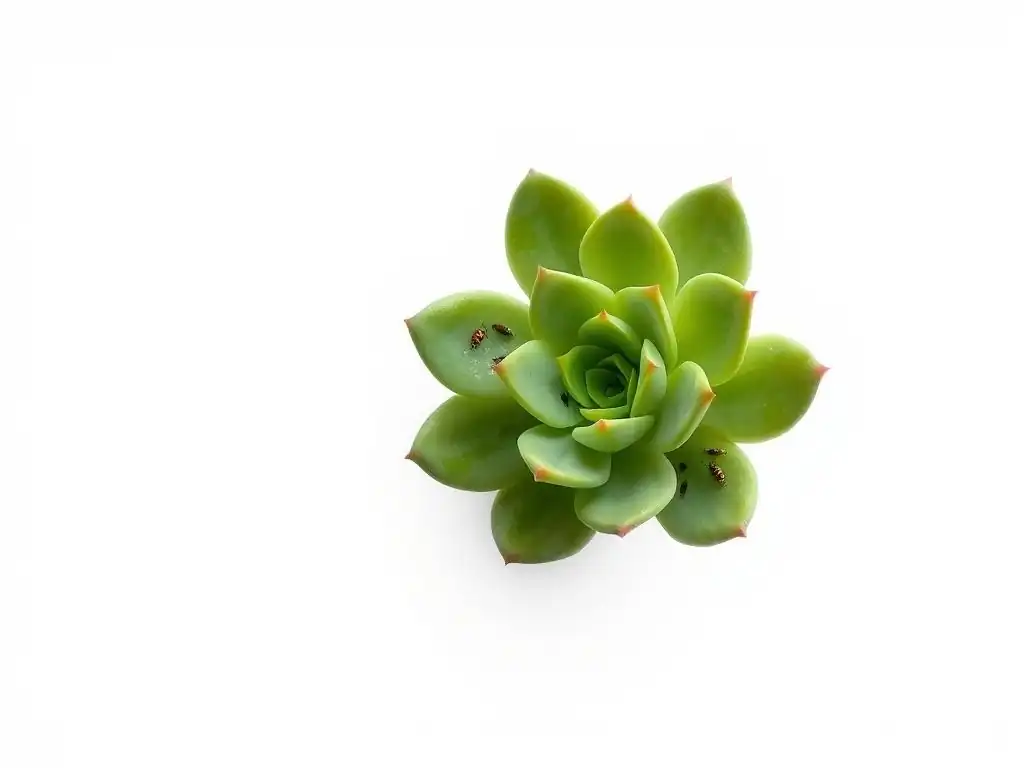
This section provides a curated list of resources to help you delve deeper into the complex world of succulent pest and disease management. We understand that dealing with severe infestations can be daunting, so we've compiled resources to equip you with the knowledge and tools for effective treatment and prevention. Remember, early detection and proactive measures are crucial in maintaining the health of your succulent collection. This guide focuses on advanced treatments, assuming a foundational understanding of basic succulent care and pest identification.
Recommended Products for Succulent Pest and Disease Control
Choosing the right products is paramount for effective succulent pest and disease treatment. Avoid generic pesticides and fungicides; many can harm your plants more than they help. Opt for products specifically formulated for succulents or those with low toxicity. Always follow label instructions meticulously to avoid harming your plants or yourself.
Here's a breakdown of product categories and considerations:
- Insecticidal Soaps: These are generally safe for succulents and effective against soft-bodied insects like mealybugs and aphids. Look for soaps with potassium salts of fatty acids as the active ingredient. Always test a small area first to check for any adverse reactions.
- Neem Oil: A natural insecticide derived from the neem tree, it's effective against a broad spectrum of pests. It works by disrupting the insect's life cycle. Dilute it according to the product instructions; overuse can damage your succulents.
- Systemic Insecticides: These are absorbed by the plant and kill insects that feed on the plant's tissues. Use these only as a last resort for severe infestations, as they can be harmful to beneficial insects and require careful application. Always research the specific systemic insecticide and its impact on succulents before use.
- Fungicides: Choose fungicides specifically designed for plant diseases affecting succulents. Identify the specific fungal disease before selecting a fungicide to ensure effective treatment. Copper-based fungicides are often used, but their effectiveness varies depending on the fungal pathogen.
| Product Type | Effectiveness | Safety Precautions | Application Method |
|---|---|---|---|
| Insecticidal Soap | Good against soft-bodied insects | Test on a small area first; avoid over-application | Spray directly on affected areas |
| Neem Oil | Broad spectrum | Dilute according to instructions; avoid direct sunlight after application | Spray directly on affected areas |
| Systemic Insecticide | High effectiveness | Use only as a last resort; follow instructions carefully | Varies depending on product |
| Fungicide | Varies by disease | Follow instructions carefully; protect yourself from exposure | Varies depending on product |
Remember to always carefully read and follow the instructions on any product label. Improper use can harm your plants and the environment. Consider keeping a detailed record of the products you use, the application date, and the results observed. This will help you track progress and refine your treatment strategies in the future.
Further Research and Educational Materials on Succulent Health
Staying informed is key to effective succulent pest and disease management. Continuously expanding your knowledge ensures you can quickly identify problems and implement appropriate solutions. Here are some avenues for further research:
- University Extension Services: Many universities have extension programs dedicated to horticulture and plant health. These services often offer valuable resources, including fact sheets and workshops, specific to succulent care and pest control.
- Specialized Books and Journals: Look for books and journals focused on succulents, cacti, and desert plants. These publications often contain in-depth information on pest and disease management techniques.
- Online Forums and Communities: Engaging with online communities dedicated to succulents can provide access to a wealth of shared experiences, advice, and troubleshooting tips from fellow enthusiasts. However, always critically evaluate the information you find online.
- Local Horticultural Societies: Joining a local horticultural society can provide opportunities to learn from experienced gardeners and gain access to workshops and expert advice. Networking with other succulent enthusiasts can also be incredibly beneficial.
By combining practical application with ongoing research, you'll be well-equipped to protect your succulent collection from even the most challenging pest and disease infestations. Remember, prevention is always better than cure, so maintaining optimal growing conditions is crucial in preventing future problems. Happy growing!
Frequently Asked Questions
What are the most common succulent pests?
The most common succulent pests include mealybugs, aphids, scale insects, and spider mites. These tiny creatures can quickly infest your plants if left unchecked.
How do I identify diseases in my succulents?
Look for signs like unusual spots, wilting, root rot, or leaf discoloration. Early detection is crucial for successful treatment.
What is the best way to treat a severe pest infestation?
For severe infestations, insecticidal soap or neem oil are effective. Always follow product instructions carefully and consider isolating the affected plants.
Can I use household items to treat succulent diseases?
Some mild fungal issues might respond to treatments like diluted hydrogen peroxide, but for serious diseases, a specialized fungicide is usually necessary.
Where can I find more in-depth information on succulent pest and disease treatment?
Visit the resources section on SucculentEssentials.org for detailed guides and treatment protocols. You can also consult with experienced succulent growers or local nurseries.
Final Reflection: Cultivating Resilience in the Face of Adversity
The fight against succulent pests and diseases is not merely a battle for healthy plants; it's a reflection of our own capacity for resilience and adaptation in the face of challenges. The information presented in this guide, from identifying early warning signs to implementing advanced treatment strategies, underscores the importance of proactive care and informed decision-making. Ignoring these issues can lead to irreversible damage, highlighting the critical need for understanding and intervention.
The ongoing impact of pest and disease infestations on the succulent community is profound, extending beyond the individual plant to encompass the shared knowledge and experience within the hobby. The exchange of information, the collaborative troubleshooting, and the collective learning that occurs when we face these challenges are vital to our success. The greatest glory in living lies not in never falling, but in rising every time we fall.
– Nelson Mandela. This quote perfectly encapsulates the spirit of perseverance needed when confronting the difficulties of succulent care. It's a reminder that setbacks are opportunities for growth and refinement of our techniques.
Now, consider your own succulent collection. What steps can you take today to prevent future infestations? Are you prepared to identify and address potential problems early? This guide has provided you with the tools; the next step is to actively integrate these practices into your routine. Embrace the challenge, learn from each experience, and cultivate a resilient approach to succulent care. The beauty and longevity of your plants depend on it.
Unleash Your Succulent's Inner Strength: Revitalize & Protect!
Thanks for exploring the world of succulent pest and disease management! You've gained valuable knowledge to tackle even the toughest infestations. Ready to put your skills to the test?
- Prioritize the most severely affected succulents: Begin treatment immediately on your most damaged plants, using the strategies discussed in the article. This is crucial for their recovery.
- Share your experiences: Join our community forum and share your successes and challenges with fellow succulent enthusiasts. Let's learn from one another!
- Experiment with natural solutions: Try one of the suggested natural remedies and record your results. This will help you fine-tune your approach for future problems.
Ready to see the remarkable resilience of your succulents? What's your first step to protect your precious collection?