Explore Local Succulent Shows: A Feast for the Eyes and Mind
😊 Discover breathtaking succulent displays and connect with fellow enthusiasts at local succulent shows! SucculentEssentials.org's guide helps you find and enjoy these…
Read article

🌵 Dive into the heart of succulent culture with local clubs and gatherings — your gateway to hands-on learning, rare plant swaps, and a thriving community of fellow enthusiasts. Whether you’re a seasoned collector or a curious beginner, these meetups offer expert-led workshops on propagation, pest control, and seasonal care, plus the chance to discover unique cultivars you won’t find in stores. From casual park picnics to structured monthly meetings, you’ll connect with like-minded growers who share tips on drought-tolerant landscaping, creative container designs, and rescue missions for neglected plants. Many clubs organize exclusive plant auctions, member-only cuttings exchanges, and collaborative projects like community succulent gardens. Joining isn’t just about plants—it’s about building lasting friendships rooted in a shared passion. Find your local chapter, ask questions, and let the collective knowledge of the group elevate your succulent game. Ready to branch out? Check our events calendar for upcoming meetups in your area, or start your own circle with our starter guide. Your succulent journey just got a whole lot greener! 🌿✨
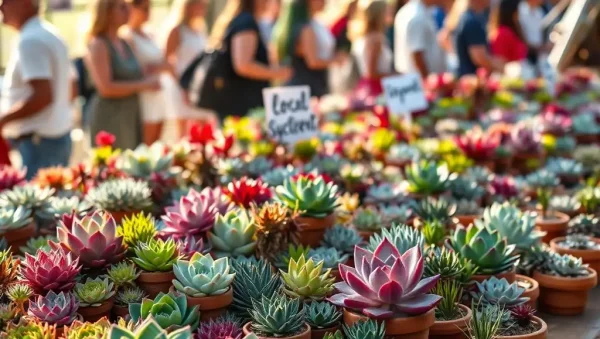
😊 Discover breathtaking succulent displays and connect with fellow enthusiasts at local succulent shows! SucculentEssentials.org's guide helps you find and enjoy these…
Read article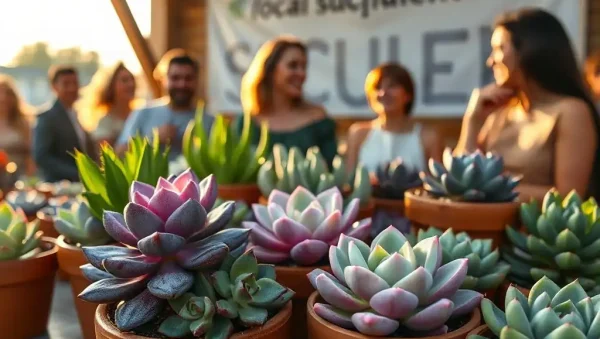
😊 Discover exclusive workshops, rare plant swaps, and expert talks at your local succulent club events! SucculentEssentials.org connects you to the thriving…
Read article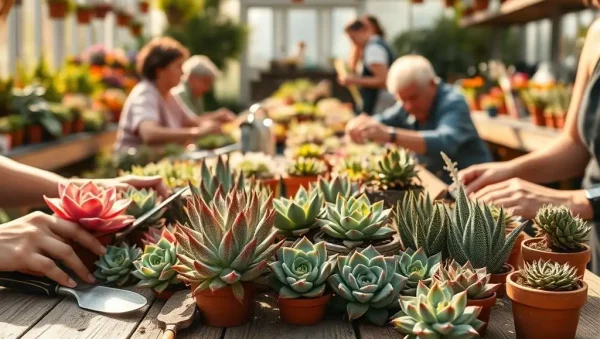
😊 Unlock succulent secrets! SucculentEssentials.org connects you with expert advice and hands-on learning through local succulent club workshops, covering everything from care…
Read article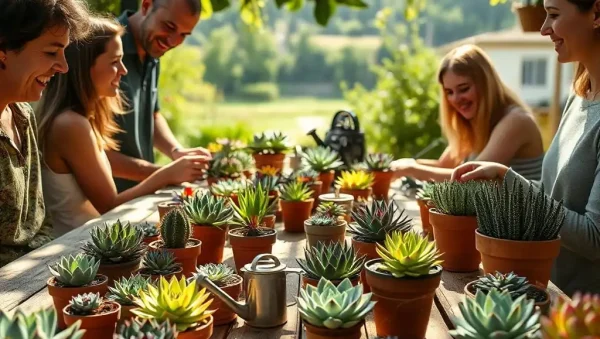
😊 Discover the vibrant community of succulent lovers! SucculentEssentials.org explores the magic of local succulent club events, offering expert advice and inspiration…
Read articleJoining a local succulent club or attending gatherings is one of the most rewarding ways to deepen your passion for these resilient plants. At SucculentEssentials.org, we recognize that while online guides are invaluable, nothing compares to hands-on learning, shared cuttings, and the camaraderie of fellow enthusiasts. This subcategory explores how to find, join, and thrive within local succulent communities—from informal meetups to structured club meetings. Discover the benefits of exchanging rare species, participating in workshops, and building lasting friendships rooted in a shared love for drought-tolerant flora. Whether you’re a novice or a seasoned collector, these gatherings offer a unique blend of education, inspiration, and fun.
Locating a succulent club or gathering near you is easier than ever, thanks to social media platforms like Facebook and Instagram, where local plant groups often announce events. Search for terms like “succulent society,” “cactus club,” or “plant swap” combined with your city name. Additionally, botanical gardens, nurseries, and garden centers frequently host public workshops or know of nearby clubs. You can also check community bulletin boards at libraries or use apps like Meetup.com to discover scheduled gatherings. Don’t hesitate to start small—even a casual coffee-shop meetup with two other enthusiasts counts as a gathering and can grow organically.
Once you find a group, introduce yourself and share your experience level; most clubs are incredibly welcoming to beginners. Many groups operate on a membership fee (often $10–$30 annually) that funds speakers, venue rentals, and refreshments. However, many first meetings are free to attend, allowing you to gauge the vibe before committing. Look for clubs that align with your interests—some focus on rare hybrid cultivation, while others emphasize landscape design or craft projects. By attending a few different gatherings, you’ll quickly identify which community feels like home.
A hallmark of succulent gatherings is the plant swap, where members bring excess cuttings, offsets, or full plants to trade. This practice is fantastic for diversifying your collection without spending money. Before attending, prepare healthy, pest-free cuttings—let them callous over for a few days to prevent rot during transport. Label each piece with the species name if known, as this adds value for potential trading partners. During the swap, don’t be shy; approach members and ask what they’re looking for. Many collectors are happy to share their prized genetics in exchange for something they lack, fostering a culture of generosity.
Beyond just acquiring new plants, swaps are educational. You’ll learn about hybridization, local growing quirks, and which cultivars thrive in your specific climate. For beginners, swaps are a low-pressure way to obtain hardy species like Echeverias or Sedums that are less forgiving when purchased online. Some clubs also organize “orphan tables” where members can donate unwanted plants for others to adopt, reducing waste and promoting sustainability. Always remember to quarantine any newly acquired plants for two weeks to prevent introducing pests to your home collection.
Most local succulent clubs host monthly meetings featuring a workshop or guest speaker. These sessions range from potting techniques and soil mixture recipes to advanced topics like grafting crested forms or controlling mealybugs organically. Workshops are typically interactive, providing hands-on experience under expert guidance—a perfect way to overcome common mistakes like overwatering or improper light exposure. Many clubs also organize DIY projects, such as building vertical gardens or designing dish terrariums, which you get to take home afterward. Check the club’s event calendar for special all-day workshops, often held at local farms or greenhouses.
Speaker sessions are equally valuable, featuring professional botanists, landscape architects, or seasoned collectors who share niche knowledge. For instance, you might learn about xeriscaping with succulents for water-scarce regions or the historical trade routes that introduced these plants to different continents. Q&A segments allow you to ask specific questions about your own plants, getting personalized advice that’s rarely available online. Record attendance is also a great way to network—you might find a mentor who can help you propagate tricky species or identify an unknown succulent you’ve owned for years.
Succulent gatherings often extend beyond regular meetings to include field trips to botanical gardens, private collections, or wholesale nurseries. These excursions provide rare behind-the-scenes access to large-scale cultivation and often feature exclusive plant purchases at discounted prices. Some clubs organize annual shows and exhibitions where members compete in categories like “Best in Show” or “Most Unusual Specimen.” Participating in these events is thrilling—you’ll see award-winning plants and learn judging criteria that can enhance your own care routines. Local fairs and farmers’ markets also frequently have succulent booths, which can serve as informal gathering points for enthusiasts.
Community outreach is another core aspect; many clubs partner with schools or retirement homes to run succulent planting sessions, sharing therapeutic benefits and spreading knowledge. By joining these activities, you not only deepen your own expertise but also contribute to a larger mission of environmental stewardship. Volunteer opportunities also arise during community garden installs or drought-tolerant public landscaping projects. These events are excellent for building a robust network, and you might even find collaborators for large-scale installations or custom arrangements. Keep an eye on club newsletters or social media pages to stay updated on upcoming outings.
If no club exists in your area, consider launching your own gathering—it’s simpler than you think. Begin by hosting a free meetup at a local park or library, inviting friends and posting on community boards. Use social media to create a private group where members can share photos, ask questions, and schedule meetups. For the first few gatherings, keep the agenda light: a 15-minute introduction, a show-and-tell of members’ plants, and a cutting exchange. Once you gain momentum, you can introduce monthly themes, like “Echeveria night” or “Pest prevention 101.” Set up a small fee to cover snacks and venue, or ask local nurseries to sponsor events in exchange for promotional visibility.
As your group grows, establish a clear communication channel via email or Discord, and rotate leadership responsibilities to avoid burnout. Document your gatherings with photos (with members’ consent) and share them online to attract new members. Collaborate with existing plant clubs—cactus societies or general gardening groups—to cross-promote events and expand your reach. Remember that consistency matters more than scale; a monthly two-hour meeting with dedicated attendees can flourish into a thriving community. Over time, your initiative could evolve into a formal club with bylaws, annual dues, and even a booth at local plant shows.
Annual membership fees typically range from $10 to $30, covering venue rentals, speaker honorariums, and refreshments. Many clubs offer a free first meeting or a discounted guest rate, so you can try before committing. Some events like field trips or workshops may have separate small fees, but these are optional. Overall, joining is highly affordable compared to the plant knowledge you’ll gain.
Absolutely not. Most clubs are extremely welcoming to beginners and explicitly encourage novices. You’ll find that sharing your struggles often leads to the most helpful advice from experienced members. In fact, many veteran collectors enjoy mentoring newcomers, so don’t hesitate to ask basic questions. Bring your plant photos or even a leaf cutting for identification help.
Bring a small notebook and pen, plus a few cuttings or small plants if you’re interested in swapping. Wear comfortable clothes and consider gloves if handling plants with spines. Don’t forget a camera or smartphone to capture ideas and new species. A water bottle is handy, and cash for plant purchases or membership fees is always wise.
Start by searching Facebook Groups for your city plus “succulent” or “cactus,” and check Meetup.com. Follow local botanical gardens and independent nurseries on social media, as they often host or promote gatherings. Also, visit community bulletin boards at garden centers or libraries. Don’t overlook seasonal plant shows—these typically feature club booths where you can ask about regular meetings.
Many, but not all, clubs welcome children. Check the event description or contact organizers beforehand. Some clubs designate special family-friendly sessions with simple potting activities, while others keep meetings geared toward adults. If you bring kids, ensure they avoid handling sharp tools or spiny plants unattended. This can be a great educational experience for young plant lovers.