Succulents as Teachers: Lessons from the Plant Kingdom
😊 Discover surprising "succulent plant life lessons" at SucculentEssentials.org! Learn resilience, adaptation, and the beauty of thriving even in harsh conditions –…
Read article
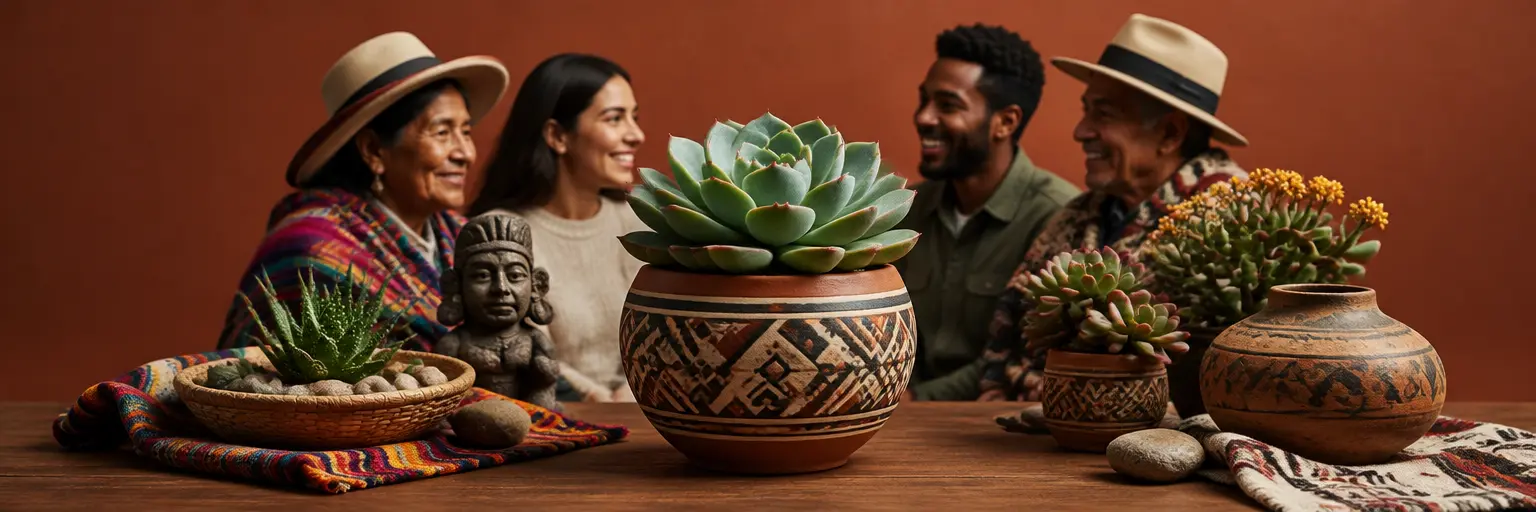
Discover the cultural significance and folklore woven into the world of succulents, where each spiky leaf and rosette carries stories of resilience, protection, and prosperity. Across ancient civilizations and modern traditions, these drought-tolerant plants have symbolized endurance, friendship, and even good luck—from the jade plant’s reputation as a money magnet in Feng Shui to the Christmas cactus’s role in seasonal legends. Dive into enchanting tales of how succulents were used as wardens against evil spirits, tokens of eternal love, or sacred offerings in desert rituals, revealing a rich tapestry that elevates these hardy plants beyond mere décor. Whether you’re a seasoned collector or a curious newbie, exploring this folklore adds a deeper appreciation for your green companions, connecting you to a global heritage that cherishes their beauty and tenacity. Uncover the myths, symbols, and traditions that make succulents truly timeless treasures.
😊 Discover surprising "succulent plant life lessons" at SucculentEssentials.org! Learn resilience, adaptation, and the beauty of thriving even in harsh conditions –…
Read article
😊 Uncover the secrets of succulent success! SucculentEssentials.org reveals how observing succulent growth patterns unlocks thriving plants. Learn expert care, propagation, and…
Read article
😊 Discover the rich Aloe succulent symbolic meaning at SucculentEssentials.org! Uncover the powerful symbolism of aloes, from ancient healing traditions to their…
Read article
😊 Discover the surprising power of succulents! SucculentEssentials.org reveals how these resilient plants, acting as potent talismans, can attract good fortune and…
Read articleWelcome to the Cultural Significance and Folklore subcategory of SucculentEssentials.org, where we delve into the captivating stories, ancient traditions, and symbolic meanings behind these resilient plants. From their use in Native American rituals to their role in Feng Shui and Victorian symbolism, succulents carry a profound heritage that enriches their modern appeal. Here, you’ll uncover how these drought-resistant wonders have shaped human culture across continents, inspiring art, healing practices, and spiritual beliefs. Explore the lore that makes succulents more than just decorative plants—they are living artifacts of human connection to nature.
Succulents have fascinated civilizations for millennia, often starring in myths that explain their hardy, water-storing nature. In ancient Mexican lore, the agave was a sacred gift from the gods, believed to hold the essence of life and fire, while the Aztecs used it in ceremonial rituals and to craft pulque, a divine drink. Similarly, the ancient Egyptians revered the aloe plant, calling it the “plant of immortality,” and placed it in tombs to guide souls into the afterlife. These legends underscore the succulent’s role as a symbol of endurance, protection, and resurrection.
For modern enthusiasts, understanding these mythological roots adds a layer of appreciation to every potted echeveria or jade plant. The tales often emphasize succulents as providers of sustenance and healing in harsh climates, which is why they became embedded in agricultural and spiritual calendars. By exploring these stories, you’ll see how succulents were not just survival tools but sacred companions in human history, bridging the mundane and the divine.
During the Victorian era, succulents symbolized durability and lasting affection, making them popular gifts for lovers and friends. The jade plant, known as the “money tree,” was believed to attract wealth and prosperity, a tradition that persists today in many Asian cultures, especially in Chinese New Year celebrations. Meanwhile, the aloe vera plant became a household emblem of protection against negative energy in Mediterranean households, often hung above doorways. These meanings have evolved, yet they retain a core theme: succulents represent resilience and good fortune.
In contemporary times, succulents have become symbols of minimalist living and environmental mindfulness, reflecting a cultural shift toward sustainability. They appear in everything from corporate logos to wedding décor, signifying growth, adaptability, and a connection to nature’s simplicity. This subcategory explores how these ancient associations morph into modern identities, helping you choose succulents that resonate with your personal values or the message you wish to convey in gifting and décor.
Across the globe, succulents have been embedded in folk healing and protective rituals. In East Africa, the sansevieria, or snake plant, is used in ceremonies to ward off evil spirits, while in Mexico, the prickly pear cactus is central to Día de los Muertos altars, symbolizing the cycle of life and death. Native American tribes, such as the Navajo, used agave fibers for weaving and its sap as a poultice for wounds, blending utility with spiritual practice. These traditions highlight how succulents serve as tangible links to ancestral wisdom.
For hobbyists, integrating these folk practices into daily care can be a meaningful ritual. For instance, placing a jade plant near your entrance is said to invite positive Chi, while burning dried sagebrush (a succulent cousin) is a common cleansing practice. This section provides historical context and practical tips on how to honor these traditions respectfully, whether you’re creating a sacred garden corner or simply seeking to infuse your space with intentional, time-honored energy.
Succulents have inspired artists and writers for centuries, from the detailed botanical drawings of Marianne North to the poetic references of Emily Dickinson, who compared resilience to the “succulent leaf.” In Japanese art, the sedum appears in bonsai arrangements representing humility and patience, while Mexican muralists like Diego Rivera immortalized the agave as a symbol of national identity. Festivals such as the annual Cactus and Succulent Show in California celebrate this heritage, blending education with artistic expression.
This subcategory examines how succulents permeate creative fields, offering ideas for incorporating these plants into your own art projects, journals, or community events. You’ll discover how to use succulent shapes and textures in photography, painting, and even textile design. By understanding their cultural footprint, you can deepen your engagement, perhaps starting a succulent-themed book club or participating in local garden festivals that honor these botanical treasures.
Many cultures attribute succulents with restorative powers beyond the physical. In Ayurveda, aloe vera is used to balance the pitta dosha, promoting inner calm and digestive health, while in Traditional Chinese Medicine, the jade plant is linked to liver health and emotional stability. Indigenous peoples in the Americas use cactus pads to treat inflammation and snake bites, viewing them as plants that communicate with the spirit world. These beliefs position succulents as holistic allies for mind, body, and soul.
Moreover, succulent care itself is increasingly viewed as a form of mindfulness meditation, reflecting cultural shifts toward mental well-being. Studies show that tending to plants reduces cortisol levels, and succulents, with their low-maintenance nature, are ideal for busy lifestyles. This section explores how you can integrate succulents into stress-relief routines, sacred spaces, or even yoga practices, while respecting their cultural origins. You’ll learn about specific species historically used in healing and how to ethically source and use them.
Regional folklore has profoundly shaped how we garden with succulents today. For instance, the Mediterranean tradition of using terracotta pots (which mimic arid environments) stems from ancient clay storage jars for olive oil, now a staple for succulent enthusiasts. In Japan, the art of kokedama—wrapping succulent roots in moss—derives from Zen philosophy of simplicity and impermanence. Meanwhile, Mexican “milpa” gardening, which integrates agave with crops, informs modern companion planting techniques for drought-prone areas.
By tracing these regional influences, you’ll gain practical insights into container choice, soil mixes, and tire arrangement that respect traditional wisdom. For example, Southwestern American folklore suggests planting yucca near the home to protect against lightning, a practice that also adds architectural interest. This subcategory bridges ancient lore with contemporary design, helping you create a garden that tells a story while thriving in your local climate.
Succulents universally symbolize resilience, endurance, and protection due to their ability to store water and thrive in harsh conditions. They also represent prosperity (jade plant) and healing (aloe vera). In gifting, they convey lasting affection and good luck, making them versatile for many occasions.
Ancient Egyptians used aloe in burial rites for immortality, while Aztecs used agave in sacrificial ceremonies and to make pulque. Native Americans used cactus pads for cleansing rituals and wound healing. These practices honored succulents as sacred life-givers and protectors.
While not scientifically proven, many cultures believe succulents like jade and aloe attract positive chi and repel negativity. In Feng Shui, placing them near entrances invites abundance. The psychological benefit of caring for living plants also fosters a positive mindset, reinforcing these beliefs.
Yes, some spiny cacti are associated with bad luck in certain cultures—for example, in some European traditions, cacti are believed to carry sharp, negative energy if placed indoors. The dead nettle (a succulent relative) has eerie legends tied to witchcraft. Research regional beliefs before gifting.
Modern horticulture has proven the medicinal properties of aloe vera for burns and the air-purifying qualities of snake plants. Practices like using agave fibers for textiles and cactus for food are rooted in ancient wisdom, showing that folklore often anticipates science.