Exploring Global Perspectives on Succulent Cultivation
Welcome to a vibrant corner of SucculentEssentials.org where we journey across continents to uncover how different climates, cultures, and traditions shape the art of growing succulents. From Japanese minimalism to South African wild gardens, this subcategory celebrates the diversity of techniques and philosophies that make succulent cultivation a truly global passion. Whether you’re a seasoned collector or a curious beginner, these insights will broaden your understanding and inspire your own care routines.
🌍 Climate-Adaptive Techniques from Arid Regions
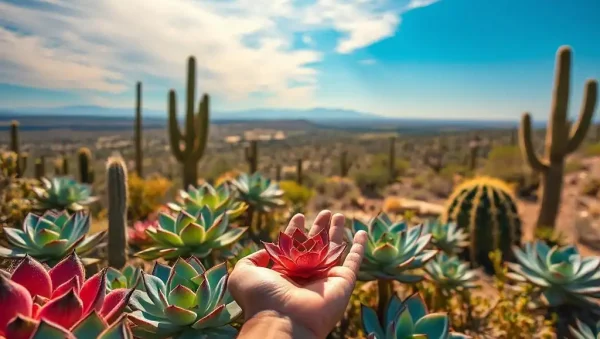
Succulents naturally thrive in deserts, but global growers have developed ingenious ways to mimic those conditions elsewhere. In this section, you’ll learn how cultivators in Arizona, the Middle East, and Australia use raised beds, shade cloths, and gritty soil mixes to protect plants from intense sun while maximizing drainage. These methods emphasize passive water conservation and seasonal dormancy awareness, crucial for preventing rot in summer rains or winter chill. Expect practical tips on adjusting watering schedules based on your local humidity and temperature extremes.
Beyond technique, you’ll discover how arid-region growers prioritize native species over hybrids, often sourcing seeds from local wild populations. This approach fosters resilience and a deeper connection to the landscape. By studying these practices, you can adapt your own succulent garden to better withstand heat waves or unexpected frosts, ensuring your plants not only survive but flourish in your unique microclimate.
🎌 Minimalist Aesthetics: Japanese and Korean Succulent Art
In East Asia, succulents are often treated as living sculptures, arranged in shallow ceramic dishes to highlight their architectural forms. This subcategory explores the philosophy of wabi-sabi—finding beauty in imperfection—and how it translates into pruning, offset placement, and the use of negative space. You’ll see step-by-step examples of kokedama moss balls and layered stone gardens, which combine functional drainage with serene visual balance. These methods are perfect for small apartments or balcony gardens.
Korean “succulent cafés” and workshops have popularized the DIY terrarium kits trend, emphasizing layered sands and colored gravels as both aesthetic and practical elements. Here, you’ll learn how to choose the right vessel for airflow, avoid overwatering in closed containers, and create focal points using contrasting leaf textures. This global perspective shows that container choice is not just about looks—it’s a critical part of root health and moisture regulation.
🌿 European Conservatory Traditions and Cold-Hardy Innovations
From Victorian greenhouses in England to alpine gardens in Switzerland, European growers have long mastered the art of coaxing succulents through wet, cold winters. This section highlights cold-hardy varieties like Sempervivum and Sedum that can withstand freezing temperatures when given sharp drainage. You’ll find classic techniques such as cloche protection, wall-mounted planters, and the use of gravel mulches to prevent crown rot—all adapted to northern climates where summers are short and sunlight is scarce.
Innovative growers in Scandinavia and the Netherlands are now experimenting with hybrid heating systems and LED grow lights to extend the growing season indoors. These modern adaptations blend historical knowledge with cutting-edge technology, proving that succulent cultivation is as much about innovation as tradition. By exploring these European methods, you’ll learn how to balance natural light and artificial supplementation for healthier rosettes and more vibrant stress colors.
🌵 South African and Mexican Heritage: Heirloom Varieties and Wild Harvesting
The original homes of many succulents—South Africa and Mexico—offer a wealth of indigenous knowledge. This section dives into the heirloom varieties cultivated by local communities for centuries, such as certain Aloe and Echeveria species. You’ll discover how traditional rain-fed agriculture and natural terraces create microhabitats that protect roots from extreme sun. Apricot kernels and crushed volcanic rock are often used as natural soil amendments, providing essential minerals without synthetic fertilizers.
Ethical harvesting is a key theme here; learn how to source plants from reputable nurseries that propagate sustainably rather than stripping wild populations. Global conservation efforts are also discussed, including seed banks and protected reserves. By respecting these origins, you can help preserve genetic diversity for future generations. This perspective deepens your appreciation for every succulent’s journey from its native hillside to your living room.
🏜️ Urban Desert Gardening in Australia and the American Southwest
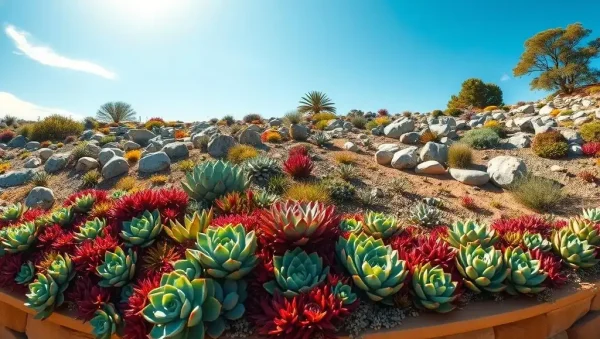
With rising temperatures, urban gardeners in Phoenix, Perth, and Tucson are turning to succulents as low-water landscaping heroes. This subcategory offers practical design guides for xeriscaping—using gravel, boulders, and drought-tolerant plants to create fire-resistant, low-maintenance yards. You’ll learn about underground irrigation systems and the use of shade-tolerant succulents under trees, reducing water evaporation. These strategies are ideal for homeowners facing water restrictions.
Community gardens in these regions often share cuttings and seeds as a social activity, building resilience through shared knowledge. Expect advice on how to join or start a local succulent exchange, plus tips on acclimating new plants to intense sun without scorching. By adopting these urban desert techniques, you can reduce your water footprint while enjoying a lush, colorful landscape that thrives even during prolonged droughts.
Frequently Asked Questions
What is the most important factor for growing succulents in humid climates?
In humid areas, the key is ensuring excellent airflow and using a highly porous soil mix, such as 50% perlite or pumice. Choose terracotta pots that allow moisture to evaporate quickly, and water only when the soil is completely dry—often every two to three weeks. Raised beds or hanging baskets also help prevent root rot.
Can I grow succulents outdoors in cold winter regions?
Yes, but select cold-hardy species like Sempervivum, Sedum, and certain Opuntia. Plant them in well-draining soil with a thick layer of gravel mulch to keep crowns dry. Use a cold frame or cover with frost cloth during prolonged freezes, and avoid watering in winter to prevent ice damage.
Are there succulents that grow well in low-light indoor spaces?
Haworthia, Gasteria, and some Sansevieria tolerate low light better than others. Place them near a north or east-facing window, but supplement with a grow light for 6-8 hours daily. Rotate pots weekly to prevent etiolation, and reduce watering frequency to match lower light levels.
How do I ethically source rare succulent varieties?
Always buy from certified nurseries that propagate their own stock rather than wild-harvesting. Look for CITES permits if importing. Support conservation groups like the Succulent Society, and join online forums where members trade cuttings legally. Never purchase plants listed as endangered without verified origin.
What are the benefits of joining a local succulent community?
Local groups offer live workshops on propagation, pest control, and seasonal care tailored to your exact climate. Members often share rare cuttings and seeds for free, saving you money. Plus, you gain access to expert advice during sudden weather changes, ensuring your collection remains healthy year-round.