
Maximize Your Succulent Display: Color Psychology in Terracotta Pot Painting

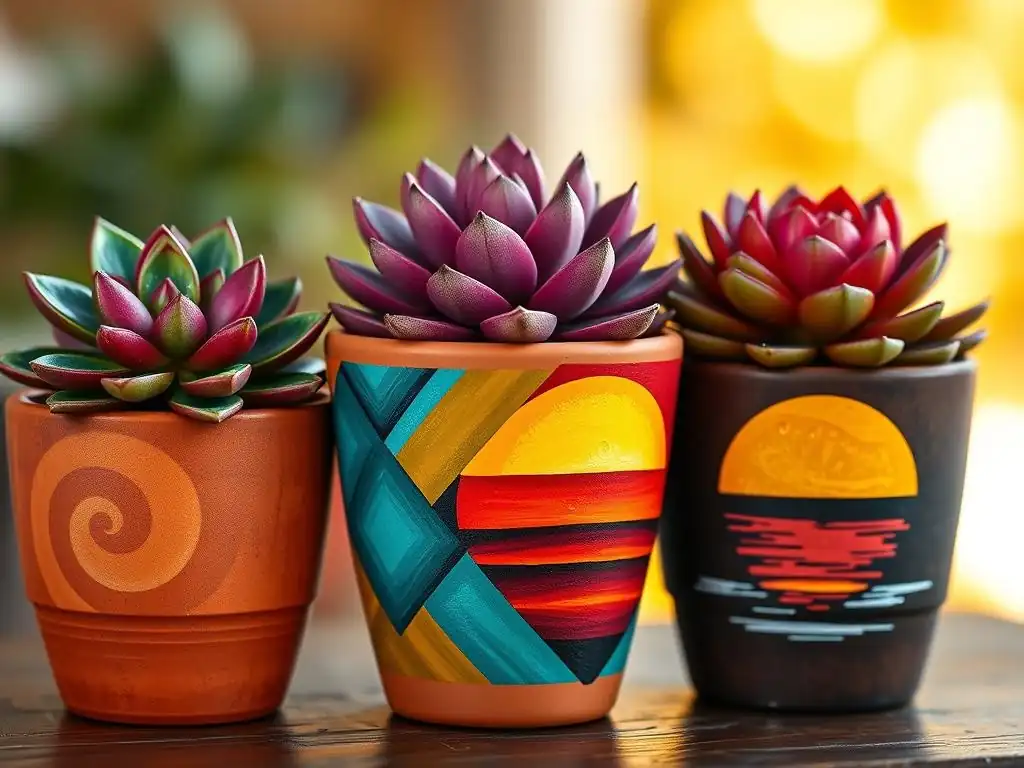
Welcome to SucculentEssentials.org, where the fascinating world of succulents unfolds! Are you ready to transform your humble terracotta pots into vibrant canvases that perfectly complement your precious plants? Discover the secrets to maximizing your succulent display with our guide on Terracotta Pot Succulent Painting Ideas, exploring the surprising power of color psychology to enhance your plant's beauty and your home's aesthetic. Dive in and unlock your inner artist—your succulents will thank you!
- Understanding the Psychology of Color in Succulent Arrangements
- Terracotta Pot Succulent Painting Ideas: A Beginner's Guide
- Creative Terracotta Pot Painting Techniques for Succulents
- Advanced Terracotta Pot Painting Techniques: Adding Depth and Texture
- Color Psychology and Succulent Selection: A Perfect Match
- Displaying Your Painted Terracotta Pots: Tips for Maximizing Visual Appeal
-
Frequently Asked Questions
- What is the best paint to use on terracotta pots for succulents?
- How do I prepare a terracotta pot before painting?
- What color combinations work best for painting terracotta pots for succulents?
- Are there any specific painting techniques ideal for terracotta succulent pots?
- Where can I find more terracotta pot succulent painting ideas?
- Final Reflection: The Blooming Potential of Color and Clay
- Unleash Your Inner Artist: Paint Your Perfect Succulent Paradise!
Understanding the Psychology of Color in Succulent Arrangements
Choosing the right colors for your terracotta pots can dramatically enhance the visual appeal of your succulent arrangements. This isn't just about aesthetics; color psychology plays a significant role in how we perceive and interact with our surroundings, including our plant displays. By understanding the emotional and psychological impact of different colors, you can create succulent arrangements that not only look stunning but also evoke specific moods and feelings. This guide delves into the art of terracotta pot succulent painting, exploring how color choices can transform your display from a simple collection of plants into a vibrant and expressive work of art.
We'll explore color theory basics specifically applied to succulent displays, showing you how to choose colors that complement your succulents and create the perfect ambiance for your space. Get ready to unleash your creativity and transform your terracotta pots into miniature masterpieces! 🎉
Choosing Colors that Complement Your Succulents
The color of your succulents themselves should be your starting point. Think about the hues present in your plants – are they predominantly greens, blues, purples, or reds? You can either choose colors that complement these existing hues or create a contrast for a bolder statement.
- Complementary Colors: These are colors that sit opposite each other on the color wheel (e.g., red and green, blue and orange, yellow and purple). Using complementary colors can create a vibrant and energetic display. For example, painting a terracotta pot a vibrant orange to highlight a collection of blue-toned succulents will create a visually striking contrast.
- Analogous Colors: These are colors that sit next to each other on the color wheel (e.g., blue, blue-green, and green). Using analogous colors creates a harmonious and soothing effect. A soft green, teal, and blue palette would beautifully complement a collection of succulents with muted green tones.
- Monochromatic Colors: These are different shades and tints of a single color. Using a monochromatic scheme creates a cohesive and elegant look. Various shades of green, for instance, would be a sophisticated choice for a display featuring mainly green succulents.
Consider the size and shape of your succulents when choosing colors. A smaller succulent might be lost against a dramatically colored pot, whereas a larger, more dramatic succulent could benefit from a bold backdrop. Experiment with different color combinations and observe how they interact with your succulents to find the perfect match!
The Impact of Color on Mood and Ambiance
The colors you choose for your terracotta pots significantly impact the overall mood and ambiance of your succulent display and the surrounding space.
| Color | Emotional Impact | Ambiance | Example Succulent Arrangement |
|---|---|---|---|
| Red | Energy, passion, excitement | Vibrant, stimulating | Red pot with bright green and yellow succulents |
| Orange | Warmth, enthusiasm, creativity | Cheerful, inviting | Orange pot with various succulents in warm tones |
| Yellow | Happiness, optimism, clarity | Bright, uplifting | Yellow pot with succulents featuring yellow flowers |
| Green | Tranquility, peace, nature | Calming, refreshing | Green pot with a collection of green succulents |
| Blue | Calmness, serenity, trust | Peaceful, serene | Blue pot with blue-toned succulents and white pebbles |
| Purple | Royalty, luxury, wisdom | Elegant, sophisticated | Purple pot with purple and pink succulents |
| Brown/Beige | Earthiness, stability, comfort | Natural, grounding | Natural terracotta with succulents in earthy tones |
Remember to consider the location of your succulent display. A bright, sunny spot might benefit from cooler colors to prevent overwhelming the area, while a darker corner might benefit from warmer tones to add vibrancy.
Color Theory Basics for Terracotta Pot Painting
Before you begin painting, understanding some basic color theory principles will help you achieve the desired effect.
- Color Wheel: Familiarize yourself with the color wheel and the relationships between colors. This will help you choose complementary, analogous, or monochromatic color schemes.
- Hue, Saturation, and Value: Understanding these three elements of color will allow you to create different shades and tints of a color. Hue is the pure color, saturation is the intensity of the color, and value is the lightness or darkness of the color.
- Color Mixing: Practice mixing colors to achieve the desired shades and tints. Experiment with different paint types and techniques to discover what works best for you. Remember that terracotta is a porous material, so the paint might appear slightly darker once it dries.
By thoughtfully applying these principles, you can create a unique and personalized succulent display that reflects your style and enhances your home's ambiance. Don't be afraid to experiment and have fun with it! 🎨
Terracotta Pot Succulent Painting Ideas: A Beginner's Guide
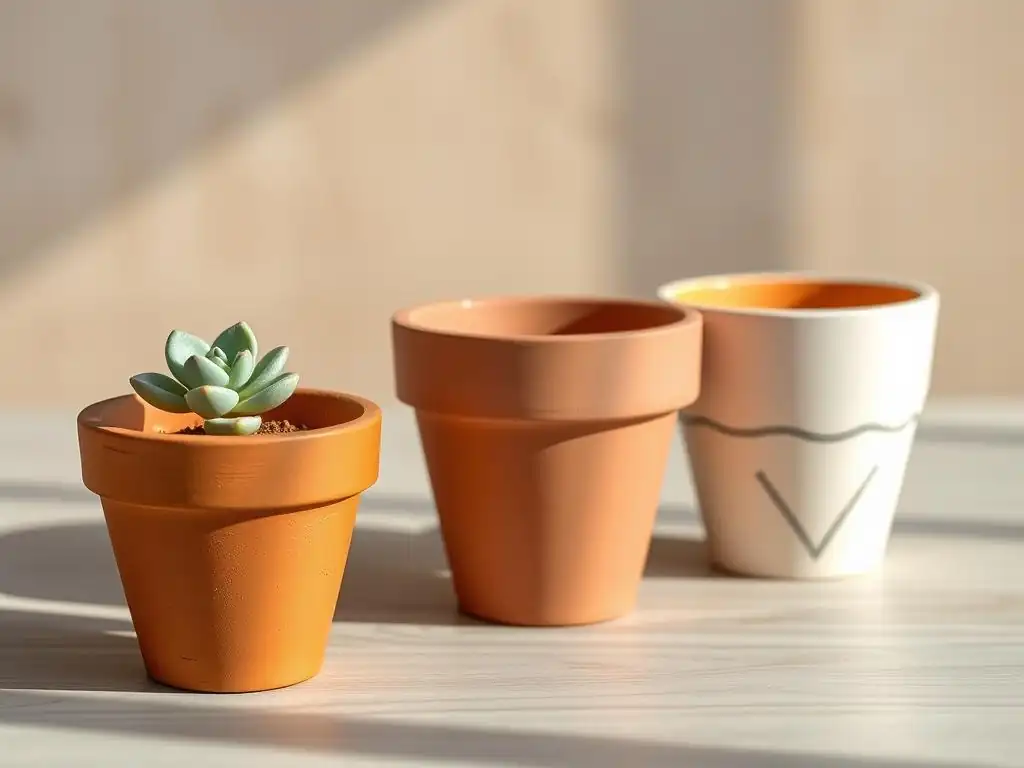
This section dives deep into the practical aspects of transforming plain terracotta pots into vibrant displays for your succulents. We'll explore preparation techniques, paint selection, and essential tools, ensuring you're well-equipped to unleash your creativity. Remember, the right preparation is key to achieving a long-lasting and beautiful finish on your terracotta pot succulent painting project.
Preparing Your Terracotta Pots for Painting
Before you even think about picking up a paintbrush, proper preparation is crucial for a successful terracotta pot succulent painting project. This ensures the paint adheres well and lasts. Neglecting this step can lead to peeling or chipping, ruining your carefully crafted design.
First, clean your terracotta pots thoroughly. Use warm, soapy water and a scrub brush to remove any dirt, dust, or residue. Pay close attention to any imperfections or uneven surfaces. Thoroughly rinse and allow the pots to dry completely. This drying process is important; dampness will interfere with the paint's adhesion.
Next, prime your pots (optional, but recommended). A terracotta pot primer creates a smooth surface for the paint to adhere to, resulting in a more even and vibrant finish. Priming is especially beneficial for porous terracotta, preventing the paint from being absorbed and enhancing its longevity. Let the primer dry completely according to the manufacturer's instructions. This step significantly improves the overall quality of your terracotta pot succulent painting.
Choosing the Right Paints for Terracotta
The type of paint you choose significantly impacts the final look and durability of your terracotta pot succulent painting ideas. Several options exist, each with its own advantages and disadvantages.
- Acrylic paints: These are a popular choice due to their versatility, vibrant colors, and relatively quick drying time. Acrylics are water-based, making them easy to clean up. However, they may require a sealant for outdoor use to protect against the elements.
- Exterior latex paints: Designed for outdoor use, these paints offer excellent durability and weather resistance. They're a great choice if your painted pots will be exposed to the sun and rain. However, they might require more preparation and can be less forgiving for intricate designs.
- Chalk paints: These paints provide a matte, rustic finish that's perfect for creating a shabby-chic or vintage look. Chalk paints are easy to apply and distress, adding character to your terracotta pot succulent painting. However, they typically need sealing to protect against moisture.
- Specialty paints: Consider enamel paints for a glossy, durable finish or specialized terracotta paints formulated for optimal adhesion to the material.
Remember to select paints that are non-toxic, especially if you're working near children or pets. Always check the manufacturer's instructions for drying times and application techniques to ensure optimal results for your terracotta pot succulent painting project.
Essential Tools and Supplies for Painting Terracotta Pots
Gathering the right tools before you begin is essential for a smooth and efficient painting process. Having everything readily available prevents interruptions and ensures a more enjoyable experience. Here's a list of essential tools and supplies:
| Tool/Supply | Description | Importance |
|---|---|---|
| Terracotta pots | The base for your creative succulent painting project! | Obvious! |
| Acrylic paints (or chosen paint type) | Various colors to create your desired design. | Provides the color and visual appeal. |
| Paintbrushes | Various sizes for different details and areas. | Essential for applying the paint evenly and creating details. |
| Palette or paper plate | To mix colors and hold paint. | Keeps your workspace clean and organized. |
| Water container | For cleaning brushes and thinning paint (if needed). | Essential for maintaining brush cleanliness and paint consistency. |
| Painter's tape (optional) | For creating clean lines and sharp edges. | Helpful for precise designs and preventing paint bleed. |
| Primer (optional) | Improves paint adhesion and creates a smoother surface. | Enhances the longevity and appearance of your finished product. |
| Sealant (optional) | Protects the paint from the elements (especially for outdoor use). | Crucial for extending the life of your painted pots, especially important for outdoor terracotta pot succulent painting. |
| Drop cloths or newspaper | Protects your work surface from paint spills. | Keeps your workspace clean and prevents damage to surfaces. |
| Sponge (optional) | For creating textured effects. | Adds another creative dimension. |
Remember to always work in a well-ventilated area and follow the manufacturer's safety guidelines for all paints and materials. Happy painting! 🎨
Creative Terracotta Pot Painting Techniques for Succulents
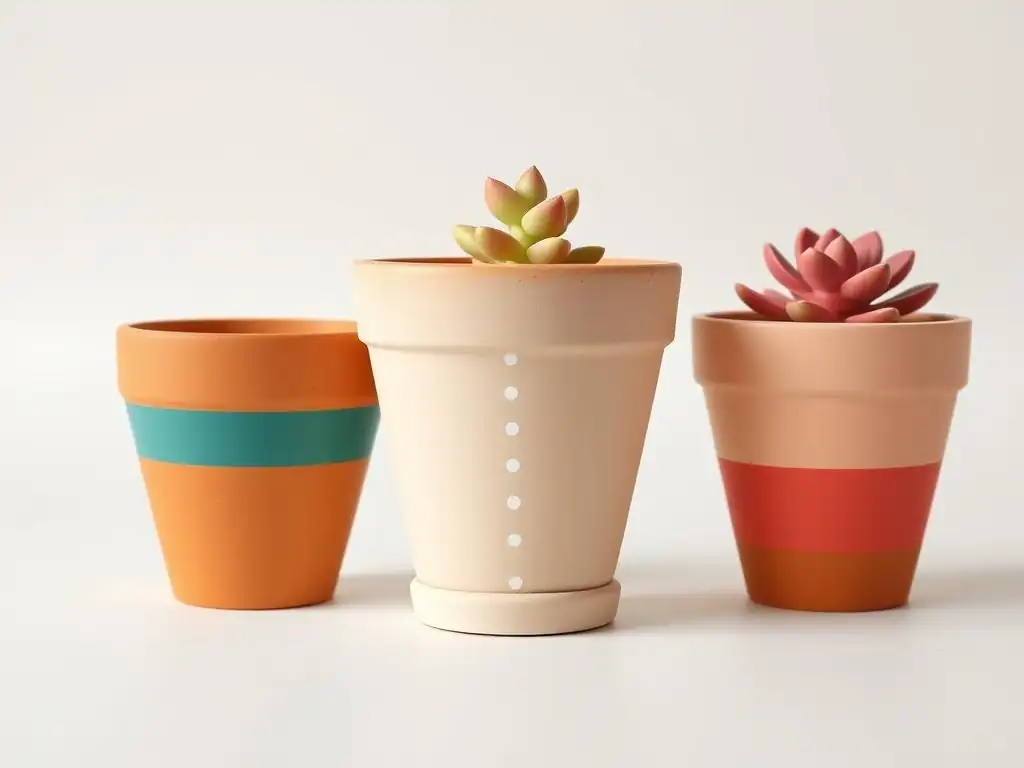
This section explores diverse painting techniques to elevate your terracotta pots and create stunning displays for your succulents. We'll move beyond basic colors and delve into methods that add personality and visual interest, maximizing the impact of your succulent arrangements. Remember, the right pot can dramatically enhance the beauty of your plants, and a little creativity goes a long way! The possibilities for "Terracotta pot succulent painting ideas" are endless.
Simple Geometric Patterns for Modern Succulent Displays
Geometric patterns offer a clean, modern aesthetic that complements the often-organic shapes of succulents. Simple lines, dots, and shapes can create a striking contrast, enhancing the visual appeal of your plants. Consider using painter's tape to achieve crisp, sharp lines. For instance, a series of evenly spaced vertical stripes in contrasting colors can add a sleek, minimalist touch. Alternatively, a grid pattern created with intersecting lines can provide a sophisticated backdrop for your succulents.
You can also experiment with different geometric shapes. Equilateral triangles, squares, or circles painted in a repeating pattern can create a visually interesting texture. Consider using a metallic paint for accents to add a touch of glamour. The key is to keep the design relatively simple and uncluttered; otherwise, it can overpower the succulents themselves.
Here's a table summarizing some simple geometric pattern ideas:
| Pattern Type | Color Combinations | Suggested Succulents |
|---|---|---|
| Vertical Stripes | White & Teal, Black & Gold, Red & Grey | Echeveria, Sedum, Haworthia |
| Horizontal Stripes | Cream & Brown, Pink & Green, Blue & Orange | Sempervivum, Echeveria, Crassula |
| Dotted Pattern | Black & White, Muted Pastels | Various small succulents |
| Grid Pattern | Navy & Cream, Olive & Beige | String of Pearls, String of Hearts |
Remember to prepare your terracotta pots properly before painting, ensuring a smooth surface for optimal adhesion. A coat of primer will enhance the longevity and vibrancy of your paint.
Watercolor Effects for a Delicate Touch
For a softer, more romantic look, watercolor techniques offer a beautiful way to paint your terracotta pots. Watercolor paints create a subtle, translucent effect that allows the terracotta's natural color to show through, adding depth and warmth. This technique is particularly effective when paired with succulents that have delicate, pastel-colored foliage.
To achieve a watercolor effect, dilute your paints with plenty of water. Apply the paint in thin, layered washes, allowing each layer to dry before applying the next. You can use a variety of brushes to create different textures and effects. A fine brush can be used for delicate details, while a larger brush can be used for broader washes of color.
Experiment with blending colors to create soft gradients and ombré effects. You can also add a touch of sparkle by incorporating iridescent watercolor paints or adding glitter to the wet paint. The resulting effect is ethereal and elegant, making it perfect for creating a serene succulent garden. Consider using soft pastel shades such as blush pink, lavender, and mint green for a truly delicate touch. This method offers a truly unique approach to "Terracotta pot succulent painting ideas."
Using Stencils for Intricate Designs
Stencils provide a simple yet effective way to create intricate designs on your terracotta pots without needing advanced painting skills. A wide variety of stencils are readily available, ranging from simple floral patterns to more complex geometric designs. You can even create your own stencils from cardstock or contact paper.
When using stencils, it's important to secure the stencil firmly to the pot to prevent paint from bleeding underneath. Painter's tape can be helpful for this purpose. Apply the paint evenly using a sponge brush or small roller to avoid smudging or bleeding. Once the paint is dry, carefully remove the stencil to reveal your design.
Stencils allow you to create highly detailed and professional-looking designs with minimal effort. They're ideal for adding a touch of whimsy or elegance to your succulent displays. Consider using metallic paints or glitter for added sparkle and dimension. Remember to clean your stencils thoroughly after each use to maintain their quality and extend their lifespan. This approach is a great option for those exploring different "Terracotta pot succulent painting ideas" but are short on time or experience.
Freehand Painting Techniques for Unique Designs
Freehand painting allows for unparalleled creativity in your terracotta pot succulent painting ideas. This technique offers the most flexibility, letting your imagination run wild. However, it requires a bit more skill and practice than using stencils or stamps. The key is to start with a light hand and build up the color gradually. Don't be afraid to experiment!
One popular approach is to create a watercolor effect. Using diluted acrylic paints, you can achieve soft, blended colors that beautifully complement the earthy tones of the terracotta. Start with a light wash of your base color, allowing it to dry slightly before adding other shades to create depth and dimension. Consider using a wet-on-wet technique for a truly fluid look. This involves applying wet paint to a still-wet surface, creating a soft, diffused blend.
Another exciting freehand approach involves creating geometric patterns. Simple lines, dots, and dashes can be combined to create intricate and modern designs. Start by sketching your design lightly with a pencil before applying the paint. Use painter's tape to create crisp lines if needed. Consider using contrasting colors to make the geometric patterns pop. Think bold stripes, chevrons, or even complex tessellations for a truly eye-catching design.
For a more organic feel, try freehand painting floral motifs or botanical illustrations. This technique requires more artistic skill, but the results are stunning. Start by sketching the basic shapes of your flowers or leaves lightly. Then, carefully add details using thin brushes and a steady hand. Consider adding shading and highlights to give your painted flowers a three-dimensional look. Remember, even imperfect designs contribute to the unique charm of handmade terracotta pots. Embrace imperfections – they add character!
Don't forget the importance of underpainting. Applying a base coat of a neutral color, such as white or a light beige, before starting your design can significantly improve the vibrancy and longevity of your colors. This also creates a smoother surface for the paint to adhere to. Furthermore, the base coat can help prevent the terracotta's porous nature from absorbing too much paint, leading to uneven color saturation. Experiment with different base coats to see how they affect the final appearance of your design. A dark base coat, for example, might create a more dramatic effect.
Advanced Terracotta Pot Painting Techniques: Adding Depth and Texture
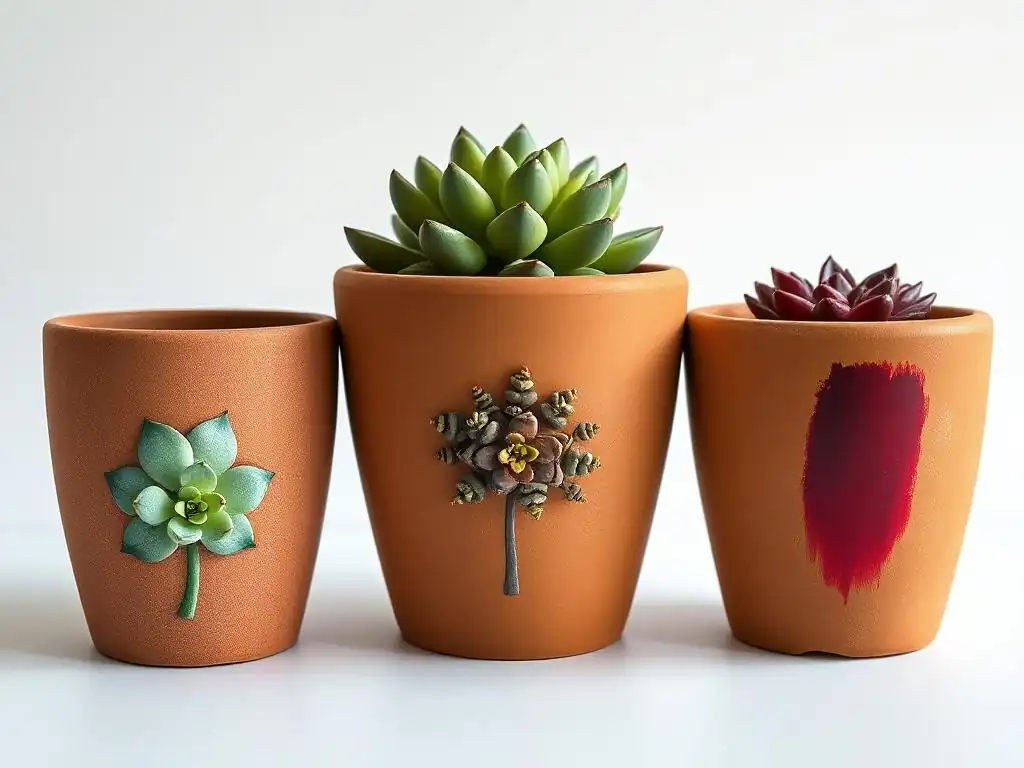
This section delves into advanced techniques to elevate your terracotta pot succulent painting projects beyond basic designs. We'll explore methods to add depth, texture, and visual interest, transforming ordinary pots into stunning displays for your succulents. Remember, the key to successful painting lies in preparation and layering. Always ensure your pots are clean, dry, and primed before beginning any painting project. This will ensure the paint adheres properly and lasts longer.
Creating a Faux Stone Finish on Your Terracotta Pots
Achieving a realistic faux stone finish on your terracotta pots adds an element of sophistication and natural beauty. This technique involves meticulous layering and careful blending of colors to mimic the variations found in natural stone. Start by applying a base coat of a light, neutral color, such as a pale beige or grey.
Once dry, use a sponge or a crumpled piece of paper towel to dab on darker shades of brown, grey, or even green, creating subtle variations in tone. To enhance the stone effect, use a dry brush technique with a slightly lighter shade to highlight certain areas, creating a sense of depth and dimension. Finally, consider adding thin, irregular lines with a darker color to simulate cracks and fissures found in natural stone.
The more subtle and varied your color application, the more realistic your faux stone finish will appear. You can further enhance the effect by sealing the finished pot with a clear sealant to protect the paint and give it a more polished look.
Incorporating Metallic Accents for a Glamorous Look
Metallic accents instantly elevate the look of your terracotta pots, adding a touch of glamour and sophistication. Gold, silver, copper, and bronze are all excellent choices, and you can incorporate them in various ways. One simple method is to use metallic acrylic paints to create geometric patterns or stripes on your pots.
For a more refined look, consider using metallic leafing or paint pens to add delicate details, such as floral motifs or intricate designs. You can also achieve a beautiful antiqued metallic look by applying a layer of metallic paint, and then lightly distressing it with sandpaper to reveal the underlying terracotta or base coat. This technique adds a vintage feel and creates a beautifully weathered appearance.
Remember that less is often more when using metallic accents; subtle touches can have a significant impact. Experiment with different techniques to discover what works best for your style and the overall design of your succulent arrangement.
Using Mixed Media Techniques for Unique Textures
Mixed media techniques offer endless possibilities for adding unique textures and visual interest to your terracotta pot succulent painting projects. Consider incorporating materials such as sand, burlap, or even small pebbles into your designs. For instance, you can create a textured surface by mixing sand with your paint and applying it to the pot. This will give it a gritty, rustic feel.
Alternatively, you can glue small pebbles or shells to the surface before painting, creating a mosaic-like effect. Using stencils with different textures, such as lace or burlap, can also add a unique dimension to your designs. Experiment with different combinations of materials and techniques to find what best complements your chosen color scheme and the overall aesthetic of your succulent display. Remember to use a sealant to protect the mixed media elements and ensure the longevity of your beautiful creations.
Don't be afraid to experiment! The beauty of mixed media is its versatility and the opportunity to create truly one-of-a-kind pieces. This approach allows for a unique expression of your creativity, making each pot a personalized masterpiece.
Color Psychology and Succulent Selection: A Perfect Match
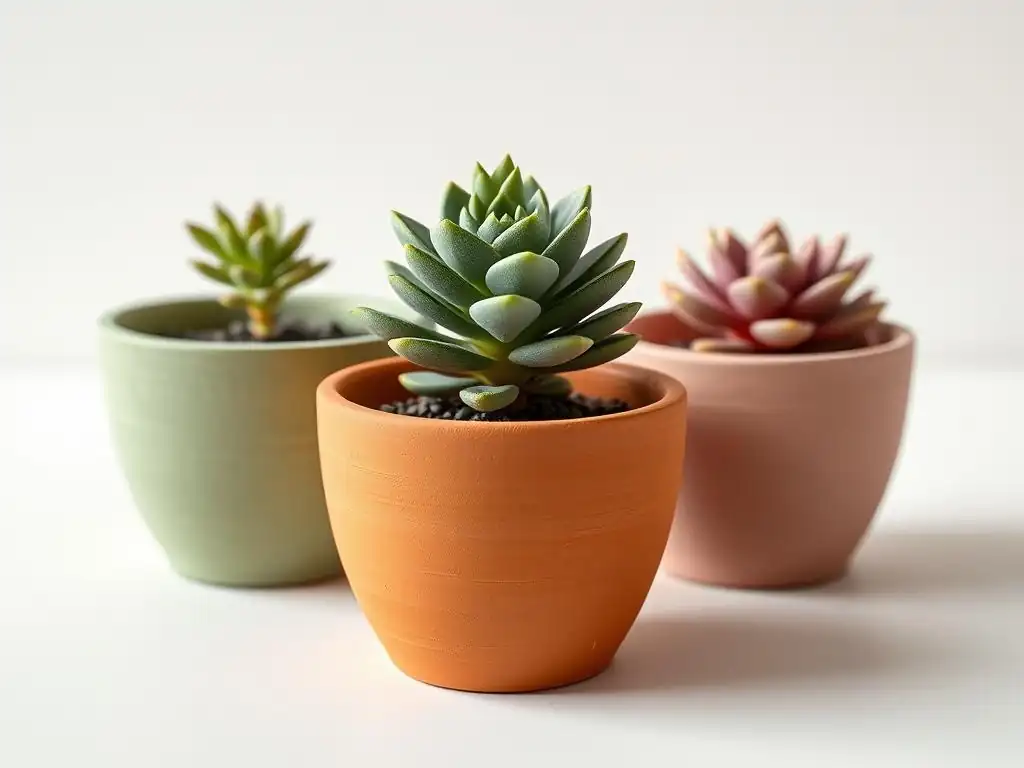
Choosing the right color for your terracotta pots can significantly enhance the visual appeal of your succulent arrangements. This isn't just about aesthetics; it's about leveraging color psychology to create a harmonious and impactful display. The colors you choose can subtly influence the mood and feeling associated with your succulent garden, making it a more engaging and enjoyable part of your home or outdoor space.
Understanding the psychology behind color and how it interacts with different succulent varieties is key to achieving a truly stunning result. We'll explore how to match pot colors to succulents, building cohesive palettes, and using color to highlight particular plants. Let's delve into the fascinating world of color and succulents!
Matching Pot Colors to Succulent Varieties
The color of your terracotta pot should complement, not compete with, the colors of your succulents. For example, vibrant, brightly colored succulents like Echeveria 'Perle von Nürnberg' with its rosy hues, look stunning in muted, earthy tones like terracotta left natural, a pale sage green, or a soft, dusty rose. The pot color provides a subtle backdrop, allowing the succulent's natural beauty to shine.
Conversely, succulents with more muted colors, such as the grayish-green Sedum morganianum (Burro's Tail), can be beautifully showcased in brighter, more contrasting pots. A sunny yellow, a cheerful coral, or even a deep, rich blue can make these succulents pop. Consider the overall tone of your succulent; cool tones (blues, greens) pair well with cool-toned pots, while warm tones (reds, oranges) benefit from warm-toned pots.
Here's a simple table to illustrate effective pairings:
| Succulent Color | Recommended Pot Color(s) | Rationale |
|---|---|---|
| Bright Pink/Red | Muted Rose, Terracotta, Beige | Avoids overwhelming the vibrant succulent color |
| Deep Green/Gray-Green | Yellow, Coral, Deep Blue | Creates contrast and makes the succulent pop |
| Light Green/Blue-Green | Pale Sage, White, Light Gray | Softens the look and enhances the subtle hues |
| Yellow/Orange | Dark Brown, Deep Green, Teal | Provides grounding and visual balance |
This careful consideration ensures a visually pleasing and harmonious arrangement. Remember, experimentation is key! Don't be afraid to try different combinations to see what works best for you.
Creating a Cohesive Color Palette for Your Succulent Collection
To achieve a truly professional-looking succulent display, consider creating a cohesive color palette. This doesn't mean every pot needs to be the same color; instead, focus on using a range of colors that complement each other. Think about using analogous colors (colors next to each other on the color wheel, like blues and greens) or complementary colors (colors opposite each other on the color wheel, like orange and blue).
For example, a palette of warm earth tones (terracotta, browns, oranges) creates a rustic and inviting feel, perfect for succulents with warm hues. Alternatively, a cooler palette of blues, greens, and grays can evoke a sense of calm and serenity, ideal for succulents with silvery or bluish leaves. The key is to choose a palette that reflects the overall mood and style you want to create. 🎨
Remember to consider the surrounding environment as well. A bright, sunny patio might lend itself to a vibrant color palette, while a shaded balcony might benefit from a more subdued approach.
Using Color to Highlight Specific Succulents
Sometimes, you might want to draw attention to a particular succulent in your collection – perhaps a rare variety or a particularly striking specimen. In these cases, you can use color to strategically highlight that plant. Choose a pot color that creates a strong contrast with the succulent's color, making it stand out from the rest of the arrangement.
For instance, a bright pink or orange succulent could be beautifully highlighted in a deep black or charcoal gray pot. The dark color creates a dramatic backdrop, drawing the eye directly to the vibrant plant. Similarly, a pale-colored succulent could be showcased in a richly colored pot, such as a deep purple or emerald green, providing a visually striking contrast. This technique is particularly effective for creating focal points within a larger succulent arrangement, adding depth and visual interest. Think of it as using color to tell a story with your plants! ✨
Displaying Your Painted Terracotta Pots: Tips for Maximizing Visual Appeal
This section focuses on showcasing your beautifully painted terracotta pots and their succulent inhabitants to best effect. The right display can elevate your creations from simple planters to stunning works of art. Consider these key aspects for maximizing visual impact:
Arranging Succulents in Painted Terracotta Pots
The arrangement of succulents within your painted terracotta pots is crucial for achieving a visually appealing display. Avoid overcrowding; allow sufficient space between plants for growth and air circulation. Think about color contrast – juxtaposing succulents with varying shades of green, blue, and even reddish hues against your painted pot background can create a vibrant display. For instance, a pot painted in a bold turquoise could beautifully complement the muted greens of Sedum morganianum (Burro's Tail) and the silvery-blue leaves of Senecio serpens (String of Pearls).
Consider the shapes and textures of your succulents. Combining different forms – rosettes, trailing plants, and upright varieties – adds visual interest. A taller succulent in the center, surrounded by smaller, lower-growing plants, can create a balanced and harmonious composition. Experiment with layering and varying heights for a more dynamic arrangement. Remember, even small details matter! A single, strategically placed succulent with a unique color or texture can significantly enhance the overall aesthetic.
Creating a Stunning Succulent Garden with Painted Pots
Transforming your painted terracotta pots into a cohesive succulent garden elevates the visual impact. Think beyond individual pots – consider the overall arrangement and how the painted pots interact with each other and their surroundings. Grouping pots of similar colors or paint styles creates a unified look. Alternatively, mixing and matching different colors and designs can produce a more eclectic and vibrant garden.
Consider the placement of your succulent garden. A sunny patio or windowsill provides the ideal environment for succulents, but the backdrop also plays a significant role. A contrasting background, such as a stone wall or a vibrant flower bed, can enhance the visual appeal. Similarly, the use of varying pot sizes and heights adds depth and dimension to your succulent garden.
Consider using different sizes of terracotta pots, painted in coordinating colors, to create visual interest and a sense of scale. Experiment with arranging them in clusters or along a path for a more dramatic effect. Don't underestimate the power of negative space. Allowing some empty space between the pots allows each individual pot to stand out.
Photography Tips for Showcasing Your Painted Pots and Succulents
High-quality photos are essential for sharing your creative terracotta pot succulent painting ideas. Here are some tips for capturing the beauty of your work:
| Photography Tip | Description | Example |
|---|---|---|
| Natural Light | Use soft, natural light for the most flattering photos. Avoid harsh shadows. | Shoot outdoors on a cloudy day or in soft morning light |
| Composition | Pay attention to the arrangement of your pots and succulents. Use the rule of thirds for a balanced composition. | Position the pots off-center for a more dynamic image |
| Background | Choose a simple, uncluttered background that complements your pots and succulents. | A plain wall or a textured surface |
| Angle | Experiment with different angles to find the most visually appealing perspective. | Shoot from above, below, or from the side |
| Editing | Use photo editing software to adjust brightness, contrast, and saturation for a polished look. Avoid over-editing. | Subtle adjustments can make a big difference |
Remember to capture the details – the texture of the paint, the intricate details of the succulents. Close-up shots can highlight the beauty of both the painted pots and the succulents within. A well-composed photo not only showcases your creative skills but also inspires others to try their hand at terracotta pot succulent painting. Consider experimenting with different angles and lighting to capture the unique qualities of each piece. The right photograph can transform a simple terracotta pot into a visual masterpiece. Don't be afraid to experiment and find your own unique style! 🪴
Frequently Asked Questions
What is the best paint to use on terracotta pots for succulents?
Acrylic paints are generally best for terracotta pots because they adhere well to the porous surface and are durable enough to withstand outdoor conditions. Water-based acrylics are also easy to clean up.
How do I prepare a terracotta pot before painting?
Before painting, clean the pot thoroughly with soap and water to remove any dirt or debris. Allow it to dry completely, then consider priming with a sealant for better paint adhesion and longevity.
What color combinations work best for painting terracotta pots for succulents?
Consider the color psychology of your succulents. Complementary colors can create a visually striking display, while analogous colors offer a more harmonious look. Experiment with different shades to find your favorite aesthetic.
Are there any specific painting techniques ideal for terracotta succulent pots?
Yes! Consider techniques like stencilling for intricate designs, sponge painting for a textured look, or freehand painting for a more artistic feel. Experiment to discover your preferred style.
Where can I find more terracotta pot succulent painting ideas?
Explore Pinterest, Instagram, and blogs dedicated to succulent gardening and DIY projects. Many resources offer step-by-step tutorials and inspirational images for creating unique painted succulent pots.
Final Reflection: The Blooming Potential of Color and Clay
The vibrant hues we choose for our terracotta pots aren't just aesthetics; they're a powerful tool to enhance the beauty and impact of our succulent displays, directly influencing their perceived health and vibrancy. This isn't merely a trend in home décor; it's a conscious act of creating a harmonious environment where plants and artistry intertwine. The careful selection of color, informed by the principles of color psychology, can transform a simple succulent arrangement into a captivating focal point, breathing new life into any space.
The enduring appeal of terracotta pots, combined with the ever-growing popularity of succulents, creates a fertile ground for creative expression. This fusion of natural materials and artistic flair speaks to a deeper human need for connection with nature and a desire to personalize our living spaces. The earth laughs in flowers.
– Ralph Waldo Emerson. This quote perfectly encapsulates the joy and simple beauty that can be achieved through this seemingly small act of painting terracotta pots. The impact extends beyond the individual, influencing the overall aesthetic of a home and even contributing to a sense of calm and well-being.
Consider the colors you've chosen for your own succulent displays. What emotions do they evoke? How do they interact with the natural tones of the plants themselves? I encourage you to experiment further, to explore the endless possibilities of color and clay, and to discover the unique joy of creating a personalized succulent haven that reflects your own individual style and personality. Let your creativity bloom, one painted pot at a time.
Unleash Your Inner Artist: Paint Your Perfect Succulent Paradise!
Thank you for exploring the fascinating world of color psychology and terracotta pot painting! We hope you've gained valuable insights into choosing colors that perfectly complement your succulents. Now it's time to put your knowledge into practice.
- Get creative: Gather your terracotta pots and paints—let's bring those vibrant color schemes to life! Experiment with different shades and techniques to achieve the look you desire.
- Share your success: Post pictures of your painted pots and thriving succulents on social media using #SucculentEssentials and #TerracottaTransformation—let's inspire each other!
- Add a unique touch: Consider using metallic paints or stencils for a truly eye-catching effect.
What unexpected color combination will you use to enhance your succulent collection next?