
Paper Power: Crafting Delightful Succulent Decorations from Recycled Paper

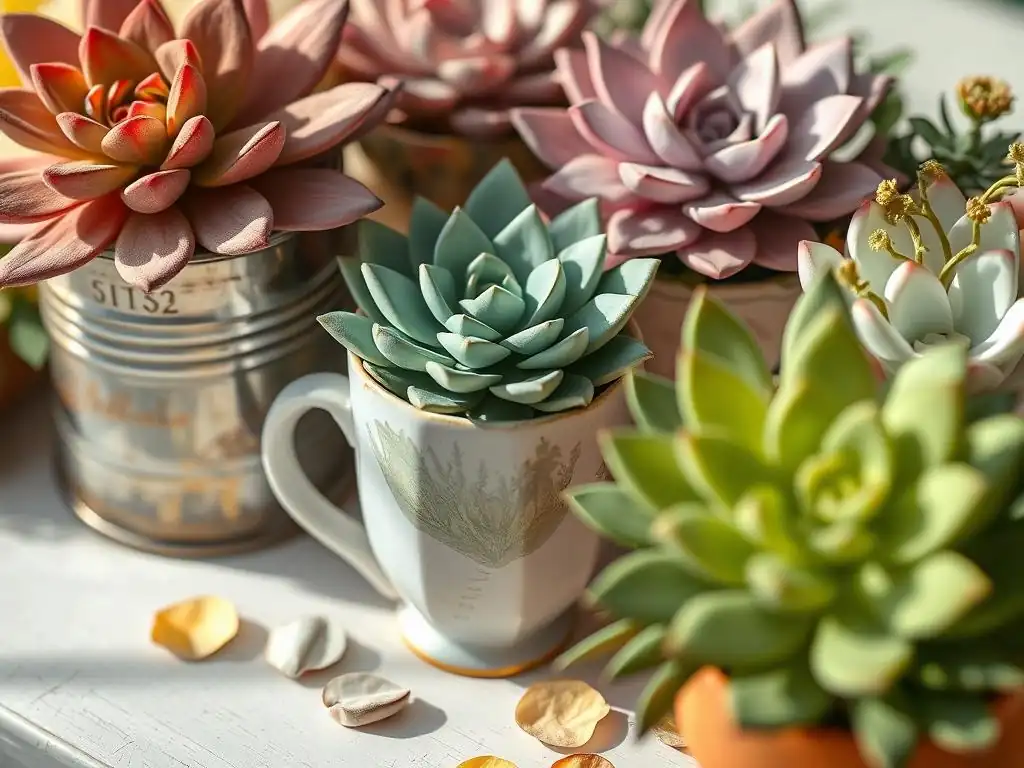
Welcome to SucculentEssentials.org, where the fascinating world of succulents unfolds! Are you ready to unleash your creativity and transform ordinary recycled paper into stunning succulent decorations? Discover the secrets to crafting breathtaking arrangements, from miniature masterpieces to impressive vertical gardens, all while embracing sustainable practices. Dive into our "Recycled paper succulent crafts" article and unlock a world of innovative DIY projects – your next succulent masterpiece awaits!
- Introduction to Recycled Paper Succulent Crafts
- Preparing Your Recycled Paper for Crafting
- Designing Your Recycled Paper Succulents
- Assembling Your Recycled Paper Succulent Decorations
- Finishing Touches and Display Ideas
- Expanding Your Recycled Paper Succulent Crafts
-
Frequently Asked Questions
- What types of recycled paper are best for succulent crafts?
- How do I create a realistic succulent shape from recycled paper?
- Are there any special tools needed for recycled paper succulent crafts?
- What kind of glue works best for these projects?
- Where can I find inspiration for recycled paper succulent designs?
- Final Reflection: Blooming from Waste: The Enduring Power of Recycled Creativity
- Unleash Your Inner Artist: Craft Your Own Paper Succulents!
Introduction to Recycled Paper Succulent Crafts
Succulents, with their striking textures and vibrant colors, are a popular choice for both indoor and outdoor decoration. But what if you could combine your love for these drought-tolerant plants with a commitment to sustainability? This article delves into the fascinating world of crafting delightful succulent decorations using recycled paper – a surprisingly versatile and eco-friendly material. We'll explore the aesthetic appeal of upcycled succulent decor, highlight the environmental benefits of choosing recycled paper, and guide you through the process of sourcing and preparing your materials, opening up a world of creative possibilities for your succulent arrangements.
Learn how to transform discarded paper into charming planters, whimsical figurines, and even intricate miniature landscapes, all while minimizing your environmental footprint and adding a unique touch to your home or garden. Get ready to unleash your creativity and discover the joy of crafting beautiful, sustainable succulent decorations! 🎉
The Eco-Friendly Charm of Upcycled Succulent Decor
Upcycling, the process of transforming waste materials into something new and valuable, adds a unique charm to any craft project. Using recycled paper for succulent decorations offers a compelling blend of aesthetics and environmental responsibility. The rustic textures and subtle variations in color found in recycled paper provide a perfect backdrop for the vibrant hues of succulents. Whether you're creating simple paper pots or more elaborate sculptures, the inherent imperfections of recycled paper lend a handcrafted, almost vintage feel, enhancing the overall aesthetic appeal.
This approach not only reduces waste but also adds a layer of character and authenticity to your succulent displays, making each piece truly one-of-a-kind. Think of the possibilities: rustic paper pots adorned with delicate succulents, charming paper animals nestled amongst miniature plants, or even intricate paper landscapes featuring various succulent species. The possibilities are endless! 🌵
Environmental Benefits of Using Recycled Paper
Choosing recycled paper for your succulent craft projects offers significant environmental advantages. The production of virgin paper requires extensive logging, leading to deforestation and habitat loss. In contrast, using recycled paper significantly reduces the demand for new pulp, conserving trees and protecting forests. Furthermore, the manufacturing process of recycled paper consumes less energy and water than the production of virgin paper, minimizing your carbon footprint and contributing to a more sustainable lifestyle.
By opting for recycled paper, you actively participate in reducing landfill waste and promoting a circular economy, where materials are reused and repurposed rather than discarded. This aligns perfectly with the ethos of succulent gardening itself, which often emphasizes drought-tolerance and minimal water usage. Making eco-friendly choices in both your plant selection and crafting materials creates a truly harmonious and sustainable approach to your hobby. 🌍
Sourcing and Preparing Recycled Paper Materials
The beauty of this craft lies in its accessibility. Sourcing recycled paper is surprisingly easy! You can utilize various sources, including:
- Newspaper: Provides a readily available and versatile material.
- Cardboard: Ideal for creating sturdy planters or larger structures.
- Paper Bags: Offers a range of colors and textures depending on the type of bag.
- Magazines: Provides colorful and patterned options for decorative accents.
- Office Paper Scraps: Repurpose unwanted documents and printouts.
Before starting your project, prepare the recycled paper by thoroughly cleaning and drying it. For some projects, you may need to soften the paper by soaking it in water. This will make it more pliable and easier to shape. Remember to remove any staples, tape, or other non-paper elements before starting. Experiment with different types of recycled paper to explore diverse textures and colors. The variations in thickness and color will add to the unique charm of your final creations. Let your creativity guide you as you transform everyday waste into beautiful, sustainable succulent decorations! ♻️
Preparing Your Recycled Paper for Crafting
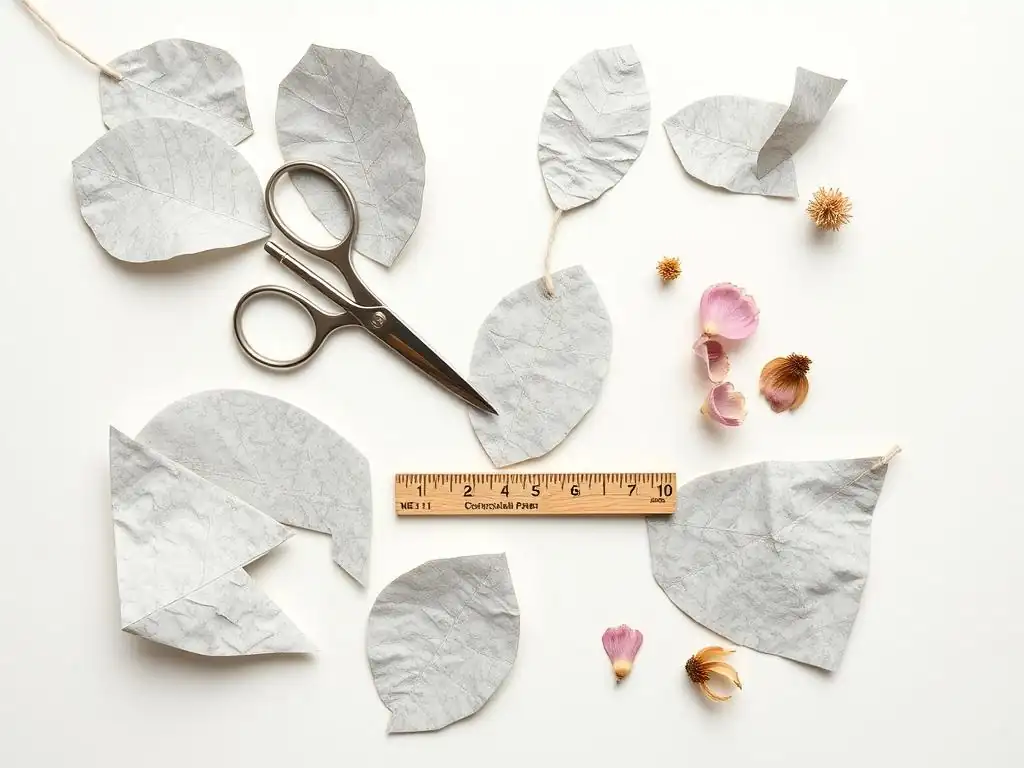
This section details the crucial first step in creating beautiful succulent decorations from recycled paper: preparing your raw materials. The success of your project hinges on the condition and workability of your recycled paper. We'll explore methods to transform stiff, brittle recycled paper into a pliable and moldable medium, perfect for sculpting miniature succulents and other decorative elements. Remember, the key to successful "Recycled paper succulent crafts" is thoughtful preparation.
Techniques for Softening and Shaping Recycled Paper
Several techniques can rejuvenate stiff recycled paper, making it suitable for crafting. The choice depends on the type of paper and the desired final effect.
- Soaking: Submerging the paper in warm water for 30-60 minutes softens it considerably. For thicker cardstock, you may need to extend this time. Gently knead the paper underwater to further break down the fibers. This method is ideal for creating softer, more pliable forms.
- Steaming: Steaming recycled paper is a faster alternative to soaking. Place the paper in a steamer basket above boiling water for approximately 15-20 minutes. The steam penetrates the paper fibers, making them more flexible. This is particularly useful for detailed work where preserving the paper's integrity is crucial.
- Ironing: For thinner papers, a damp ironing process can be effective. Lightly mist the paper with water, avoiding over-saturation, and iron on a low setting. The heat and moisture relax the fibers, making the paper more manageable. Monitor carefully to prevent burning.
- Blending: For some crafts, a slightly pulped consistency might be preferable. A small amount of water and a blender can create a paste-like substance, ideal for molding smaller, more intricate parts of your succulent designs. Experiment with water ratios to achieve the desired consistency.
Creating Paper Pulp from Recycled Newspapers
Creating paper pulp from recycled newspapers offers a unique approach to "Recycled paper succulent crafts." This method allows for greater control over the shape and texture of your creations.
To begin, tear or cut your recycled newspapers into small pieces. Submerge these pieces in a large container of warm water for at least 24 hours to soften thoroughly. Then, use a blender or food processor to break down the soaked paper into a smooth pulp. You might need to add more water to reach the desired consistency. The pulp should be thick enough to hold its shape but still be workable. Strain the pulp to remove any large pieces of paper.
Remember, the texture of your final product will be directly influenced by the consistency of your pulp. A finer pulp will result in smoother, more delicate pieces, while a coarser pulp will create a more textured effect. This allows for a wide range of creative possibilities within your "Recycled paper succulent crafts." Experiment with different pulp consistencies to find your preferred texture.
Natural Dyeing Techniques for Recycled Paper
Adding vibrant color to your recycled paper creations enhances their visual appeal. Natural dyes offer an eco-friendly alternative to synthetic dyes, perfectly aligning with the sustainable ethos of "Recycled paper succulent crafts."
Several readily available natural materials can be used for dyeing:
| Dye Source | Color Result | Application Method |
|---|---|---|
| Onion Skins | Yellow to Orange-Brown | Boil onion skins in water with paper; let cool. |
| Turmeric | Yellow to Golden | Steep turmeric powder in hot water; soak paper. |
| Red Cabbage | Purple to Blue | Boil red cabbage leaves in water; dye paper. |
| Beetroot | Pink to Red | Boil beetroot in water; immerse paper. |
| Coffee Grounds | Brown | Soak paper in strong brewed coffee; let it air dry. |
Remember to always wear gloves when handling natural dyes, and experiment with different concentrations to achieve the desired shades. The intensity of the color will depend on the soaking time and the concentration of the dye. This allows for subtle variations in color, adding depth and complexity to your "Recycled paper succulent crafts." 🌿
Designing Your Recycled Paper Succulents
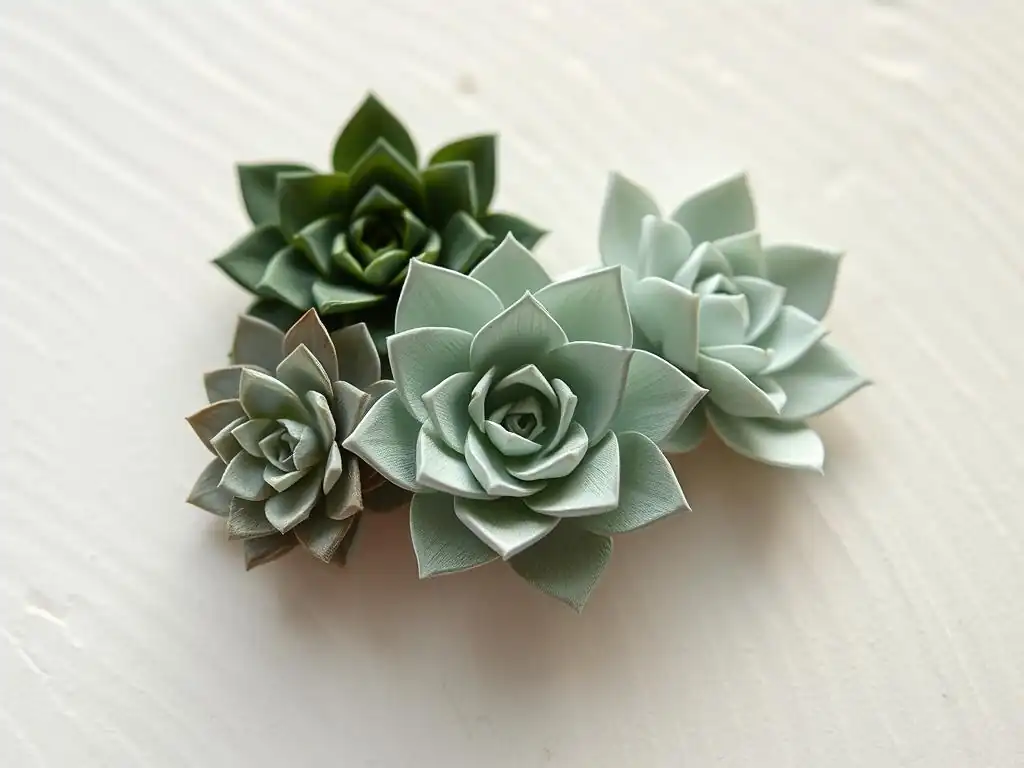
This section delves into the creative process of designing succulents from recycled paper, focusing on techniques to achieve realistic shapes and textures. We'll explore how to translate the unique forms of various succulent species into paper representations, and how to enhance these creations with added details. This guide is perfect for crafting unique and environmentally friendly decorations using readily available materials. Remember, the beauty of these projects lies in their unique imperfections; don't strive for perfect replicas, but instead embrace the artistic expression inherent in working with recycled materials.
Shaping Basic Succulent Forms
Creating realistic succulent forms from recycled paper requires understanding the fundamental shapes of different succulent varieties. While the possibilities are limitless, mastering a few basic forms allows for diverse combinations and arrangements. Let's start with three foundational shapes: rosettes, columns, and trailing stems.
We'll use different thicknesses and types of recycled paper to achieve varied effects. Thicker cardstock works well for the sturdy structures of columnar succulents like Echeveria or Sedum, while thinner paper, like newspaper or magazine pages, is ideal for creating delicate rosettes and trailing stems.
- Rosettes: Begin by rolling and shaping the paper into a tight cone. Then, carefully unfurl the cone slightly, creating layered petals to mimic the rosette structure of many succulents. Experiment with different paper types and layering techniques to achieve varied textures and fullness. Consider using a glue stick or diluted PVA glue to secure the layers.
- Columns: For columnar succulents, roll tightly rolled tubes of paper, securing them with glue as you go. You can create a more natural look by slightly tapering the ends and adding subtle curves. Experiment with combining multiple tubes of varying thicknesses to simulate the branching patterns of some columnar succulents. Consider using different colored papers to create interesting striations.
- Trailing Stems: These are best created using long strips of thin paper. Twist and curl the strips, securing them with glue to create a natural, cascading effect. You can even layer multiple strips to add volume and create a more textured look. Consider using a wire armature within the paper to help support more complex shapes.
Achieving Realistic Texture Through Paper Manipulation
The key to creating convincing recycled paper succulents lies in mastering techniques that mimic the natural textures of real succulents. This involves more than just shaping; it's about adding depth and realism through careful manipulation of the paper.
Several techniques can add realistic texture:
- Crinkling: Gently crumple sections of the paper before shaping to create a more organic, uneven surface, mimicking the subtle wrinkles and creases found on many succulent leaves.
- Scoring: Use a blunt tool, like the back of a spoon or a bone folder, to score the paper, creating fine lines that add depth and dimension. This is particularly effective for simulating the fine details of succulent leaves.
- Layering: Experiment with layering different colors and textures of recycled paper to create a more complex and realistic look. This is particularly effective for simulating the subtle color variations found on many succulent leaves.
- Painting and Coloring: After shaping, use acrylic paints or colored inks to add color and highlights, subtly enhancing the texture and adding realism. Remember to use water-based paints to avoid damaging the paper.
Incorporating Found Objects for Added Detail
Adding found objects to your recycled paper succulents elevates them from simple crafts to unique works of art. These additions can enhance the realism or add a playful, whimsical element to your designs.
Here are some ideas for incorporating found objects:
| Object | Use | Effect |
|---|---|---|
| Small pebbles | To create a base or add texture to pots | Adds weight and a natural, earthy feel |
| Dried flowers | To add color and texture | Creates a contrasting element and visual interest |
| Small beads | To simulate dew drops or add sparkle | Adds subtle detail and visual appeal |
| Wire | To create stems or support structures | Improves structural integrity and realism |
| Tiny bottle caps | As miniature pots for smaller succulents | Provides a unique and charming presentation |
Remember to use non-toxic materials, especially if your creations are displayed where children or pets might interact with them. The possibilities are endless; let your creativity guide you in creating truly unique and delightful recycled paper succulent decorations! Experiment with different combinations of techniques and materials to achieve your desired aesthetic. The key is to have fun and let your creativity shine through!
Assembling Your Recycled Paper Succulent Decorations
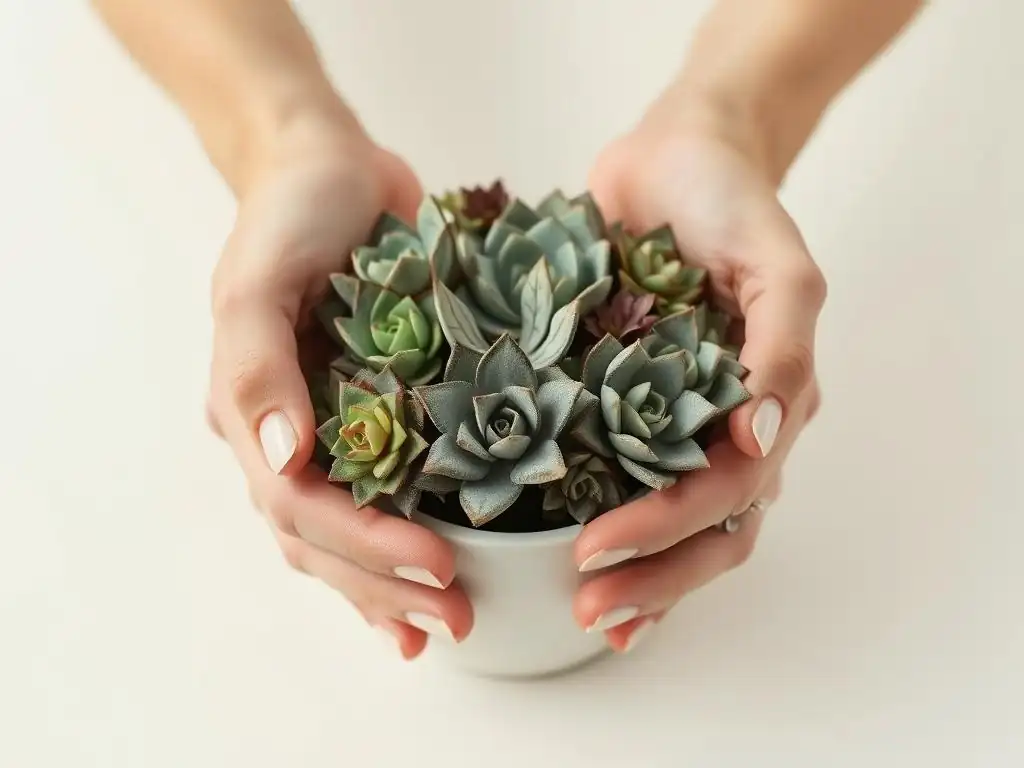
This section details the process of assembling your handcrafted succulent decorations from recycled paper, transforming simple materials into charming, eco-friendly ornaments. We'll explore different techniques and approaches, enabling you to create unique pieces reflecting your personal style and creativity. Remember, the beauty of recycled paper crafts lies in their individuality; no two succulents will ever be exactly alike! This makes each creation a truly unique and treasured piece. The possibilities are as diverse as the succulent species themselves!
Constructing a Single Paper Succulent
Creating individual paper succulents is a fantastic starting point for beginners. The process is surprisingly straightforward, requiring minimal tools and materials. Let's explore the step-by-step process:
First, you'll need your recycled paper, cut into various shapes and sizes. Think leaves, petals, and even small, rolled-up pieces to mimic stems. Experiment with different paper types – newspaper, magazine pages, even colored construction paper – to achieve varied textures and colors. The more varied your paper, the more interesting your final product will be. Consider using different shades of green, adding hints of grey or brown to mimic natural variations in succulent coloration.
Next, carefully layer and assemble your paper pieces to create the shape of a succulent. Use glue or adhesive to secure the pieces, ensuring a strong bond. For particularly delicate shapes, consider using a low-tack adhesive to avoid tearing the paper. You might start with a central rosette of leaves, building outwards to create a fuller, more realistic succulent form.
Finally, add finishing touches to enhance the realism of your creation. This might involve adding small details such as tiny paper "flowers," or gently distressing the edges of the paper leaves to create a more natural, weathered look. You can achieve this by lightly sanding the edges or using a tool to create subtle tears. Remember to let your creativity guide you; don't be afraid to experiment with different techniques and approaches.
Creating a Miniature Recycled Paper Garden
Once you've mastered the art of creating individual succulents, you can move on to more ambitious projects, such as miniature recycled paper gardens. These charming displays are perfect for adding a touch of natural beauty to any space, and they're remarkably easy to create.
Begin by selecting a suitable container. A small terracotta pot, a repurposed teacup, or even a decorative bowl will work perfectly. Consider the overall aesthetic you're aiming for – a rustic, minimalist design, or something more vibrant and colorful. The container choice heavily influences the overall feel of the miniature garden.
Next, carefully arrange your paper succulents within the container. Experiment with different arrangements and heights to create a visually appealing display. You can add other recycled materials to enhance the garden's aesthetic; small pebbles, twigs, or even bits of colored yarn can add texture and visual interest. Think about creating a sense of depth and layering, mimicking the natural arrangement of succulents in a garden setting.
Finally, consider adding a finishing touch, such as a small amount of faux moss or sand to further enhance the realism of your miniature garden. This creates a more natural-looking base for your paper succulents, making the display even more captivating. Adding a small, decorative element, such as a tiny figurine or a miniature bird, can also add a whimsical touch.
Mounting Paper Succulents on Various Surfaces
Adding your recycled paper succulents to various surfaces opens up a whole new world of creative possibilities. This allows you to integrate your creations into existing home décor or create unique, personalized pieces. Let’s explore some options:
One popular method involves mounting your paper succulents onto canvases or wooden boards. This creates a beautiful wall hanging, adding a touch of natural beauty to any room. Use a strong adhesive suitable for both paper and the chosen surface. Consider creating a grouping of succulents of varying sizes and shapes for a more visually impactful display. You can even add a background or border to further enhance the piece.
Alternatively, you can attach your paper succulents to other surfaces, such as mirrors, picture frames, or even lampshades. The possibilities are endless! For delicate surfaces, ensure you use a low-tack adhesive to avoid causing damage. Remember to consider the weight of the paper succulents and the adhesive’s strength to ensure a secure and lasting bond.
Remember to carefully plan the placement of your paper succulents to achieve a balanced and visually appealing arrangement. Consider the size, shape, and color of each succulent, ensuring a harmonious blend. A well-planned arrangement will transform a simple surface into a captivating piece of art. Experiment with different arrangements and surface types to unlock the full potential of your recycled paper succulent creations. 🎉
Finishing Touches and Display Ideas
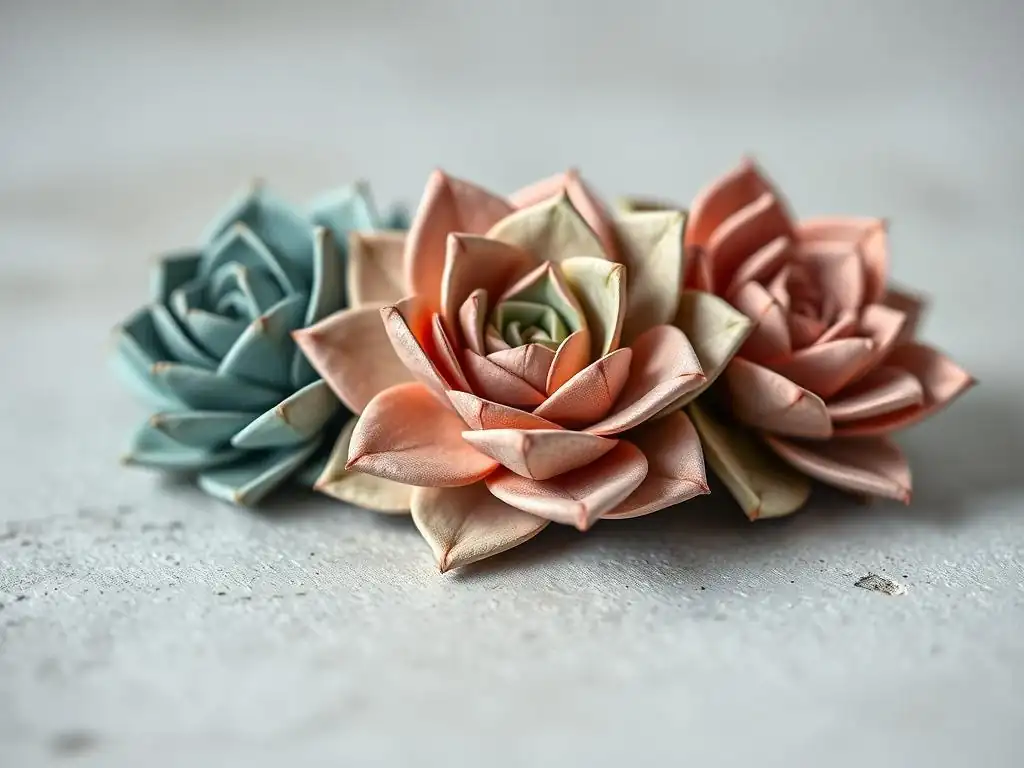
This section focuses on the final steps in creating your recycled paper succulent crafts, ensuring their longevity and enhancing their visual appeal. We'll cover sealing techniques, creative display options, and strategies for long-term preservation. Remember, even the most meticulously crafted recycled paper succulent might need a little extra care to truly shine.
Sealing and Protecting Paper Crafts with Sealant
Once your recycled paper succulents are assembled and dried, sealing them is crucial for protection against moisture and accidental damage. This step significantly extends the lifespan of your creations, preventing warping, fading, and deterioration. Several sealant options exist, each with its own advantages and disadvantages.
Consider these options:
- Acrylic Sealer: This is a readily available and relatively inexpensive option. Acrylic sealers offer good protection against moisture and minor abrasions. Apply several thin coats, allowing each coat to dry completely before applying the next. Over-application can lead to a cloudy or sticky finish.
- Mod Podge: A popular choice for paper crafts, Mod Podge offers a similar level of protection to acrylic sealer, with the added benefit of sometimes providing a slight sheen. Like acrylic sealer, apply thin coats to avoid an undesirable finish.
- Spray-on Sealant: Spray sealants provide even coverage but require a well-ventilated area to avoid inhaling the fumes. Follow the manufacturer's instructions carefully, holding the can at the recommended distance to prevent dripping or clumping.
A crucial aspect of sealing is ensuring even coverage. Missed spots can leave your paper succulent vulnerable to damage. Pay close attention to the edges and crevices of the design, ensuring complete protection. Remember to test your chosen sealant on a small, inconspicuous area first to check for any adverse reactions with the paper type you are using. This prevents any unexpected discoloration or damage to your finished piece.
Creative Display Ideas for Paper Succulents
The beauty of recycled paper succulent crafts lies not only in their creation but also in their display. These charming decorations can add a unique touch to any space. Consider these creative display ideas to showcase your handcrafted succulents:
- Miniature Terrariums: Create a miniature terrarium using a small glass container, adding pebbles, sand, and even small artificial succulents to complement your paper creations. This creates a charming and cohesive display.
- Vertical Gardens: Use your paper succulents to create a vibrant vertical garden on a wall or shelf. This is particularly effective for smaller succulents, allowing you to create a dense and visually interesting arrangement.
- Picture Frames: Incorporate your paper succulents into picture frames, creating a unique and eye-catching display. You can either glue them directly to the frame or create a small scene within the frame.
- Shadow Boxes: Shadow boxes offer a three-dimensional display for your paper succulents, allowing you to showcase their intricate details. Add small lights or other decorative elements to enhance the display further.
Remember to choose a display location that complements the colors and style of your paper succulents. A well-chosen display can dramatically enhance the overall aesthetic appeal of your creations. Experiment with different arrangements and settings to find the perfect display for your recycled paper succulent masterpieces.
Long-Term Preservation of Paper Art
To ensure your recycled paper succulent crafts remain beautiful for years to come, proper storage and care are vital. While sealing offers protection, environmental factors can still affect the longevity of your creations.
- Avoid Direct Sunlight: Prolonged exposure to direct sunlight can cause fading and discoloration. Display your crafts in a location with indirect light.
- Control Humidity: Excessive humidity can lead to mold and mildew growth. Maintain a moderate humidity level in the storage area.
- Proper Storage: When not on display, store your paper succulents in a cool, dry place, preferably in a protective container or box to shield them from dust and accidental damage. This prevents unwanted wear and tear.
- Regular Inspection: Periodically inspect your paper succulents for any signs of damage or deterioration. Address any issues promptly, such as minor tears or loose pieces, to prevent further problems. Early detection and repair can significantly extend the lifespan of your creations.
By following these preservation tips, you can enjoy your beautiful recycled paper succulent crafts for many years to come, preserving a piece of your creativity and showcasing your commitment to sustainable crafting. The process of creation is only half the journey; thoughtful preservation ensures your recycled paper succulent crafts will remain cherished pieces for years to come.
Expanding Your Recycled Paper Succulent Crafts
This section delves into more advanced techniques and creative avenues for crafting succulents from recycled paper, building upon the fundamental skills already established. We'll explore intricate designs, explore online resources for inspiration, and discuss avenues for sharing your creations with the world. Remember, the beauty of recycled paper succulent crafts lies in their unique character; embrace imperfections and let your creativity flourish!
Advanced Paper Succulent Designs: Intricate Arrangements, Sculptures
Moving beyond basic succulent shapes, let's explore the creation of more complex and detailed recycled paper succulents. This involves mastering techniques like layering paper for texture, employing finer cutting tools for intricate details, and experimenting with different paper types to achieve diverse effects.
Consider creating miniature succulent gardens within repurposed containers. Imagine a tiny, meticulously crafted arrangement nestled within a recycled teacup or a small, upcycled tin can. The possibilities are endless! The key is patience and precision. Use sharp craft knives or precision scissors to achieve clean cuts and fine details. Experiment with different paper weights—thinner paper for delicate petals, thicker paper for sturdy leaves.
For truly ambitious projects, consider sculpting larger, three-dimensional succulents. This could involve creating a wire frame as a base, then carefully layering and shaping recycled paper pulp or meticulously rolled and glued paper strips to form the succulent's body. This technique demands more time and skill, but the results are stunning. Remember to allow ample drying time between layers to ensure structural integrity. Think of creating a dramatic, oversized Echeveria or a striking, sculptural Agave – the artistic potential is limitless!
Online Resources for Inspiration and Tutorials
The internet is a treasure trove of inspiration and tutorials for recycled paper crafts. Numerous websites and platforms offer detailed instructions, step-by-step guides, and visual inspiration for creating your own recycled paper succulent masterpieces. Searching for terms like "recycled paper flower tutorials," "paper mache succulents," or "DIY paper crafts" will yield a wealth of information.
Many artists share their techniques and designs through video tutorials on platforms like YouTube. These videos often provide a visual demonstration of complex techniques, making them an invaluable resource for beginners and experienced crafters alike. Additionally, online forums and communities dedicated to paper crafting offer opportunities to connect with other enthusiasts, share ideas, and seek advice. These communities are also great places to find unique patterns and templates to experiment with. Remember to always cite your sources if you adapt ideas from online tutorials.
Once you've crafted your recycled paper succulent creations, don't let them gather dust! Sharing your work not only brings joy to others but also helps to promote the art of upcycling and sustainable crafting. There are several avenues for showcasing your creations.
Consider creating a dedicated Instagram or Pinterest account to showcase your recycled paper succulent crafts. Use relevant hashtags like #recycledpapercrafts, #succulentcrafts, #upcycledart, and #ecofriendlycrafts to reach a wider audience. Participating in online crafting communities and forums allows you to connect with fellow crafters and receive feedback on your work. Many online platforms host craft competitions and exhibitions, providing opportunities for recognition and exposure.
Remember to use high-quality photographs to highlight the intricate details and textures of your creations. Consider entering local craft fairs or exhibitions to share your work in person. This provides a fantastic opportunity to connect with potential buyers and receive direct feedback from the public. The pride of seeing your work appreciated is a rewarding aspect of the creative process.
Frequently Asked Questions
What types of recycled paper are best for succulent crafts?
You can use a variety of recycled papers! Cardboard, newspaper, and scrapbook paper all work well, depending on the desired effect and sturdiness of your craft. Experiment to find your favorite!
How do I create a realistic succulent shape from recycled paper?
Start by rolling, folding, or layering the paper to create the desired form. Consider using different paper textures and colors to mimic the variety of succulent leaves. Secure with glue or tape.
Are there any special tools needed for recycled paper succulent crafts?
While not essential, scissors, glue, and a craft knife can make the process easier and more precise. You might also find templates helpful for creating uniform shapes.
What kind of glue works best for these projects?
A strong adhesive like hot glue or strong craft glue is generally recommended for securing the paper pieces. Avoid water-based glues that might cause the paper to warp or wrinkle.
Where can I find inspiration for recycled paper succulent designs?
Explore online tutorials and craft blogs for ideas. You can also draw inspiration from real succulents, paying attention to their shapes, colors, and textures to create realistic representations.
Final Reflection: Blooming from Waste: The Enduring Power of Recycled Creativity
The art of crafting delightful succulents from recycled paper isn't just a hobby; it's a powerful statement about our relationship with waste and the beauty we can cultivate from it. In a world grappling with environmental challenges, finding creative ways to repurpose materials is not just aesthetically pleasing, but a vital step towards a more sustainable future. This simple act of transforming discarded paper into vibrant, living-looking succulents speaks volumes about our capacity for innovation and our responsibility to the planet.
The enduring appeal of upcycling lies in its ability to connect us to the materials we use and the process of creation. It's a mindful practice that slows us down, encourages resourcefulness, and fosters a deeper appreciation for the things we often overlook. The best things in life are not things.
– Henry David Thoreau. This quote resonates deeply with the spirit of this project; finding beauty and value in the unexpected, transforming something discarded into something cherished, speaks to a larger philosophy of mindful consumption and creative reuse.
Now, consider your own creative potential. What discarded materials surround you? What hidden beauty might they hold? I encourage you to explore the possibilities of upcycling, to embrace the joy of transforming waste into wonder. Let the spirit of "Paper Power" inspire you to create your own blossoming masterpieces, not just from recycled paper, but from the boundless potential of your own imagination and resourcefulness. Let's cultivate a world where beauty blooms even from the most unexpected places.
Unleash Your Inner Artist: Craft Your Own Paper Succulents!
Thanks for exploring the wonderful world of paper succulents with us! You've now learned how to create beautiful, eco-friendly decorations. Ready to put your new skills to the test?
- Craft your masterpiece: Gather your recycled paper and follow the steps in the article to create a unique succulent arrangement. Don't be afraid to experiment with colors and designs!
- Share your creations: Show off your stunning paper succulents on social media using #PaperSucculentPower and tag @SucculentEssentials. Let's inspire each other!
- Challenge a friend: Encourage a friend or family member to join in the fun and create their own paper succulent. Who can make the most impressive design?
What amazing paper succulent will you create first?