
Lightbulb Moments: Creating Unique Succulent Terrariums from Old Light Bulbs

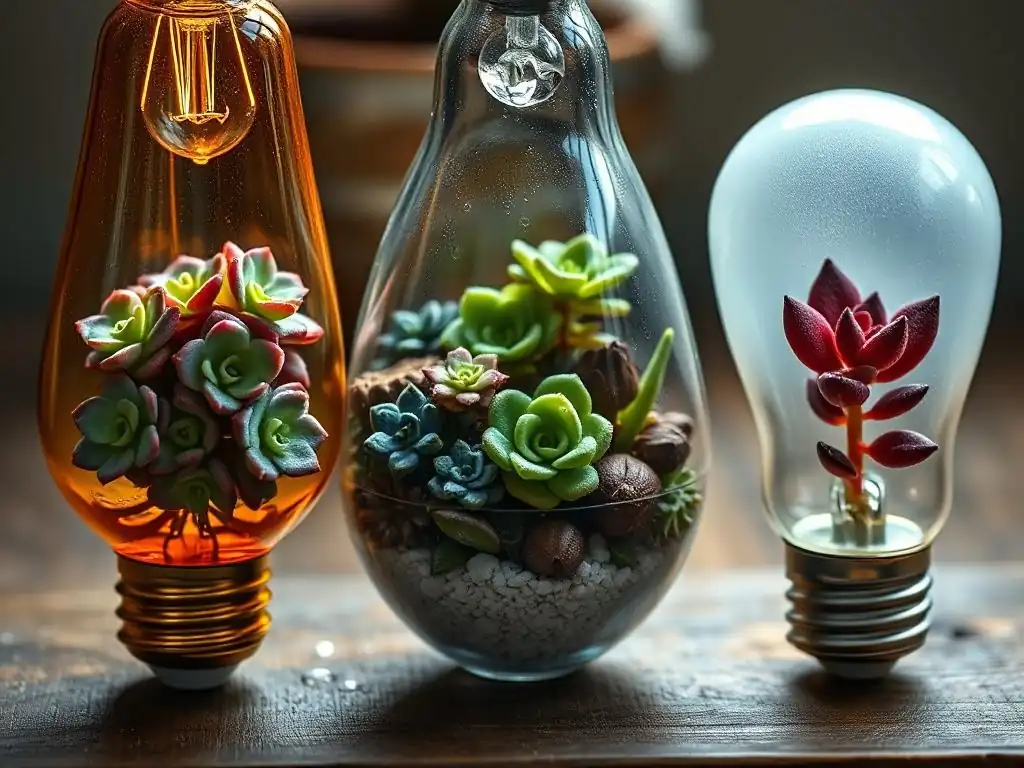
Unleash your inner artist and transform the ordinary into the extraordinary! At SucculentEssentials.org, we delve into the captivating world of succulents, offering expert advice and inspiring ideas. But prepare to be amazed: discover how to create stunning DIY succulent light bulb terrariums, transforming discarded light bulbs into enchanting miniature gardens. Ready to illuminate your space with unique succulent artistry? Let's get started!
- Repurposing Old Light Bulbs: A Sustainable DIY Succulent Terrarium Project
- Designing Your Miniature Succulent Garden: Choosing the Right Plants and Composition
- Planting Your Succulents in Light Bulbs: A Detailed Step-by-Step Tutorial
- Maintaining Your DIY Succulent Light Bulb Terrarium: Care Tips for Long-Lasting Beauty
- Frequently Asked Questions
- Final Reflection: The Enduring Glow of Creativity
- Unleash Your Inner Gardener: Craft Your Unique Succulent Terrarium!
Repurposing Old Light Bulbs: A Sustainable DIY Succulent Terrarium Project
Creating stunning succulent terrariums is a rewarding hobby, and what better way to add a touch of green to your home than by upcycling everyday objects? This guide delves into the fascinating world of DIY succulent light bulb terrariums, showcasing how to transform discarded light bulbs into miniature succulent gardens. This project is not only aesthetically pleasing, adding a unique and quirky element to your interior decor, but also environmentally conscious, promoting sustainability by giving old light bulbs a new lease on life.
We'll walk you through each step, from gathering the necessary supplies to planting your chosen succulents, ensuring you create a thriving miniature ecosystem that will brighten any space. This detailed guide provides a comprehensive approach to crafting a DIY succulent light bulb terrarium, perfect for succulent enthusiasts of all levels, from beginners to experienced gardeners. Learn how to turn a simple, discarded light bulb into a captivating piece of living art that exemplifies both creativity and environmental responsibility.
Let's illuminate your crafting journey with this exciting project! 💡
Gathering Your Supplies: Essential Tools and Materials for DIY Succulent Light Bulb Terrariums
Before embarking on your creative journey, gather the essential tools and materials. A successful DIY succulent light bulb terrarium depends on meticulous preparation. Here's a checklist to ensure a smooth and enjoyable crafting process:
- Old Light Bulbs: Choose bulbs of various sizes and shapes for diverse terrarium designs. Ensure they are completely burnt out and devoid of any electrical components. Safety first! ⚠️
- Succulents: Select small, slow-growing succulents that thrive in well-drained environments. Consider a variety of textures and colors for a visually appealing arrangement. Think about the mature size of the succulents to ensure they have enough space within the bulb.
- Gloves: Protect your hands from potential cuts and scratches when handling the glass bulbs.
- Safety Glasses: Always prioritize eye protection when working with glass.
- Drill with Small Drill Bit: This will be used to create drainage holes in the bulb base. Choose a drill bit appropriate for the thickness of the glass.
- Hammer and Screwdriver (or similar tool): To carefully break the glass if the drill bit doesn't work. This requires extra care and caution.
- Small Gardening Trowel or Spoon: For carefully placing the succulents and soil.
- Well-Draining Potting Mix: Specifically formulated for succulents and cacti. Avoid using regular garden soil, as it retains too much moisture.
- Small Stones or Gravel: For drainage at the bottom of the light bulb.
- Optional: Decorative Elements: Small pebbles, sand, or miniature figurines can enhance the aesthetic appeal of your terrarium.
Cleaning and Preparing Light Bulbs for Succulent Planting: A Step-by-Step Guide
Once you've gathered your supplies, it's time to prepare the light bulbs. This crucial step ensures a healthy environment for your succulents. Follow these steps carefully:
- Safety First! Always wear safety glasses and gloves throughout this process.
- Remove the Metal Base: Carefully remove the metal base of the light bulb. This may require some force, and a screwdriver or pliers might be helpful. Be cautious not to shatter the glass.
- Create Drainage Holes: Using a small drill bit, carefully drill several small holes into the metal base of the light bulb. This will allow for adequate drainage and prevent root rot. If drilling proves difficult, carefully tap the base with a hammer and screwdriver to create small cracks for drainage. This method requires extra caution to avoid shattering the glass.
- Thorough Cleaning: Wash the inside and outside of the bulb thoroughly with warm, soapy water. Rinse well and let it dry completely before proceeding.
- Add Drainage Layer: Place a layer of small stones or gravel at the bottom of the light bulb to facilitate drainage.
- Add Succulent Soil: Add your well-draining succulent potting mix, leaving enough space at the top for your succulents.
- Plant Your Succulents: Carefully plant your chosen succulents, ensuring their roots are gently nestled in the soil. Avoid overcrowding.
- Optional Decorations: Add any decorative elements you've chosen, such as small pebbles or sand.
Designing Your Miniature Succulent Garden: Choosing the Right Plants and Composition
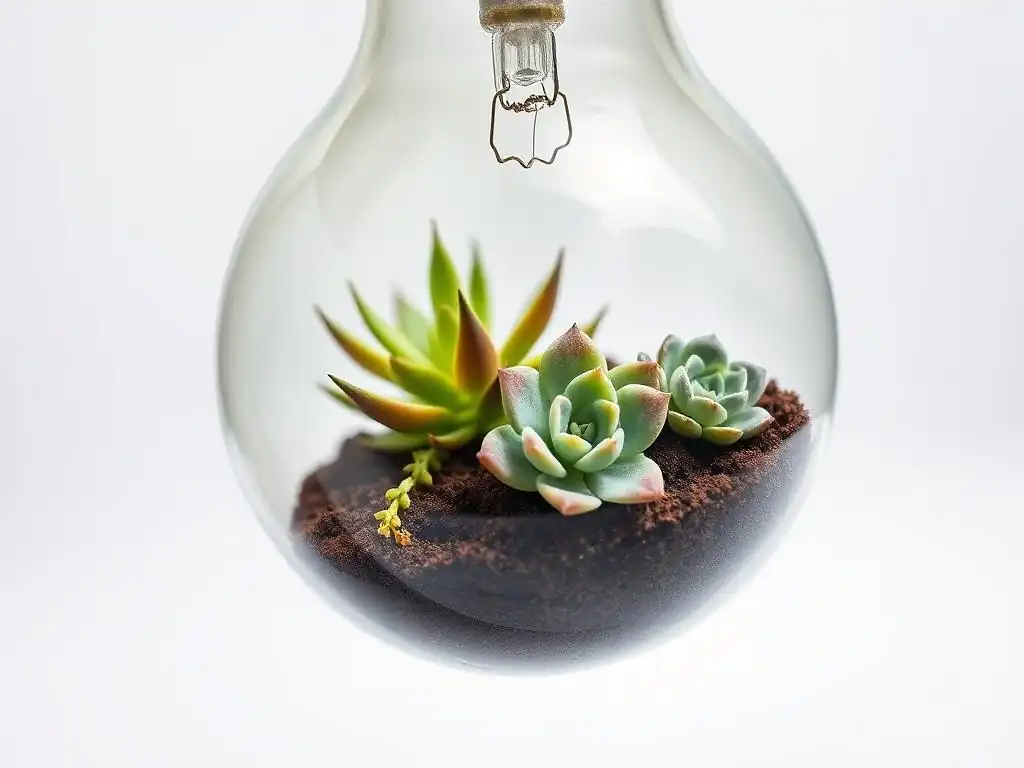
This section focuses on the crucial step of plant selection and arrangement for your DIY succulent light bulb terrarium. Success hinges on choosing succulents that thrive in the confined, often low-humidity environment of a repurposed light bulb. Careful consideration of size, species, and compatibility is key to creating a thriving miniature succulent garden that will be the envy of all your fellow succulent enthusiasts. Remember, a well-planned composition is as important as the individual plants themselves for your DIY succulent light bulb terrarium.
Selecting the Perfect Succulents for Light Bulb Terrariums: Size, Species, and Compatibility
The limited space inside a light bulb necessitates choosing small, slow-growing succulents. Avoid large or fast-growing varieties that will quickly outgrow their confines and potentially damage the glass. Here's a breakdown to guide your selection:
- Size Matters: Opt for succulents with a mature size under 2 inches. Miniature varieties of Echeveria, Sedum, and Sempervivum are excellent choices. Their compact growth habits make them ideal for light bulb terrariums.
- Species Selection: Consider the following low-maintenance succulents known for their tolerance of low humidity and well-draining conditions:
- Sedum morganianum (Burro's Tail): Its trailing habit adds a unique touch, but ensure sufficient space for it to cascade gracefully.
- Echeveria minima: This small, rosette-forming succulent is a popular choice for miniature gardens due to its ease of care and attractive appearance.
- Sempervivum tectorum (Hens and Chicks): These clump-forming succulents are incredibly hardy and can tolerate a wide range of conditions.
- Graptopetalum paraguayense (Ghost Plant): Its delicate, silvery leaves provide textural contrast.
- Compatibility: Before planting, consider the growth habits and water requirements of your chosen succulents. Avoid combining succulents with drastically different needs. Overcrowding should also be avoided; allow enough space for each plant to grow without competing for resources. Proper spacing is crucial for airflow and prevents rot.
Creating a Balanced and Visually Appealing Composition: Tips for Arranging Your Succulents
Arranging succulents within the limited space of a light bulb requires careful planning to achieve a balanced and visually appealing composition. Think of it as creating a miniature landscape! Here are some essential tips:
- Height and Texture Variation: Introduce visual interest by varying the height and texture of your succulents. Combine rosette-forming succulents with trailing varieties for a dynamic display. The contrast in shapes and colors will enhance the overall aesthetic appeal of your DIY succulent light bulb terrarium.
- Focal Point: Consider a central focal point, perhaps a larger or more uniquely colored succulent, to draw the eye and anchor the composition. This creates a sense of depth and visual hierarchy within the miniature garden.
- Color Palette: Choose succulents with complementary colors to create a harmonious and visually pleasing arrangement. Consider a monochromatic scheme or a contrasting palette, depending on your personal preference. A well-chosen color scheme elevates the overall design and impact of your terrarium.
- Spacing and Airflow: Remember, proper spacing is crucial for air circulation to prevent fungal growth and rot. Avoid overcrowding the succulents, allowing sufficient space between each plant for growth and airflow. This is vital for the long-term health and vibrancy of your miniature succulent garden.
- Experimentation: Don't be afraid to experiment! Try different arrangements until you achieve a composition that you find pleasing. The beauty of this craft lies in the creative freedom it offers. Remember to take notes on what works and what doesn't for future projects. This iterative process is key to mastering the art of creating stunning DIY succulent light bulb terrariums.
Planting Your Succulents in Light Bulbs: A Detailed Step-by-Step Tutorial
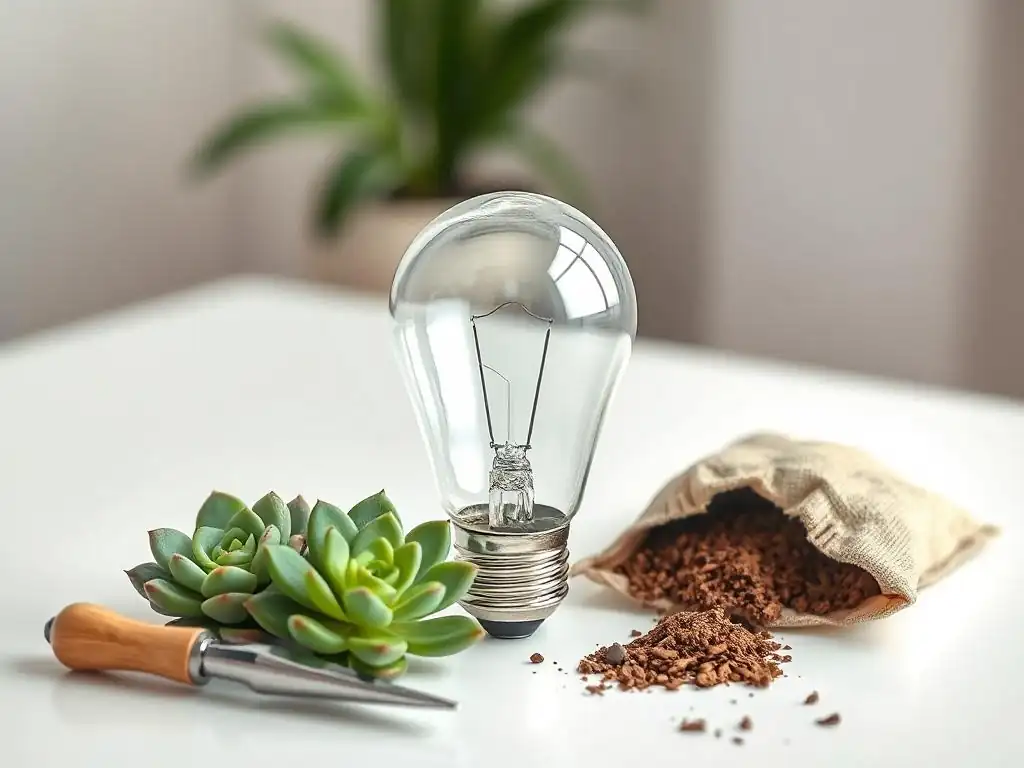
This section provides a comprehensive guide on planting succulents in repurposed light bulbs, transforming these discarded items into charming miniature gardens. We'll cover everything from preparing the bulb to adding finishing touches, ensuring your DIY succulent light bulb terrarium thrives. Remember, patience and careful handling are key to success. This project is perfect for beginners and experienced succulent enthusiasts alike, offering a unique and rewarding crafting experience. Let's get started on creating your own miniature succulent ecosystem!
Preparing the Drainage Layer for Your Light Bulb Terrarium: Preventing Overwatering
Overwatering is a common culprit in succulent demise. Therefore, establishing proper drainage in your light bulb terrarium is paramount. Begin by ensuring your light bulb is thoroughly cleaned and completely dry. Any residual dust or moisture can hinder the drainage process and lead to root rot.
Next, create a drainage layer at the bottom of the bulb. This layer prevents water from accumulating around the roots, a crucial step in preventing overwatering. You can use several materials for this:
- Small gravel: Provides excellent drainage and helps to aerate the soil. Aim for a layer approximately 1/4 inch thick.
- Pea gravel: Similar to small gravel, offering good drainage and aeration.
- Small pieces of broken pottery: An eco-friendly option, using recycled materials from other projects.
The key is to choose a material that allows for sufficient water drainage while still providing a stable base for your soil. Avoid using materials that could decompose and potentially contaminate the soil. Remember, a well-drained base is your first line of defense against overwatering, a common issue in enclosed environments like terrariums. A healthy drainage layer is the foundation for a thriving DIY succulent light bulb terrarium.
Carefully Planting Your Chosen Succulents: Techniques for Avoiding Damage
Selecting the right succulents is crucial for a successful light bulb terrarium. Opt for small, slow-growing varieties that won't outgrow their miniature environment quickly. Examples include Echeveria, Sedum, and Sempervivum species. Avoid succulents with extensive root systems, as these may struggle in the confined space.
When planting, handle the succulents gently to avoid damaging their delicate leaves and stems. Use tweezers or a small spoon to carefully place the succulents into the prepared soil. Ensure the roots are spread out slightly to promote healthy growth, and don't plant them too deeply. The base of the stem should be just below the soil surface.
Spacing is also important. Leave enough space between the succulents to allow for growth and prevent overcrowding. Overcrowding can lead to competition for resources and hinder the overall health of your terrarium. A carefully planned arrangement not only promotes healthy growth but also enhances the aesthetic appeal of your DIY succulent light bulb terrarium. Remember to use a well-draining succulent potting mix to further minimize the risk of root rot.
Adding Decorative Elements: Enhancing the Aesthetics of Your Light Bulb Terrarium
Once your succulents are planted, you can add decorative elements to enhance the visual appeal of your light bulb terrarium. This is where your creativity can truly shine! Consider these ideas:
- Small stones and pebbles: Add visual texture and contrast to the greenery. Choose colors and sizes that complement your succulents.
- Miniature figurines: Add a whimsical touch with tiny animals, fairies, or other decorative accents.
- Colored sand or gravel: Create layers of different colors to add depth and visual interest.
- Small pieces of moss: Add a touch of natural beauty and help retain some moisture. However, use sparingly to avoid over-moistening.
Remember, less is often more. Avoid overcrowding the terrarium with decorative elements, which could hinder the growth of your succulents. A well-balanced arrangement of plants and decorations will create a beautiful and harmonious miniature garden. Your completed DIY succulent light bulb terrarium will be a unique and eye-catching addition to any space, showcasing your creativity and green thumb. 🪴
Maintaining Your DIY Succulent Light Bulb Terrarium: Care Tips for Long-Lasting Beauty
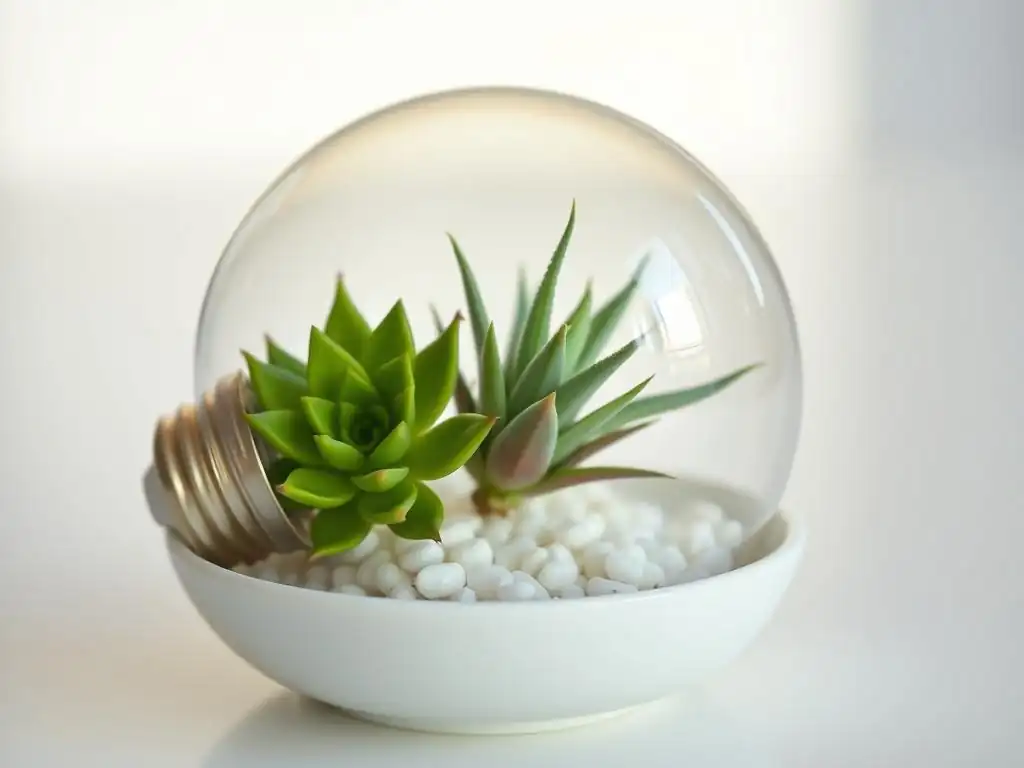
Creating a stunning DIY succulent light bulb terrarium is just the first step. To ensure your miniature succulent garden thrives and remains a beautiful focal point, proper care is crucial. Neglecting even one aspect of succulent care can lead to wilting, root rot, and ultimately, the demise of your carefully crafted creation. This section provides essential tips for maintaining the health and beauty of your DIY succulent light bulb terrarium, focusing on watering, lighting, and troubleshooting common problems. Remember, success with this unique project hinges on mimicking the succulents' natural environment as closely as possible.
Watering Your Light Bulb Terrarium: Avoiding Overwatering and Underwatering
Overwatering is the most common culprit behind succulent demise, especially in enclosed environments like light bulb terrariums. The small size and limited drainage mean that even a small amount of excess water can quickly lead to root rot. Underwatering, on the other hand, results in shriveled leaves and stunted growth. Finding the right balance is key.
Instead of adhering to a strict watering schedule, monitor the soil moisture. Use a finger test: insert your finger about an inch into the soil. If it feels dry, it's time to water. If it's still moist, wait a few more days. Water thoroughly, ensuring the soil is evenly moistened but not soggy.
Allow any excess water to drain completely – this is crucial to prevent waterlogging. The frequency of watering will depend on factors like the size of your light bulb, the type of succulents planted, and the ambient temperature and humidity. During hotter months, you'll likely need to water more frequently than during cooler months. Remember, less is often more when it comes to watering succulents!
Consider using a well-draining soil mix specifically formulated for succulents and cacti. This will help prevent water retention and promote healthy root development. Avoid using ordinary potting soil, as it often retains too much moisture.
Providing Adequate Light and Ventilation: Essential Considerations for Succulent Health
Succulents, known for their resilience, still require ample sunlight to thrive. Your DIY succulent light bulb terrarium needs to be placed in a location that receives bright, indirect sunlight for at least several hours each day. Direct sunlight, especially during the hottest parts of the day, can scorch the delicate leaves. An east- or west-facing windowsill is often ideal, providing sufficient light without excessive heat.
Proper ventilation is equally important. While a closed environment provides humidity, inadequate airflow can lead to fungal diseases and pest infestations. A slightly cracked bulb or a small opening in the base can help improve air circulation without significantly impacting humidity levels. Observe your terrarium regularly for signs of mold or pests. If you notice any issues, gently increase ventilation, but be mindful of the delicate balance between humidity and airflow. The goal is to create a miniature ecosystem that mimics the natural conditions succulents prefer.
Troubleshooting Common Issues: Addressing Problems in Your Light Bulb Terrarium
Even with diligent care, problems can arise in your DIY succulent light bulb terrarium. Recognizing and addressing these issues promptly is critical for saving your precious plants.
Here's a table outlining common problems, their causes, and solutions:
| Problem | Cause | Solution |
|---|---|---|
| Root Rot | Overwatering, poor drainage | Allow soil to dry completely; repot in well-draining succulent mix. |
| Yellowing Leaves | Overwatering, underwatering, lack of light | Adjust watering; provide more light; check for pests. |
| Shrinking Leaves | Underwatering, lack of nutrients | Water thoroughly; consider fertilizing (sparingly) during growing season. |
| Leggy Growth | Insufficient light | Move to a brighter location; consider supplemental grow lights. |
| Pest Infestation | Poor ventilation, introduction of pests | Improve ventilation; treat with appropriate insecticidal soap. |
| Mold Growth | Excessive humidity, poor ventilation | Improve ventilation; remove affected areas; allow soil to dry. |
Remember, patience and observation are essential. By understanding the specific needs of your succulents and addressing problems quickly, you can ensure your DIY succulent light bulb terrarium remains a vibrant and long-lasting testament to your creativity. Enjoy the beauty and satisfaction of nurturing your miniature succulent garden!
Frequently Asked Questions
What kind of succulents are best for a light bulb terrarium?
Smaller, drought-tolerant succulents like Sedum, Echeveria, and Sempervivum work best in light bulb terrariums due to their size and low water needs. Avoid succulents with large root systems.
How do I prepare the light bulb for planting?
First, carefully clean and dry the inside of the light bulb. Then, create drainage holes in the bottom using a small drill bit or a nail and hammer. Finally, add a layer of gravel or small rocks for drainage.
What kind of soil is suitable for a light bulb terrarium?
Use a well-draining cactus and succulent potting mix. Avoid using regular potting soil, as it retains too much moisture and can lead to root rot. Adding perlite or coarse sand can improve drainage further.
How often should I water my DIY succulent light bulb terrarium?
Water infrequently, only when the soil is completely dry. Overwatering is a common problem, leading to root rot. Allow the soil to dry out thoroughly between waterings.
How much light do succulents in a light bulb terrarium need?
Succulents need bright, indirect light. A south-facing window is ideal, but avoid direct sunlight, which can scorch the leaves. Consider supplementing with grow lights if necessary.
Final Reflection: The Enduring Glow of Creativity
Repurposing discarded materials isn't just a trend; it's a powerful statement about our relationship with the environment and our capacity for creative ingenuity. Transforming something as commonplace as a burnt-out light bulb into a thriving miniature garden speaks volumes about our ability to find beauty in unexpected places and to breathe new life into the discarded. This simple act of upcycling transcends the craft itself, becoming a symbol of resourcefulness and a celebration of the unexpected.
The joy of creating these miniature ecosystems extends beyond the aesthetic. It's a meditative process, a quiet act of nurturing and observation that connects us to the natural world in a tangible way. The earth laughs in flowers.
– Ralph Waldo Emerson. This quote perfectly captures the essence of this project; finding joy and beauty in the simple act of cultivating life, even in the smallest of spaces. The enduring appeal of succulent terrariums, especially those crafted from repurposed materials, lies in their ability to bring a touch of nature's resilience and beauty into our often-frantic lives.
Now, consider your own discarded items. What potential lies hidden within them? I challenge you to look beyond the trash and see the possibilities. Embrace the spirit of upcycling, not just for the sake of creating beautiful terrariums, but as a way to cultivate a more mindful and sustainable lifestyle. Let the glow of your creativity illuminate your home and inspire you to find beauty in the unexpected, one repurposed light bulb at a time.
Unleash Your Inner Gardener: Craft Your Unique Succulent Terrarium!
Thank you for joining us on this journey into the creative world of upcycled succulent terrariums! We hope you've gained inspiration and a newfound appreciation for these miniature gardens. Now it's time to get started!
- Create your masterpiece: Choose your favorite glass containers—remember those tips on selecting the right vessel?—and gather your supplies. Begin building your unique succulent terrarium; you've got this! This is the most important step, so don't hesitate to get started.
- Share your success: Snap a photo of your finished terrarium and share it with us on social media using #SucculentEssentials and #UpcycledTerrariums. We'd love to see your creations!
- Inspire a friend: Why not encourage someone else to try this exciting craft? Send a link to this article and invite a friend to create their own unique terrarium.
What's the most unusual container you can think of transforming into a thriving succulent garden? Let's discuss in the comments!