
How to Craft a Succulent Moss Frame with Recycled Materials

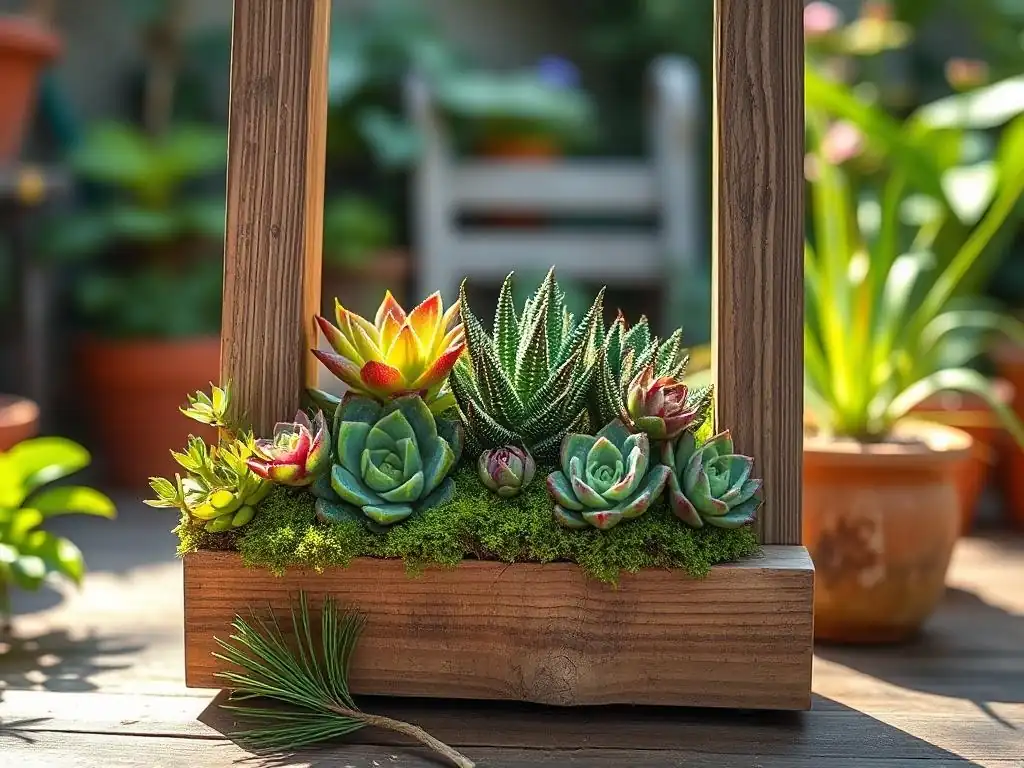
Welcome to SucculentEssentials.org, where the fascinating world of succulents unfolds before you! Are you ready to unleash your inner artist and create something truly unique? We'll show you how, with our detailed DIY succulent moss frame tutorial. Discover the secrets to crafting stunning, living art using recycled materials and the captivating beauty of succulents. Prepare to be amazed by the possibilities – let's get started!
-
Gathering Your Supplies for the DIY Succulent Moss Frame
- Sourcing Recycled Materials: Frames, Mirrors, and More
- Choosing the Right Moss: Types and Considerations for Your Succulent Frame
- Selecting Succulents: Varieties Suitable for Moss Frame Displays
- Essential Tools for Your Succulent Moss Frame Project
- Sourcing Your Materials: Finding the Perfect Components for Your Succulent Moss Frame
- Step-by-Step Guide: Building Your DIY Succulent Moss Frame
- Caring for Your Succulent Moss Frame
- Creative Variations: DIY Succulent Moss Frame Ideas
- Displaying Your Masterpiece: Ideas for Your Succulent Moss Frame
- Frequently Asked Questions
- Final Reflection: Cultivating Creativity from Recycled Roots
- Unleash Your Inner Gardener: Craft Your Moss Frame Today!
Gathering Your Supplies for the DIY Succulent Moss Frame
Creating a beautiful succulent moss frame is a rewarding project that allows you to unleash your creativity while giving new life to recycled materials. This comprehensive guide will walk you through each step, from sourcing sustainable materials to selecting the perfect succulents and moss for a thriving, eye-catching display. This DIY succulent moss frame tutorial is perfect for both beginner and experienced succulent enthusiasts, offering a unique way to showcase these fascinating plants and add a touch of nature to your home.
We'll focus on environmentally friendly practices, emphasizing the use of recycled materials to minimize our environmental footprint while crafting a truly unique piece. This project is not only aesthetically pleasing but also a sustainable way to enjoy the beauty of succulents. Get ready to transform discarded items into a stunning work of art!
Sourcing Recycled Materials: Frames, Mirrors, and More
The beauty of this project lies in its sustainability. Instead of purchasing new materials, let's explore the exciting world of repurposing! Almost anything can be transformed into a unique frame for your succulent moss masterpiece.
Here are some ideas to get you started:
- Old Picture Frames: Wooden frames, especially those with a slightly rustic or distressed look, add character and charm. Consider different sizes and shapes to create a truly personalized frame. A simple cleaning and a light sanding might be all they need!
- Broken Mirrors: Don't throw away that cracked mirror! The reflective surface can add a sophisticated touch to your design, especially if you incorporate smaller succulents that are partially visible through the cracks.
- Repurposed Window Frames: Older window frames, especially those with decorative molding, can create truly unique and substantial frames. The size and style offer incredible versatility.
- Upcycled Pallet Wood: With a little sanding and cleaning, pieces of pallet wood can be arranged to create a rustic and modern frame. Remember to check for any splinters or sharp edges before starting.
- Cardboard and Paper Mache: For a lighter, more experimental frame, consider using sturdy cardboard or even crafting a frame from paper mache. This is a great option for beginners.
Remember to thoroughly clean and prepare your chosen frame before beginning the next steps. Removing any old paint, glass, or debris will ensure a smooth and successful project. Consider using a gentle wood cleaner for wooden frames and a simple soap and water solution for other materials.
Choosing the Right Moss: Types and Considerations for Your Succulent Frame
Selecting the appropriate moss is crucial for the long-term health and beauty of your succulent moss frame. Not all moss is created equal, and some varieties are better suited for this type of display than others.
Here's a breakdown of moss types and their suitability:
- Sheet Moss (Hypnum): This is a popular choice for its lush, vibrant green color and its ability to retain moisture. It's relatively easy to work with and creates a beautiful, dense base for your succulents.
- Spaghnum Moss: Known for its excellent water retention properties, sphagnum moss is a great choice for creating a moist environment for the succulents. However, it can be more challenging to work with than sheet moss.
- Reindeer Moss (Cladonia rangiferina): This type of moss is more decorative and less effective at retaining moisture. It's often used as an accent piece rather than a primary base.
Consider the following when selecting your moss:
- Moisture Retention: Choose a moss that will retain enough moisture to keep your succulents hydrated without becoming waterlogged.
- Color and Texture: Select a moss that complements the color and texture of your chosen succulents and frame.
- Availability: Check local nurseries or online retailers for the best selection of moss suitable for your project.
Remember to properly prepare your moss before use; gently rinse it to remove any debris and allow it to dry slightly before applying it to the frame.
Selecting Succulents: Varieties Suitable for Moss Frame Displays
Choosing the right succulents is equally important for creating a thriving and visually appealing moss frame. Certain succulents are better suited for this type of display than others. Opt for smaller, slow-growing varieties that won't quickly outgrow their space.
Here are some excellent choices:
- Sedum: Many Sedum varieties are compact and drought-tolerant, making them ideal for moss frames.
- Echeveria: These rosette-forming succulents offer a wide range of colors and textures. Choose smaller varieties for best results.
- Sempervivum (Hens and Chicks): These charming succulents are known for their ability to form offsets, creating a fuller, more lush display over time.
- String of Pearls: While not a traditional succulent, this trailing plant can add a unique touch to your frame.
When choosing your succulents, consider:
- Size and Growth Habit: Select smaller varieties that won't overcrowd the frame.
- Color and Texture: Choose succulents with complementary colors and textures to create a visually appealing display.
- Light Requirements: Ensure that the chosen succulents have similar light requirements to prevent any imbalances in growth.
Remember to gently remove any loose soil from the succulents' roots before planting them in your moss frame. This will help prevent drainage issues and promote healthy growth.
Essential Tools for Your Succulent Moss Frame Project
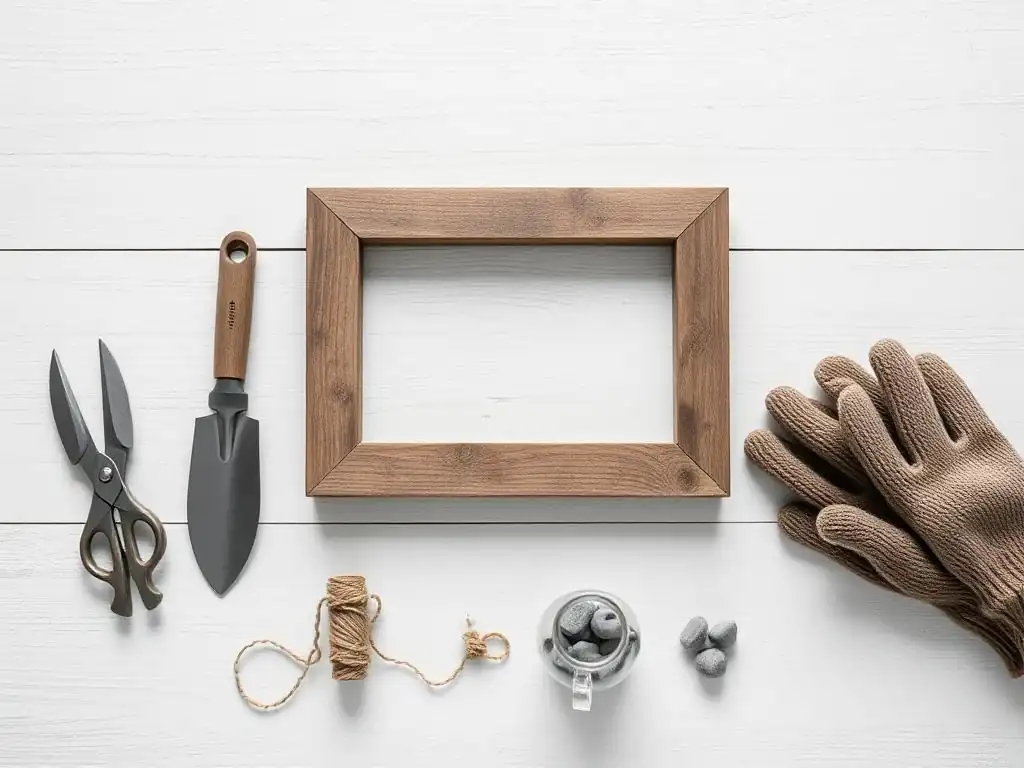
Creating a stunning succulent moss frame requires the right tools to ensure a clean, professional finish. While you might already have some of these items at home, gathering them beforehand will streamline the process and prevent frustrating interruptions. Let's explore the essential tools you'll need for your DIY succulent moss frame tutorial.
First, you'll need a sturdy pair of scissors or floral shears. These are crucial for precisely trimming moss and succulents to fit your frame. Sharp scissors ensure clean cuts, preventing ragged edges that can detract from the overall aesthetic appeal of your finished piece. Dull scissors, on the other hand, can crush the delicate leaves of your succulents, damaging them and potentially leading to rot. Invest in a good quality pair; it's a tool you'll use repeatedly in your succulent crafting endeavors.
Next, you'll need a small trowel or spoon. This will be your primary tool for carefully placing the moss and succulents into the frame. A small, blunt-ended tool is best to avoid accidentally puncturing the frame or damaging the roots of your succulents. Using your fingers might seem simpler, but a small trowel offers better precision and control, especially when working with smaller succulents or intricate designs. Consider a trowel with a slightly curved edge for easier maneuvering within the frame's confines.
A spray bottle filled with water is also essential. Keeping the moss and succulents slightly moist throughout the process helps them remain pliable and easier to work with. This is particularly important when you're shaping the moss and arranging the succulents. Overly dry moss is brittle and prone to breakage, while overly wet moss can become slimy and difficult to handle. Finding the right balance is key to a successful project. Remember to use only a fine mist to avoid overwatering.
Finally, don't forget protective gloves. Working with moss and succulents can sometimes expose you to small particles or potential irritants. Gloves protect your hands and provide a better grip, especially when dealing with damp materials. Additionally, gloves prevent the transfer of oils from your skin to the plants, which could potentially harm them. Choosing a pair of disposable gloves is a simple and hygienic solution.
Sourcing Your Materials: Finding the Perfect Components for Your Succulent Moss Frame
The materials you choose are paramount to the success and beauty of your succulent moss frame. This section will guide you through identifying the best options for each component, focusing on sustainable and readily-available sources. Your choices directly impact the longevity and visual appeal of your creation.
First, consider the frame itself. For a truly authentic DIY succulent moss frame tutorial, we recommend using recycled materials. Old picture frames, repurposed window frames, or even creatively arranged twigs can provide a unique base. The size and style of the frame will determine the overall scale and aesthetic of your project. Think about the space where you plan to display your creation – a larger frame might be suitable for a wall, while a smaller one could grace a tabletop. Consider the existing décor and choose a frame that complements it seamlessly.
Next, you'll need the moss. While various types of moss exist, sphagnum moss is often preferred for its moisture-retaining properties and visual appeal. However, ensure it's sustainably sourced; purchasing from reputable suppliers committed to responsible harvesting practices is crucial. Avoid harvesting moss from the wild, as this can damage fragile ecosystems. The quantity of moss you need will depend on the size of your frame; it's better to have a little extra than to run short during the project.
For the succulents, choose small, drought-tolerant varieties that will thrive in the conditions within the frame. Consider varieties known for their low water requirements and ability to tolerate slight variations in light and temperature. Remember, the succulents are the stars of the show, so selecting visually appealing varieties will elevate the overall aesthetic.
Check local nurseries or garden centers for a variety of options, and don't hesitate to ask for advice from the staff. Their expertise can guide you towards succulents best suited to your frame and environment. The number of succulents will depend on the size and design of your frame.
Finally, remember the importance of adhesive. A strong, yet gentle, adhesive is crucial for securing the moss and succulents to the frame without causing damage. Hot glue might seem like a quick solution, but it can easily burn or damage delicate plant material. Consider using a specialized plant-safe adhesive designed for crafting projects. It's a small investment that will ensure the longevity of your artwork. Ensure the adhesive you choose is suitable for both moss and the material of your frame.
Step-by-Step Guide: Building Your DIY Succulent Moss Frame
This section provides a detailed, step-by-step guide on crafting a beautiful succulent moss frame using recycled materials. This DIY succulent moss frame tutorial will equip you with the knowledge and techniques to create a stunning, eco-friendly piece for your home or as a unique gift. We'll focus on achieving even moss coverage and a balanced succulent composition for a truly professional-looking result.
Preparing Your Recycled Frame: Cleaning and Prepping
Before you begin planting, meticulous preparation of your recycled frame is crucial for a long-lasting and vibrant succulent moss frame. The success of your project hinges on a clean and properly prepared base. Let's delve into the specifics:
First, select your frame. Old picture frames, window frames, or even repurposed wooden pallets can work wonderfully. Ensure the frame is sturdy enough to support the weight of the moss and succulents. Size is entirely up to your preference; a smaller frame is ideal for a desk or shelf, while a larger one can be a statement piece on a wall.
Next, thoroughly clean the frame. Use warm soapy water and a stiff brush to remove any dirt, grime, or old paint. Pay close attention to crevices and corners. For stubborn residue, a mild bleach solution (diluted according to package instructions) can be effective, but ensure thorough rinsing afterward to avoid harming your plants. Allow the frame to completely dry before proceeding.
Finally, prepare the frame's surface. If your frame is made of wood, consider sanding it lightly to create a smoother surface for better moss adhesion. For metal frames, ensure there's no rust or sharp edges that could damage the moss. A coat of waterproof sealant (specifically designed for outdoor use) can add extra protection and longevity to your frame, especially if you plan to display it outdoors or in a humid environment. This step is particularly important for preventing mold and mildew growth.
Applying the Moss Base: Techniques for Even Coverage
Achieving even moss coverage is key to a visually appealing succulent moss frame. Uneven distribution can detract from the overall aesthetic, making the project look unprofessional. Here's how to ensure a flawless base:
Begin by selecting your moss. Sphagnum moss is a popular choice for its moisture retention properties and ability to support plant growth. Ensure your moss is fresh and vibrant, free from any signs of decay or mold. Inspect it carefully before use.
Next, prepare your adhesive. A horticultural glue or a strong, waterproof craft glue is ideal for securing the moss to the frame. Follow the manufacturer's instructions carefully, ensuring the glue is properly mixed and ready for application.
Now, apply the moss. Work in small sections, applying a thin layer of glue to the frame’s surface. Press the moss firmly onto the glue, ensuring complete contact. Overlapping the moss slightly will create a more seamless and natural look. Take your time and work methodically to avoid any gaps. For larger frames, you might need to work in sections, allowing each section to dry slightly before moving on.
Finally, allow the moss to dry completely. This ensures a firm bond and prevents the moss from becoming dislodged. The drying time will depend on the glue used and the environmental conditions. Refer to the glue's instructions for drying time estimates. A well-applied moss base provides an excellent foundation for your succulent planting.
Planting Your Succulents: Creating a Balanced Composition
The final step involves carefully selecting and planting your succulents to create a balanced and visually appealing composition. This is where your artistic flair can shine! Here are some tips for achieving a harmonious arrangement:
First, choose your succulents. Select a variety of succulents with different shapes, sizes, textures, and colors to create visual interest. Consider the mature size of each succulent to ensure they won't overcrowd the frame. A diverse selection will add depth and dynamism to your moss frame.
Next, plan your arrangement. Before you start planting, sketch out a basic plan on paper. This will help you visualize the final composition and ensure a balanced distribution of succulents. Consider placing larger succulents towards the center or corners, using smaller ones to fill in gaps.
Now, carefully plant your succulents. Create small holes in the moss using a pencil or small trowel. Gently place the succulents into the holes, ensuring their roots are securely nestled within the moss. Don't plant them too deeply, as this can lead to root rot. A small amount of well-draining potting mix around the base of each succulent can further secure them in place.
Finally, admire your creation! Step back and admire your beautiful DIY succulent moss frame. You've successfully created a unique and eco-friendly piece of art that will add a touch of natural beauty to any space. Remember to water sparingly and provide adequate sunlight for your succulents to thrive. 🎉
Securing Your Succulents: Methods to Prevent Dislodging
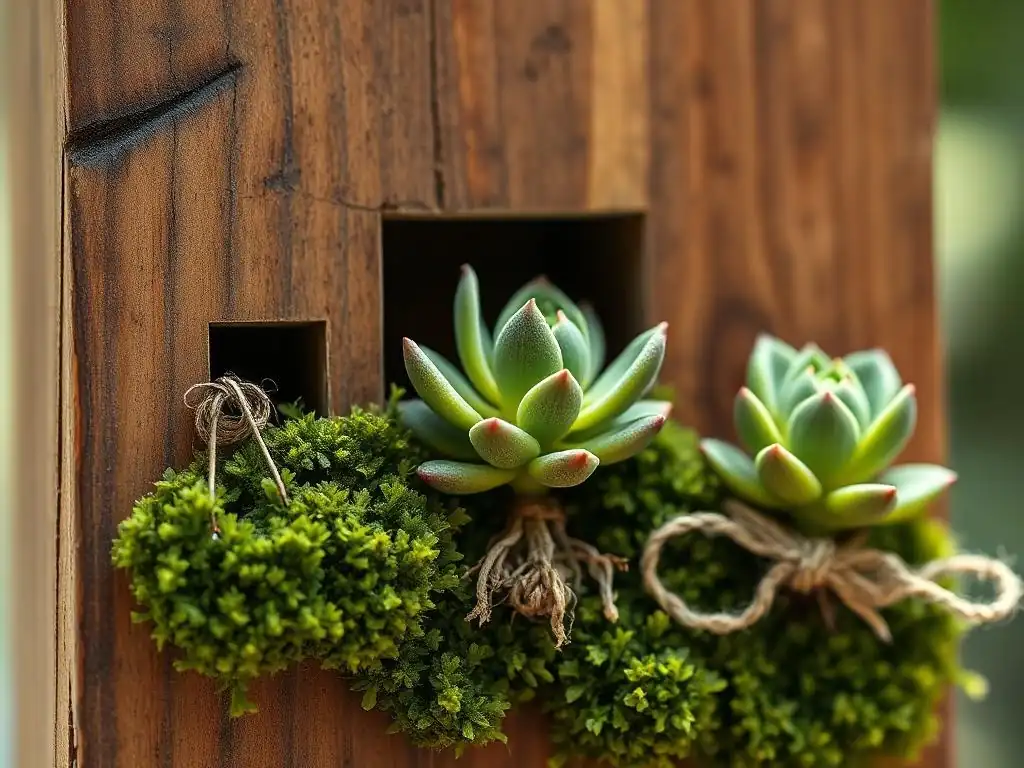
Once you've arranged your succulents in the moss frame, securing them is crucial to prevent them from falling out or shifting. Several methods ensure a lasting and visually appealing display. The most common and effective method involves using a combination of techniques. Firstly, consider the size and root systems of your chosen succulents. Smaller succulents with finer root systems might require more delicate handling and potentially more frequent checking for stability. Larger succulents, with their more established root systems, will generally require less intervention.
One highly effective technique is to use small amounts of high-quality succulent potting mix to gently fill any gaps between the succulents and the moss. This not only provides additional support but also helps retain moisture, beneficial for the health of your succulents. However, avoid overfilling; too much potting mix can look messy and potentially suffocate the plants. A small amount, carefully applied, is sufficient.
Another method involves using thin, flexible wires or even strong, thin fishing line. These can be carefully woven through the moss and around the base of the succulents, providing a discreet yet secure hold. Be cautious when using wire; ensure it doesn't pierce or damage the succulent leaves or stems. Fishing line offers a less intrusive option, and its invisibility makes it ideal for maintaining the aesthetic integrity of your moss frame.
Finally, the type of moss itself plays a role. A denser, more tightly packed moss will naturally offer more support to the succulents than a loosely woven one. Choosing a suitable type of moss is therefore a crucial initial step in your DIY succulent moss frame project. Regular inspection is key – after a couple of days, check to ensure all succulents remain firmly in place and adjust as needed. This proactive approach will save you from potential heartache and ensure the longevity of your beautiful creation.
Finishing Touches and Accents: Adding Personal Style
With your succulents securely in place, it's time to personalize your DIY succulent moss frame. This is where your creativity truly shines! Consider adding small decorative elements to complement your succulent selection and overall design aesthetic. These additions can elevate your moss frame from a simple arrangement to a unique and artistic statement piece.
Small, decorative stones or pebbles can be strategically placed around the succulents to create visual interest and add a touch of natural elegance. Choose stones that complement the color palette of your succulents and the overall style of your frame. Avoid using stones that are too large or sharp, as they could damage the delicate succulents or the moss itself.
Another option is to incorporate small pieces of driftwood, twigs, or even miniature figurines. These elements can add texture and narrative to your composition. Remember to choose accents that are proportional to the size of your moss frame and succulents; avoid overcrowding the space.
Finally, a carefully chosen background can significantly impact the overall look of your moss frame. Consider placing the frame against a rustic wooden wall or a contrasting brightly painted surface. The backdrop should enhance the beauty of your succulents and moss frame without distracting from the main focus. This is your opportunity to showcase your personal style and create a truly unique and captivating piece of living art. Experiment with different arrangements and accents until you achieve the perfect balance of aesthetics and functionality. Remember to always prioritize the health and well-being of your succulents.
Caring for Your Succulent Moss Frame
Creating a stunning DIY succulent moss frame is only half the battle; proper care ensures its longevity and beauty. This section will guide you through the essential steps to keep your miniature succulent garden thriving. We'll explore watering, lighting, and humidity maintenance – crucial aspects for the health and vibrancy of your succulents. Remember, understanding these needs is key to enjoying your beautiful, handcrafted creation for years to come. This detailed DIY succulent moss frame tutorial will equip you with the knowledge to become a successful succulent gardener.
Watering Techniques for Moss Frame Succulents
Overwatering is a common culprit in succulent demise. Moss, while needing moisture, can easily retain too much water, leading to root rot in your delicate succulents. The key is infrequent, thorough watering. Instead of frequent light sprinklings, aim for a deep watering every 1-2 weeks, depending on the environment and the season.
Check the moisture level before watering. Gently press your finger about an inch into the moss; if it feels dry, it's time to water. If it still feels damp, wait a few more days. Water thoroughly until you see excess water draining from the bottom. This ensures the roots are properly hydrated without leaving standing water, which can lead to fungal growth and root rot.
During winter months, reduce watering frequency significantly, perhaps watering only once a month or even less, depending on your climate. Always allow the moss to dry out slightly between waterings. This is crucial for preventing problems and keeping your succulents healthy. Remember, underwatering is far preferable to overwatering when caring for your moss frame succulents.
Light Requirements for Optimal Growth
Succulents thrive in bright, indirect sunlight. Avoid placing your moss frame in direct, harsh sunlight, as this can scorch the delicate leaves. A south-facing window might be too intense; instead, an east- or west-facing window, or a location with bright, filtered light, is ideal. Observe your succulents closely. If their leaves appear stretched or pale, they're not getting enough light; if they're turning brown or crispy, they're getting too much sun.
Adjust the frame's location accordingly to ensure optimal light conditions for healthy growth. Consider using a sheer curtain to diffuse direct sunlight if necessary. The right amount of light is critical for the vibrant colors and healthy growth of your succulent collection within the moss frame. This is an important consideration in any DIY succulent moss frame tutorial.
Maintaining Humidity Levels
While succulents are drought-tolerant, they still benefit from moderate humidity. Extreme dryness can cause the succulents to dehydrate and shrivel. However, excessive humidity can lead to fungal diseases. Aim for a balanced environment.
A slightly humid environment is generally preferable. You can achieve this by placing the frame near other plants or using a pebble tray. A pebble tray involves placing a layer of pebbles in a shallow dish, adding water to the bottom (but not submerging the pebbles), and resting the frame on top. The water evaporates, increasing the humidity around your moss frame without directly wetting the moss.
Avoid misting the succulents directly, as this can lead to fungal problems. Regularly monitor the humidity levels and adjust your approach as needed. Consistent monitoring and adjustment are key to maintaining a thriving environment for your DIY succulent moss frame. Remember, finding the right balance is crucial for the long-term health of your succulent collection.
Troubleshooting Common Problems: Pest Control and Disease Prevention
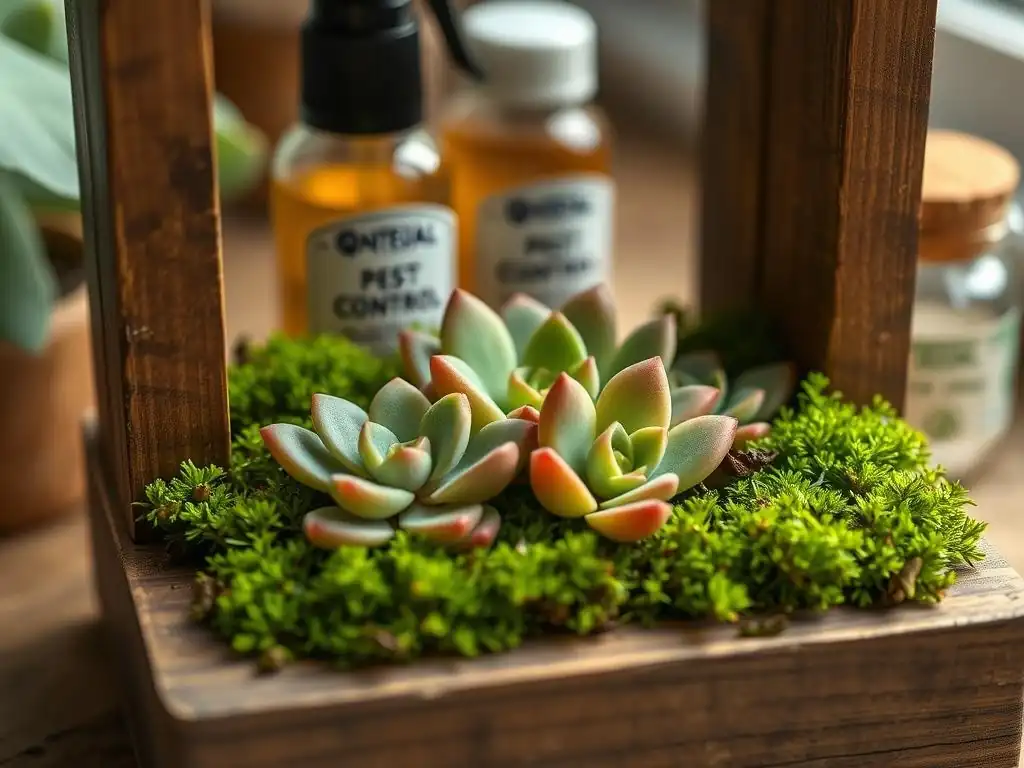
Creating a thriving succulent moss frame requires vigilance against common plant pests and diseases. Regular inspection is key to early detection and prevention. Some of the most common culprits include mealybugs, aphids, and spider mites. Mealybugs, recognizable by their cottony white masses, often cluster at the base of succulent leaves and stems. Aphids, tiny pear-shaped insects, suck sap from the plants, causing stunted growth and leaf discoloration. Spider mites, on the other hand, are microscopic and leave behind fine webbing, resulting in stippling and yellowing of leaves.
Effective pest control begins with careful observation. A magnifying glass can be invaluable in identifying smaller pests. For minor infestations, a gentle wipe-down with a cotton swab dipped in rubbing alcohol can often suffice. For more severe infestations, insecticidal soap or neem oil are effective organic solutions. Always follow the product instructions carefully, ensuring proper ventilation and avoiding direct sunlight during application. Remember to treat the entire frame, including the moss and surrounding area, to prevent re-infestation. Regularly checking the moisture level of the moss is crucial; overly wet conditions can attract pests and promote fungal growth.
Disease prevention is equally important. Overwatering is a primary cause of root rot, a devastating fungal disease that can quickly kill your succulents. Ensure your moss frame has adequate drainage to prevent waterlogging. Proper spacing between succulents is also essential for good air circulation, reducing the risk of fungal infections. Avoid overhead watering, opting instead for bottom watering to minimize the risk of water splashing onto the leaves and promoting fungal growth. Inspect your succulents regularly for any signs of disease, such as discoloration, wilting, or soft spots. Prompt removal of affected plants can prevent the spread of infection.
Long-term Care and Maintenance: Ensuring the Longevity of Your Frame
Maintaining the beauty and health of your succulent moss frame requires ongoing care and attention. The longevity of your creation depends on consistent monitoring and timely adjustments. One crucial aspect is maintaining the appropriate moisture level of the moss. The moss should remain consistently moist but not soggy. Overwatering can lead to root rot in the succulents and promote the growth of harmful fungi, while underwatering will cause the succulents to dry out and wilt. Regularly check the moisture level by gently pressing your finger into the moss; if it feels dry, it's time to water.
Seasonal changes also require adjustments to your care routine. During warmer months, your succulents may require more frequent watering, while during colder months, watering frequency should be reduced significantly. Monitor the succulents closely for any signs of stress, such as leaf drop or discoloration, which may indicate a need for adjustments in watering or sunlight exposure. Rotation of the frame may be necessary to ensure even sunlight exposure and prevent uneven growth. Remember that direct, intense sunlight can scorch the succulents, so consider providing some shade during the hottest part of the day, particularly during summer months.
Finally, periodic pruning and repotting may be necessary to maintain the aesthetic appeal and health of your frame. Remove any dead or dying succulents to prevent the spread of disease and maintain a clean appearance. If the moss begins to decompose or become unsightly, consider replacing it with fresh sphagnum moss. By addressing these aspects of long-term care, you can ensure that your DIY succulent moss frame remains a vibrant and healthy addition to your home for years to come. Remember that consistent observation and timely intervention are key to maintaining a thriving and beautiful succulent moss frame. 🌱
Creative Variations: DIY Succulent Moss Frame Ideas
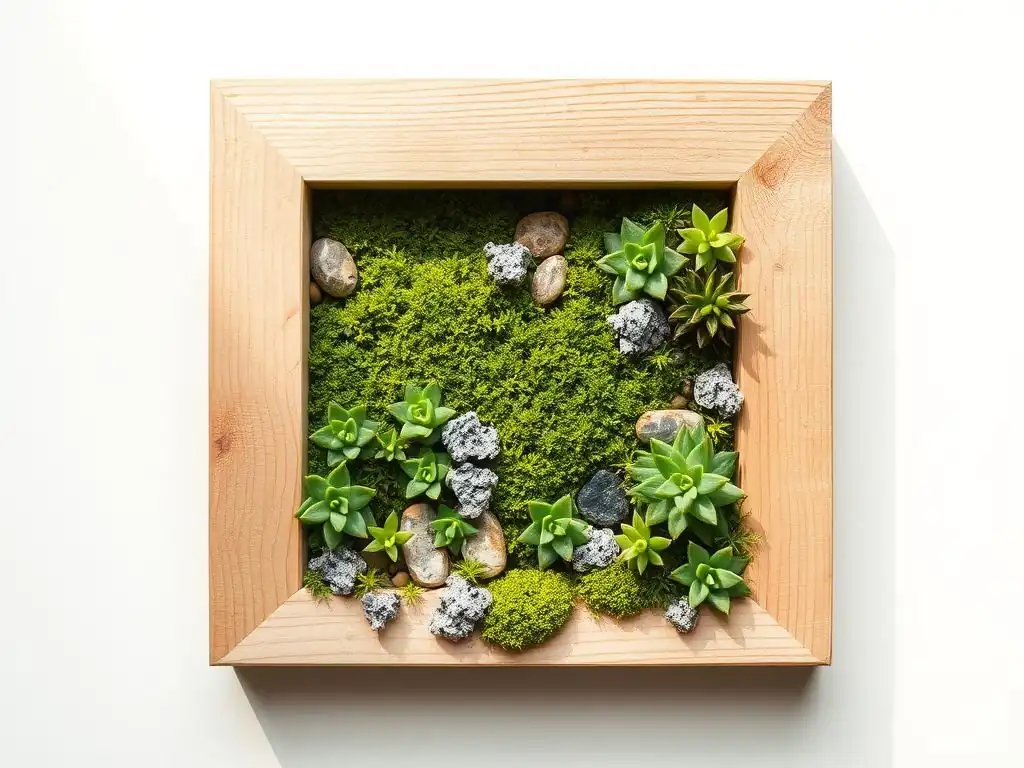
This section explores diverse approaches to crafting your own DIY succulent moss frame, moving beyond basic designs to create truly unique and personalized pieces. We'll delve into different frame shapes, material additions, and moss varieties to inspire your creativity and help you achieve stunning results. Remember, the beauty of a DIY project lies in its individuality!
Unique Frame Designs: Beyond the Traditional Square
While square or rectangular frames are classic and easy to construct, don't limit yourself! Experiment with different shapes to add a unique touch to your succulent moss frame. Consider these alternatives:
- Circular Frames: These offer a softer, more organic feel and can be particularly effective for showcasing smaller, trailing succulents. You can create a circular frame using pliable wire or even repurposed materials like a metal embroidery hoop.
- Heart-Shaped Frames: A perfect choice for a romantic or sentimental project. You can construct a heart shape using wire carefully bent into the desired form.
- Geometric Shapes: Explore more complex shapes like hexagons, pentagons, or even free-form, asymmetrical designs. Wire is highly versatile for these more intricate shapes.
- Customizable Frames: Use found objects as the base for your frame—a piece of driftwood, a repurposed picture frame, or even a sturdy piece of woven basketry. The possibilities are endless!
Remember to consider the size and shape of your succulents when selecting your frame design. A cascading succulent might look better in a larger, rectangular frame, while a tightly clustered arrangement could thrive in a smaller, circular one. Careful planning ensures your succulents have adequate space to grow and flourish.
Incorporating Other Elements: Stones, Shells, and More
Enhance the visual appeal of your succulent moss frame by incorporating additional elements. These additions can provide texture, contrast, and a more personalized touch. Consider adding:
- Small Stones and Pebbles: These can add a natural, earthy feel to your frame, complementing the moss and succulents beautifully. Choose smooth, rounded stones for a more refined look, or opt for rougher, more textured stones for a wilder aesthetic.
- Seashells: For a coastal or beach-themed frame, incorporate seashells of various sizes and shapes. Their natural curves and textures add a unique dimension.
- Small Figurines: Miniature animals, insects, or fairy garden figures can add a whimsical touch to your creation. Choose figurines that complement your succulent selection and overall design aesthetic.
- Colored Glass Beads or Gems: Add a touch of sparkle and color with small glass beads or gems. These can be strategically placed to highlight certain succulents or add a focal point to your design.
Remember to choose elements that are lightweight and won't damage the moss or succulents. Consider the overall color palette and ensure that the added elements complement, rather than clash with, the natural tones of the moss and succulents.
Different Moss Types and Color Variations
The type of moss you choose significantly impacts the overall look of your succulent moss frame. Experiment with different moss varieties to achieve unique textures and colors.
| Moss Type | Texture | Color Variations | Notes |
|---|---|---|---|
| Sheet Moss | Flat, smooth | Green, light green | Easy to work with, readily available |
| Sphagnum Moss | Fluffy, absorbent | Green, brown | Excellent for moisture retention |
| Reindeer Moss | Coarse, textured | Green, gray, white | Adds visual interest, requires less water |
| Cushion Moss | Dense, compact | Green, reddish-brown | Creates a lush, textured base |
Consider using a combination of moss types to add depth and visual interest. For example, you could use sheet moss as a base and then add accents of sphagnum or reindeer moss for texture. Remember to thoroughly moisten the moss before applying it to the frame to ensure it adheres properly. Proper moisture retention is crucial for the health of both the moss and the succulents. Experimentation is key to finding the perfect moss combination for your unique DIY succulent moss frame. 🌱
Advanced Techniques: Creating Layered Displays
Creating a layered succulent moss frame elevates your design from a simple arrangement to a miniature landscape. This technique involves strategically placing succulents of varying heights and textures to create depth and visual interest. The key is careful planning and selection of plants. Before you even begin gluing, sketch a rough layout on paper, considering the size and growth habits of each succulent. Think about how the different succulents will interact with each other – will they complement each other's colors and forms, or will they clash?
For instance, you might start with a base layer of smaller, low-growing succulents like Sedum rubrotinctum (Jelly Bean Plant) or Echeveria minima. These will create a lush, ground-covering effect. Then, add a middle layer of medium-sized succulents with slightly taller growth habits, perhaps Echeveria 'Perle von Nürnberg' or Graptopetalum paraguayense (Ghost Plant). Finally, top it off with a few taller succulents as focal points, such as Dudleya brittonii or a small Aeonium. Remember to leave some space between plants to allow for air circulation and prevent overcrowding.
The choice of moss also plays a crucial role in layered displays. Using different types of moss can enhance the visual texture and depth. Consider using a combination of sheet moss for a smooth base and clumping moss for textural contrast. Experiment with different shades of green to add even more visual appeal. Don't be afraid to incorporate other natural elements, such as small pebbles, twigs, or even miniature figurines, to further enhance the layered effect and add a personalized touch.
The possibilities are truly endless! Remember, patience is key when working with multiple layers – take your time to ensure each succulent is securely placed and the overall design is balanced. A well-executed layered display transforms your DIY succulent moss frame into a captivating miniature garden, showcasing your skills and artistic vision. The careful placement of diverse succulents creates a dynamic, three-dimensional effect that's sure to impress.
Displaying Your Masterpiece: Ideas for Your Succulent Moss Frame
This section focuses on showcasing your newly crafted succulent moss frame, maximizing its visual impact and integrating it seamlessly into your home or workspace. We'll explore ideal placement options, stylistic considerations, and ways to share your artistic achievement with others. Remember, the beauty of a DIY succulent moss frame lies not only in its creation but also in its presentation.
Ideal Locations for Your Succulent Moss Frame
The perfect location for your succulent moss frame depends on several factors: the amount of natural light available, the overall aesthetic of the room, and your personal preference. Let's explore some prime spots:
- Bright, Indirect Sunlight: Succulents thrive in bright light but dislike direct, intense sunlight which can scorch their leaves. A windowsill with a sheer curtain, or a spot a few feet away from a sunny window, is ideal. Avoid south-facing windows in hot climates.
- Living Room Focal Point: A succulent moss frame can serve as a stunning centerpiece on a mantelpiece, bookshelf, or coffee table. Its compact size makes it versatile for various furniture styles. Consider pairing it with other decorative elements like candles or small sculptures to create a cohesive display.
- Bathroom Oasis: The humidity in bathrooms can benefit some succulents, making it a surprisingly suitable location. Just ensure adequate ventilation to prevent mold growth. A succulent moss frame can add a touch of nature to a often sterile environment.
- Kitchen Herb Garden Complement: If you have a small herb garden or window box in your kitchen, a succulent moss frame can complement the theme, adding a textural and visual contrast.
Complementing Your Home Decor: Style and Placement Tips
Integrating your DIY succulent moss frame into your existing home décor requires careful consideration of style and placement. Here are some tips to enhance its visual appeal:
- Color Coordination: Choose a frame color and succulent varieties that complement your existing color scheme. For example, a rustic wooden frame with earthy-toned succulents will blend beautifully in a farmhouse-style setting, while a sleek black frame with vibrant succulents will suit a modern aesthetic.
- Textural Contrast: The texture of the moss and succulents provides a beautiful contrast against various surfaces. Experiment with placing your frame against different backgrounds – a smooth, painted wall, a textured stone countertop, or even a rustic brick wall – to see what enhances its visual impact the most.
- Scale and Proportion: Consider the size of your frame in relation to the surrounding furniture and décor. A small frame might get lost on a large mantelpiece, while a large frame could overwhelm a small side table. Aim for a balanced and harmonious arrangement.
- Avoid Overcrowding: Don't overcrowd the area around your succulent moss frame. Allow it to breathe and be the star of its own small display.
Your hard work deserves to be appreciated! Here are ways to share your beautiful succulent moss frame:
- Social Media: Share photos of your creation on platforms like Instagram, Pinterest, and Facebook using relevant hashtags like #DIYsucculentmossframe, #succulentart, #mossart, #recycledcrafts, and #succulentlove. Engage with other crafters and enthusiasts in the comments.
- Local Craft Fairs: Consider selling your creations at local craft fairs or markets. This is a great way to showcase your talent and potentially earn some extra income.
- Gifts: A handmade succulent moss frame makes a unique and thoughtful gift for friends, family, or colleagues who appreciate nature and DIY projects. It’s a personalized present that shows you put time and effort into creating something special.
Remember to always take high-quality photos of your finished product to best capture the detail and artistry of your DIY succulent moss frame. The pride you feel in your creation will shine through!
Frequently Asked Questions
What materials do I need to make a succulent moss frame?
You'll need a recycled frame, sheet moss, succulents, craft glue, and floral wire (optional, for securing succulents). Consider using small, low-growing succulents for the best results.
How do I prepare the frame for the succulents?
First, clean your frame thoroughly. Then, apply a thin layer of craft glue to the back of the frame. Press the sheet moss firmly onto the glue, ensuring complete coverage.
What type of succulents are best suited for a moss frame?
Choose small, slow-growing succulents that won't outgrow their space quickly. Sedum, Echeveria, and Sempervivum are excellent choices. Avoid succulents with aggressive root systems.
How do I attach the succulents to the moss frame?
Apply a small amount of craft glue to the base of each succulent and gently press it into the moss. Use floral wire to secure them if needed, especially for heavier succulents. Allow the glue to dry completely.
How do I care for my succulent moss frame once it's finished?
Water your succulent moss frame sparingly. Allow the soil to dry completely between waterings to prevent root rot. Place your frame in a bright, indirect light location.
Final Reflection: Cultivating Creativity from Recycled Roots
Creating beautiful, sustainable art from discarded materials isn't just a trend; it's a vital step towards a more mindful and environmentally conscious future. This DIY succulent moss frame tutorial demonstrates that crafting something unique and aesthetically pleasing doesn't require expensive supplies or a significant carbon footprint. We've shown you how readily available recycled materials can be transformed into stunning pieces that bring a touch of nature indoors.
The process of repurposing and upcycling is more than just a crafting technique; it's a powerful statement about our relationship with the environment and our capacity for creative problem-solving. It's about finding beauty in the unexpected, breathing new life into discarded objects, and fostering a deeper appreciation for the resources we consume. The best things in life are the people we love, the places we've been, and the memories we've made along the way.
While this quote doesn't directly address recycling, it speaks to the lasting value of creating something meaningful, something that holds memories and brings joy. This DIY project allows you to create such a lasting piece, while also contributing to a more sustainable lifestyle.
Now, consider your own creative potential. What discarded items around your home could be transformed into something beautiful and functional? Don't be afraid to experiment, to embrace imperfection, and to let your imagination run wild. This succulent moss frame is just a starting point; the possibilities are as limitless as your creativity. Let this project inspire you to look at waste with new eyes, and to cultivate a more sustainable and artistic approach to life.
Unleash Your Inner Gardener: Craft Your Moss Frame Today!
Thank you for learning how to create a stunning succulent moss frame using recycled materials! We hope you found the instructions inspiring and informative. Now it's time to put your new skills to the test.
Here are a few ways you can bring your creative vision to life:
- Start creating your unique moss frame! Gather your recycled materials and follow the steps outlined in the article. Feel free to experiment with different colors and textures to achieve your desired look.
- Share your creation with the SucculentEssentials community! Post a picture of your finished moss frame on social media using #SucculentEssentialsDIY. We'd love to see your unique design.
- Explore other upcycling projects using natural materials. Visit our website for more inspiration and project ideas.
What unexpected materials will you use in your next upcycled succulent masterpiece?