
The Art of Repetition: Creating Patterns in Mixed Media Succulent Art

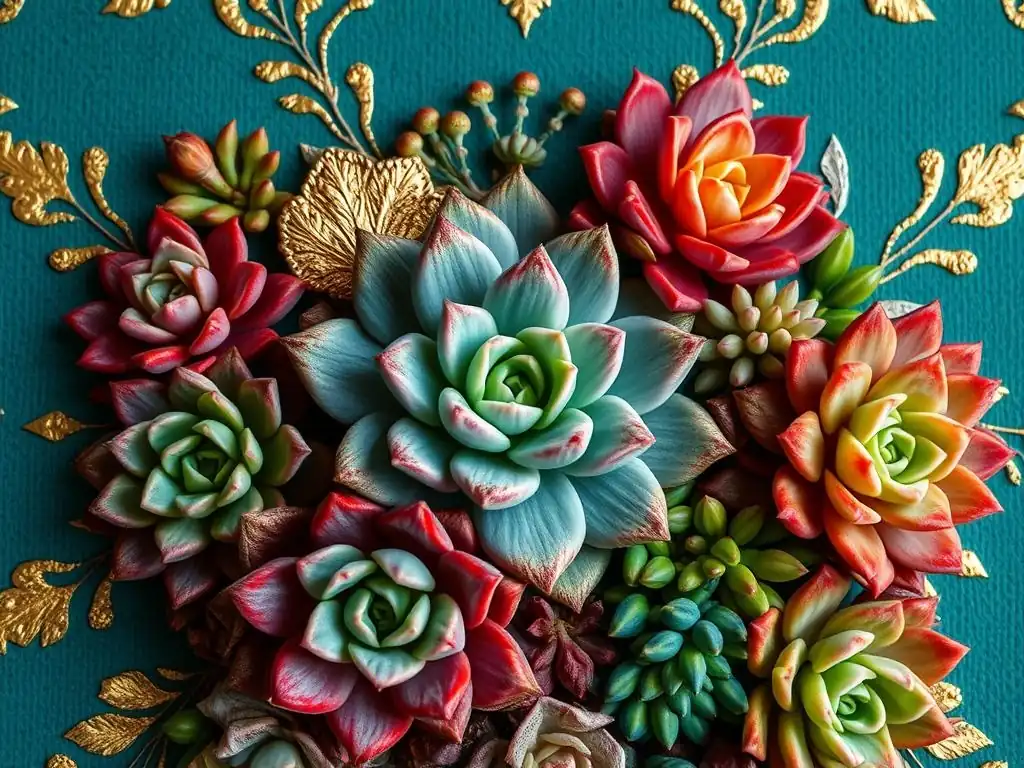
Unleash your inner artist and discover the mesmerizing world of succulents! At SucculentEssentials.org, we delve into the captivating beauty and surprising versatility of these drought-resistant wonders. Ready to transform your creative vision into reality? Prepare to be inspired by the intricate art of repetition and explore stunning succulent art pattern ideas that will take your DIY projects to a whole new level. Dive in and unlock the secrets to crafting breathtaking succulent arrangements – your journey to succulent mastery begins now!
- Understanding the Power of Pattern in Succulent Art
- Exploring Different Pattern Types for Succulent Art
- Mixed Media Techniques for Patterned Succulent Art
- Step-by-Step Guide: Creating a Patterned Succulent Artwork
- Advanced Pattern Techniques for Succulent Art Enthusiasts
- Inspiring Examples of Patterned Succulent Art
- Resources for Creating Your Own Succulent Art Patterns
-
Frequently Asked Questions
- What are some basic succulent art pattern ideas?
- How can I incorporate mixed media into my succulent art patterns?
- What types of succulents work best for creating patterns?
- Are there any specific tools needed for creating succulent art patterns?
- Where can I find inspiration for succulent art patterns?
- Final Reflection: The Enduring Bloom of Repetitive Design
- Unleash Your Inner Artist: Craft Your Succulent Masterpiece
Understanding the Power of Pattern in Succulent Art
Succulent art, in its many forms, offers a unique canvas for creativity. From minimalist arrangements to elaborate mixed-media masterpieces, the inherent beauty of succulents provides a strong foundation. However, elevating your succulent creations from simply pleasing to truly captivating often lies in understanding and skillfully employing the power of pattern.
This article delves into the art of repetition, exploring how strategically incorporating patterns can transform your succulent arrangements into stunning works of art. We'll examine the visual impact of repetition, the creation of rhythm and harmony, and the role pattern plays as a foundational element in mixed media succulent art. Whether you're a seasoned succulent artist or just beginning your journey, mastering the art of pattern will significantly enhance your creative process and the overall impact of your designs.
We'll explore practical techniques and provide inspiration to help you incorporate patterns into your next succulent project, allowing you to unlock a new level of artistic expression. Get ready to transform your succulent arrangements from simple displays to carefully crafted, visually stunning works of art!
The Visual Appeal of Repetition in Succulent Designs
Repetition, the cornerstone of pattern, creates a sense of visual rhythm and harmony. In succulent art, this translates to a more pleasing and balanced composition. Think about the impact of repeating a specific succulent type, size, or color throughout an arrangement. This methodical repetition guides the eye, creating a sense of flow and visual interest.
Consider, for example, a pattern of small echeverias interspersed with larger sedums, arranged in a repeating spiral. The contrast in size and texture, combined with the deliberate repetition, adds depth and complexity to the overall design. The effect is far more engaging than a random scattering of succulents.
Furthermore, repetition can help emphasize certain elements within the design, drawing attention to focal points and creating visual anchors. This controlled repetition is not about monotony; it's about deliberate placement to enhance the overall aesthetic appeal. The careful selection and placement of repeating elements can elevate even the simplest succulent design.
The visual appeal isn't just about the succulents themselves. Consider the containers and the surrounding elements. Repeating textures, colors, or shapes in your containers, bases, or even background elements can create a unified and cohesive piece. For instance, repeating the color of the succulent pots within a larger arrangement can create a subtle but effective pattern, tying the entire piece together. The key is to find a balance between repetition and variety, preventing the design from becoming predictable or monotonous.
Creating Rhythm and Harmony with Repeated Elements
The strategic use of repetition in succulent art creates a visual rhythm, leading the viewer's eye through the piece. This rhythm isn't just about repeating the same element; it's about the relationship between repeated elements and the spaces between them. Consider the spacing between repeated succulents—a consistent spacing creates a more formal and structured feel, while irregular spacing can introduce a more organic and natural look.
Think of it like musical rhythm: the spaces between the notes are just as important as the notes themselves. Experiment with different spacing patterns to see how they affect the overall feel of your arrangement.
Furthermore, the type of repetition influences the rhythm. Repeating a single element creates a strong, simple rhythm. Repeating multiple elements, or variations of a single element, can create a more complex and layered rhythm. For example, repeating a specific leaf shape or color, but varying the size or texture, creates a more dynamic and interesting rhythm than simply repeating identical succulents. This variety within repetition keeps the design engaging and prevents visual fatigue. The possibilities for creating varied and engaging rhythms are endless.
Pattern as a Foundation for Mixed Media Succulent Art
Mixed media succulent art takes the concept of pattern to a whole new level. By incorporating additional materials like stones, wood, glass, or metal, you can create complex and layered patterns. Consider how the textures and colors of these materials interact with the succulents.
Repeating textures, for instance, can create a visual echo, tying together disparate elements. A repeating pattern of small, smooth stones around a cluster of succulents can create a visually pleasing contrast and highlight the succulents' unique textures. Similarly, repeating a color found in the succulents in other elements of the artwork, such as the background or container, can create a harmonious and unified design.
The use of pattern in mixed media succulent art isn't just about visual appeal; it can also be used to tell a story or convey a specific mood. A carefully planned pattern can evoke feelings of peace, tranquility, or even excitement, depending on the elements and their arrangement. The possibilities are truly limitless.
Experiment with different mixed media elements and observe how repeating those elements influences the overall impact of your artwork. Don't be afraid to experiment and discover your unique style. The key is to approach the creation of your artwork with intentionality and awareness of the effect of repetition.
Exploring Different Pattern Types for Succulent Art
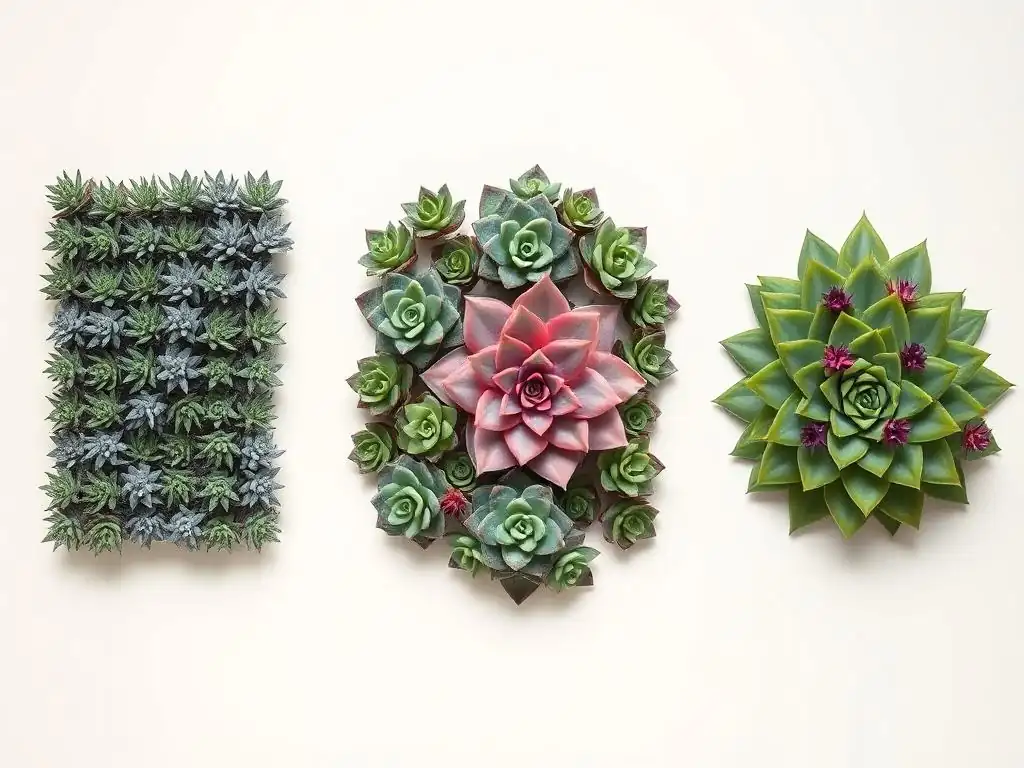
This section delves into the diverse world of patterns you can incorporate into your mixed media succulent art. Understanding the different pattern types – geometric, organic, and abstract – will unlock a wealth of creative possibilities, allowing you to craft unique and visually stunning pieces. Mastering these patterns will elevate your succulent art from simple arrangements to sophisticated, intentional designs. Remember, the key to successful succulent art pattern ideas lies in careful planning and a keen eye for detail.
Geometric Patterns in Succulent Arrangements
Geometric patterns offer a clean, structured approach to succulent art. Think repeating shapes like triangles, squares, circles, or hexagons, arranged in grids, tessellations, or other symmetrical formations. The inherent rigidity of geometric forms provides a striking contrast to the soft, organic shapes of succulents themselves, creating dynamic visual tension.
For example, you could create a stunning piece by arranging Echeveria succulents in a hexagonal grid, their rosettes echoing the shape of the pattern. Alternatively, a grid of small, uniformly sized Sedum plants could form the base for a larger, more complex design, perhaps incorporating other geometric elements like painted lines or metallic accents.
Consider using different succulent sizes and colors within the geometric framework to add visual interest. A gradient of colors, from light to dark, within a repeating square pattern can create a captivating effect. The possibilities are nearly endless! The success of this technique relies on careful planning and precise placement of each succulent, ensuring alignment and uniformity within the chosen geometric structure. This meticulous approach guarantees a polished, professional finish. Precise measurements and pre-planning are vital for achieving a clean, satisfying result.
Organic Patterns Inspired by Nature in Succulent Art
Organic patterns mimic the natural world, incorporating flowing lines, irregular shapes, and asymmetrical arrangements. This approach allows for a more free-flowing and spontaneous aesthetic, reflecting the natural growth patterns of succulents themselves. Think swirling vines, meandering paths, or the branching patterns of trees.
One popular organic pattern is the use of succulents to create a naturalistic landscape scene. Imagine a miniature desert scene, complete with rolling hills of various succulent types, carefully placed to suggest depth and perspective. Using succulents of varying sizes and textures adds to the realism and visual appeal. You might incorporate gravel, sand, or small stones to enhance the landscape effect, creating a truly immersive miniature world.
Another approach involves arranging succulents to mimic the patterns found in natural formations, such as the fractal branching patterns of certain plants or the spiral arrangements of leaves in some species. Observing nature closely is key to effectively replicating these patterns in your art. Careful observation and a sensitive eye for natural forms are crucial for success in this area of succulent art.
Abstract Patterns: Unleashing Your Creativity in Succulent Art
Abstract patterns break free from the constraints of geometry and nature, allowing for complete artistic freedom. This approach is perfect for expressing individual creativity and exploring unconventional compositions. There are no rules, only possibilities. This is where you can truly let your imagination run wild.
Consider using succulents of wildly varying shapes and sizes, arranged in a seemingly random yet visually pleasing manner. The juxtaposition of contrasting textures and colors can create a dynamic, almost chaotic energy. You could incorporate non-succulent elements, such as painted backgrounds, textured papers, or found objects, to further enhance the abstract nature of the piece.
Think about using color theory to create visual harmony or discord, depending on the desired effect. Experiment with different color palettes, from muted earth tones to vibrant and contrasting shades. The success of abstract succulent art lies in the artist's ability to create a visually engaging composition, even in the absence of a clearly defined pattern. The key here is to trust your intuition and allow the arrangement to evolve organically, guided by your creative vision. Don't be afraid to experiment and embrace imperfection. Embrace the unexpected. The beauty of abstract art lies in its spontaneity and unique character.
Mixed Media Techniques for Patterned Succulent Art
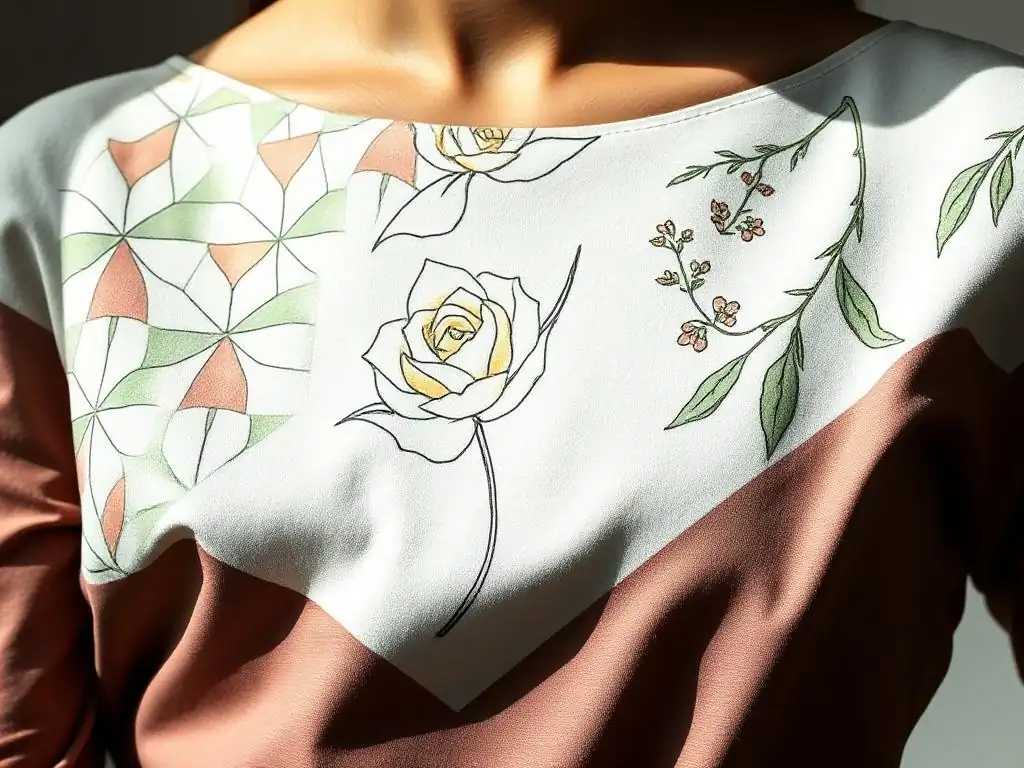
This section explores the diverse mixed media techniques you can employ to create stunning, patterned succulent art. We'll move beyond the simple arrangement and delve into techniques that elevate your creations into true works of art. The key to successful patterned succulent art lies in thoughtful planning and the strategic use of texture, color, and contrasting elements.
Remember, the goal is to create visual harmony and balance while showcasing the unique beauty of your succulents. Mastering these techniques will allow you to transform your succulent art from simple displays to captivating, patterned masterpieces. Let's explore some exciting possibilities for your next succulent art project, keeping in mind the diverse range of "succulent art pattern ideas" available to you.
Incorporating Texture and Color through Mixed Media
Adding texture and color is crucial for creating depth and visual interest in your patterned succulent art. Think beyond the smooth surface of your chosen base and consider incorporating materials that offer contrasting textures. For example, you could use burlap or textured fabric as a backdrop, contrasting beautifully with the smooth leaves of your succulents.
Consider using metallic paints like gold or copper to highlight certain areas or create intricate designs around your succulent arrangement. This adds a touch of elegance and sophistication. The interplay of textures—rough burlap against smooth succulent leaves, for instance—adds a dynamic element to your pattern.
Experiment with different types of paint: acrylics offer vibrant colors and quick drying time, while watercolors provide a softer, more ethereal look. Consider using stencils to create repeating patterns, geometric shapes, or even floral motifs that complement your succulent arrangement. Don’t be afraid to layer different colors and textures to achieve the desired effect.
Remember, the possibilities are endless when it comes to combining textures and colors to create unique patterns in your succulent art. Adding small beads, sequins, or even tiny shells can further enhance the texture and visual appeal of your work. You can create repeating patterns using these small elements, adding a sense of rhythm and order to your design.
Using Found Objects to Enhance Succulent Patterns
The beauty of mixed media succulent art lies in its ability to incorporate unexpected elements. Using found objects – elements from nature or repurposed materials – can add a unique and personal touch to your patterned designs. Think about incorporating dried flowers, twigs, small stones, or even pieces of driftwood into your composition. These elements can be used to create borders, define sections within your pattern, or even act as focal points.
Consider the natural textures and colors of your found objects. A rough piece of driftwood can contrast beautifully with the smooth leaves of a jade plant, for example, creating a visually appealing juxtaposition. The use of found objects adds a layer of depth and meaning to your succulent art, transforming it from a simple arrangement into a more thoughtful and expressive piece. Remember to consider the overall color palette and pattern when selecting your found objects.
Choose elements that complement your succulents and enhance the overall aesthetic of your work. This careful selection is essential for creating a cohesive and visually pleasing pattern. Experiment with different combinations to discover what works best for your artistic vision.
Combining Painting and Succulents for Patterned Art
Painting directly onto your surface and then incorporating succulents creates a strong, unified pattern. This technique allows you to establish a foundational pattern before adding your succulents, resulting in a more controlled and deliberate arrangement. Begin by sketching your desired pattern lightly onto your chosen surface—canvas, wood, or even a large piece of pottery. You can use a variety of painting techniques, from simple brushstrokes to more intricate designs using stencils or sponges. The choice of painting technique will influence the overall look and feel of your final piece.
Consider using a color palette that complements your chosen succulents. For example, if you’re using succulents with shades of green and purple, you might choose a background color of terracotta or muted blues. This complementary color scheme will enhance the overall visual harmony of your artwork. Once your painting is complete and dry, carefully arrange your succulents to fit within your pre-established pattern.
You can use glue or other adhesives to secure the succulents in place. The strategic placement of succulents within a painted pattern allows for a more sophisticated and intentional composition. This technique offers a greater degree of control over the final result, allowing you to achieve a specific and well-defined pattern.
Step-by-Step Guide: Creating a Patterned Succulent Artwork
This section provides a detailed, step-by-step guide to creating stunning succulent art using mixed media techniques, focusing on achieving visually appealing patterns. We'll explore succulent art pattern ideas that leverage repetition for a cohesive and artistic result. This guide is perfect for both beginners and experienced succulent enthusiasts looking to elevate their crafting skills.
Choosing Your Succulents and Base Materials
Selecting the right succulents and base materials is crucial for creating a successful patterned succulent artwork. The key is to choose succulents that complement each other in terms of size, color, and texture, while also considering their compatibility with your chosen pattern. Remember, the beauty of succulent art lies in the interplay of diverse elements.
Consider these factors when making your selections:
- Succulent Variety: Opt for a variety of succulents with differing textures and colors to add visual interest to your pattern. Think about incorporating succulents with rosette shapes, cylindrical leaves, or trailing stems to create depth and complexity. Examples include Echeveria, Sedum, and Sempervivum species. Experimentation is key! Don't be afraid to try unusual succulents to discover new and exciting combinations.
- Size and Shape: The size and shape of your succulents should align with your chosen pattern. For instance, a geometric pattern might benefit from uniformly sized succulents, whereas a more organic pattern can accommodate a greater variety of sizes. Carefully measure your succulents before adhering them to ensure a balanced and aesthetically pleasing arrangement.
- Base Material: The base material serves as the canvas for your artwork. Popular choices include:
- Wooden panels: Offer a rustic and natural feel, perfect for showcasing the natural beauty of succulents.
- Canvas: Provides a flexible and versatile surface, ideal for incorporating a wider range of mixed media techniques.
- Metal sheets: Offer a modern and industrial aesthetic, creating a striking contrast with the organic forms of the succulents.
- Adhesive: Using a strong, yet flexible adhesive is essential to securely attach your succulents to the base material without damaging them. Hot glue is a popular choice, but ensure you work quickly and carefully to avoid burns. Other options include strong craft glue or specialized succulent adhesives.
Planning Your Pattern and Layout
Before you begin adhering succulents, meticulously plan your pattern and layout. This crucial step ensures a cohesive and visually appealing final product. Careful planning minimizes mistakes and maximizes the impact of your design.
Here's a structured approach to planning:
- Choose a Pattern: Select a pattern that complements the shape and size of your succulents. Popular choices include:
- Geometric patterns: Stripes, chevrons, grids, and mosaics offer a clean, modern aesthetic.
- Organic patterns: Free-flowing, asymmetrical designs that mimic natural forms, like swirls or spirals.
- Repeating motifs: Simple shapes or clusters of succulents repeated across the surface.
- Sketch Your Design: Sketch your chosen pattern on paper, noting the placement and size of each succulent. This allows you to visualize the final product and make adjustments before committing to the actual arrangement. Consider using graph paper for geometric patterns to ensure precise alignment.
- Prepare Your Base Material: Once you've finalized your sketch, prepare your base material. Clean the surface thoroughly and apply any necessary primer or sealant to ensure the adhesive adheres properly.
- Dry-Run Arrangement: Before applying any adhesive, conduct a dry-run arrangement. Place your succulents on the base material according to your sketch to ensure the pattern looks balanced and aesthetically pleasing. Adjust the placement of succulents as needed until you achieve the desired effect. This step is crucial for preventing mistakes and ensuring a harmonious composition.
Applying Mixed Media Techniques to Enhance the Pattern
Once the succulents are securely attached, applying mixed media techniques can dramatically enhance the pattern and add depth to your artwork. Consider these options to add visual interest and texture:
- Painting: Use acrylic paints to accentuate the pattern or add complementary colors. You can paint the background, the spaces between succulents, or even directly on the succulents themselves for a unique effect. Experiment with different painting techniques such as dry brushing, sponging, or stippling to create varied textures.
- Incorporating Other Materials: Consider incorporating other materials to enhance the pattern and add visual interest. These could include:
- Small stones and pebbles: Add texture and visual interest to the spaces between succulents.
- Colored sand: Create a vibrant background or fill in spaces within the pattern.
- Seashells or other natural elements: Add a unique touch and enhance the overall aesthetic.
- Adding Texture: Use textured mediums like gesso or modeling paste to add depth and dimension to the background or specific areas of the pattern. These can be applied before or after the succulents are attached.
- Finishing Touches: Once all elements are in place, consider applying a sealant to protect your artwork and enhance its longevity. Choose a sealant that is compatible with both the succulents and the mixed media materials used. This final step is essential to preserve the vibrancy and integrity of your creation. Remember to allow ample drying time between each step to ensure a professional finish. The application of mixed media techniques is where your creativity truly shines; allow yourself to experiment and discover your unique style!
Finishing Touches and Presentation of your Succulent Art
Once your succulent pattern is complete and the adhesive is fully cured, it's time to add those finishing touches that elevate your artwork from good to extraordinary. Consider the overall aesthetic you're aiming for. Do you want a rustic, minimalist look, or something more vibrant and bold? This will guide your choices in this final stage.
One crucial aspect is sealing your artwork. A sealant protects your succulents, preserving their color and texture and preventing chipping or cracking over time. There are various sealant options available, each with its own properties. Some sealants offer a glossy finish, while others provide a matte look. Research different sealants to find one that best suits your artistic vision and the materials you've used. Remember to apply the sealant evenly, following the manufacturer's instructions carefully to avoid streaks or bubbles. Allow ample drying time before handling your finished piece.
Framing is another critical element in presenting your succulent art. The frame should complement the artwork, not compete with it. Consider the colors and style of your piece when choosing a frame. A simple, understated frame can allow the intricate details of your succulent pattern to shine, whereas a more ornate frame might be suitable for a bolder, more dramatic artwork. The frame also provides protection and enhances the overall presentation, making your artwork suitable for display in various settings.
Finally, consider the background or setting for your finished piece. A simple, neutral-colored wall might be ideal for showcasing the intricate detail of your succulent arrangement. Alternatively, a textured background could add visual interest and contrast, further enhancing the artwork's impact. The placement of the artwork is equally significant. Consider the lighting – avoid direct sunlight to prevent fading – and the overall flow of the space where it will be displayed.
Positioning it strategically can significantly improve the overall visual appeal and impact of your succulent art. Remember that the presentation is as important as the creation process itself. A well-presented piece of succulent art will be a source of pride and enjoyment for years to come. 🎉
Advanced Pattern Techniques for Succulent Art Enthusiasts
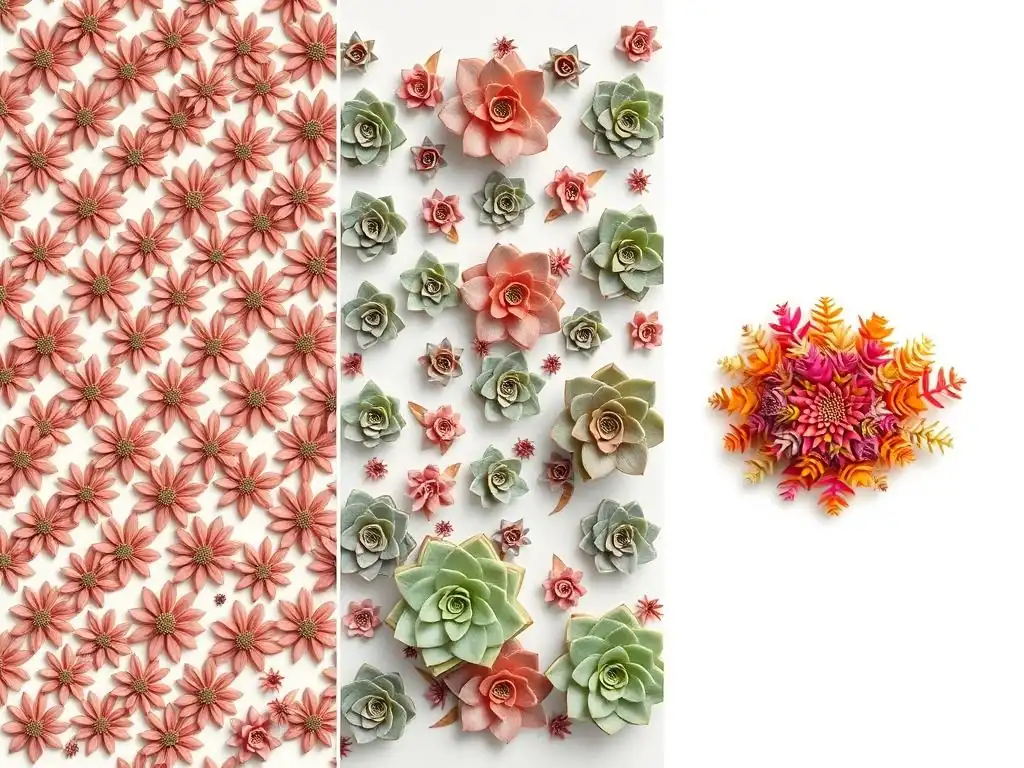
This section delves into more sophisticated methods for incorporating patterns into your succulent art projects, moving beyond basic arrangements to create truly unique and eye-catching pieces. We'll explore techniques that allow for both precise, repetitive designs and the freedom to develop your own signature style. Remember, the key to successful succulent art lies in careful planning and attention to detail. Even the most intricate patterns can be achieved with patience and practice. Let's explore some advanced strategies for achieving stunning visual results with your succulent arrangements.
Creating Intricate Mosaic Patterns with Succulents
Mosaic patterns offer a fantastic way to create complex and visually stimulating succulent art. This technique involves using small succulents, or even succulent cuttings, as individual tesserae to form a larger, patterned image. The key to success here is meticulous planning. Before you begin, sketch your design on graph paper, carefully considering the size and shape of each succulent piece. Consider using a variety of succulent types to add textural and color interest.
For example, you could create a geometric pattern using tightly packed Echeveria rosettes in varying shades of green, interspersed with smaller Sedum varieties for contrast. Or, for a more organic feel, you might arrange succulents to mimic the scales of a reptile or the petals of a flower. The possibilities are truly endless! The use of adhesive is crucial; a strong, yet flexible adhesive is recommended to ensure the longevity of your mosaic.
Ensure the adhesive is suitable for both the material of your base (wood, canvas, etc.) and the succulents themselves. Properly adhering each succulent is vital to prevent shifting and maintain the integrity of your pattern.
Remember to account for the growth of your succulents. While slow-growing varieties are ideal, even these will change over time. Choose succulents known for their consistent shape and size to minimize potential disruptions to your pattern. Regular watering and maintenance will be essential to keep your mosaic thriving. This method demands precision, but the results are breathtaking.
Using Stencils and Templates for Consistent Patterns
For those seeking more structured and repetitive patterns, stencils and templates provide a reliable solution. Creating consistent patterns becomes significantly easier with the use of these tools. You can design your own templates or purchase pre-made ones. Consider using durable materials such as acrylic or sturdy cardboard for your stencils. The design possibilities are vast: from simple geometric shapes to intricate floral motifs.
Before applying the stencil, carefully prepare your working surface. Ensure the surface is clean and level to guarantee accurate placement of the stencil. Using a low-tack adhesive spray will help keep your stencil in place without damaging the surface beneath. Begin by arranging your succulents along the edges of your stencil's cutouts. Gradually fill in the design, ensuring that each succulent is placed securely.
Once the pattern is complete, carefully remove the stencil. This technique is particularly effective for creating repeating patterns, such as stripes, chevrons, or tessellations. Experiment with different stencil materials and designs to achieve your desired aesthetic. The precision achieved using stencils allows for a highly controlled and visually satisfying final product.
Developing Your Own Unique Succulent Art Patterns
While using established patterns provides a solid foundation, the true artistry lies in creating your own unique succulent art patterns. This involves experimenting with different succulent types, colors, and textures to develop a personal style. Start by considering the overall aesthetic you want to achieve. Do you prefer organic, flowing patterns or strict geometric designs? What colors and textures will complement each other?
Think about the shapes and sizes of the succulents you'll be using. Consider combining different varieties with contrasting forms and colors. For example, you might juxtapose the round rosettes of Echeveria with the trailing stems of Sedum morganianum. Document your creative process. Keep a journal or sketchbook to record your successes and failures. This will help you track your progress and identify patterns that work well.
Don't be afraid to break the rules and experiment with unconventional arrangements. The most memorable and unique pieces often come from unexpected combinations. Embrace your creativity and let your individual style shine through. Developing a unique pattern takes time and experimentation, but the rewarding result is a one-of-a-kind piece of succulent art that reflects your personal creative vision. The possibilities are truly limitless!
Inspiring Examples of Patterned Succulent Art
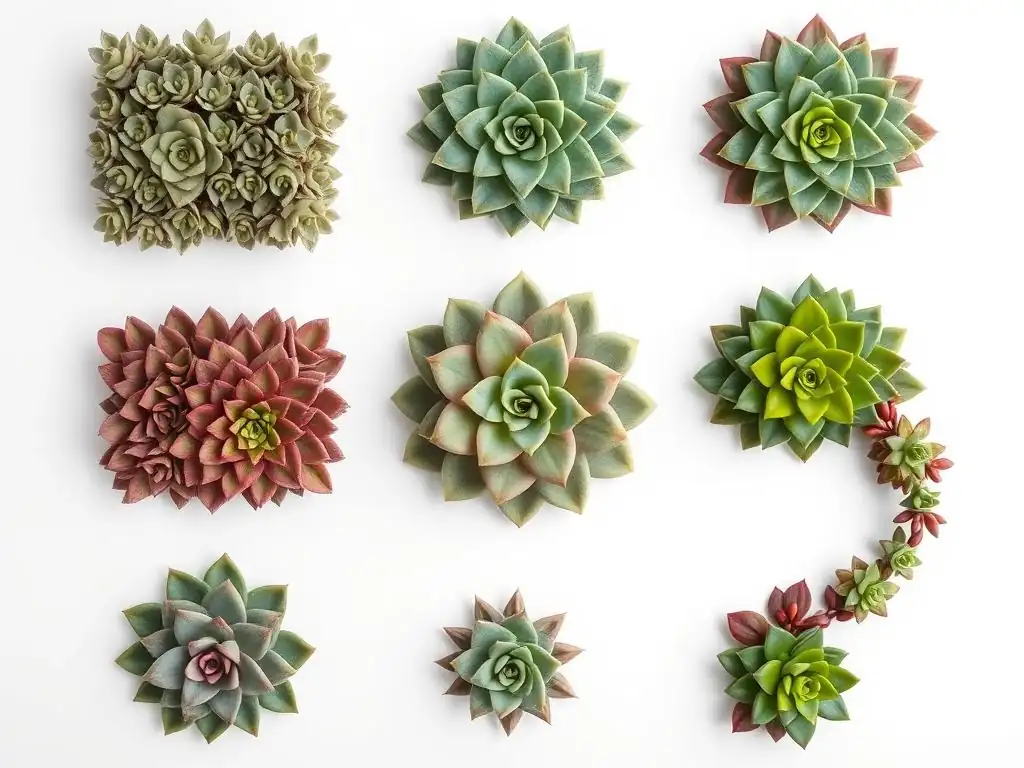
This section explores the diverse and captivating world of patterned succulent art, showcasing how repetition and arrangement can elevate a simple succulent arrangement into a stunning piece of mixed media art. We'll delve into geometric, organic, and abstract approaches, providing you with "succulent art pattern ideas" to inspire your next creative endeavor. The key to successful patterned succulent art lies in careful planning and a keen eye for visual balance.
Consider the shapes, colors, and textures of your chosen succulents, and how they interact with your chosen background and mixed media elements. Remember, even subtle variations in size and placement can significantly impact the overall aesthetic.
Showcase of Geometric Patterned Succulent Art
Geometric patterns lend themselves beautifully to succulent art. Their clean lines and precise shapes create a sense of order and sophistication, contrasting beautifully with the organic forms of the succulents themselves. Think tessellations, grids, and radiating designs. For example, imagine a square grid where each square contains a single, similarly sized succulent, creating a visually striking and simple design. Alternatively, you could arrange succulents in a radiating pattern from a central point, mimicking the petals of a flower. The use of geometric containers, such as square or hexagonal planters, can further enhance the geometric theme. The possibilities are endless!
Consider the following example: A triangular arrangement of Echeveria succulents, each slightly different in color but consistent in size, within a triangular shadow box. The shadow box itself could be painted a complementary color to further enhance the geometric effect. This approach offers a sophisticated and modern aesthetic. You can even incorporate geometric mixed media elements like painted wooden blocks or metallic accents to further amplify the pattern. The careful selection of color palettes – perhaps using analogous or complementary colors – is crucial to maintaining visual harmony.
Gallery of Organic Patterned Succulent Designs
In contrast to the structured precision of geometric patterns, organic patterns embrace the natural flow and irregularity of nature. This style allows for greater freedom and creativity, reflecting the inherent beauty of succulents in their natural environment. Think swirling vines, meandering lines, and clustered groupings.
One effective technique is to mimic the growth patterns of succulents themselves. For instance, you could create a cascading arrangement where succulents spill over the edges of a container, creating a flowing, organic form. Another approach involves grouping succulents of varying sizes and textures together to create a visually rich and textured cluster, mimicking a natural succulent habitat. Consider using a natural woven basket or a rustic wooden tray as your container to further amplify the organic feel.
Imagine a composition featuring a variety of succulents, with trailing Sedum morganianum (Burro's Tail) delicately interwoven with compact Sempervivums, creating a visually captivating, organically flowing pattern. The use of natural, earthy tones in the mixed media elements, such as driftwood or stones, would further reinforce this aesthetic.
Examples of Abstract Patterned Succulent Artwork
Abstract patterned succulent art breaks free from the constraints of representation, focusing instead on color, texture, and form. This approach allows for maximum creative freedom and experimentation. Think about using different sizes and species of succulents to create a dynamic interplay of shapes and colors. The arrangement itself becomes a visual exploration of texture and contrast.
For example, a composition might feature a random scattering of succulents of varying sizes and colors, creating a visually stimulating and unpredictable pattern. The use of bold, contrasting colors in the mixed media elements – perhaps vibrant acrylic paints or textured papers – can further enhance the abstract effect. The overall impression should be one of visual excitement and energy, rather than a structured or representative design.
An effective approach could involve using a variety of succulents with contrasting foliage colors and textures, arranged seemingly at random but with a considered balance of color and shape. Incorporating mixed media elements like splashes of vibrant paint or textured fabrics could add another dimension of abstract expression to the piece. This style is perfect for showcasing the unique beauty and diversity of succulents in a non-traditional way. Remember, in abstract art, there are no rules – let your creativity flow!
Resources for Creating Your Own Succulent Art Patterns
This section delves into the essential resources you'll need to embark on your succulent art pattern journey. From sourcing the perfect succulents to gathering the ideal mixed media supplies, we'll cover everything you need to get started. Remember, the key to compelling succulent art lies in both the quality of your materials and your creative vision. Let's explore the possibilities!
Where to Find Unique Succulents for Your Projects
Finding the right succulents is paramount to creating stunning patterns. Don't just settle for the usual suspects at your local garden center; explore diverse options for a richer artistic experience. Consider these avenues:
- Specialty nurseries: These nurseries often carry rare and unusual succulent varieties, offering a wider palette of colors, textures, and shapes for your patterns. Look for nurseries that specialize in succulents or cacti, as they tend to have a broader selection. Consider the size and growth habits of the succulents when planning your patterns—a tightly clustered arrangement will require smaller varieties, while a sprawling pattern might benefit from larger, faster-growing plants.
- Online succulent retailers: Online retailers frequently offer a wider variety of succulents than brick-and-mortar stores, including those difficult to find locally. Be sure to check reviews and choose reputable sellers with a strong track record of healthy plant delivery. Remember to factor in shipping costs and potential risks associated with transporting live plants.
- Succulent swaps and exchanges: Joining local succulent clubs or online communities can connect you with fellow enthusiasts who may be willing to trade or share cuttings. This is a fantastic way to expand your collection at minimal cost and discover unique varieties you might not otherwise encounter. Always ensure plants are disease-free before introducing them to your existing collection.
- Propagation from existing plants: A cost-effective and rewarding method is propagating succulents from your existing collection. Leaf cuttings, stem cuttings, and offsets can be used to create new plants, expanding your options for creating diverse and intricate patterns. This approach encourages sustainable practices and allows for personalized customization of your artistic projects.
Recommended Mixed Media Supplies for Succulent Art
The right mixed media supplies can elevate your succulent art patterns from simple arrangements to true works of art. Choosing high-quality materials will enhance the longevity and visual appeal of your creations. Here's a curated list:
| Supply Category | Specific Recommendations | Notes |
|---|---|---|
| Adhesives | Hot glue gun, strong craft glue, epoxy resin | Test adhesives on a small area first to ensure compatibility with your materials. |
| Paints | Acrylic paints, watercolor paints, metallic paints | Experiment with different paint types to achieve varied textures and effects. |
| Sealing Agents | Mod Podge, varnish, sealant sprays | A sealant protects your artwork from damage and enhances color vibrancy. |
| Background Materials | Wood panels, canvases, glass containers, metal sheets | Choose a background that complements your succulent patterns. |
| Other embellishments | Gems, beads, wire, ribbons, decorative papers, sand | Let your creativity guide you in selecting additional decorative elements. |
Online Communities and Tutorials for Succulent Art Inspiration
The online world is brimming with inspiration for succulent art patterns. Connect with fellow enthusiasts, access tutorials, and discover new techniques to enhance your artistic endeavors.
- Pinterest: A treasure trove of visually stunning succulent art projects, Pinterest offers endless inspiration for patterns, color palettes, and mixed media combinations. Search for terms like "succulent art patterns," "mixed media succulent art," and "succulent mosaic ideas" to find a wealth of ideas.
- YouTube: YouTube offers a wealth of video tutorials demonstrating various succulent art techniques, from basic arrangements to intricate mosaics. Many artists share their processes, offering valuable insights and tips for creating your own unique patterns. Look for tutorials that focus on mixed media techniques to expand your artistic capabilities.
- Instagram: Instagram is a vibrant platform showcasing the work of countless succulent artists. Following relevant hashtags like #succulentart, #succulentpatterns, and #mixedmediaart will connect you with a community of creative individuals and provide inspiration for your projects. Engage with other artists, ask questions, and share your own creations to foster a supportive learning environment.
Remember, the beauty of succulent art lies in your personal expression. Experiment, innovate, and let your creativity flourish! Embrace the imperfections and celebrate the unique beauty of each succulent. Happy creating!
Frequently Asked Questions
What are some basic succulent art pattern ideas?
You can create geometric patterns by arranging succulents in repeating shapes like circles, squares, or triangles. Consider using similar colors and sizes for a cohesive look, or contrasting elements for a more dynamic feel. Experiment with different textures for added visual interest.
How can I incorporate mixed media into my succulent art patterns?
Mixed media adds depth! Try adding natural elements like stones, driftwood, or sand. You can also incorporate man-made materials such as metal, glass, or found objects. Remember to complement the succulents' colors and textures.
What types of succulents work best for creating patterns?
Succulents with uniform shapes and sizes are ideal for creating clean, defined patterns. Echeveria, Sedum, and Sempervivum are good choices. However, experimenting with different varieties can add visual interest, even if the patterns are less precise.
Are there any specific tools needed for creating succulent art patterns?
While not strictly necessary, tweezers can help with precise placement, especially for smaller succulents. Gloves protect your hands. Basic gardening tools like a trowel and small hand rake will be helpful for preparing your base.
Where can I find inspiration for succulent art patterns?
Look to nature for inspiration! Observe patterns in flower arrangements, leaf formations, or even insect wings. Explore online resources like Pinterest and Instagram for ideas and tutorials. Don't be afraid to experiment and develop your own unique style.
Final Reflection: The Enduring Bloom of Repetitive Design
The exploration of repetitive patterns in succulent art isn't merely an aesthetic choice; it's a powerful tool for conveying depth, texture, and a sense of organic growth that resonates deeply with the modern viewer. The deliberate repetition of forms, whether it's the mirroring of leaves or the rhythmic arrangement of colors, elevates a simple succulent depiction into a captivating piece of art. This technique, far from being outdated, offers a fresh perspective on how we engage with nature's inherent beauty.
The influence of repetitive patterns extends far beyond the canvas or the crafting table; it's a fundamental element woven into the fabric of our visual experience. From the intricate geometry of a honeycomb to the rhythmic sway of waves, repetition in nature is both calming and awe-inspiring. This inherent beauty, translated into the art form, speaks to a primal appreciation for order and harmony. Art is not what you see, but what you make others see.
– Edgar Degas. This quote perfectly encapsulates the power of the artist to guide the viewer's perception through the strategic use of repetition, creating a shared experience of visual delight.
Now, consider your own creative journey. What patterns resonate with you? How can you incorporate the principles of repetition – the deliberate echoing of shapes, colors, and textures – into your own artistic endeavors? Perhaps it's time to experiment with a new succulent arrangement, playing with mirroring and symmetry, or exploring the rhythmic potential of different succulent species. Embrace the art of repetition; let it be your guide to unlocking a deeper understanding of both the natural world and your own creative potential.
Unleash Your Inner Artist: Craft Your Succulent Masterpiece
Thanks for exploring the fascinating world of repetitive patterns in mixed media succulent art! We hope you've gained valuable insights and inspiration. Ready to create your own masterpiece?
- **Begin your succulent art journey today! ** Gather your art supplies—paints, papers, and succulents (real or artificial)—and start sketching your first patterned design. Let your creativity flow!
- **Share your progress! ** Post a picture of your work in progress on social media and tag #SucculentEssentials. We'd love to see your creations!
- Experiment with various mixed media techniques. Explore different textures, colors, and materials to discover your unique artistic style.
What unique pattern will you create in your next succulent artwork? Let us know in the comments below!