
Succulent Hair Accessories: Elevate Your Style with Nature

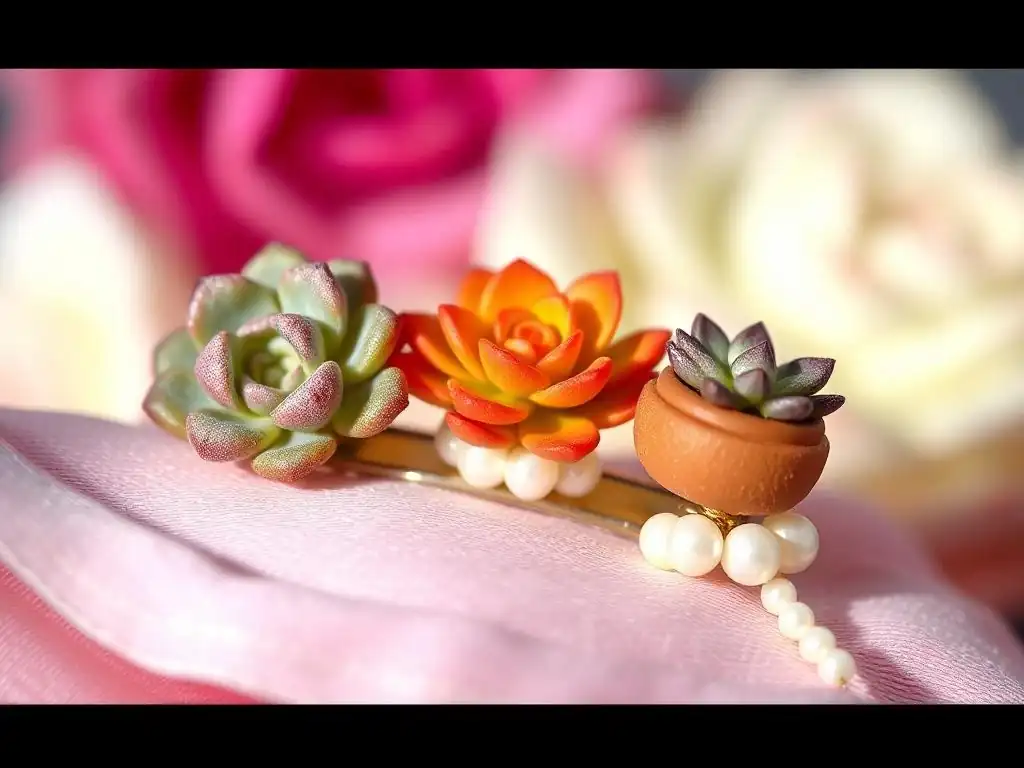
Welcome to SucculentEssentials.org, where the extraordinary world of succulents unfolds before you! Dive into a universe of vibrant colors, unique textures, and endless creative possibilities. But first, prepare to be amazed: discover how to craft stunning DIY succulent hair clips, transforming ordinary accessories into breathtaking works of art. Ready to unlock the secrets of succulent cultivation and unleash your inner artist? Explore the captivating world of succulents and elevate your style – let the adventure begin!
- Introduction to DIY Succulent Hair Clips
-
Crafting Your Own DIY Succulent Hair Clips: A Step-by-Step Guide
- Gathering Your Supplies: Essential Materials for DIY Succulent Hair Clips
- Preparing Your Succulents: Choosing the Right Plants and Ensuring Longevity
- Creating the Base: Selecting and Preparing Hair Clip Bases
- Attaching the Succulents: Secure and Creative Methods for Attachment
- Sealing and Finishing: Protecting Your Creation and Ensuring Durability
- Design Ideas and Inspiration for Succulent Hair Accessories
- Tips and Tricks for Maintaining Your Succulent Hair Clips
- Expanding Your Succulent Hair Accessory Collection: Beyond Hair Clips
- Frequently Asked Questions
- Final Reflection: Blooming Beauty: The Enduring Appeal of Succulent Hair Accessories
- Unleash Your Inner Gardener: Craft Your Own Succulent Hairpiece!
Introduction to DIY Succulent Hair Clips
Succulents, with their fascinating textures, vibrant colors, and surprisingly versatile forms, have transcended their role as mere houseplants. This article delves into the burgeoning trend of incorporating these drought-tolerant beauties into unique and stylish hair accessories.
We'll explore the enchanting world of DIY succulent hair clips, guiding you through the process of crafting your own miniature botanical masterpieces. From understanding the appeal of succulent-inspired hair adornments to weighing the pros and cons of using real versus faux succulents, we'll equip you with the knowledge and inspiration to elevate your personal style with a touch of nature's artistry.
Whether you're a seasoned succulent enthusiast or a curious beginner, this guide will empower you to create stunning, one-of-a-kind hair clips that reflect your individual personality and love for these captivating plants. Get ready to discover the joy of crafting and the beauty of blending nature with your personal aesthetic – let's dive into the world of DIY succulent hair clips!
The Allure of Succulent-Inspired Hair Accessories
The appeal of succulent-inspired hair accessories lies in their unique blend of natural beauty and modern style. These miniature botanical wonders offer a refreshing alternative to traditional hair ornaments, injecting a touch of unexpected elegance and bohemian charm into any hairstyle. Their versatility is undeniable; they can complement both casual everyday looks and more formal occasions.
The captivating textures and diverse colors of succulents provide endless possibilities for creative expression. Imagine the subtle elegance of a single, perfectly formed Echeveria nestled in a delicate silver clip, or the vibrant pop of color added by a cluster of bright Sedum. The possibilities are as diverse and unique as the succulents themselves!
Furthermore, the very act of crafting these accessories is incredibly rewarding, allowing you to connect with nature and showcase your creativity in a tangible and wearable way. It's a trend that celebrates both the beauty of the natural world and the ingenuity of handmade artistry.
Why Choose Succulents for Your Hair Decor?
Several factors contribute to the growing popularity of succulents as a choice for hair accessories. Their inherent qualities make them exceptionally well-suited for this application:
- Durability: Many succulent varieties possess a robust structure, making them surprisingly resilient for use in hair accessories. Carefully selected and prepared succulents can withstand the gentle handling involved in daily wear.
- Aesthetic Versatility: The wide array of succulent species, each with its unique shape, color, and texture, offers endless design possibilities. From tiny, rosette-shaped succulents to trailing varieties, there's a perfect succulent for every style and preference.
- Low Maintenance: Once properly prepared and secured in a hair clip, succulents require minimal maintenance, unlike fresh flowers which wilt quickly. This makes them a practical and convenient choice for everyday wear.
- Uniqueness: DIY succulent hair clips offer a distinctive and personalized touch. No two clips will ever be exactly alike, reflecting the natural variations in the succulents themselves and the individual creativity of the maker. They are a perfect statement piece for those who appreciate unique, handcrafted items.
- Eco-Friendly Potential: Using sustainably sourced or propagated succulents promotes environmentally conscious crafting.
Benefits of Using Real vs. Faux Succulents in Hair Accessories
The choice between real and faux succulents for your hair accessories depends on your priorities and aesthetic preferences. Both options offer unique advantages:
| Feature | Real Succulents | Faux Succulents |
|---|---|---|
| Authenticity | Offers the undeniable charm of natural beauty. | Provides a consistent, long-lasting appearance. |
| Longevity | Requires careful preparation and may not last indefinitely. | Offers indefinite lifespan with proper care. |
| Maintenance | Requires occasional misting or light watering. | Requires minimal to no maintenance. |
| Cost | May be more expensive initially. | Generally more affordable upfront. |
| Sustainability | Promotes sustainable practices if sourced responsibly. | May be made from less sustainable materials. |
| Texture | Offers a unique tactile experience. | May lack the same natural texture and feel. |
Choosing between real and faux succulents involves weighing these factors to determine which option best aligns with your desired outcome and personal preferences. Both offer unique advantages and contribute to the growing trend of incorporating succulents into stylish and expressive hair accessories. Ultimately, the best choice depends on your individual needs and artistic vision.
Crafting Your Own DIY Succulent Hair Clips: A Step-by-Step Guide
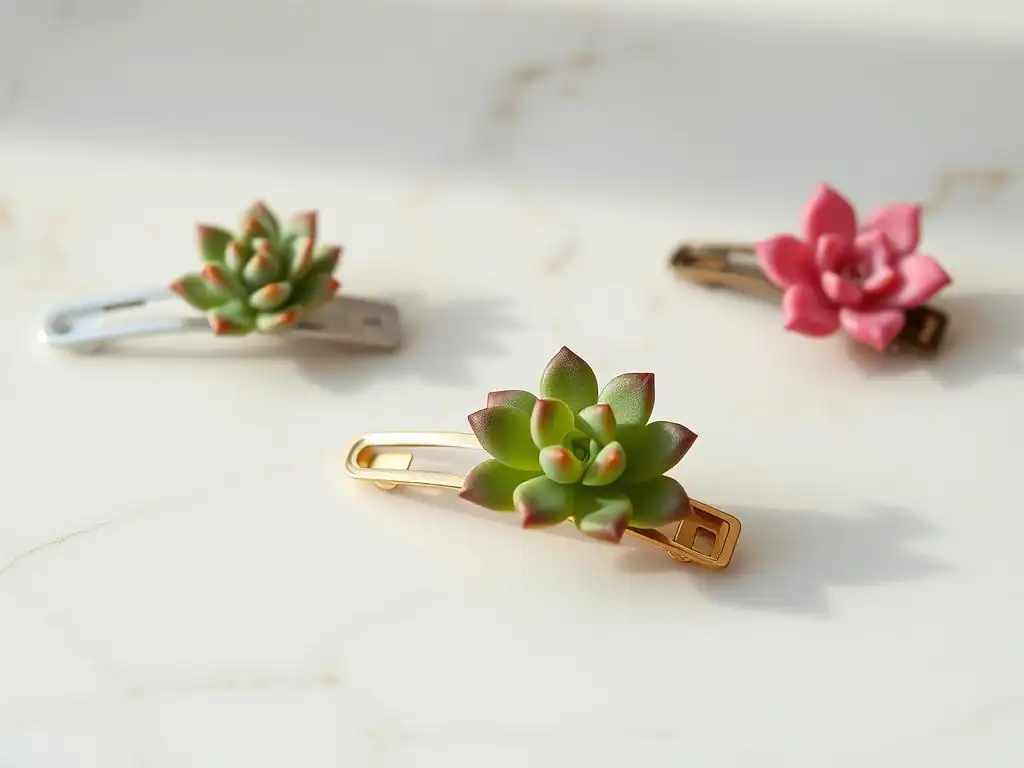
This section provides a comprehensive guide to creating your own unique and stylish DIY succulent hair clips. We'll cover everything from selecting the perfect succulents to securing them safely and beautifully onto your chosen hair clip base. Learn how to make these charming accessories, perfect for adding a touch of nature to your everyday look or for special occasions. Remember, safety and the well-being of your succulents are paramount throughout this process.
Gathering Your Supplies: Essential Materials for DIY Succulent Hair Clips
Before you begin crafting your succulent hair clips, gather all the necessary materials. Having everything prepared beforehand will streamline the process and prevent interruptions. Here's a checklist of essential supplies:
- Succulents: Choose small, healthy succulents with strong, established root systems. Avoid succulents that are overly fragile or show signs of stress. Consider varieties known for their durability and ability to tolerate slightly drier conditions, such as Echeveria, Sedum, or Sempervivum. The size will depend on the size of your chosen hair clip.
- Hair clips: Select sturdy hair clips in a size and style that complements your chosen succulents. Alligator clips, bobby pins, or barrettes all work well, depending on your preference and the size of your succulents. Metal clips are generally preferred for their durability.
- Hot glue gun and glue sticks: A hot glue gun is essential for securely attaching the succulents to the hair clips. Ensure you have enough glue sticks on hand.
- Scissors or small pruning shears: These are needed for trimming any excess roots or leaves from your succulents.
- Gloves (optional): Wearing gloves can protect your hands from any potential plant irritants.
- Small container for water: A small container to hold water for occasional misting of the succulents is recommended.
- Small trowel or spoon: Useful for gently removing succulents from their pots without damaging their roots.
Preparing Your Succulents: Choosing the Right Plants and Ensuring Longevity
Selecting the right succulents is crucial for the longevity of your DIY hair clips. Avoid overly delicate or recently watered succulents as they are more prone to damage during the crafting process. Prioritize healthy succulents with firm leaves and a strong root system.
- Choosing the Right Succulents: Small, slow-growing succulents are ideal for hair clips. Their compact size prevents the clips from becoming too heavy or unwieldy. Consider varieties that are relatively drought-tolerant, as they'll be exposed to less frequent watering once attached to the clips.
- Ensuring Longevity: Before attaching the succulents, gently remove them from their pots, carefully loosening the roots. Trim any overly long or damaged roots to encourage better adhesion to the glue. Avoid over-watering your succulents before and after attaching them to the clips. Properly prepared succulents will last longer and remain healthy.
- Succulent Variety Considerations: Different succulent varieties have different needs. Research the specific requirements of your chosen succulents to ensure their long-term health. For instance, some succulents prefer more sun than others. Understanding these needs will help you create lasting DIY succulent hair clips.
Creating the Base: Selecting and Preparing Hair Clip Bases
The base you choose for your DIY succulent hair clips significantly impacts their overall look and durability. Consider the size, shape, and material of the clip in relation to the size and type of succulent you've chosen.
- Clip Selection: Alligator clips are popular due to their strong grip and versatility. They are readily available and come in various sizes. Bobby pins offer a more delicate approach, suitable for smaller succulents and a more understated look. Barrettes provide a wider base, allowing for more creative arrangements.
- Preparing the Clips: Before applying the hot glue, ensure your clips are clean and dry. Any residue or moisture can interfere with the adhesion of the glue. This is especially important with metal clips, as moisture can cause corrosion.
- Applying the Glue: Use a small amount of hot glue to attach the succulent securely to the clip. Be careful not to burn yourself and avoid using too much glue, as it can damage the succulent. Allow the glue to cool completely before handling the clip to ensure a strong and lasting bond. Consider applying a thin layer of sealant to protect the glue and further secure the succulent.
Attaching the Succulents: Secure and Creative Methods for Attachment
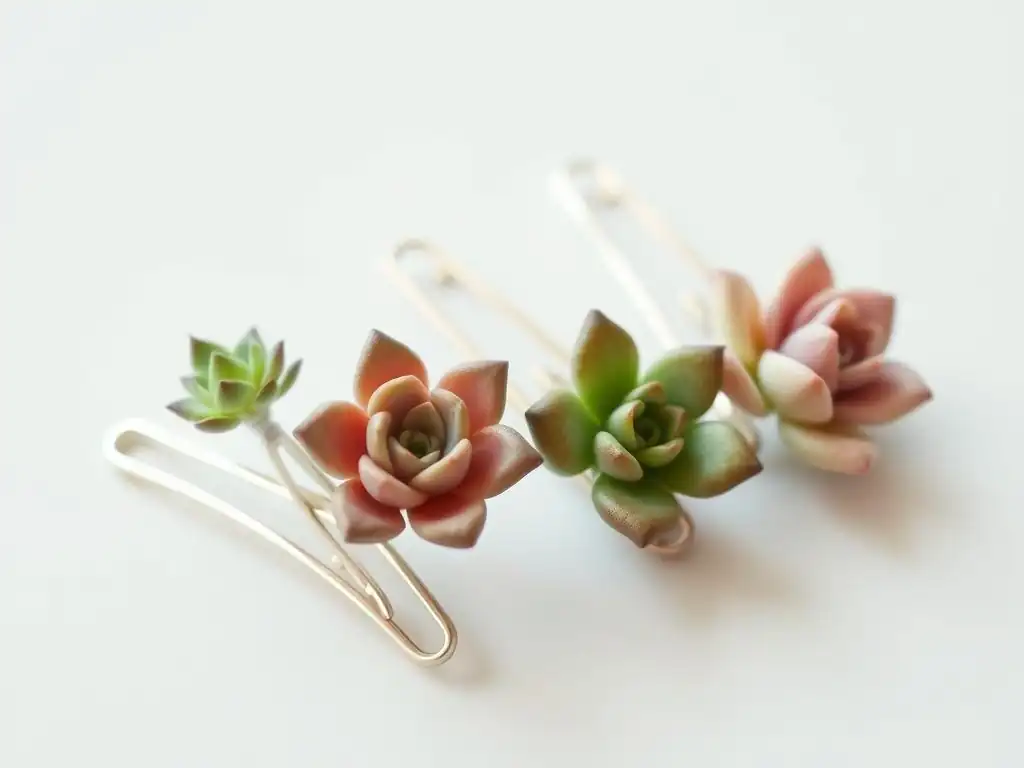
Attaching succulents to your hair clips requires a delicate touch and the right adhesive to ensure both the plant's health and the clip's longevity. Avoid using harsh glues that might damage the succulent leaves. Hot glue, while readily available, can be too aggressive and cause burning or wilting. Instead, opt for a more gentle approach.
One effective method is using a strong, yet flexible, craft glue designed for delicate materials. Apply a tiny amount of glue directly to the base of the succulent leaf or stem, ensuring you don't overload the plant. Press it firmly but gently onto the hair clip, holding it in place for a few seconds to allow the glue to set. This method works best with smaller succulents or individual leaves.
For larger succulents or more intricate arrangements, consider using floral wire. This allows for more secure placement and creative shaping. Carefully weave the wire around the base of the succulent, securing it tightly but avoiding damaging the plant. Then, wrap the wire around the hair clip, ensuring a firm hold. Remember to use thin, flexible wire to minimize the risk of damage. You can conceal the wire using small beads or decorative elements.
Another option for a more natural look is using a mixture of beeswax and resin. This method is particularly suited for creating a more permanent bond, though it requires slightly more preparation. Melt the beeswax and resin together according to the manufacturer's instructions, carefully dipping the base of the succulent into the warm mixture. Press it onto the clip and allow it to cool completely. This technique provides a strong, waterproof seal. Remember to work in a well-ventilated area when using beeswax and resin.
Sealing and Finishing: Protecting Your Creation and Ensuring Durability
Once your succulents are securely attached, sealing and finishing are crucial steps for protecting your DIY succulent hair clips and ensuring their longevity. An unsealed arrangement is vulnerable to moisture loss and potential damage.
A clear sealant is your best friend. Various options exist, including acrylic sealants, specifically formulated for craft projects, and even some specialized plant sealants. Apply a thin, even coat to the entire arrangement, ensuring you cover the exposed areas of the succulents and the glue points. Avoid applying too thick a coat, as this can lead to a sticky or cloudy finish. Allow the sealant to dry completely according to the manufacturer's instructions before handling. Multiple thin coats are generally better than one thick coat.
After the sealant has dried, you can enhance the appearance of your hair clip with additional embellishments. Small beads, glitter, or even miniature charms can add a touch of personality and flair. These additions not only enhance the aesthetic appeal but also help to camouflage any imperfections or glue residue. Remember to seal these embellishments as well to ensure their longevity.
Finally, consider the overall durability of your creation. While succulents are drought-tolerant, prolonged exposure to moisture can still damage them. Avoid wearing your hair clip in rainy conditions or during activities involving excessive sweating or water exposure. Proper care and mindful use will significantly extend the lifespan of your beautiful DIY succulent hair clip.
Design Ideas and Inspiration for Succulent Hair Accessories
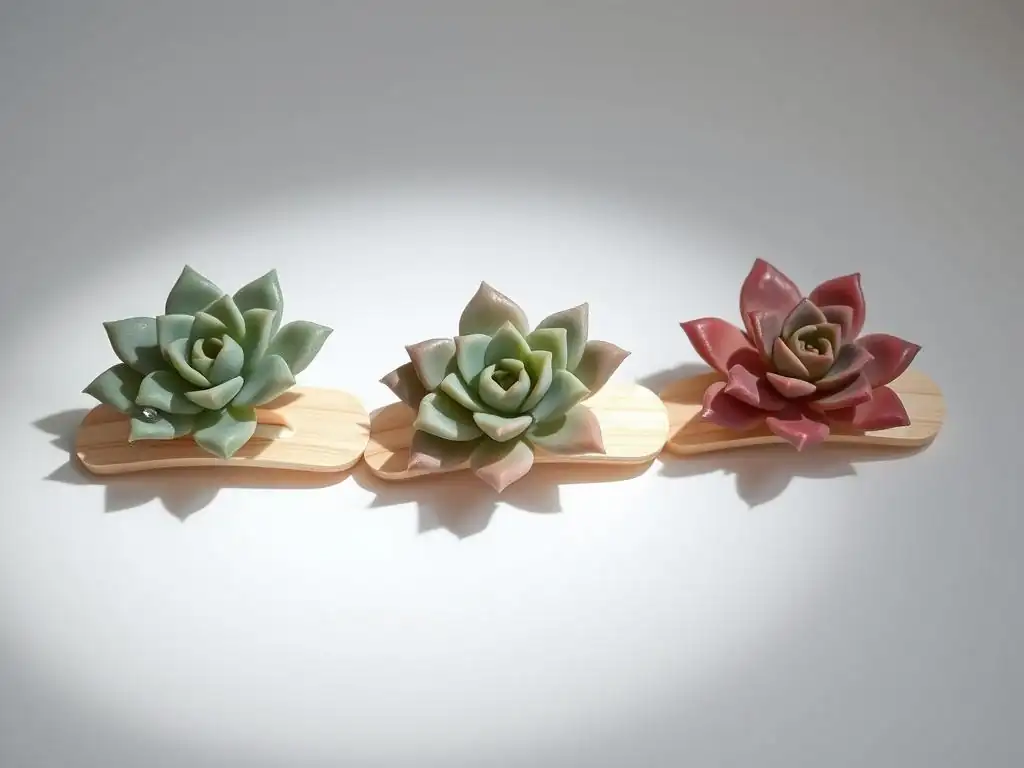
This section explores creative avenues for crafting unique and stylish succulent hair accessories, specifically focusing on DIY succulent hair clips. We'll delve into miniature garden designs, incorporating natural elements, and coordinating colors for a truly personalized look. Remember, safety is key! Always use appropriate adhesives and ensure your creations are securely fastened to avoid any accidents.
Miniature Succulent Gardens on Hair Clips
Creating miniature succulent gardens on hair clips offers a charming and intricate way to express your love for these plants. The key is to select small, slow-growing succulent varieties that won't outgrow their space quickly. Consider using varieties like Sedum rubrotinctum (Jelly Bean plant), Echeveria species known for their rosette shape, or even tiny Sempervivum (hen and chicks).
The process involves carefully gluing the succulents onto the clip. Use a strong, yet flexible adhesive designed for crafting, such as a hot glue gun (use with caution!) or a specialized craft glue. Ensure the succulents are firmly attached and the glue is completely dry before handling. You can create different garden scenes, such as a desert landscape with small stones and sand, or a more lush look by adding a bit of moss.
Here's a sample design process:
- Prepare the Hair Clip: Clean the clip thoroughly with rubbing alcohol to ensure the adhesive will bond properly.
- Select Your Succulents: Choose small, healthy succulents and carefully remove them from their pots, gently brushing off excess soil.
- Apply Adhesive: Apply a small amount of adhesive to the back of each succulent and carefully place it on the hair clip, arranging them to your liking.
- Secure and Dry: Allow the adhesive to dry completely before handling or wearing the clip.
- Optional Additions: Add small decorative elements like tiny pebbles, sand, or miniature figurines to enhance your garden scene.
Remember to prioritize the health of your succulents. Proper drainage is crucial, even in miniature settings. Avoid overwatering and ensure your clips are displayed in a well-ventilated area to prevent rot.
Incorporating Other Natural Elements: Adding Texture and Visual Interest
To elevate your DIY succulent hair clips beyond simple plant arrangements, consider incorporating other natural elements. These additions provide textural contrast and visual interest, creating a more complex and captivating design.
Think about using:
- Dried Flowers: Delicate dried flowers, such as baby's breath or small wildflowers, can add a touch of elegance and whimsy.
- Moss: A small amount of preserved moss can create a lush, natural base for your succulent garden.
- Small Stones and Pebbles: These elements add visual texture and can be used to create pathways or borders within your miniature garden.
- Tiny Shells or Beads: For a beachy or bohemian vibe, consider incorporating small shells or beads.
- Twigs or Miniature Branches: These can add height and interest, especially when arranged strategically.
The possibilities are endless! Experiment with different combinations of natural elements to create unique and personalized designs. Remember to consider the overall aesthetic you're aiming for – a rustic, bohemian, or modern look? This will guide your selection of complementary elements. The key is balance; avoid overcrowding the hair clip with too many elements, allowing the succulents to remain the focal point.
Color Coordination: Matching Your Succulent Hair Clips to Your Outfit
The beauty of DIY succulent hair clips lies in their versatility. By carefully selecting succulent varieties and coordinating colors, you can effortlessly match your hair accessories to your outfit, creating a cohesive and stylish look.
Consider these color palettes:
| Outfit Color | Complementary Succulent Colors | Example Succulent Varieties |
|---|---|---|
| Pastel Pink/Purple | Light green, silvery-grey, blush pink | Sedum morganianum (Burro's Tail), Echeveria 'Perle von Nürnberg' |
| Bright Yellow/Orange | Deep reds, oranges, and yellows | Sedum adolphii, Echeveria 'Laui', Graptopetalum paraguayense |
| Deep Blues/Greens | Shades of green, blue-toned succulents, hints of purple | Echeveria 'Blue Prince', Graptoveria 'Debbie', Sedum 'Blue Spruce' |
| Neutral Tones | Muted greens, browns, and greys | Sedum burrito, Dudleya brittonii, Haworthia species |
By carefully considering the colors of your outfit and choosing succulents with complementary hues, you can create a truly stunning and coordinated look. Remember that the shape and texture of the succulents also contribute to the overall visual appeal. Experiment with different combinations to find what works best for you! Don't be afraid to play with contrasting colors for a bolder statement. The possibilities are as diverse and vibrant as the succulent world itself! 🌵
Tips and Tricks for Maintaining Your Succulent Hair Clips
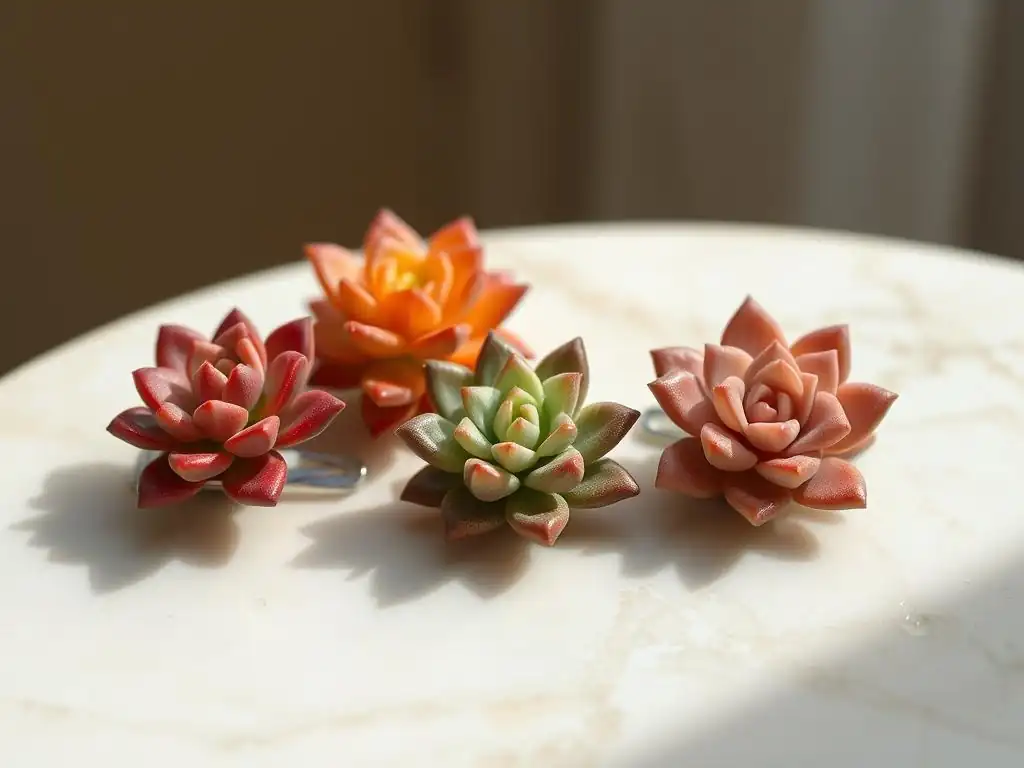
Creating stunning DIY succulent hair clips is rewarding, but preserving their beauty requires careful attention. These tips will help you keep your creations looking vibrant and healthy for longer. Remember, patience and consistent care are key to success with these miniature succulent gardens.
Watering and Care Instructions for Succulents on Hair Clips
Watering miniature succulents in hair clips is a delicate balance. Overwatering is a common mistake that leads to root rot and plant death. Instead of a regular watering schedule, focus on the soil's moisture level. Use a small, pointed watering can or a syringe to carefully apply water directly to the soil, avoiding the leaves and stems. Allow the soil to dry completely between waterings; this might mean waiting several days, even a week, depending on the climate and the size of your succulent.
Here's a handy guide:
| Watering Frequency Indicator | Action |
|---|---|
| Soil feels completely dry | Water lightly, allowing excess to drain. |
| Soil feels slightly damp | Wait a few more days before watering. |
| Soil feels soggy or wet | Do not water; allow soil to dry completely to prevent root rot. This might require removing the succulent and allowing the roots and soil to dry completely before replanting. |
Remember to consider the type of succulent used. Some, like Echeveria, are more drought-tolerant than others, like Sedum. Observe your succulents closely; their appearance will indicate their hydration level. Wilting leaves are a clear sign of thirst, while plump, firm leaves suggest adequate moisture. Always prioritize thorough drainage to prevent waterlogging. Small holes in the base of the hair clip base are crucial for this.
Adding a small layer of drainage material, such as perlite or small pebbles, at the bottom of your hair clip base before planting will further improve drainage and prevent water retention. This is especially important for those using smaller hair clip bases.
Troubleshooting Common Issues: Addressing Problems with Wilting or Damage
Even with careful attention, problems can arise. Here's how to tackle common issues:
- Wilting: Wilting often indicates underwatering, but it can also be a sign of sunburn or pest infestation. Check the soil moisture; if dry, water carefully. If the soil is moist, inspect for pests and move the clip to a shadier location.
- Root Rot: Soggy soil and overwatering lead to root rot, a fatal condition. If you suspect root rot (mushy, dark roots), remove the succulent from the clip, carefully rinse the roots, and repot in fresh, well-draining soil. Ensure the new soil is completely dry before planting.
- Leaf Drop: Stress, such as sudden temperature changes or infrequent watering, can cause leaf drop. Address the underlying cause (adjust watering, provide shade, etc.) and the plant may recover, but expect some leaf loss.
- Pest Infestation: Mealybugs and aphids are common succulent pests. Inspect your plants regularly. If pests are present, use a gentle insecticidal soap or neem oil to treat them. Isolate the affected clip to prevent infestation of other plants.
Remember, a healthy succulent is a happy succulent! Regular inspection is key to catching problems early. Consider using a magnifying glass to check for tiny pests.
Storing Your Succulent Hair Clips: Preserving Their Freshness and Beauty
Proper storage is vital for extending the life of your succulent hair clips. Avoid direct sunlight and extreme temperatures. A cool, dry, and well-ventilated area is ideal.
Here are some storage tips:
- Avoid direct sunlight: Direct sunlight can scorch the delicate leaves of your succulents. Store them in a shaded location to prevent this.
- Maintain moderate humidity: While succulents love dry conditions, extremely low humidity can cause them to dry out. If you live in a particularly arid climate, consider storing them in a slightly humid environment, such as a closed container with some damp pebbles (but not directly on the pebbles).
- Protect from drafts: Cold drafts can stress the plants. Keep them away from air conditioners or open windows.
- Regularly inspect: Even in storage, it's important to check your clips periodically for signs of pests or wilting.
By following these tips, you can enjoy your beautiful DIY succulent hair clips for a longer time, adding a touch of natural elegance to your style! Remember that even with the best care, these miniature gardens have a limited lifespan. Enjoy them while they thrive and be prepared to create new ones! 🪴
Expanding Your Succulent Hair Accessory Collection: Beyond Hair Clips
This section explores the diverse possibilities of incorporating succulents into your hair accessories, going beyond the popular DIY succulent hair clips. We'll delve into crafting unique and eye-catching pieces that will elevate your style and showcase your love for these fascinating plants. Remember, safety is key when working with succulents – always prioritize clean hands and tools to avoid contamination and potential skin irritations. Let's get creative!
DIY Succulent Headbands and Crowns
Creating succulent headbands and crowns offers a fantastic opportunity to make a bold statement. Instead of small, delicate clips, these larger accessories allow for more creative freedom and the incorporation of a wider variety of succulent types and sizes. Consider using a sturdy base for your headband or crown – a wire frame covered in floral tape works well, providing flexibility and support for the succulents.
You can achieve a whimsical, bohemian look by using small, tightly clustered succulents like Sedum rubrotinctum ('Jelly Bean') or Echeveria varieties. For a more dramatic effect, incorporate larger succulents like Echeveria elegans ('Mexican Snowball') or Graptopetalum paraguayense ('Ghost Plant'), ensuring they are securely attached. Remember to choose succulents that are hardy and can tolerate some manipulation.
Experiment with different textures and colors to create a visually interesting piece. Consider adding small beads, feathers, or other embellishments to complement the succulents and further personalize your creation. The possibilities are endless! To ensure longevity, use a strong adhesive specifically designed for crafting and floral arrangements. Regularly mist the succulents to keep them hydrated, but avoid overwatering.
Here's a sample materials list for a succulent headband:
| Material | Quantity | Notes |
|---|---|---|
| Wire Headband | 1 | Flexible, preferably covered in floral tape |
| Floral Tape | 1 roll | To secure the wire and succulents |
| Small Succulents | 5-10 | Variety of colors and textures |
| Craft Glue | 1 tube | Strong adhesive, suitable for crafting |
| Optional Embellishments | As desired | Beads, feathers, etc. |
Succulent-Inspired Hair Pins and Barrettes
Smaller, more delicate succulent-inspired hair accessories, such as hair pins and barrettes, offer a more subtle yet equally stylish approach. Instead of using actual succulents, which might be challenging to maintain, consider using polymer clay to sculpt miniature succulent replicas.
This method allows for greater artistic freedom and avoids the concerns of plant care. You can create incredibly realistic-looking succulents in various colors and shapes, attaching them to plain hair pins or barrettes using strong craft glue. Consider incorporating metallic accents, such as gold leaf or tiny beads, to add a touch of elegance. These miniature succulent hair accessories are perfect for everyday wear and add a unique touch to any hairstyle.
Alternatively, you can use small, dried succulents, carefully preserved and sealed with resin to create delicate and long-lasting hair pins. This method requires careful preparation and preservation of the succulents to prevent them from crumbling or deteriorating. Ensure proper sealing to prevent any potential damage to your hair.
Creating Unique Succulent Hair Combs
Succulent hair combs provide another avenue for creative expression. These can range from simple designs featuring a few carefully placed succulents to more elaborate pieces incorporating a variety of succulents and other embellishments. A sturdy comb base is crucial; consider using a metal or plastic comb that is strong enough to support the weight of the succulents.
Similar to headbands, you can use a variety of succulents, from small, tightly clustered ones to larger, more statement-making varieties. The key is to secure them firmly to the comb using a suitable adhesive. Consider adding small decorative elements, such as beads, crystals, or charms, to enhance the visual appeal and add a touch of personalization.
Remember to choose succulents that are relatively hardy and can withstand some manipulation. Regularly misting the succulents will help keep them hydrated, but avoid overwatering to prevent rot. For a truly unique touch, consider incorporating succulents that have unusual colors or textures. The possibilities are limitless when creating unique succulent hair combs, allowing you to express your personal style and love for succulents in a truly distinctive way.
Frequently Asked Questions
What materials do I need to make DIY succulent hair clips?
You'll need small succulents (propagations work great!), hair clips, strong glue, and optional decorative elements like beads or ribbon. Ensure your glue is suitable for crafting and plant use.
How do I prepare the succulents for attaching to the hair clips?
Gently remove excess soil from the succulent cuttings. Allow them to callus for a few days before gluing to prevent rot. This crucial step ensures a longer lifespan for your creation.
What type of glue is best for attaching succulents to hair clips?
A strong, waterproof craft glue is recommended. Avoid using anything that might damage the succulent. Hot glue can be too harsh, potentially burning or damaging the plant.
How long will my DIY succulent hair clips last?
With proper care, your DIY succulent hair clips can last for several weeks or even months. Keep them away from direct sunlight and excessive moisture to prolong their life.
Can I use any type of succulent for these hair clips?
It's best to use smaller, hardier succulent varieties that are less prone to rot. Avoid using succulents with thick, fleshy leaves as they may be too heavy for the clips. Echeveria and Sedum propagations often work well.
Final Reflection: Blooming Beauty: The Enduring Appeal of Succulent Hair Accessories
The art of crafting succulent hair clips isn't merely a trend; it's a testament to our enduring connection with nature's beauty and our innate desire for self-expression. These miniature botanical masterpieces offer a unique way to personalize our style, adding a touch of whimsical elegance to any outfit. The surge in popularity of DIY succulent hair clips reflects a broader cultural shift towards sustainable and handcrafted aesthetics.
The enduring appeal of these accessories lies not just in their visual charm, but in the process of creation itself. The act of carefully selecting succulents, crafting the clips, and adorning one's hair is a meditative practice, a small act of self-care that connects us to the natural world. The earth laughs in flowers.
- Ralph Waldo Emerson. This quote perfectly encapsulates the joy and vibrancy that these tiny botanical wonders bring to our lives, transforming a simple hair accessory into a statement of personal style and appreciation for nature's artistry.
Now, consider your own creative potential. Imagine the unique designs you could create, the personalized touch you could add to your everyday style. Don't just admire the beauty of succulent hair clips; become a creator. Experiment with different succulent varieties, explore unique clip designs, and share your creations with the world. Let your creativity bloom, and let your hair accessories reflect the vibrant, unique individual you are.
Unleash Your Inner Gardener: Craft Your Own Succulent Hairpiece!
Thanks for exploring the wonderful world of succulent hair accessories! We hope you've found inspiration for adding a touch of nature to your style. Ready to create your own?
- Design a unique succulent hairpiece: Gather your favorite faux succulents (or real ones, if you're feeling adventurous! ), some hair clips or pins, and let your creativity flow! Experiment with different arrangements and colors to personalize your style.
- Share your creations: Show us your stunning succulent hairstyles! Post a picture on social media using #SucculentHairStyle and tag @SucculentEssentials. Let's build a community of nature-loving fashionistas!
- Explore more succulent craft ideas: Discover more botanical accessories – visit our website for tutorials and inspiration on other creative projects.
What will you create first? Let us know in the comments!